
Walk into any busy grocery store on a Saturday afternoon and you’ll notice something quietly revealing: a handful of shoppers bypass the empty self-checkout kiosks entirely and head straight for the staffed lane, even when the wait is longer. It’s a deliberate choice, and it tends to baffle people who prize speed above all else.
The thing is, this behavior isn’t random or born of technophobia. Psychology suggests that people who consistently refuse to use these machines, even when the traditional line is longer, often share certain personality traits and behavioral patterns. Those traits, it turns out, say quite a lot about how a person moves through the world beyond the grocery store.
They Place Genuine Value on Human Connection
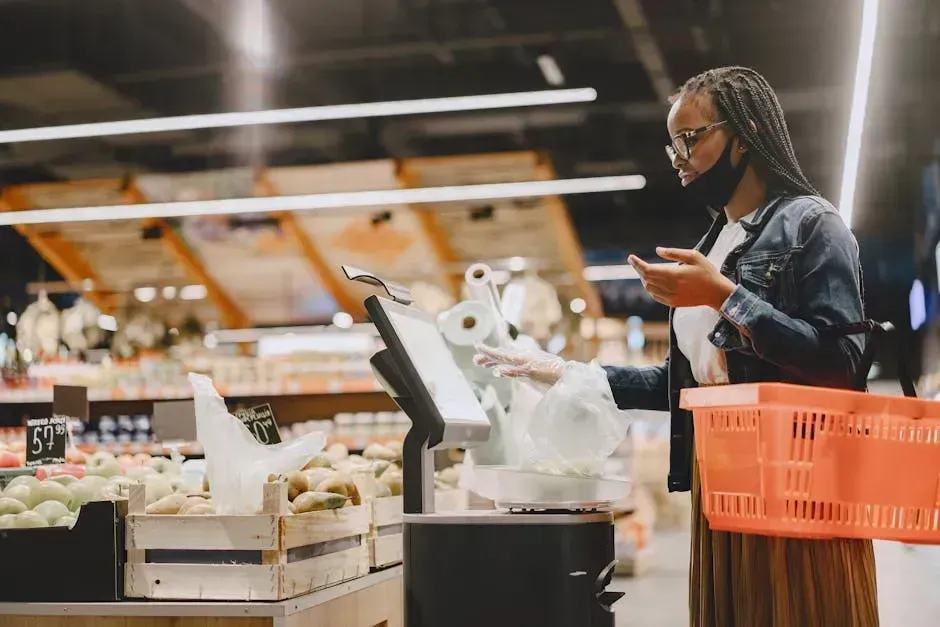
Those who choose the traditional checkout over self-checkout often have a high regard for personal service. They appreciate the effort and expertise of the staff, recognizing that their role is more than just scanning items. These individuals delight in the small gestures – a smile, a friendly greeting, or a helpful suggestion. For them, these interactions add value to the shopping experience that a self-checkout machine simply can’t replicate.
If a clerk isn’t doing anything and looks bored, an empathetic person may choose their line over self-checkout simply to offer them some attention. Or if someone’s clearly upset, they may take the time out of their day to offer them a compliment or extend them a smile. These aren’t grand gestures. They’re quiet, habitual acts of acknowledgment that connection-oriented people seem to pursue almost instinctively.
They Tend to Be Highly Empathetic
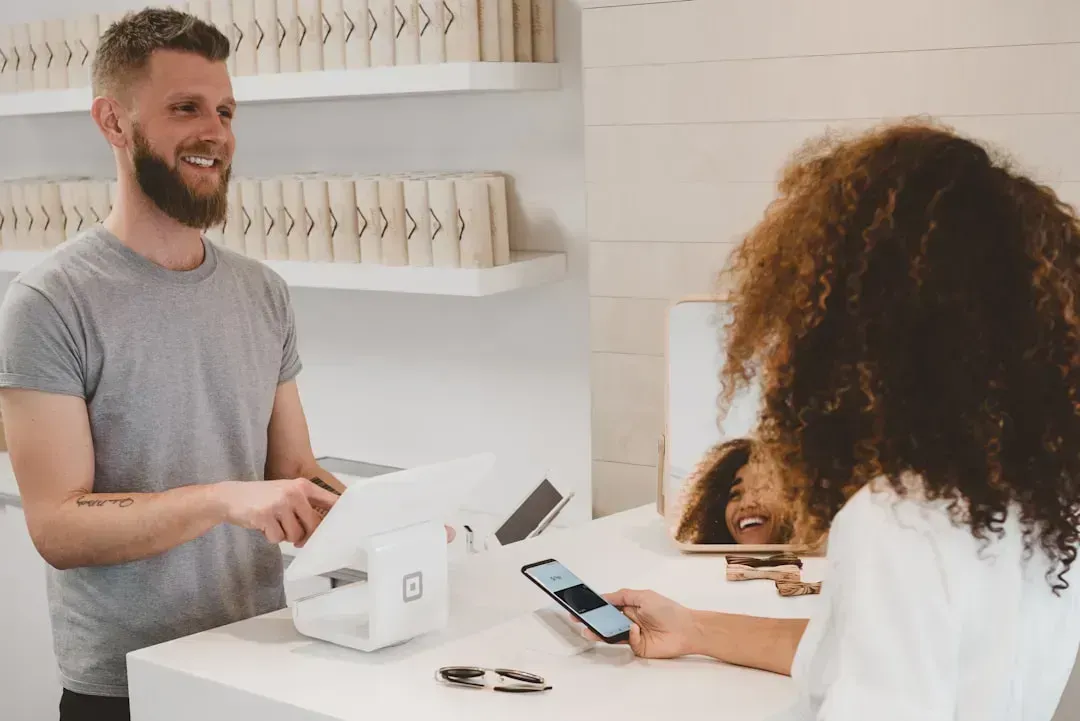
What do cashier jobs mean in a world of increasing automation? This question weighs heavily on some shoppers, and their choice to wait in a human line becomes a quiet form of advocacy. Studies involving shoppers in North America have found that many people avoid self-checkout specifically because “machines don’t pay taxes and cashiers need the hours.” It’s not inefficiency they’re choosing. It’s a values-based decision rooted in empathic moral reasoning.
Sectors like retail and administrative support face deeper disruption from automation. Self-checkout systems have reduced cashier roles by nearly a quarter in major chains. People who feel this reality keenly, and who are wired to consider the lives of others, often translate that empathy directly into where they stand in the store.
They Have a Strong Sense of Personal Ethics
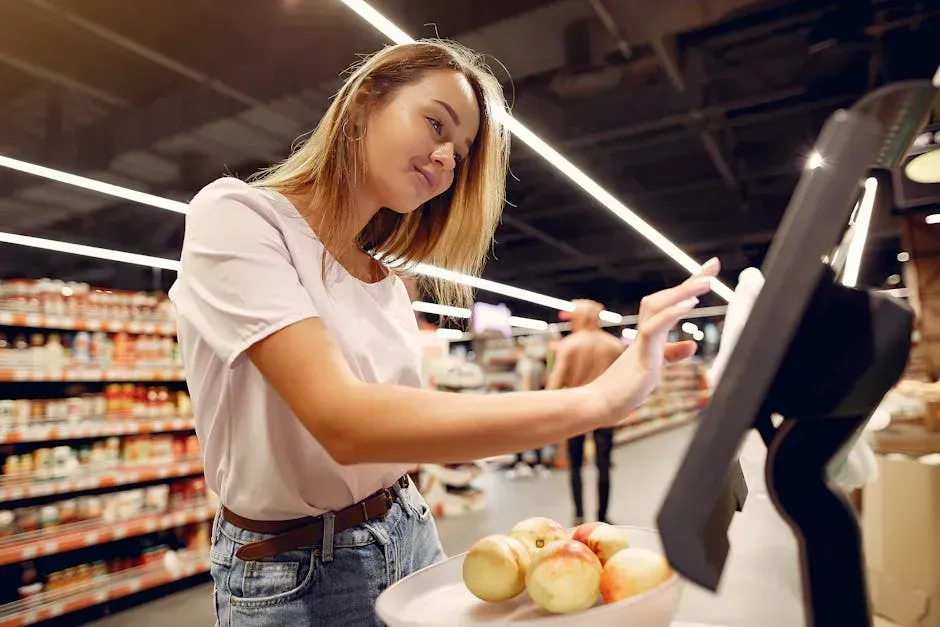
A large group refuses self-checkout on principle – they believe it takes jobs away from real people. They’d rather wait in a longer line and support a human cashier than speed through a machine. This is especially common among people who grew up seeing grocery stores as community hubs. For these shoppers, the checkout lane is not just a logistical step. It’s a small, recurring moral choice.
Whether they’re driven by traditional values or a desire to connect with people wherever they go, people who refuse to use the self-checkout at grocery stores almost always have specific personality traits. They’re not necessarily driven by convenience or efficiency, but by their own intrinsic motivations and values. That consistency between belief and action is a hallmark of people with a well-defined ethical compass.
They’re Detail-Oriented and Accuracy-Conscious
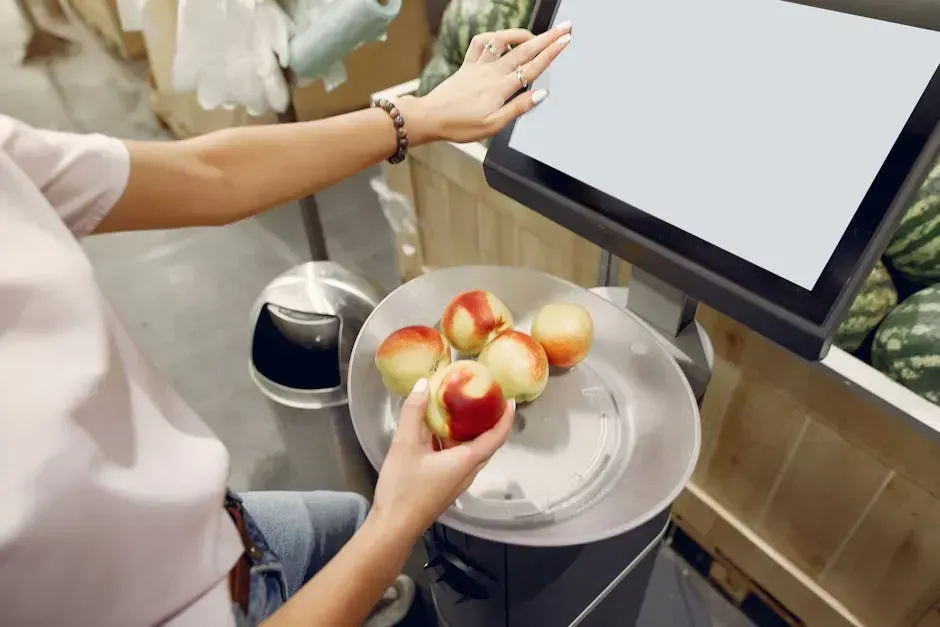
It’s not just about not wanting to deal with machines, but also a deep-seated need to avoid mistakes at all costs. For these individuals, letting a professional handle the checkout process reduces the chance of errors and provides a sense of relief and satisfaction. Next time you see someone avoiding the self-checkout, it might not be technophobia, but rather a pursuit of perfection driving their choice.
Those who prefer traditional checkout lanes might not just be avoiding technology – they could be ensuring accuracy and precision in their transactions. Research showed that people who have a high desire for control and perfection are less likely to embrace technology that they perceive as having potential for error. When roughly two thirds of shoppers report encountering a dysfunctional self-service kiosk, that caution doesn’t feel unreasonable.
They’re Remarkably Patient by Nature
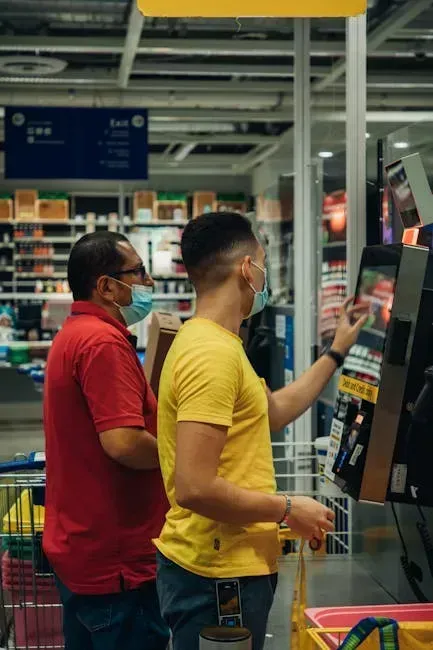
In the fast-paced world we live in, patience can often seem like a forgotten virtue. But for those who choose to wait in line rather than use self-checkout, patience is a key trait. These individuals are often not bothered by queues or waiting times. They understand that good things come to those who wait, and they’re willing to practice patience in their everyday activities, including shopping.
Studies have shown that patient people tend to experience less depression and negative emotions, suggesting that opting for the checkout line may not only be a sign of a patient personality but also a healthier emotional state. Perhaps the checkout line isn’t just a slower option, but also a choice for mental well-being. There’s a certain calm that comes with people who don’t feel compelled to optimize every minute of their day.
They’re Wary of Technology and Data Collection
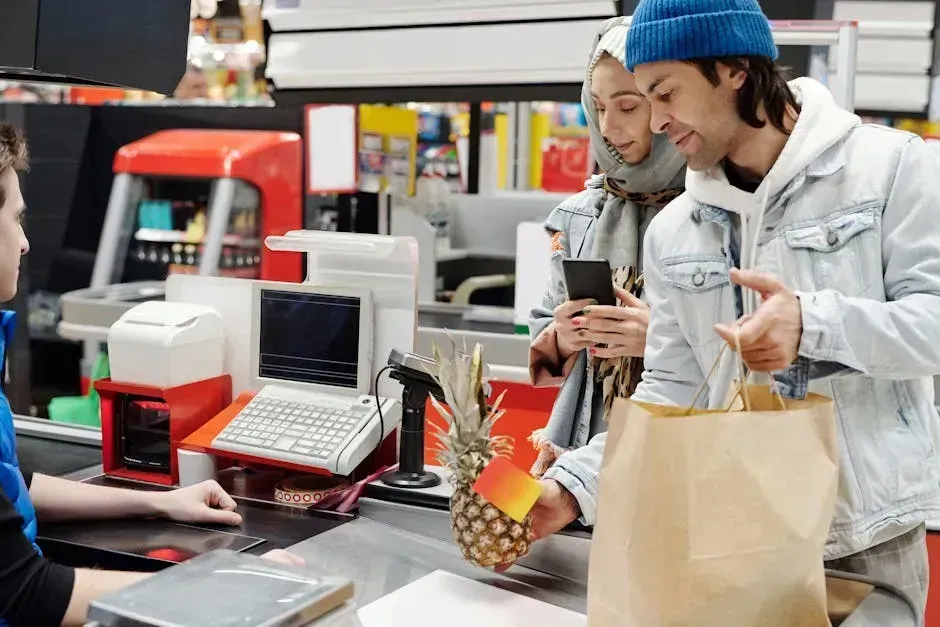
Every self-checkout transaction creates data points about your shopping habits, payment methods, and behavioral patterns. Some people are acutely aware of this digital footprint. While cashiers also use systems that track purchases, there’s something about directly interfacing with the machine that makes data collection feel more invasive to privacy-conscious individuals. They might use cash more often, avoid loyalty programs, and generally minimize their digital trail.
Research has found that the more intrusive a technology becomes, the more the consumer will be concerned about privacy. These people often exhibit careful consideration about what information they share and with whom. They read terms and conditions, use privacy settings on social media, and think critically about the trade-offs between convenience and personal data. Self-checkout kiosks, to them, represent one more system quietly gathering information they’d rather keep to themselves.
They Prefer Calm, Low-Pressure Environments
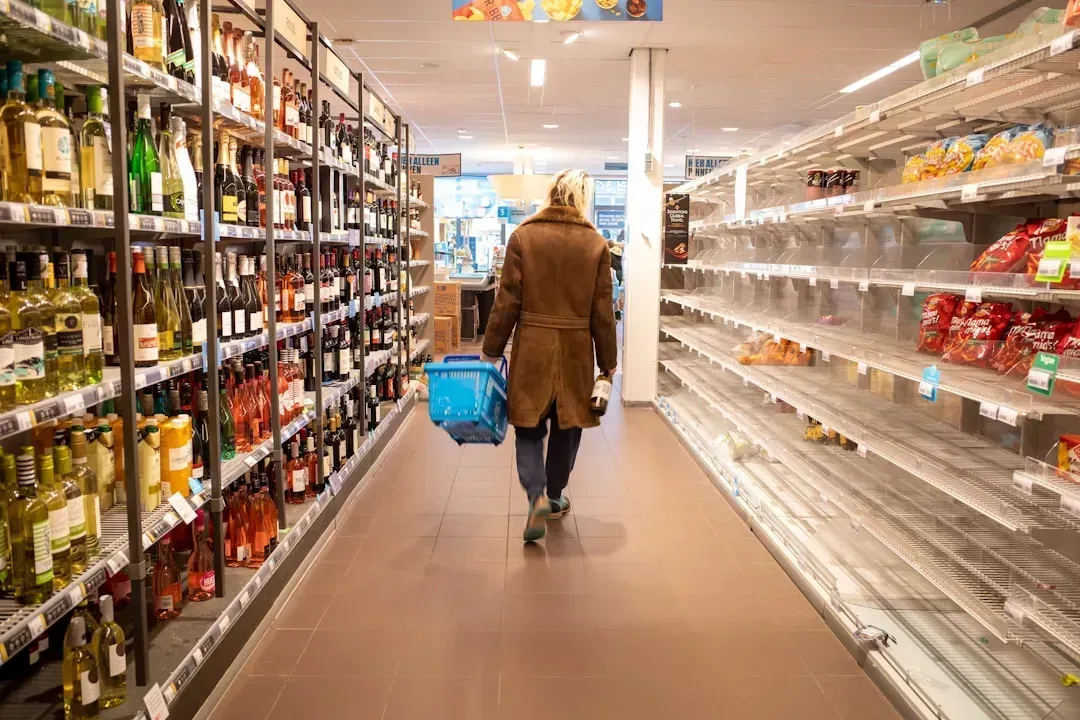
Self-checkout can be pressurizing, particularly when there are individuals behind. These customers do not like multitasking and prefer a slow pace. They value a calmer process. This is an indication of a general dislike of situations that are fast and involve high pressure.
Roughly two fifths of consumers who avoid self-service checkout do so because they experienced a slower checkout or believe the process to be slower. For people who already dislike rushed, error-prone environments, that perception reinforces a deeper preference: shopping should feel manageable, not like a timed obstacle course they signed up for without being asked.
They Lean Toward Tradition and Routine
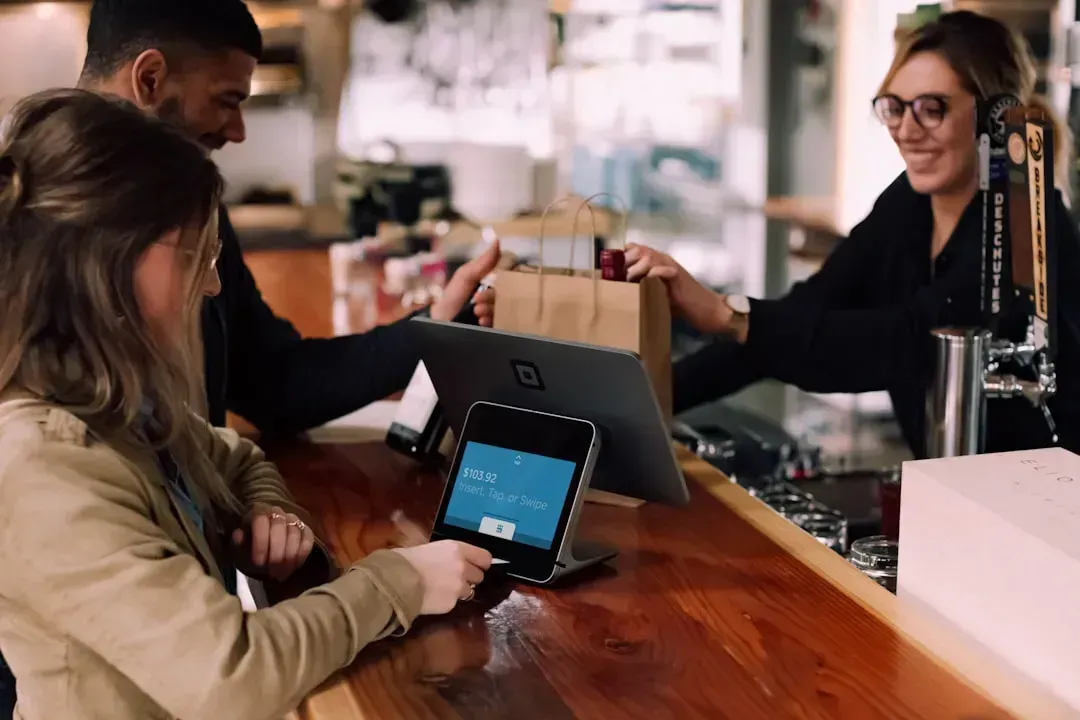
The final trait commonly seen in people who avoid self-checkouts is an affinity for tradition. They value the tried-and-true, and there’s comfort in doing things the old-fashioned way. These individuals see the traditional manned checkout as a guide to their shopping experience, not a constraint.
The old-fashioned checkout has become familiar and routine. Routine provides comfort. They do not like changing habits merely to be able to do things faster. Stability is more important than newness. For these shoppers, the staffed lane isn’t a second choice. It’s the only choice that feels right, and that consistency runs through most other areas of their lives too.
They View Shopping as a Social Experience, Not a Transaction
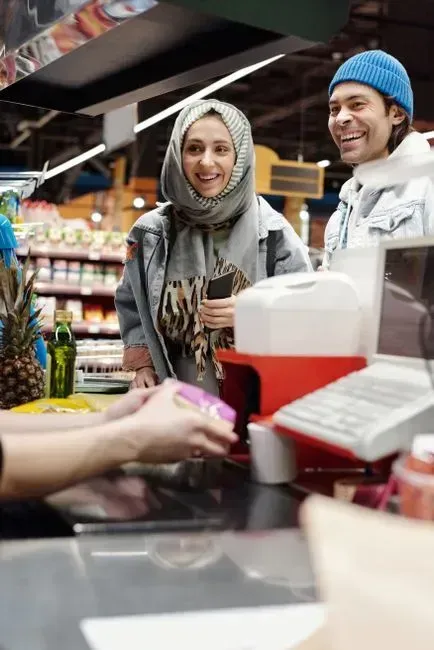
They have a personal care in their personality. They regard shopping as a service and not a self-service. At its core, avoiding self-checkout is often about craving interaction. Even a brief, unremarkable exchange with a cashier can feel more like a completed experience than an efficient but anonymous scan-and-go.
These characteristics actually reveal fascinating insights about how we approach life, relationships, and even our own sense of value. People who instinctively seek out the human lane aren’t slowing things down out of stubbornness. They’re holding onto something a kiosk genuinely can’t offer: the small, ordinary warmth of being seen by another person, even for sixty seconds, even between the cereal and the milk.

Leave a Reply