
1. When Gratuity Is Already Included in the Bill
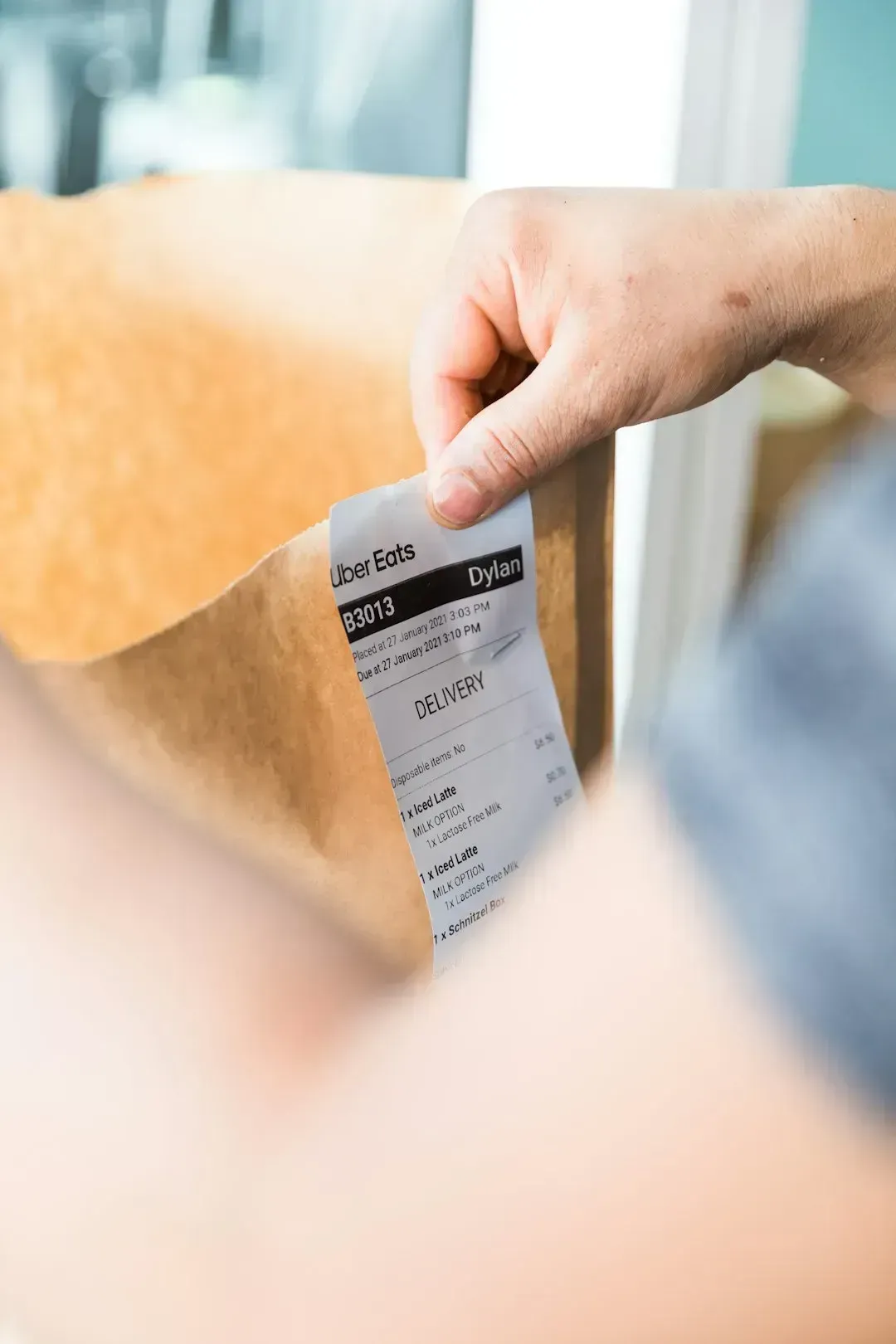
One of the clearest cases for skipping an extra tip is when one has already been charged. If gratuity is already included in your bill, there is no need to leave an additional tip unless you received exceptional service and want to provide an extra gesture of appreciation. Always review your bill to confirm if a gratuity has been added to avoid double-tipping.
Auto gratuity is a legal service charge added to a party’s bill that goes directly to the waitstaff serving that table. Usually, this gratuity equals roughly eighteen percent of the check and is commonly applied to parties of six or more. If you spot “gratuity included” on your receipt, you’ve already paid. Adding another tip on top is entirely optional, not obligatory.
2. At Fast Food and Quick-Service Restaurants
The pandemic ushered in a new expectation of higher tipping and more frequent tipping, with some of that change coming from wanting to thank workers in higher-risk, higher-contact service jobs. That’s understandable context, but it doesn’t mean fast food workers now depend on tips the way table servers do.
Etiquette experts say you don’t need to tip at fast food counters. Leaving a tip will not be mandatory at any kiosk, and it’s not strictly necessary to tip in a fast food or quick-service restaurant. The business model there is built around counter wages, not tip income. Pressing “no tip” is completely reasonable.
3. When You’re Using a Self-Checkout Kiosk
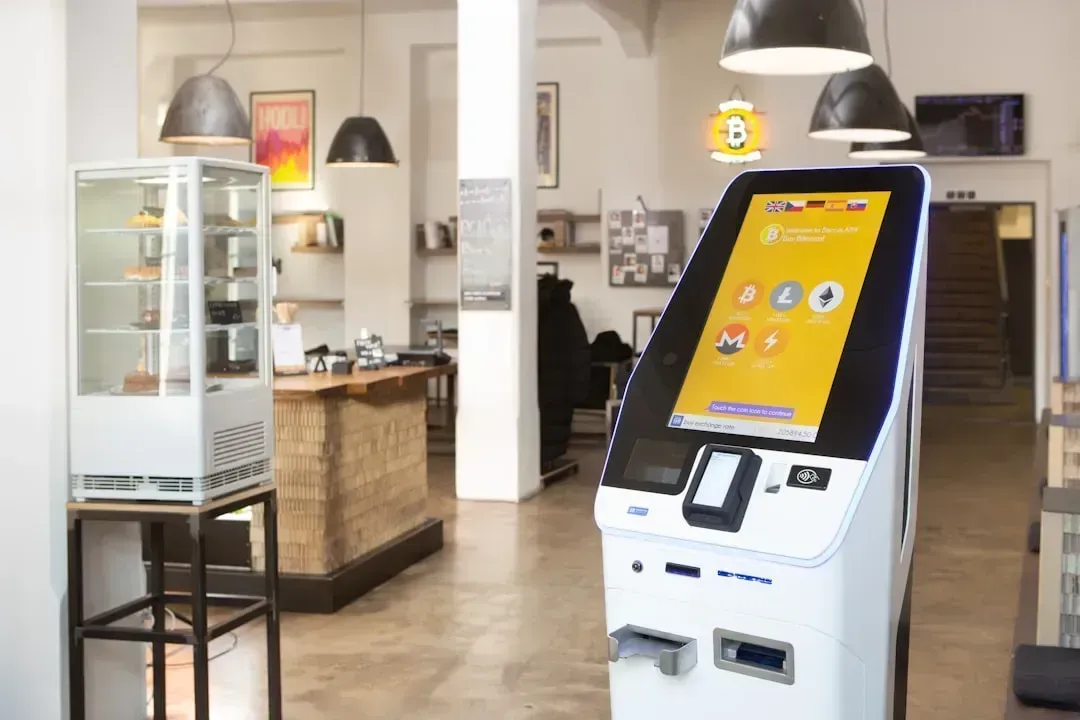
If a tip screen appears at a self-checkout machine and no one is there to collect it, the situation raises real questions. Tipping prompts have found their way into digital kiosks at airports, farmers’ markets, doggie daycares, convenience stores, sports stadiums, and gas stations. In many of these cases, it’s genuinely unclear who even benefits from that tip.
Though you may feel obligated to tip when a cashier spins around a screen with a prompt, etiquette experts say it’s okay to opt out. You can view electronic tipping prompts as today’s version of a tip jar. At a self-checkout, there’s no person serving you. Skipping that tip isn’t rude. It’s just honest.
4. At a Counter Where You Order and Pick Up Your Own Food
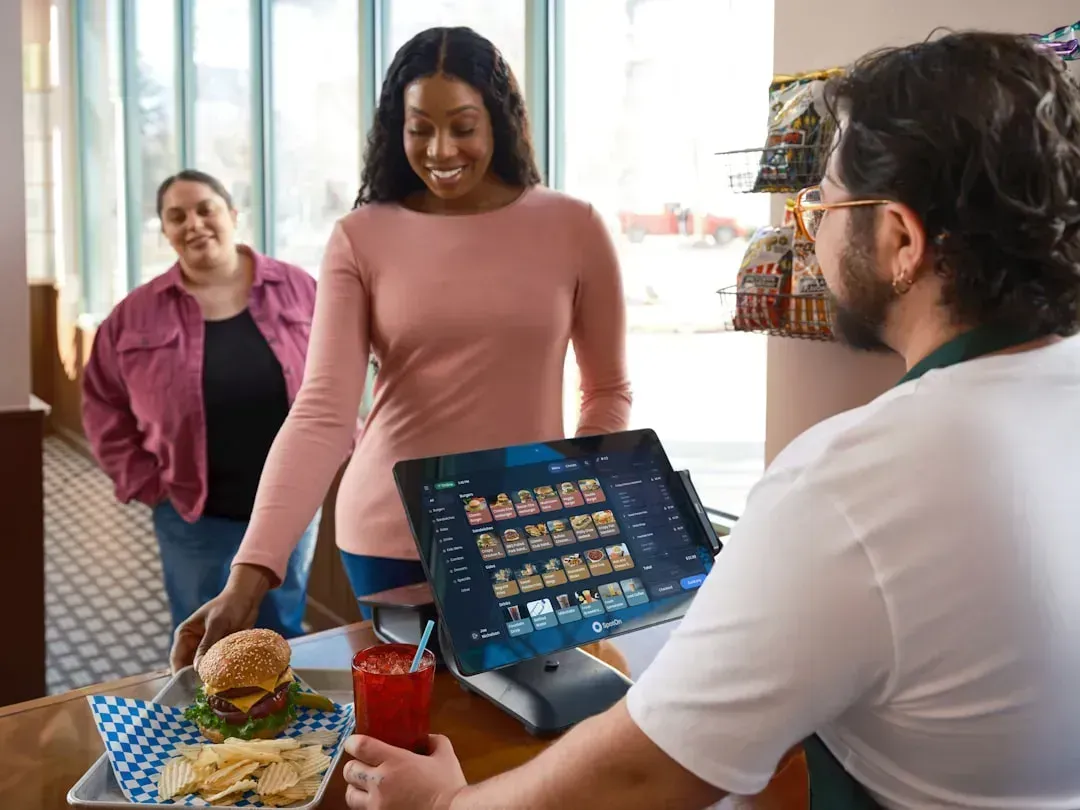
As a rule, anyone working at a counter is earning a wage, while those delivering food rely on tips as a major part of their income. For that reason, tipping people who work behind a counter is not a requirement as far as etiquette experts are concerned, even if the tablet suggests otherwise.
The waiters who bring your food to your table typically expect a tip, but if you buy the food at a checkout, tipping is not customary. This is also the case in some fast food restaurants where you order and pick up the food at the checkout. The distinction matters. Table service and counter service are genuinely different things.
5. When You’re Buying Groceries
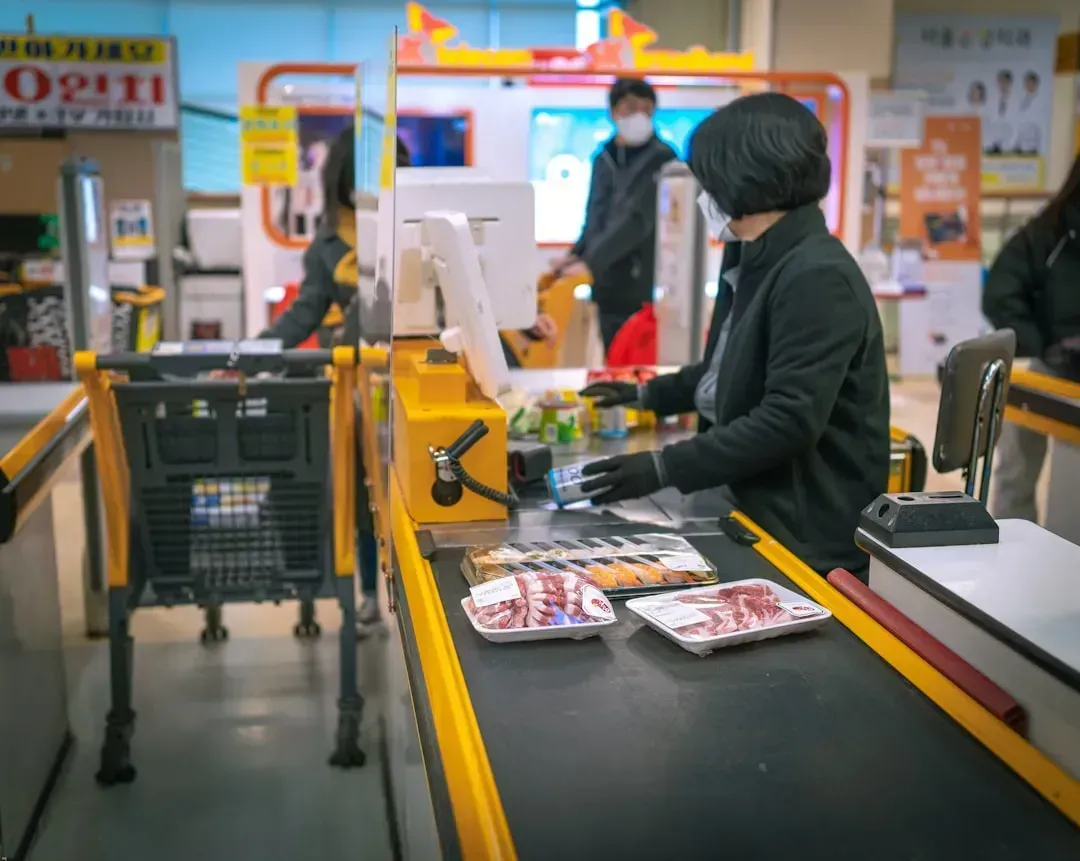
If you feel guilty about not tipping the cashier or the person who brings your groceries to your car, don’t. Tipping in these situations is more discretionary than obligatory. In some instances, tipping is even frowned upon.
Generally, at retail stores and grocery stores, their policy is not to accept tips. Workers know the policy and could get in trouble for accepting them. Walmart and Harris Teeter, for instance, don’t want you to tip their employees at all. Tipping a grocery cashier isn’t a kindness if it puts their job at risk.
6. When a Professional Sets Their Own Rates
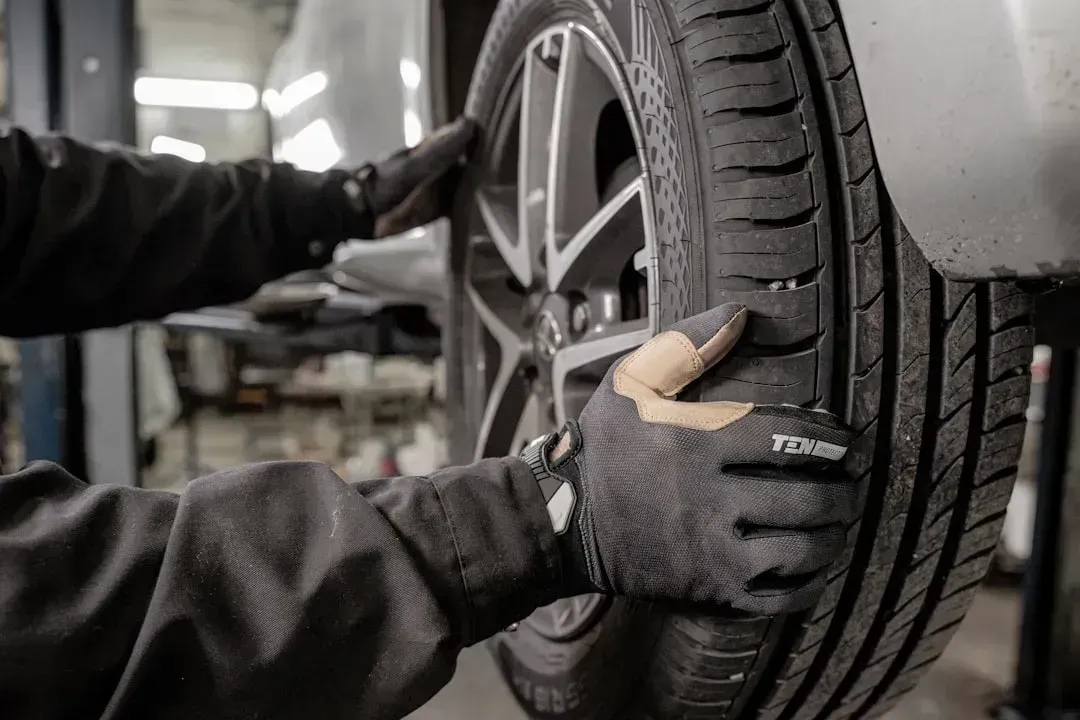
Americans are increasingly being asked to leave a tip in unconventional places, such as airport newsstands, movie theater concession counters, and even auto repair shops. One etiquette expert noted being prompted to leave a tip when paying her mechanic, who sets his own rates and doesn’t have to rely on gratuities to compensate for low minimum-wage pay.
Tradespeople, contractors, plumbers, and others who set their own pricing have already built their compensation into what they charge. As a blanket rule, you don’t need to tip anyone who earns a salary or performs a trade. Tipping someone who controls their own rates is a kind gesture at best, never a social obligation.
7. At Airport Newsstands and Convenience Kiosks

Americans are also being asked to leave a tip in unconventional places, such as airport newsstands, movie theater concession counters, and even auto repair shops. These are hourly retail workers running a register, not service workers relying on gratuities to make rent.
For establishments that let their workers accept tips, it’s completely up to you, even if you are prompted at checkout. If you press “No” or skip the prompt, don’t feel guilty – the person doesn’t rely on tips to earn a livable wage. Convenience store clerks and newsstand workers fall firmly into that category.
8. When Traveling in Countries Where Tipping Is Not the Norm
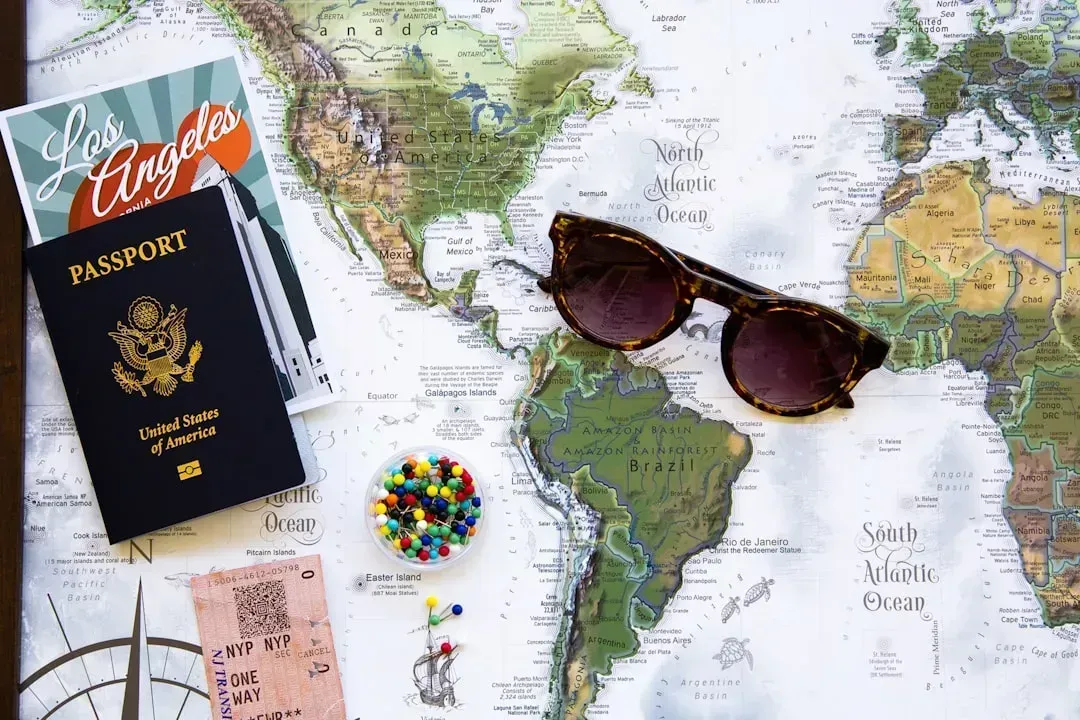
Tipping culture in Europe is more relaxed than in the United States, so there’s a lot less pressure to know all the rules. Whether you’re in Spain, France, or one of the other European countries, a tip is seen as nice but not always necessary.
In China, Mongolia, Laos, and Taiwan, tipping is not expected at all. In South Korea, Nepal, and Japan, tipping may actually be taken as an offense, as they consider their standards to be high and their service workers well paid. Respecting local norms isn’t being cheap. It’s being culturally aware.
9. When the Service Was Genuinely and Clearly Terrible
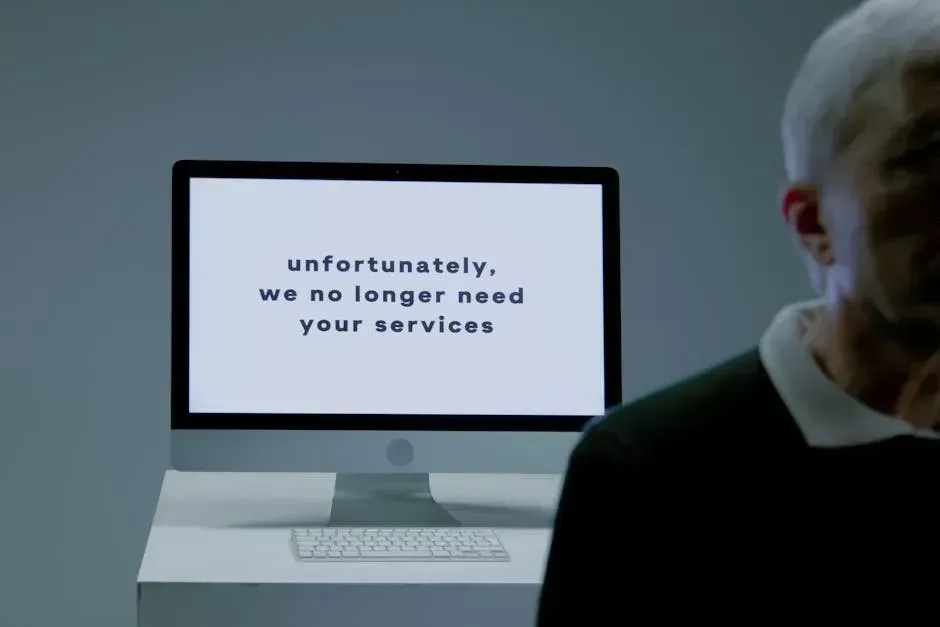
You’re never obligated to tip someone when they’ve provided you poor service or if you’ve had a rude interaction with them. In the case of a one-on-one service such as a haircut, this is pretty cut and dried. In fact, if a barber so ruined your hair that you didn’t feel they deserved a tip, you likely wouldn’t be out of line asking for a full refund.
There’s a real difference between average service and genuinely unacceptable service. An April YouGov survey of 1,000 American adults asked about restaurant behaviors, and roughly half said it was acceptable to leave no tip after receiving bad service. That’s a significant share of people drawing the same line. Use your judgment, and when in doubt, speak to a manager rather than suffering silently.
10. When You Pick Up Takeout Yourself
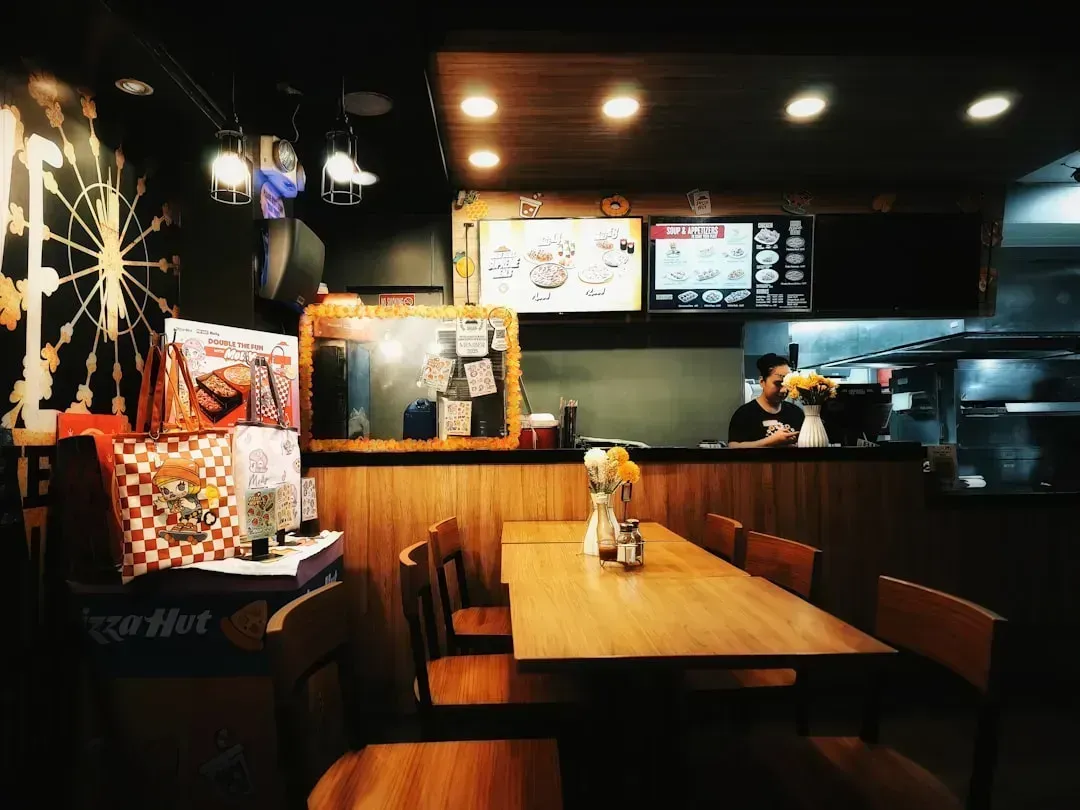
Generally, tipping isn’t necessary for takeout, but a small tip may be appreciated if you made special requests or received exceptional service. The key phrase there is “not necessary.” When you walk in, grab a bag, and walk out, you’ve received a counter transaction, not table service.
The social pressure around takeout tipping has intensified with digital payment screens, but the underlying rationale hasn’t changed much. No one carried your food through weather, navigated traffic, or spent sustained time attending to you. Anyone working at a counter is earning a wage, while those delivering food rely on tips as a major part of their income. Picking up your own order puts you squarely in the first category.
11. When a Mandatory Service Fee Is Already Charged
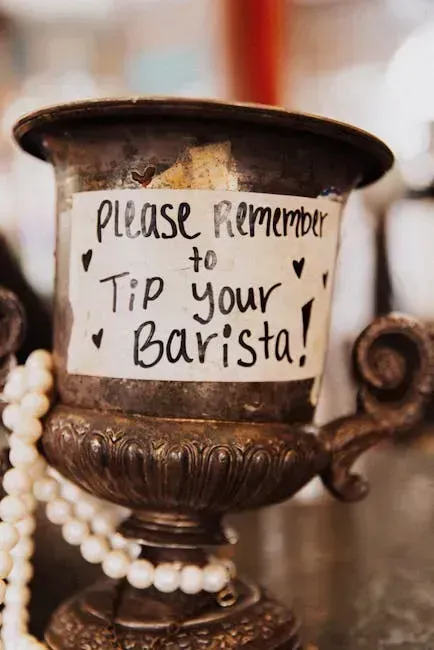
Some restaurants and hospitality venues now add a flat service fee to every check, separate from a tip prompt. Automatic gratuity is a predetermined service charge added to a customer’s bill. This fixed percentage, typically between fifteen and twenty percent, is applied before the bill is presented to the customer. Unlike voluntary tips, where customers decide the amount after service, automatic gratuity establishes a set amount upfront.
A recommended or suggested tip is not the same as an auto gratuity. With suggested tips, the percentage is merely a guideline, not a requirement. The customer may choose what tip amount they want to give their server, if any. If a service fee has already been added and covers the staff, an extra tip is a personal choice, not an expectation.
12. At a Hotel When Room Service Already Includes a Service Fee
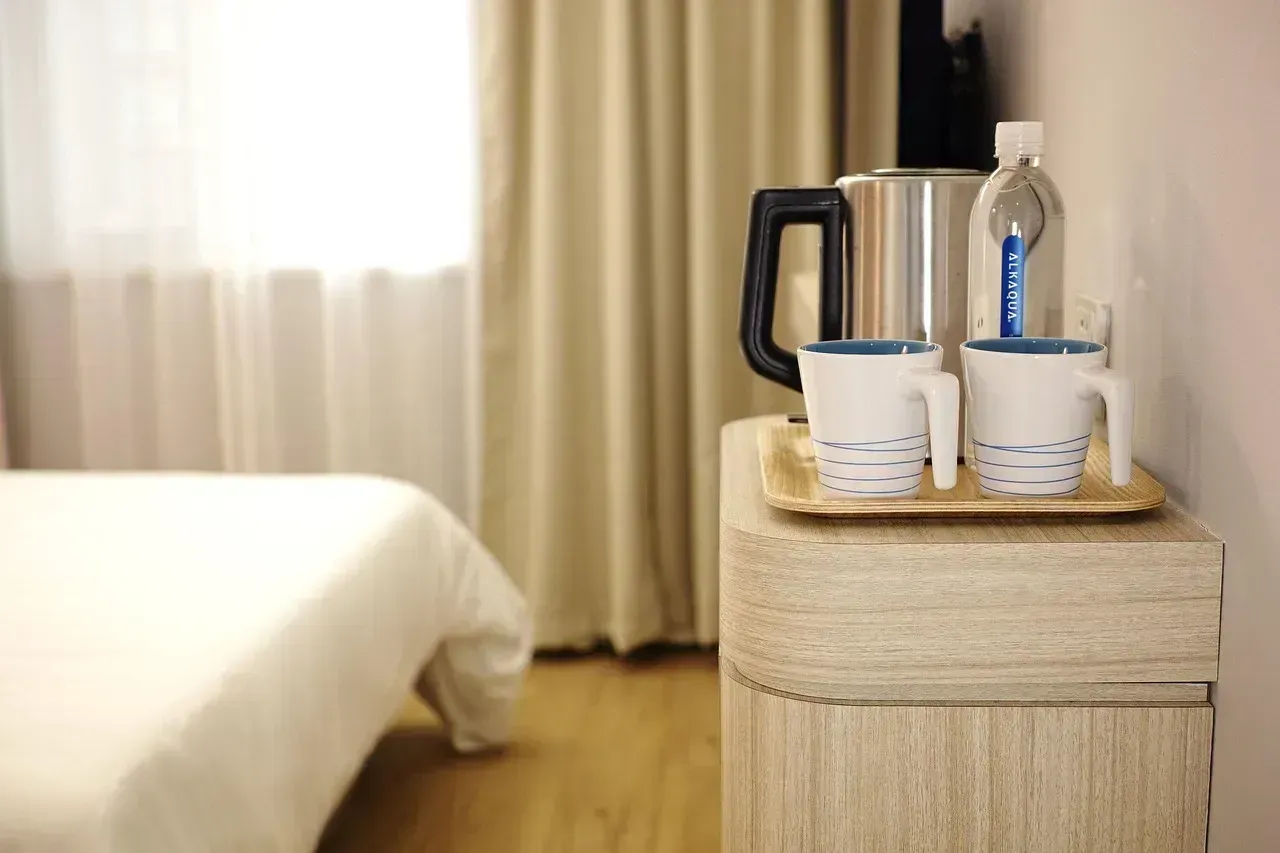
Hotel room service often includes a service fee, making additional tips unnecessary. However, if the service was especially good, adding a small extra tip is a thoughtful gesture. The important word there is “thoughtful” rather than required.
It’s worth actually reading your room service bill before reaching for your wallet. Sometimes tips are already included in the final bill. Here, it will typically be stated as “gratuity” on the bill, and in these cases, you do not need to leave any additional tip. Checking takes ten seconds and could save you from paying twice for the same service.
13. When the Worker Earns a Full Minimum Wage Without a Tip Credit
The entire cultural argument for tipping in the United States rests on one specific fact: servers and bartenders receive a federal minimum direct wage of just $2.13 per hour, supplemented by tips to meet the overall federal minimum wage. That logic genuinely doesn’t extend to workers who earn a full wage already.
It helps to ask what the minimum and subminimum wage is in your state. If the subminimum wage is low, your tip will help the employee make a livable wage. If there is no subminimum wage, tips are actually gratuity in the traditional sense. When a worker earns full wages, a tip becomes a bonus rather than a lifeline. Skipping it carries none of the ethical weight it would in a traditional restaurant context.
14. When Visiting a Business With a No-Tip Policy
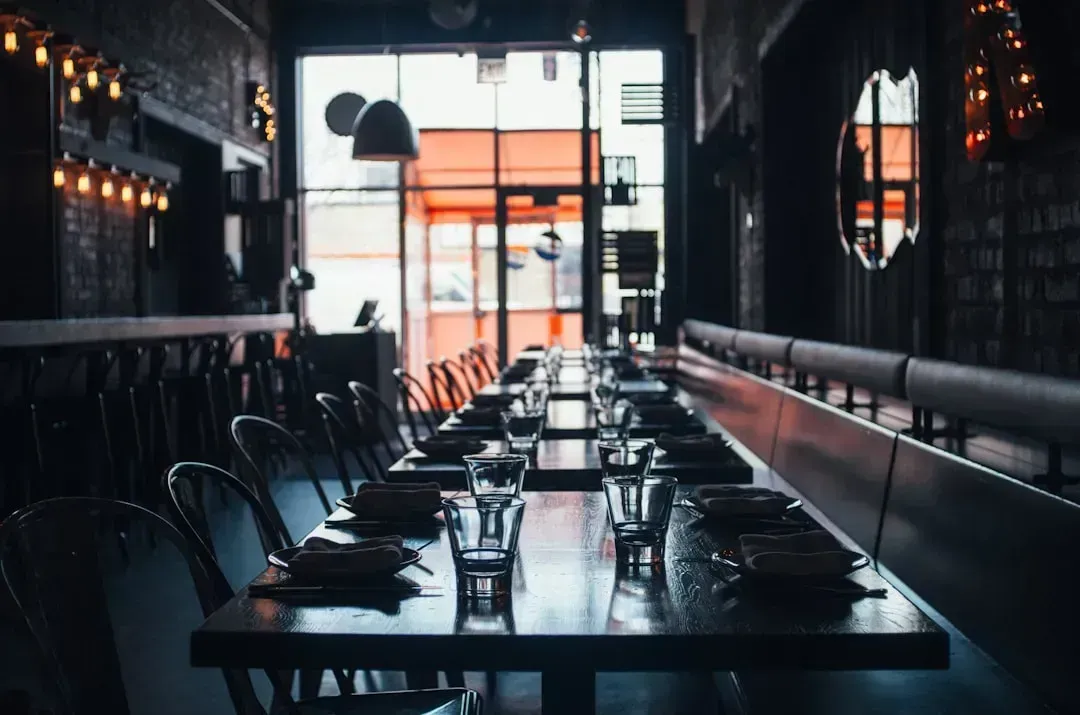
Some restaurants have adopted “no-tip policies,” aiming to provide employees with fair wages by slightly increasing menu prices instead. This allows customers to avoid the tipping dilemma and ensures that employees earn a stable income. These businesses have made a deliberate choice, and respecting that choice is the right move.
A no-tip business model signals that the employer has absorbed compensation into the base price. Trying to tip anyway can actually create awkwardness or administrative problems for staff who aren’t set up to receive and report gratuities properly. When a place has opted out of tipping culture entirely, the best thing you can do is honor that decision.
15. When You’re Already Financially Stretched
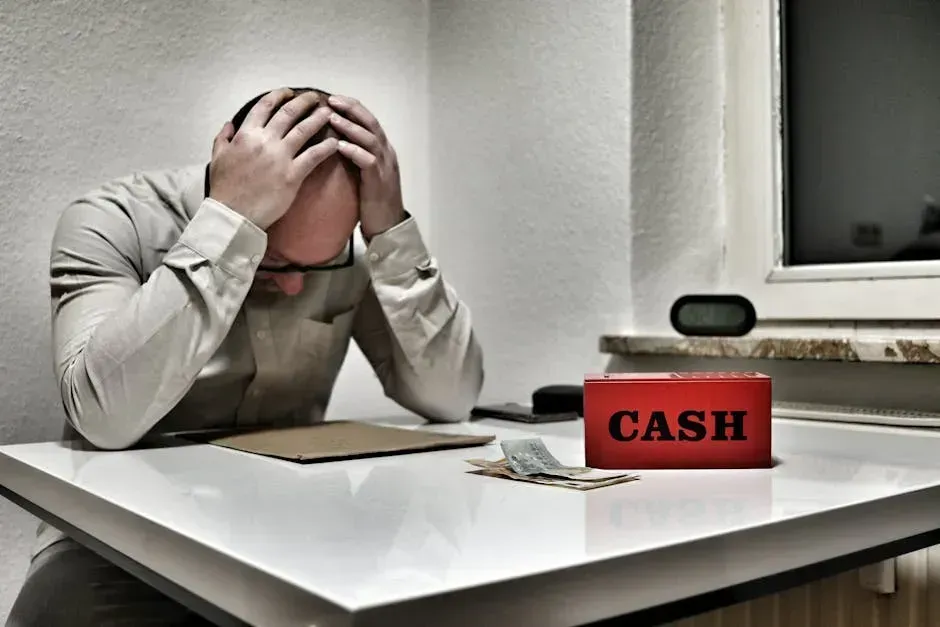
Don’t feel pressured to tip more than you want or can afford. That guidance from etiquette professionals is worth taking seriously. Tipping culture, for all its social weight, was never meant to push people into financial difficulty. As many consumers moved out of the pandemic period and pocketbooks were really pinched, a lot of people became more discretionary about their tipping.
Perhaps it’s no surprise that roughly forty percent of Gen Xers and nearly half of boomers say they think tipping culture in the U.S. has spiraled out of control, according to a 2024 Bankrate survey. Feeling overwhelmed by tip requests is a shared experience, not a personal failing. Tipping generously when you can, and skipping it when you genuinely can’t, is a far healthier approach than guilt-driven giving that strains your own budget.
The through-line across all fifteen of these situations is the same: tipping matters most where workers depend on it to bridge the gap between poverty wages and a livable income. When that condition doesn’t apply, the decision to tip shifts from a social duty to a personal choice. Knowing the difference is what separates informed generosity from reflexive guilt.


Leave a Reply