
Language is a living record of the times we grew up in. Every generation carries its own set of expressions, and they’re rarely translated cleanly across the years. What made perfect sense over a rotary phone or in front of a television with a physical dial can draw a completely blank stare from someone who’s never known a world without smartphones or on-demand streaming.
Every generation has its own language, its own shorthand for how it sees the world. Language doesn’t just evolve; it reveals who’s keeping up and who’s still living in the past. Boomers, born roughly between 1946 and 1964, grew up in a radically different world. The result is a collection of phrases that still roll naturally off their tongues but leave younger listeners genuinely puzzled. Here are 14 of the most common ones.
1. “Don’t Touch That Dial”
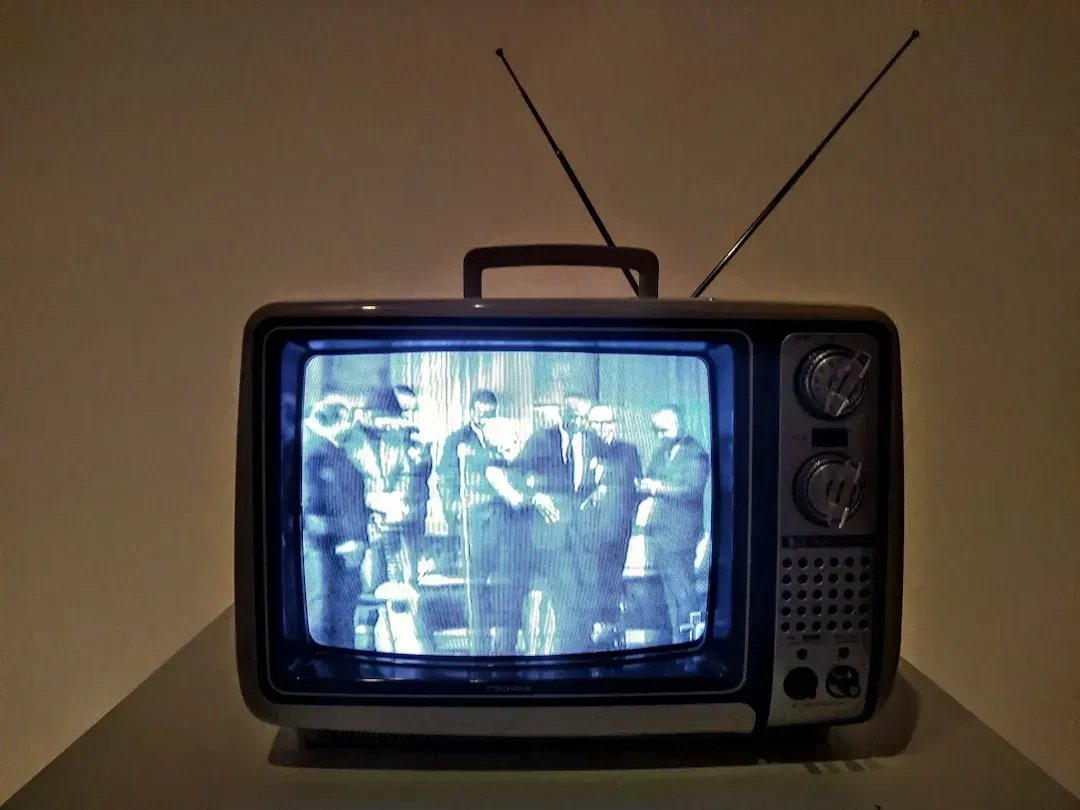
Before remote controls, changing the channel on a television meant getting up and manually turning a dial. The phrase “Don’t touch that dial!” was commonly used during TV commercials to encourage viewers to stay tuned. Today, with the absence of dials on modern televisions, this phrase puzzles many young listeners. To anyone under thirty, the idea of a television that requires physically rotating a knob to change channels isn’t just unfamiliar – it sounds closer to science fiction.
Commonly heard on TV before the remote control era, this phrase was meant to keep viewers from changing channels. With streaming and on-demand viewing, the concept of staying tuned during a commercial break is entirely foreign to Gen Z. The urgency baked into the phrase simply doesn’t translate when you can pause, rewind, or skip anything at will.
2. “You Sound Like a Broken Record”
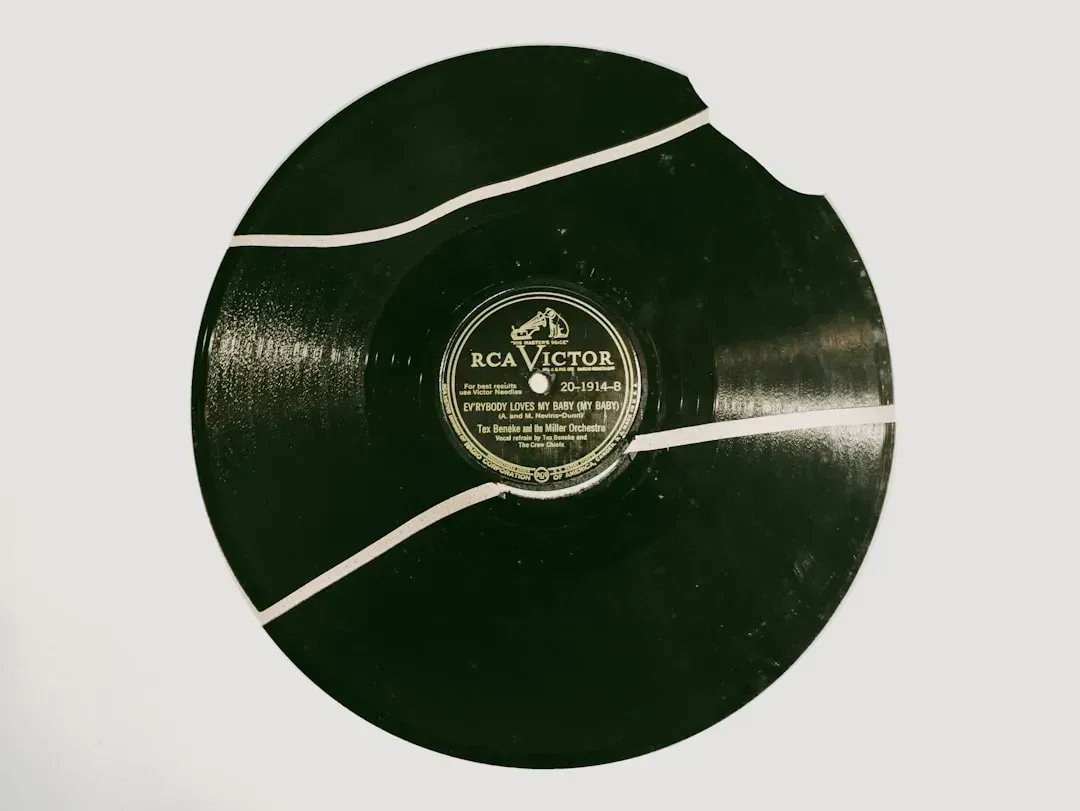
This saying comes from the days when vinyl records were popular. If a record was scratched, it would skip and repeat part of the audio over and over. Now, it’s used to describe someone who repeats the same thing too frequently. With digital music, the literal meaning of a “broken record” is lost on younger generations. The image of a needle stuck in a groove is one that requires having actually lived with vinyl.
This phrase implies repetitive, annoying behavior. While records are making a comeback, the saying itself feels outdated, as digital music doesn’t skip the same way vinyl does. Gen Z might understand it, but they’d more likely say “stop repeating yourself.” The meaning survives, but the metaphor behind it has largely lost its footing.
3. “Carbon Copy” (or “CC”)

The term “carbon copy” originates from the use of carbon paper to duplicate documents. Email’s “CC” retains the essence, but the tactile experience is lost on those who’ve never used carbon paper. Boomers who worked in offices before the photocopier age remember the messy, painstaking process of pressing hard enough through multiple sheets to get a legible duplicate.
Younger people have no idea what carbon copy means. They know CC as an email function without understanding the origin. The phrase persists in written form but its meaning is lost. Eventually, CC will likely be replaced by something like “add” or “include” that doesn’t reference obsolete office supplies. For now, it’s one of those linguistic fossils that everyone uses but almost no one under forty could explain.
4. “Hang Up the Phone”
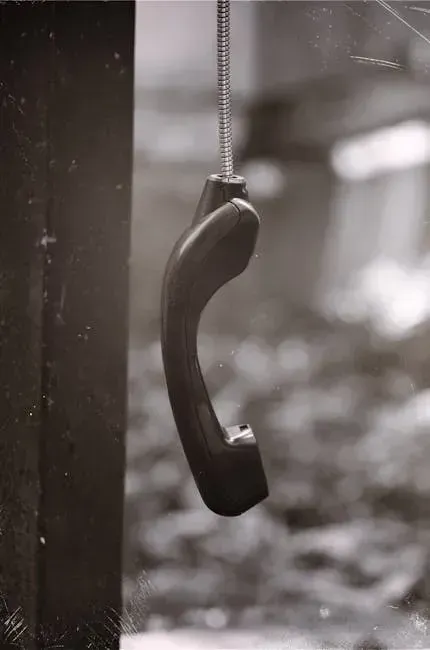
We still say we’re “hanging up” the phone, but when did you last physically hang anything? The phrase comes from those old wall-mounted phones where you literally hung the handset on a hook to end the call. There was a genuine physical action involved – and even a satisfying weight to slamming the receiver down when a conversation went badly.
Fast forward to today, and most of us are using smartphones that we simply press a button to end a call. There’s no hanging involved, but we still say we’re “hanging up” the phone. It’s a curious example of how our language evolves slower than our technology. The phrase has outlived its physical meaning entirely and carries on purely by habit.
5. “Roll Down the Window”
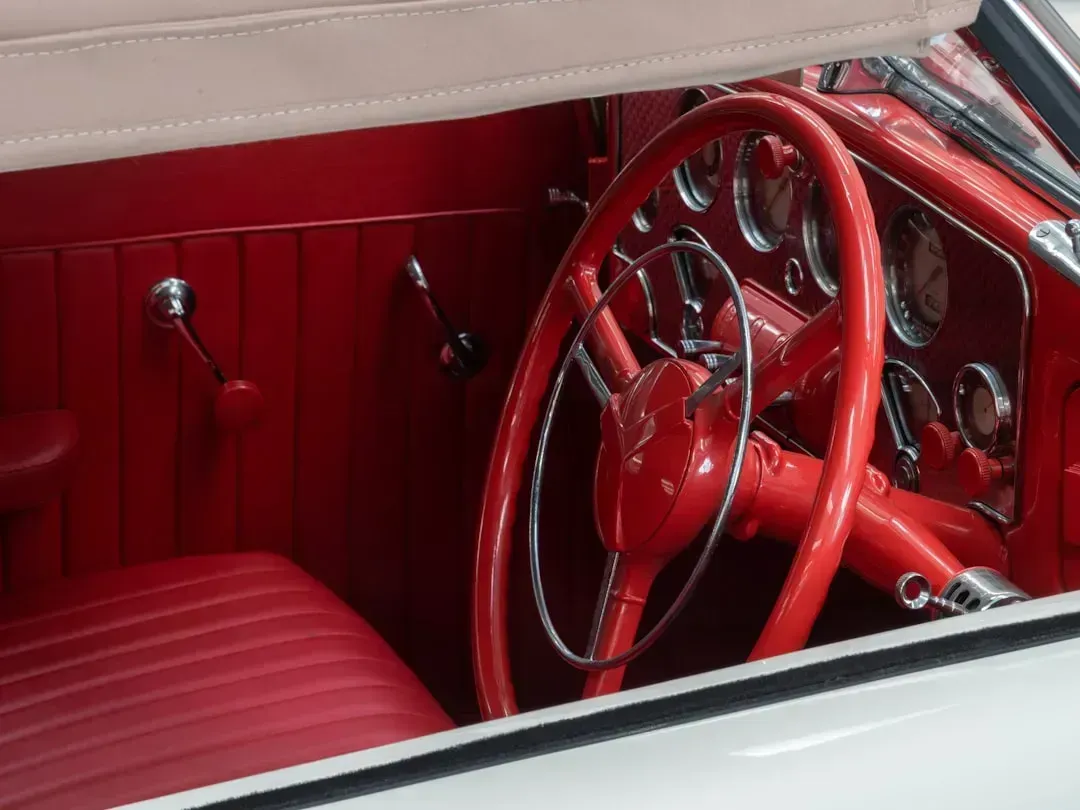
The origin of this phrase comes from the time when car windows were operated manually. A handle had to be physically rotated, or “rolled,” to open or close the window. Hence, the phrase “roll down the window” was born. It was a real, tangible action that took some effort, especially in older cars where the crank handle stuck or spun unevenly.
The first power-operated window appeared in a Packard model in 1940. However, it took several decades for power windows to become a standard feature in most cars. In today’s world, where everything is just a button push away, “rolling down” anything seems like a task from a bygone era. For younger generations who’ve only ever known power windows, the phrase is completely detached from any recognizable action.
6. “Straight from the Horse’s Mouth”

This phrase means getting information directly from the most reliable source. It originates from horse racing, where tips about a horse’s condition would ideally come directly from the trainer. The metaphor might seem odd without the historical context. In a world where horse racing was central to everyday gambling culture, the logic was completely intuitive – who would know a horse’s fitness better than the person who trained it?
Today, horse racing occupies a much smaller corner of popular culture, and the phrase arrives without that explanatory backdrop. Language is a living archive, and generational catchphrases store a lot of culture in a few words. Strip away the original cultural context and what’s left can sound almost accidentally absurd to someone hearing it fresh.
7. “Groovy”
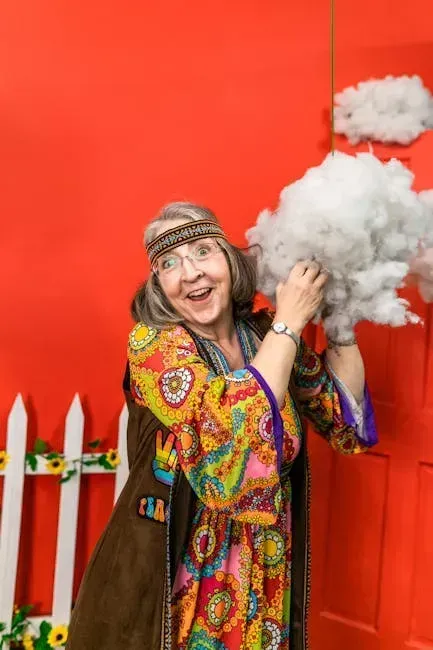
To boomers, “groovy” was the ultimate compliment for something fashionable or appealing. It originated in the jazz culture of the 1920s but really took hold in the 1960s and ’70s. Gen Z might recognize the word from retro films, but it’s rarely heard in current conversations. For a generation that came of age during one of the most culturally explosive decades in American history, groovy wasn’t retro – it was simply how people talked.
For boomers, “bummer” is a favorite bit of slang. They also like “mellow” and “wannabe.” But “groovy” sits in a slightly different category. It doesn’t just feel dated; it actively signals a specific era. When a boomer drops it into conversation without irony, it tends to stop younger listeners mid-sentence – caught somewhere between amusement and genuine confusion.
8. “Be Kind, Rewind”
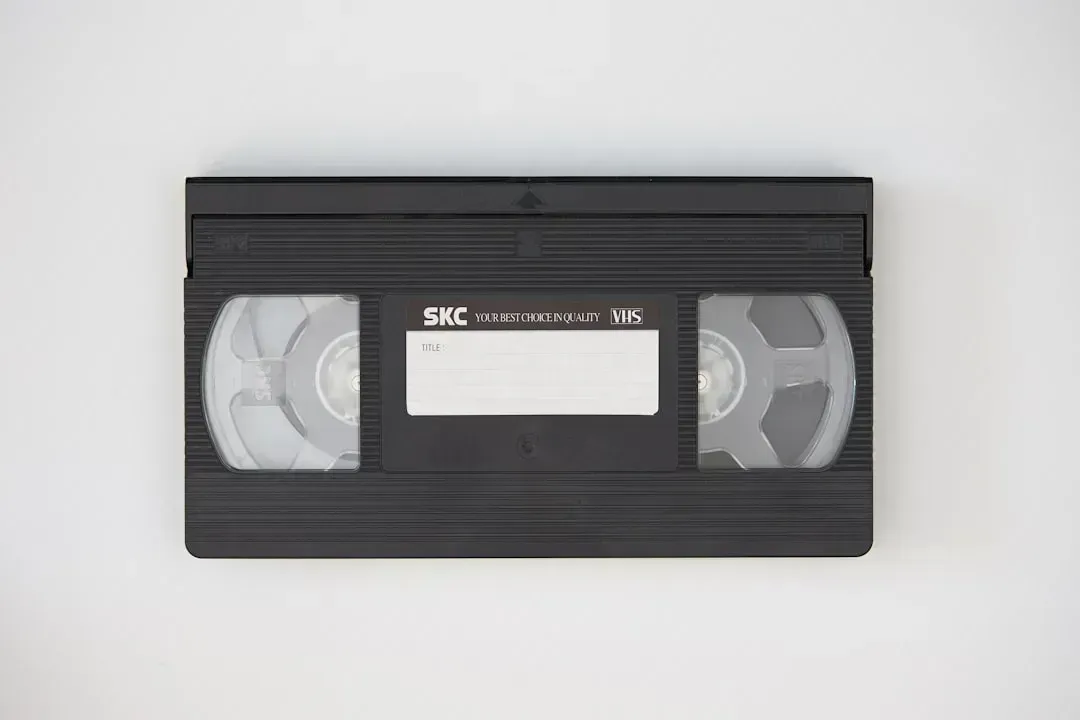
The phrase “Be kind, rewind” was a common courtesy during the era of VHS rentals. It was a simple reminder to rewind the tape before returning it to the rental store, so the next person could watch it from the beginning. Video rental shops typically printed this phrase on stickers and affixed them directly to cassette cases – it was such a universal expectation that it became shorthand for basic social courtesy.
VCRs are extinct. Recording is digital and often automatic through DVR or streaming services. But boomers spent decades recording shows on VCRs. The language stuck. For anyone who grew up in the age of Netflix, the entire concept of rewinding something before returning it is not just unfamiliar but genuinely incomprehensible as an everyday social obligation.
9. “Drop a Dime”
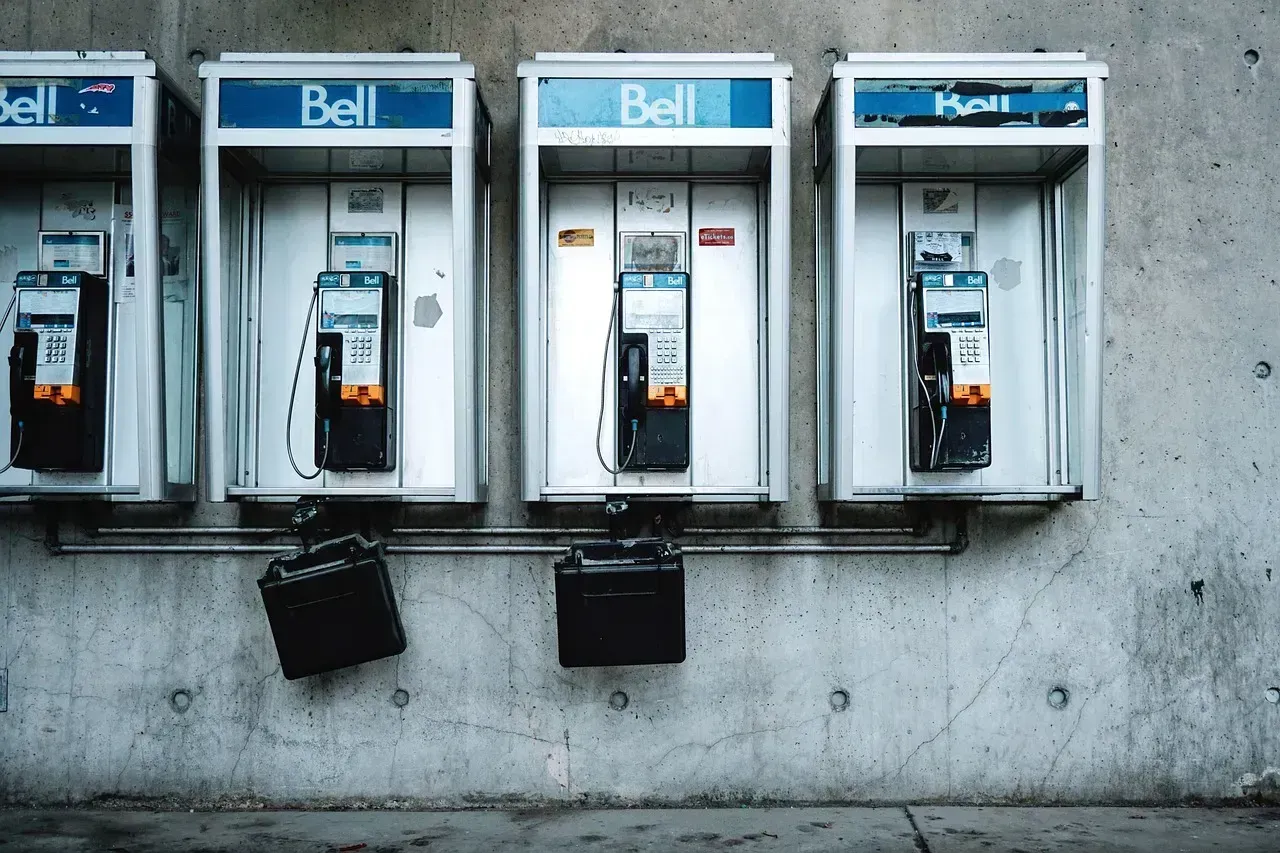
This phrase means to inform on someone, to report them to authorities. It comes from when payphones cost a dime and you’d drop a coin in to make a call, often to the police. Boomers use this phrase knowing the exact reference. Payphones were fixtures of everyday life – on street corners, in diners, in airport lobbies – and the cost of a call was literally a single dime for most of the mid-20th century.
Younger people have never used a payphone. They don’t know what it cost. The phrase has lost its literal meaning and is fading from use. When it is used now, it’s often without understanding the origin. It’s just an expression whose roots are forgotten. A payphone today is more likely to be found in a museum than on a street corner.
10. “Psychedelic”

This term, evoking the mind-altering vibes of the ’60s, describes more than just art and music for boomers – it encapsulated an entire cultural movement. When used today, it often requires a quick pop culture history lesson for the younger generation. For boomers who lived through the counterculture era, the word carries enormous weight: a whole philosophy of perception and social rebellion packed into four syllables.
Younger generations do encounter the word, often in the context of clinical research into psychedelic-assisted therapy, which has seen genuine scientific interest in the 2020s. Still, that’s a long way from the original use. When a boomer uses “psychedelic” to describe a vivid pattern on a shirt, the cultural freight behind the word tends to go entirely unnoticed.
11. “Far Out”

“Far out” was used to express amazement or approval, similar to “cool” or “awesome” today. It has its roots in the space race era, capturing the expansive feel of the universe. At a time when space exploration was rewriting what humanity thought was possible, reaching “far out” into the cosmos became a natural metaphor for anything that pushed the boundaries of the ordinary.
For boomers, the top slang they wish they could bring back is “far out.” It’s a telling detail. The phrase clearly still carries genuine warmth for that generation, even as it lands as little more than a retro curiosity for anyone born after the mid-1970s. Gen Z has its own vocabulary of amazement – “bussin,” “fire,” “no cap” – and “far out” simply doesn’t compete.
12. “I’ll Tape It”
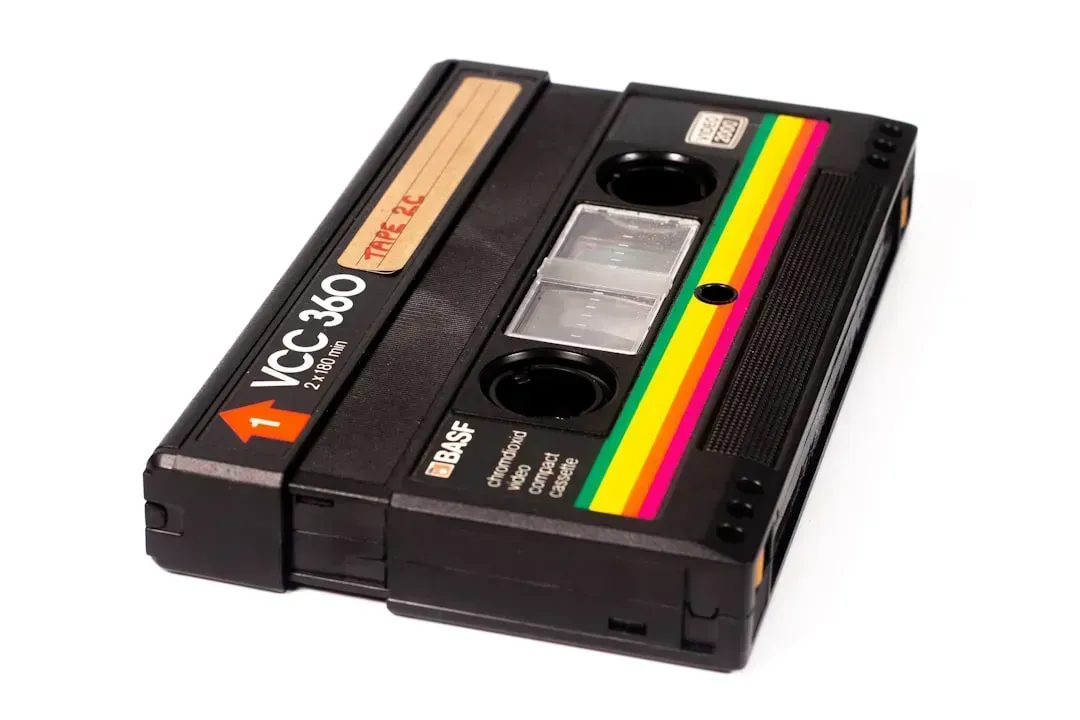
The word “tape” refers to VHS cassettes that recorded TV shows. Boomers set the VCR timer, crossed their fingers, and hoped nobody changed the channel before the program aired. Today we record, save, or stream later. The word “tape” hangs on because nostalgia has a long half-life. There was a genuine art to setting a VCR timer correctly, and plenty of family arguments about blank tapes being accidentally recorded over.
This phrase hung around long after VCRs disappeared from living rooms. The idea that you needed physical media to record something, that you could run out of space on a tape, or that you might accidentally record over your wedding video with a football match seems like ancient history. The entire infrastructure of anxiety around physical recording is something younger generations have never had reason to experience.
13. “Cool Your Jets”

Originally aviation slang, “cool your jets” was used to tell pilots to decrease their engine’s thrust. Now, it’s a casual way to tell someone to calm down. Younger generations, unfamiliar with the original context, might find the expression amusing or confusing. The aviation metaphor made perfect sense in the postwar decades, when jet travel was new and the mechanics of flight were still glamorous public knowledge.
Today the phrase arrives stripped of its technical origin. When a boomer tells a younger person to cool their jets, the image it conjures – if it conjures anything at all – is vague at best. The meaning of “calm down” still gets through, most of the time, but the idiom itself sounds like it belongs to another century. Which, in a way, it does.
14. “Put a Sock in It”

Although this boomer slang from the past means to be quiet and stop talking, the phrase actually came from the old days when people would put a sock in the horn of a gramophone to muffle the sound. Since the gramophone was invented in 1887, maybe it’s time to put this phrase to rest. The gramophone’s large horn acted as an amplifier, and a sock stuffed into it was a genuinely practical – if inelegant – way to reduce the volume.
No one under fifty has interacted with a gramophone as a functional household object, which means the visual logic of the phrase is completely invisible. Boomer phrases are vanishing because they reference technologies and physical objects that no longer exist in daily life, making them incomprehensible to younger generations who never experienced that world. Language evolves with technology and culture. Some phrases just don’t translate to modern life.
There’s something quietly fascinating about how phrases like these persist long after the objects and situations that gave birth to them have disappeared. They travel forward through time on habit alone, carried by generations who never stop to question why they’re still saying them. One day, no doubt, younger generations will face the same reckoning – when someone born in the 2050s looks blankly at a phrase about “swiping right” and wonders what any of it could possibly mean.



Leave a Reply