
Netherlands
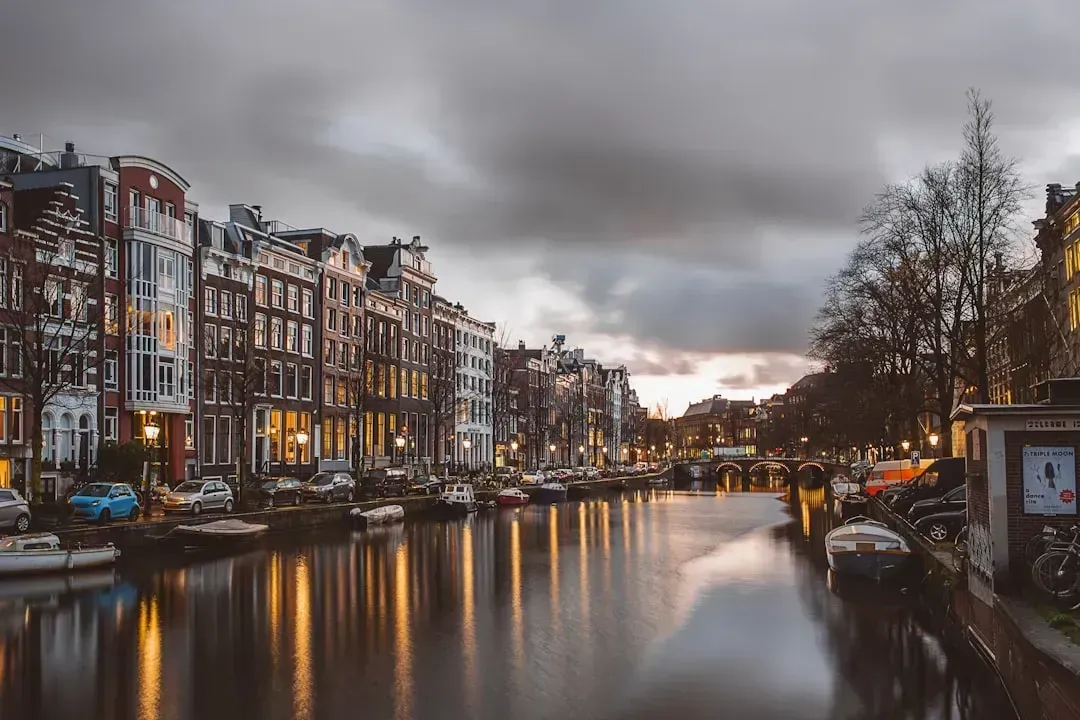
The Netherlands has become almost a running joke among language researchers because it never seems to lose its top spot. The Netherlands has held the number one spot on the EF EPI for years, and 2025 was no exception, topping the ranking with a score of 624 and placing it firmly in the “Very High” proficiency band. That score sits well ahead of nations where English is an official language, a detail that tends to catch people off guard.
The explanation is fairly mundane once you look closer. Dutch schools begin English instruction early, and the country’s small domestic language market means locals grow up surrounded by English-language television, music, and business communication. There is no dubbing culture to speak of, so children absorb English simply by watching cartoons or following international news.
Croatia
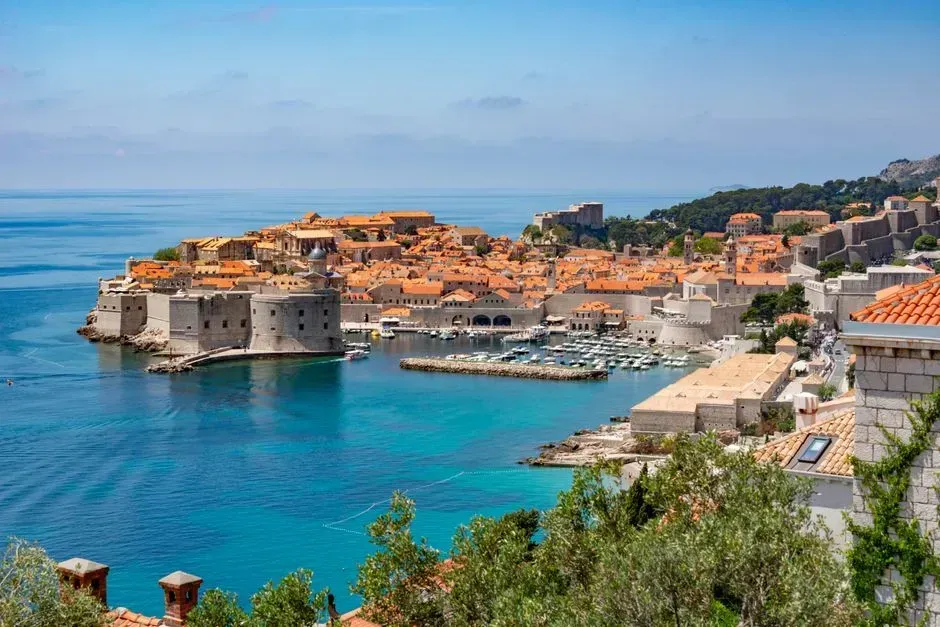
Croatia is not a country most travelers associate with strong English skills, yet it has quietly become one of Europe’s standout performers. In the 2025 index, the Netherlands remains number one, followed by Croatia and Austria, both of which improved their rankings. That places a country of roughly four million people ahead of much larger, wealthier economies on the same list.
Part of the story is tourism. Croatia’s economy leans heavily on foreign visitors, and English has become the practical bridge language across the Adriatic coast’s hospitality and service sectors. Younger Croatians also grow up with unusually heavy exposure to English language streaming content, which appears to be reinforcing what schools teach.
Austria

Austria’s German heritage makes its English fluency less shocking than some entries on this list, but the scale of its performance still surprises people unfamiliar with the country’s education system. According to the EF EPI test, Austria scored 616, earning the title of the third-most English proficient country, a slight drop from being listed as the second most proficient in the previous report. Vienna in particular stands out on city level rankings.
Vienna was among the top cities for English proficiency when examining individual cities. Austria’s proximity to international business hubs and its reliance on tourism from English speaking visitors have both played a role in keeping proficiency consistently high across generations, not just among the young and urban.
Germany
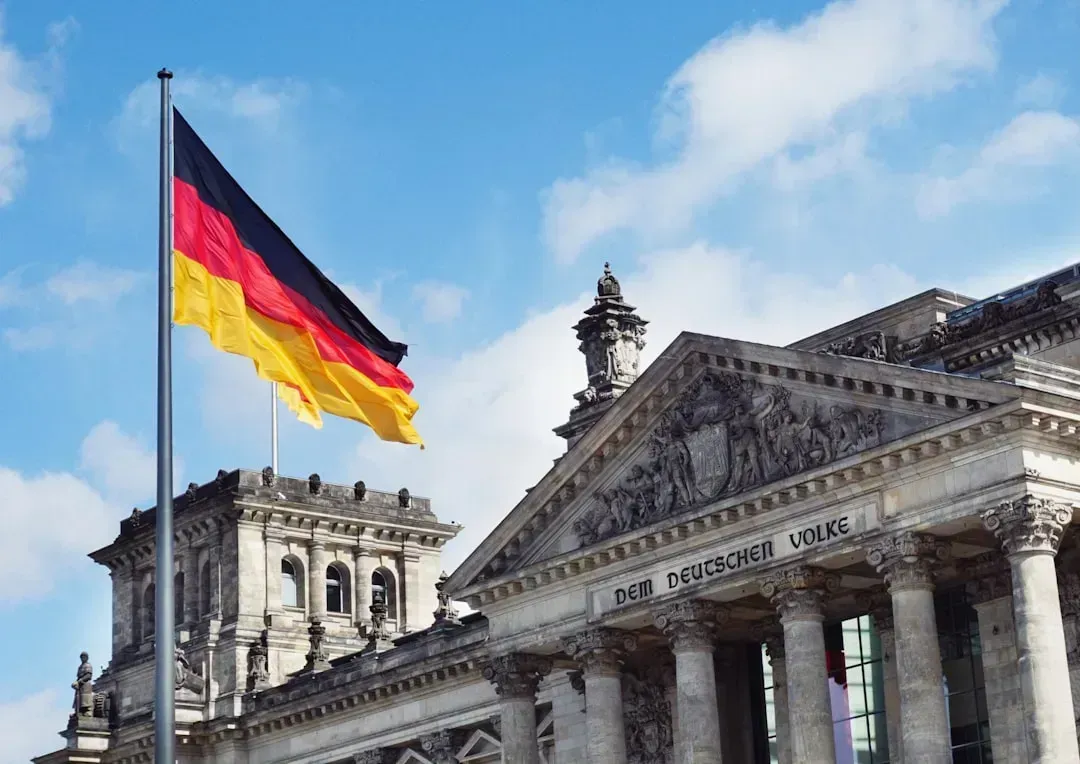
Germany’s rise on the index is one of the more notable shifts in recent years. The Netherlands remains number one, followed by Croatia and Austria, while Germany climbed to fourth place with one of the biggest gains in Europe. For a country with over 80 million people, that kind of movement is not trivial.
German companies increasingly operate in English as their working language, especially in tech, finance, and manufacturing exports. Combined with a school system that introduces English early and consistently, this has pushed adult fluency levels closer to those of much smaller Nordic nations that have long dominated the top of the rankings.
Denmark
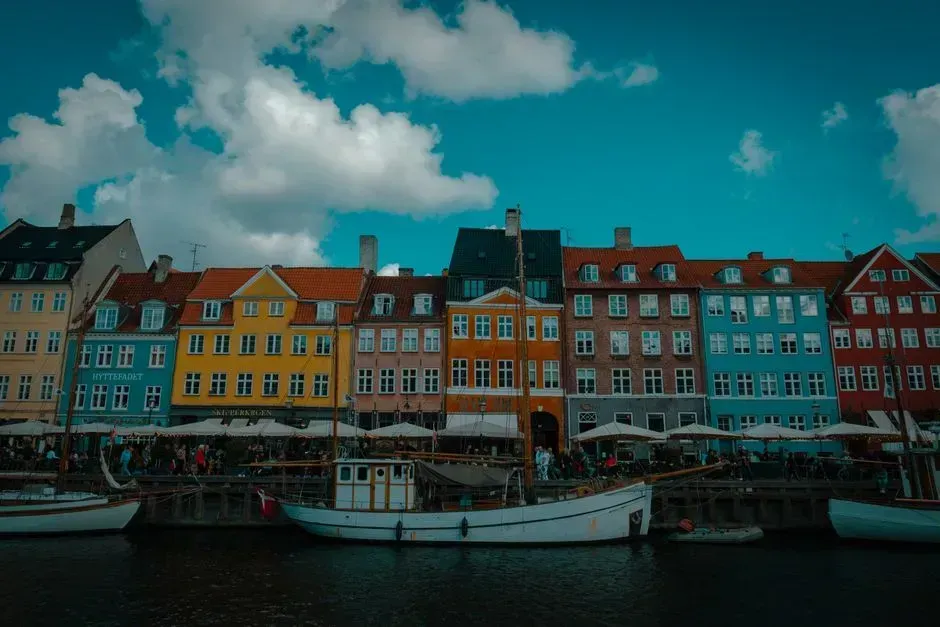
Denmark rarely gets attention outside of Scandinavian travel guides, yet it sits comfortably among the most English fluent nations on the planet. The fourth most English-proficient country is Denmark, scoring a 615, a score that still makes the country extremely proficient even though it is lower than some of its neighbors. Danish television rarely dubs foreign content, which has an outsized effect on everyday listening skills.
Denmark ranks fourth: most Danes have been learning English since early childhood. That early start, paired with a culture that treats English fluency almost as a baseline expectation for professional life, keeps Denmark near the very top year after year.
Norway
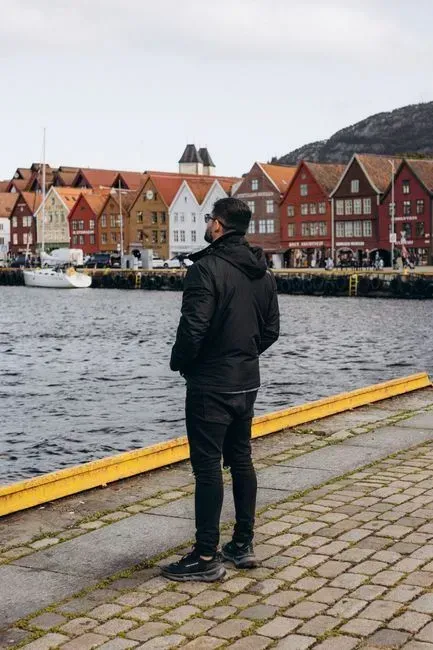
Norway’s oil wealth and small population sometimes overshadow just how fluent its citizens are in English. The 5th most English proficient country is Norway, another European country holding steady near the top of the index. Given that Norwegian is spoken by only around five million people worldwide, English functions almost as a necessary second language for business and academia.
Norway and Sweden are countries where dubbing is not developed, so residents watch most TV series and films in the original language. That habit, repeated across decades, has turned casual media consumption into an informal but highly effective language education system.
Sweden
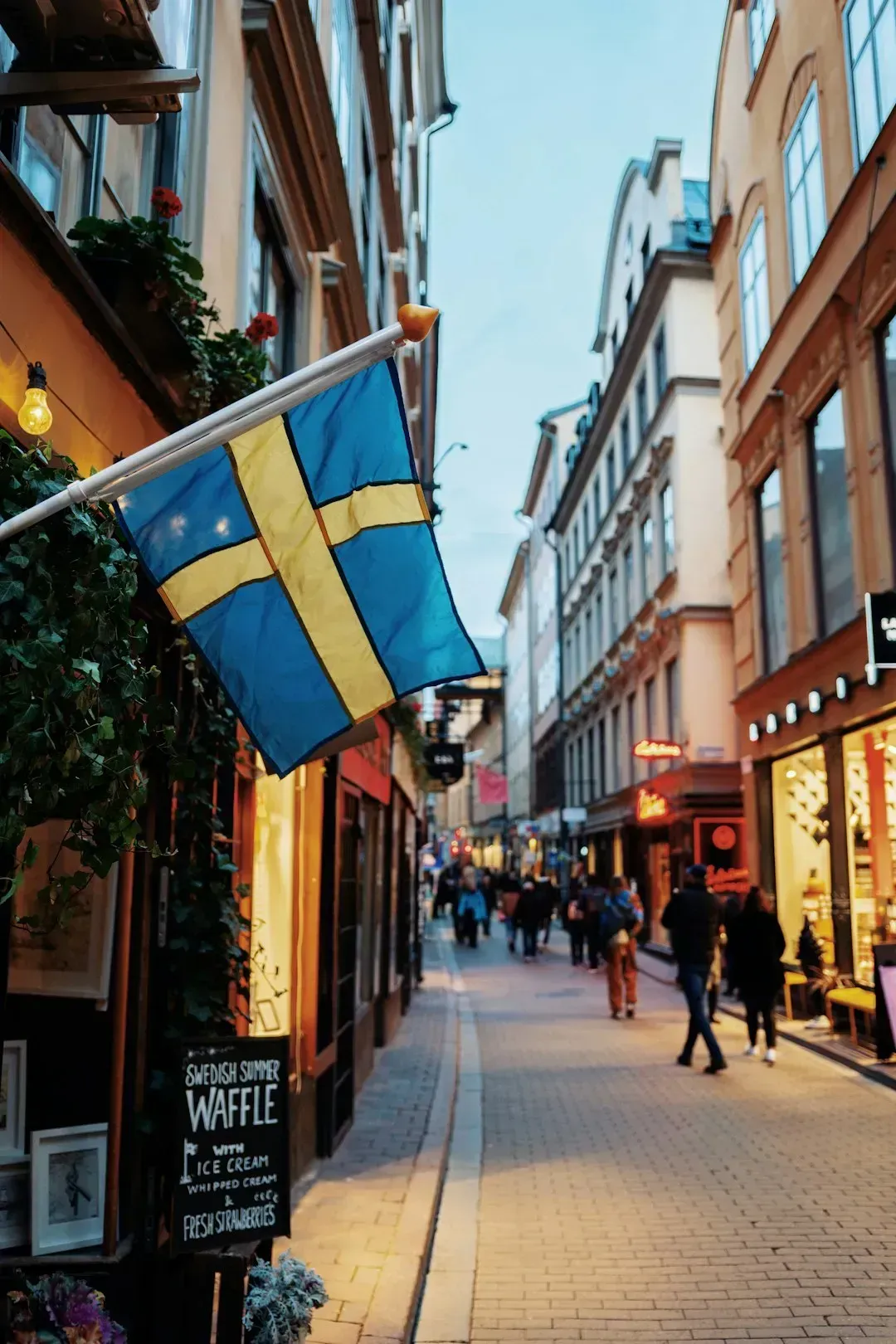
Sweden’s fluency numbers are striking largely because English holds no official status there whatsoever. Sweden’s breakdown shows a reading score of 615 alongside a strong listening score of 611, results that place ordinary Swedish adults ahead of the national averages recorded in Nigeria and the Philippines despite English holding no official status in Sweden. That comparison tends to surprise people who assume official language status guarantees higher average fluency.
Swedish schools introduce English from the earliest grades and rarely let up, treating it as a core skill rather than an elective. Combined with a national media landscape that favors subtitles over dubbing, this has produced a population that speaks English with a level of comfort many native English speaking visitors find unexpected.
Belgium
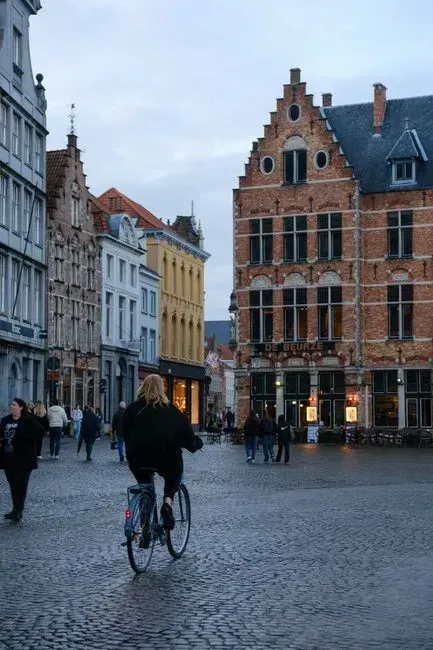
Belgium’s linguistic complexity, rather than working against English fluency, seems to have strengthened it. Belgium’s multilingual environment has proven to be a major asset, finishing ninth globally with a score of 608 and keeping it inside the top ten worldwide. That is a notable result for a country already juggling two official languages.
Belgian students typically grow up navigating at least two of the country’s official languages, Dutch and French, and English often becomes a practical third language for communication across the country’s linguistic divide, helping Belgium edge out several English-official nations in Africa and South Asia. In effect, Belgium’s internal language divisions created a demand for a neutral third option, and English filled that role naturally.
Slovakia
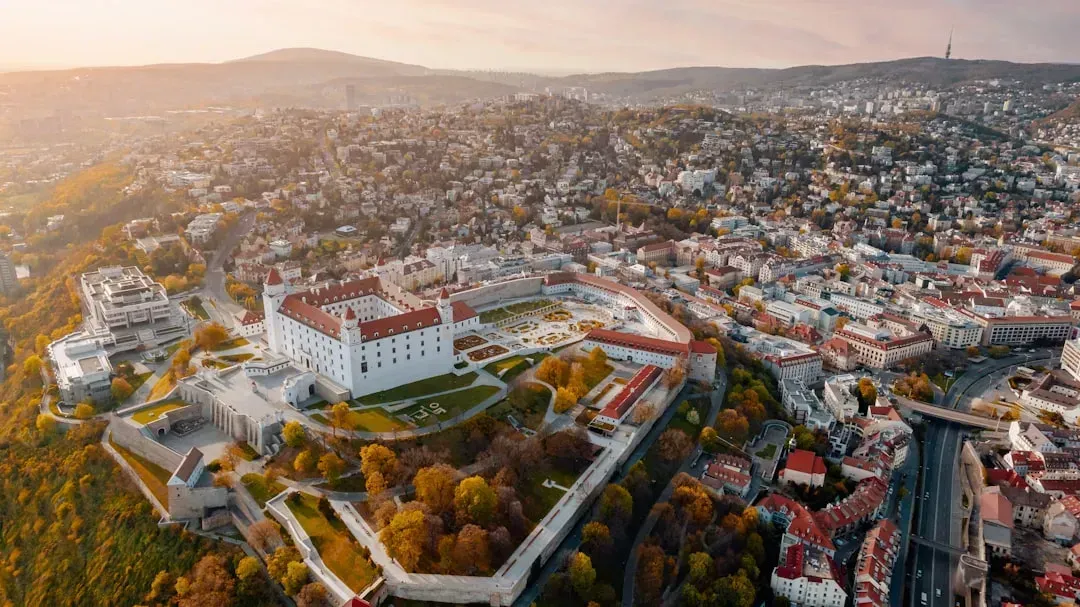
Of all the countries on this list, Slovakia is probably the one that raises the most eyebrows. Slovakia’s presence in the global top ten surprises many people unfamiliar with the country’s education reforms over the past two decades, ranking tenth globally with a score of 606, placing it firmly in the “Very High” proficiency category alongside much larger Western European economies. Twenty years ago, that outcome would have seemed unlikely for a country still adjusting to post communist economic changes.
Slovak schools have steadily expanded English-language instruction since the country joined the European Union, and demand for English among younger professionals has grown alongside foreign investment, pushing Slovakia’s average adult proficiency above that of Nigeria and the Philippines. European Union membership appears to have acted as a genuine accelerant here, not just a symbolic milestone.
Romania

Romania closes out this list, and its position reflects a broader trend across Eastern Europe rather than one isolated success story. Romania rounds out the top eleven, closing out a group of countries where English isn’t official yet proficiency runs remarkably high. For a country whose native language is a Romance tongue quite distinct from English, that level of fluency is not something casual observers would predict.
Romanian universities have leaned heavily into English language coursework over the past fifteen years, partly to attract international students and partly to prepare graduates for a labor market with strong ties to Western European employers. American and British streaming content, largely subtitled rather than dubbed, has reinforced classroom learning in ways that show up clearly in national test averages.
Put together, these ten countries tell a fairly consistent story. Fluency in English has less to do with a nation’s official language policy and more to do with what happens in classrooms, on television screens, and in daily working life. A country does not need English on its passport or its currency to raise a generation that speaks it with confidence, and the data from recent years makes that point harder to ignore with each new edition of the rankings.





Leave a Reply