
There’s something revealing about what a generation reaches for in the grocery store. For baby boomers, the shelves of mid-century America offered a very specific comfort: affordable canned goods, convenient shortcuts, and hearty one-dish meals that stretched a family budget without much fuss. These foods weren’t just practical. They were cultural touchstones tied to potluck dinners, school lunchboxes, and Sunday family tables.
Boomers and younger generations have dramatically different tastes when it comes to food. While boomers tend to favor nostalgic, convenience-heavy meals, Gen Z and millennials seek out fresh, sustainable, and clean-label options. That shift shows up clearly when you look at what’s quietly disappearing from younger shopping carts. Here are ten foods boomers genuinely loved that rarely make the list for today’s under-40 crowd.
1. Jell-O Molds and Gelatin Salads

In the 1950s and 1960s, molded gelatin dishes felt modern, colorful, and convenient, especially for potlucks and holiday tables. The charm was partly presentation and partly thrift: one mold could stretch canned fruit or leftovers into a shared dish. Some versions went savory, combining lime Jell-O with shredded carrots, cottage cheese, or even tuna, which sounded creative at the time.
Gelatin salads and Jell-O molds were once party staples, but they’re now considered outdated by Gen Z. The bright, sugary gelatin molds are often dismissed as artificial and overly sweet. As Gen Z prioritizes clean labels and less-processed food, gelatin desserts are unlikely to make a comeback.
2. Liverwurst

Generations of Americans slathered liverwurst onto rye bread with nothing more than a spiral of yellow mustard and a few slices of raw onion. Made from pork liver blended with fats and spices, liverwurst dominated mid-century deli counters. Its flavor is assertive and rich, tasting somewhere between pâté and bologna. For boomers, it was simply a sensible, filling lunch.
In 2024, Boar’s Head announced it would no longer be producing liverwurst. The move was spurred on by a deadly listeria outbreak, but also the fact that the demand just isn’t really there anymore. Liver, in general, hasn’t been popular in the U.S. for decades. The departure of a major brand essentially confirmed what had been obvious for a while: this one belongs to the past.
3. Tuna Noodle Casserole
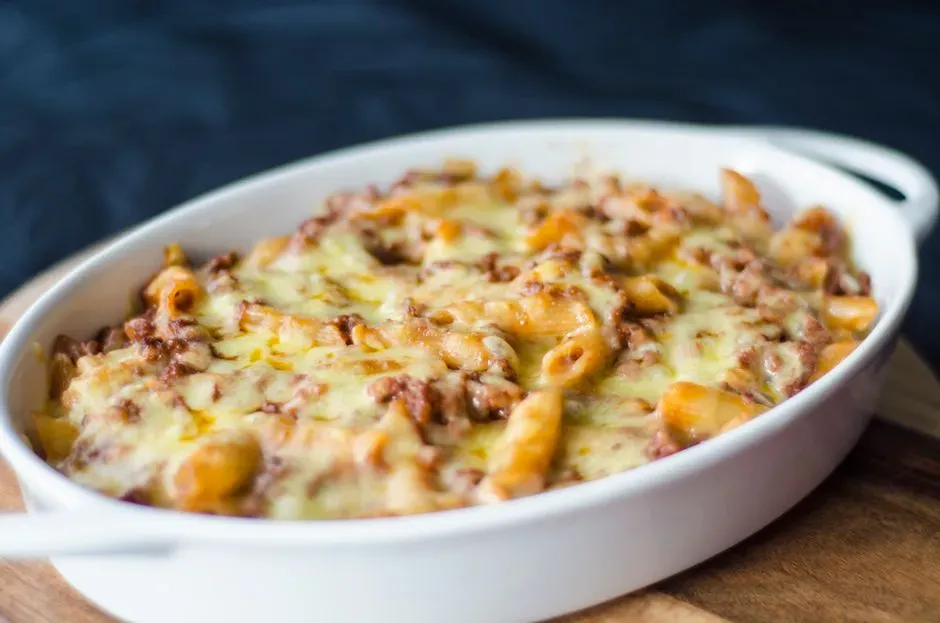
Canned tuna, cream of mushroom soup, and egg noodles baked into a casserole defined weeknight dinners for boomers. Its affordability and ease of preparation made it a go-to meal, especially for working mothers. The dish remains a comfort food for many, rekindling childhood memories for its simplicity and familiarity.
Younger generations often critique the dish’s reliance on preserved ingredients like canned tuna and condensed soup, viewing them as outdated compared to fresh, vibrant ingredients. The younger generation also takes issue with the dish’s notably soggy and mushy texture. It’s the kind of food that tastes like memory to one generation and looks like a chore to another.
4. Canned Tuna
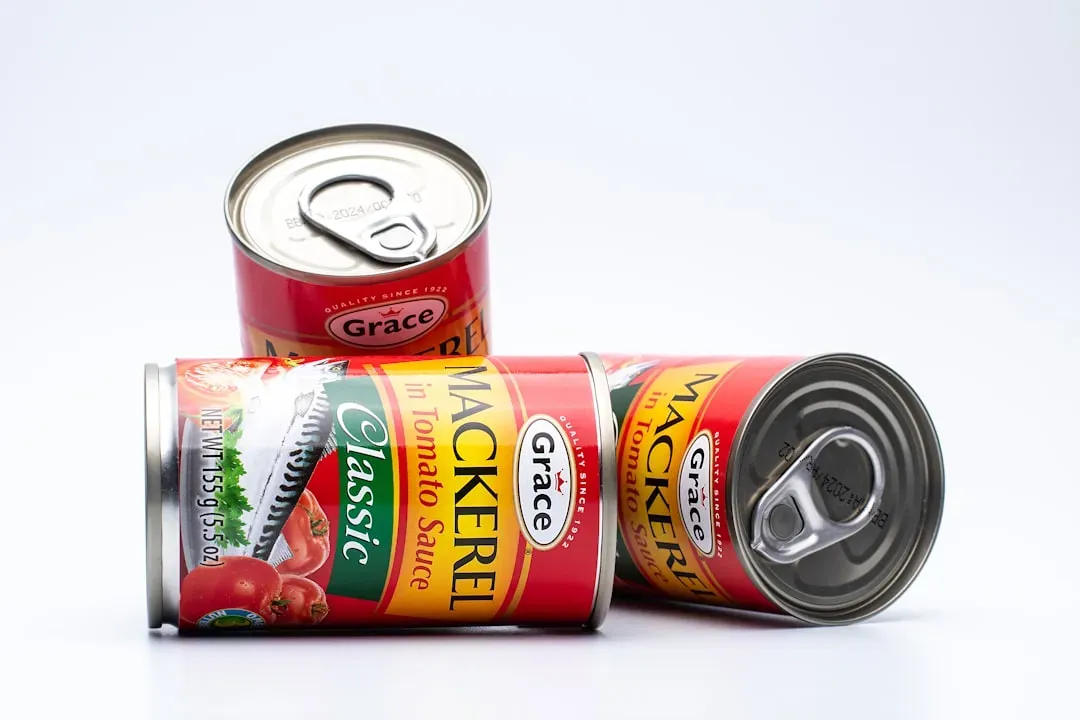
Canned tuna was once the go-to for quick, affordable meals. CNBC reported that canned tuna consumption in the U.S. dropped by roughly 45 percent between 2000 and 2021. That’s a staggering fall for what was once a pantry essential in virtually every American household. Boomers grew up treating it as a versatile protein, perfect for sandwiches, salads, and casseroles alike.
Younger consumers often associate canned tuna with processed, unappealing meals and don’t even own can openers. That last detail says a lot. The whole infrastructure of canned food culture, including the openers, the stock-up mentality, the convenience-first thinking, simply doesn’t transfer to a generation that shops differently and cooks differently.
5. Meatloaf
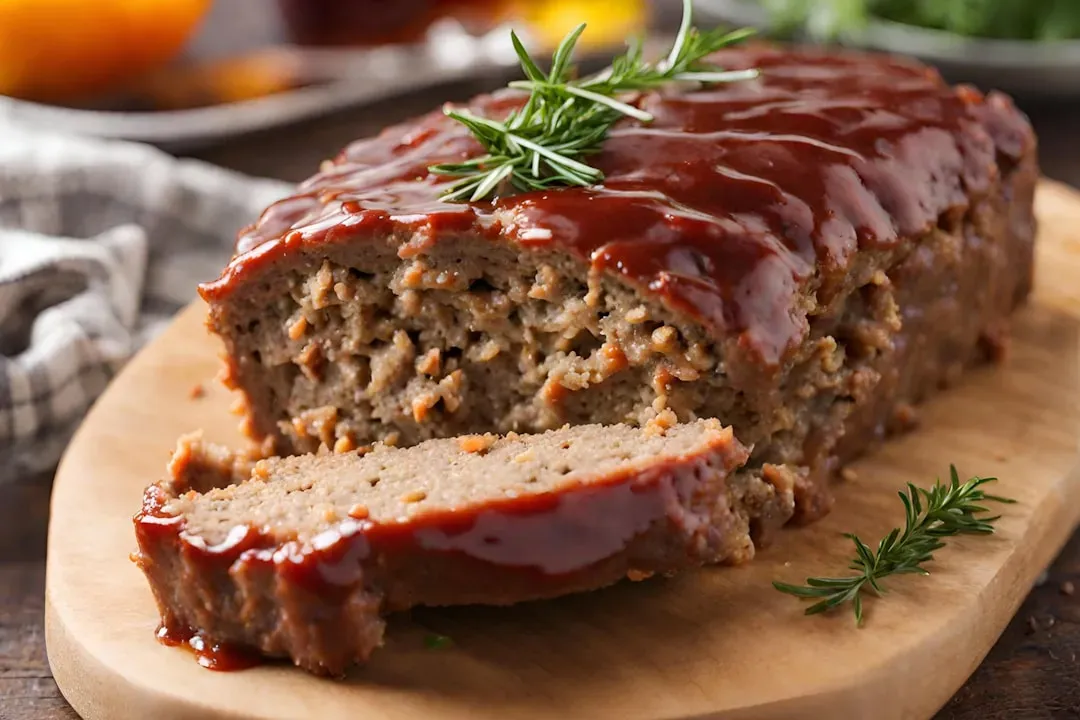
Few dinners were more familiar for baby boomers growing up than meatloaf with mashed potatoes. It was filling, budget-friendly, and always felt like home. Ground beef mixed with breadcrumbs, eggs, onions, and seasonings topped with a generous layer of ketchup, paired with mashed potatoes and green beans, made weeknights feel special without breaking the bank.
Younger generations find it unappetizing, calling it “mystery meat” that looks overly processed. Gen Z craves recognizable, clean ingredients and visually appealing meals, which meatloaf fails to deliver. It’s telling that a dish once considered the height of home-cooked comfort now struggles to find a place on a menu aimed at anyone under 40.
6. Miracle Whip
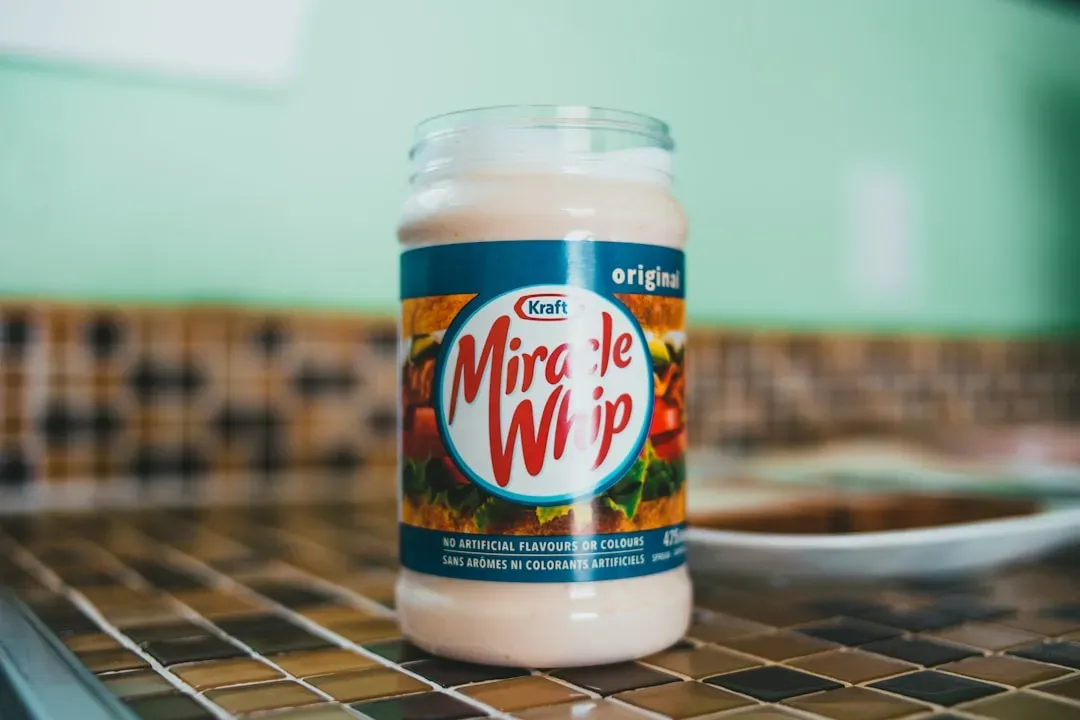
Marketed as a budget-friendly, zesty alternative to salad dressing during the Great Depression, this sweeter, tangier cousin of mayonnaise became popular in mid-20th-century sandwiches, including school lunches. Miracle Whip was particularly sought after in the Midwest and South. For boomers who grew up eating it, the flavor is inseparable from the memory of certain sandwiches.
Miracle Whip, a sweeter alternative to mayonnaise, found its place into many baby boomer kitchens. Today’s younger shoppers largely bypass it in favor of proper mayonnaise, aioli, or entirely different spreads. The flavored-condiment category has splintered into dozens of options, and a sweet, tangy mayo substitute from the Depression era simply doesn’t compete.
7. SpaghettiOs
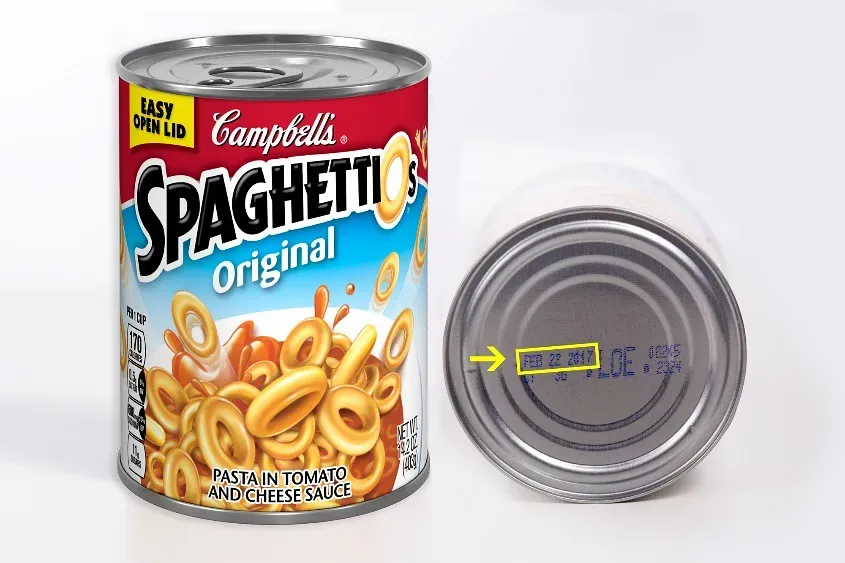
The ring-shaped pasta in tomato-based sauce was the space-age kid’s meal of the 1960s. It became a staple, selling over 100 million cans annually by the mid-1990s, and remains popular with nostalgic consumers today, with around 150 million cans sold per year as of 2024. Those numbers still sound impressive on the surface, but the buyer profile skews heavily older.
Younger generations often associate SpaghettiOs with overly processed foods, though some adults still enjoy indulging in them as comfort meals. Campbell’s has attempted to rebrand the familiar pasta by introducing spicy variants to attract millennial buyers, but these efforts have been met with mixed reviews and limited success. Rebranding a ring-shaped canned pasta was always going to be an uphill climb.
8. Liver and Onions
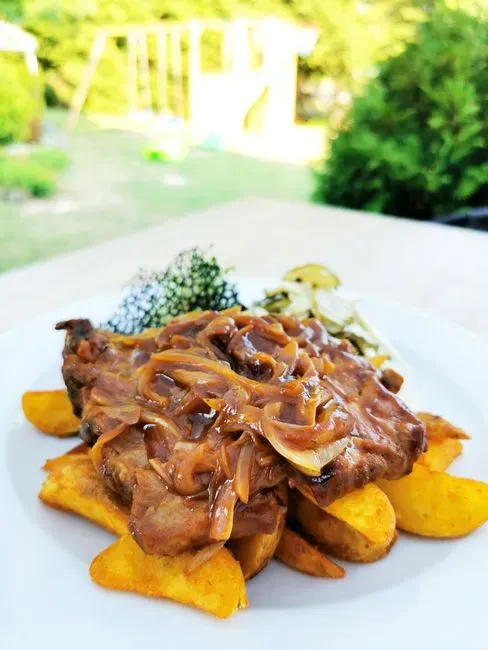
For many older Americans, liver and onions was a normal weeknight dinner because parents and grandparents saw organ meat as nutritious, affordable, and too useful to waste. Beef liver is rich in nutrients like vitamin A, iron, and B vitamins, which helped give it a reputation as practical food rather than “weird” food. It was the kind of dish that required no justification when food was scarce and protein was expensive.
Today, organ meats sit firmly outside the mainstream. Liver, in general, hasn’t been popular in the U.S. for decades. The rare exceptions are niche culinary circles or health-focused communities rediscovering organ meats for their nutritional density, but even there, the preparation looks nothing like the pan-fried liver and onions boomers remember from childhood kitchens.
9. Fruitcake

Fruitcake has arguably become more famous for being mocked than eaten, which is a sad fate for something that was once a genuinely cherished holiday tradition. Ambrosia salad, a beloved dessert from the mid-20th century, combines canned fruit, marshmallows, and coconut. This sweet concoction was a staple at family gatherings and potlucks. The creamy texture and vibrant flavors evoke memories of simpler times when this dish was a symbol of celebration and togetherness. Despite the rise of modern desserts, it remains a cherished tradition among boomers. Fruitcake sat in similar territory: dense, shelf-stable, and deeply sentimental.
Fruitcake was a popular holiday treat for boomers. For younger generations, it’s mostly a punchline. The combination of candied fruit, dense texture, and an almost impenetrable sweetness doesn’t fit modern dessert preferences, which lean toward lighter textures, bold flavors, and social media-friendly presentation. A fruitcake is none of those things.
10. Vienna Sausages
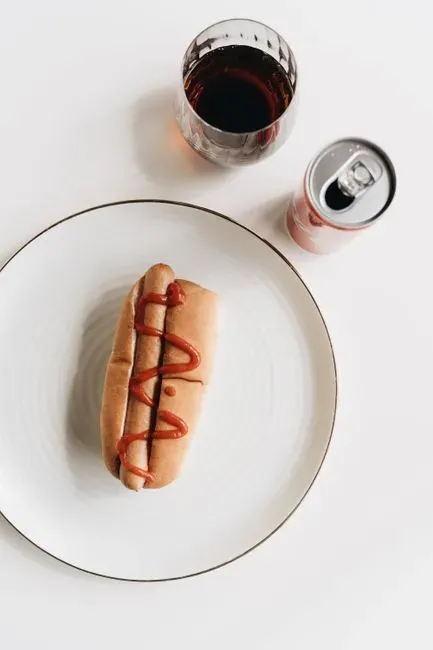
Vienna sausage originated as a long wurst in Austria that was quite similar to a hot dog. In the United States, the name eventually became synonymous with short, smoked, canned wieners in the early 20th century. Popularity of these products has significantly declined since the 1970s. They were once a pantry staple, eaten straight from the can as a snack or served as a quick protein at casual gatherings.
It’s unlikely that you’ll add any Vienna sausage canned meat to your cart in 2026, and the era of everything encased in Jell-O has come and gone. While boomers favor nostalgic, convenience-heavy meals, Gen Z seeks out fresh, sustainable, and clean-label options. The younger generation is driving trends like plant-forward meals, functional beverages, and high-protein snacks, leaving many classic boomer staples behind. Vienna sausages, perhaps more than anything else on this list, represent a time when “convenient” and “canned” were practically synonymous, a pairing that no longer holds the appeal it once did.
None of this means these foods were bad. Most of them made perfect sense within the economic and cultural context of mid-20th-century America, when convenience was innovation and stretching a dollar was a genuine skill. What they reveal, more than anything, is how completely food culture can shift across generations, and how strongly the meals we grow up with stay with us, long after the rest of the world has moved on.




Leave a Reply