
Something has shifted. A new study from moveBuddha reveals that Americans looking to start a new life abroad overwhelmingly have their sights set on one destination, and it is closer than many might expect: Canada ranked as the number one country Americans hope to move to in 2026, with nearly a quarter of survey respondents choosing it as their top relocation pick. That’s not a blip on the radar. That’s a pattern.
For many, Canada’s appeal is clear: universal healthcare, a strong social safety net, and a reputation for stability. Add in growing concerns at home, whether political, economic, or personal, and it’s no surprise that interest in Americans moving to Canada is rising in 2026. The nine cities below have become the quiet favorites, each drawing Americans for different reasons, and most who arrive tend to stay.
1. Toronto, Ontario
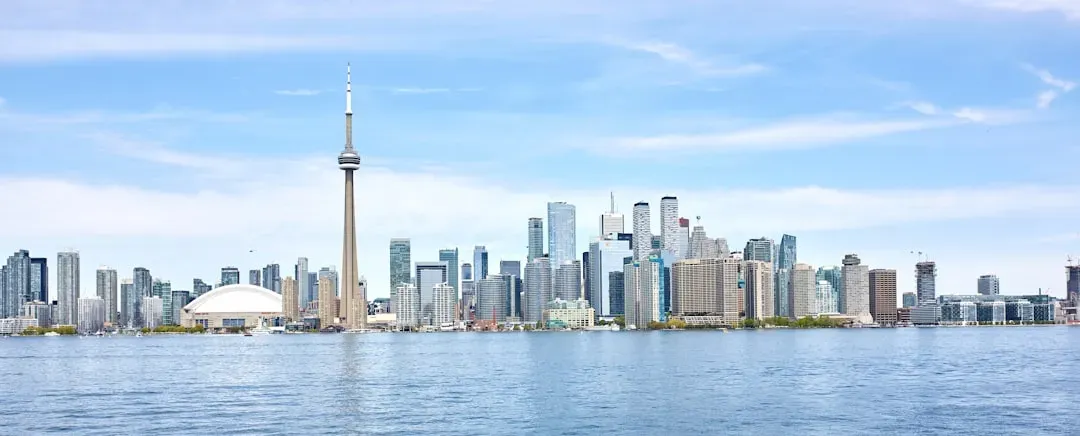
As Canada’s largest city, Toronto offers a dynamic mix of career opportunities, cultural diversity, and world-class amenities. It is a major hub for finance, technology, and media, making it ideal for professionals seeking economic growth. The city’s sheer size means there’s rarely a shortage of work, and the professional networks here rival those in New York or Chicago.
Families are drawn to its excellent schools, safe neighborhoods, and cultural attractions, including theaters, museums, and international cuisine. The transit system covers a wide swath of the metro, and the variety of neighborhoods means Americans can find something that matches nearly any lifestyle, from lakeside calm to urban intensity. Toronto is expensive, especially downtown, and many newcomers choose Scarborough, Etobicoke, or North York for more budget-friendly options.
2. Vancouver, British Columbia

Nestled between mountains and the Pacific Ocean, Vancouver combines stunning natural beauty with a robust economy. For Americans used to Pacific coast living, the transition feels smoother here than almost anywhere else in the country. Vancouver is one of the most multicultural and livable cities in the world. If you love the idea of being close to mountains and the ocean while still having access to urban life, Vancouver is unbeatable.
Nurses, teachers, software developers, and IT specialists are in short supply, particularly in major cities like Toronto, Vancouver, and across British Columbia. That means Americans arriving with in-demand skills often find doors open faster than expected. Housing prices are high, and rent can be challenging for newcomers. Many expats choose nearby areas like Burnaby, Coquitlam, or North Vancouver for better affordability.
3. Montreal, Quebec

Montreal trades some of the big-city dazzle of Toronto or Vancouver for a bilingual environment, lower cost-to-income ratio, and strong transit, which can stretch your budget without sacrificing quality of life. There’s an energy here that’s hard to pin down, part European, part North American, entirely its own thing. The city is walkable, has good biking infrastructure and many green areas where locals tend to spend their free time.
Montreal is one of the top Canadian cities for students, and McGill University is ranked 41st in the world by Times Higher Education (2026). That academic gravity also generates a thriving creative and tech economy that draws younger Americans in particular. The cost of living is slightly below the average among the best cities to live in Canada, with roughly 1,366 CAD in monthly expenses and around 1,692 CAD in rent payments.
4. Calgary, Alberta

According to a 2025 ranking of the top cities to live in Canada by Global Citizen Solutions, Calgary placed at the very top for all of Canada. That recognition reflects what many Americans who’ve settled there already know: the city punches well above its weight. While the broader province of Alberta gets attention for its gorgeous mountain scenery and parks, the Global Citizen Solutions ranking shows that Calgary is highly livable, with strong economic potential, sturdy healthcare, and lots to do, based on factors like employment opportunities, salaries, costs of living, outdoor recreation, and community friendliness toward expats.
For the third consecutive year, the largest net gains from interprovincial migration among Canadian metro areas were in Edmonton and Calgary, and while these gains were smaller than those from the previous year, they remain among the highest seen for any metro area since at least 2001. Universal healthcare, a strong job market, and a reputation for safety and political stability all contribute to the appeal. No provincial sales tax in Alberta doesn’t hurt either.
5. Ottawa, Ontario

Ottawa often gets overshadowed by Toronto and Montreal, but it’s one of the most balanced cities to live in. As Canada’s capital, it offers clean streets, safe neighborhoods, bilingual communities, and strong public services. For Americans who want genuine city infrastructure without the chaos of a megacity, Ottawa hits a rare sweet spot. Canada’s best cities have shifted in 2025, and Ottawa now ranks first, overtaking Toronto.
Ottawa gives you stable government-backed job opportunities, excellent healthcare access, strong safety scores, and everyday bilingualism in English and French. The government sector creates a degree of economic stability that cities dependent on a single industry simply can’t match. Ottawa has a relatively moderate cost of living compared to Vancouver or Toronto, and as the capital of Canada, it is known for its government institutions, museums, festivals, and surrounding green spaces. The wider Capital Region, including nearby Gatineau in Quebec, offers a balance of urban amenities and outdoor recreation.
6. Halifax, Nova Scotia

Halifax stands out as the only major metro area east of Ontario with positive flows on all key metrics: natural increase, immigration, and both inter- and intraprovincial migration. That’s a remarkable distinction, and it reflects a city that genuinely has momentum. Halifax is no longer under the radar, but it still carries the kind of momentum that draws people looking for an urban life that feels more human in scale.
Toronto and Vancouver offer thriving job markets and cultural vibrancy, while Halifax provides a quieter lifestyle with affordable living costs. Americans arriving from crowded coastal metros often describe Halifax as the city that finally lets them breathe. The port drives shipping and logistics jobs, tech companies have expanded operations in the region, and universities attract students who often stay after graduation.
7. Edmonton, Alberta

Edmonton offers even lower housing prices than Calgary, with first-time buyers seeing realistic entry points in the market. The city has a large public sector workforce tied to government and healthcare, and the University of Alberta brings research jobs and steady employment. For Americans priced out of most major North American cities, Edmonton is a genuine revelation. Many families choose Edmonton for bigger homes and yard space, and the cost of childcare is lower than in many provinces.
Calgary and Edmonton combine robust immigration with massive interprovincial gains, drawing Canadians from coast to coast, likely due to economic opportunity and relative housing affordability. Edmonton’s industrial and logistics sectors are also growing steadily, which opens pathways for blue-collar and trade workers that don’t always exist in Canada’s pricier metros. Cities like Edmonton offer far more affordable home ownership than the high prices in Vancouver, Victoria, and Toronto.
8. Quebec City, Quebec
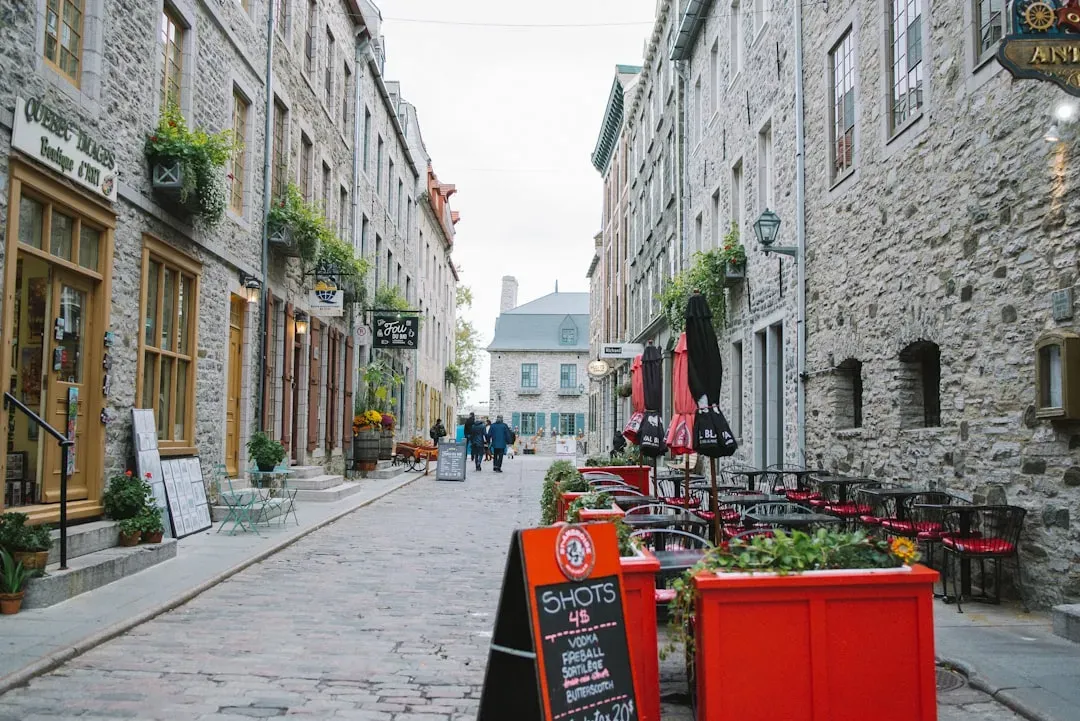
Quebec City feels like a slice of Europe in North America. With cobblestone streets, French-speaking communities, and a historic old town, it’s a unique place to live. Americans who’ve grown restless with the visual monotony of modern suburban sprawl often find something genuinely restorative here. Quebec City is ranked as the safest among the best cities to live in Canada, with a local safety index of 77.5 compared to the Canadian average of 54.26.
Quebec City is a rare “value city” that still feels like a true capital, with strong public-sector employment, established neighborhoods, and a cost profile that often undercuts bigger metros. As of early 2026, the average one-bedroom asking rent is about 1,364 Canadian dollars per month, which keeps it competitive for newcomers. The French-language environment is a real consideration, but many Americans find it an asset rather than a barrier, especially those drawn to a culture that’s decidedly different from home.
9. Victoria, British Columbia

Located on the southern tip of Vancouver Island, Victoria is known for its mild climate, historic architecture, and scenic waterfront. It also offers strong access to outdoor activities such as kayaking, cycling, and whale watching. For Americans from the Pacific Northwest in particular, the adjustment is almost seamless. Victoria feels like a small, sunny paradise, and it’s perfect for retirees or remote workers who want warmer summers, lake living, and a peaceful community.
According to the Quality of Life Index, Victoria ranks among the best cities to live in Canada in 2025, appearing alongside Ottawa, Vancouver, Calgary, and Halifax. The city is compact and walkable in ways that larger Canadian metros aren’t, and the overall pace of life here is noticeably slower without feeling isolated. Kelowna and Victoria are more expensive than most small cities but considerably cheaper than Vancouver itself, which means Americans arriving from somewhere like Seattle or Portland often find the financial shift more manageable than expected.
What’s clear from the broader picture is that Americans aren’t gravitating toward Canada for a single reason. Canada offers safe cities, clean environments, low crime rates, and job opportunities in technology, healthcare, engineering, and skilled trades. The nine cities above cover a wide spectrum of lifestyles, price points, and climates, which is precisely why the trend is holding. There’s no single “American in Canada” story. There are thousands of them, each unfolding quietly, one city at a time.




Leave a Reply