
Migration in America has never moved in a straight line. Cities that analysts assumed would plateau kept growing. Places long written off as stagnant surprised everyone. The latest round of U.S. Census Bureau data, covering the period through mid-2025 and released in May 2026, paints a picture of a country still very much in motion, even as the overall pace of national population growth slowed compared to the prior year.
What stands out in the data isn’t just which cities are growing, it’s the gap between what demographers projected and what actually happened. From the Sun Belt to unexpected corners of the Midwest and Mountain West, certain cities have drawn newcomers at a pace that keeps outrunning forecasts. Here are eleven of them.
1. Charlotte, North Carolina
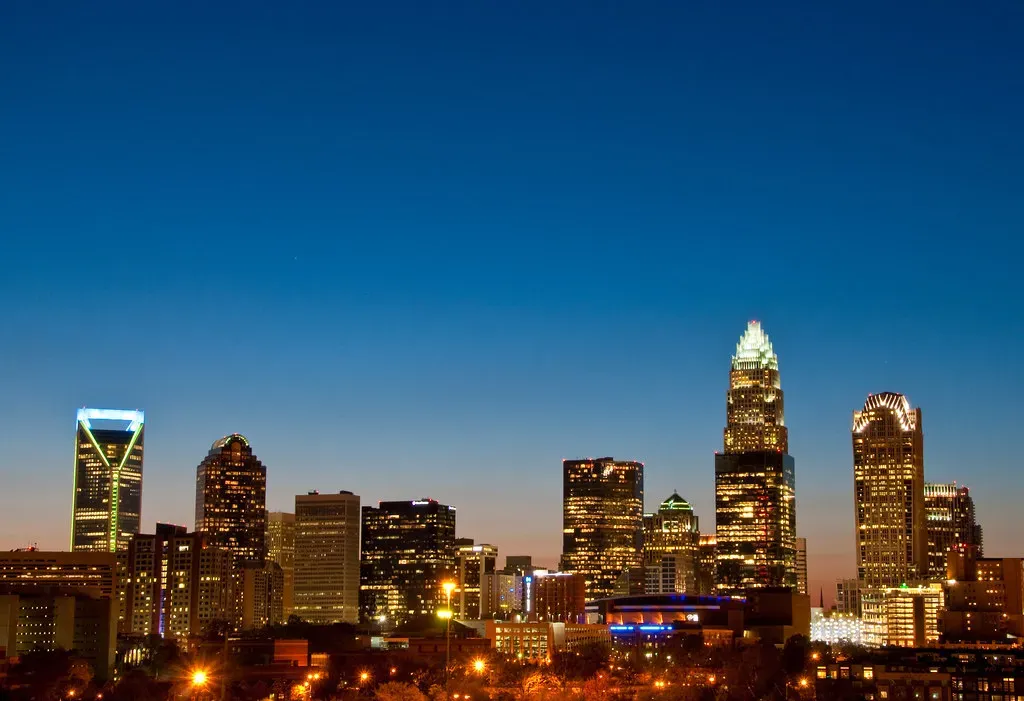
Charlotte gained just over 20,700 residents between 2024 and 2025, more than any other city in the country. That figure puts it at the very top of the Census Bureau’s list of largest numeric gainers for that period, ahead of much larger metros. For a city already carrying significant growth momentum heading into the decade, that’s a remarkable acceleration.
Charlotte has seen significant growth over the last three years, with a relatively low cost of living and favorable weather continuing to draw families and professionals alike. However, among cities with a population of 20,000 or more, Charlotte was only the seventh fastest-growing city in its own metro area by percentage increase, which speaks to just how fast the surrounding suburbs are filling in as well.
2. Fort Worth, Texas
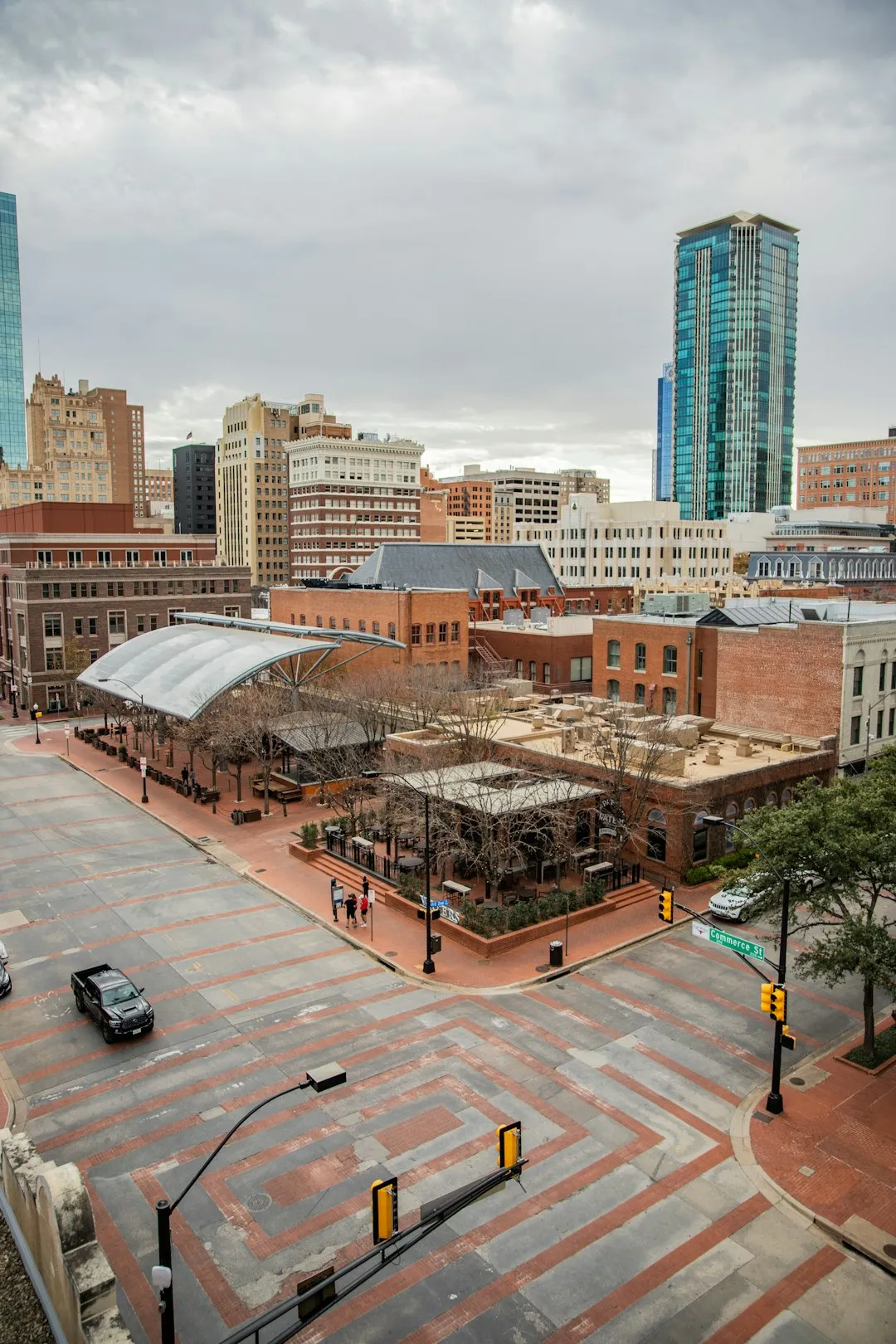
Fort Worth officially entered the ranks of America’s 10 largest cities after adding nearly 20,000 residents in one year, according to new U.S. Census Bureau estimates. That growth pushed it past Jacksonville, Florida, for the tenth spot nationally. Fort Worth added 19,512 residents between July 2024 and July 2025, the second-largest numeric increase of any city in the country, bringing its population to 1,028,117.
Dallas itself grew by only about 1.9% while Fort Worth’s growth was a more robust 11.9% over the broader period since 2020, showing that Fort Worth isn’t just riding its neighbor’s coattails. Fort Worth’s rise into the nation’s top 10 most populous cities comes amid a broader reshaping of population growth across Texas and the United States, with the Census Bureau noting that the South continued to dominate national growth patterns.
3. Austin, Texas
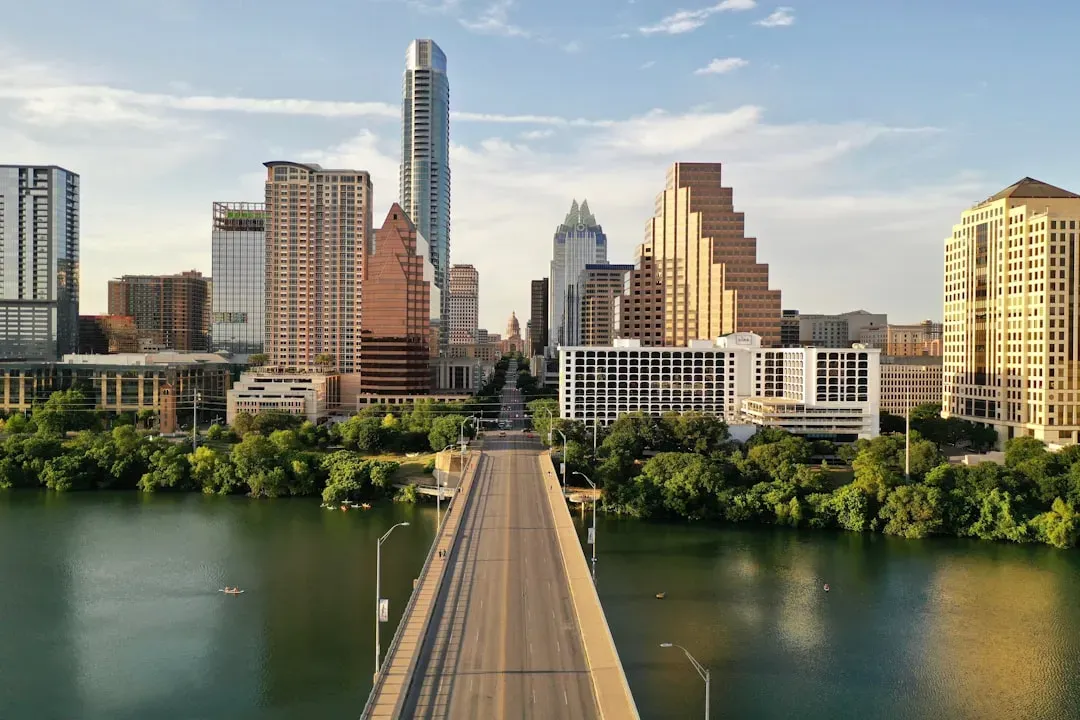
Austin, Texas, is now one of a dozen U.S. cities with at least 1 million residents after crossing the seven-digit population threshold between 2024 and 2025. That milestone was expected eventually, but it arrived faster than many projections had indicated. The Austin-Round Rock-San Marcos metro grew by over 58,000, or about 2.3%, making it one of the nation’s largest-gaining and fastest-growing metro areas just in the period ending in 2024.
Austin’s growth is driven by a combination of tech industry employment, in-state migration from more expensive Texas metros, and an influx of out-of-state transplants from California and the Northeast. Economic and lifestyle drivers of population growth include job opportunities in tech, healthcare, finance, and manufacturing, alongside more affordable housing compared to coastal cities driving domestic migration.
4. San Antonio, Texas
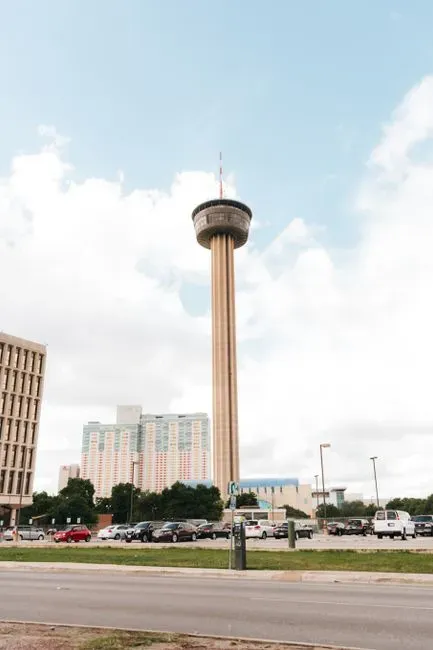
Among the large metros, Houston, San Antonio, Fort Worth, Jacksonville, and Miami had the largest total population increases from 2023 to 2024. San Antonio’s consistent appearance on that list year after year reflects something deeper than a temporary migration wave. The city has built a diverse economy anchored by military installations, healthcare, and tourism that keeps drawing people steadily.
Numerically, six of the top 10 fastest growing cities were in Texas, with Fort Worth at number two, followed by San Antonio and Celina at numbers three and four, and Houston and Fulshear at five and six. San Antonio benefits from Texas’s broader appeal, including no state income tax and a cost of living that remains far below what most coastal metros offer.
5. Raleigh, North Carolina
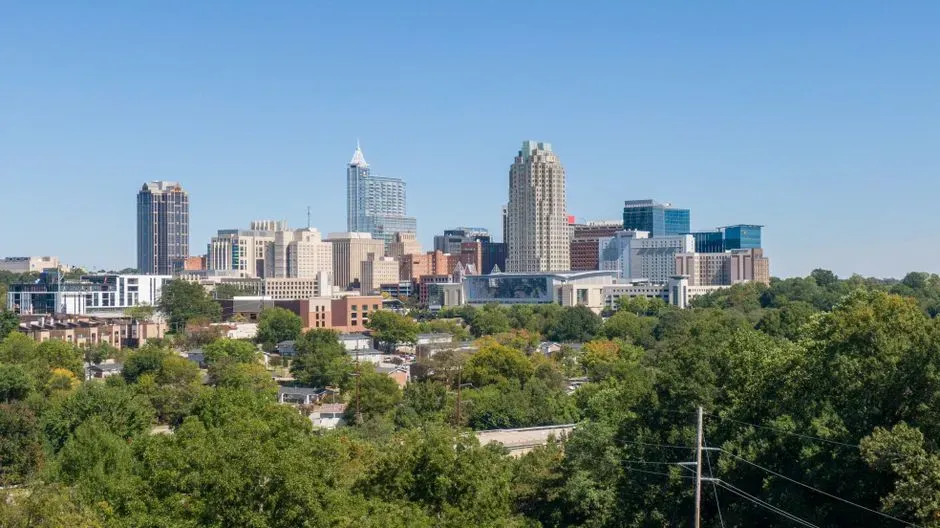
Raleigh crossed the 500,000-population threshold between 2024 and 2025, bringing the total number of cities with 500,000 or more residents to 39 nationwide. That’s a symbolic but telling benchmark. The current metro area population of Raleigh in 2025 is 1,661,000, a nearly two percent increase from 2024.
Raleigh’s appeal is closely tied to its Research Triangle geography, which clusters major universities and a dense tech and pharmaceutical sector into a relatively compact region. The Census Bureau’s Vintage 2025 estimates show North Carolina growing at about 1.3% among all states, and Raleigh remains the sharpest point of that growth, consistently exceeding analyst expectations for a city of its size.
6. Jacksonville, Florida
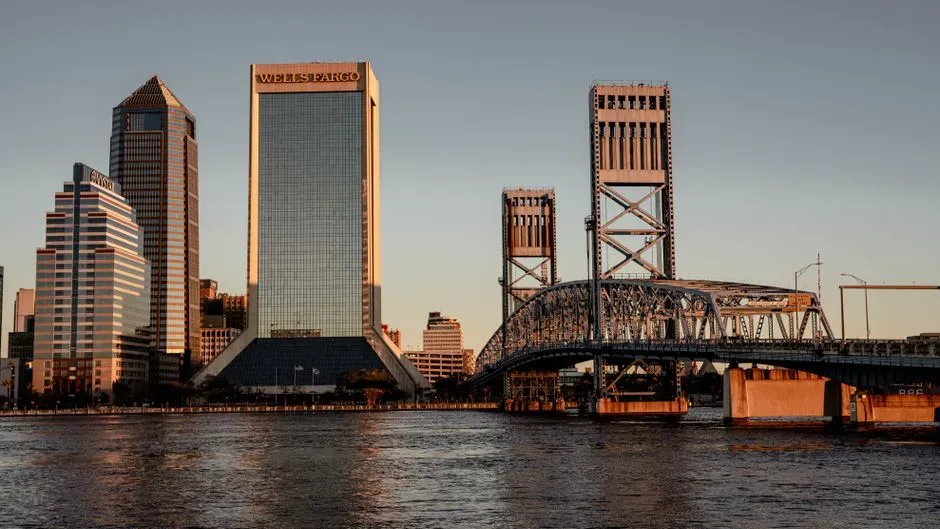
Two cities crossed the 1 million-population threshold between 2023 and 2024: Jacksonville, Florida, at 1,009,833, and Fort Worth, Texas, at 1,008,106. Jacksonville’s crossing of that milestone reflected decades of steady expansion, but the speed at which it happened surprised many observers. Florida’s broader pull has benefited Jacksonville disproportionately given its sprawling geography and relatively low housing costs compared to Miami or Tampa.
Twelve of U-Haul’s top 25 growth cities are in Florida, including eight of the top 10, which illustrates how deeply the state’s migration advantage runs across different data sources. Jacksonville specifically appeals to working-age families priced out of South Florida, offering a slower pace, lower housing costs, and growing job market without sacrificing urban amenities.
7. Nashville, Tennessee
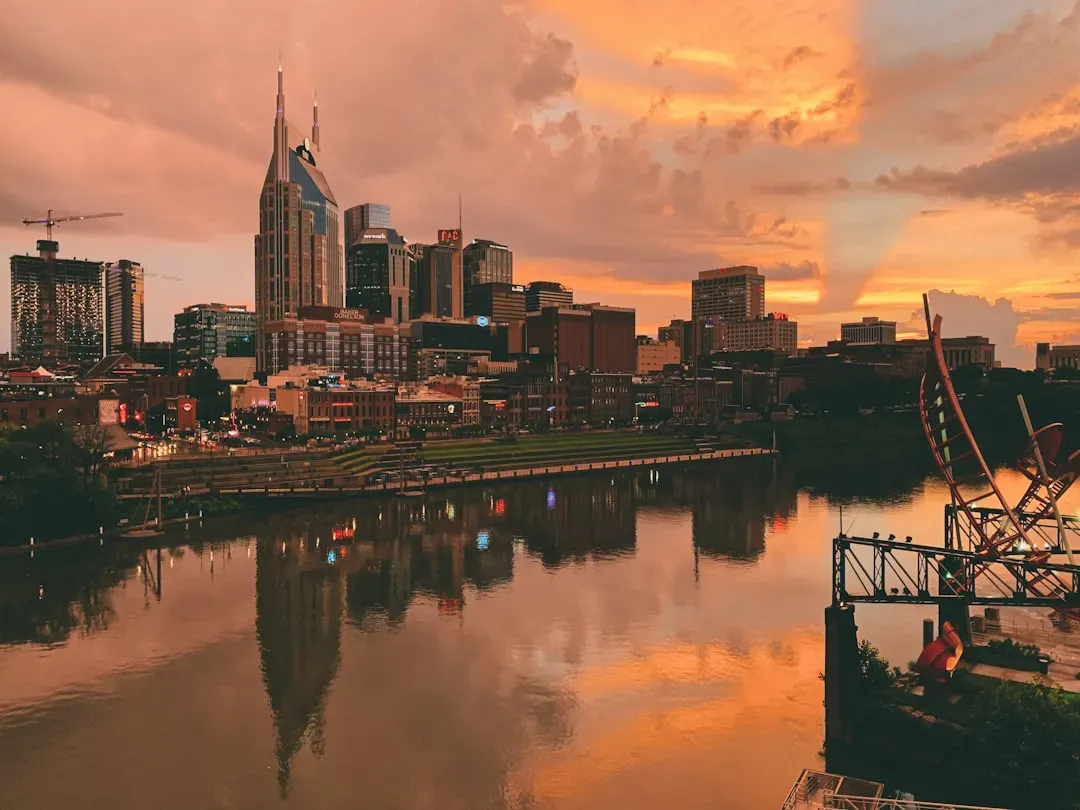
The most moved-to states in 2025 were Idaho, South Carolina, North Carolina, Tennessee, and Florida, and Nashville is Tennessee’s most visible beneficiary of that trend. The city has become a relocation magnet for younger professionals, particularly those leaving more expensive coastal metros in search of stronger purchasing power. Nashville ranked ninth in 2025 among top inbound destination cities tracked by moving industry data.
Tennessee’s absence of a state income tax is a recurring factor in relocation decisions, and Nashville layers that advantage with a genuine cultural and entertainment identity that few mid-sized American cities can match. Nashville is a vibrant city with a rich history and many attractions, known as the Music City and attracting music lovers and artists alike, but the in-migration now runs well beyond that creative demographic.
8. Washington, D.C.

Washington, D.C., added almost 15,000 residents in 2024, nearly doubling its population gain from the year prior. That reversal caught many planners off guard. The city had experienced years of sluggish growth and periodic losses, fueled by high housing costs and pandemic-era departures. Its rebound reflects a return of federal workforce employees, a growing private sector, and renewed interest in walkable urban living.
According to analysis from the Harvard Joint Center for Housing Studies, at least five large metros, including Washington, would have lost population without international immigration. Still, the scale of the turnaround in D.C. has been notable even when accounting for that factor, with the city pulling in domestic movers at a faster rate than analysts had projected for this stage of the recovery.
9. Los Angeles, California
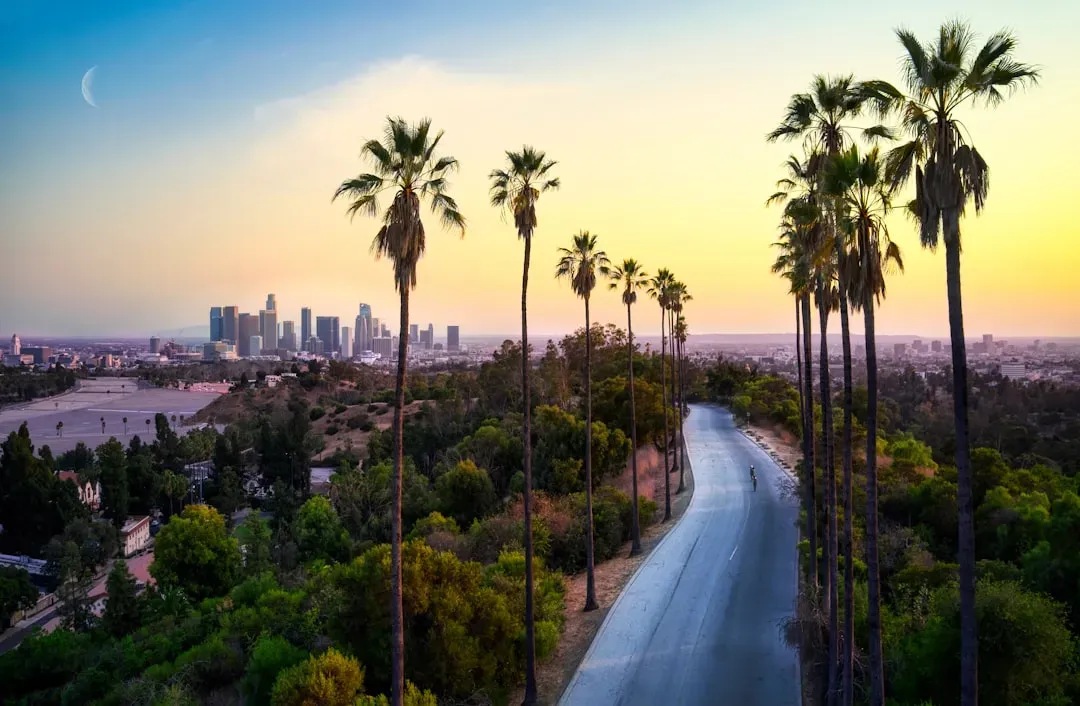
Los Angeles returned to the list of top gainers for the first time since 2016, adding over 31,000 residents in 2024, making it third among the nation’s largest-gaining cities. That was genuinely unexpected. For years, the narrative around Los Angeles was one of outbound migration, rising costs, and population stagnation. The reversal was swift and, by most measures, ahead of what demographic models had anticipated.
Los Angeles went from having a loss of more than 214,000 in 2020 to 2021 to a gain of over 41,000 between 2023 and 2024. That kind of swing in a city of that scale is rare. International migration has played a significant role in the turnaround, though domestic losses remain a counterweight that makes the net growth figure all the more striking.
10. Boise, Idaho

The Census Bureau’s Vintage 2025 estimates show Idaho growing fastest among all states at 1.4%, and Boise remains the state’s primary engine of that growth. The Boise City metro area population reached 488,000 in 2026, up from 482,000 in 2025, reflecting a steady annual growth pace that has continued through the decade. That kind of consistent expansion in a mid-sized Western city was not widely forecast even five years ago.
Boise ranked seventh in 2025 among top inbound destination cities by moving industry metrics. The city has attracted remote workers, retirees, and young families who view it as a more affordable alternative to Seattle or the Bay Area. Idaho’s population is projected to grow at roughly 1.5% annually through 2034, suggesting Boise’s growth story still has considerable runway ahead.
11. Huntsville, Alabama
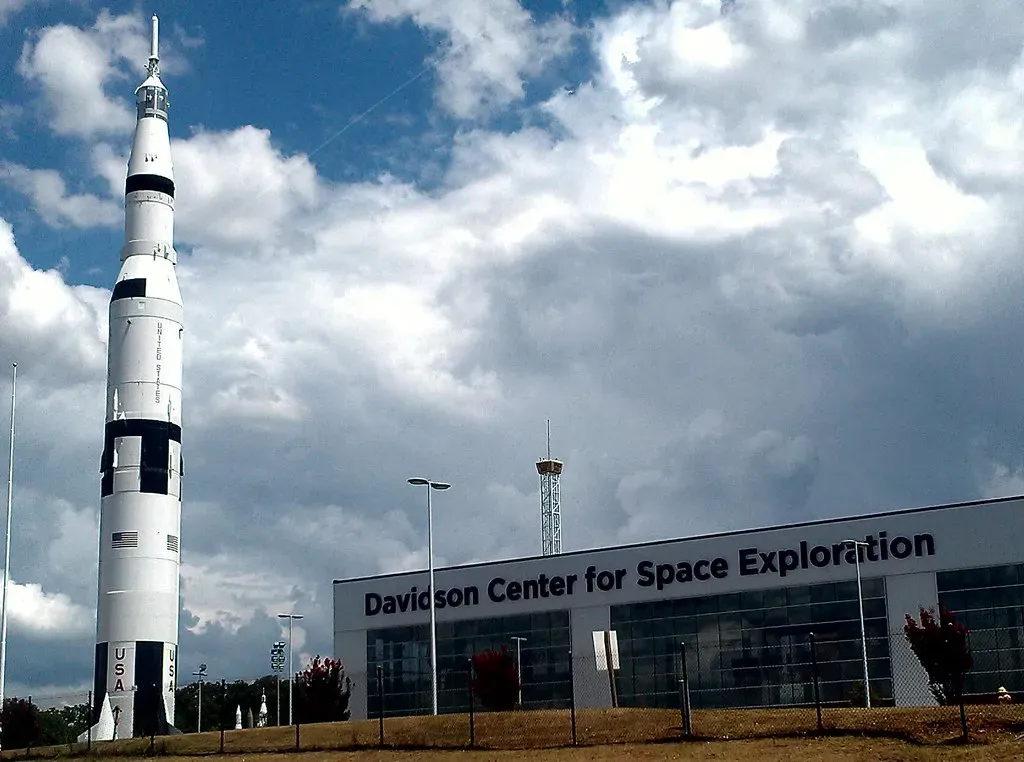
The Huntsville MSA, which includes Madison and Limestone counties, had the highest population growth of any metro area in Alabama from 2023 to 2024. Huntsville’s rise as a migration destination is one of the more quietly remarkable stories in recent American demographic data. Huntsville is growing at roughly 1.5% annually, and its 2026 population stands at around 237,000, up from approximately 216,000 at the time of the 2020 Census.
The city’s economy is anchored by aerospace, defense contracting, and technology, with a density of federal and private sector research employment that punches well above the city’s size. Huntsville ranked twelfth in 2025 among top inbound U.S. destination cities tracked by moving industry data, placing it alongside metros that are far larger and better known. For a mid-sized city in a state not traditionally associated with domestic in-migration, that ranking reflects a genuine and accelerating shift in where Americans see opportunity.
The broader picture these eleven cities form is one of a country reshuffling its population in ways that don’t always follow prior assumptions. Some of the surprises come from reversals, cities that were losing people and started gaining them back. Others come from accelerations, places that were already growing but outran even their own optimistic projections. In either case, the pace of arrival tells you something real about where people genuinely want to be.



Leave a Reply