
The 1970s were a decade of avocado-green appliances, shag carpeting, and a general sense that modern living had finally been figured out. Families stocked their homes with the latest conveniences without any reason to suspect harm. Science and regulation, it turned out, had not quite kept pace with the enthusiasm for new products.
Looking back now, the list of everyday items that quietly posed serious health risks is both eye-opening and a little unsettling. Some of these dangers took decades to fully understand. Others were known to industry insiders long before the public was warned. Here are ten of the most striking examples.
1. Lead-Based Paint

Until the late 1970s, lead-based paint was a staple in home decor, valued for its durability and rich color. It was everywhere: walls, window frames, stair railings, even children’s bedroom furniture. Nobody thought twice about it, and for most of the century, no one was legally required to.
As the paint aged and chipped, it released toxic dust and flakes into the air, and children were especially vulnerable. Ingesting or inhaling lead particles could cause lead poisoning, resulting in irreversible developmental delays and behavioral issues. As a result, the U.S. government banned lead-based paint in residential properties in 1978. Despite the ban, many older homes still contain lead-based paint.
2. Asbestos Insulation
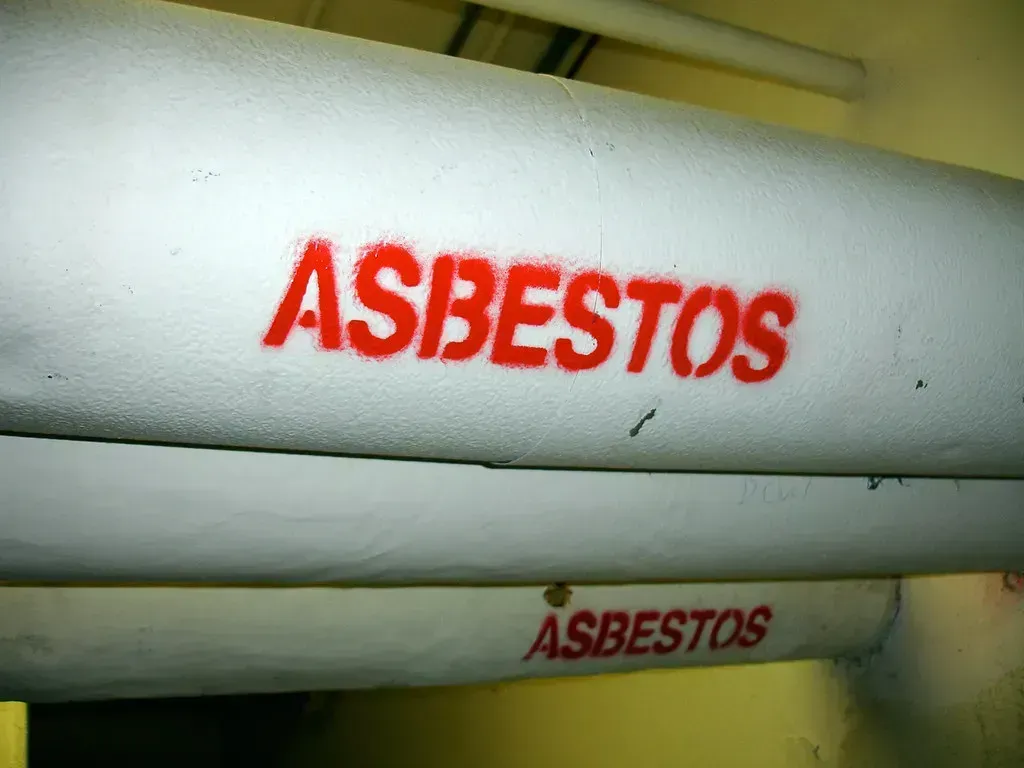
Until 1989, asbestos was widely used in building materials, particularly insulation, because of its tensile strength and resistance to heat, fire, and electricity. It showed up in floor tiles, ceiling texture, pipe wrapping, and wall compounds. For most homeowners in the 1970s, it was simply the material inside their walls.
Researchers later discovered that when tiny airborne asbestos fibers were inhaled, they eventually caused serious health problems such as persistent wheezing, asbestosis, mesothelioma, and lung cancer. In 1975, OSHA officially declared asbestos a carcinogen and proposed lowering the safe-exposure threshold. The damage, however, had already been done for millions of people living and working in affected buildings.
3. Asbestos-Lined Hair Dryers

In the 1970s and 1980s, the vast majority of hair dryers contained asbestos. According to data from OSHA, roughly nine in ten hair dryer manufacturers used asbestos components during this time, making blow dryers with asbestos to insulate them against high temperatures. Most users had no idea what was blowing warm air across their scalps every morning.
Asbestos crumbles as it deteriorates, making it possible for the deadly fibers to be blown out of hairdryers and increase the mesothelioma risk for anyone in the vicinity. A voluntary recall in 1979 only recovered a fraction of the 18 million affected dryers sold. Mesothelioma can take up to 50 years to develop, meaning the full health toll of those everyday grooming routines is still unfolding.
4. Non-Stick Teflon Cookware and PFOA

Non-stick pans were a revelation in the 1970s kitchen. Scrambled eggs without scrubbing, omelets that flipped cleanly, and a coating so smooth it seemed almost magical. The hidden issue was not the Teflon itself, but the chemical used to manufacture it. PFOA has been around since the 1940s, and there is significant evidence to show that it persists in the environment and human bodies. Several studies were published suggesting that PFOA exposure leads to long-term health risks, including possible links to testicular, kidney, thyroid, prostate, bladder, and ovarian cancer.
Evidence emerged that chemical conglomerate 3M knew about the health dangers of PFOA since the 1970s. PFOA was found in the blood of a large portion of people who took part in the U.S. 1999 to 2000 National Health and Nutrition Examination Survey. The PFOA Stewardship Program, launched in 2006 by the EPA, spurred the elimination of PFOA from Teflon products, involving eight leading PFOA companies and aiming to reduce the health and environmental risks associated with PFOA exposure by eliminating its use by 2015.
5. Benzene-Based Household Cleaners
Household cleaners frequently contained benzene as a primary ingredient for its degreasing properties, and people would routinely use these products in poorly ventilated spaces like bathrooms and small kitchens. The smell was strong, but most people assumed that was just the smell of a clean house. It was considered normal.
Extended exposure to benzene fumes could cause bone marrow damage and increase cancer risk, and many users developed chronic health issues from regular exposure to these cleaning products. Benzene is now classified as a known human carcinogen by the EPA and the International Agency for Research on Cancer, a designation that came far too late for families who spent years cleaning their bathrooms in small, unventilated rooms.
6. Vinyl Chloride Aerosol Sprays
In the 1970s, vinyl chloride was a common ingredient in aerosol sprays, prized for its versatility. However, mounting evidence linked it to liver cancer, raising serious public health concerns. These sprays were used freely in homes for everything from hairspray to household polish, often in kitchens and bathrooms where airflow was limited.
In the 1970s, White House Council on Environmental Quality and EPA officials raised serious concerns about the health impacts of vinyl chloride, and those concerns were the impetus for Congress to write the Toxic Substances Control Act in 1976 to ensure chemicals were made and used safely. The U.S. took decisive action in 1974, banning aerosol products containing vinyl chloride. That ban was one of the first major consumer product safety actions of the era.
7. Flame-Retardant Children’s Pajamas

In the mid-1970s, children’s sleepwear was required by federal regulation to be flame resistant. That sounds protective, and in theory it was. The problem was how manufacturers achieved it. Chlorinated Tris, a cancer-causing flame retardant, was widely used in children’s pajamas in the 1970s. It was sprayed onto fabric and worn directly against children’s skin, night after night.
When children wore pajamas treated with TDCPP, they absorbed it through their skin and excreted mutagens. It was eventually taken out of children’s sleepwear, though awareness of its risks faded for a time. Research later found that roughly four in ten couches still contained chlorinated Tris, the same cancer-causing flame retardant removed from baby pajamas in the 1970s. The chemical never really went away; it simply moved to different products.
8. Upholstered Furniture With Polybrominated Diphenyl Ethers (PBDEs)
Flame retardant chemicals were added to furniture foam and fabrics starting in the 1970s, and these chemicals do not bond permanently to the materials. They migrate out over time. A living room sofa or armchair that looked perfectly safe was slowly releasing invisible chemicals into the surrounding air for years, even decades.
PBDEs build up in people’s bodies over time and have been associated with tumors, delayed brain development, and thyroid issues. The chemicals continuously move out of furniture foam into house dust, which can then be consumed by pets and people, especially small children who are near floors and put their hands in their mouths. The furniture industry knew about these additives; the average family sitting on their couch did not.
9. Mercury Thermometers
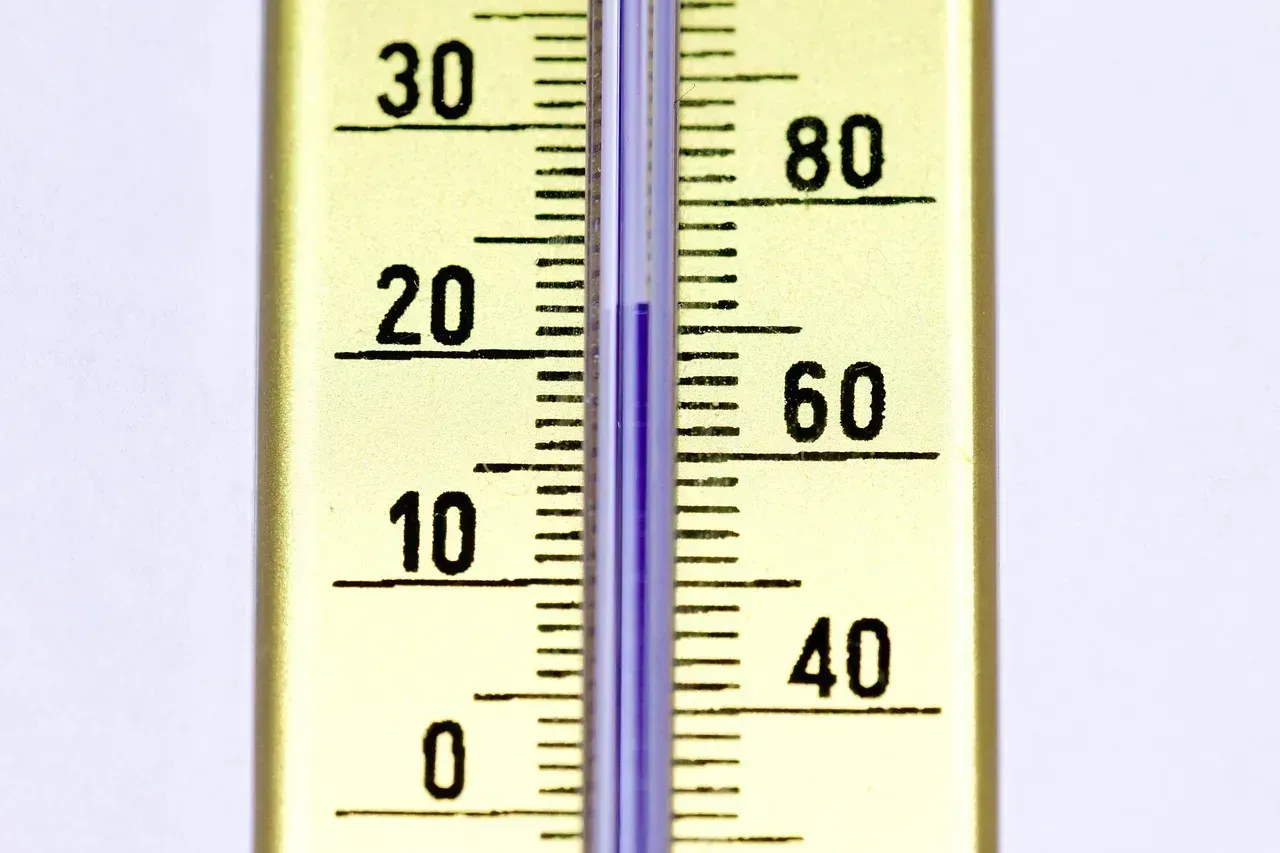
Mercury thermometers were a staple in medicine cabinets for generations, known for their accuracy in measuring temperature. The silvery liquid inside these glass tubes posed serious health risks if broken, releasing toxic mercury vapor into the air. Virtually every household kept one, and a broken thermometer was treated as a minor nuisance rather than an environmental hazard requiring careful cleanup.
Their potential dangers came under scrutiny due to the toxic nature of mercury. Accidental breakage could lead to mercury exposure, posing health risks and environmental hazards, and by the early 2000s, most countries had phased out their use, replacing them with safer alternatives like digital thermometers. The EPA banned the sale of mercury thermometers in 2011 due to environmental and health concerns.
10. Metal-Tipped Lawn Darts

The oversized darts with metal tips were marketed as a fun outdoor game for families. Players would toss these weighted missiles toward plastic rings on the ground, scoring points for accuracy. Lawn darts were a backyard staple throughout the 1970s, sold in toy aisles and played by children and adults alike with little thought given to what could go wrong.
The heavy, metal-tipped darts caused at least three children’s deaths and thousands of injuries before the Consumer Product Safety Commission intervened. The injuries were often severe, including skull fractures. Introduced in the 1950s and banned in 1988, lawn darts looked fun but proved genuinely deadly. Despite the ban, some old sets still circulate on garage sale tables.
What ties all ten of these items together is not carelessness so much as the limits of knowledge at the time, combined with the slow pace at which that knowledge translated into action. Regulations followed research, and research followed years of mounting evidence. The families who used these products were not reckless. They simply trusted what was on the shelf. That trust, it turned out, was sometimes placed a little too easily.




Leave a Reply