
Summer is when gardens look their most alive. Beds are full, vegetables are climbing, and pollinators are everywhere. It’s also, quietly, when a lot of damage gets done – not by drought or pests, but by well-meaning gardeners doing the wrong thing at the wrong time.
Most of these mistakes don’t kill plants overnight. They work slowly, weakening roots, inviting disease, and setting plants up for a miserable finish to the season. Here are eight of the most common ones, and what’s actually happening beneath the surface.
1. Overwatering During the Heat
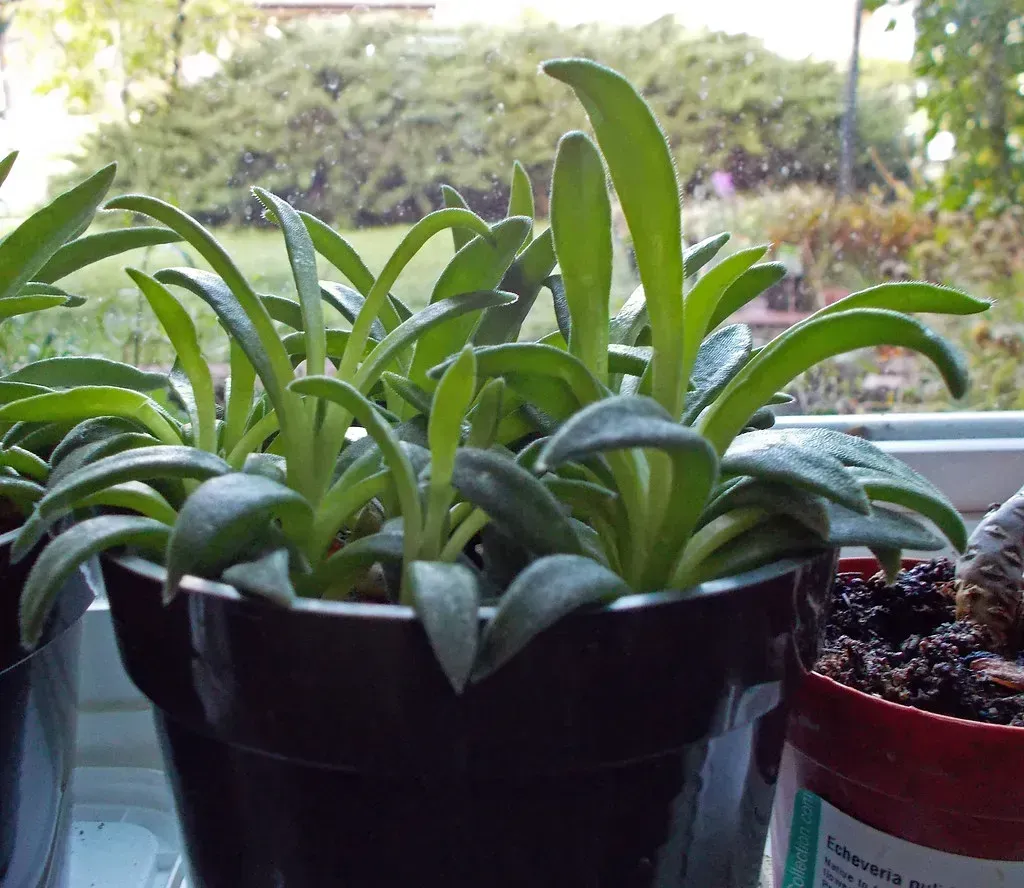
It’s natural to worry about plants drying out in summer heat, but too much water can be just as harmful as not enough. Overwatering drowns roots, prevents oxygen absorption, and creates ideal conditions for fungal diseases. The tricky part is that the symptoms of overwatering closely mirror those of drought.
The symptoms look almost identical to heat stress and drought – wilting, yellowing leaves, drooping stems – and the instinct when you see a struggling plant in summer heat is to water it more. Which, if overwatering is already the problem, makes everything significantly worse. Instead of daily watering, check the soil moisture first. If the top two inches feel dry, then water deeply. Most established plants prefer fewer, deeper waterings that encourage roots to grow downward rather than frequent shallow sprinkles that keep only the surface wet.
2. Watering at the Wrong Time of Day
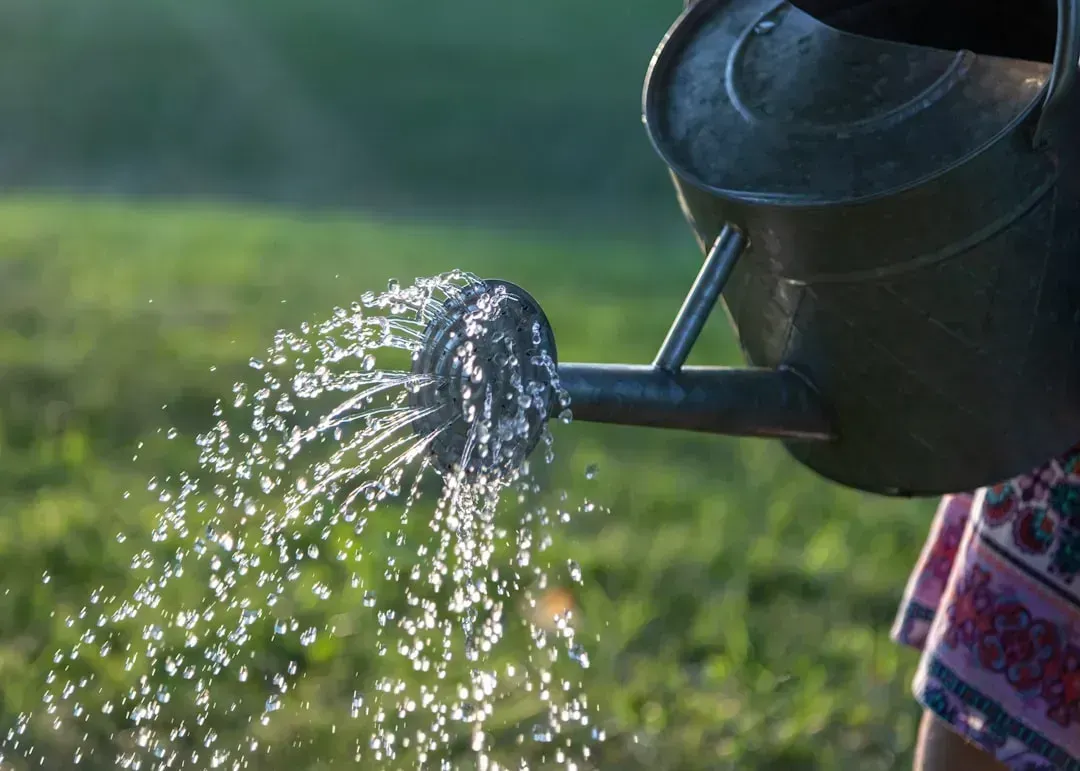
Morning watering between 5 AM and 9 AM provides the most efficient water delivery and plant protection. This timing allows plants to absorb moisture before the day’s heat begins, while giving foliage time to dry and prevent fungal diseases. Morning temperatures are cooler, reducing evaporation losses and ensuring more water reaches the root zone.
Early morning is the ideal watering time. Plants can absorb moisture before the heat of the day, and any water on leaves has time to dry, reducing disease risk. If morning isn’t possible, early evening works too, but avoid nighttime watering which promotes fungal growth. That one small timing shift can make a real difference by late summer when fungal pressure is highest.
3. Shallow, Frequent Watering That Weakens Roots
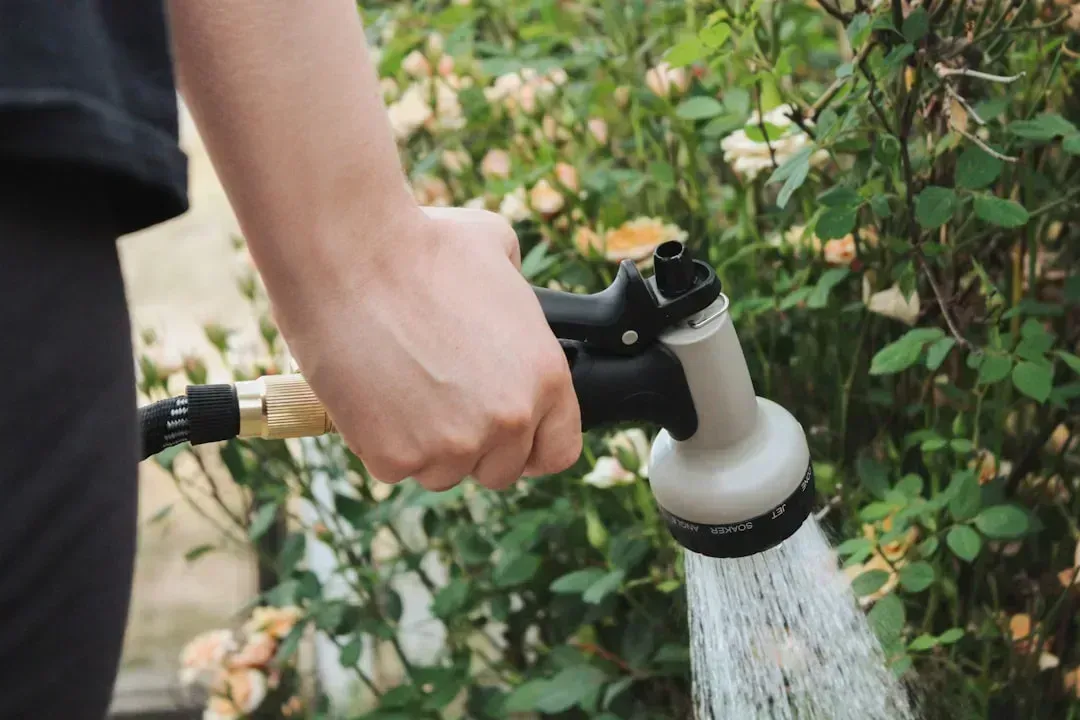
Quick, light waterings train plant roots to stay near the surface where they’re vulnerable to heat and drought. These shallow root systems can’t access deeper soil moisture during hot spells. Plants with shallow roots become stressed faster when temperatures rise.
Water deeply and less frequently to encourage roots to grow downward. A good soaking that reaches 6 to 8 inches deep for perennials and vegetables, and 12 or more inches for trees and shrubs, creates resilient plants. When summer temperatures are peaking and humidity is low, your landscape needs a deep watering once a week. This allows the water to sink deeper into the ground, where soil holds water as a reservoir for plant roots.
4. Piling Mulch Against Plant Stems and Tree Trunks
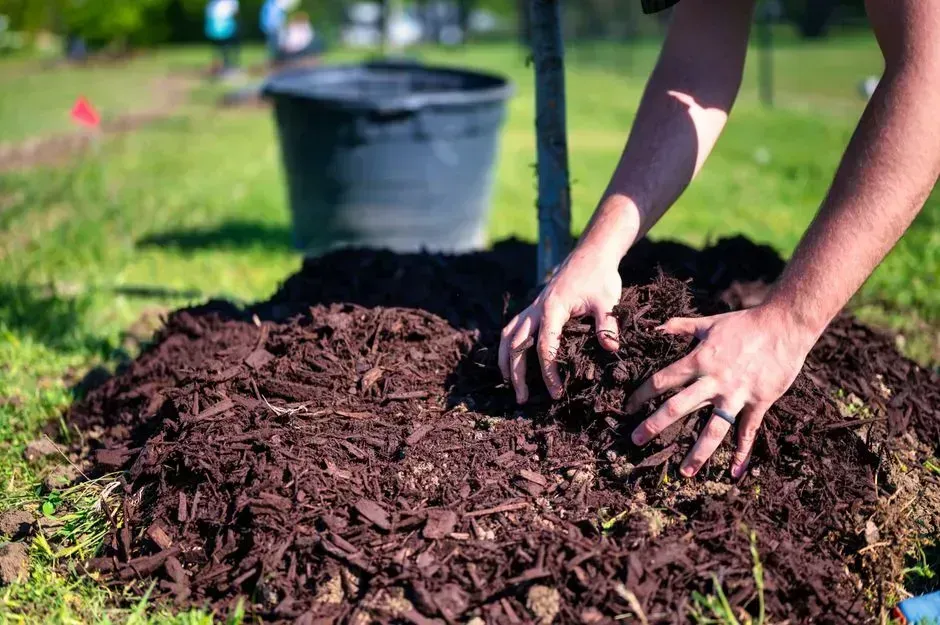
Piling mulch against plant stems creates a perfect environment for pests, disease, and rot. The “mulch volcano” around trees is particularly harmful, causing bark damage and encouraging circling roots. Mulch that’s too deep prevents water from reaching the soil. Many gardeners do this with the best intentions, assuming more mulch means more protection.
Piling mulch onto the bark exposes it to dark and moisture. The bark will start to rot, and rotted bark cannot protect the tree from insects and diseases, which grow better in this type of environment. As the tree and the roots grow, circling roots tighten their grip, effectively strangling the tree by cutting off the flow of water and nutrients. Girdling roots act like a tourniquet, slowly killing the tree. The damage often goes unnoticed until the tree shows significant signs of decline, at which point it may be too late.
5. Fertilizing Heavy During Summer Heat
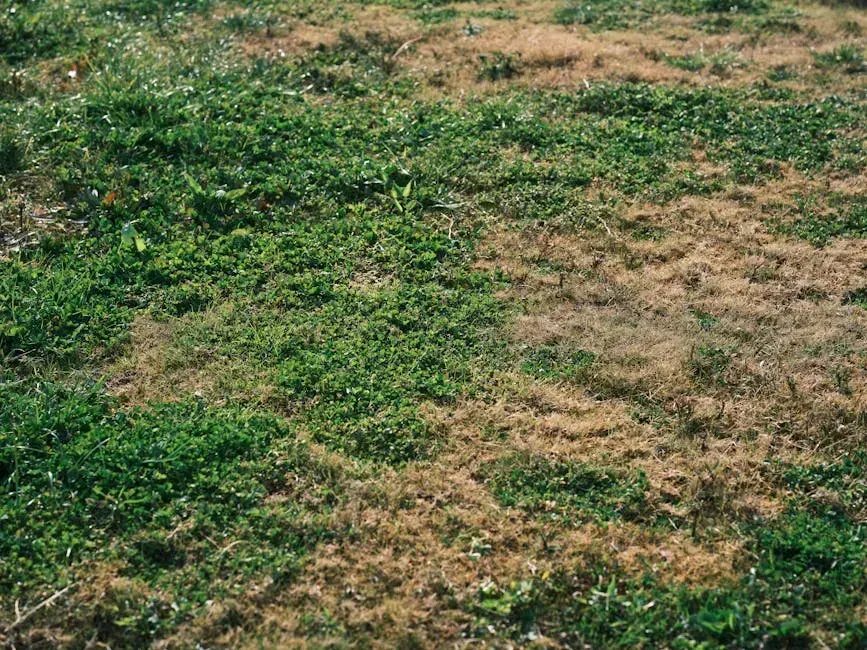
Adding fertilizer during summer heat forces plants to put energy into new growth when they’re already stressed. This new, tender growth is more susceptible to heat damage and requires more water. Many gardeners don’t realize that summer fertilizing can actually weaken plants. Save heavy feeding for spring and fall when temperatures are moderate.
Synthetic fertilizers are usually highly concentrated and fast-acting. This makes it easy to apply too much to your plants, causing fertilizer burn. Even when applied according to manufacturer’s instructions, they can stimulate excessive growth, providing a buffet of tender, young shoots that are more vulnerable to disease and more attractive to garden pests. If summer feeding is necessary, use half-strength solutions and apply in the cool morning hours. Slow-release organic options are gentler than chemical fertilizers during hot weather.
6. Overcrowding Plants and Blocking Airflow
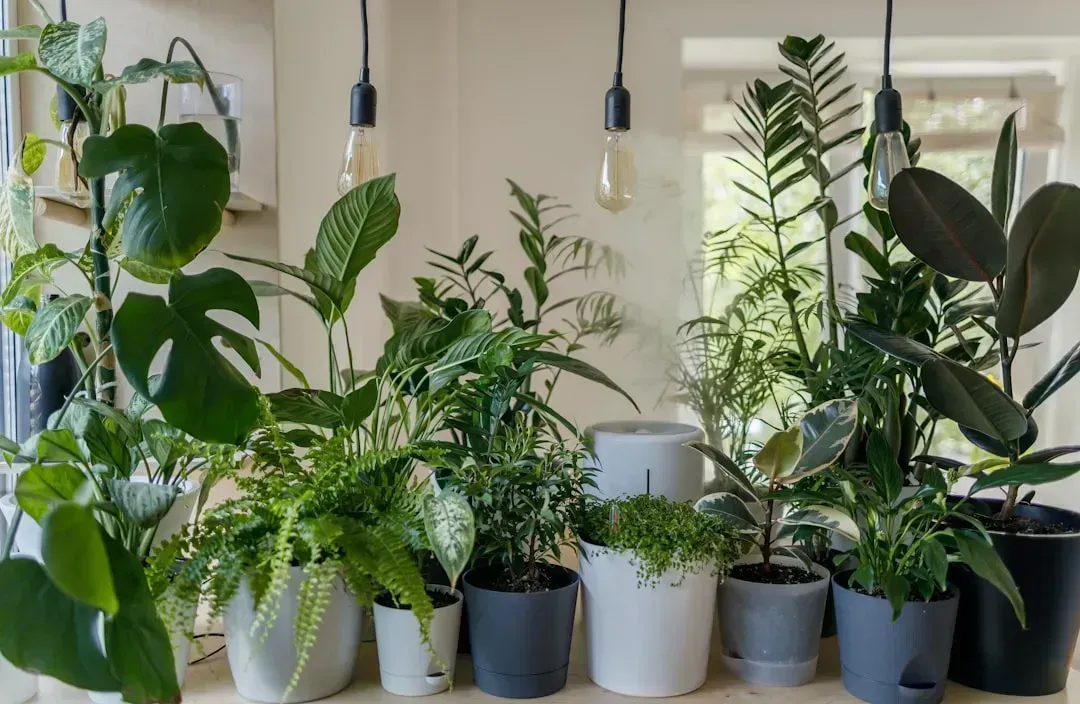
By mid-summer, plants are fuller and denser, reducing airflow. This traps humidity and slows the evaporation rate of the moisture. Other stressors such as heat, drought, and nutrient deficiency weaken plants, making them more vulnerable. A bed that looked perfectly spaced in May can become a disease-prone tangle by July.
Crowded plants compete for resources. Leaves remain damp longer, airflow becomes restricted, and fungal diseases spread more easily. Root competition also increases water stress during hot weather. Well-spaced crops stay healthier and remain productive longer. Prevent powdery mildew by spacing your plants properly to allow for ventilation. It’s one of those preventive steps that costs nothing but saves a great deal of frustration later in the season.
7. Heavy Pruning When Temperatures Are Peaking
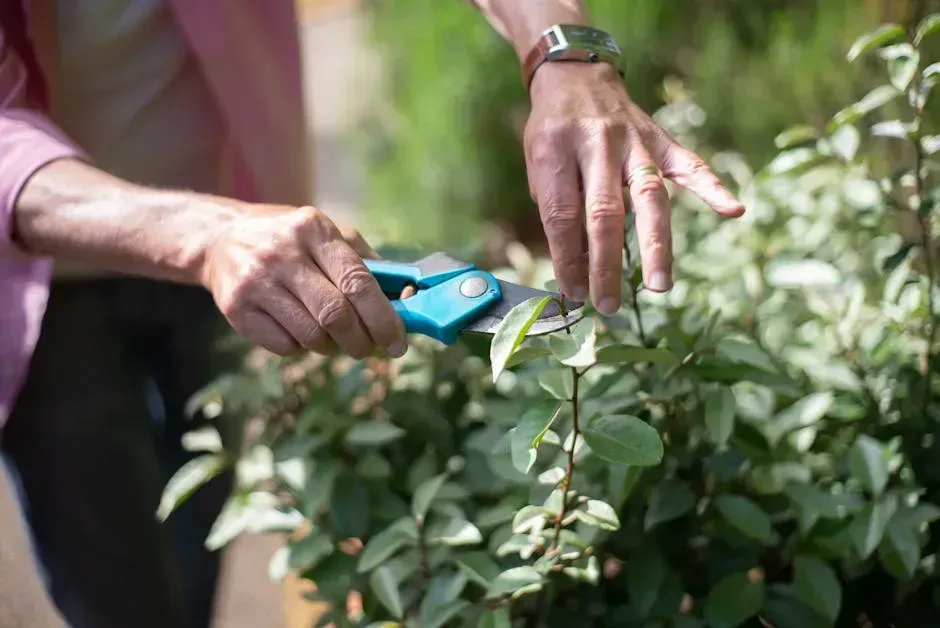
Foliage serves as a protective shield, helping a tree or shrub shade its inner core and roots from the intense sun. It’s best to leave your plants and trees untouched during the summer and to prune them lightly and minimally when the weather is cooler. Removing too much leafy cover during a heatwave strips away the plant’s own sunscreen.
It’s not wise to shear shrubs heavily in summer. Removing all their natural foliage forces these plants to develop a shell of leaves that struggles to produce the sugars they need for growth. Over time, you’ll notice that the shrub becomes woody inside due to a lack of sunlight, leading to the formation of woody holes from stress, which can ultimately result in the shrub’s death. Save any significant shaping for cooler months, and limit summer pruning to removing dead, diseased, or truly damaged material.
8. Ignoring Bare Soil in Garden Beds
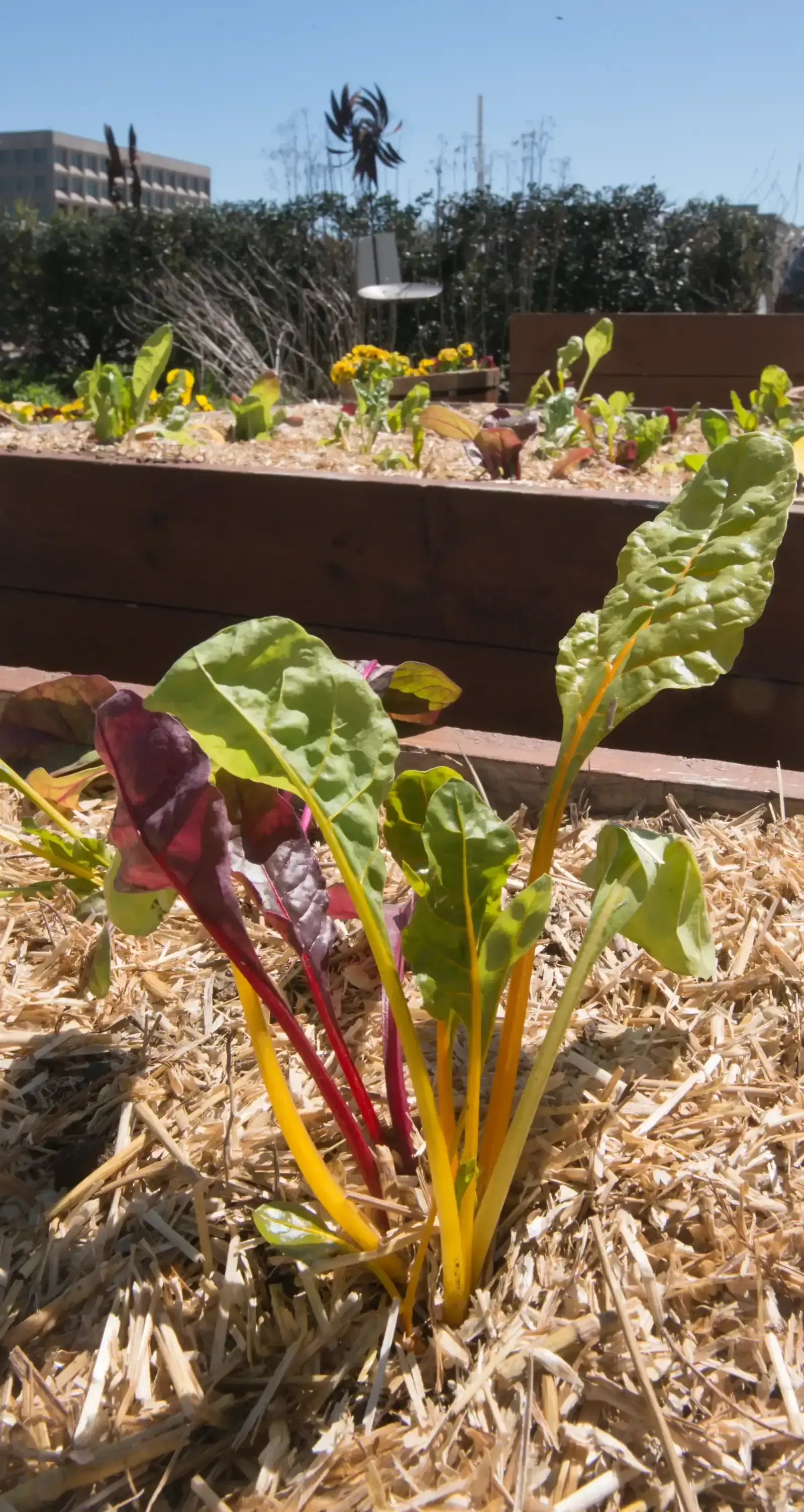
Leaving your soil bare, especially in the summer, will cause roots to overheat and encourage weed growth. Adding straw or wood chips mid-season will reduce watering in half and keep soil cool as well. Bare ground in midsummer bakes quickly, and the heat transfers directly into the root zone where it causes real harm.
Apply a 2 to 3 inch layer of mulch, keeping it a few inches away from stems and trunks. This proper technique insulates soil, retains moisture, and suppresses weeds without harming plant structures. During the summer, weeds can threaten your plants by competing with them for essential resources such as water, nutrients, and sunlight. It is crucial to regularly remove weeds as soon as they appear to avoid any damage to your plants. Mulching can help suppress weed growth, making it easier to maintain your garden in the long run.
Summer gardening asks for more restraint than most people expect. The impulse to water more, feed more, prune more, and pile on the mulch comes from a genuine place – but plants under heat stress need steadiness, not intensity. Getting the basics right, and avoiding these eight quiet mistakes, is often the difference between a garden that limps to autumn and one that finishes the season with real strength.




Leave a Reply