
Growing up in the 1960s was, on the surface, a time of sock hops, Motown on the radio, and the space race filling kids with wonder. Underneath all that optimism, though, ran a current of dread that younger generations today can scarcely imagine. The anxieties 60s kids carried weren’t abstract or hypothetical – they were woven into school routines, dinner table conversations, and the nightly news, making them feel immediate and unavoidable.
Some of these fears seem almost cinematic now, frozen in archival footage or black-and-white photographs. Others shaped the political movements and psychological outlook of an entire generation. Here are eight fears that were simply part of daily life for kids who came of age in that turbulent decade.
1. The Bomb Dropping at Any Moment
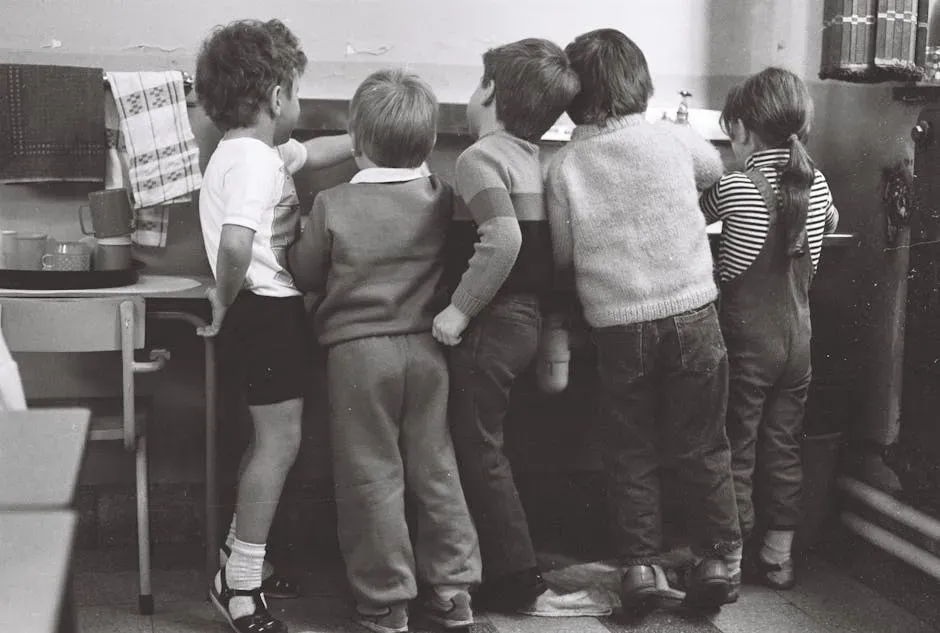
In the 1950s and into the 1960s, grade school students across the country practiced some form of “duck and cover,” a civil defense strategy intended to shield children from being mortally wounded from the immediate effects of a nuclear attack. The drills were so routine that they became embedded in school culture. Many children experienced fear when practicing the duck and cover drills, a feeling that stayed with them even into adulthood. The cold logic of crouching under a wooden desk against an atomic bomb left plenty of kids with a creeping sense that the adults couldn’t actually protect them.
At the end of the 1950s, roughly 60 percent of American children reported having nightmares about nuclear war, and in the 1960s, 44 percent of children in one survey predicted a serious nuclear incident. Activist Todd Gitlin remembered school bomb drills as a moment of existential fear, writing that children “could never quite take it for granted that the world they had been born into was destined to endure.” That wasn’t paranoia – it was a reasonable response to a world where two superpowers aimed thousands of warheads at each other.
2. The Cuban Missile Crisis Making War Feel Hours Away
Political events such as the use of nuclear bombs on Hiroshima and Nagasaki in 1945 had proven the destructive power of nuclear weapons, while the Cuban Missile Crisis contributed to broadcasting to the wider public the increase of tensions between superpowers, and warned of the increasing possibility of resorting to nuclear missiles. For children old enough to follow the news in October 1962, those thirteen days felt like a countdown. The crisis was not distant geopolitics; it was on television, on the radio, in hushed parental conversations after bedtime.
One film executive who was a high school senior during the Cuban Missile Crisis recalled: “I remember many times hearing noises that would make me say, ‘Could that be…?'” By the early 1960s, the U.S.-Soviet arms race had heated up to the point that duck and cover came to look like an even more inadequate response to the nuclear threat, and in 1961, the Soviets had already exploded a 58-megaton bomb dubbed “Czar Bomba,” with a force equivalent to more than 50 million tons of TNT. Knowing that such weapons existed made every distant boom or siren feel potentially world-ending.
3. Polio Striking Without Warning
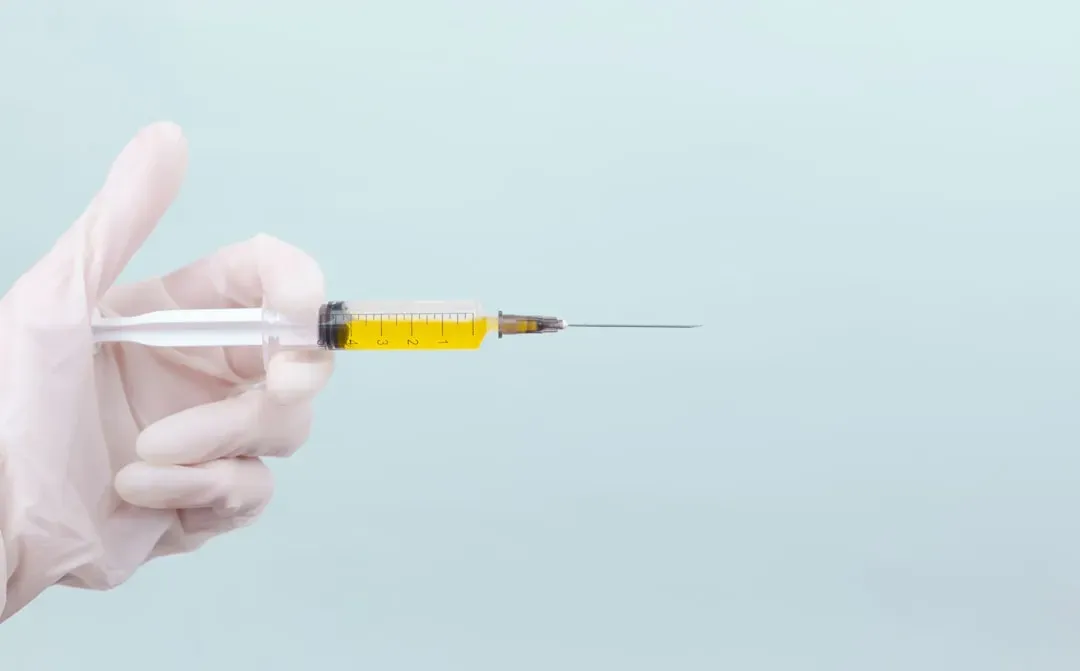
A 1952 survey found that Americans feared only nuclear annihilation more than polio. The random pattern the disease struck made parents feel helpless, as was the lack of a cure. Children who grew up in the late 1950s and very early 1960s still carried vivid memories of the polio era, when a summer swim could theoretically leave you paralyzed. The Salk vaccine arrived in 1955, but trust was slow to build, and the fear lingered in family memory for years afterward.
Cases of polio had reached a peak of 52,000 in 1952. Adults who survived childhood in those decades knew survivors personally – men who could not father children because they had mumps, a woman with a flail arm from polio, people deafened because of measles, and those who spent years in tuberculosis sanitariums. For 60s kids, this wasn’t ancient history. It was what their older siblings, parents, and neighbors had lived through, and the fear of another epidemic wasn’t unreasonable.
4. Childhood Diseases That Could Kill or Maim
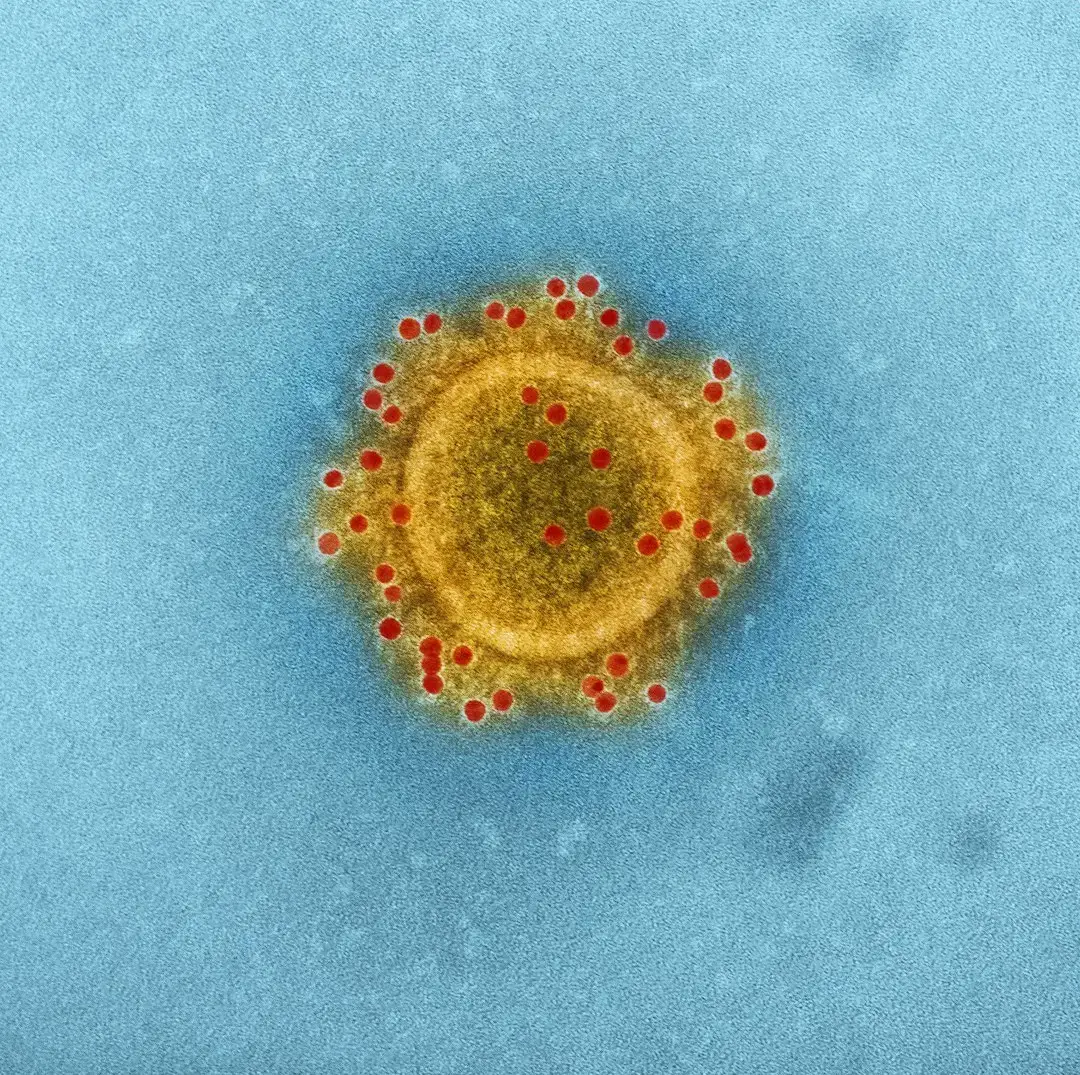
Before 1963, when a measles vaccine became available, nearly all children got measles by the time they were 15 years of age. Measles wasn’t just a rash and a fever – it could cause encephalitis, deafness, or death. Children and their parents feared measles, whooping cough, rubella, mumps, and scarlet fever because they could be fatal, or make children very ill and keep them out of school for weeks. There was no certainty about which child would sail through and which would suffer serious complications.
Several of these diseases required families to put a quarantine sign on their door, and affected children missed significant amounts of school. Today’s children grow up in a world where most of these illnesses are preventable through routine vaccination schedules. In the early 1960s, a red sign nailed to the front door was a neighborhood reality, and children understood instinctively that getting sick wasn’t just miserable – it could change your life permanently.
5. Wearing a Dog Tag to School
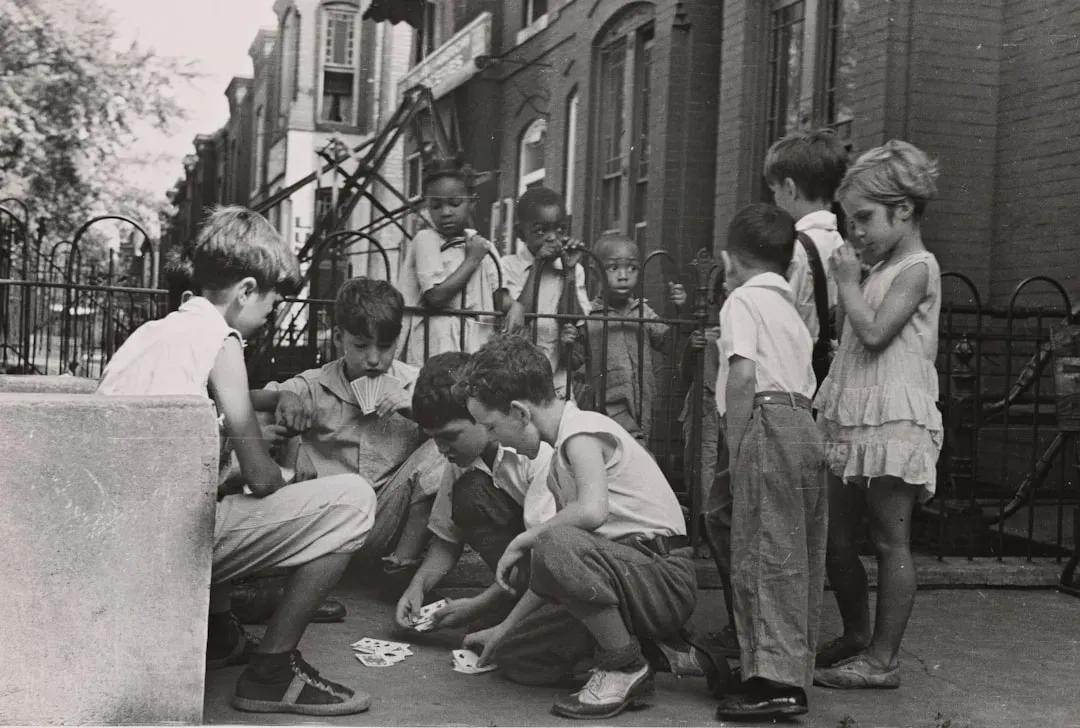
In 1951, schools in some cities began to distribute student dog tags. The point was to help workers digging through rubble to identify children’s bodies. This practice continued into the early 1960s in various school districts. There is something staggering about the matter-of-factness of it: children filed into classrooms wearing small metal tags around their necks, just as soldiers did, because the government believed a nuclear attack on American cities was a realistic possibility worth preparing for.
Although designed to promote public safety and preparedness during the Cold War, the duck and cover legacy led to several unintended consequences – many children experienced fear when practicing the drills, a feeling that stayed with them even into adulthood. The dog tags were perhaps the starkest symbol of how thoroughly Cold War anxiety had seeped into ordinary childhood. Younger generations who have never drilled for an atomic attack can struggle to comprehend what it felt like to wear identification intended for post-blast recovery workers.
6. Being Drafted Into a War You Couldn’t Escape
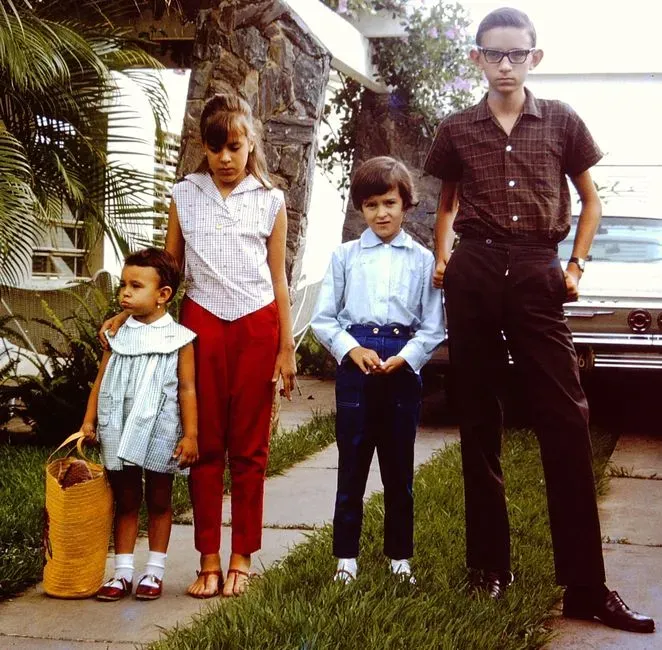
For boys growing up in the 1960s, the draft wasn’t a distant possibility – it was a mathematical certainty hovering over their futures. Draft calls skyrocketed as the Vietnam War escalated, and by 1967 there were around 500,000 U.S. troops in Vietnam. A teenage boy watching the nightly body counts on the news understood that in a few short years, his name could be on a list. This shaped everything from career decisions to the music kids listened to.
A growing number of Americans despaired over their nation’s military involvement in Vietnam, fueling a youth counterculture. Even younger children felt the shadow of it, watching older brothers ship out and families grieve. As part of their Cold War mission, many state universities required ROTC training by male students, although campus protests caused administrators to begin repealing mandatory ROTC in the late 1950s and early 1960s. The fear of military conscription was not abstract for 60s kids – it was written into the lives of boys they knew.
7. Political Assassinations Shattering a Sense of Safety
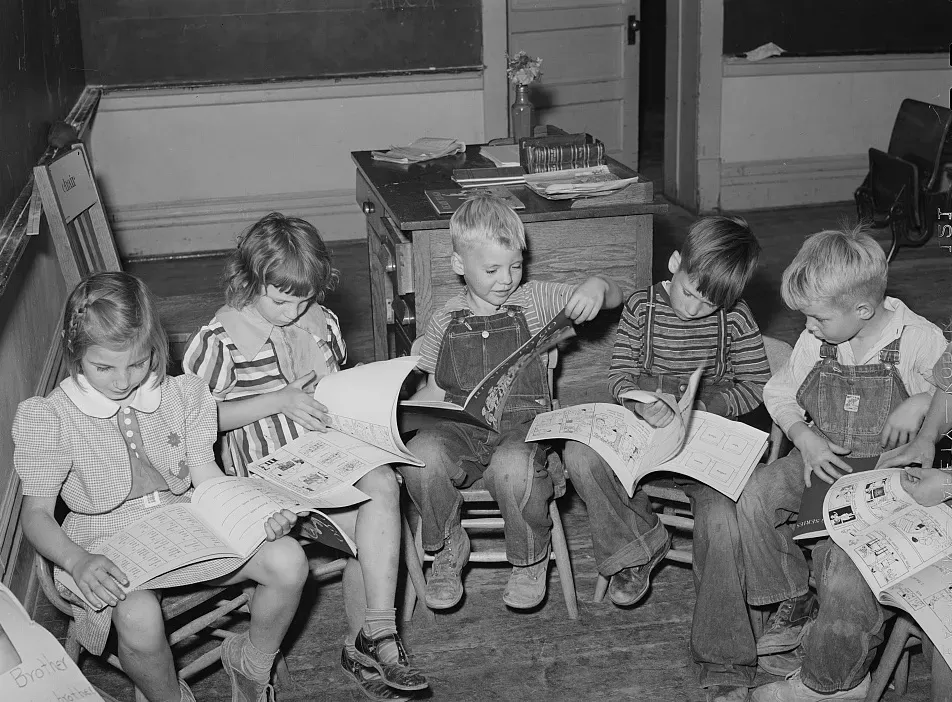
The 1960s delivered a series of public assassinations that shook American children to the core. President Kennedy was shot in 1963, followed by civil rights leader Dr. Martin Luther King Jr. and Senator Robert F. Kennedy in 1968. Two assassinations added turmoil and uncertainty to a year already full of shocks. For children, these events dismantled the idea that leaders were safe, that the world was orderly, and that good people were protected.
Americans were stunned to hear of the assassination of Dr. King, an advocate of non-violence and a beloved leader. The news sparked riots in more than 100 cities, including Baltimore, Chicago, Detroit, and Washington, D.C. Children who experienced these moments on live television didn’t need to be told the world was dangerous – they watched it unfold in real time. For many 60s kids, the phrase “where were you when Kennedy was shot” became a generational marker, the way a personal trauma becomes embedded in collective memory.
8. Communism Coming to America
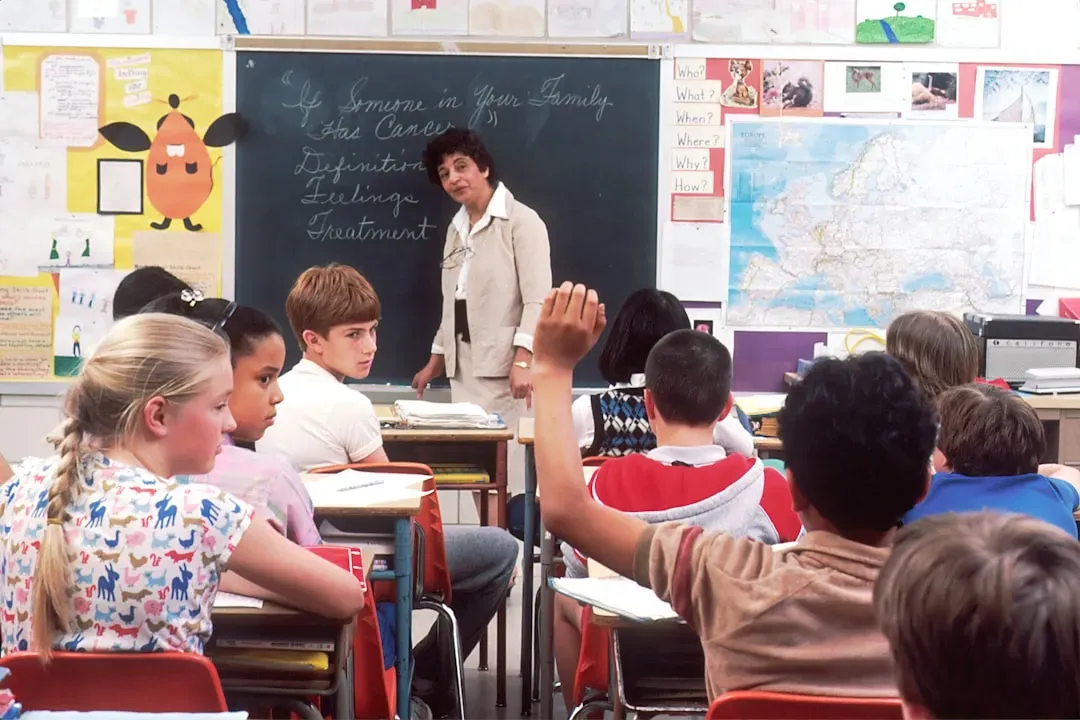
As the Cold War took shape, Americans tended to regard Communism as a monolithic conspiratorial movement. Children absorbed this fear through school civics lessons, civil defense films, and parental anxiety. The Red Scare of the 1950s may have peaked before many 60s kids were old enough to follow politics, but its residue was everywhere – in neighborhood bomb shelter construction, in the language of teachers, and in constant warnings about Soviet espionage and ideological infiltration.
An American study of the 1960s surveyed 3,000 children and adolescents of school age and found that nuclear war figured prominently in the thoughts and feelings of the younger generation – 95 percent expressed serious concern about the danger of war, and 44 percent lived in fear, waiting for war. The fear of communism wasn’t purely political for these children. It was tied to nuclear annihilation, to losing their country, and to a future that felt genuinely uncertain. Today that particular brand of existential civic dread is largely absent from childhood – which makes it all the more remarkable that an entire generation managed to grow up, fall in love, raise families, and find hope regardless.
Looking back, the resilience of 60s kids is honestly impressive. They navigated a childhood loaded with fears that most people today will only ever encounter in a history book – and many of them channeled that anxiety into the social movements, art, and activism that defined the era. The fears were real, the world was genuinely precarious, and yet life went on.



Leave a Reply