
Most dog owners can sense the moment something shifts. Their dog stops hovering at the edge of the room and simply settles. The wariness fades. What replaces it is something quieter and more permanent – a set of small, consistent behaviors that dogs only seem to offer the people they’ve genuinely come to trust. These aren’t the showy displays of excitement at the front door. They’re subtler than that.
The selection for canine characteristics to facilitate interactions with humans, combined with the intense coexistence between the two species, has been responsible for stimulating the development of attachment bonds in dogs. Over tens of thousands of years of shared life, dogs have developed a very specific emotional vocabulary – one expressed almost entirely through habit and body language. Understanding these eight behaviors can tell you a great deal about where you actually stand with your dog.
Sleeping in Fully Relaxed Positions Nearby
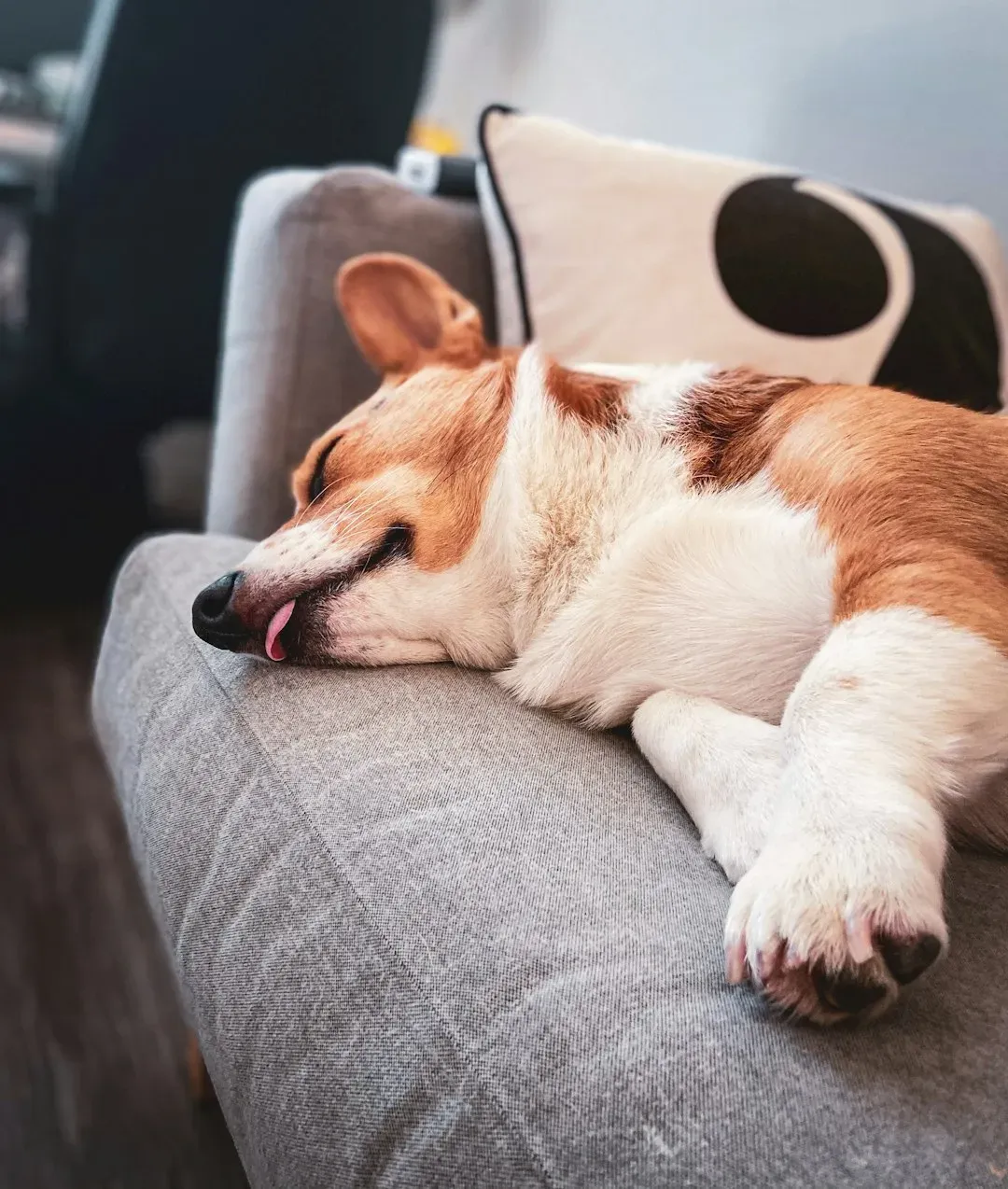
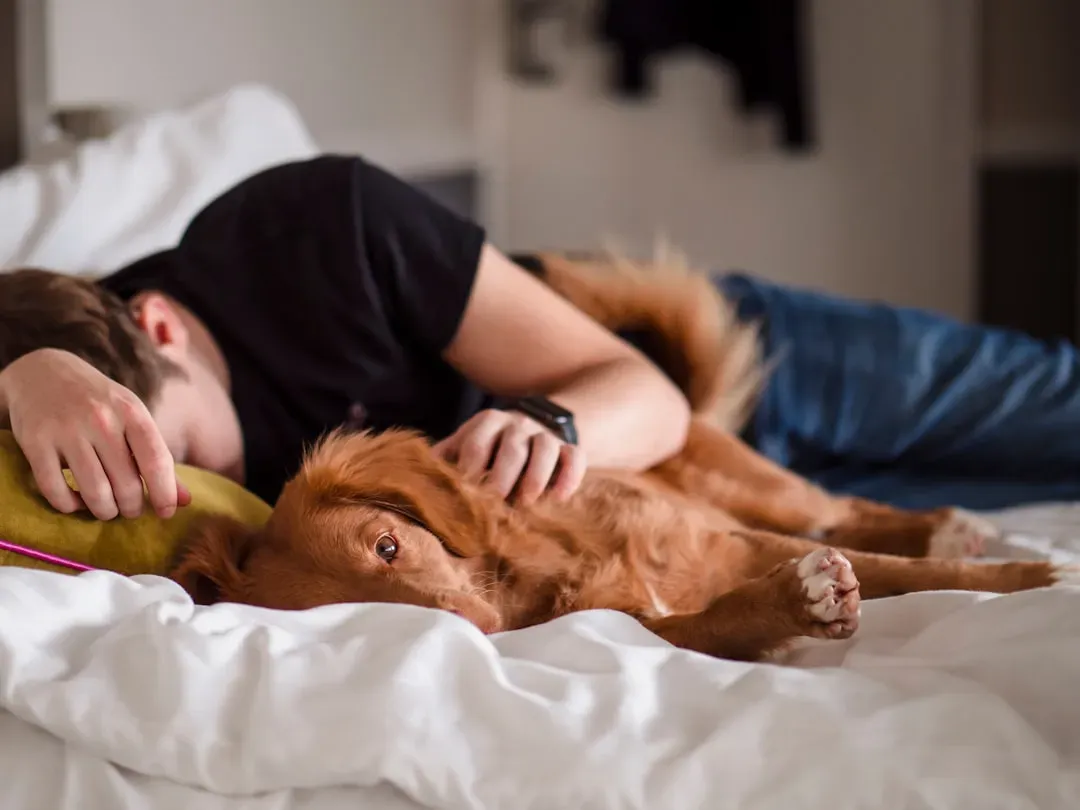
In the wild, canines are at their most vulnerable when they sleep. To maximize safety, members of a pack sleep with their backs facing each other and noses facing outward. If a dog chooses to sleep with you or next to your bed, this means they see you as a trusted member of their pack. It’s a decision rooted in instinct, not routine.
A dog who sleeps on their side feels safe and comfortable, as this position leaves the vital organs exposed. Dogs who favor this position tend to be pretty easy-going and relaxed. They may switch to a different position if they’re sleeping somewhere new or around someone they aren’t familiar with. The sleeping position itself, then, is a kind of honest readout of how secure a dog truly feels.
Maintaining Soft, Sustained Eye Contact
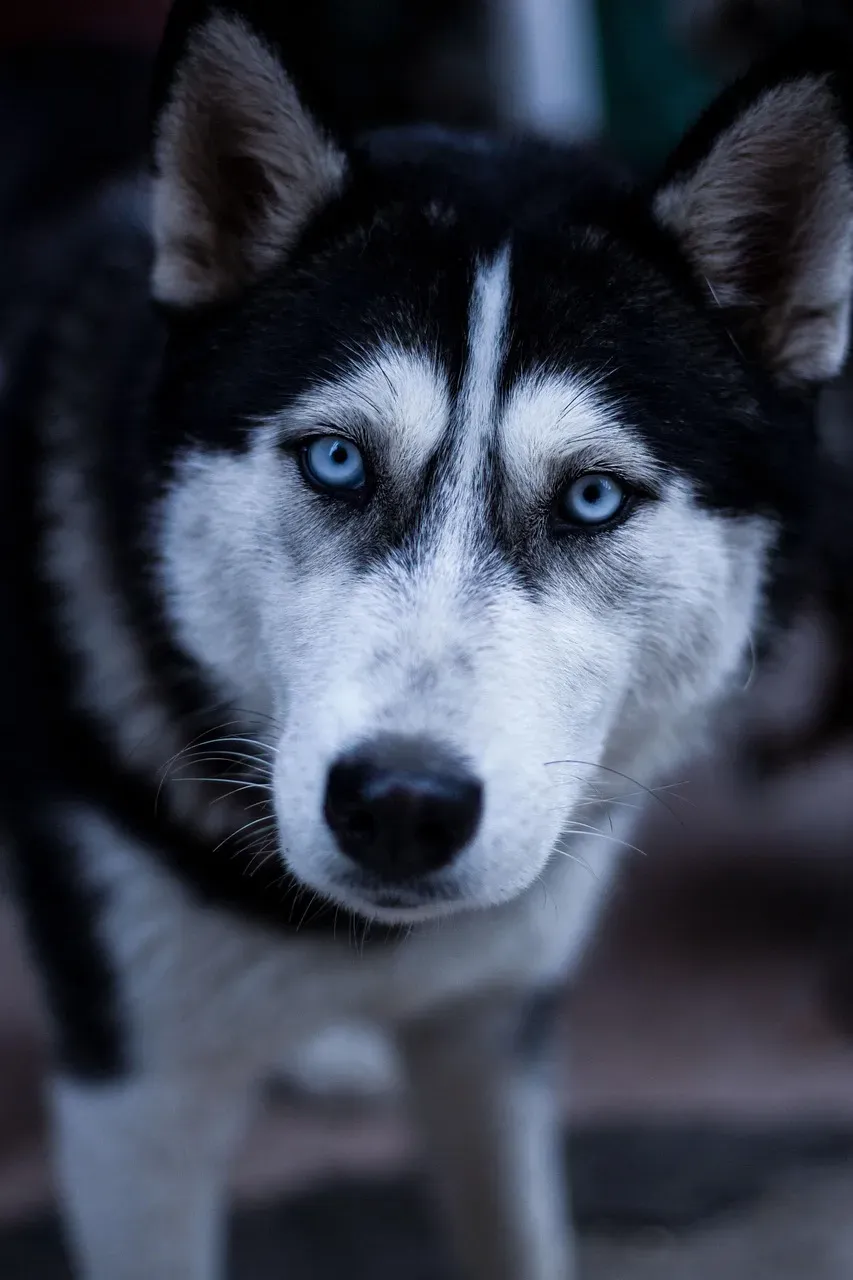
Research shows that eye contact between dogs and their owners releases oxytocin, the “love hormone” – the same hormone that helps mothers bond with their babies. Dogs use this look to connect and strengthen their relationship with you. A calm, lingering gaze is nothing like a stare, which dogs tend to read as a challenge. This is something warmer and more deliberate.
Trust is further reinforced when eye contact is accompanied by positive feelings and reassurances. Positive reinforcement techniques in dog training strengthen emotional bonds and reduce fear responses, associating calm eye contact with safety and rewards. Dogs that don’t yet trust a person will typically look away or avoid direct gaze. When a dog holds it, they’re telling you something important.
Bringing Their Favorite Toy as an Offering
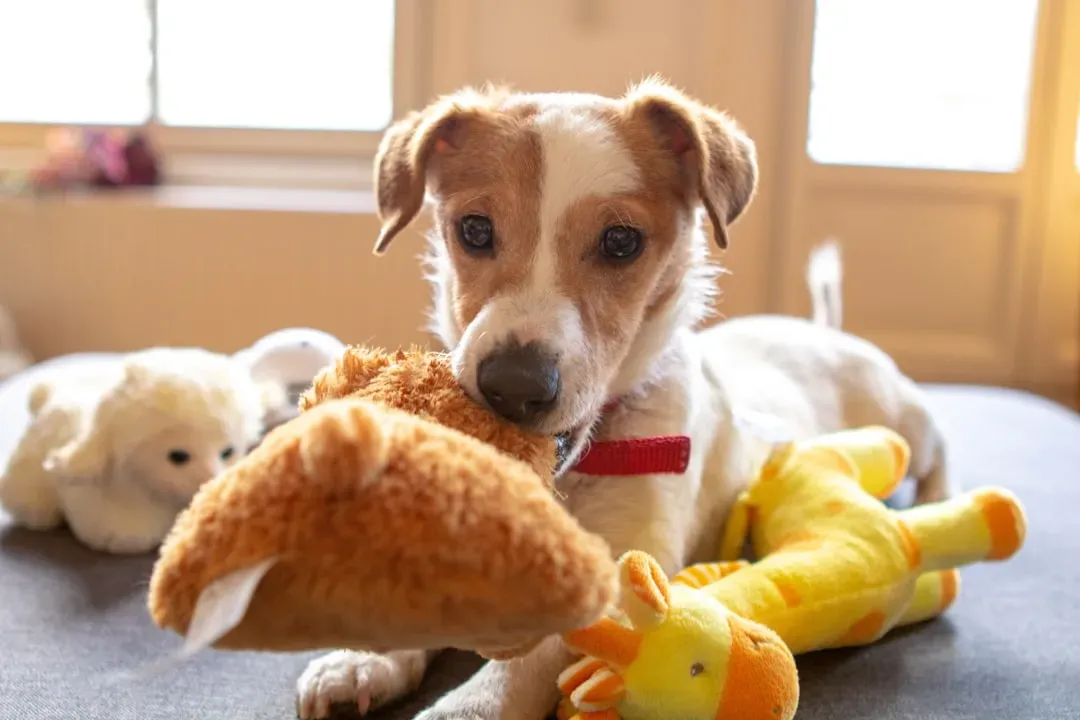
Dogs may bring their owners their favorite toys as a sign of trust. They can be possessive of their belongings, so trusting you with their treasures could be their way of expressing their faith in you to take care of their favorite toy. It’s not always about wanting to play. Sometimes the gesture stands on its own.
Dogs have strong instincts that trace back to their wild ancestors, and many of their behaviors still reflect those deep-rooted tendencies. In a pack setting, canines share resources, bring food to one another, and use objects to strengthen their bonds. Bringing a toy to their human may be a modern expression of that instinct, representing an act of trust and companionship. When a dog drops their most prized object at your feet, that’s not a small thing.
Exposing Their Belly Voluntarily
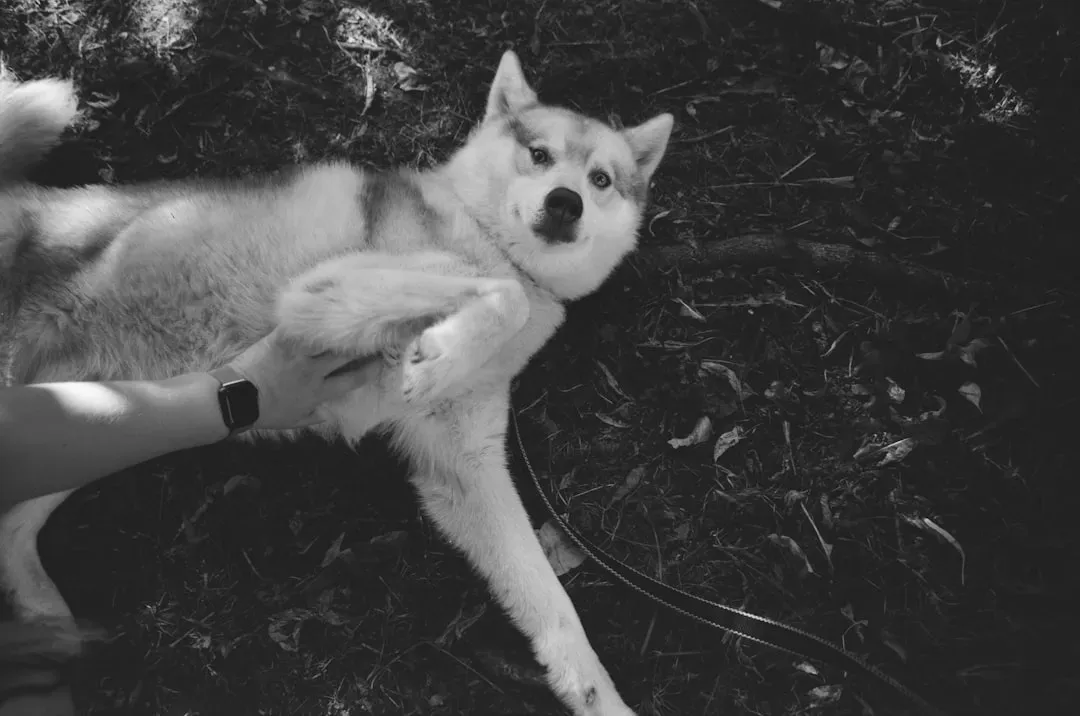
The greatest indicator of trust is showing off their belly. Since exposing the belly shows that a dog has dropped its guard and is emotionally comfortable, the posture demonstrates complete trust. The belly is a dog’s most vulnerable area, and willingly presenting it is about as clear a signal as canine body language gets.
When a dog flips onto their back into the supine position, they are signaling trust, showing they are at ease, inviting affection, demonstrating submission, or just trying to beat the heat. It’s an important calming and communicative posture for dogs. Context matters here too. A dog rolling over during a greeting, unprompted, is very different from one doing so after a scolding. The spontaneous version is the one that speaks to real trust.
Mirroring Your Yawns
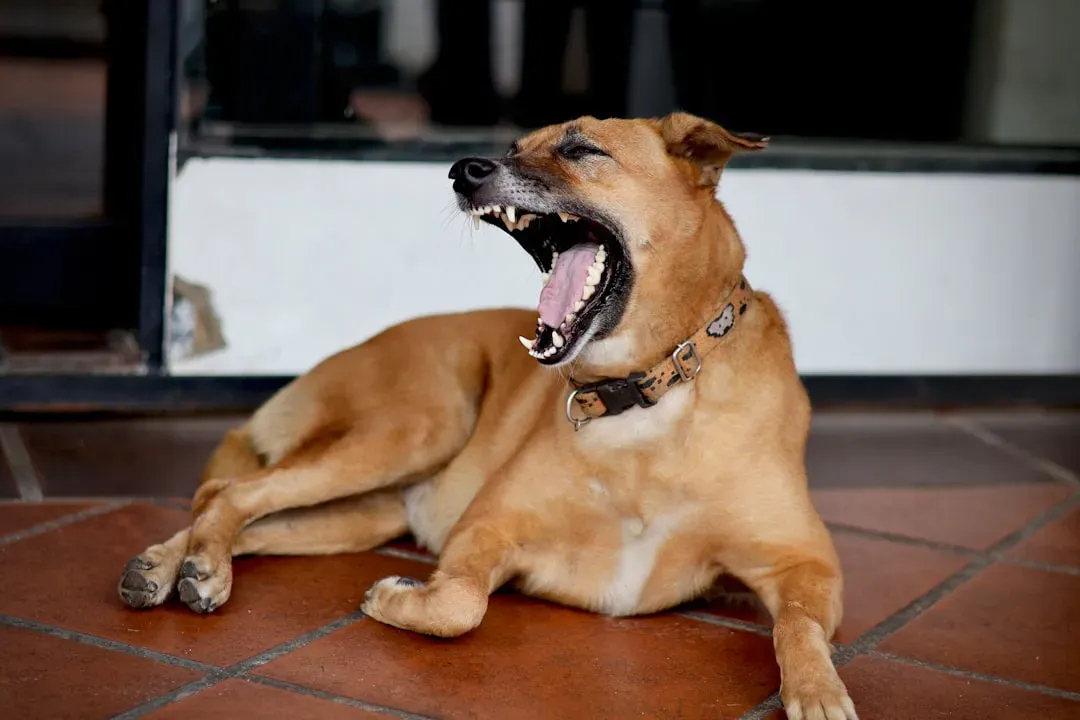
Contagious yawning suggests dogs have a strong emotional connection with their person. Not all animals do this, which makes it special. It shows empathy and signifies that they are attuned to your feelings. It’s one of those behaviors that seems almost too small to matter, yet it turns out to be surprisingly meaningful.
A study outlined in the New York Times found that dogs can “catch” yawns from humans, which researchers believe may be a sign of bonding between canines and people. So if you notice your dog yawning, it might just be because they’re taking a cue from you. An occasional yawn is nothing to be concerned about – but if your dog is yawning excessively, it might be a sign of stress or anxiety. The relaxed, mirrored yawn in a calm setting is the one worth noticing.
Using Their Human as a Safe Base During Stress
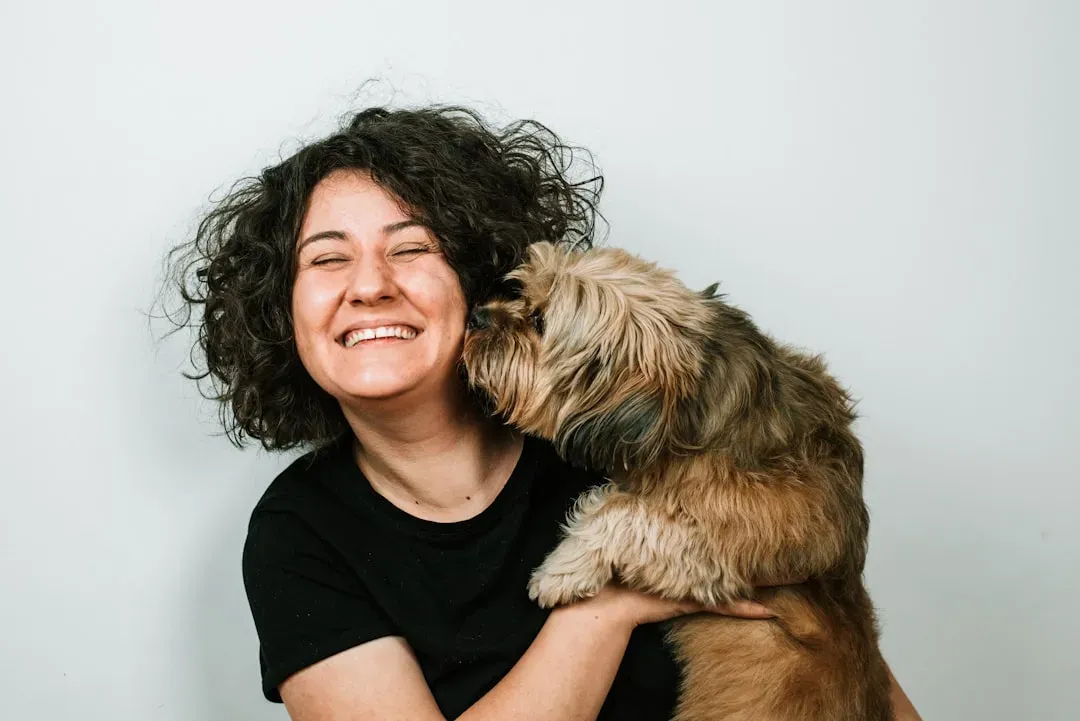
Dogs tend to play and explore an unfamiliar environment more when their owners are present. When dogs feel threatened by a stranger, both their heart rate and its variation increase if the owner is not present, whereas the owner’s presence reduces these increases. This is one of the clearest signs that a human has become a psychological anchor for their dog.
In the presence of their owner, dogs explore more actively, engage in more play and affiliative contact with a friendly stranger, and exhibit fewer signs of stress. Animals may be more willing to comply with people they know and trust than with strangers, especially in somewhat uncomfortable situations or when putting themselves in a vulnerable position. The dog doesn’t need the stressful situation to disappear – they just need their person to be there.
Leaning Physically Into Their Person
Leaning on you indicates trust, comfort, and love for your companionship. It’s a quiet habit that’s easy to overlook, but dogs that press their body weight against a trusted human are making a deliberate choice. They’re not simply standing close – they’re initiating contact in a low-pressure, grounded way.
Science backs what many owners feel intuitively: calm, positive exchanges between dog and person trigger oxytocin release in both species, the same bonding hormone that strengthens human attachments. You can see it in the loose, happy tail, the way they lean into your side during quiet moments, or the quick glance back on a walk to check you’re still there. Strong trust lowers overall stress, makes learning faster and more enjoyable, and turns your presence into a source of safety rather than uncertainty.
Following Closely Without Demanding Attention
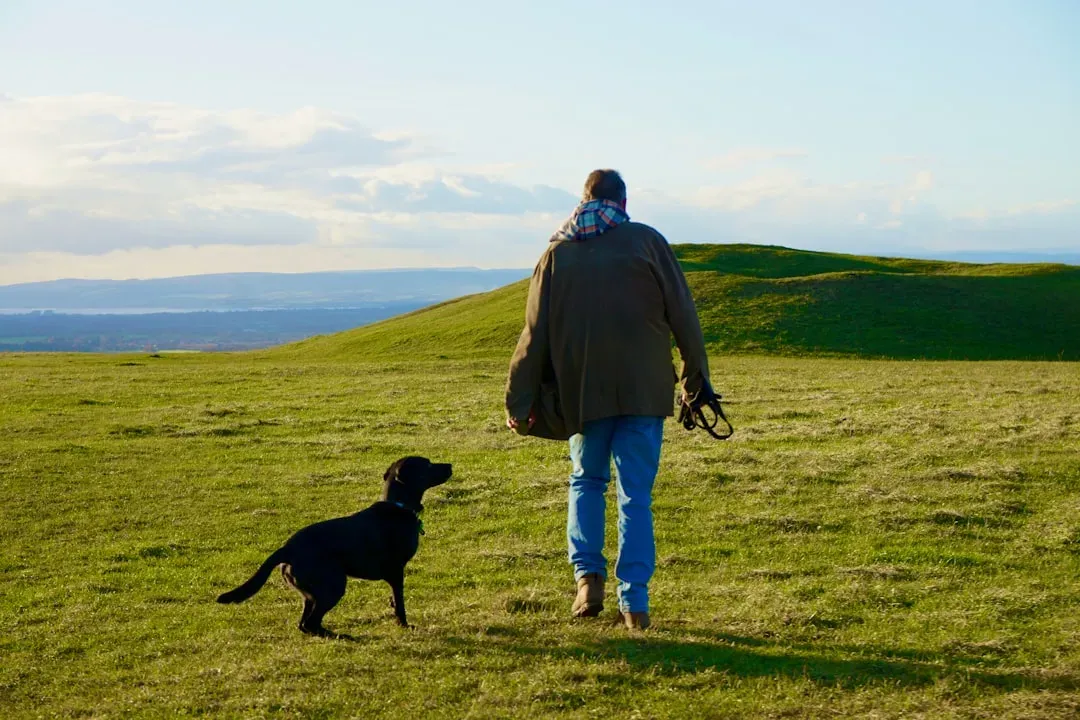
Dogs called “Velcro dogs” stick close to their favorite humans. There’s a meaningful difference, though, between a dog that follows someone around frantically and one that simply drifts from room to room nearby, content to exist in the same space without needing anything in particular. The second version is the trust behavior.
Dogs have a unique way of showing love by following their person around the house. This behavior stems from their pack mentality, where they follow their leader. Scientists believe it reinforces their bond. When your dog trails you, it’s their way of saying, “I want to be with you” – a clear sign of loyalty and affection. Research has identified proximity as one of seven core categories of behavior perceived as important to human-dog bonding, which puts this quiet, everyday habit in the same company as communication, attunement, and physical affection.
Trust between a dog and a person isn’t declared – it accumulates slowly, through consistency, calm, and care. Trust in dogs is built through routine, consistency, and emotional security. These eight habits aren’t performances. They’re the quiet evidence of something real that a dog has decided, in their own time, to offer.



Leave a Reply