
Most of what we know about history comes from its loudest moments: wars, revolutions, famous speeches. The quieter stories, the ones tucked into footnotes or buried in regional archives, rarely make it into textbooks. That’s a shame, because some of the most genuinely remarkable things that ever happened left almost no trace in popular memory.
The eight stories below are real. They’re documented, verifiable, and in several cases, stranger than anything a novelist would dare invent. None of them require embellishment.
The Man Who Survived Both Atomic Bombs

Tsutomu Yamaguchi was in Hiroshima on a business trip when the first atomic bomb fell on August 6, 1945. He was roughly two miles from the hypocenter, sustained serious burns to his upper body, and spent the night in the city before managing to board a train back to his hometown the following day.
His hometown was Nagasaki. He arrived just in time for the second bomb on August 9. Yamaguchi survived again, went on to live until 2010, and was officially recognized by the Japanese government in 2009 as a survivor of both blasts, a designation called nijū hibakusha. He is the only person formally acknowledged to have survived both atomic bombings.
The Sleeping Sickness Epidemic That Froze Thousands in Time
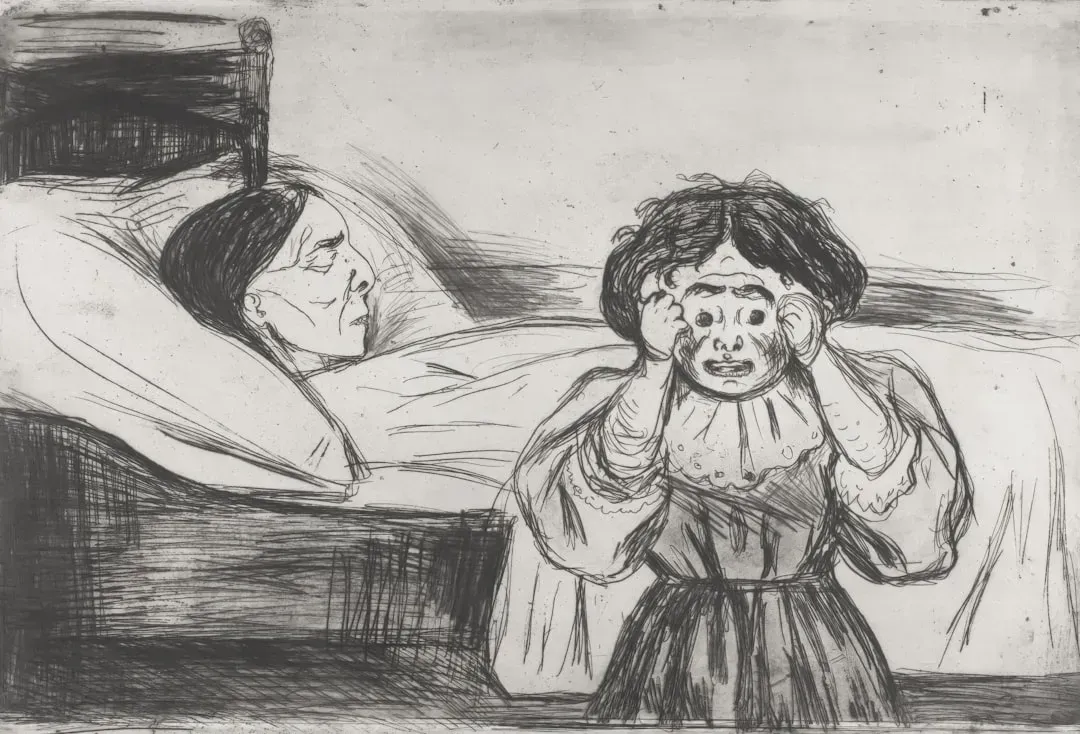
Between 1915 and 1926, a mysterious illness called encephalitis lethargica swept across the world and affected roughly half a million people. Victims would fall into a trance-like state, sometimes remaining in near-total stillness for years, even decades. Some were found staring in a fixed direction for so long that caregivers had to move their limbs manually to prevent tissue damage.
Neurologist Oliver Sacks documented dozens of surviving patients in the 1960s and later described their recoveries in his 1973 book Awakenings. When he administered the drug L-DOPA to long-term patients, some of whom had been institutionalized since the 1920s, many briefly returned to full consciousness after decades of stillness. The cause of encephalitis lethargica has never been definitively identified.
The Country That Was at War With Emus

In 1932, the Australian government deployed soldiers armed with two Lewis guns and ten thousand rounds of ammunition to cull a population of emus damaging wheat farms in Western Australia. The operation, commanded by Major G.P.W. Meredith of the Royal Australian Artillery, was expected to be straightforward. It was not.
The emus proved remarkably difficult to kill at scale. The birds scattered when fired upon, absorbed multiple rounds without dying, and the terrain worked against the soldiers. After several weeks, the military withdrew having killed fewer birds than anticipated, and the operation was widely mocked in the press. Historians now refer to the episode as the Great Emu War. Australia effectively lost.
The Unsinkable Molly Brown Was Not Her Name
![The Unsinkable Molly Brown Was Not Her Name (Library of Congress Prints and Photographs Division, George Grantham Bain Collection.
Call number: BIOG FILE - Brown, Mrs. J.J. <item> [P&P] Digital id:cph 3b40210, Public domain)](https://nvmwebsites-budwg5g9avh3epea.z03.azurefd.net/ourwabisabilife/b55d430aa385548948afd22cd2bd387f.webp)
The woman celebrated as “the unsinkable Molly Brown,” a survivor of the Titanic sinking in April 1912 and a well-known Colorado socialite, was actually named Margaret. She was never called Molly during her lifetime. The nickname appears to have been invented and popularized decades after her death in 1932, largely through a 1960 Broadway musical that fictionalized her life.
Margaret Brown’s real story is remarkable enough without the theatrical gloss. She was a self-educated woman from an Irish immigrant family who became wealthy through her husband’s mining success, campaigned for workers’ rights and women’s suffrage, and reportedly helped organize survivors aboard Lifeboat 6 during the Titanic disaster. Her actual character was considerably more complex than the cheerful nickname suggests.
Napoleon Was Once Attacked by Rabbits
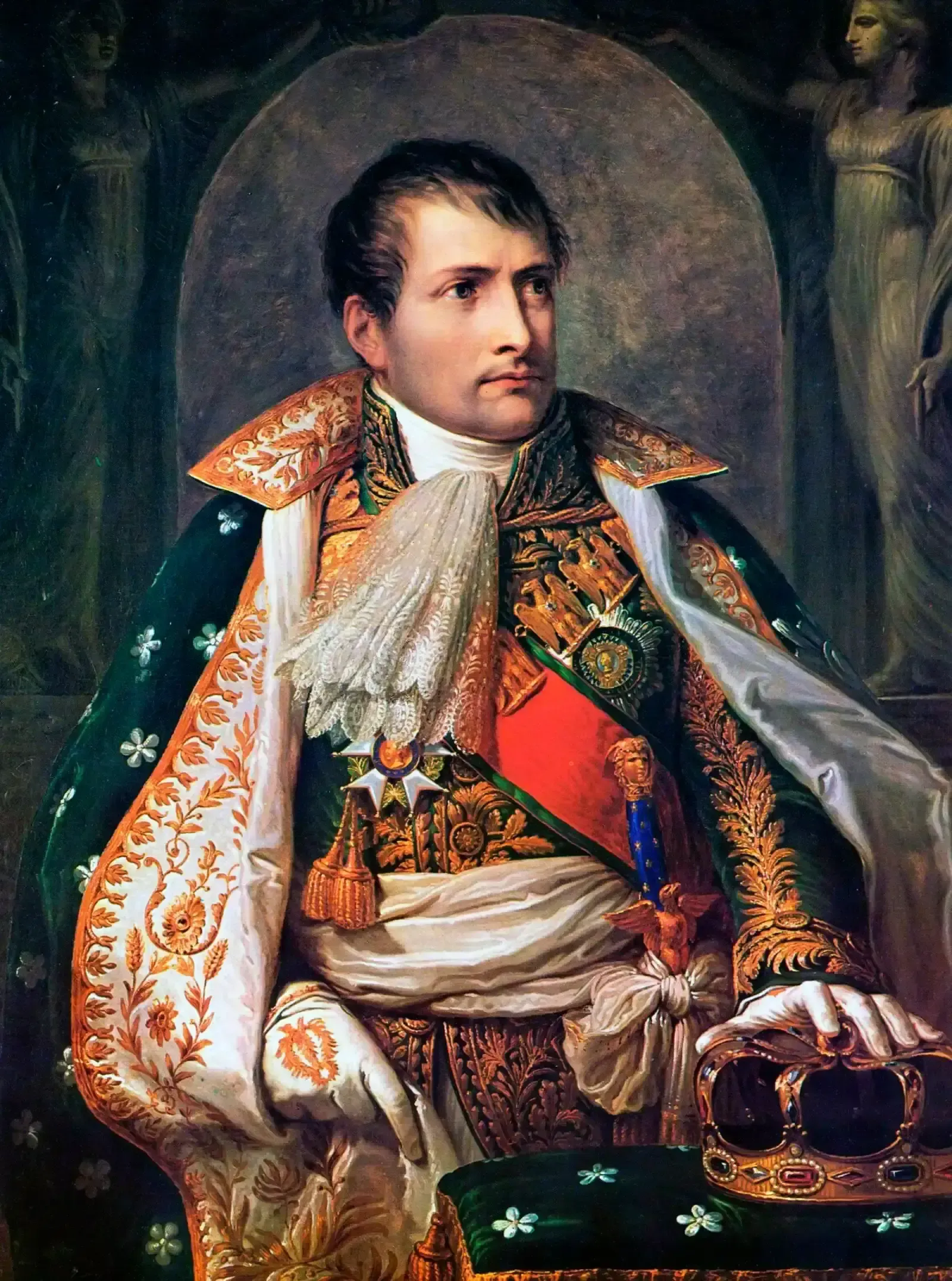
In July 1807, following the signing of the Treaties of Tilsit, Napoleon Bonaparte arranged a celebratory rabbit hunt for his marshals and senior officers. His chief of staff, Alexandre Berthier, was tasked with gathering rabbits for the occasion and procured several hundred for the event. What happened next is documented in multiple accounts from those present.
The rabbits were domestic, not wild, and instead of scattering when released, they swarmed toward Napoleon and his entourage in a coordinated wave, apparently associating humans with feeding time. Beaters tried to drive them back. Officers attempted to intervene. Napoleon himself reportedly retreated to his carriage, which the rabbits then attempted to climb. It took considerable effort to disperse the animals, and the hunt was abandoned.
The Ghost Army That Fooled the Nazis
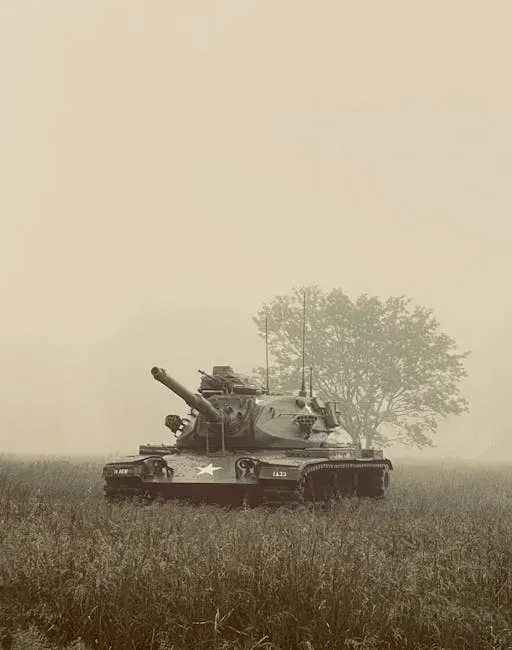
During World War Two, the United States Army deployed a unit of roughly eleven hundred soldiers whose entire purpose was deception. The 23rd Headquarters Special Troops, better known as the Ghost Army, used inflatable tanks, fake radio transmissions, sound trucks playing prerecorded military movements, and theatrical set dressing to impersonate larger Allied units and mislead German forces about troop positions and intentions.
The unit included a disproportionate number of artists, designers, and creative professionals, including figures who would later become well-known in American art and fashion. The Ghost Army participated in around twenty major deception operations across France, Belgium, Luxembourg, and Germany between 1944 and 1945. Their work remained classified until 1996, meaning the soldiers who served could not speak publicly about what they had done for more than fifty years after the war ended.
The Lighthouse Keeper Who Saved 22 Lives and Was Largely Forgotten
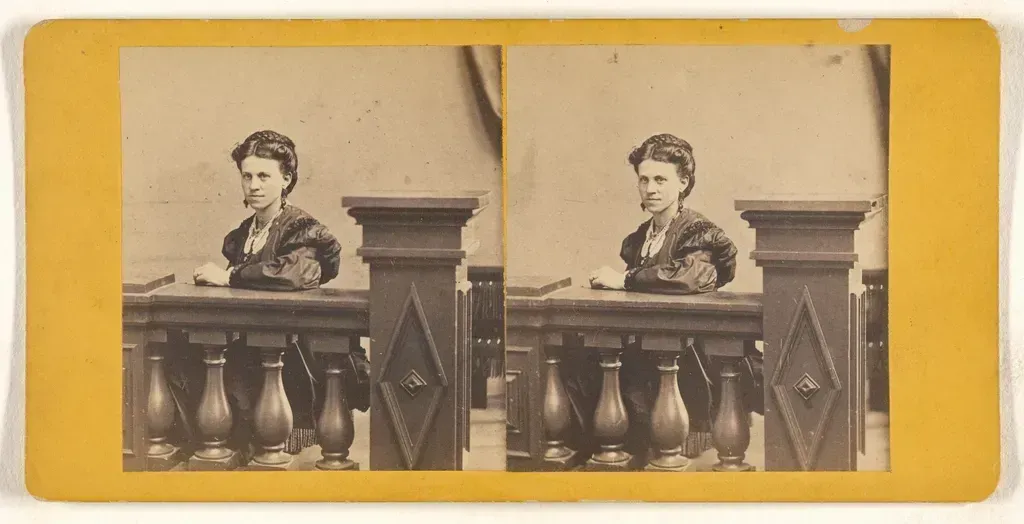
Ida Lewis was the keeper of Lime Rock Lighthouse in Newport, Rhode Island, and between 1854 and 1906 she is credited with rescuing at least eighteen people from drowning, with some accounts placing the number as high as twenty-five. She rowed out alone in rough water on multiple occasions, pulling sailors and soldiers from the harbor with a physical strength and calmness that repeatedly astonished witnesses.
In 1869, she was visited by generals Ulysses S. Grant and William Sherman and received coverage in major newspapers across the country. She was eventually awarded the Gold Lifesaving Medal by the U.S. government, one of the first women to receive it. Despite this recognition, her name faded from public memory for much of the twentieth century. The lighthouse was officially renamed Ida Lewis Rock Lighthouse in 1924, two years after her death.
The Country That Technically Declared War on the Wrong Nation
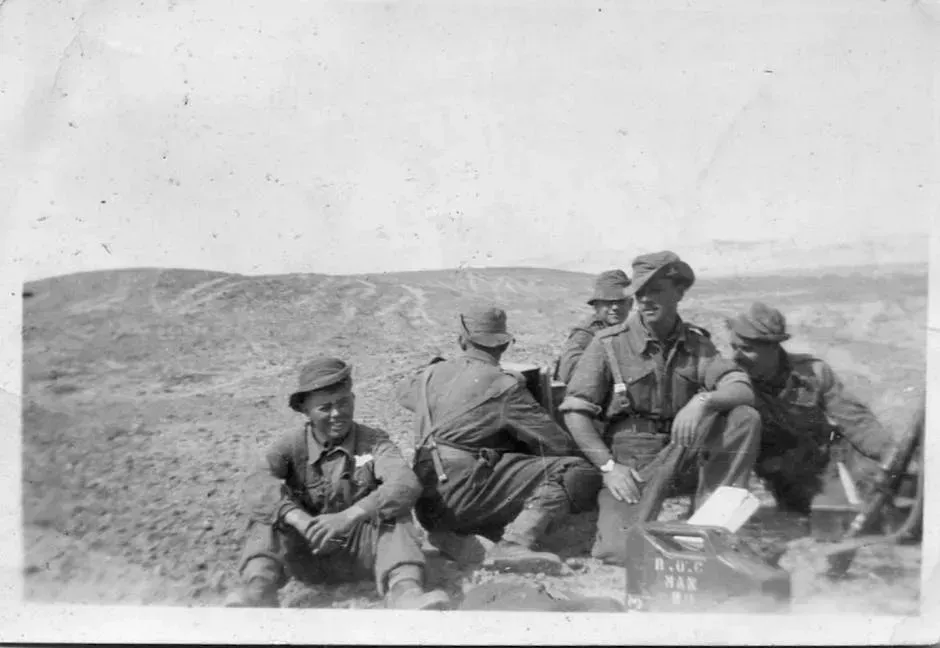
In December 1941, following Germany’s declaration of war on the United States after Pearl Harbor, several smaller nations quickly followed suit in alignment with the Allied cause. Bolivia, which had strong Allied sympathies, moved to sever relations and eventually entered the conflict. The administrative scramble of wartime diplomacy, however, produced at least one documented clerical error in which a formal declaration of hostilities was drafted with an incorrect recipient nation listed.
Similar confusion occurred in the smaller Latin American republics where communication infrastructure was limited and the speed of wartime political decisions outpaced accurate record-keeping. While the specific incident is more of a footnote than a turning point, historians of wartime diplomacy have noted it as an illustration of how chaotic formal statecraft became during the global mobilization of 1941 and 1942. The paperwork of war, it turns out, was nearly as complicated as the fighting itself.
History has no shortage of strange, overlooked, and quietly astonishing moments. The ones above survived because enough people wrote them down. Countless others probably did not.




Leave a Reply