
Plenty of first-time visitors to France assume English will carry them through. In Paris tourist areas it often does, but a lot of everyday life, from bakeries to small-town train stations, runs in French. A handful of well-chosen phrases can change how a simple exchange feels.
You don’t need fluency, and nobody expects it. What helps is knowing a short list of expressions you’ll use again and again, and saying them with a little care. Here are ten that earn their place in your pocket.
Bonjour
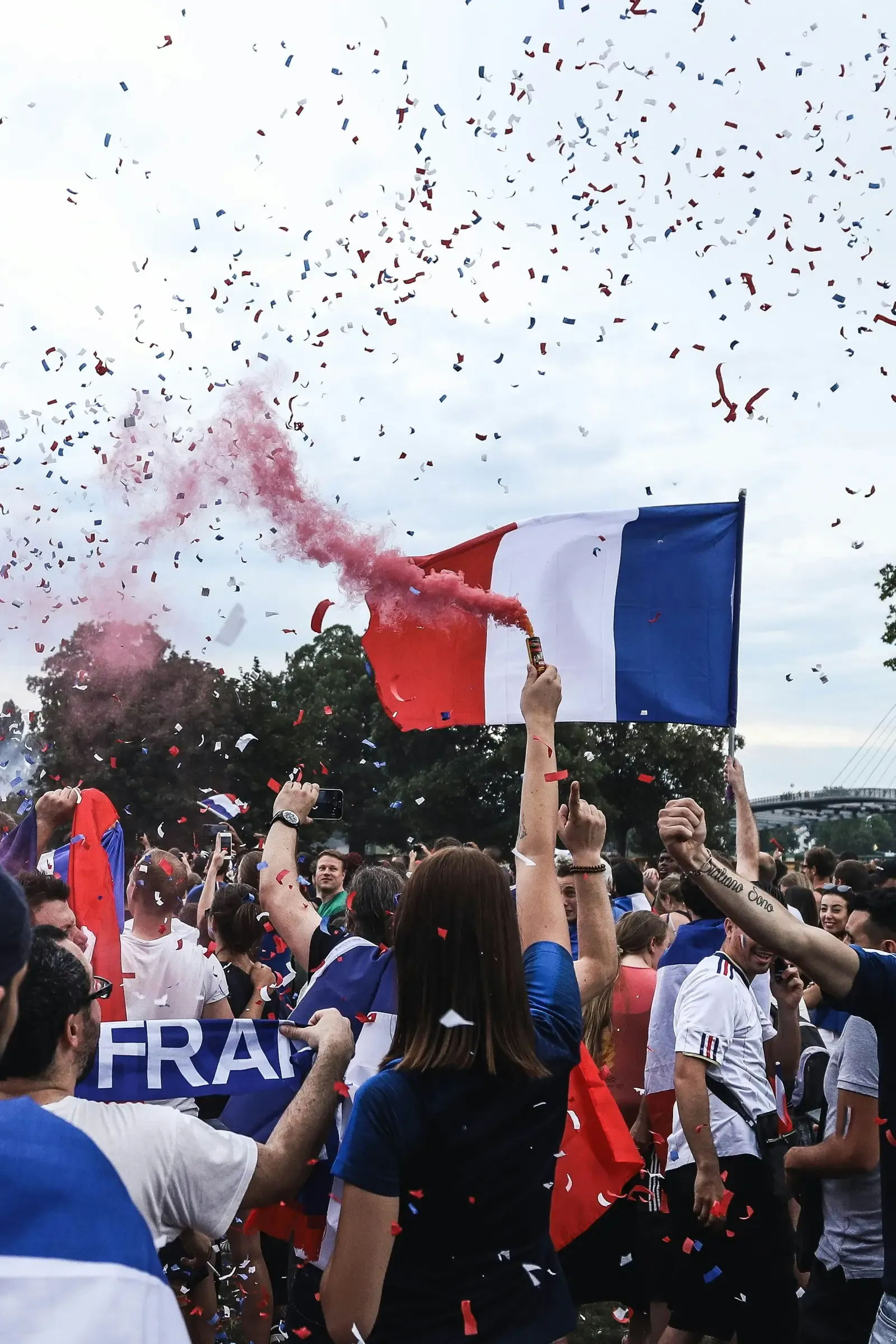
This is the one to learn first, and the one to use most. In France, it’s customary to greet staff when you walk into a shop, café, or restaurant, before you ask for anything. Skipping it can come across as abrupt, even if you didn’t mean it that way.
Use it during the day, and switch to bonsoir in the evening. Say it when you enter, not just when you reach the counter. It’s a small habit, yet it often sets the tone for the whole interaction.
S’il vous plaît
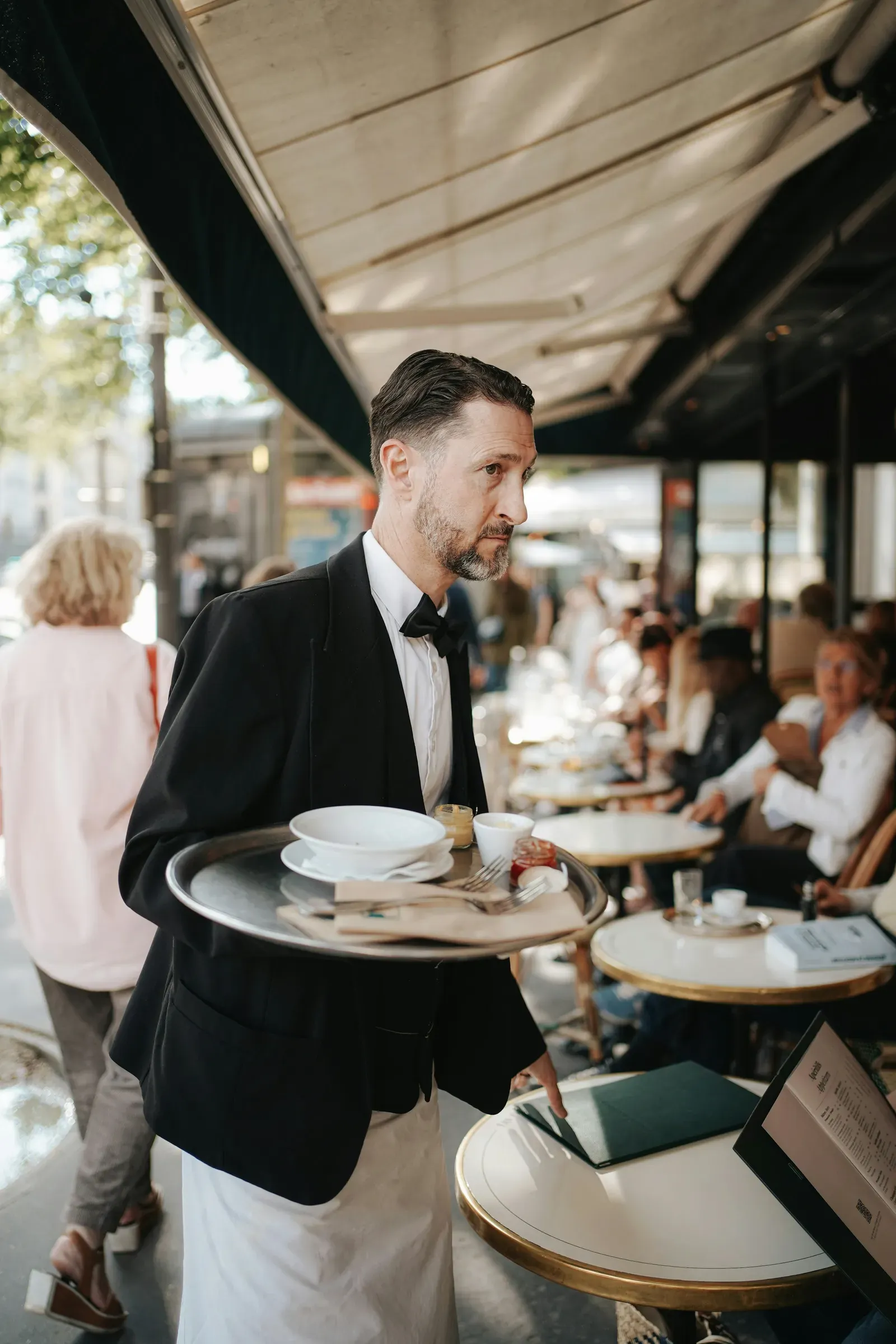
This means “please,” and the formal version is the safe choice with strangers. French has a casual form, s’il te plaît, but that’s for friends, children, and people your age in relaxed settings. As a visitor, stick with the vous version.
You’ll use it when ordering food, asking for the bill, or requesting directions. Pair it with a calm tone and you’ll sound polite without effort. It also works to get a waiter’s attention, spoken quietly and with eye contact.
Merci beaucoup

Merci is thank you, and beaucoup makes it “thank you very much.” Both are easy to pronounce, which makes them good starter phrases. The final “p” in beaucoup is silent, so it sounds roughly like “boh-koo.”
You’ll want this one constantly, from the boulangerie to the metro information desk. If someone responds with de rien or je vous en prie, they’re saying “you’re welcome.” Recognizing those replies makes the exchange feel less one-sided.
Excusez-moi

This is your all-purpose phrase for getting someone’s attention or apologizing for a small bump. It works on a crowded metro platform and when you need to squeeze past someone in a market. It’s also a polite way to start a question to a stranger.
Don’t confuse it with pardon, which is also common and slightly lighter. Both are fine, and locals use them interchangeably. Choose whichever rolls off your tongue more comfortably.
Parlez-vous anglais ?

This asks, “Do you speak English?” It’s most useful when you’ve exhausted your French and need to switch. Many people will gladly help, especially when you’ve opened with a greeting and tried a few words first.
Order matters here. Starting a conversation with bonjour and then asking this question tends to land better than launching straight into English. Think of it as a courtesy, not a last resort.
Je voudrais…
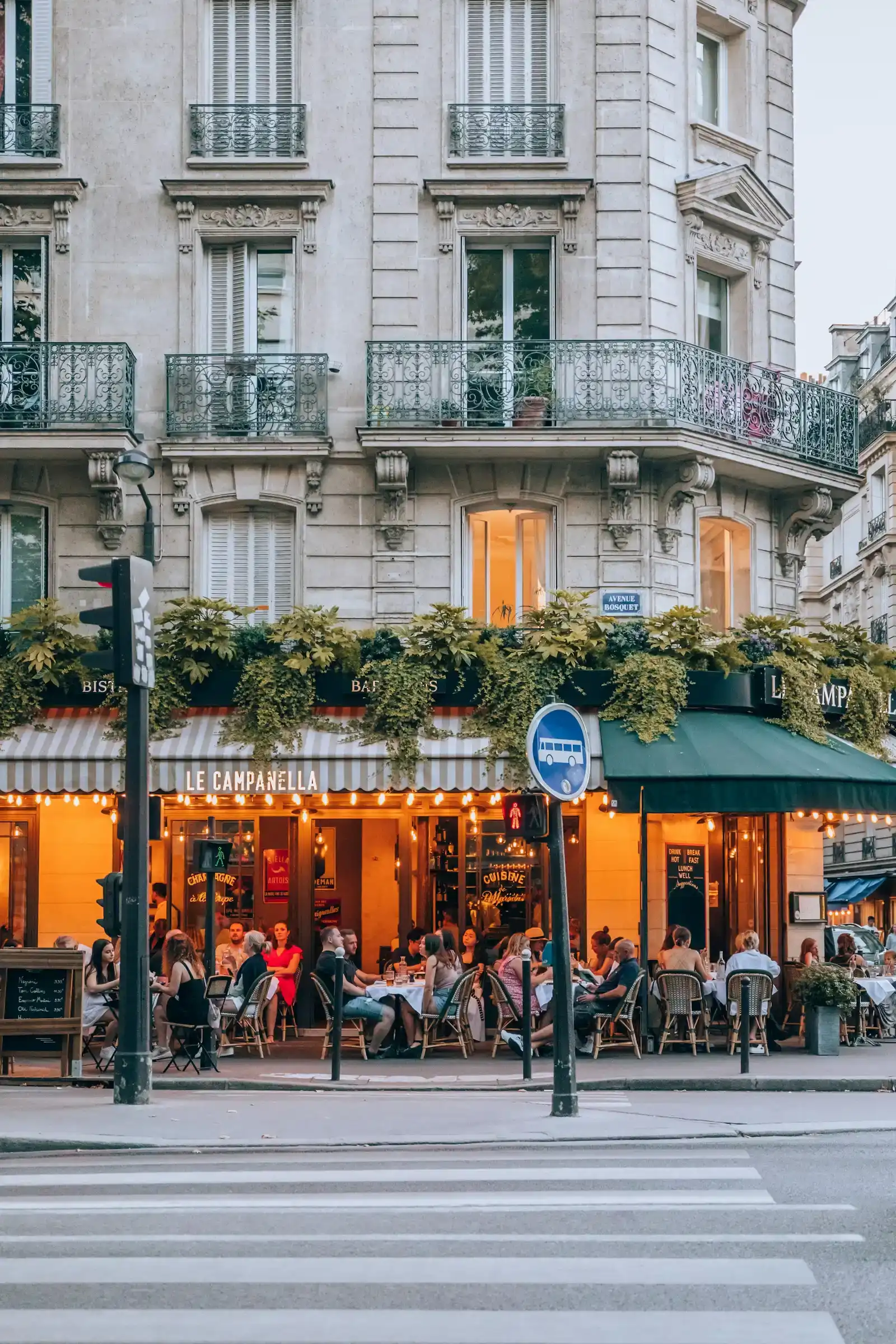
This means “I would like,” and it’s the polite way to order. Je voudrais un café, s’il vous plaît, is a complete, natural sentence you can use in a café. It sounds softer than saying je veux, which translates as “I want” and can feel blunt.
Once you have the structure, you can swap in almost anything. A croissant, a table for two, a ticket to Versailles. One flexible phrase covers a surprising amount of ground.
Où est… ?

Où est means “where is,” and it’s the backbone of getting around. Où est la gare? asks for the train station, and où sont les toilettes? asks for the restrooms. Note that for plural things, you switch to sont.
Learn a few place words to go with it, like la station de métro, la pharmacie, and l’hôtel. Even if the answer comes back too fast to follow, pointing and gestures usually fill the gap. A map on your phone helps too.
L’addition, s’il vous plaît
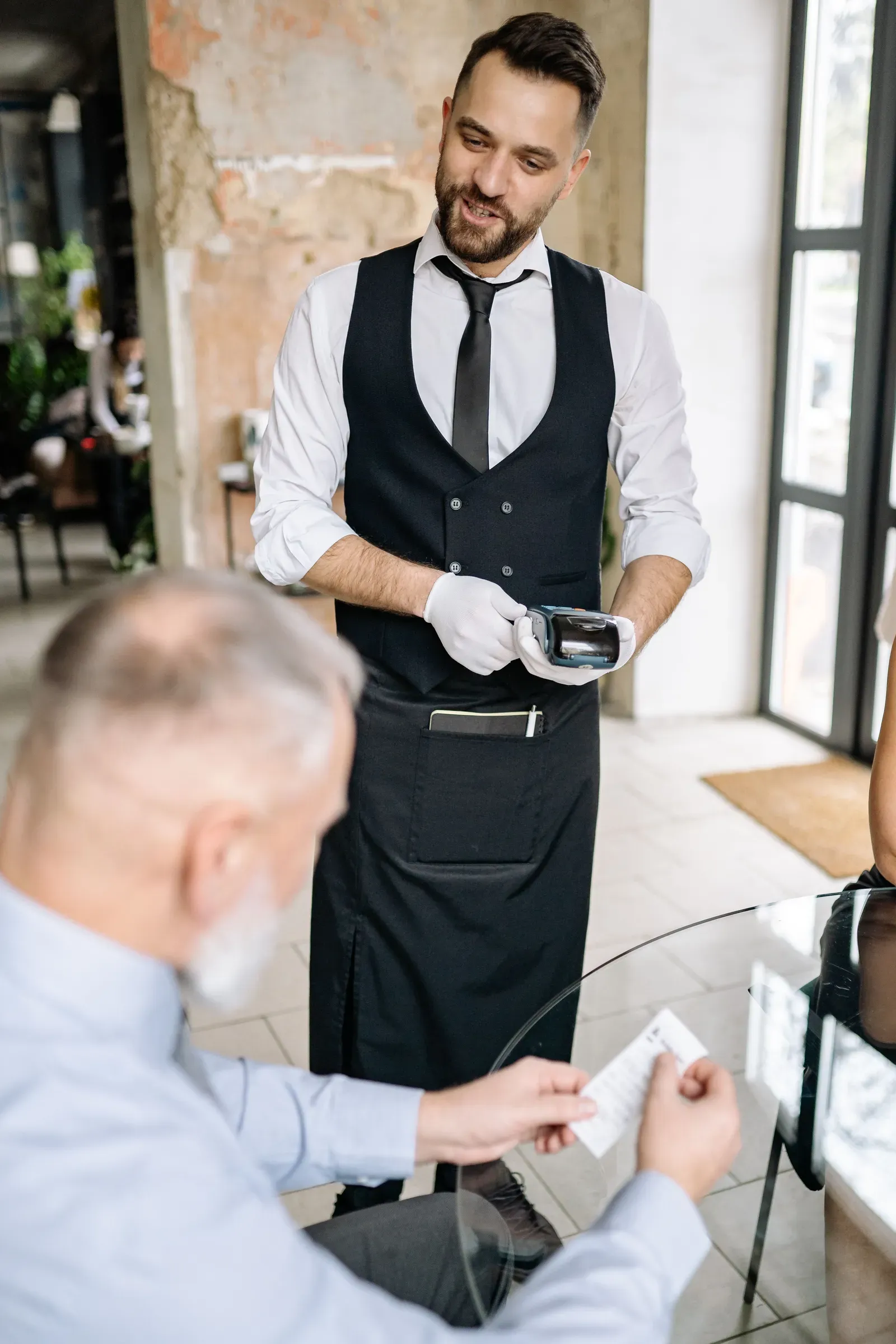
Meals in France are unhurried, and servers typically won’t bring the bill until you ask. That’s tradition, not slow service. When you’re ready to go, this phrase asks for the check.
Catch the server’s eye and say it quietly, or make a small writing gesture in the air. Service is normally included in French menu prices by law, so tipping is a small extra rather than an obligation. Many diners simply round up or leave a few coins.
Je ne comprends pas

It means “I don’t understand,” and you’ll likely need it sooner than you expect. Saying it plainly is far better than nodding along and hoping. People are usually happy to slow down or rephrase.
A useful companion is pouvez-vous répéter, which asks someone to repeat what they said. Add plus lentement, s’il vous plaît, and you’re also asking them to speak more slowly. Together, they make conversations workable.
Au revoir
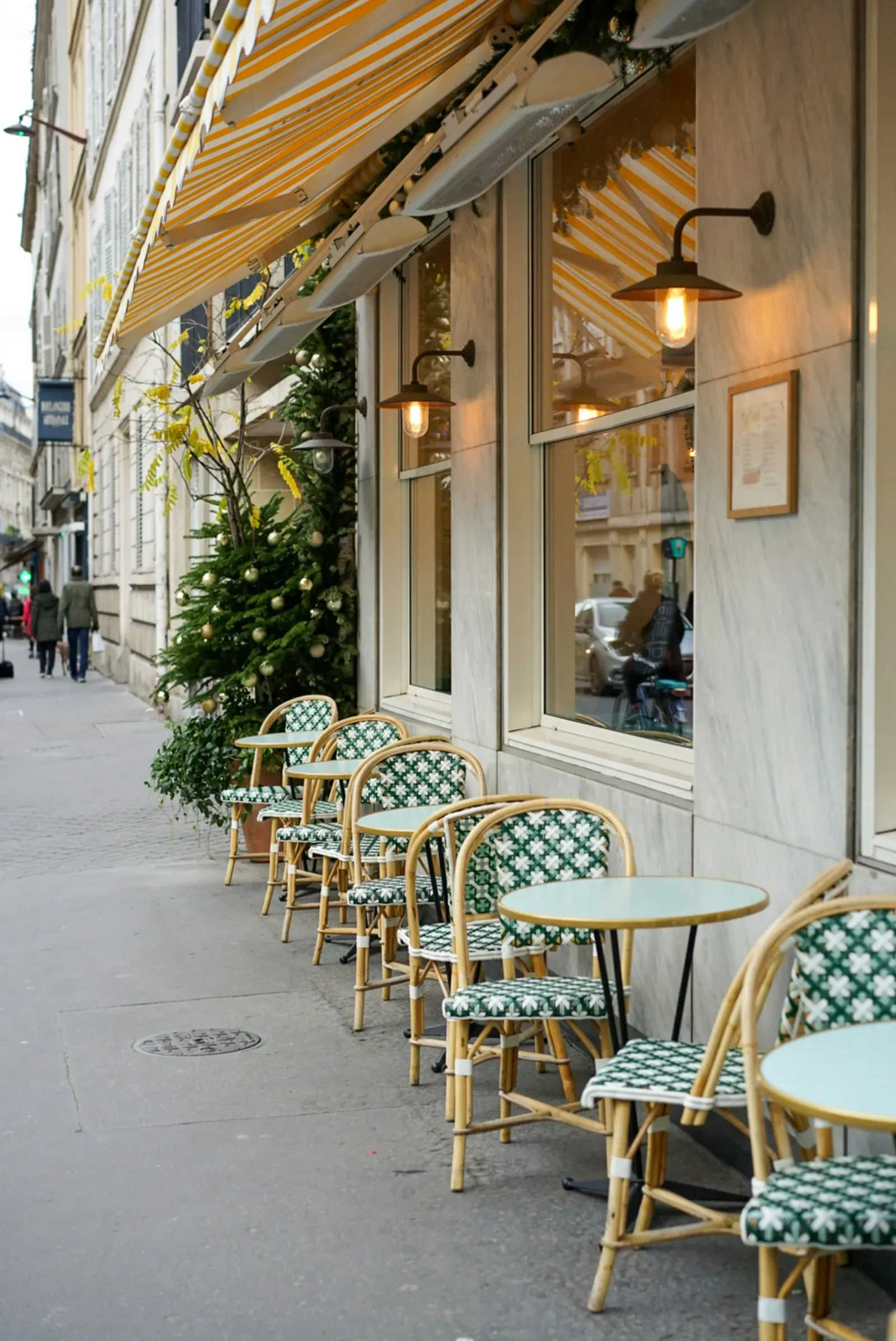
This is the standard goodbye, and it completes the courtesy that bonjour started. Say it when leaving a shop, restaurant, or hotel reception, even if you bought nothing. Pairing it with bonne journée, meaning “have a good day,” adds a friendly finish.
In the evening, bonne soirée does the same job. Staff will often say these to you first, so it helps to have a reply ready. A warm, simple farewell is what most people remember.





Leave a Reply