
Ask almost anyone about the soup they grew up with, and you’ll likely hear about a particular kitchen, a particular pot, and a particular person stirring it. Soup is one of the oldest forms of home cooking, and it tends to be handed down by watching rather than by measuring.
The nine soups below come from very different places. Each one is a classic home dish tied to family tables, and each is commonly made in households by older generations.
Chicken Noodle Soup, United States
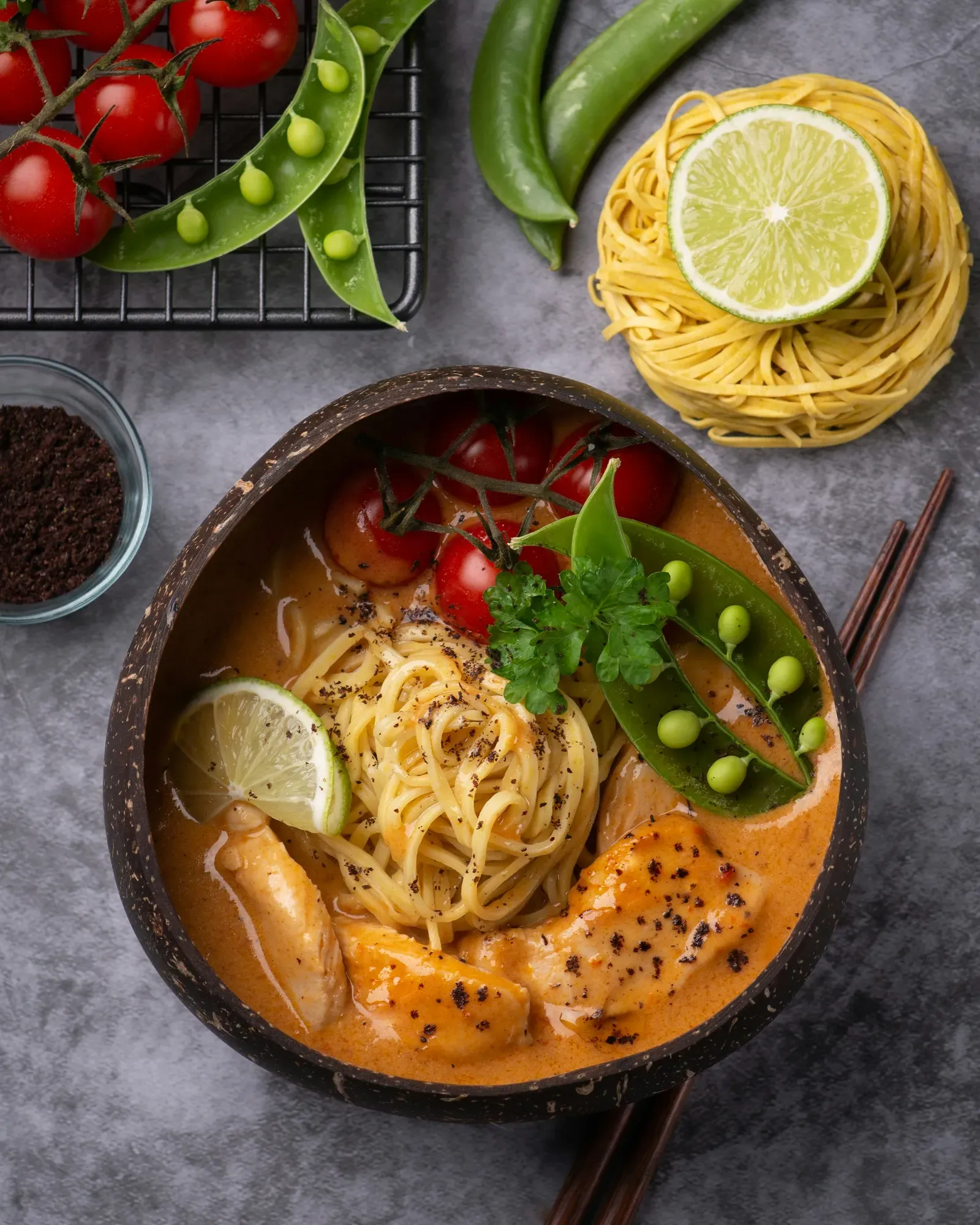
In many American homes, chicken noodle soup is the default cure for a cold. It’s usually built from a whole chicken simmered with onion, carrot and celery, then finished with egg noodles. The broth does most of the work, so patience matters more than skill.
The comfort reputation isn’t only folklore. A small 2000 study published in the journal Chest found that a homemade chicken soup recipe affected neutrophil movement in the lab, which suggests a mild anti-inflammatory effect. It’s far from proof that soup cures anything, though it helps explain why the tradition lasts.
Pho, Vietnam
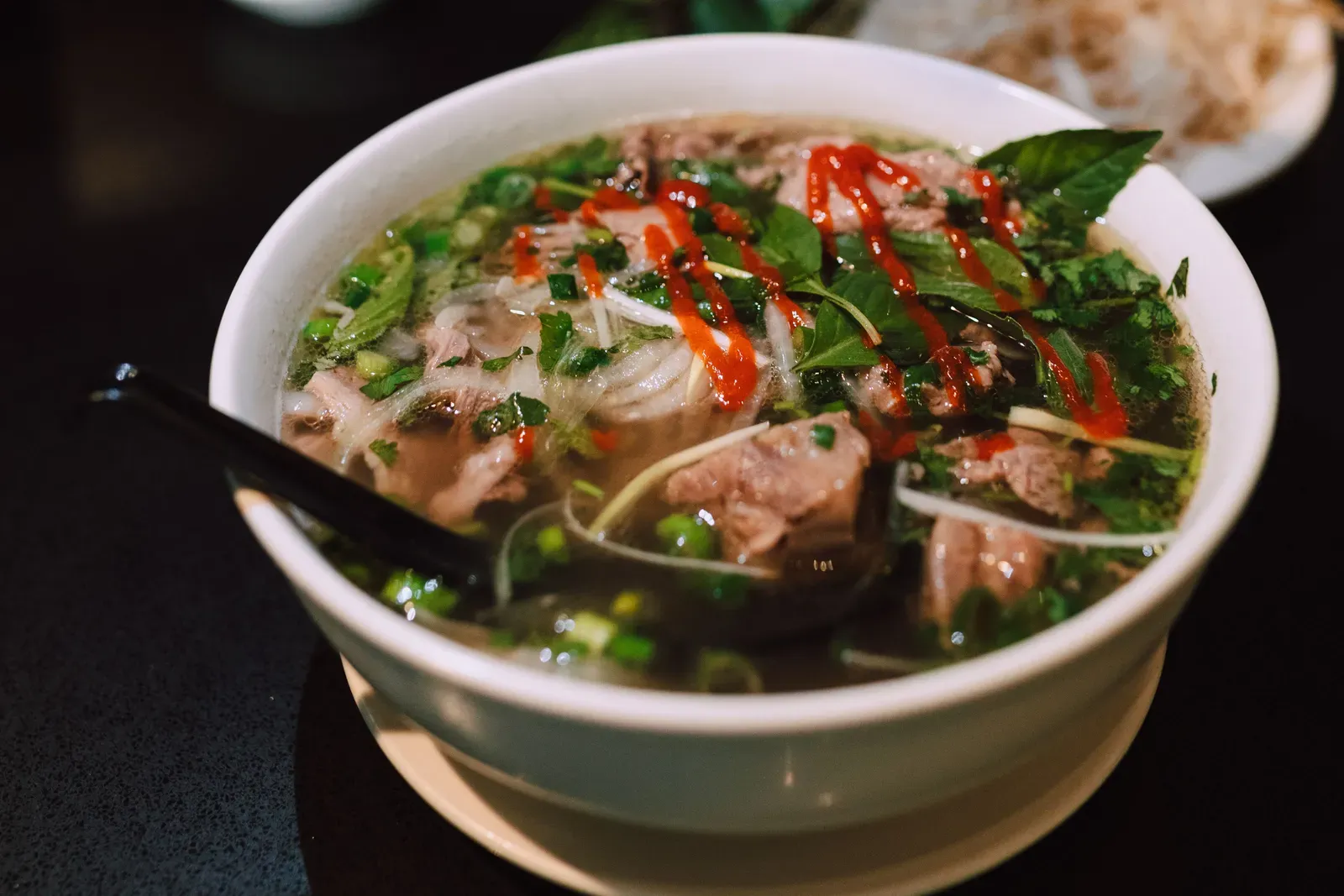
Pho is built on a clear broth simmered for hours with charred onion and ginger, plus spices such as star anise, cinnamon and cloves. Rice noodles and thinly sliced beef or chicken go in last, and the bowl arrives with herbs, lime and chili on the side. Families often make it for weekends because of the long cooking time.
The dish is generally traced to northern Vietnam in the early twentieth century. Regional versions differ, and the northern style tends to be simpler, while southern bowls come with more herbs and sauces on the table.
Borscht, Ukraine
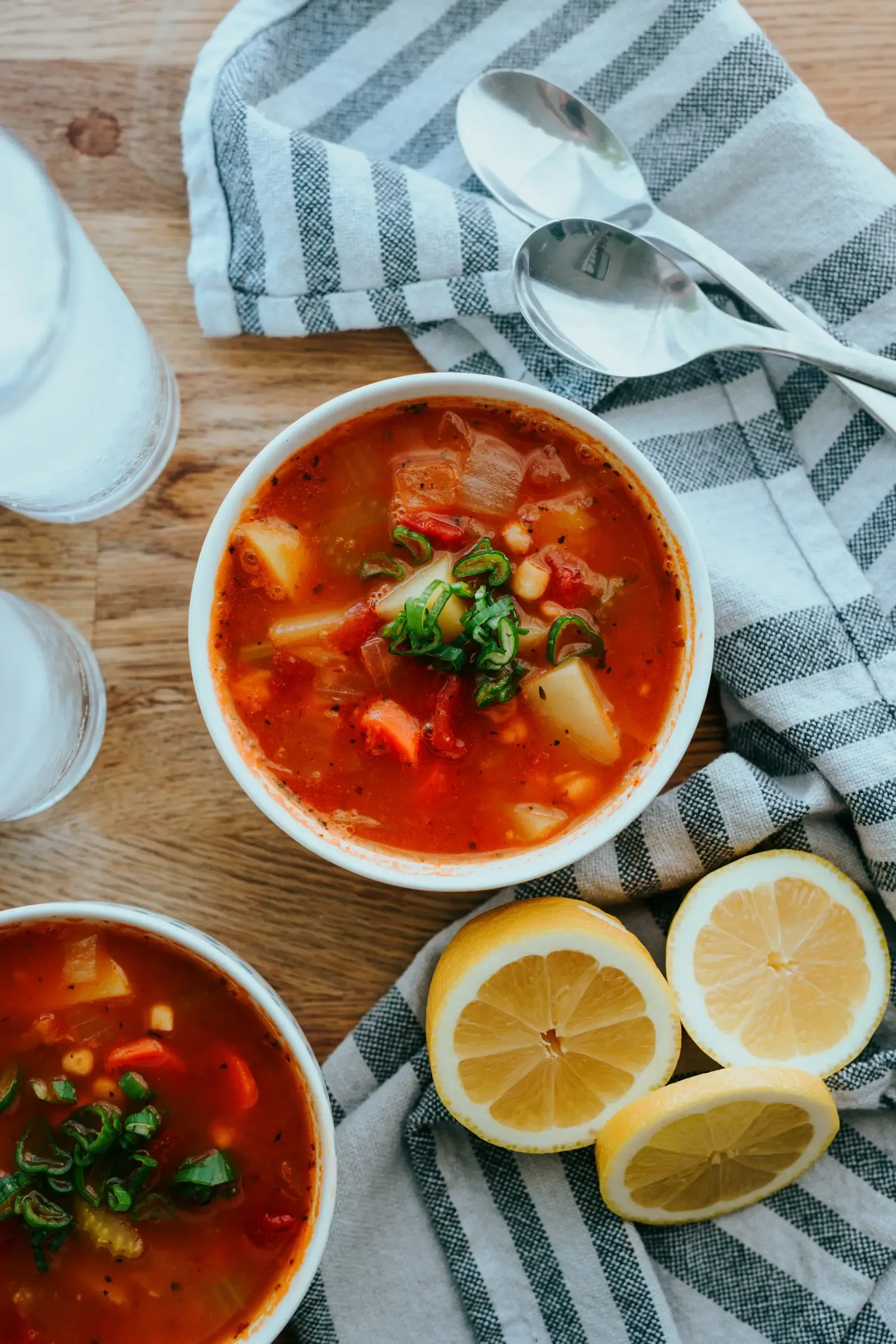
Borscht is the beet soup most associated with Ukraine, and it’s made with beets, cabbage, potatoes, carrots and often meat or bones for the stock. Recipes vary from house to house, and many cooks add a spoonful of sour cream at the end. The color alone tells you where it’s from.
In 2022, UNESCO added the culture of Ukrainian borscht cooking to its list of intangible cultural heritage in need of urgent safeguarding. That decision recognized the soup as a living family tradition, not just a recipe.
Minestrone, Italy
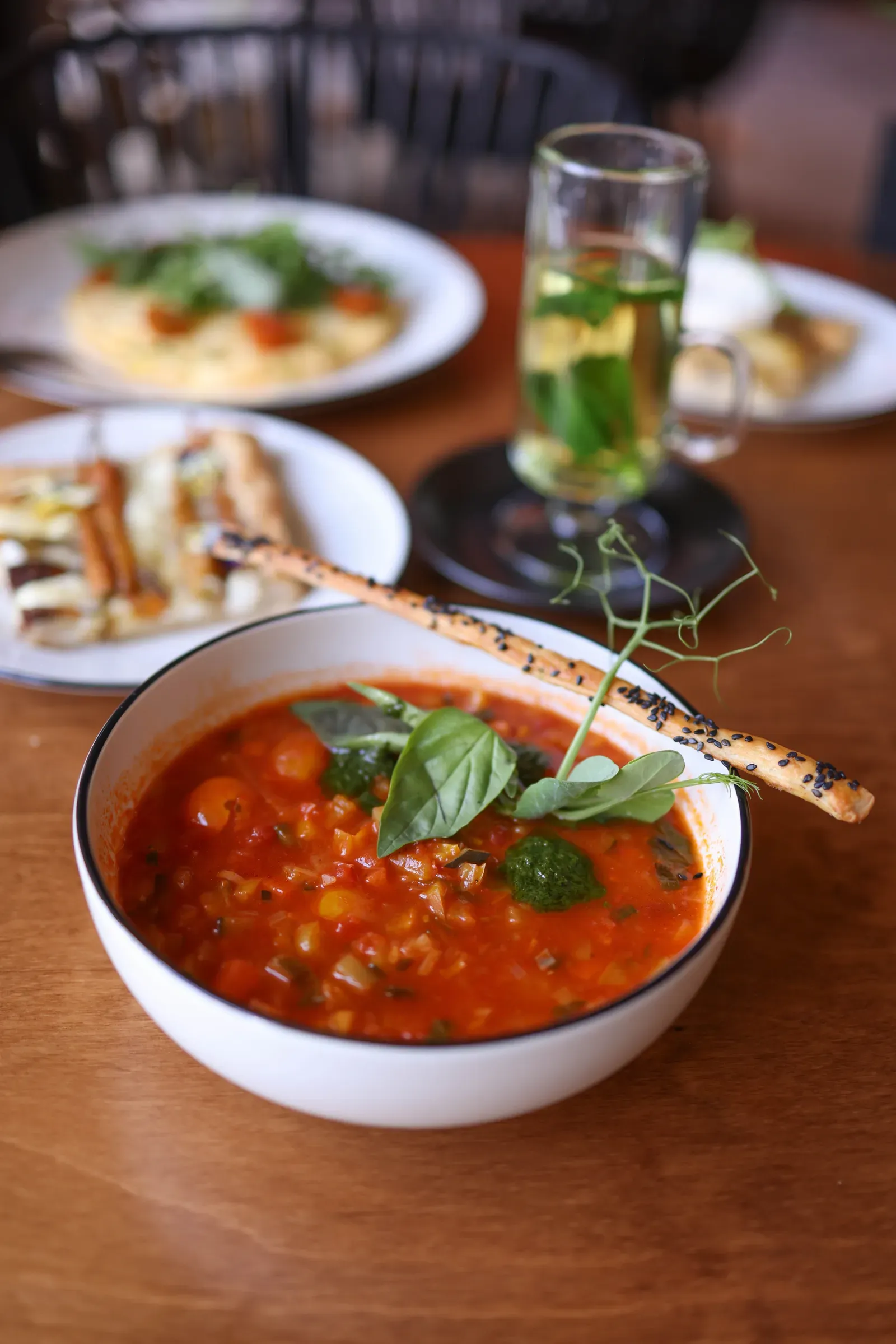
Minestrone is less a fixed recipe than a habit of using what’s in season. Beans, pasta or rice, tomatoes and whatever vegetables are on hand go into the pot. Many Italian grandmothers add a Parmigiano rind to the simmer for extra depth.
The soup comes from the cucina povera tradition, which made good food from modest ingredients. That’s why you’ll find a different version in nearly every region, and often in every kitchen.
Avgolemono, Greece
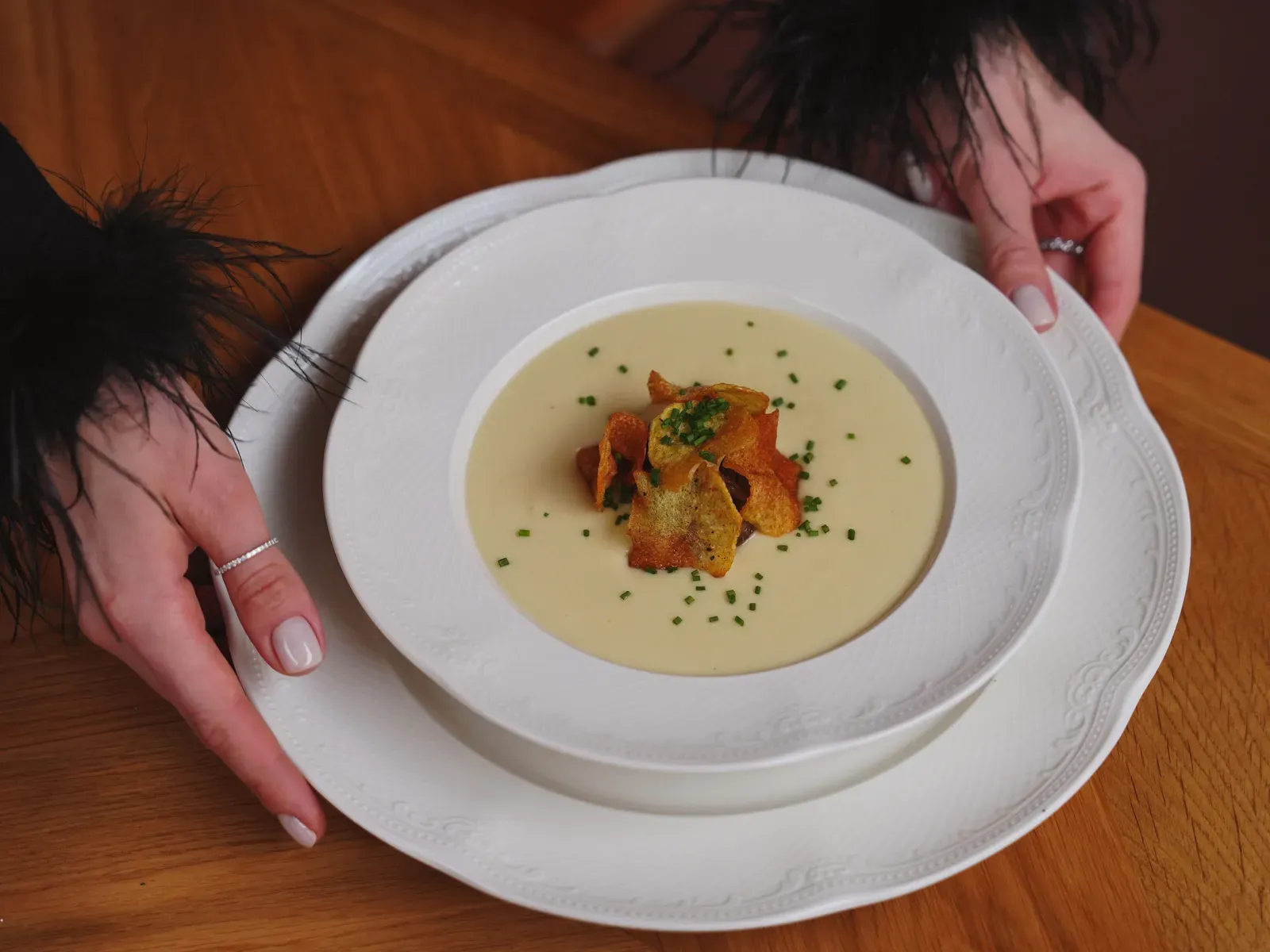
Avgolemono combines chicken broth with eggs and lemon, and it’s often thickened with rice or orzo. The trick is tempering the eggs with hot broth so they turn silky instead of scrambling. Done right, the soup is creamy without any cream.
It’s a staple of Greek home cooking, and it’s often served when someone is unwell or on a cool day. The bright lemon flavor keeps it from feeling heavy.
Miso Soup, Japan
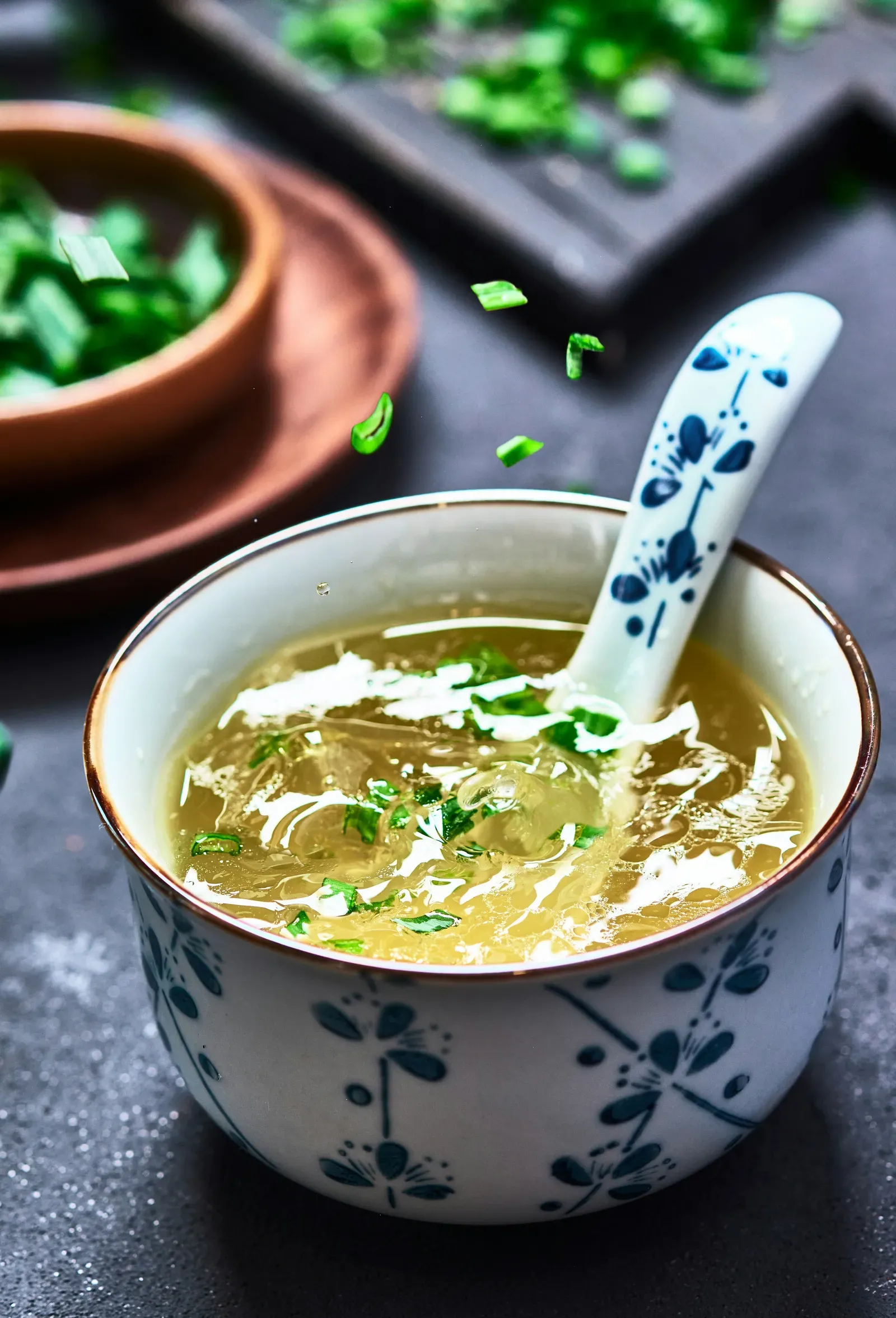
Miso soup starts with dashi, a stock made from kombu seaweed and dried bonito flakes. Fermented miso paste is stirred in off the heat, and tofu, wakame and sliced scallions are common additions. It’s a regular part of traditional Japanese breakfasts and everyday meals.
Cooks usually avoid boiling the soup after the miso goes in, since high heat dulls its aroma. Regional miso varieties, from pale and mild to dark and salty, change the character of the bowl.
Harira, Morocco
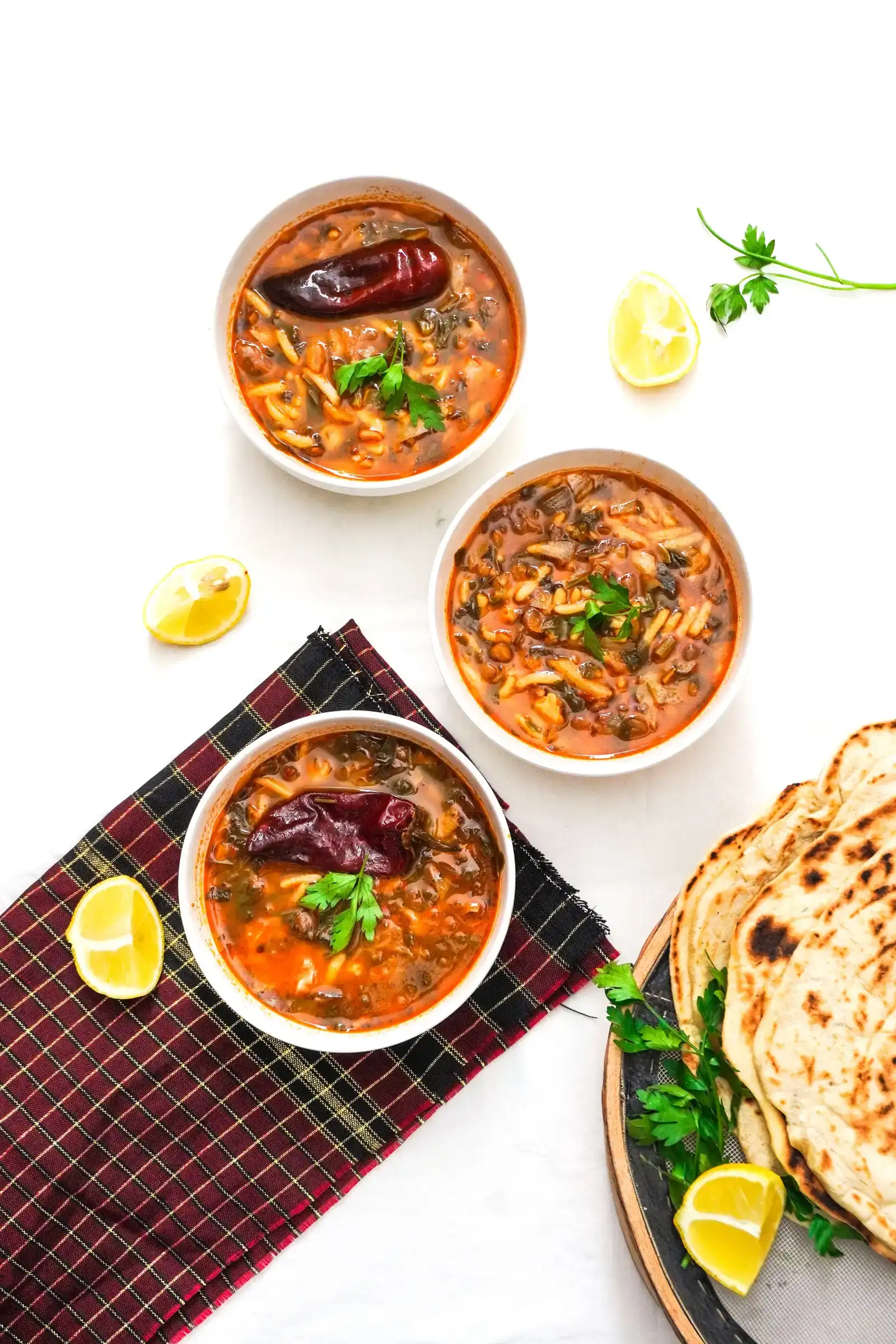
Harira is a thick, tomato-based soup with lentils, chickpeas, herbs and spices, sometimes with a little meat. It’s closely tied to Ramadan, when many Moroccan families serve it to break the daily fast alongside dates. Flour or eggs are often used to thicken it.
Each household has its own balance of cilantro, parsley, celery and spice. Grandmothers tend to guard those proportions, which is why no two pots taste quite alike.
Sopa de Lima, Mexico
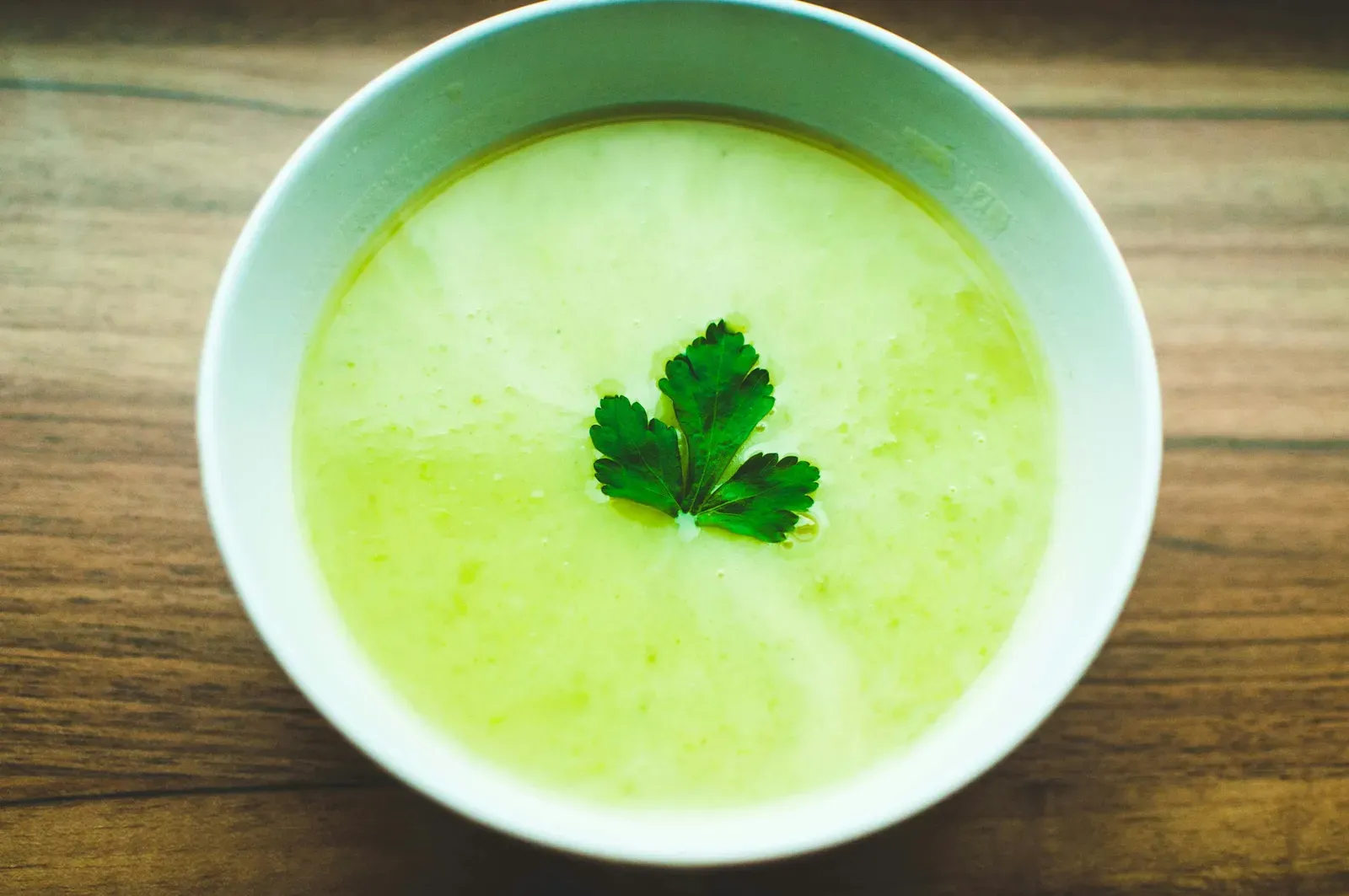
Sopa de lima is a specialty of the Yucatán Peninsula. It’s a chicken broth flavored with a local sour lime, then topped with shredded chicken and crisp tortilla strips. The aroma of citrus and spice is what sets it apart from other Mexican soups.
The lime used is a regional variety with a distinctive, slightly bitter perfume, and cooks elsewhere often substitute ordinary limes. Even so, the soup remains a popular family dish at lunch.
Mulligatawny, India and Britain
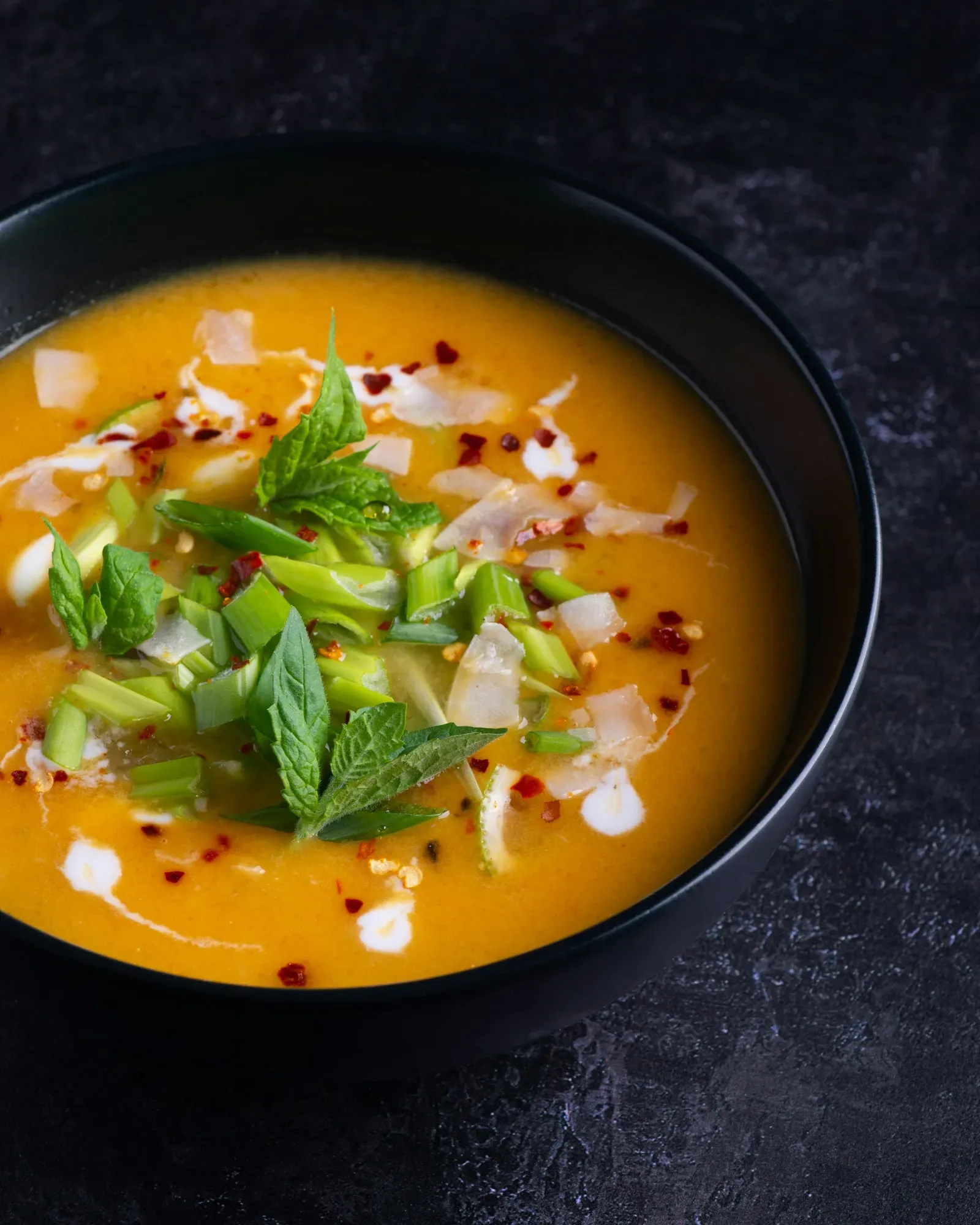
Mulligatawny has roots in southern India, where its name is linked to a Tamil phrase meaning pepper water. British colonial households adapted it into a richer, curry-spiced soup with lentils, vegetables and sometimes chicken or rice. Its history shows how recipes change as they travel.
Today it’s made in both Indian and British kitchens, and versions differ widely. Some are thin and peppery, while others are thick and creamy with apple or coconut milk.





Leave a Reply