
America is a country that reveals itself most honestly through food. The local diner, the roadside shack, the neighborhood spot that’s been there for sixty years – these aren’t tourist traps. They’re the actual story. Each region has developed its own culinary identity over generations, shaped by geography, immigration, agriculture, and sheer stubbornness about how things should taste.
Some of these dishes have gone national, showing up on chain menus and airport concourses. Others have stayed remarkably local, still requiring a proper pilgrimage to experience them right. The ten dishes below fall into both camps, but each one is compelling enough to anchor an itinerary – or at least reroute one.
1. New England Lobster Roll
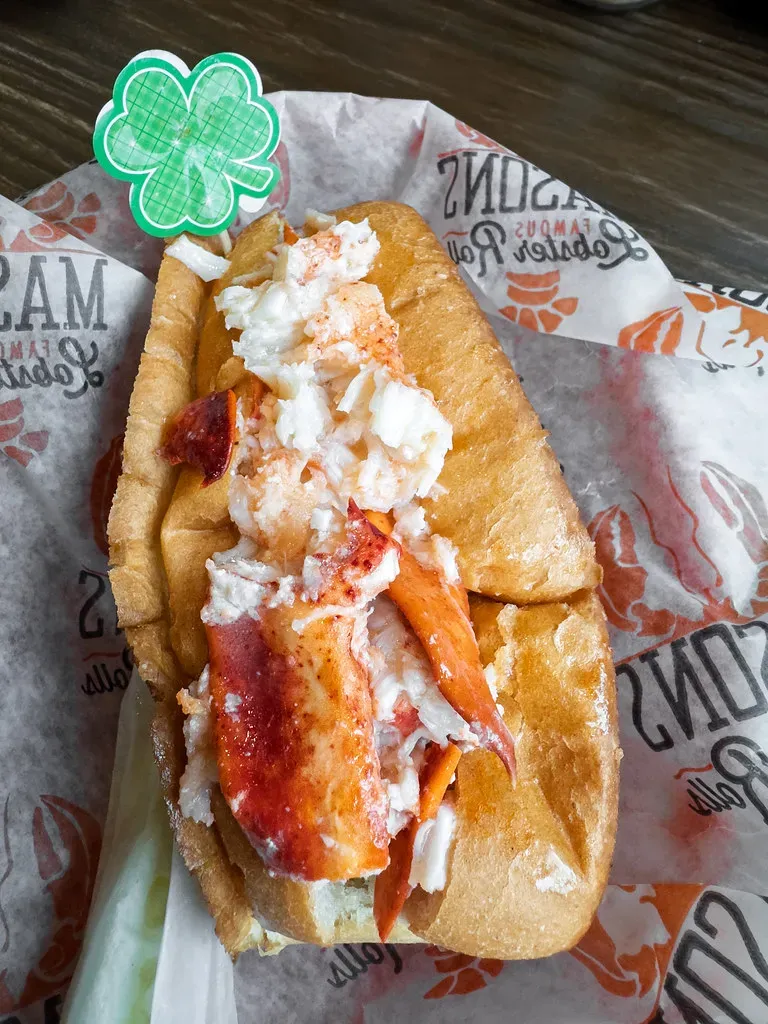
A lobster roll is a North American dish comprising lobster meat served on a grilled hot dog-style bun, commonly credited to have been invented in Milford, Connecticut. The two dominant styles have been debated by coastal residents for decades. Maine’s cold lobster roll features chilled meat lightly dressed with mayo, lemon, and sometimes celery, served in a buttered, toasted bun, while Connecticut’s hot lobster roll showcases warm lobster meat tossed in melted butter and served in a grilled bun, delivering a rich, indulgent experience.
Maine, with the most abundant cold-water lobsters on the planet, is now regarded as the nation’s lobster roll capital, and this street food is served high and low at lobster pounds, seafood shacks, fast-food chains, and supermarkets. Once thought of as the New England fisherman’s typical work lunch, the lobster roll has grown to become an important part of the region’s food culture and a must-try food item for visitors. The best ones are still found at small shacks close to the water, where the lobster has barely traveled at all.
2. Nashville Hot Chicken – Tennessee
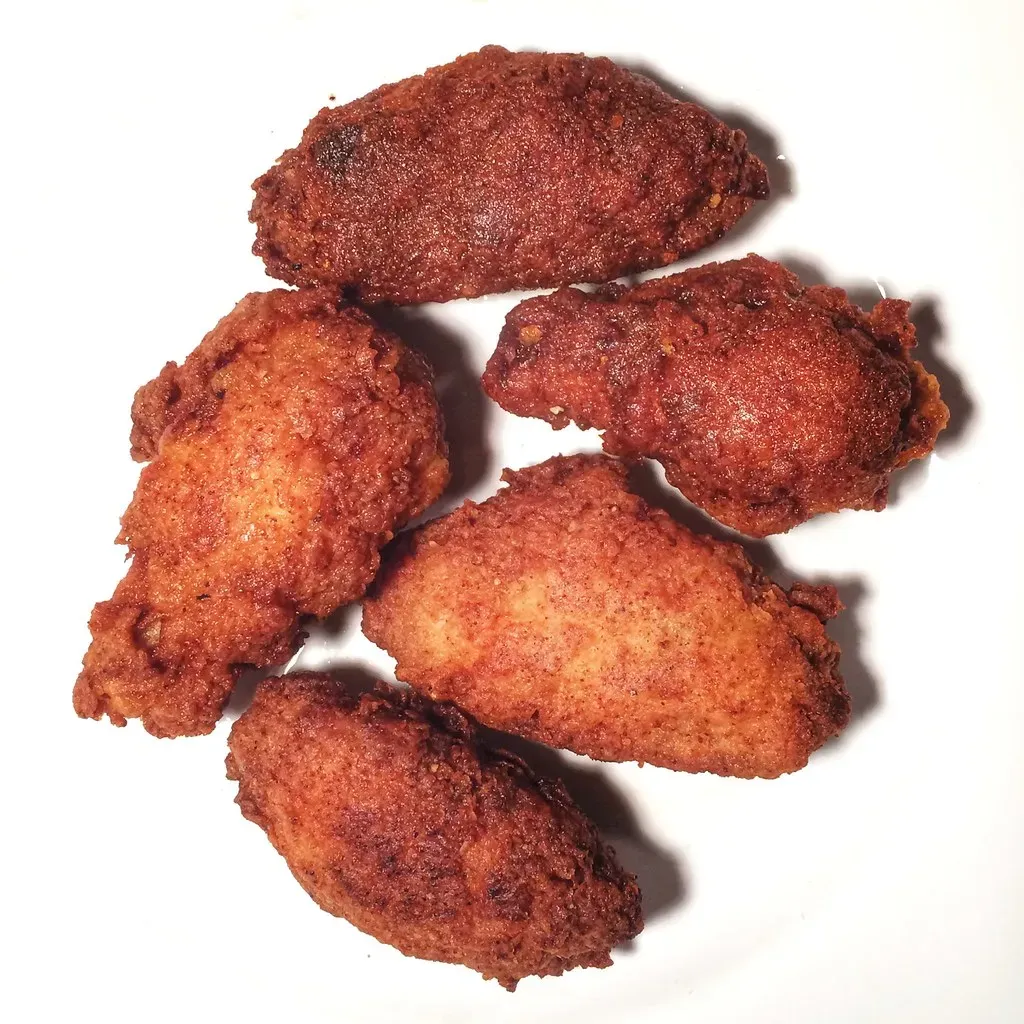
The legend of Nashville Hot Chicken starts with revenge. In the 1930s, Thornton Prince was known as a ladies’ man. After a long night out, one of his girlfriends decided to teach him a lesson. She cooked him fried chicken but loaded it with cayenne, pepper, and spice. She expected him to suffer. Instead, he loved it. Prince didn’t just eat the fiery chicken – he turned it into a business. From there, the Prince family gave birth to the BBQ Hot Chicken Shack in 1936, later undergoing a name change to Prince’s Hot Chicken Shack in the 1980s.
Nashville is especially known for Nashville hot chicken. It’s a dish unlike any other – basically fried chicken with intense heat and flavor, served with bread and pickles. More than 12,000 people showed up for the 2014 Fourth of July Music City Hot Chicken Festival, and the James Beard Foundation gave Prince’s Chicken Shack an American Classic Award for inventing the dish. Hattie B’s, which opened in 2012, has brought a newer wave of fans to the tradition alongside the original Prince’s.
3. Cajun Boudin – Louisiana
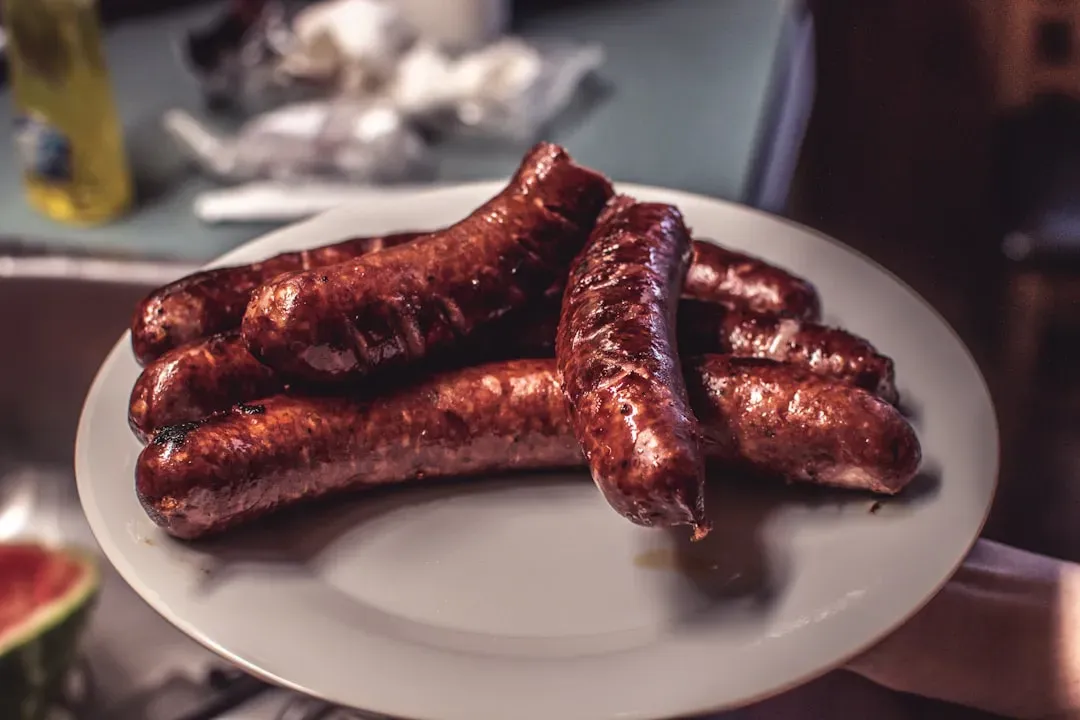
Ask someone in New Orleans about the city’s most iconic food, and you may hear gumbo or fried oysters, beignets or banana pudding. Two hours west in Cajun Country, though, there’s one definitive answer: boudin, a style of sausage that’s been a staple in Acadiana since French-speaking refugees from Canada first settled the region in the early 1800s. While white rice is a staple ingredient, protein and preparations vary, allowing for ample experimentation – there’s boudin blanc with pork, boudin noir with blood added, and seafood boudin with shrimp or crawfish.
The town of Scott has fewer than 10,000 residents, but it attracts more than 40,000 visitors for its April Boudin Festival, which includes a pageant, live Cajun music, and a boudin-eating contest. This is exactly the kind of dish that doesn’t translate well outside its home region. The flavor, the texture, the casual way it’s handed to you at a gas station counter – it only fully makes sense when you’re there.
4. Shrimp and Grits – The Lowcountry
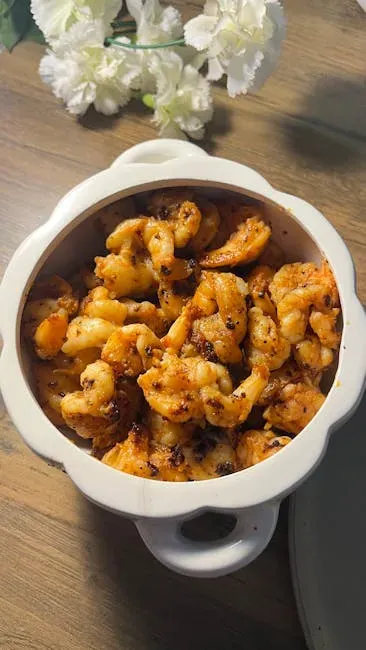
Shrimp and grits combines succulent shrimp with creamy grits in a harmonious blend of flavors and textures. With roots and influences from historically enslaved and oppressed Black and African American communities, today shrimp and grits are enjoyed for breakfast, lunch, and dinner across all demographics in the deep South. Charleston, South Carolina, in particular, has become something of a cathedral for the dish. The city’s chefs take pride in reinventing staple dishes like shrimp and grits and she-crab soup.
Charleston is home to more James Beard award-winning chefs outside of New York than almost any other small Southern city. The regional cuisine is a mix of the light and fresh flavors of a coastal city mixed with the heavy comfort of Southern favorites, with Caribbean and African flavors thrown in. That layered culinary history turns a simple combination of shellfish and porridge into something worth crossing state lines for.
5. Chicago Deep-Dish Pizza – Illinois
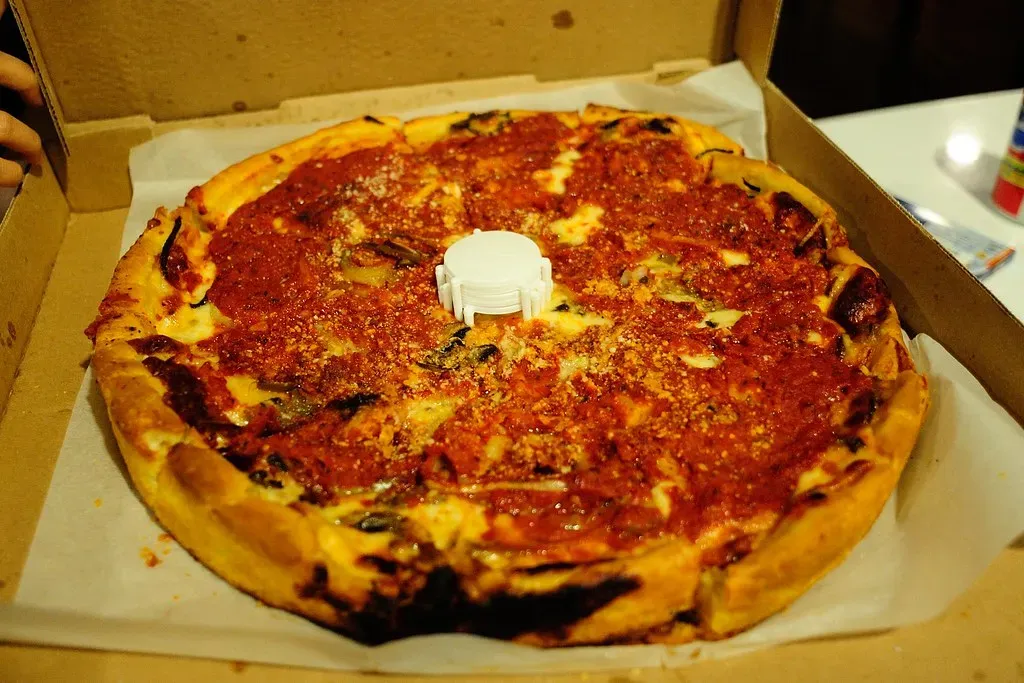
Chicago is synonymous with deep-dish pizza. This style includes a ton of cheese, sauce, and toppings, and is made in a cake pan, which allows the crust to be extra deep and flaky. The crust is key when it comes to the perfect deep-dish pizza – it is layered with butter to form a thick layer on the bottom as well as the sides. It’s closer to a savory pie than a conventional pizza, and longtime Chicagoans will happily tell you that’s the point.
You can go on eating tours of the best and most historic pizzerias in Chicago, as well as try other favorites in the city like Chicago-style hot dogs and Italian beef sandwiches. Chicago’s food scene is full of hearty, gooey, and iconic dishes. Deep-dish pizza, fully loaded hot dogs, Garrett popcorn, and Italian beef are all uniquely Chicago – the city is arguably the culinary capital of the Midwest. A serious pizza tour of Chicago can easily fill two days.
6. Philly Cheesesteak – Pennsylvania
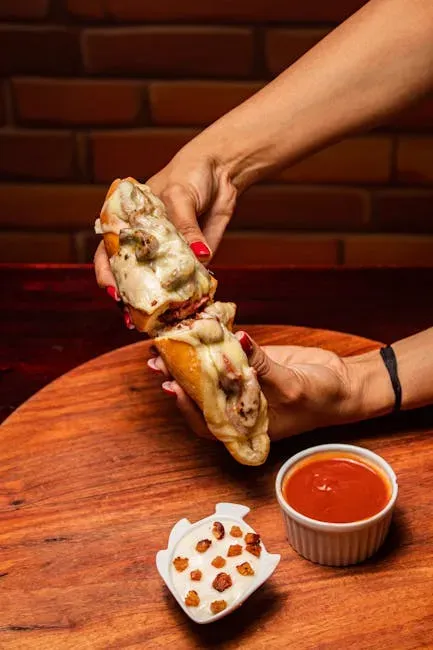
The cheesesteak – a combination of chopped steak, cheese, and grilled onions on a bun – is Philadelphia’s signature dish and has transitioned from regional specialty to one of America’s favorite sandwiches. Chipped steak topped with melted cheese stuffed into a white hoagie bun is the foundation of one of America’s most famous sandwiches, the Philly cheesesteak. While the namesake city will always wear the crown for this dish, hidden gem cheesesteak joints can be found across Pennsylvania and throughout the Northeast.
Still, nothing quite matches the original experience. The debate over which shop in Philadelphia makes the best version has been ongoing for decades and shows no sign of resolution. Part of the trip’s appeal is joining that argument in person, standing in line with locals at one of the city’s legendary spots and making your own judgment call. The sandwich travels fine; the atmosphere does not.
7. San Francisco Cioppino – California
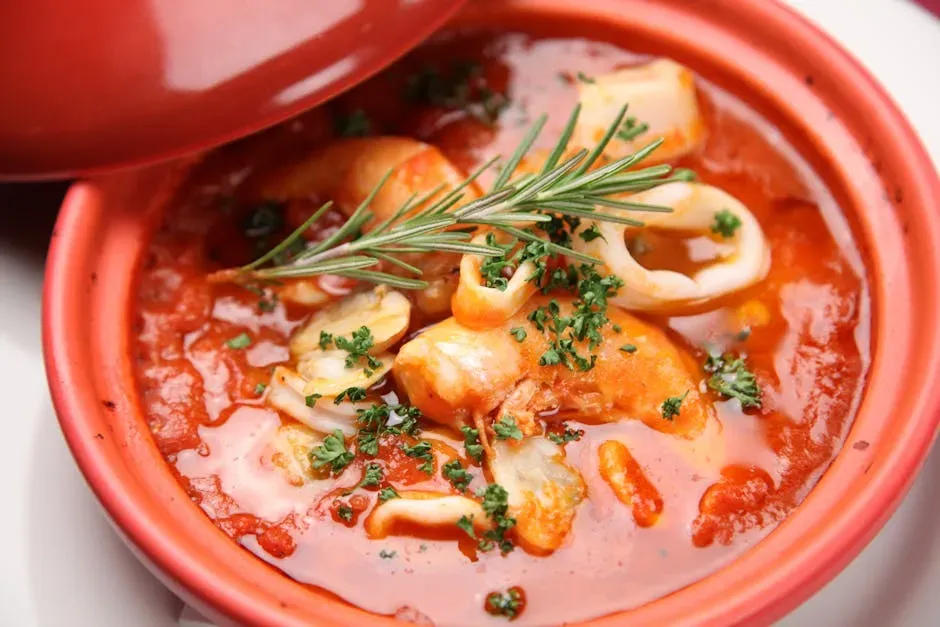
This fish stew began in San Francisco as a way to use up the day’s catch and whatever else was on hand. It was likely dreamed up by Italian immigrants, who based it on a similar soup popular in the Liguria region of Italy. Fishermen would combine part of their day’s catch into a large pot to be shared, making sure those who didn’t have any luck that day still had something to eat. The result was a dish featuring a tomato-based broth and a wide range of ingredients that changed each time it was made.
Today, cioppino is served throughout the country but is most popular in the Bay Area where it originated. The traditional version is made with whitefish, clams, shrimp, and mussels. The tomato broth is key, flavored with plenty of garlic and lemon. Some versions include noodles, but most come with thick slices of crusty bread, perfect for soaking up every delicious bite. Eating it at a table overlooking the Wharf, with a glass of local wine, is one of those simple travel experiences that sticks.
8. Breaded Pork Tenderloin Sandwich – The Midwest
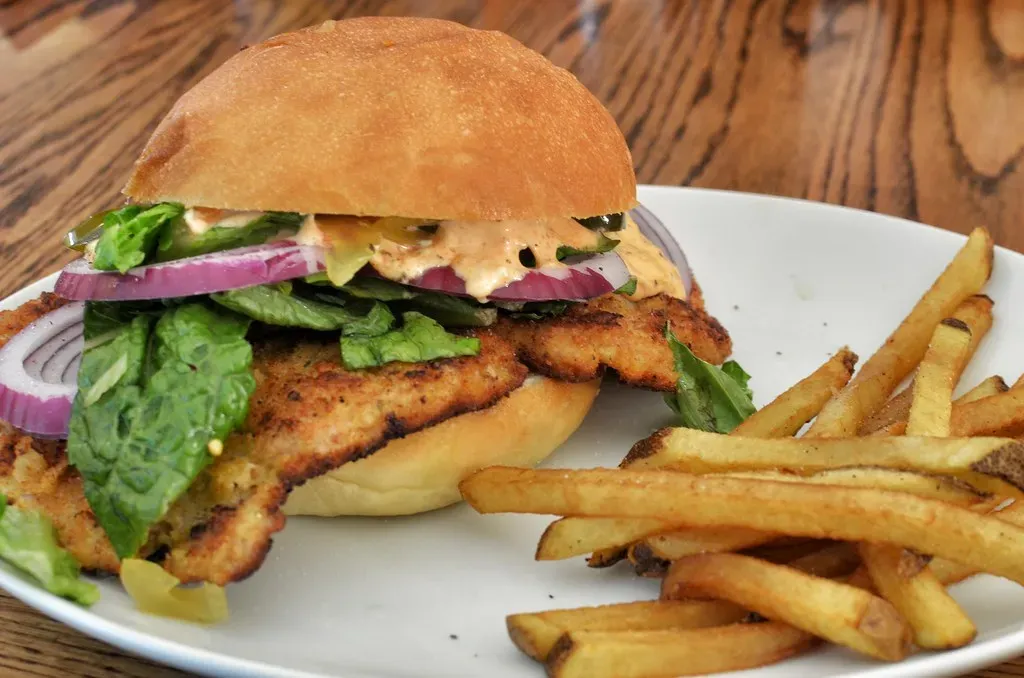
Think of the breaded pork tenderloin sandwich as a Midwestern answer to the Wiener schnitzel. Both Indiana and Iowa lay claim to the invention – a pounded, deep-fried piece of pork that, as a rule, spills out over the edges of its much-too-small hamburger bun. The comical size imbalance between meat and bun is entirely intentional, and questioning it will get you nowhere with a local. Each year, the Iowa Pork Producers Association crowns the best sandwich in the state, with the 2024 prize going to Dairy Sweet in Dunlap, a small town two hours west of Des Moines.
For a side of history with your pork, the 2012 contest winner, Breitbach’s Country Dining, opened in 1852 and ranks as the state’s oldest restaurant, rebuilt after a destructive 2007 fire and named a James Beard Foundation America’s Classic in 2009. The sandwich is humble by design, deeply tied to Midwestern identity, and best eaten at a small-town diner where nothing about the decor has changed since the 1980s.
9. New Mexican Hatch Chile Dishes – New Mexico
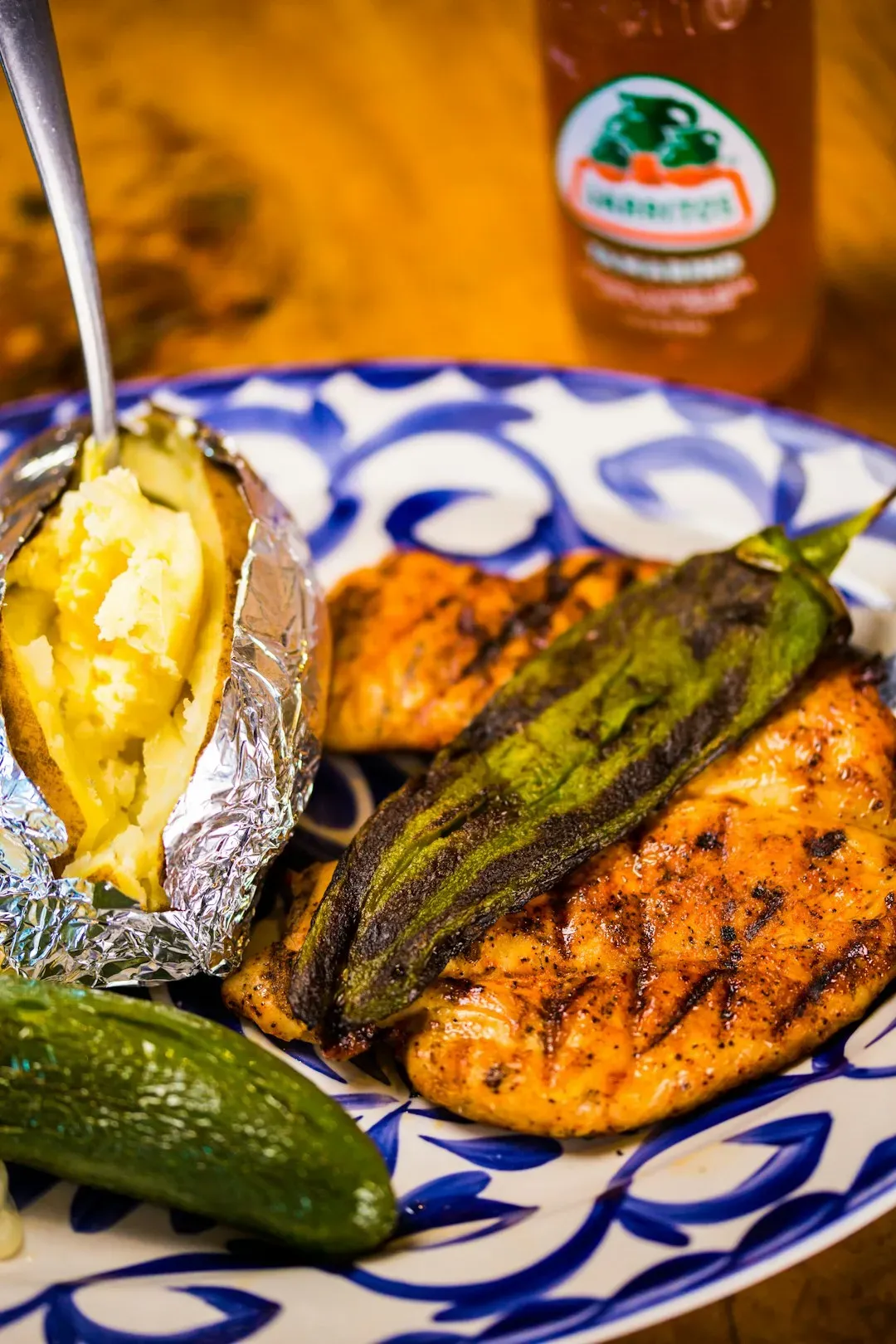
Southwestern cuisine is all about the chiles, especially Hatch chiles. Hatch chile stew, Hatch chile sauce, and basically everything Hatch chile is worth trying. There’s even an annual Hatch Chile Festival in New Mexico dedicated entirely to the colorful peppers. Santa Fe is a city with a distinct regional cuisine that is often overlooked. New Mexican food is special, owing largely to its use of Hatch chiles, which were first introduced to the region in none other than Santa Fe.
The question every New Mexico restaurant will ask you – red or green? – refers to the chile sauce that goes on nearly everything, from enchiladas to huevos rancheros. Ordering “Christmas” means you want both, which is generally the right call. Quintessential Tucson and New Mexican dishes have a history that stretches back 4,000 years and incorporates a blend of Native American and Mexican influences. The depth of that history comes through in every bowl.
10. Minnesota Wild Rice Dishes – The Upper Midwest
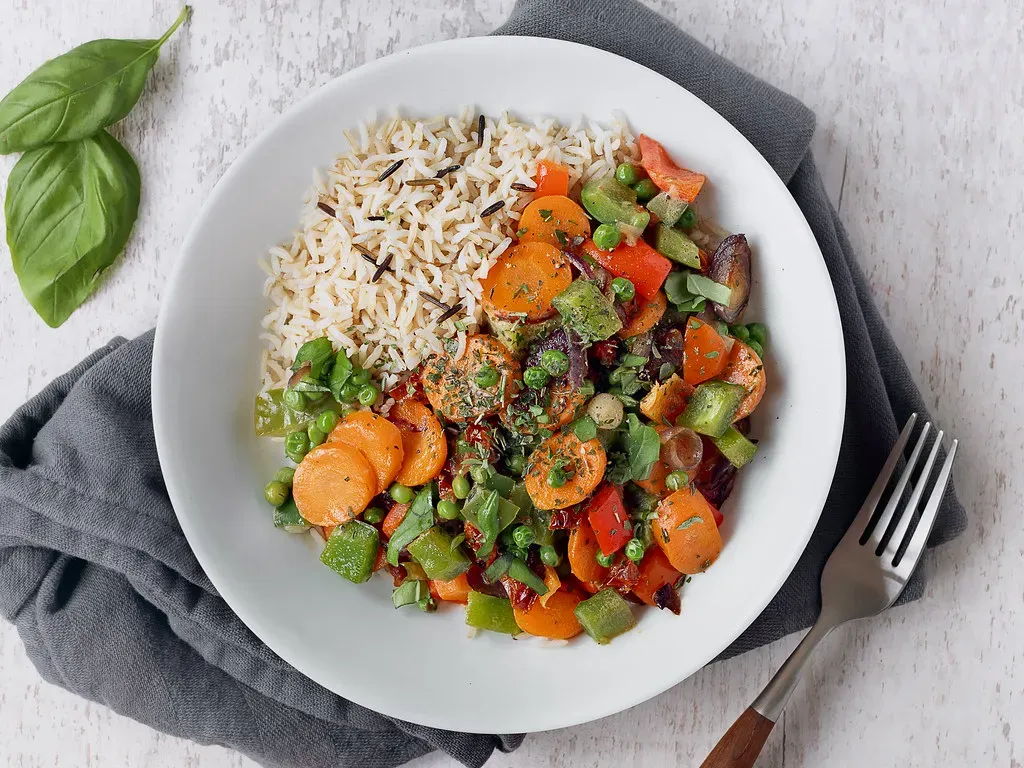
In Roseville, a Twin Cities suburb, the annual Wild Rice Festival in September celebrates the fall harvest with demonstrations, taste tests, and a habitat exhibit. Wild rice is not actually a rice at all – it’s an aquatic grass seed that has been central to the diet and culture of Anishinaabe communities in the Great Lakes region for thousands of years. The Gatherings Café, at the American Indian Center in Minneapolis, serves bison and fish melts on wild rice bread, under the guidance of Anishinaabe chefs.
At Bûcheron, which won the 2025 James Beard Award for best new restaurant, venison loin is served with Minnesota wild rice, summer sausage, roasted apple, and celery root, while farther north, Bemidji’s Wild Hare Bistro sources wild rice from the Red Lake Nation and folds it into blueberry muffins and wild rice salad sandwiches. Few ingredients in American cooking carry as much cultural meaning as this one. Eating it thoughtfully, at a restaurant that honors its origins, makes the experience something more than just a meal.
What makes these dishes genuinely worth the travel is not just the taste – it’s the context. The local loyalty, the decades of argument over who does it best, the specific combination of place and ingredient and tradition that can’t quite be replicated anywhere else. The food is the destination, and in each of these cases, the destination delivers.



Leave a Reply