
Dining out comes with a set of unwritten rules that most people absorb without ever really questioning them. Some of those habits get quietly judged as stingy or awkward, even though they’re rooted in practicality, courtesy, or plain common sense. Take a closer look and you’ll find that a handful of behaviors people worry look cheap are actually the opposite: they show respect for the restaurant, the staff, and the other diners around you.
1. Asking for a to go box for leftovers
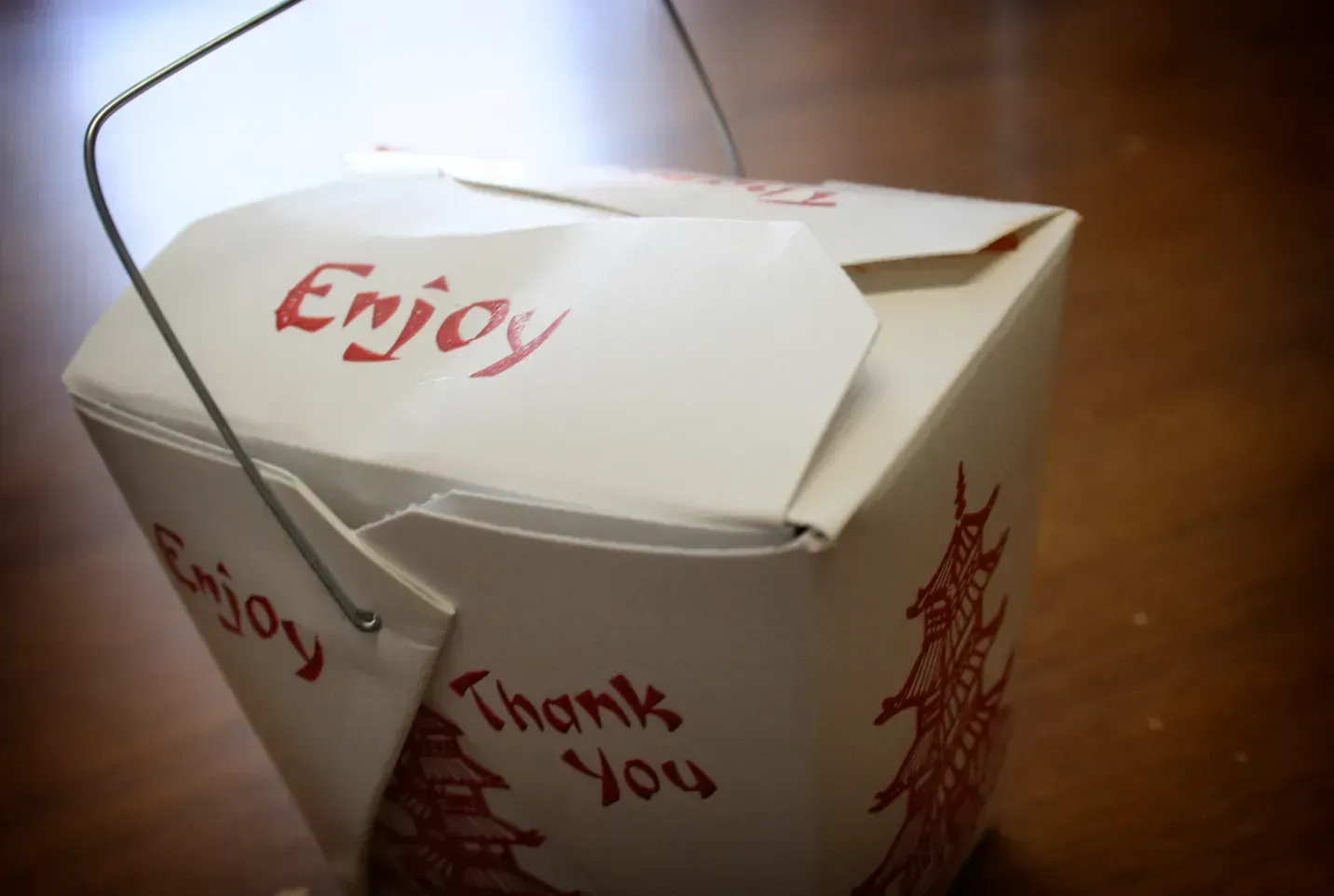
Requesting a container for half a sandwich or the untouched rice on your plate isn’t a sign of pinching pennies. It’s basic food waste reduction, something restaurants themselves have been pushing for years as portion sizes have grown well beyond what most people can finish in one sitting. Many kitchens now build “shareable” or oversized entrees into their menus specifically because they expect diners to take part of it home.
Servers see this request dozens of times a shift and think nothing of it. If anything, leaving a huge amount of food untouched can come across as wasteful or even mildly insulting to the kitchen that prepared it. Boxing up leftovers respects the effort that went into the meal and keeps good food out of the trash.
2. Splitting one dessert between two people
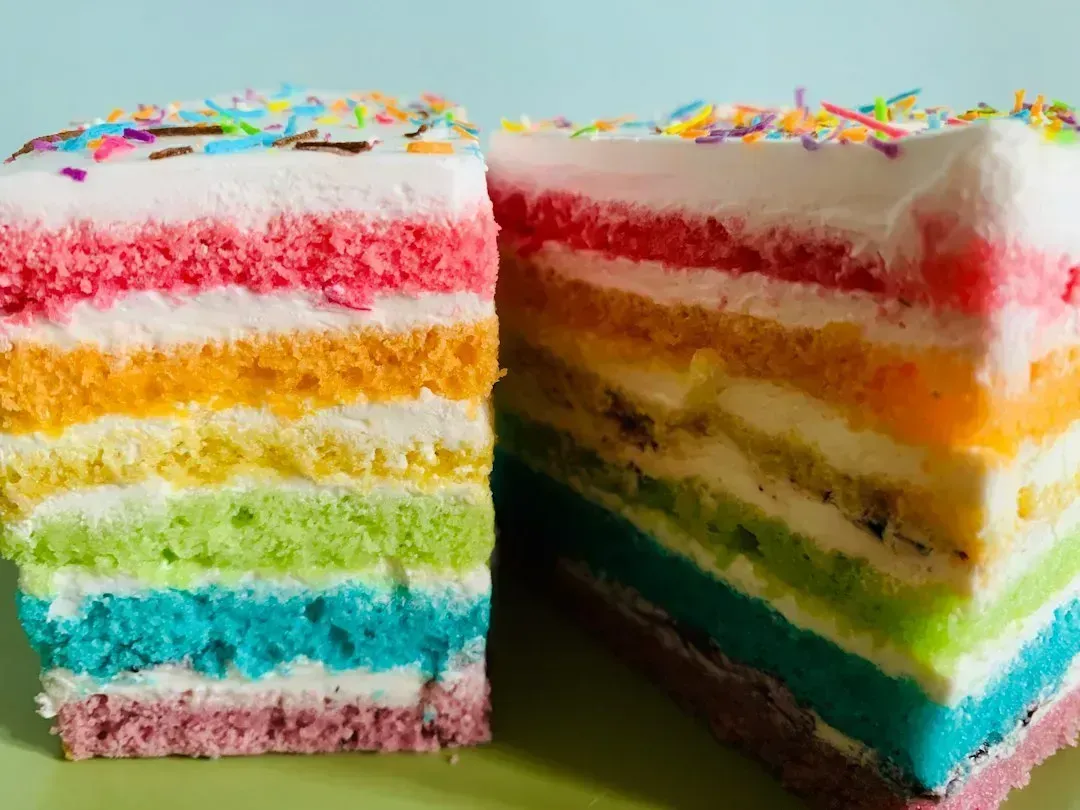
Sharing a single slice of cake or a plate of tiramisu might look like a way to save a few dollars, but it’s actually a smart, socially normal move. Restaurant desserts are frequently portioned for sharing, and many places even bring two forks automatically because the request comes up so often. It also solves the classic dinner problem where nobody wants a full dessert but everyone wants a bite of something sweet.
Chefs generally don’t mind this at all, since it still results in a dessert sale rather than none. The only real etiquette point is to ask for an extra spoon or fork rather than digging in with your own used one. That small courtesy keeps the moment tidy and pleasant for both diners and staff.
3. Ordering tap water instead of bottled or sparkling
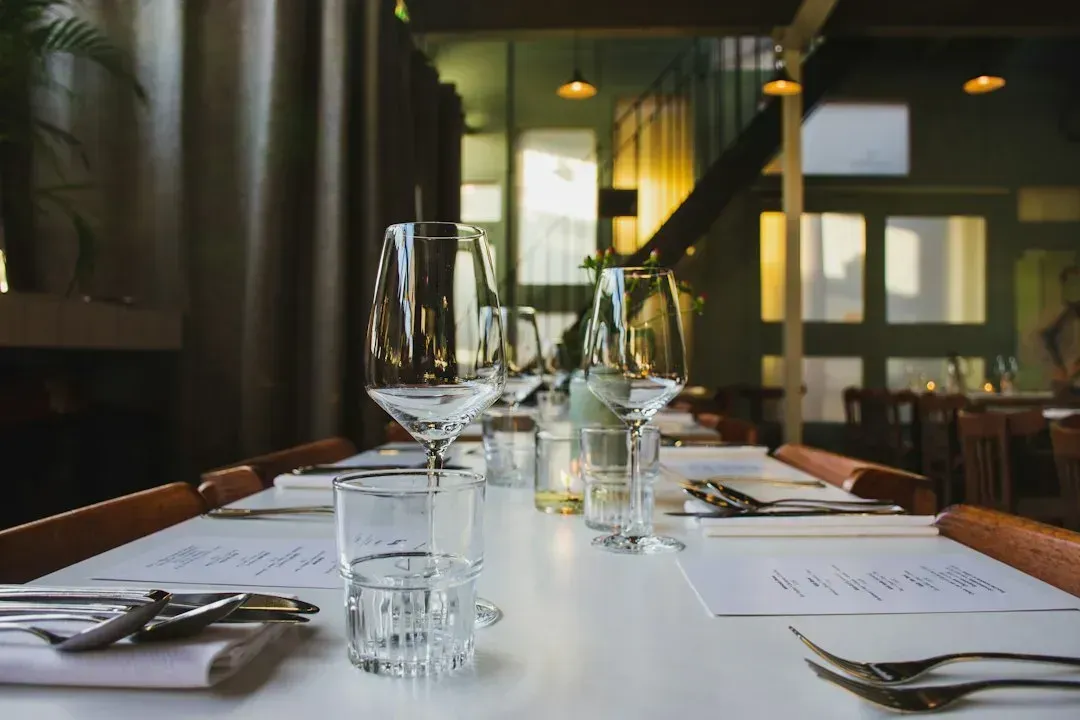
Sticking with tap water rather than an eight dollar bottle of imported mineral water can feel like the frugal choice at the table, but it’s simply a normal, accepted order almost everywhere. Restaurants are required in most places to provide drinking water on request, and servers pour it without a second thought. There’s no stigma attached to it in casual or fine dining settings alike.
In fact, ordering tap water is often the more environmentally conscious choice, since it skips the packaging and transport footprint of bottled options. Plenty of health conscious diners choose it purely for taste or hydration reasons, not cost. It’s one of the least controversial requests you can make at a restaurant.
4. Asking for substitutions to fit a budget
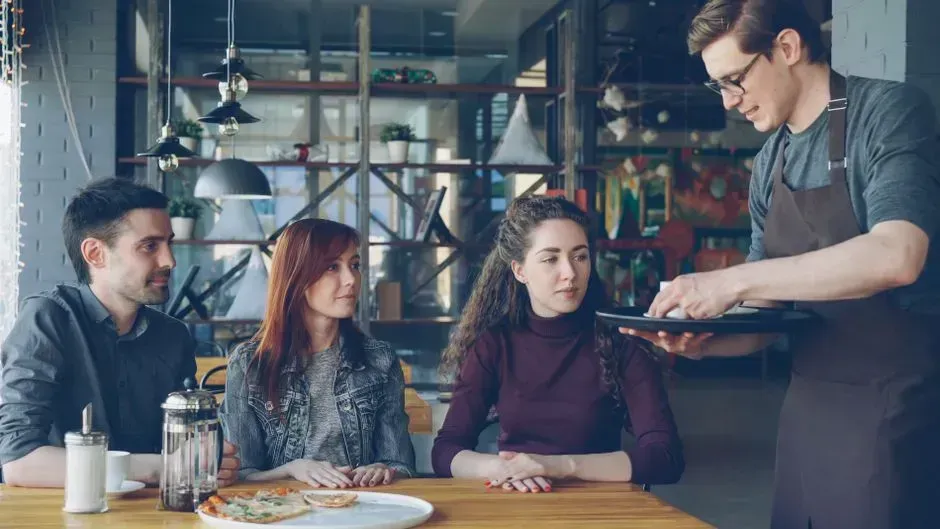
Swapping a pricier side for a cheaper one, or asking if a smaller portion is available, isn’t rude if it’s done politely and the kitchen can reasonably accommodate it. Many restaurants list substitution options directly on the menu precisely because customers ask for them so often. A simple, direct request phrased as a question rather than a demand is almost always received well.
Servers are generally happy to check with the kitchen, and most substitutions that don’t involve extensive prep changes get approved without friction. The key is timing and tone: asking calmly before ordering works far better than complaining after the fact. This kind of flexibility helps diners stay within budget without skipping dining out altogether.
5. Splitting the bill evenly instead of itemizing
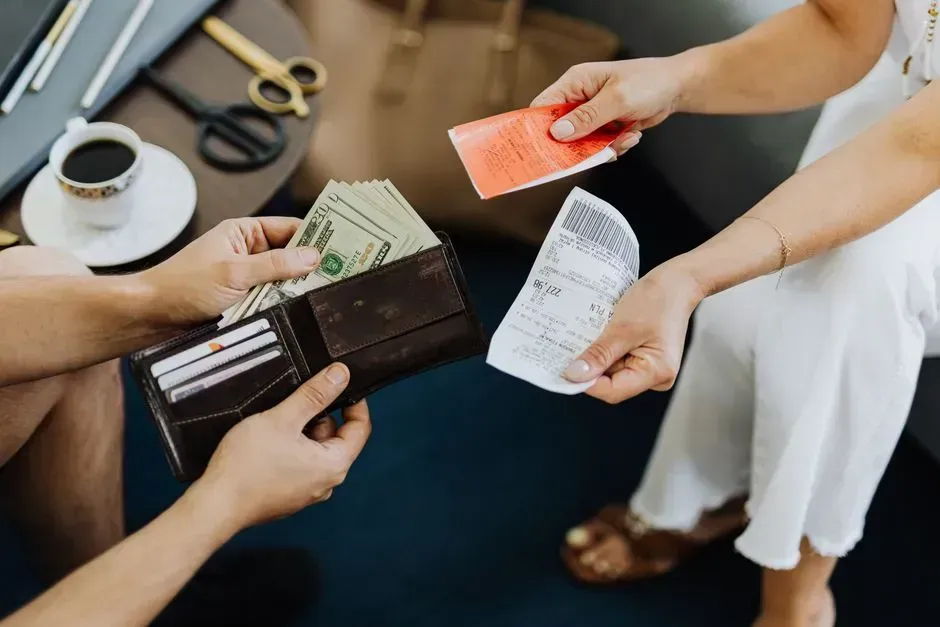
Dividing the check evenly among a group, even when orders varied slightly in price, often gets mistaken for cheapness when someone got the pricier entree. In reality, it’s frequently the more considerate option because it avoids turning dinner into a math exercise at the table. Restaurants have also adapted, with many point of sale systems now offering built in bill splitting tools that make this process smooth.
Insisting on itemizing every soda and side down to the penny can slow down table turnover and create tension among friends. Even split arrangements work best among regular dining companions who trust the balance will even out over time. It keeps the social focus on the meal rather than on a spreadsheet.
6. Bringing your own reusable container from home
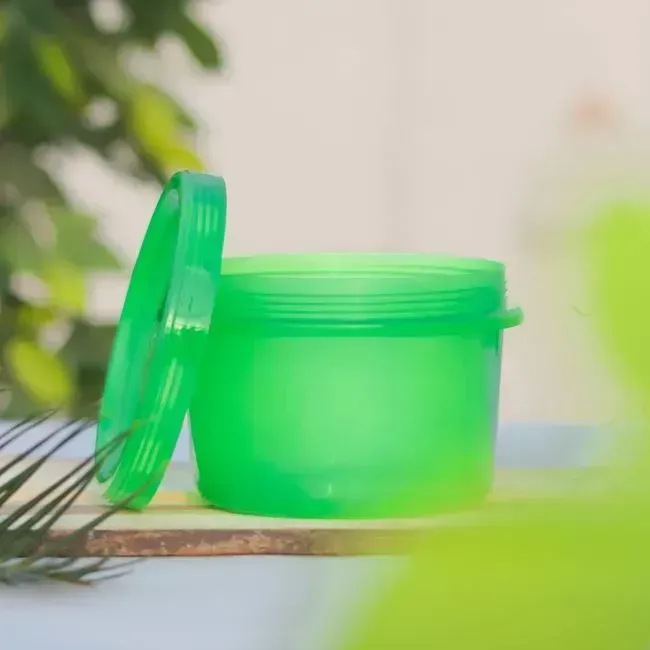
Showing up with a personal container for leftovers instead of relying on the restaurant’s disposable ones might look overly frugal, but it’s become a recognized sustainability practice. A growing number of restaurants across the United States and Europe have adjusted policies to allow customers to bring their own containers, partly in response to environmental concerns and rising packaging costs. Some cities have even passed local ordinances encouraging reusable takeout options.
Health regulations vary by location, so it’s worth asking staff before assuming it’s allowed, but the practice is increasingly normalized rather than frowned upon. It reduces single use plastic and foam waste, which restaurants themselves often want to cut back on for cost and environmental reasons. Servers rarely bat an eye at the request in cities where it’s become common.
7. Skipping the appetizer or dessert course
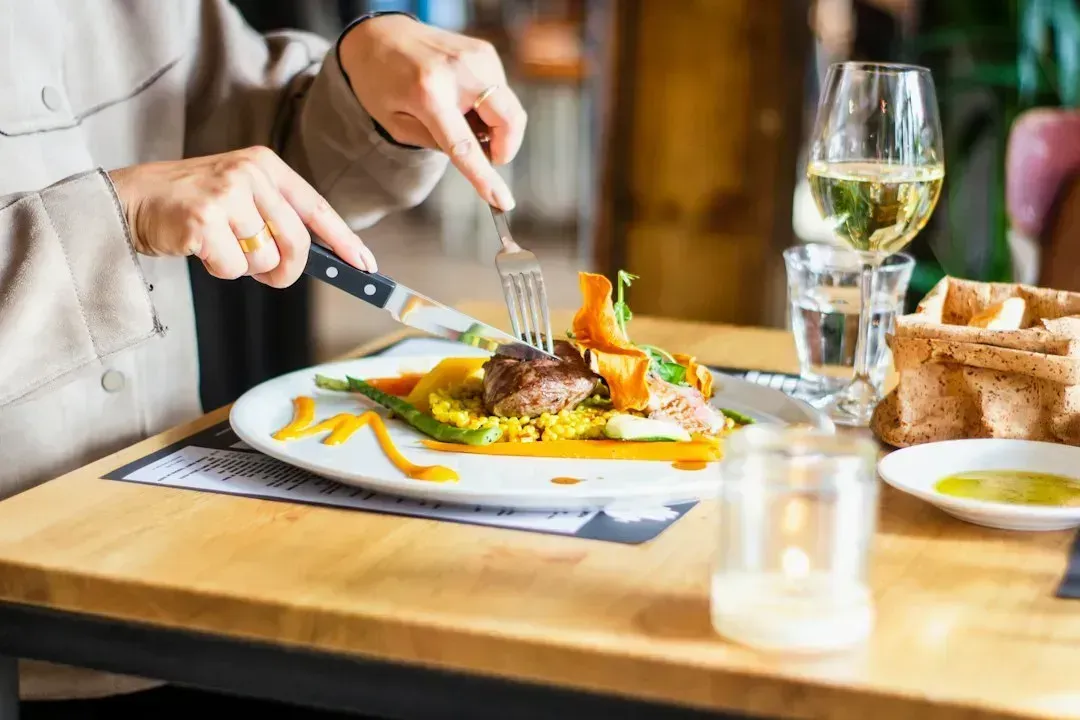
Ordering just a main course without appetizers or dessert can feel like you’re being tight with money, especially at restaurants that build their menu around multi course dining. In reality, no restaurant expects every table to order every course, and servers are trained to accommodate diners who simply want a lighter meal or have dietary reasons for eating less. Menus are designed with flexibility in mind precisely because not everyone dines the same way.
Skipping courses is also common among diners managing calorie intake, food allergies, or simply appetite on a given day. Restaurants make plenty of margin on beverages, mains, and add ons even when a table skips extras. There’s no unwritten rule requiring a full three course experience every time you sit down.
8. Asking for the early bird or happy hour menu
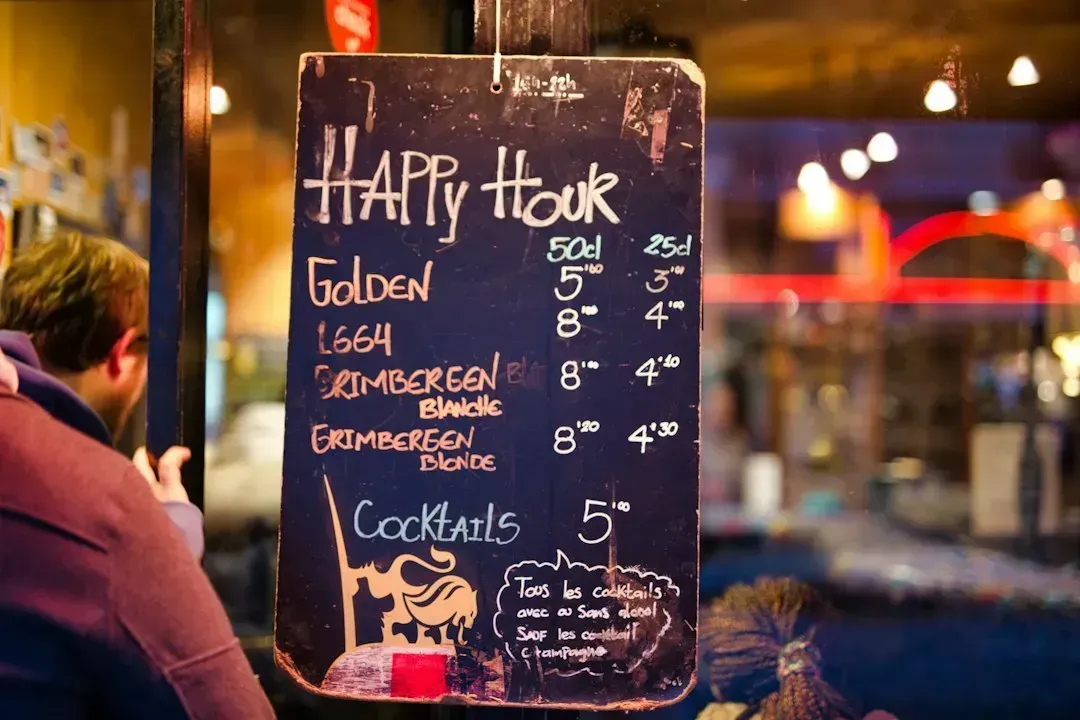
Requesting the discounted early evening menu instead of full priced dinner options isn’t a mark of cheapness, it’s simply using pricing that the restaurant itself created and promotes. Early bird specials and happy hour deals exist specifically to fill tables during slower hours, benefiting both the diner and the business. Restaurants advertise these windows because they want customers to take advantage of them.
Staff are well aware of these deals and process them constantly without judgment, since they’re built into daily operations rather than treated as exceptions. Choosing to dine during these windows is a practical decision that helps restaurants manage traffic evenly throughout the day. There’s genuinely no shame in timing a meal around a better price.
9. Bringing your own wine to a BYOB spot
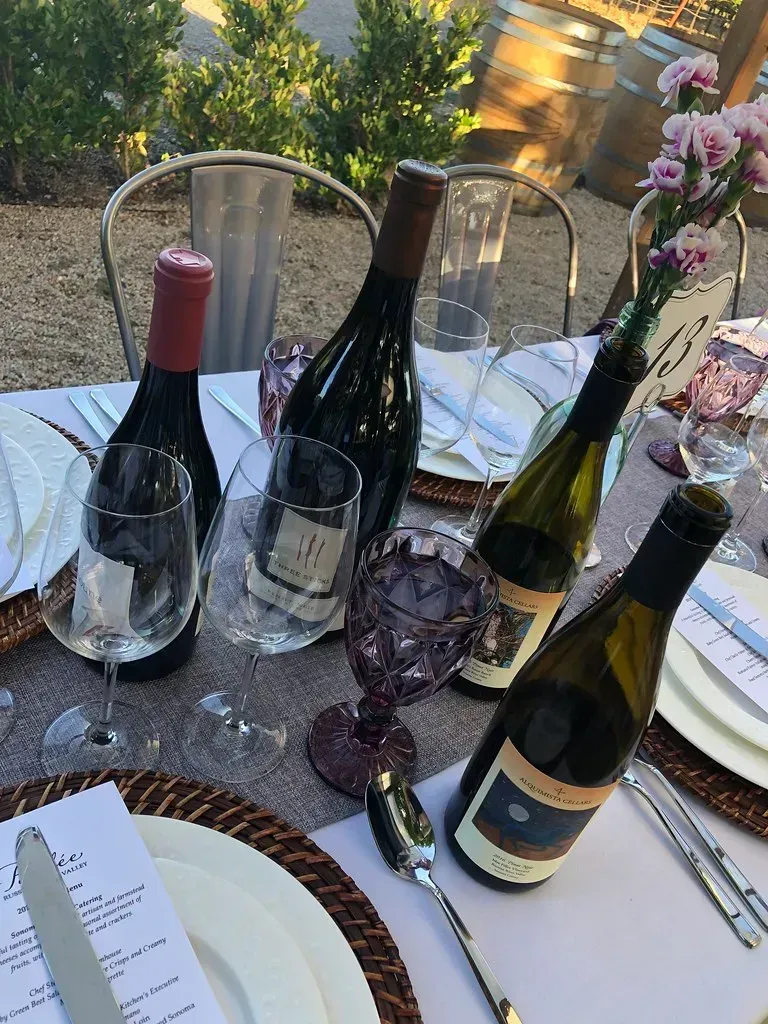
Bringing a bottle from home to a restaurant that allows it might seem like a way to dodge markup pricing, and in a sense it is, but that’s exactly the point of a BYOB policy. Many restaurants, particularly smaller or ethnic cuisine spots, choose not to carry a liquor license and instead let guests bring their own alcohol as a deliberate business model. It keeps operating costs lower for the restaurant while giving diners more control over what they drink.
Corkage fees, when charged, are a standard and transparent part of this arrangement rather than a penalty for using the option. Following the posted policy respectfully, including any bottle limits, is simply playing by rules the restaurant set up on purpose. It’s a mutually beneficial system rather than a loophole.
10. Asking for the check as soon as the meal is finished
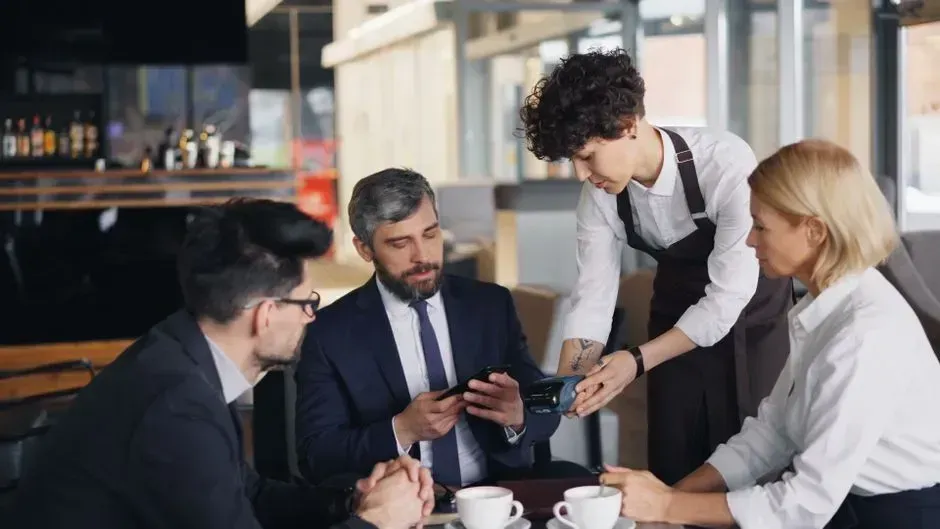
Requesting the bill right after the last bite instead of lingering over the table can feel abrupt, as if you’re rushing to avoid ordering more. In busy restaurants, though, this habit is actually appreciated by staff trying to turn tables efficiently during peak hours. Restaurants depend on table turnover to serve as many guests as possible during dinner rushes, and a quick, clear request for the check helps that process along.
There’s a difference between being abrupt and being efficient, and asking politely once the meal is clearly done falls into the second category. Servers generally prefer a clear signal over guessing whether a table is finished or just taking a pause. It respects both the server’s workflow and the next group waiting for a table.
Etiquette at restaurants has never been about spending the most money or ordering the most courses. It’s about respecting the people serving you, minimizing waste, and moving through a meal with consideration for everyone involved, including the diners waiting for your table next.




Leave a Reply