
A bored dog rarely announces it. Instead, the signs tend to show up as chewed shoes, a shredded cushion, or barking that starts the moment you sit down for dinner. Many owners read these habits as bad behavior, when trainers often see unmet needs behind them.
Dogs were bred for work like herding, hunting, and guarding, and most modern pets get far less to do than their instincts expect. Veterinary and behavior organizations such as the American Kennel Club and the ASPCA both link boredom to common behavior problems. Here are ten signs trainers commonly point to.
Destructive Chewing

Chewing is normal for dogs, but it becomes a red flag when it targets furniture, baseboards, or your belongings. Trainers often see this in dogs left alone for long stretches without anything engaging to do. The mouth is simply the easiest tool a dog has for entertainment.
Timing matters here. If the damage happens mostly while you’re out, boredom or anxiety is a likely cause. Puppies and teething adolescents chew for other reasons, so age is worth considering before drawing conclusions.
Barking or Howling Without an Obvious Trigger

Some dogs bark at nothing in particular, and it often goes on for a long time. Behavior guidance from the ASPCA lists boredom as one of the usual reasons for excessive barking, alongside fear and territorial alerting. A dog with no outlet may bark just to create some activity.
Pay attention to when it happens. Barking that builds during quiet, uneventful hours points more toward boredom than barking set off by a doorbell. Howling can follow the same pattern, especially in breeds that are naturally vocal.
Digging in the Yard or the Couch
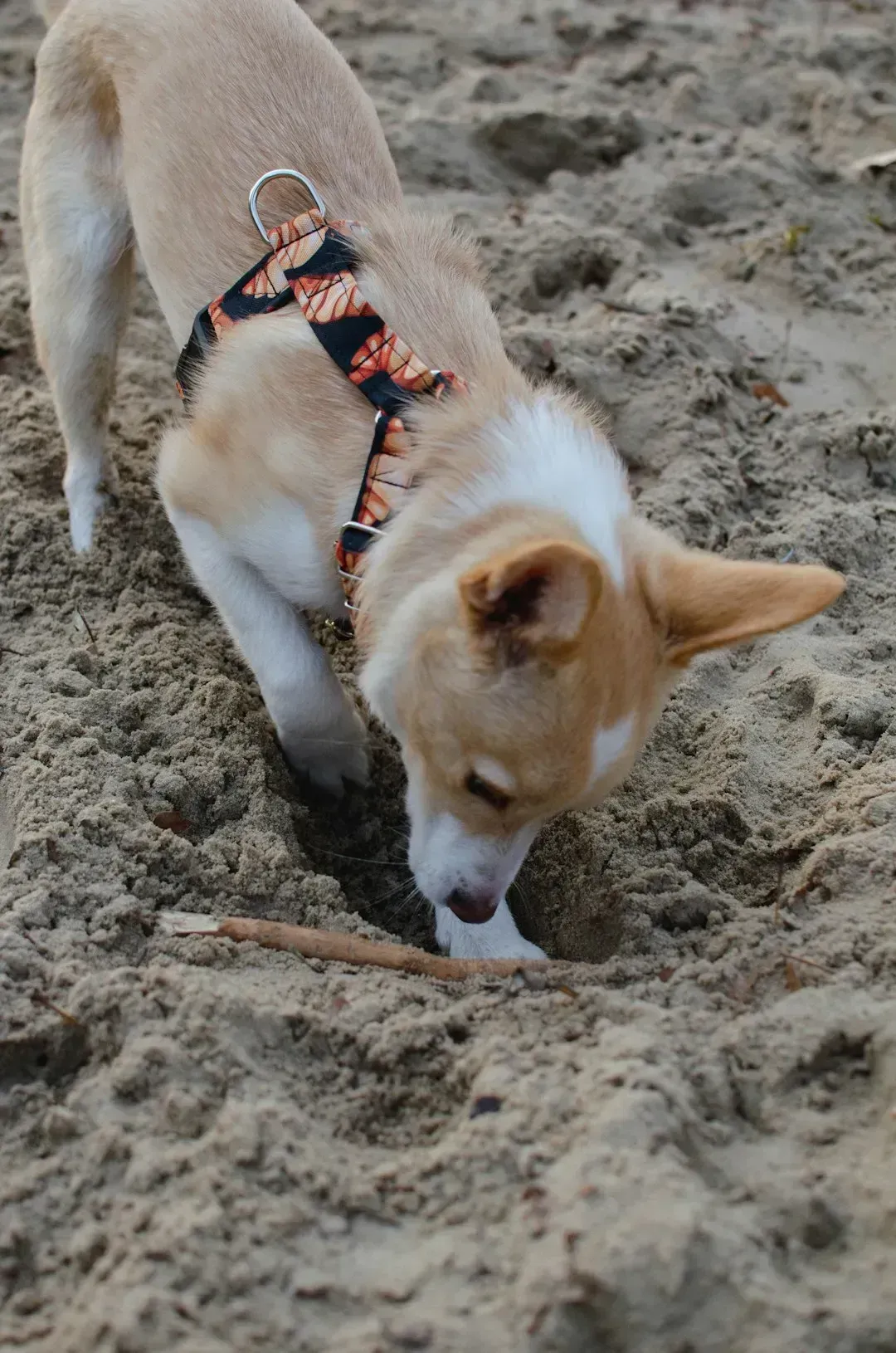
Digging is self-rewarding for many dogs, particularly terriers and other breeds developed to go after burrowing animals. Holes in the garden can be a sign that a dog is making its own fun. Indoors, the same urge shows up as scratching at carpets, bedding, or sofa cushions.
Trainers usually look at the whole picture. A dog that digs only while unsupervised and has few other activities is probably filling empty time. Temperature seeking and escape attempts can also cause digging, so context helps.
Pacing and Restlessness

A dog that wanders from room to room, can’t settle, or keeps changing sleeping spots may be short on stimulation. It looks like a dog searching for something to do and not finding it. Trainers often describe this as a dog that has energy with nowhere to put it.
Restlessness can also come from pain, anxiety, or health issues, especially in older dogs. If pacing is new or intense, a vet visit is a sensible first step. Boredom is the likelier explanation only once medical causes are ruled out.
Constant Attention Seeking

Does your dog nudge your hand, drop toys in your lap, or follow you everywhere? This can simply be affection, yet it may also signal that your dog has run out of things to do. Pawing, staring, and pestering are cheap ways to get a response.
Dogs learn quickly what works. If every nudge earns a reaction, even a scolding, the habit gets stronger. Trainers often suggest giving structured activity before the pestering starts, rather than reacting after.
Excessive Licking or Chewing at Their Own Body

Repetitive licking of paws, flanks, or legs can develop when a dog lacks mental or physical outlets. Veterinary sources note that boredom and stress can contribute to compulsive behaviors, though allergies and skin problems are far more common culprits. Because of that overlap, a medical check should come first.
If the skin is healthy and the licking happens during idle stretches, boredom becomes more plausible. Left alone, repetitive habits can turn into sores or hot spots. Early attention keeps a small habit from becoming a bigger problem.
Getting Into the Trash or Stealing Items

Raiding the bin, swiping socks, and grabbing remote controls can be a dog’s version of a hobby. These items are interesting, smell strong, and often get a big reaction from you. That reaction can turn into a game the dog wants to repeat.
Trainers often recommend swapping the forbidden item for something appropriate, such as a food puzzle or chew. Making the trash harder to reach helps as well. The goal is to give the dog a better option, not just to remove a bad one.
Escaping the Yard or Slipping Out the Door

A dog that keeps testing the fence, bolting through open doors, or wandering off is often looking for adventure. Boredom can push a dog to explore beyond the limits of a dull routine. Some breeds, including many working and hound types, are especially prone to this.
Escape attempts carry real safety risks, from traffic to getting lost. Secure fencing is the immediate fix, though trainers say more daily activity tackles the cause. A dog with a full day behind it is generally less interested in leaving.
Losing Interest in Toys and Seeming Flat

Boredom does not always look energetic. Some dogs sleep more than usual, stare out the window, or ignore toys they once loved. This quieter form can be easy to miss because the dog isn’t causing any trouble.
Toy rotation is a trainer favorite here. Putting a few toys away and bringing out others later can make old items feel new. Still, a sudden drop in energy or appetite deserves a vet check, since illness can look similar.
Sudden Bursts of Hyperactivity

Zoomies are normal and often funny, yet frequent, frantic bursts at odd moments can signal pent up energy. Dogs that get little exercise may release it all at once, often in the evening or right after you get home. They might also leap, mouth hands, or race around the house in a way that’s hard to calm.
Trainers typically recommend a mix of physical exercise and mental work, such as sniff walks, training games, and puzzle feeders. Mental effort can tire a dog as much as a run does. Breed, age, and health all affect how much a dog needs, so the right amount varies from one dog to the next.





Leave a Reply