
The turkey gets the attention, but the side dishes are where Thanksgiving tables really split apart. Two families can sit down on the same Thursday in November and share almost nothing beyond the bird. Geography, immigrant traditions, local crops and family habit all leave fingerprints on the plate.
Here are ten sides that change the most as you travel across the country. Some differ in name only, while others turn into entirely different recipes.
Stuffing and Dressing
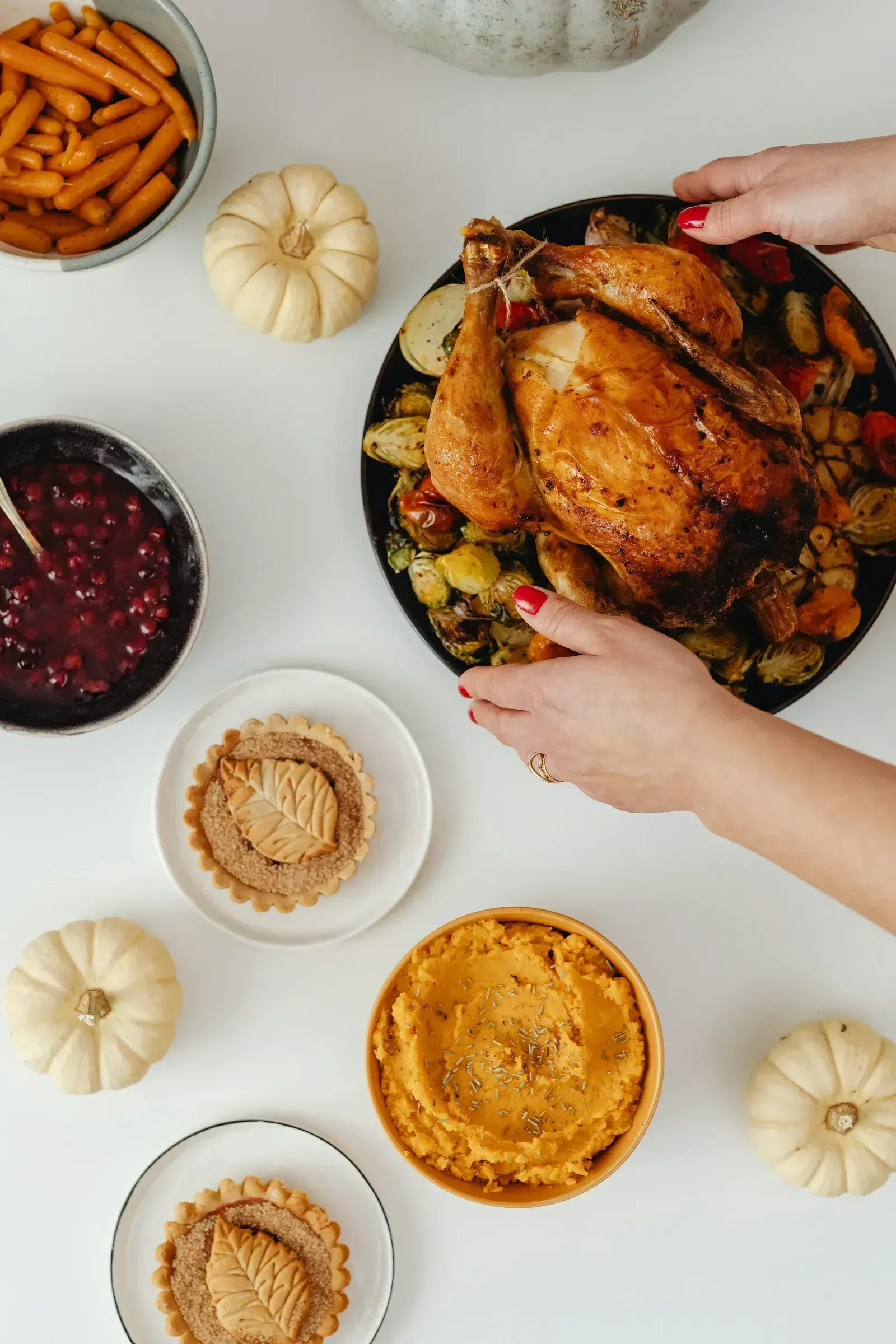
The name alone divides the country. In much of the South, cornbread dressing baked in a pan is the standard, often seasoned with sage, celery and onion. Across the Northeast and Midwest, cubes of white or wheat bread are more typical, and many cooks still call it stuffing even when it never goes near the turkey.
Regional add-ins push the split further. Oyster stuffing has long roots in New England and the Mid Atlantic, where seafood was easy to come by. In Louisiana, cooks sometimes build dressing around rice, ground meat and the seasoning base of onion, bell pepper and celery.
Sweet Potato Casserole
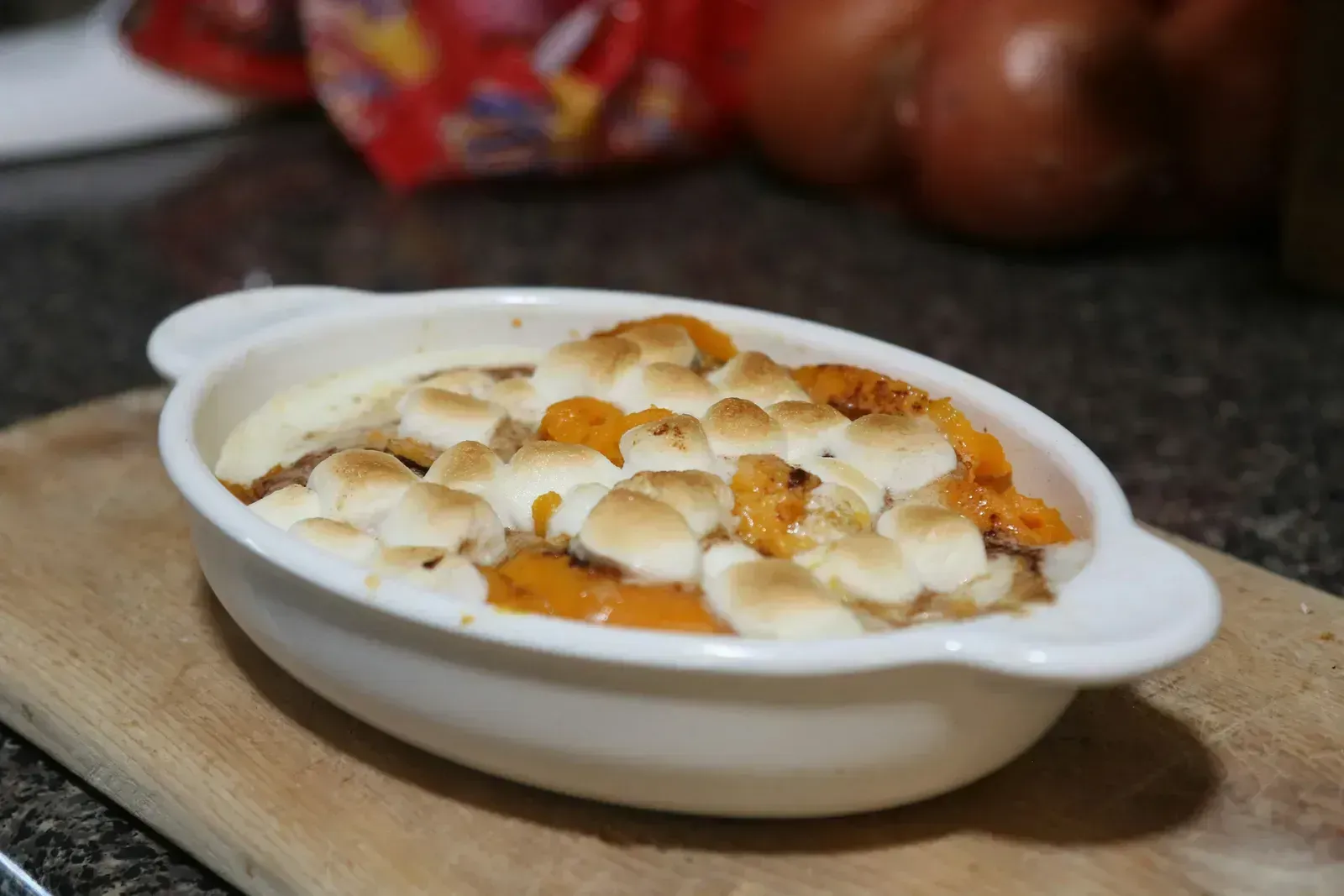
Sweet potatoes show up nearly everywhere, but how they’re dressed changes a lot. A common version across the country is mashed sweet potatoes topped with toasted marshmallows. In the South, many cooks lean toward a pecan streusel topping instead, which makes the dish feel closer to dessert than to a vegetable.
North Carolina is the nation’s leading sweet potato grower, so it’s no surprise that the vegetable gets serious treatment there. Candied yams, simmered in butter, sugar and warm spices, are a longtime tradition in many Southern and Black American households. The name “yam” is mostly a holdover, since the orange root sold in American stores is typically a sweet potato.
Cranberry Sauce
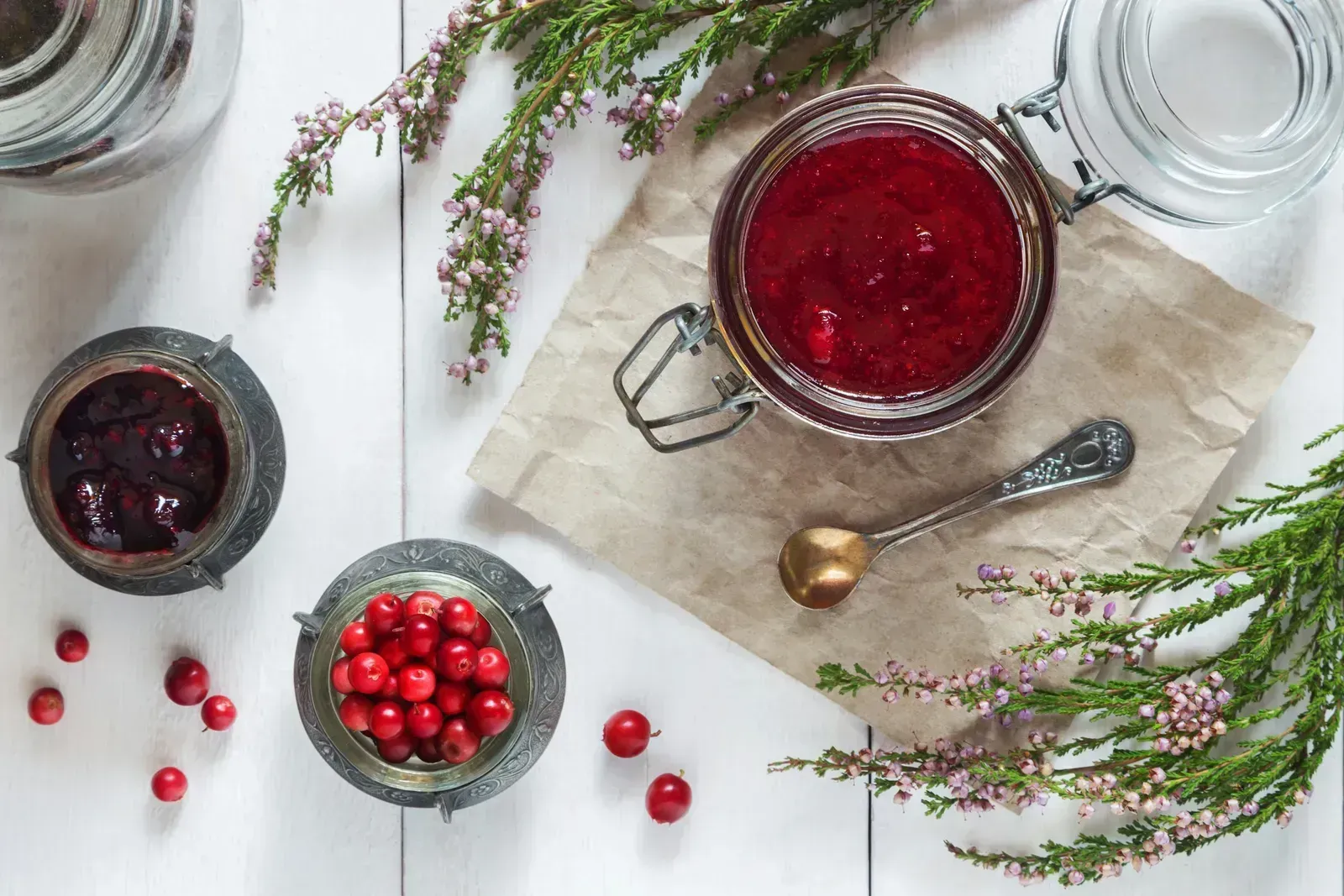
Cranberries are native to North America, and the states that grow them tend to take them seriously. Wisconsin is the nation’s largest producer, with Massachusetts also among the leaders. In New England, homemade sauce with orange zest, whole berries or a splash of maple is common.
Elsewhere, plenty of households wouldn’t consider the meal complete without the canned, jellied cylinder that still shows the ridges from the can. Some prefer relish made with raw berries, oranges and sugar, which tastes sharper and fresher. Neither camp tends to budge.
Macaroni and Cheese
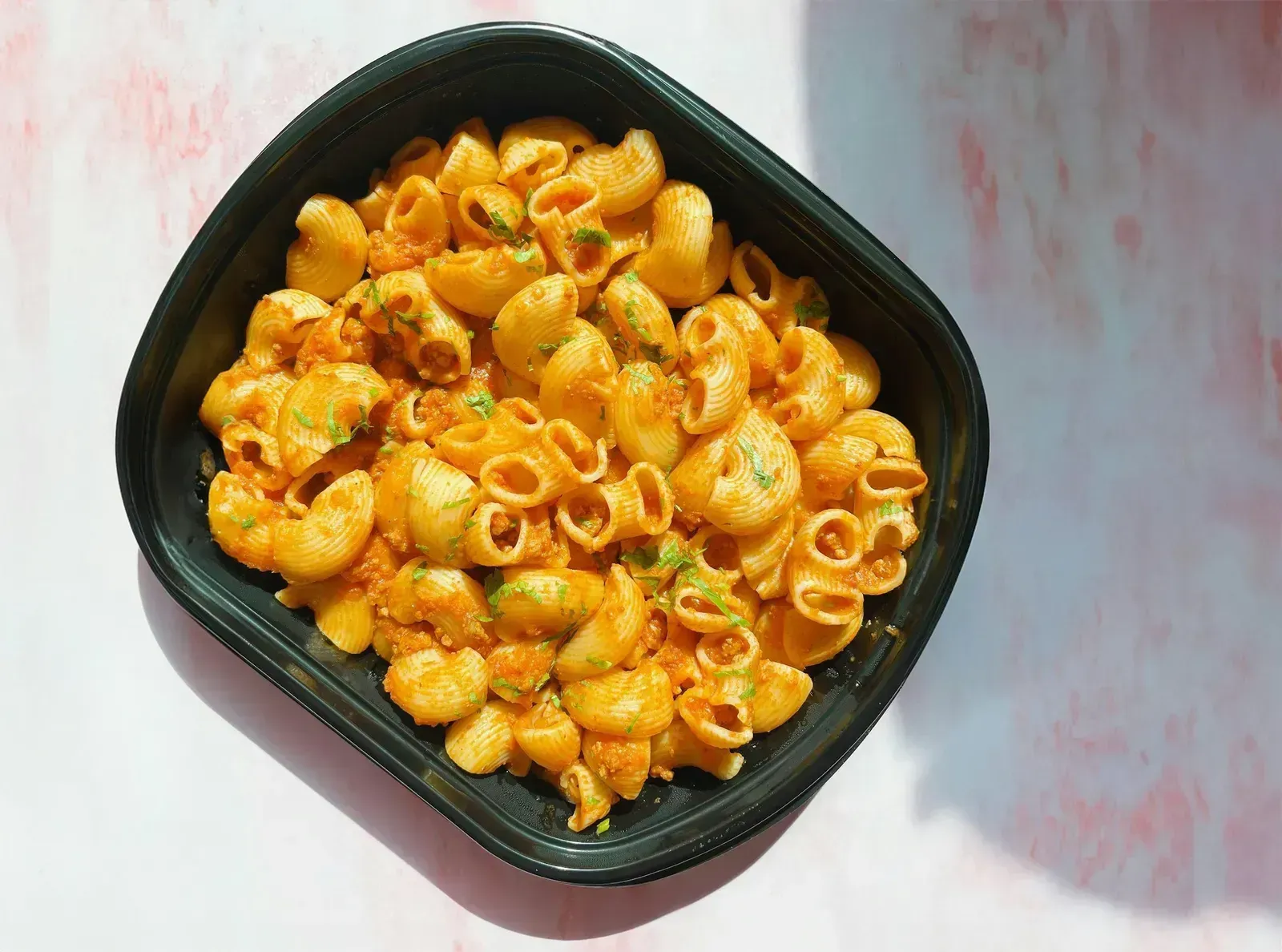
In many Southern homes, baked macaroni and cheese is not an optional extra. It sits on the Thanksgiving table beside the turkey, and it’s treated as a main attraction. The dish has deep roots in Black Southern cooking, and the best versions are usually baked until the edges turn crisp and golden.
Recipes vary even within the South. Some cooks use a custard style base of eggs and evaporated milk, while others build a classic cheese sauce. In parts of the North, the dish is more likely to be absent altogether, replaced by extra potatoes or another casserole.
Green Bean Casserole
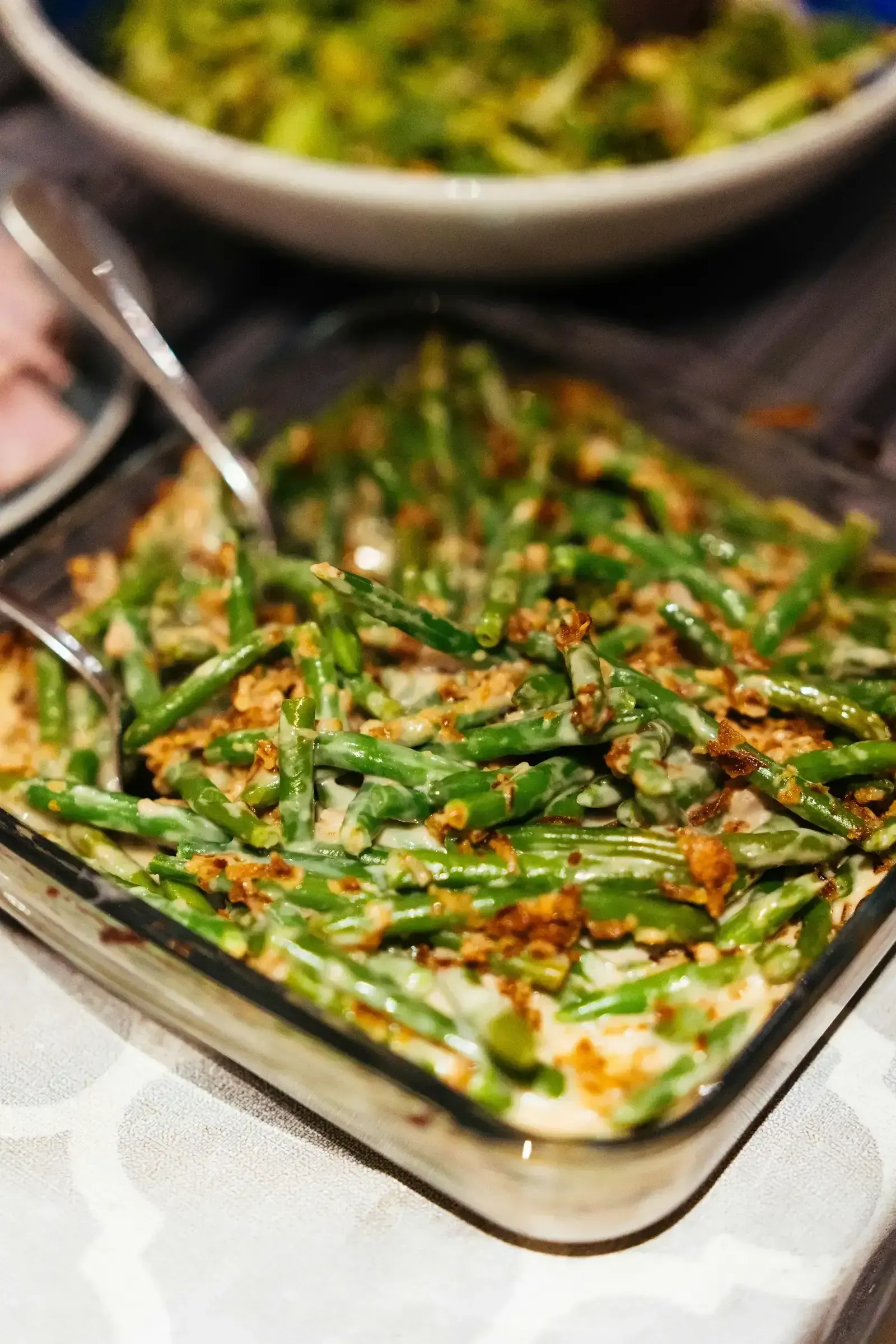
This one has a known origin story. Dorcas Reilly, working in the Campbell Soup Company kitchens in Camden, New Jersey, created it in 1955 using cream of mushroom soup, green beans and crispy fried onions. It has since become a fixture on tables in the Midwest and many other regions.
Not everyone has embraced it. Many Southern cooks prefer green beans simmered slowly with ham hock or bacon until very tender. The contrast is a good example of how a single vegetable can follow two completely different culinary paths.
Potato Filling in Pennsylvania
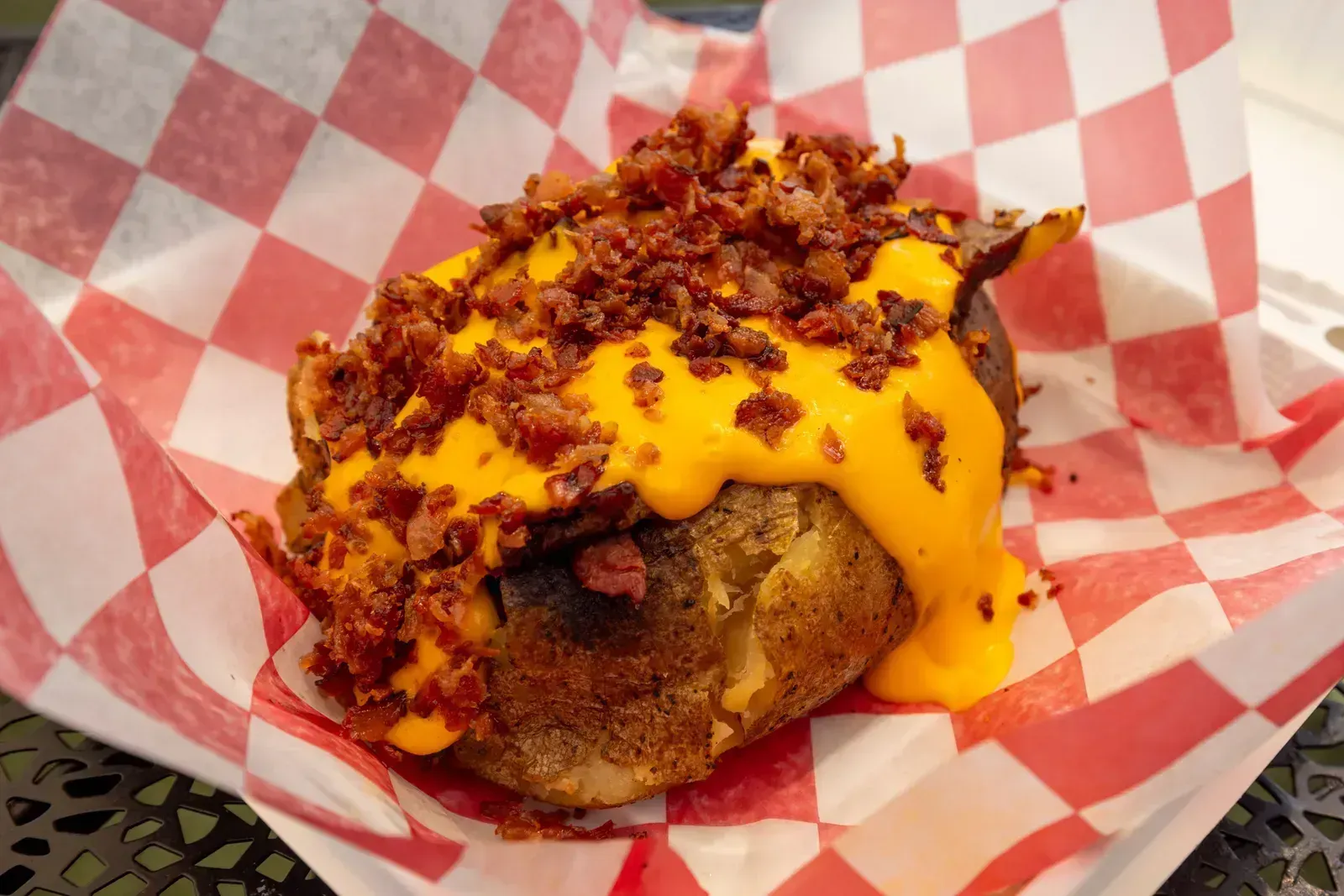
Pennsylvania Dutch kitchens have their own answer to stuffing, and it’s built around potatoes. Potato filling combines mashed potatoes with bread cubes, onions, celery and butter, then gets baked or cooked in the bird. The result is soft, rich and hearty, and it’s a dish many families in central and southeastern Pennsylvania wouldn’t skip.
It’s rare to find outside the region, which helps explain why it surprises visitors. People from other states often assume it’s simply a mashed potato casserole. Locals will tell you it’s a different thing entirely, and the double dose of starch is deliberate.
Collard Greens
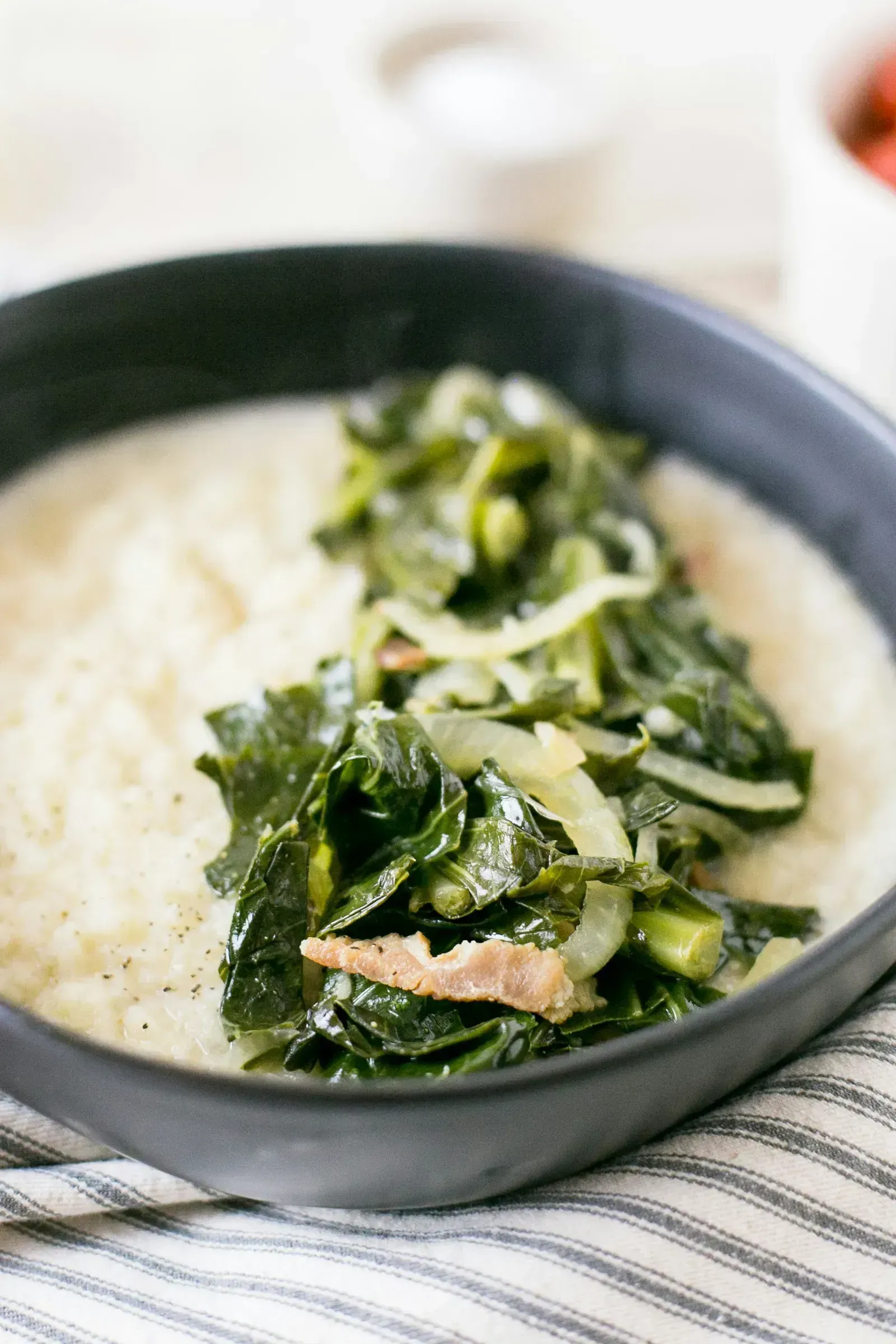
Southern tables often include collards, cooked low and slow with smoked pork, onion and a little vinegar. The broth left in the pot, known as pot likker, is considered a treat in its own right and is often sopped up with cornbread. The dish carries strong ties to African American culinary history across the region.
In other parts of the country, leafy greens at Thanksgiving are less predictable. A Northern table might feature a simple salad or roasted Brussels sprouts instead. Collards, meanwhile, are most reliably found where Southern family traditions have traveled.
Dinner Rolls and Biscuits
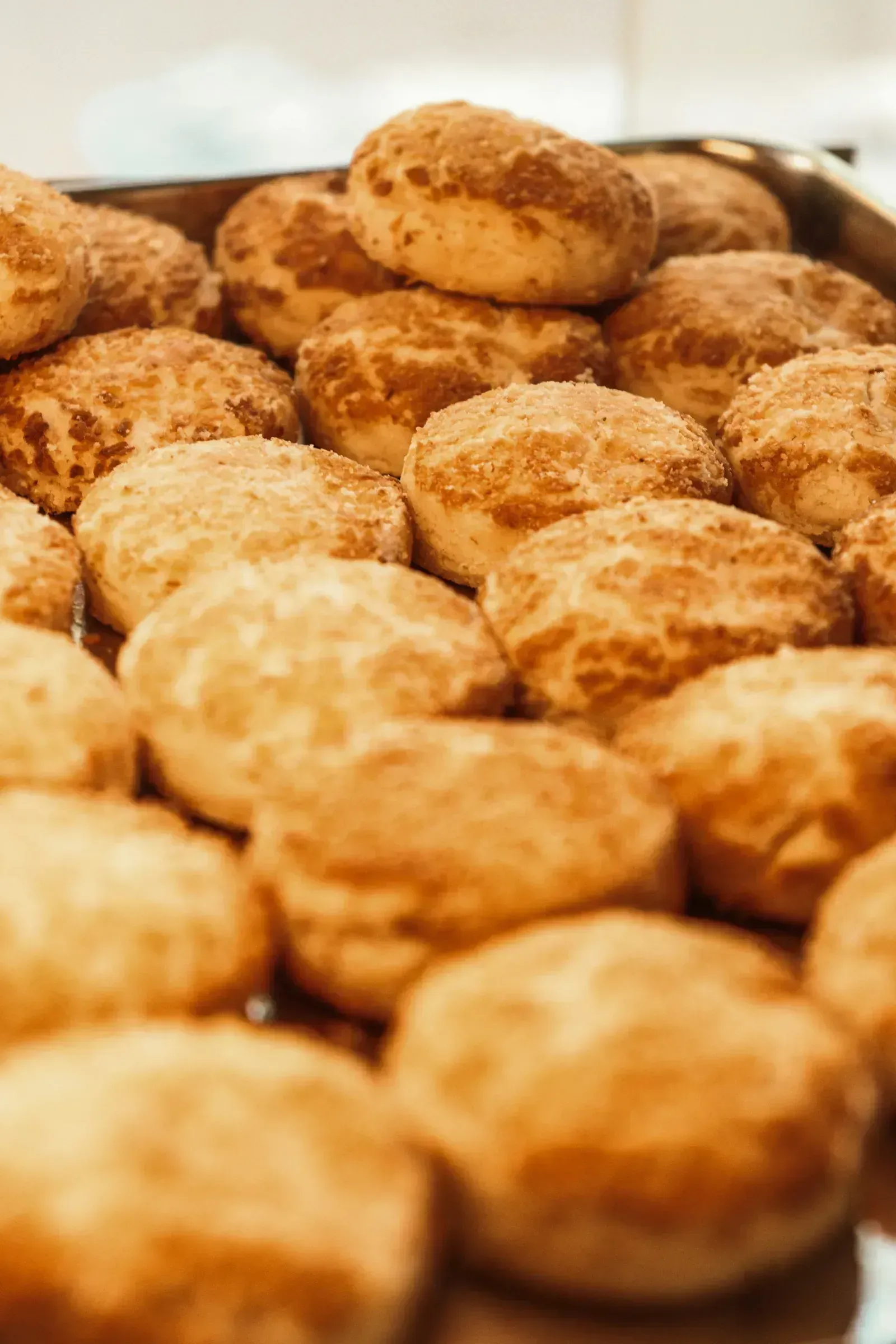
Bread on the table depends heavily on where the cook grew up. In New England, soft Parker House rolls, folded and brushed with butter, trace back to a Boston hotel of the same name in the nineteenth century. They’re still a familiar sight there on holiday menus.
Across the South, fluffy buttermilk biscuits often take their place, sometimes served with butter and local preserves. In other areas, store bought crescent rolls or yeast rolls baked from scratch fill the basket. Each style suits a different kind of gravy mopping.
Hawaii’s Macaroni Salad and Rice
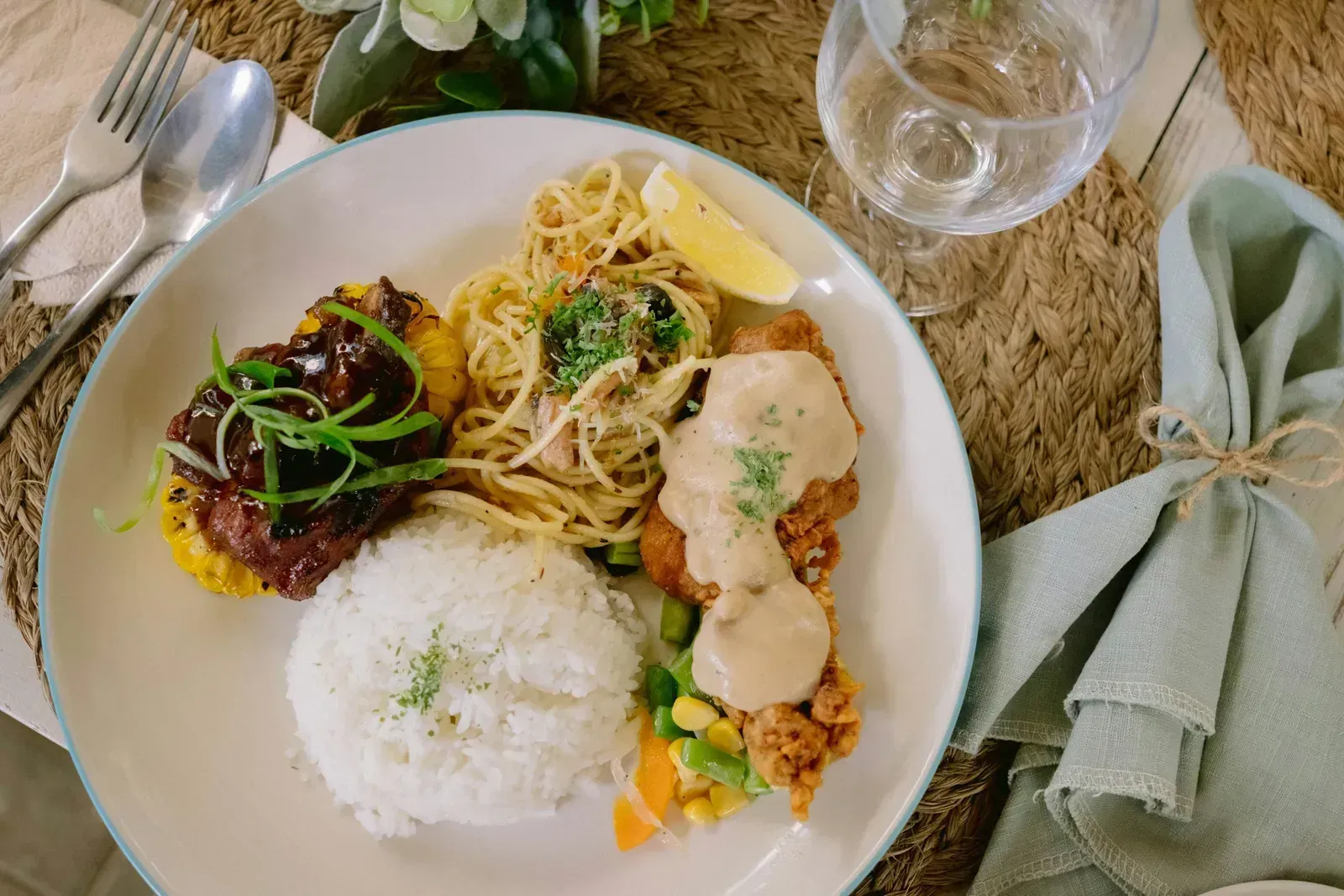
Thanksgiving in Hawaii often looks very different from the mainland version. Local plate lunch influences mean that rice and creamy macaroni salad commonly sit alongside turkey, and some families add dishes such as kalua pork or poke. The mix reflects the islands’ blend of Native Hawaiian, Asian and American food traditions.
Dessert tables sometimes feature haupia, a coconut pudding, in place of or beside pumpkin pie. It’s not universal, and every household has its own approach. Still, the presence of rice and mac salad is one of the clearest examples of a regional culture reshaping a national holiday.
Green Chile Dishes in New Mexico
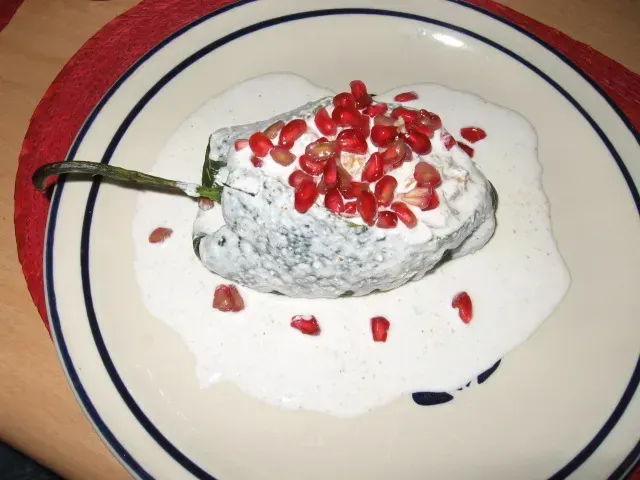
New Mexico’s signature ingredient is the green chile, and it finds its way onto holiday tables in a variety of forms. Some cooks fold roasted chiles into cornbread stuffing, while others stir them into cheesy casseroles or serve them as a salsa alongside the turkey. Posole, a hominy stew, also appears at many family gatherings in the state during the holiday season.
Chile harvest and roasting season runs in late summer and early fall, so many households freeze a supply for the colder months. That makes the ingredient easy to reach for in November. The heat gives the meal a character you won’t find in most other parts of the country.




Leave a Reply