
There’s a particular kind of recognition that happens in a Parisian café or on a Roman piazza. A European glances up, clocks a group of tourists, and quietly knows. No one has said a word yet. No accent has been heard. Still, something in the posture, the clothing, the energy of the room makes it obvious: Americans have arrived.
Millions of Americans visit Europe every year, from small towns in Poland to major capitals like Paris and Rome, and locals along with travel professionals say there are certain patterns of behavior that make some visitors from the United States easy to identify, sometimes before they even speak a word. These habits aren’t flaws so much as fingerprints. They tell the story of where someone grew up, what their daily life feels like, and which social norms they absorbed without even noticing. Here are the fifteen most reliable tells.
1. Wearing the Unofficial American Tourist Uniform

Many Americans are often wearing a very specific combination of clothes when they travel, almost like a uniform of sorts. The look usually starts with a T-shirt or hoodie that is branded or displays their home city or the college where they studied. If the U.S. visitor is exploring a warm destination, the American might well be wearing cargo or denim shorts topped with a baseball cap. On their feet, sneakers and possibly white socks, sometimes pulled up past the ankles, complete the look.
One telling anecdote involves a museum in Germany where a woman selling tickets greeted a couple in English before they had said a single word. When asked how she knew, she replied simply: “It’s your shoes.” The couple was wearing running shoes. Clothing is one of the clearest signals, with lifestyle coverage across both European and U.S. outlets routinely pointing to a familiar combination: bright cushioned sneakers, logo-heavy university hoodies or sports jerseys, baseball caps and practical outdoor gear.
2. Talking at Full Volume in Public Spaces
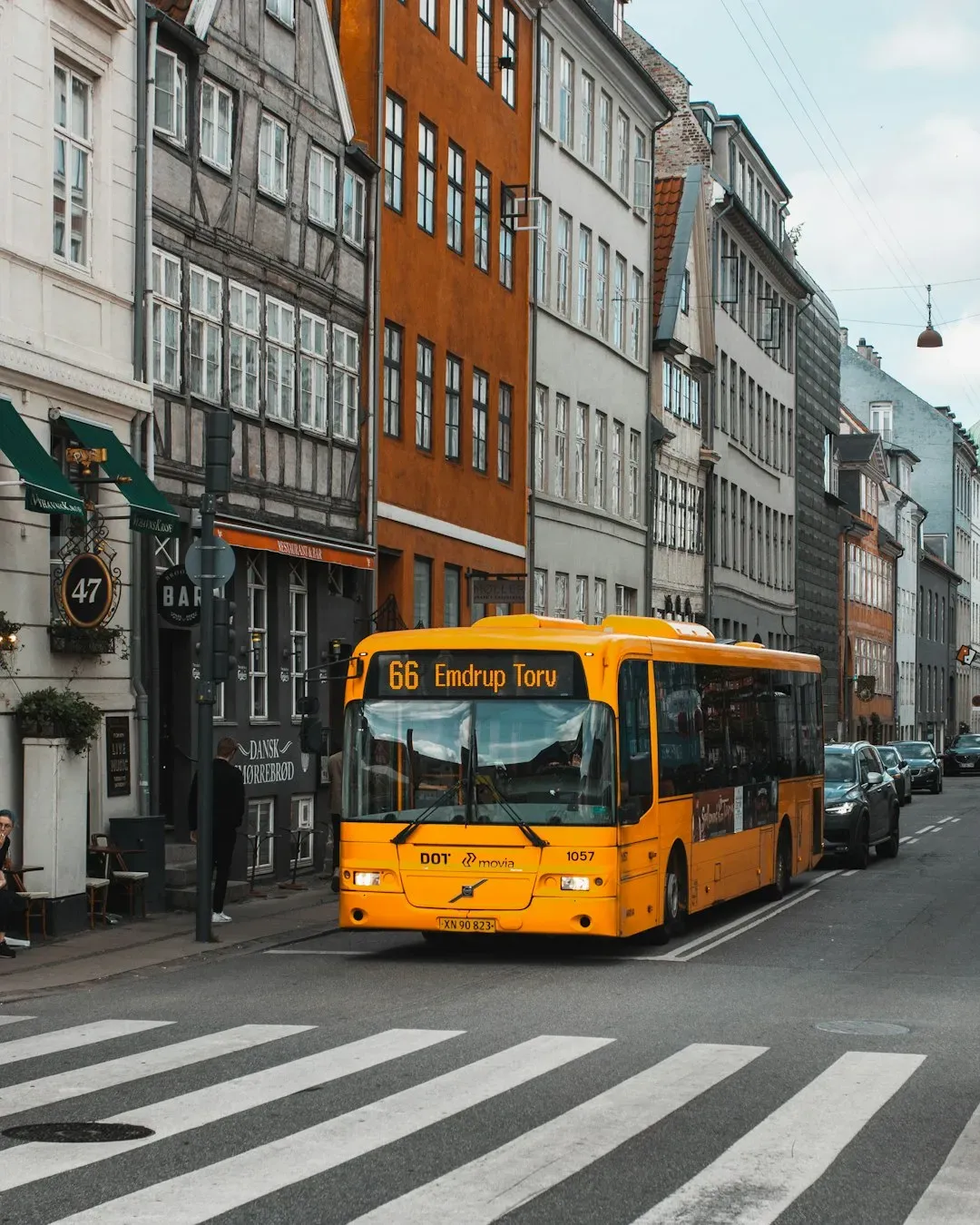
Americans are often perceived as louder than Europeans, especially in public settings like trains, restaurants, and museums. In Europe, conversations are typically more subdued, reflecting a cultural value for maintaining peace in shared spaces. It’s not about rudeness on either side. It’s simply that “normal” in Kansas City and “normal” in Copenhagen are calibrated on entirely different scales.
American social culture often embraces a more expressive and louder conversational style, which can unintentionally stand out. What is perfectly normal and friendly in the United States might seem overly boisterous elsewhere. Taking a moment to notice how loudly others are speaking, and adjusting accordingly, can turn what locals recognize as a hallmark of American tourism into a sign of cultural awareness. Small behavioral changes can make a noticeable difference, including keeping phone calls brief on public transport and lowering voices in churches and galleries.
3. Smiling at Complete Strangers

Americans smile a lot, at strangers, at shopkeepers, at passersby. It’s automatic, but not for many others. In Russia, smiling without reason can seem suspicious. In France, it can be interpreted as superficial. For Americans, though, the smile is a social lubricant, a way to soften interactions, to fill silence, and to show goodwill.
Europeans notice this immediately. One commenter put it plainly: if you smile with your teeth at someone in Europe, it’s either your job, or you’re American. Research involving 32 different countries found that emotional expressiveness is correlated with diversity: when people are around others from diverse cultures, they are more likely to use a smile to build trust and cooperation. In other words, America’s particular smile culture has a measurable sociological explanation.
4. Demanding Ice in Every Drink

In many European destinations, there’s no guarantee the establishment where you’re dining or drinking will have ice. There isn’t an ice shortage in Europe. It’s just not the cultural norm. Whereas U.S. hotels typically have ice machines in the corridor and grocery stores sell giant bags of ice, this isn’t generally commonplace outside of North America.
While historically northern European countries were cooler in summer than certain U.S. states, the climate crisis has led to increased summer temperatures in cities like London and Paris. Ice can still be elusive, even now. It’s such a small thing, but it’s one of those behaviors that marks someone immediately. Europeans find the American obsession with ice baffling, since from their perspective, ice simply dilutes perfectly good beverages for no reason.
5. Expecting Free Refills
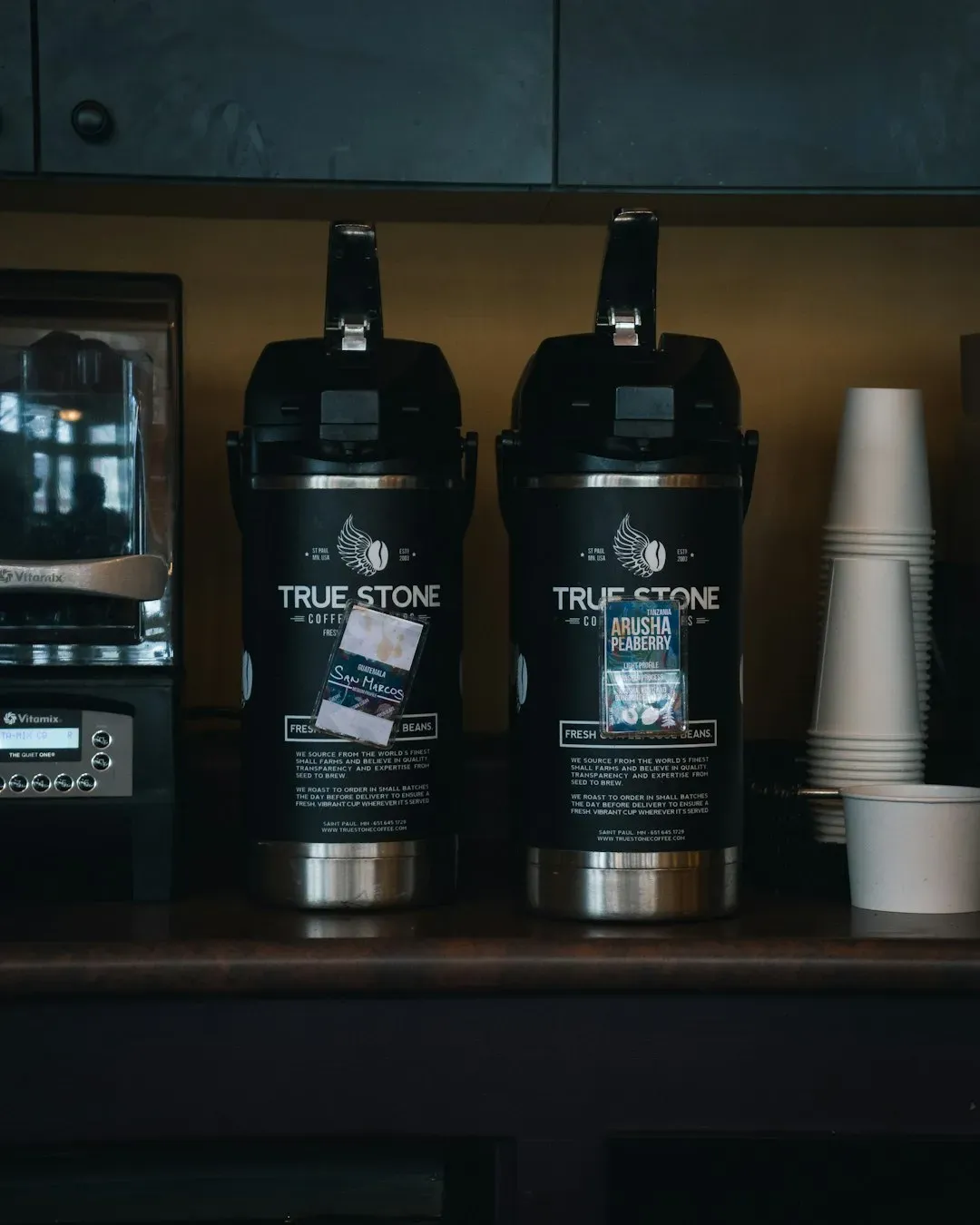
Bottomless coffee and endless soda are American staples. In Europe, not so much. When Americans ask for free refills, waiters often suppress a smile. Refills don’t exist in most European restaurants, and the idea of unlimited anything feels genuinely bizarre to many locals.
Unlike in the U.S., European restaurants rarely provide free water or drink refills. Water is often bottled and must be ordered as still or sparkling, while soda and coffee refills come with an additional charge. The confusion cuts both ways. Americans are baffled by the extra charge, and Europeans are quietly baffled that anyone expected otherwise.
6. Tipping Generously, Even When It’s Awkward

Americans have a built-in mechanism that they need to tip everyone, as a way to show their appreciation. Thanks to this, they tend to tip more and more frequently than their European counterparts, not just at home but also abroad. As a result, Americans have gained a reputation for being generous.
Americans who tip generously abroad might be seen as flaunting their wealth or misunderstanding local customs. Expecting to tip can create awkward situations for both the tipper and the recipient. In some places, offering a tip might even be met with confusion or refusal, as it can be perceived as charity or an insult to the quality of service provided. The gesture is well-meaning, but it telegraphs nationality instantly.
7. Eating Dinner Absurdly Early

Most Europeans would never dream of eating dinner before 7:30 or 8:00 in the evening. In places like Spain, dinner can typically be as late as 10:00 pm. This shocks most Americans, who are used to finishing dinner before 7:30 pm. It can also be difficult for Americans to find restaurants that are open for an early dinner if they don’t want to eat late.
Showing up to dinner at 6:30 in the evening might be normal in the U.S., but it’s practically lunchtime in many European countries. This early eating schedule, coupled with the expectation of quick service and rapid table turnover, is a major culture clash. Arriving to an empty restaurant at 6 pm, confused about why there’s no one else there, is one of the most reliable American tourist signals of all.
8. Asking for the Check Before It’s Offered
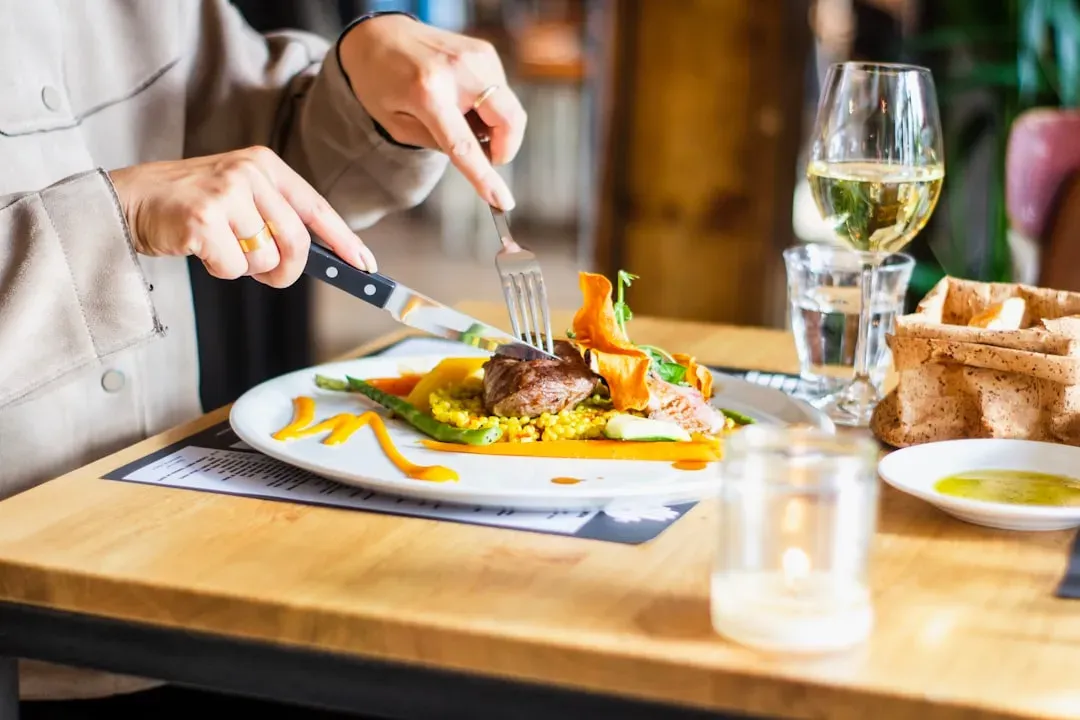
Arriving at empty dining rooms early in the evening, asking for quick table turnover, or expecting continuous refills and large portions are all behaviors that hospitality staff and fellow diners often associate with visitors from the United States. In regions where meals are considered an unhurried social occasion, rushing through courses or checking repeatedly on the bill can seem out of sync.
Cultural etiquette guides suggest leaning into the slower rhythm. Booking a slightly later dinner, planning fewer attractions per day, and accepting that checks may only arrive when requested can make experiences feel less transactional and more immersive. In Europe, the table is yours for the evening. Nobody is quietly hoping you’ll leave.
9. Making Small Talk with Strangers

If there is a room full of people from around the world and some of them are Americans, chances are the Americans will be speaking or trying to make conversation. Travelers around the world will know that Americans are great at making small talk with total strangers, and they often do it in a warm, welcoming manner, with a smile on their face.
In many European cultures, casual chatter with strangers is more restrained, and personal space in public places is guarded more carefully. Adjusting to this pattern involves reading body language and mirroring local behavior. American tourists often try to strike up conversations with locals on trains or in waiting rooms, viewing silence as awkward rather than peaceful. That distinction, silence as comfort versus silence as problem, is one of the deepest cultural divides of all.
10. Ordering Coffee in Ways That Confuse Baristas

For Americans, coffee is fuel, grabbed in a paper cup and drunk while walking or driving. In Europe, coffee is an experience, meant to be sipped slowly at a café table, not gulped down between errands. So when Americans rush in asking for a giant to-go cup, it raises eyebrows. Baristas often laugh because the concept doesn’t really exist in many places.
Ordering a complicated, heavily customized coffee drink is enough to make any European barista weep. Even worse is asking for a cappuccino after lunch or ordering coffee to go. In Italy, cappuccino is strictly a morning drink, while espresso is acceptable any time. Taking a few minutes to enjoy coffee at the bar or café, rather than rushing out the door, is simply part of European coffee culture.
11. Talking to Locals Without a Greeting First

Americans ask a lot of questions. Curiosity is good. The problem is how those questions get asked. Americans tend to launch into inquiries without preamble, without establishing any social rapport first. Walking up to someone and immediately asking for directions, skipping a greeting, skipping eye contact, skipping any acknowledgment that you’re interrupting their day, reads as blunt in much of Europe.
In France, blunt questions are often met with cool responses. When travelers begin leading with “Bonjour” and “Excusez-moi,” the interactions shift. People warm up, offering more information and sometimes even smiling. It wasn’t that the French were unfriendly. It was that the social script had been skipped. A small adjustment, but a telling one.





Leave a Reply