
Most of us aren’t hoarders. We’re just regular people who accumulate things gradually, one impulse buy or forgotten gift at a time. The result is a home where drawers no longer close cleanly, closets fight back when you open them, and the kitchen counter is permanently one appliance short of chaos.
Decluttering and organizing isn’t just about cleaning up. It’s about creating a space that makes you feel good, helps you focus, and brings some much-needed calm to your life, and getting rid of extra stuff feels fantastic. Professional organizers have a remarkably consistent list of culprits. Here are ten items that almost certainly deserve to go.
1. Single-Use Kitchen Gadgets You Never Actually Use
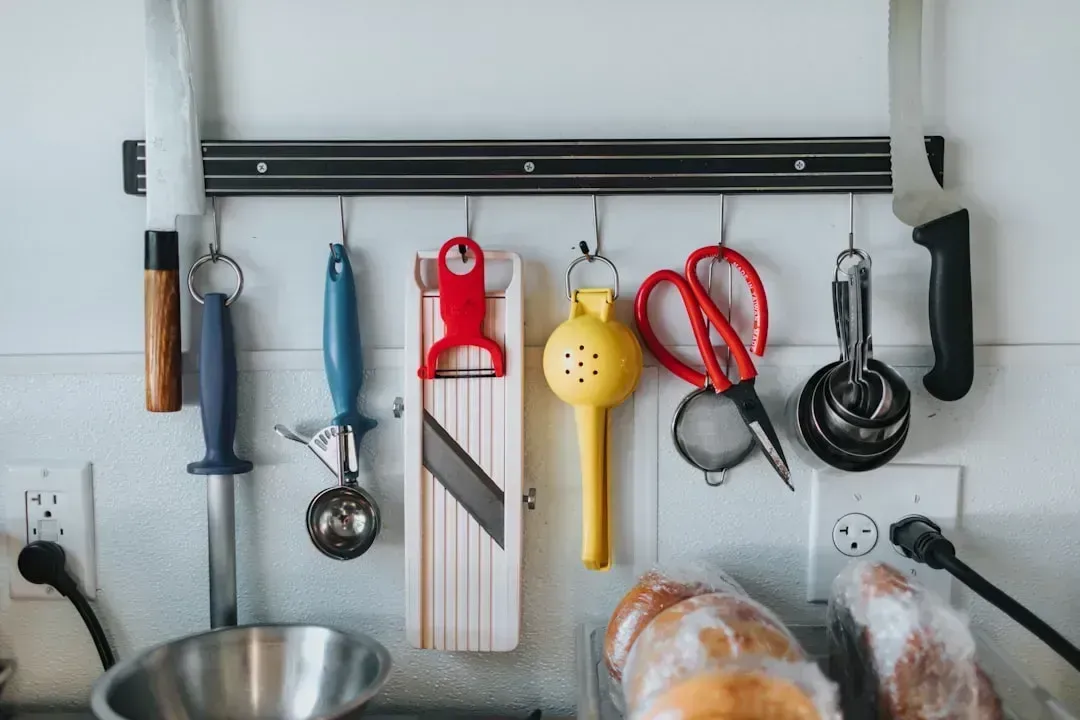
Kitchen gadgets can be handy, but many of us have a drawer full of broken or rarely used ones. If you haven’t used that avocado slicer or the bread machine in over a year, it might be time to let it go. These tools tend to accumulate precisely because they seem clever at the point of purchase, but real cooking rarely works that way.
Unused specialty gadgets like avocado slicers and banana slicers can almost always be replaced with one good knife. Unless you get true use out of it, avoid holding onto specialty and single-use kitchen tools. Donating gadgets in good condition and recycling broken ones streamlines your kitchen and makes cooking easier and more efficient.
2. Expired Food, Spices, and Pantry Staples
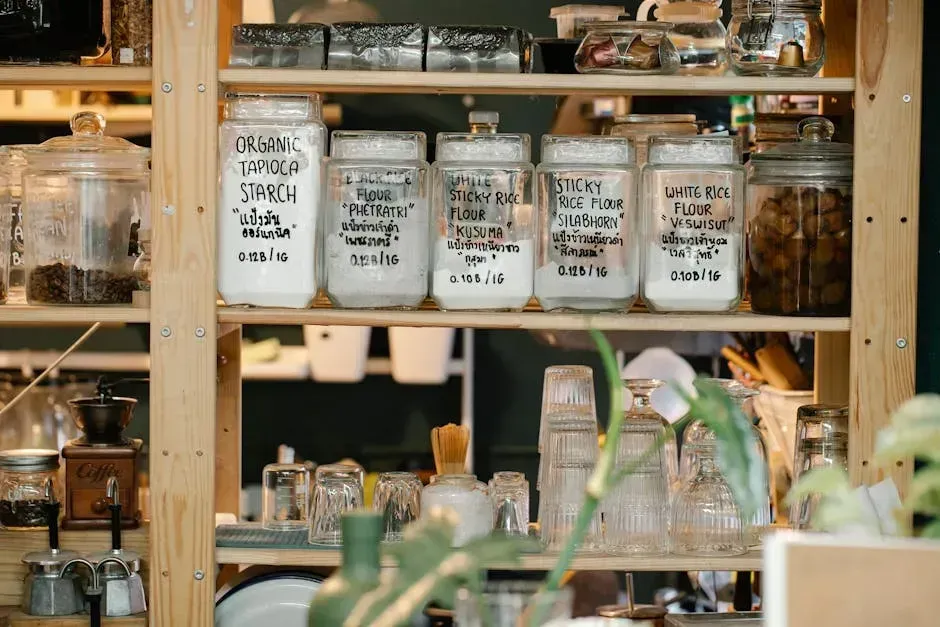
Chances are, there’s expired food lurking in your pantry. While there are plenty of foods you can keep past their expiration dates, stale, old, and long-expired items should be one of the first things to go. Professional organizers recommend scanning your pantry for expired food and spices once a quarter, which frees up shelf space and ensures meals are made with the freshest ingredients.
Letting expired food linger in your pantry, kitchen cabinets, or fridge wastes space and could pose a food poisoning risk. Spices are a particularly sneaky offender. Most ground spices lose meaningful potency after about a year, which means that jar of smoked paprika from three years back is more decorative than functional at this point.
3. Clothes You Haven’t Worn in Over a Year
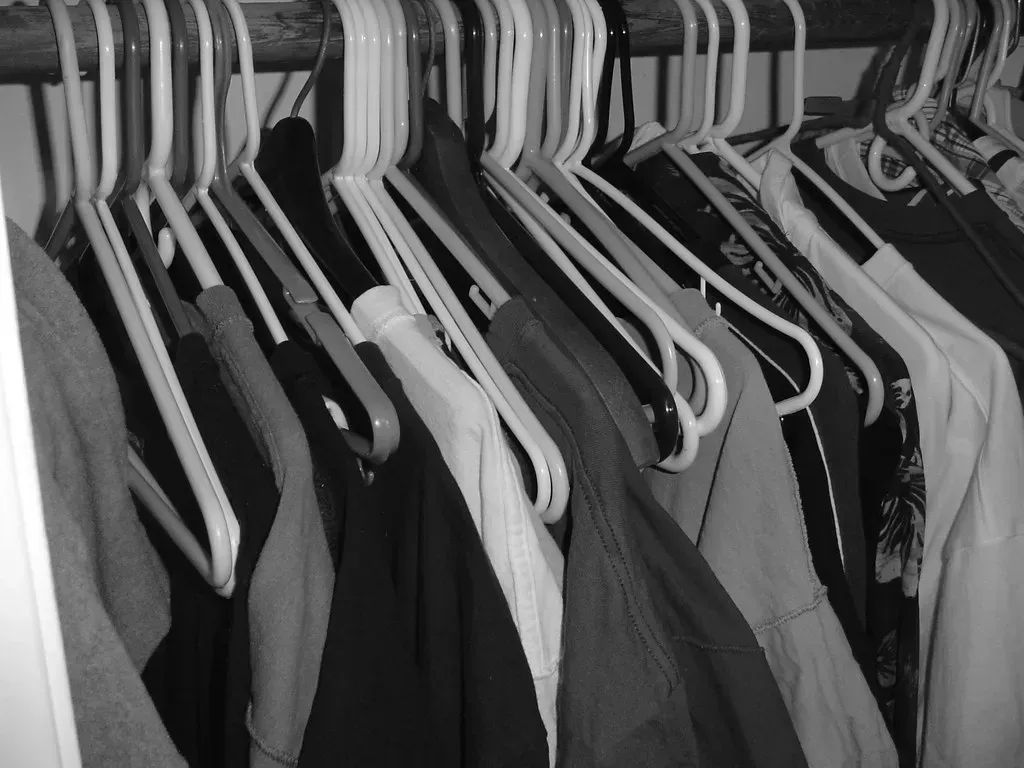
Cutting back on the contents of your closet is job number one when decluttering your bedroom. Getting rid of clothing can be emotional, so it’s important to be strict with yourself. If you haven’t worn it in the last year, forgot you had it, or perhaps didn’t know you had an item, it’s time to recycle, donate, or sell it.
The “hanger trick” is a reliable method: turn all your hangers facing one direction, and after wearing each item, turn its hanger back the other way. After a few months, donate the clothes that you haven’t worn, as indicated by their hanger position. To put the scale of clothing waste in perspective, 11.3 million tons of textile waste end up in U.S. landfills annually, according to the EPA, equivalent to every American throwing away around 81 pounds of clothing each year.
4. Duplicate Kitchen Utensils and Cookware
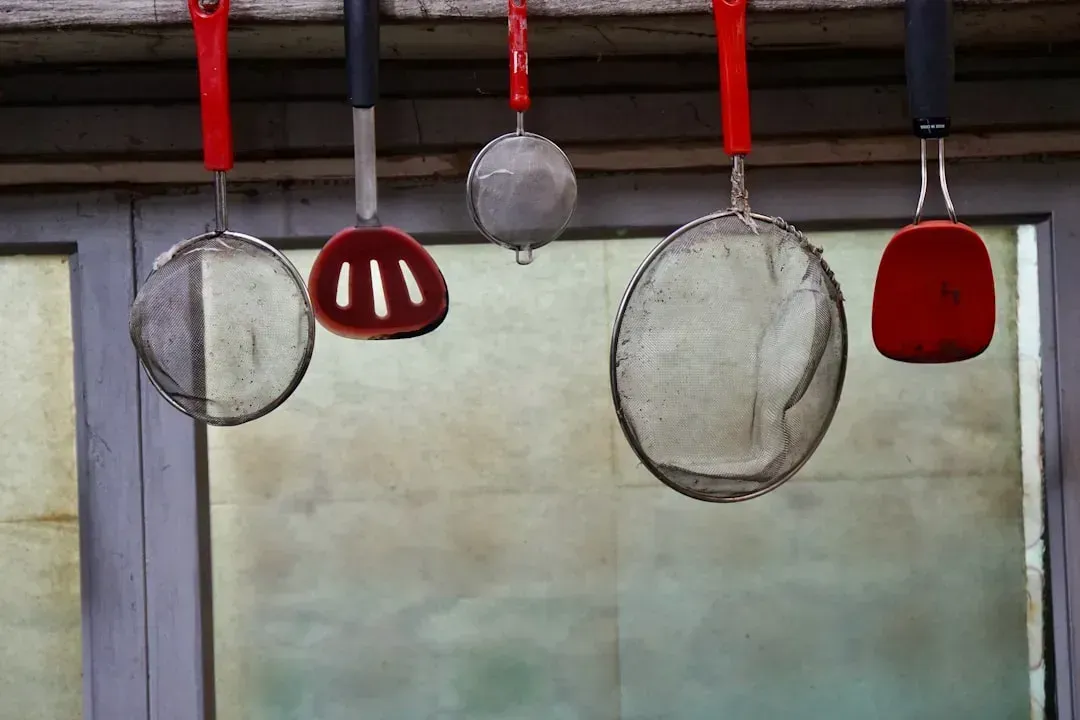
It’s easy to accumulate duplicates, especially when it comes to kitchen utensils or tools. Do you really need three bottle openers or four spatulas? Keeping just one of each essential item simplifies your space and reduces the frustration of digging through drawers.
It’s worth noticing how many cutting boards people tend to keep. People will pile up a whole stack of them, yet use their favorite every single time. There’s simply no need to have a collection of second-favorite cutting boards. The same logic applies to pots, pans, and mixing bowls. Keep what you actually reach for, and let the rest go.
5. Expired Medications and Old Beauty Products

Beauty products have a way of piling up, especially when you’re trying out new brands. Expired lotions, makeup, or half-used bottles of shampoo not only take up valuable space but can also harbor bacteria. Checking expiration dates and tossing anything that’s no longer usable clears up space in your bathroom and ensures that the products you use are safe for your skin.
Expired food and medications can attract pests and reduce efficiency in both your kitchen and bathroom. Regularly checking expiration dates and safely disposing of expired medications is a key step in effective decluttering. For some of these items, like medications and beauty products, it’s worth looking into safe disposal practices, as some things aren’t safe to toss in a regular garbage can.
6. Outdated Electronics and Tangled Mystery Cords
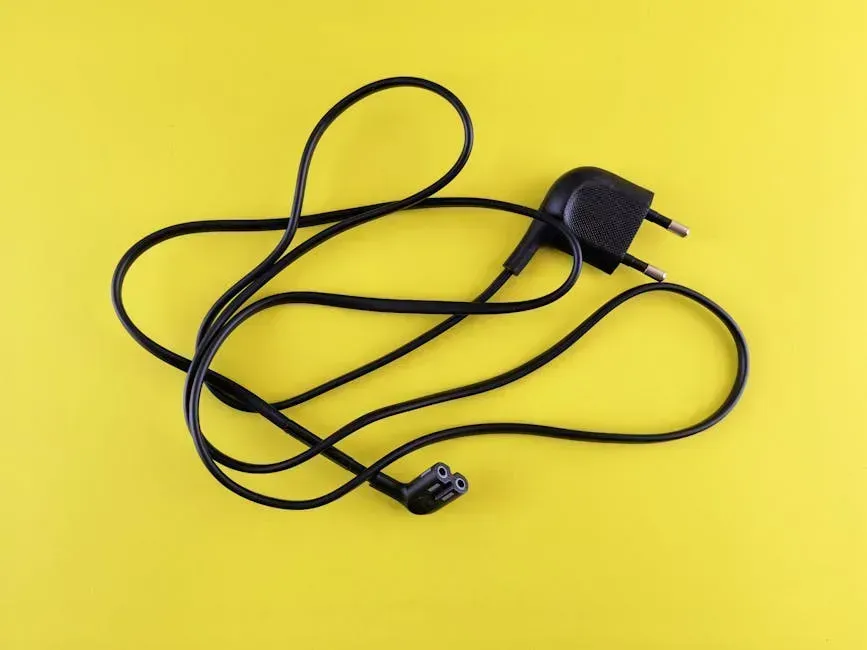
Old electronics can pile up quickly, especially with rapid technology changes. Outdated phones, chargers, or obsolete gadgets often sit in drawers for years without a purpose. It’s best to recycle these items responsibly rather than letting them collect dust, and many communities have e-waste recycling programs. Decluttering these devices frees up space and helps keep hazardous materials out of landfills.
Old electronic cords are a classic clutter culprit. Think about whether you still have a cord from a phone ten years ago, or too many extension cords tangled together. If you can’t identify what a cord belongs to, that’s usually a clear enough answer. A quick sort through the junk drawer can free up surprising amounts of space.
7. Plastic Food Containers Without Matching Lids
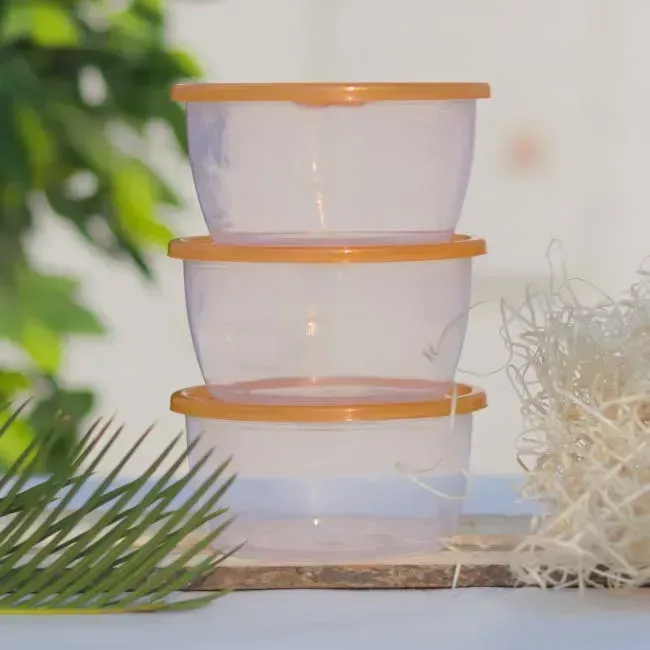
Ditch cheap plastic containers, especially those that are stained, cracked, or missing lids. Sorting through your kitchen cabinets and recycling any that haven’t held up is a practical first step. While you’re at it, toss chipped dishes, glasses, and damaged kitchen gadgets.
Those stained plastic food containers have not only heated one too many leftover meals, they’ve also likely lost their lid. Mismatched containers are one of the most common sources of cabinet frustration. Organizers consistently recommend keeping only complete, undamaged sets and moving on from the rest.
8. Stacks of Old Magazines, Newspapers, and Paper Clutter
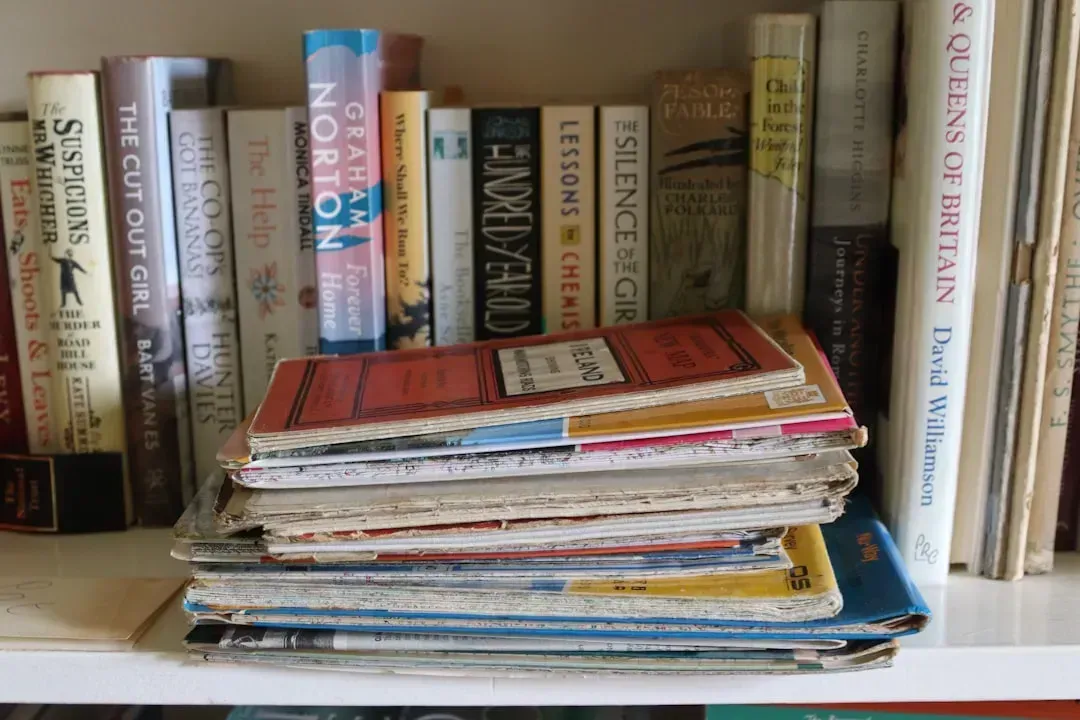
Magazines and newspapers can quickly create a mountain of clutter, especially if they’re left unread. Most people hold onto publications with a vague intention to read them later, but “later” rarely comes. Discarding old magazines and paperwork that are no longer needed is recommended, and for issues you want to keep for specific articles or recipes, clipping out the information and sorting it in an expanding document wallet is a practical alternative.
Outdated maps will only get you lost, so professional organizers advise recycling them. Out-of-date travel guides and old brochures are filled with obsolete information, so there’s no reason to hold on to them for a potential future trip. The same principle applies to old takeout menus, product manuals for things you no longer own, and stacks of junk mail.
9. Excess Decorative Items That Crowd Rather Than Charm
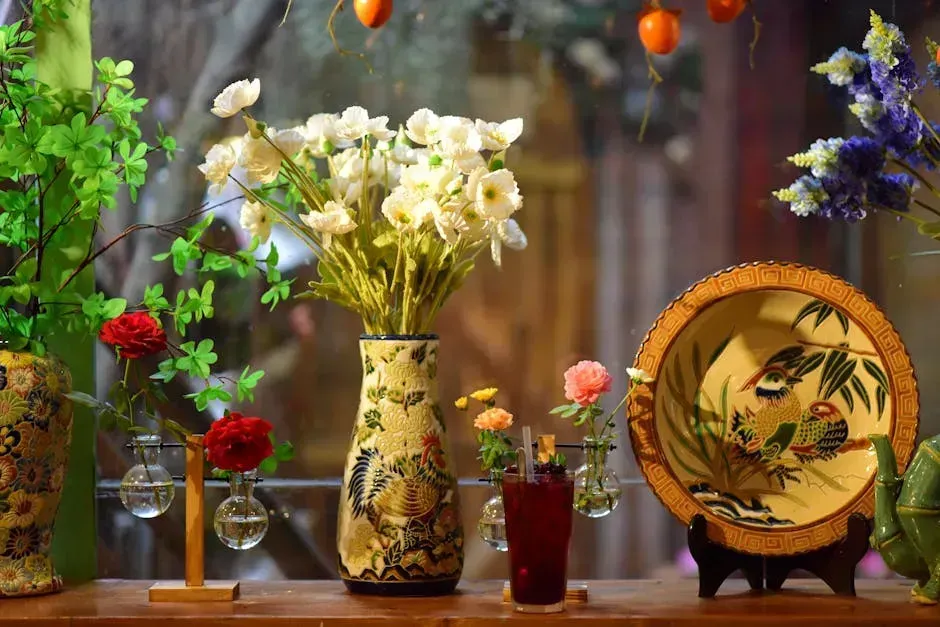
While personal touches in home decor add character, too many decorative items can create visual chaos. Taking time to reassess decor and remove anything that doesn’t bring joy or serve a functional purpose not only declutters your surfaces but allows the truly meaningful items to shine.
There’s a real difference between intentional decor and accumulated clutter that happens to sit on a shelf. The organizing world is shifting toward more practical, sustainable, and intentional approaches, and many trends that prioritized Pinterest-perfect aesthetics are losing their charm as people prioritize function and simplicity over appearances. A few items with genuine meaning tend to feel more at home than a crowded display of objects kept mostly out of habit.
10. Books You’ve Already Read and Won’t Return To
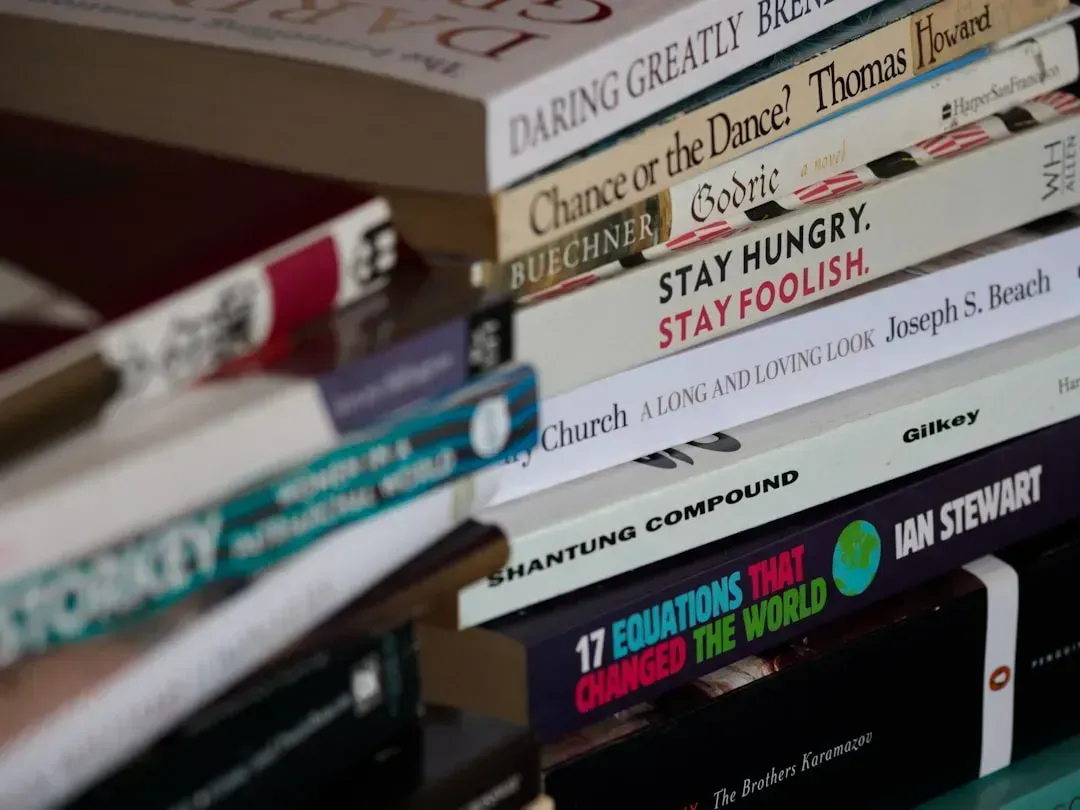
Organizing books is something of a personal art, but professional organizers rarely keep loose stacks of old novels or space-hogging phone books. They also let go of encyclopedia sets and textbooks, and encourage donating them through book exchange services. Digital access has made a lot of reference material genuinely redundant.
Instead of letting books gather dust in the closet or pile up on the nightstand, donating them when you’re done reading is the practical move. Books in good condition can go to book sales, libraries, or thrift stores. Keeping the books you genuinely love and reread makes an honest shelf. Everything else is just borrowed weight you’ve been carrying a little too long.
The through-line in all of this is fairly simple. Research suggests that roughly 80 percent of the time, we only use about 20 percent of our possessions, which means identifying and getting rid of those oft-unused items has the potential to genuinely declutter your home and simplify your life. Starting with even one category from this list tends to create its own momentum. The hardest part is almost always the first drawer.


Leave a Reply