
Walking into a home for the very first time is a sensory experience. Buyers aren’t just checking boxes on a list – they’re forming gut feelings within seconds, often before they’ve even crossed the threshold. That snap judgment is hard to shake, and it shapes how everything else in the home gets perceived.
According to NAR’s 2024 Profile of Home Buyers and Sellers, buyers typically spent about ten weeks in the home search process and viewed a median of seven homes. With that kind of comparison shopping going on, every detail inside and out carries real weight. Here’s what buyers are actually clocking the moment they step inside.
1. Curb Appeal and the Exterior Condition

A good number of homebuyers will drive past a home before their scheduled showing. If it looks unkempt from the street, buyers may cancel their request or decide not to ask to see it at all. The curb appeal is the very first impression a buyer forms. Peeling paint, an unkempt lawn, or a cracked driveway all signal neglect before the front door even opens.
Curb appeal is the first thing buyers, neighbors, and any future buyers will notice. Small factors like the paint, landscaping, and the cleanliness of the driveway, roof, and gutters are a big part of a home’s first impression. Sellers who treat the exterior as an afterthought are often surprised at how quickly buyers have already made up their minds by the time they reach the porch.
2. The Smell When the Door Opens

Outright unpleasant smells can turn buyers off from the second they walk in. This one is primal and immediate – no amount of beautiful staging can fully override what the nose registers first. Pet odors, strong cooking smells, soiled carpets, mold, and smoke can all deter buyers.
Smells like cigarette smoke can permeate flooring and walls for a long time, sometimes requiring odor-blocking paint or carpet removal to fully neutralize. Pet accident odors can linger in carpet and may call for a flooring replacement. Mildew or musty smells can indicate underlying problems like leaks and water damage. Masking odors with heavy air freshener raises its own red flag – buyers are advised to take note if there’s a strong air freshener that might be covering a smell.
3. Cleanliness Throughout the Home

A clean, well-maintained home tells buyers that the property has been cared for. Dusty baseboards, sticky cabinet handles, or stained carpets may lead them to assume there are bigger problems hidden beneath the surface. Buyers aren’t consciously auditing every surface, but the overall impression of cleanliness sticks.
A dirty house makes buyers wonder what else has been neglected. Prospective buyers always notice the inside of kitchen appliances, bathrooms including toilets and showers, floors, and windows – because dirty windows block natural light and look terrible. Buyers always look in the kitchen sink, so leaving dishes there is a reliable way to undercut an otherwise solid first impression.
4. Natural Light and Window Condition

If natural light is a must-have for buyers, they’ll take careful note of the size and orientation of the windows. South-facing windows receive the most light and heat, while north-facing windows receive the least. Rooms that feel dim or cave-like make it harder for buyers to imagine themselves living comfortably in the space.
It’s also important for buyers to check the age and condition of windows. Old, cheap, cracked, or improperly installed windows can cost money down the line, especially when cold air seeps in during winter. Opening and closing a few windows to check they move smoothly matters – if they don’t, it could indicate foundation issues or poor installation. Light and window quality are two things buyers feel deeply even when they can’t fully articulate why.
5. The Kitchen’s Condition and Layout

Kitchens sell houses. That’s been true for decades, and it remains just as relevant today. Clearing counters of everything except the essentials, cleaning the inside of cabinets since serious buyers will look, replacing faucets and cabinet hardware if they look old, and making sure great features like granite countertops or a gas range are fully visible – all of this shapes how buyers value the heart of the home.
Modernizing the bathroom or kitchen is the top upgrade that sellers can focus on to make their homes more appealing to the market. Even small improvements register clearly . The 2025 Cost vs. Value report shows that a midrange bathroom remodel has roughly an 80 percent return on investment, and kitchen updates often move in a similar direction when it comes to buyer perception.
6. Signs of Deferred Maintenance

Buyers judge a home quickly, usually within the first few steps. Outdated fixtures, clutter, worn flooring, musty odors, or peeling paint all decrease perceived property value during showings. These issues make buyers assume the home hasn’t been well maintained and can reduce the number of offers received.
Inside the home, buyers watch for red flags such as water stains, mold smells, foundation cracks, uneven floors, faulty windows and doors, and signs of plumbing or electrical problems. A leaky faucet or a sticking door seems minor in isolation, but in combination, these details build a picture of a home that hasn’t been loved. Buyers start quietly doing math in their heads, estimating repair costs before they’ve even seen the backyard.
7. Storage Space and Closet Size

A prospective buyer will open closets to see their size. That’s simply a given in any showing. Storage is one of the most consistently cited needs among home shoppers, and a stuffed, overflowing closet – even if technically spacious – immediately registers as inadequate.
If buyers are opening closets, measuring walls, or discussing potential changes, it shows they’re thinking beyond the surface. Sellers who clear and organize closets before a showing give buyers the chance to see genuine square footage rather than piles of stuff. A tidy, half-full closet reads larger than a packed one every time.
8. How the Home Smells and Feels (Temperature and Comfort)

The showing process lets buyers experience a home with all their senses. Photos can’t tell them how the house feels or smells. Temperature is part of that sensory equation. A home that’s sweltering in summer or frigid in winter makes buyers uncomfortable, and discomfort shortens the visit. Shortened visits are rarely a good sign.
Comfortable temperature invites buyers to slow down and explore. Serious buyers who spend more time at a house during a private showing are usually more interested. They’re imagining their furniture in the living room and their family members playing in the backyard. That mental move-in is a critical step toward making an offer. Warmth in the literal sense encourages warmth in the emotional one.
9. Room Flow and the Floor Plan Logic

Even layout quirks, like walking through a bedroom to reach the kitchen, can hurt a seller’s chances more than expected. Buyers assess flow instinctively as they move from room to room. A natural progression from entryway to living space to kitchen reads as functional, while awkward transitions create a subtle sense of friction that’s hard to name but easy to feel.
Rooms should have a clear and logical purpose. Awkward spaces, like extra rooms or oversized foyers, can be a turn-off unless their potential is clearly defined. Bringing in a stager who can help showcase these spaces as functional areas – transforming them into a home office, craft room, reading nook, or workout area – can make a real difference. Buyers are trying to picture their actual life unfolding inside the walls, and a confusing floor plan makes that harder to do.
10. The Bathroom’s Presentation and Condition
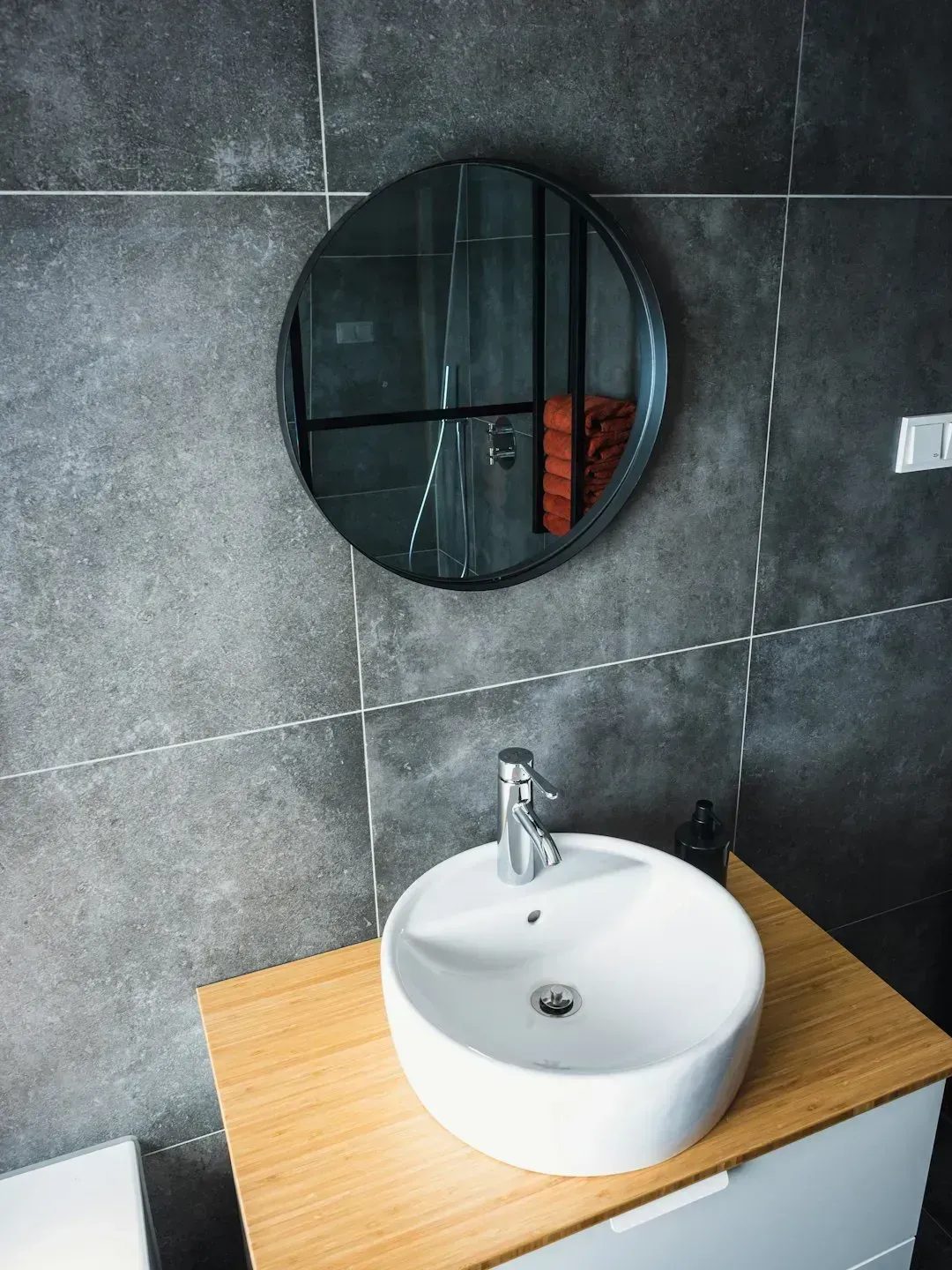
The bathroom has many pipes, outlets, and fixtures to inspect, so buyers take their time there. They explore the space by opening cabinets, flushing toilets, and running the shower or bath to check for leaks. Checking whether the toilet is loose and looking for gaps in the tub and shower while ensuring the exhaust fan works are all part of a buyer’s mental checklist.
In bathrooms, clearing everything off counters except hand soap removes visual noise and lets the actual space shine. Grout, caulk, and fixture condition are noticed more than sellers tend to expect. A bathroom that’s clean, well-lit, and free of water damage signals the kind of careful upkeep that builds buyer confidence across the entire home.
A first showing is rarely just a casual stroll through rooms. Buyers arrive with a mix of hope and skepticism, filtering what they see through the lens of their budget, their wish list, and their gut. The homes that stay on their minds after the visit are almost always the ones where every detail – from the driveway to the drain – quietly reinforced a single reassuring message: this place has been looked after.





Leave a Reply