
1. Cross-country road trips as the destination itself
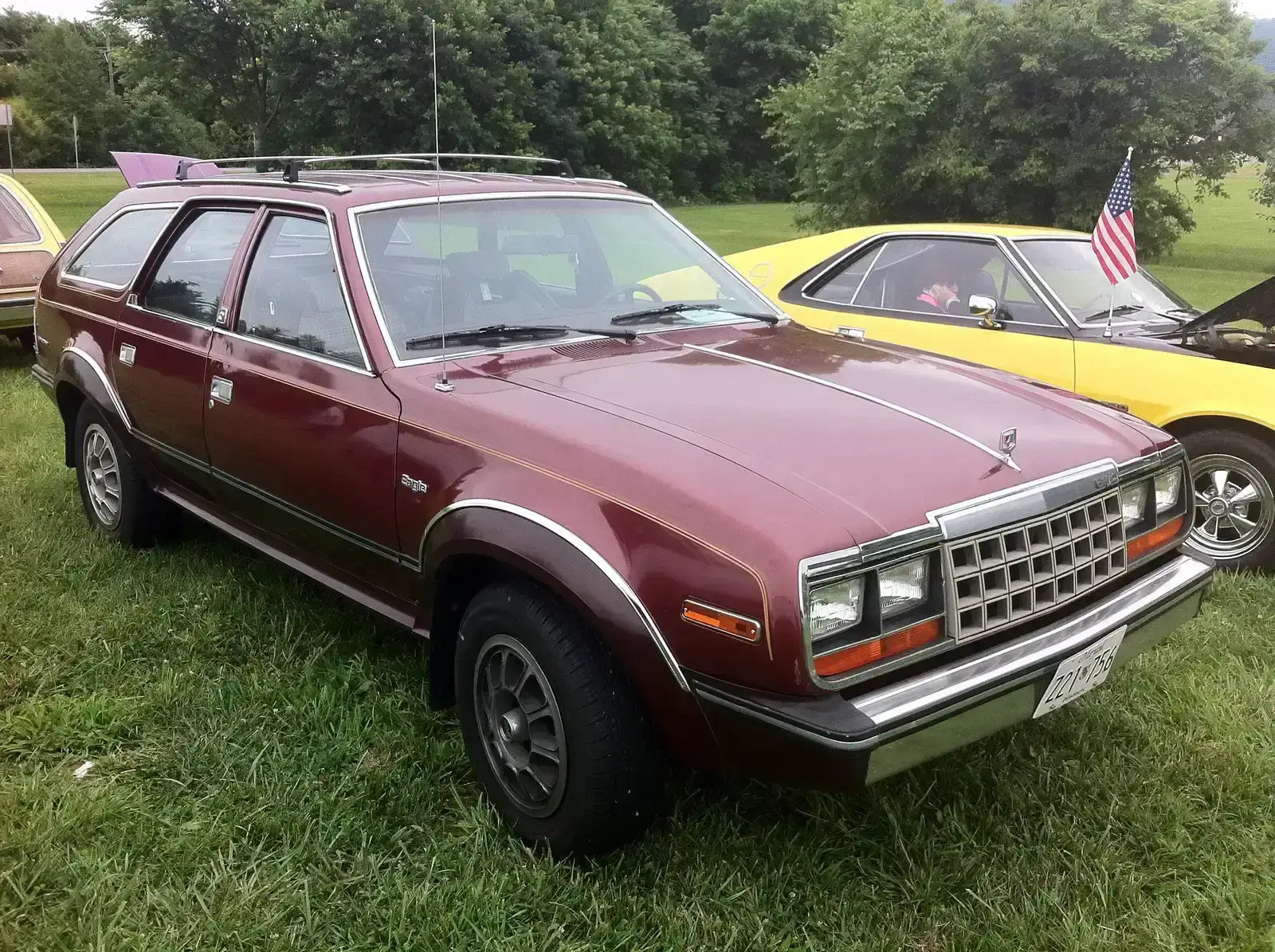
In the 1970s, the road trip wasn’t a means of getting somewhere. It was the trip. Families packed station wagons and treated the drive as the main event, stopping at roadside diners and motels simply because they looked interesting.
That instinct is back in a big way. Route 66 turns 100 in 2026, prompting a restoration of neon signs and roadside attractions, with travellers revisiting iconic highways and vintage motels, seeking simpler times. Hilton has even given this a name for its own trend forecasting, describing a wave of what it calls road trip revivalism heading into next year.
2. Train travel for the experience, not just the transfer
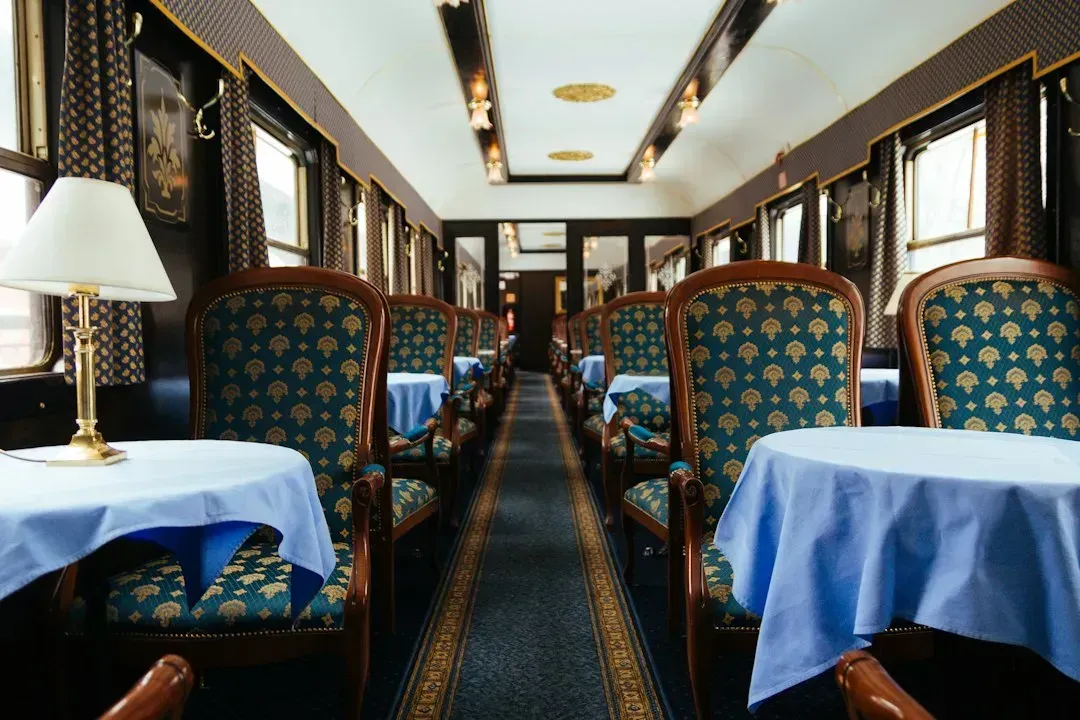
Long before high-speed rail was marketed as glamorous, train travel in the 1970s still carried a sense of occasion, dining cars, sleeper compartments, the rhythm of the tracks. That romance faded for decades as flying became cheap and trains became purely functional. It’s resurfacing now with real momentum behind it.
The rail revival is unmistakable, with night trains in Europe, scenic routes across the Americas, and panoramic train journeys in Asia offering a combination of comfort, sustainability, and nostalgia. Luxury rail journeys are exploding in popularity, with Condé Nast Traveler reporting that luxury train-hopping itineraries are selling out months in advance.
3. Package tours built around one country, not five
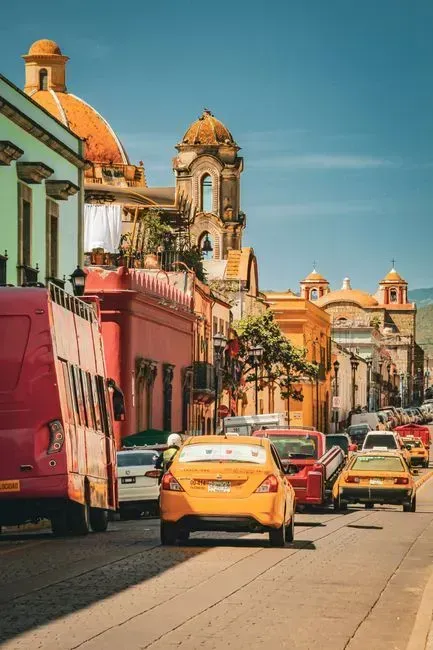
Before the era of quick weekend hops between capitals, a 1970s package tour often meant weeks in a single country, absorbing its rhythm rather than racing through a checklist. It was less about coverage and more about depth. That approach had quietly gone out of fashion until recently.
Month-long slow travel packages are booming in places like Oaxaca, Porto, and Kyoto, as travelers become increasingly willing to trade breadth for depth, choosing one country well instead of five in a rush. It’s a direct echo of how travel used to be structured, minus the smaller suitcases.
4. Nostalgia as a reason to travel, not an afterthought

The 1970s traveler often picked a destination because it meant something personally, a family connection, a childhood memory, a place tied to a story someone told them. Novelty for its own sake wasn’t really the point yet. That emotional logic is back at the center of travel decisions.
Also known as memory tourism, the trend is seeing travellers choose destinations based on emotions rather than itineraries, with more people asking where they felt happiest rather than where they should go next. Google search interest in nostalgia travel has reportedly surged by over 3,000 percent year over year, a spike already reshaping how hotels and tour operators package their offerings.
5. Extended stays instead of rapid-fire sightseeing
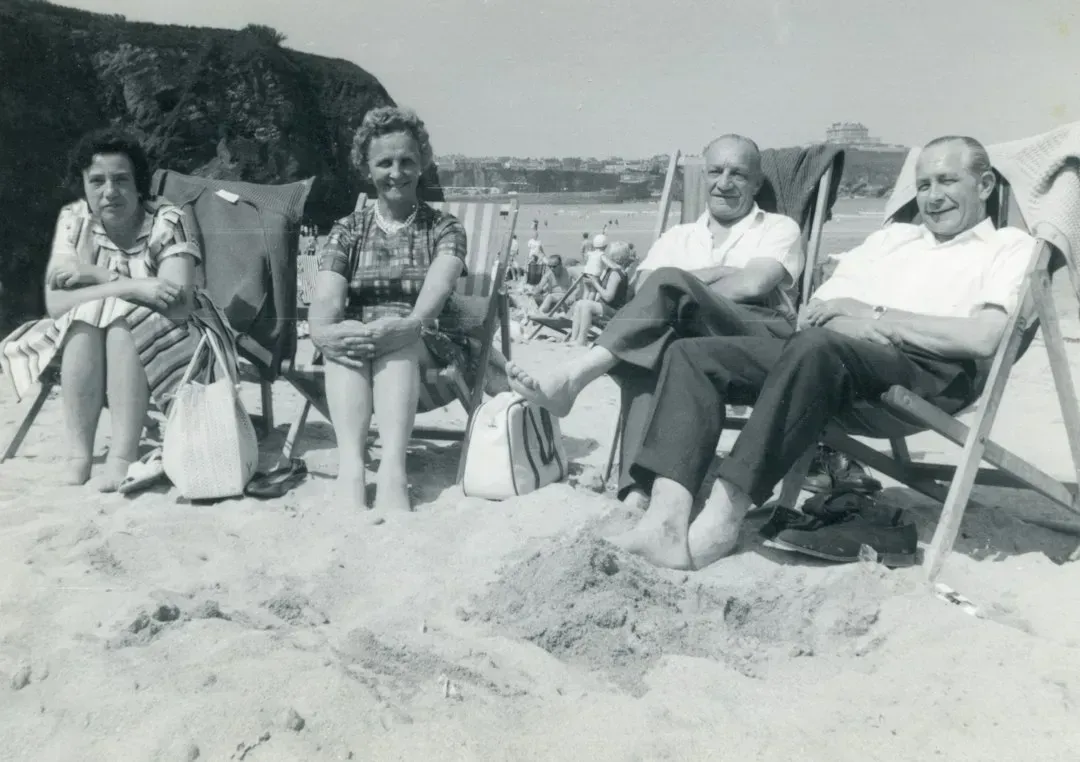
Vacations in the 1970s were often longer by default. Air travel was expensive enough that people didn’t fly somewhere for three days, they went for two or three weeks and settled in. That patience is returning, partly by choice and partly as a reaction to burnout.
A backlash against whistle-stop itineraries is driving longer stays, with average Airbnb booking lengths jumping from 4.1 nights in 2019 to 5.8 nights in 2025. The post-pandemic travel pattern that defined 2022 and 2023, often called revenge travel and defined by packing maximum destinations into minimum time, is over.
6. Ancestral and heritage travel

Long before DNA testing kits made ancestry trendy, plenty of 1970s travelers were already making pilgrimages back to family villages and old countries, often prompted by a grandparent’s stories rather than a genealogy app. The motivation was simpler then, but the destination logic was the same. It’s now a defined category of its own.
Heritage tourism is surging as travelers seek deeper ties to their ancestry. While older travellers revisit places from their past, millennials and Gen Z are also embracing nostalgia through family stories, films, pop culture and heritage experiences.
7. Analog gear as part of the trip

A 1970s traveler packed a film camera, maybe a cassette recorder for capturing sounds, and not much else in the way of technology. There was no option to document everything instantly, so people tended to just look. That deliberate disconnection is being recreated on purpose now.
Some travelers are ditching smartphones for low-tech flip phones and vintage digital cameras, while others are going analog with old school cassette and record players. It’s less about nostalgia for the objects themselves and more about the slower attention they force.
8. Farm stays and rural immersion
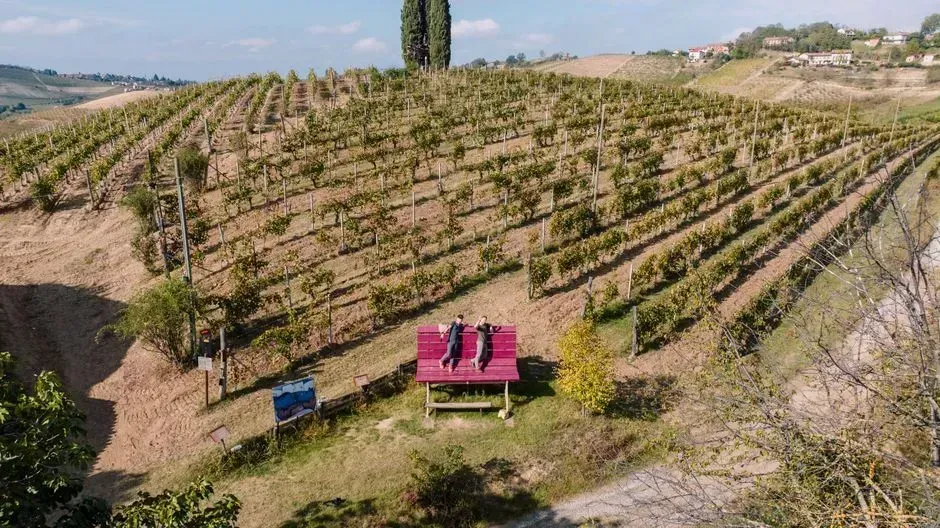
Agritourism isn’t a new invention, but in the 1970s it was often just how travel worked in certain regions, staying with a rural family, eating what they grew, moving at their pace. It faded as resorts and standardized hotels took over. It’s now being rediscovered as something travelers actively seek out.
Two interesting sub-trends have emerged within the slow travel movement, including farm stays booming as travelers look to touch grass, quite literally. Italy is widely considered the birthplace of this kind of movement, where agriturismi, working farm stays, connect travelers directly to rural life.
9. Choosing a trip based on how it feels, not where it goes

Destination marketing as we know it, glossy brochures selling a place based on its landmarks, really took off after the 1970s. Before that, plenty of travel decisions were driven by mood, a desire to rest, to reconnect with family, to slow down after a hard year. That mindset has a new name attached to it now, but the underlying idea is old.
According to Hilton’s 2026 Trends Report, the question travelers are asking isn’t where are we going, it’s why are we going. In fact, roughly a quarter of travelers now begin trip searches based on mood rather than destination, a pattern some are calling the vibecation.
10. Retro travel branding and vintage aesthetics
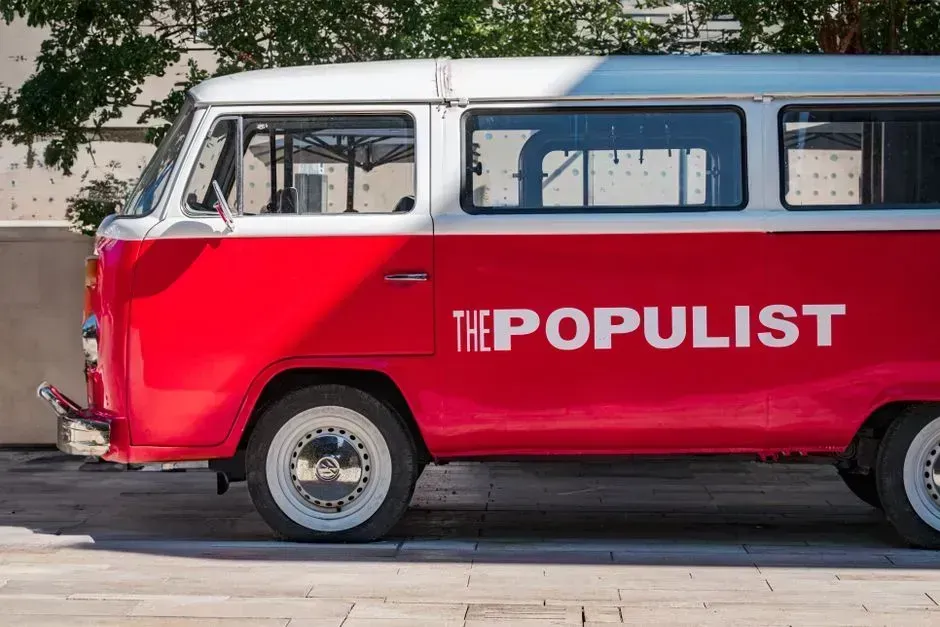
The 1970s had a distinct visual language in travel, warm color palettes, airline branding that felt glamorous rather than purely functional, hotels designed to look like an event rather than a transaction. That aesthetic largely disappeared during decades of minimalist, corporate travel design. It’s clawing its way back, sometimes literally.
Retro is trending, with Pan Am offering a one-off flight in the summer of 2025 that sold out in three days despite a price tag of nearly sixty thousand dollars. Cultural nostalgia is rising more broadly too, showing up in retro hotels, analog photography tours, vintage train journeys, and even decade-specific themed itineraries.
None of this means travel is actually going backward. Flights are faster, hotels are nicer, and nobody is giving up GPS for a paper road atlas anytime soon. What’s changed is the underlying appetite. After a stretch of years defined by cramming in as much as possible, a lot of travelers seem to be quietly borrowing the pace and intention that defined an earlier decade, minus the polyester and rotary phones.



Leave a Reply