
There was a time in America when the most exciting place in town wasn’t a bar or a coffee shop – it was the soda fountain tucked inside the local drugstore. Soda fountains were the coffee or boba tea shops of an earlier era, where young and old alike could stop a moment to relax and enjoy a sweet treat with friends. According to a 1929 issue of The New York Times, Americans were spending $700 million annually at soda fountains. That is a staggering number, and it tells you something real about how central these counters were to daily life.
By the 1970s, the era of the soda fountain seemed to be over. As fast food, bottled soft drinks, and more commercialized ice cream options arose in American culture, the soda fountain and its assortment of drinks and desserts began to vanish. What got lost along the way wasn’t just furniture and chrome fixtures – it was an entire vocabulary of drinks that most people today have never heard of. Here are ten of them.
1. The Phosphate
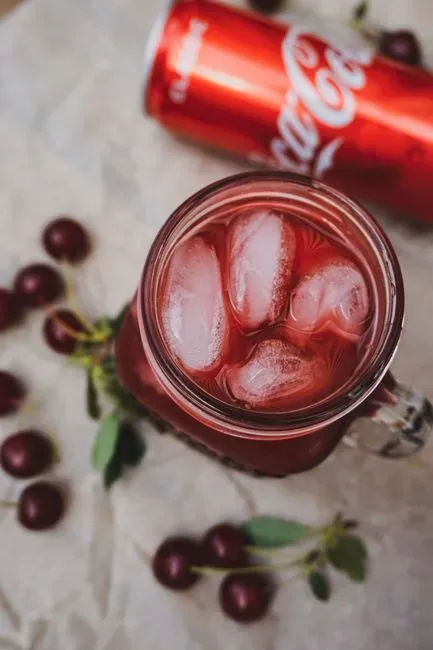
Phosphate beverages appeared in the 1870s, following the development by Harvard professor Eben N. Horsford of a process for “acid phosphates of lime.” Some businesses realized that the taste was quite palatable to consumers when combined with sugar and water, and some innovator came up with the idea of combining it with fruit syrup and soda water, creating a new soda fountain drink. Cherry phosphate was one of the most popular treats in the 1920s, and the chocolate phosphate, made from high-quality chocolate syrup, stood as a close second.
Whatever flavor you opted for, phosphates all had one thing in common: they had a unique sour element, kind of like an artificial citrus fruit. That sourness cut through overly sweet flavors, creating a perfectly balanced and slightly tingly soda fountain drink. Phosphates were initially considered a “masculine” kind of soda, but this gender stereotype soon dissolved, and phosphates continued to be popular with all genders until the 1930s, when the soda fountain trend shifted to ice cream-based parlor drinks.
2. The Egg Cream
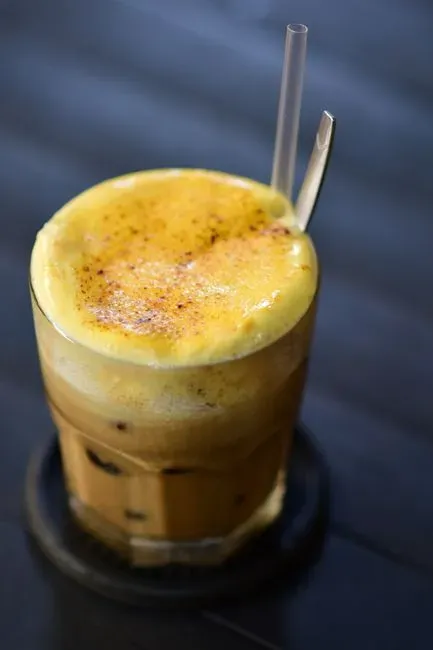
The egg cream is nothing like its name. There are no eggs at all in the recipe, although some theories suggest they may have been at one point. In fact, an egg cream is actually more like a bubbly chocolate milkshake, made with chocolate syrup (usually Fox’s U-Bet), seltzer, and milk. No one really knows for sure who invented the first egg cream, but it was, without a doubt, a Brooklyn favorite. It was a popular order for decades, right up until soda fountains started to disappear.
If you grew up in Brooklyn, New York City, in the early to mid-20th century, chances are you’ve tasted an egg cream from a soda fountain. In fact, there’s a good chance it was one of your favorite drinks to order at the time. Many people remember strolling through Brooklyn after school and stopping off to order an egg cream with their friends. For plenty, it was a daily ritual, often accompanied by corn muffins or pretzels. If you’ve got a craving for an egg cream now, you can still find them served in the odd diner in New York.
3. The Lime Rickey
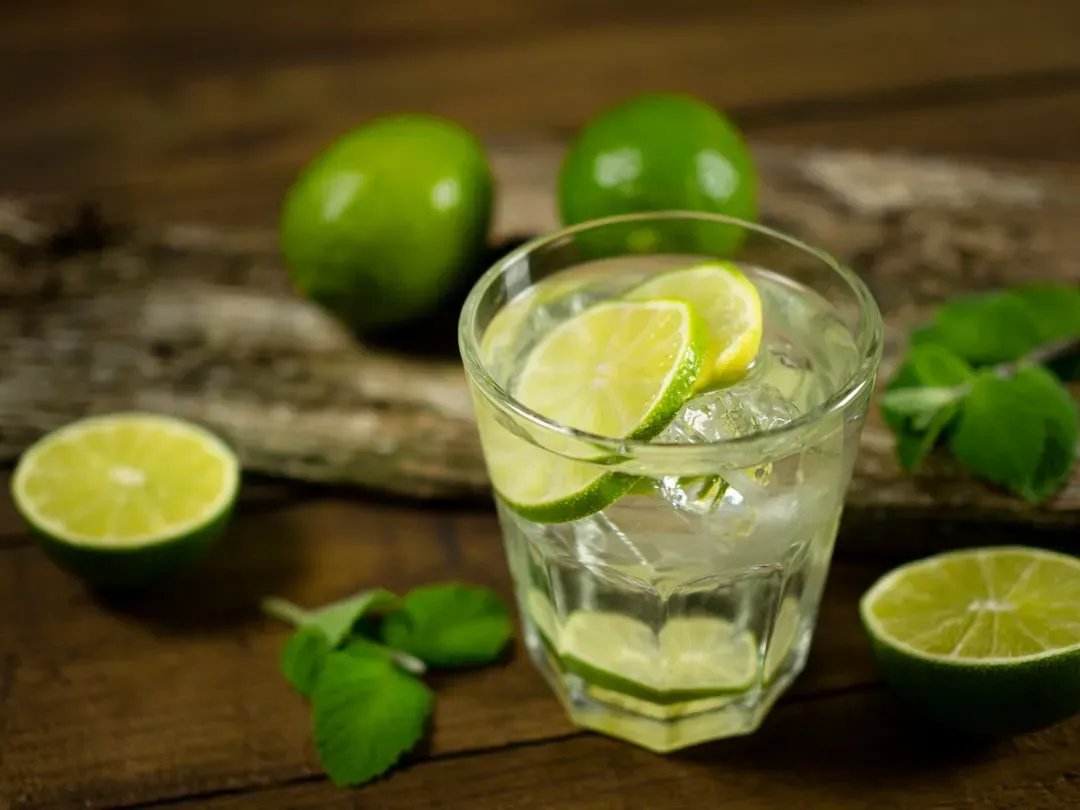
Lime Rickeys weren’t always a dry drink – they were actually invented at a Washington, D.C. bar in the 1880s. Back then, they were named after a customer called Colonel Joe Rickey, who liked his morning seltzer with fresh lime, ice, and a splash of bourbon. Concocted from lime juice, seltzer, and syrup, it had a stronger bite than other fountain drinks. In many ways, the lime rickey was one of America’s first mocktails, enjoyed by many people at the local soda fountain in the 1920s who found themselves unable to indulge in stronger beverages.
Regional variations sometimes included adding sweeter flavors to the mix. In New England, raspberry was a regular addition; in New York, the Cherry Lime Rickey was all the rage. Sadly, the Lime Rickey began to vanish with the emergence of home refrigeration and the rise of packaged sodas. Although some tried to bottle this beverage along with sodas like ginger ale and cola, it never took off the same way.
4. The Chocolate Coke
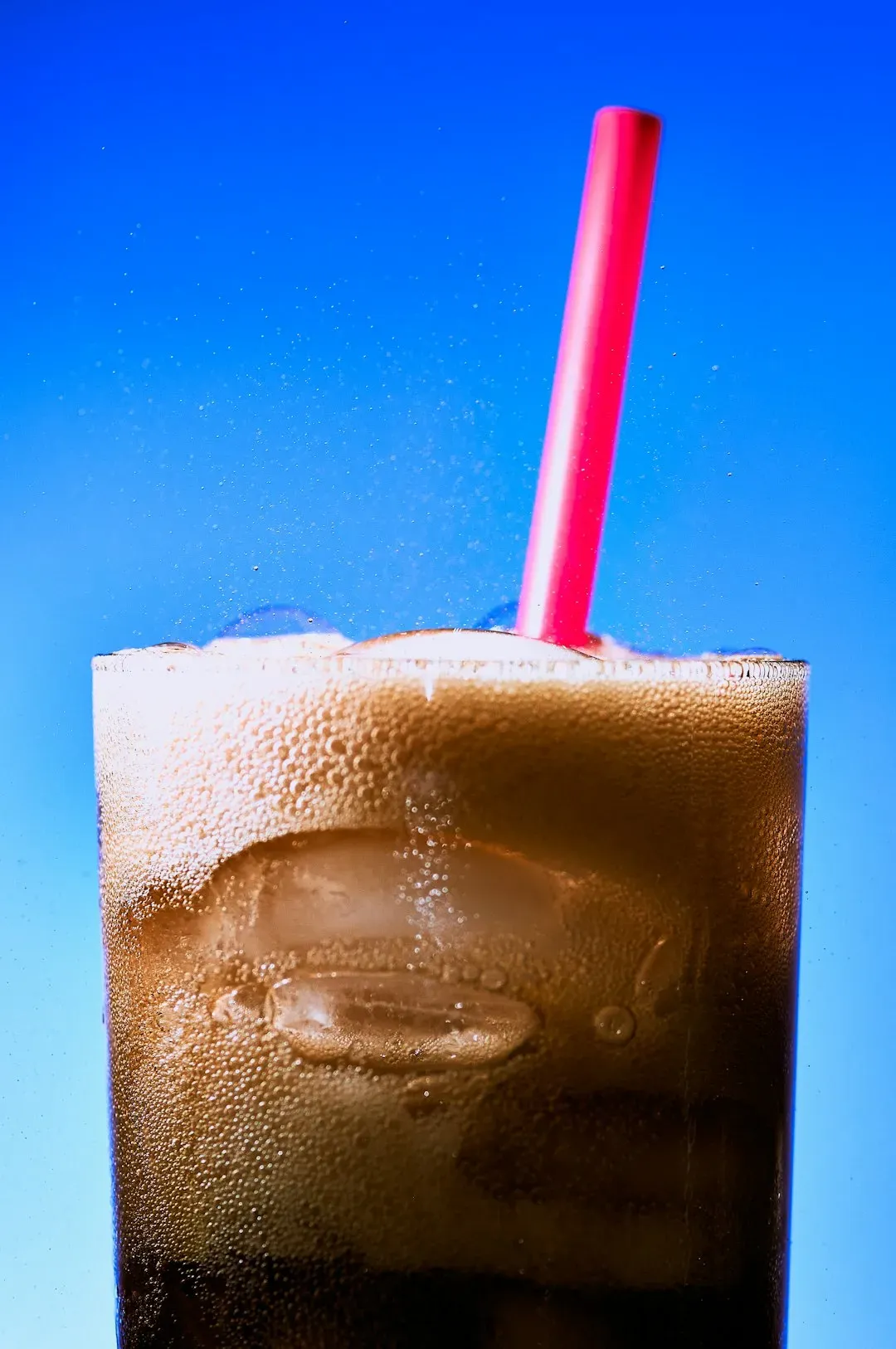
Back in the mid-20th century, chocolate Coke was a soda fountain go-to for many people. It really is as simple as it sounds: Coca-Cola and chocolate syrup. For some it might be overly sweet, but many loved the combination and would even add in some cherry for a little fruitiness, too. Unlike many other sodas of the era, chocolate Coke doesn’t seem to have one single inventor. It was simply the kind of thing that happened when creative soda jerks had a counter full of syrups and a willing customer.
People remember soda jerks getting requests to mix various syrups with Coke, including lemon and vanilla. For some, Hershey’s chocolate syrup was the go-to for chocolate Cokes, and others would even mix a few peanuts into the drink, too. Such drinks were often treasured treats for kids and teens after school. Today you won’t find it on any menu, though the craving is clearly still there – versions of it keep popping up as DIY experiments online.
5. The Malted Milkshake
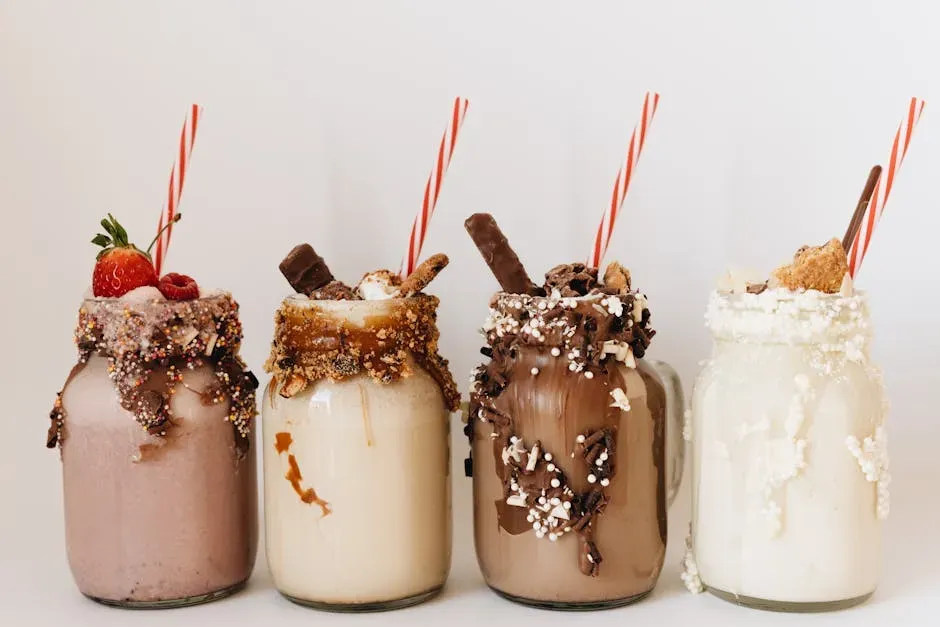
Although more often associated with old-fashioned malt shops that served burgers and sundaes, the malted milkshake also made appearances in many soda fountains decades ago. Distinguished from a traditional milkshake by the addition of malt powder or malt syrup, these dairy-based drinks were popularized with the invention of malted milk powder, touted in the 1900s for its health benefits and dense caloric content. Many associate its rise in popularity with Walgreens employee Pop Coulson in the 1920s, who used Horlick’s malted milk, a few scoops of ice cream, and a topping of whipped cream to craft a treat filled with nutty flavors and toasted malt characteristics.
Adding malted milk powder to a milkshake was known in soda jerk lingo as “burning one.” “Burn one all the way” meant that your malt included chocolate ice cream. The fountain-made malted had a depth of flavor that no packaged product ever quite replicated – that toasty, almost biscuity backbone that made every sip feel slightly more substantial. The old-fashioned soda fountains started to disappear in the early 1970s, as people migrated to the suburbs and fast food places sold many of the same items.
6. The Moxie Fountain Soda
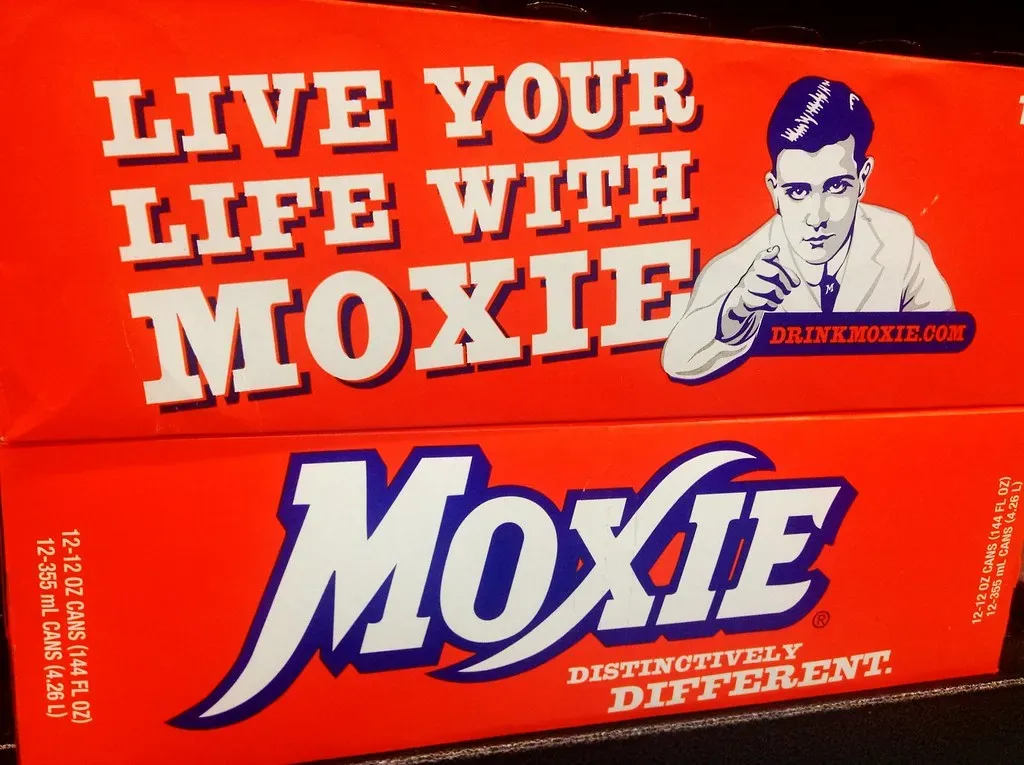
Moxie is a brand of carbonated beverage that is among the first mass-produced soft drinks in the United States. It was created around 1876 by Augustin Thompson as a patent medicine called “Moxie Nerve Food” and was produced in Lowell, Massachusetts. It has been described as having “a bitter aftertaste that some say is similar to root beer,” and it is flavored with gentian root extract, an extremely bitter substance commonly used in herbal medicine.
First marketed for wellness and vitality before dropping its medical claims in the early 1900s, Moxie holds the title as one of the first bottled sodas manufactured in the U.S. A drink so popular it actually outsold Coca-Cola in 1920, its success was largely due to its advertising, which declined during the Depression. Audacious advertising campaigns stopped with the onset of the Great Depression, leaving Coke and Pepsi to dominate the market. Subsequent years led to further decline until the beverage became a regional one. Appointed as the official state soft drink of Maine in 2005, Moxie continues to be sold today – although its fan base has significantly shrunk.
7. The Green River Soda Fountain Drink
When Richard C. Jones of Davenport, Iowa, concocted a sparkling green drink to attract high school students to his ice cream shop and soda fountain in 1916, little did he know that one day it would keep a brewery in operation during Prohibition, inspire a famous rock song, and become a symbol of Irish festivities in Chicago. It was popular as a soda fountain syrup, trailing only Coca-Cola in popularity throughout the Midwest.
Many people who grew up drinking Green River say the soda fountain version was the best. Some remember getting served Green River in a paper cone from their local soda fountain, which had to be placed on a metal stand so they could enjoy it while they sat and drank with their friends. After a steady decline through the ’70s and ’80s, by the 1990s you could reportedly only find Green River being served in the Seattle area. The soda has since seen a comeback, and today it has become a beloved taste of yesteryear, with its association with drive-in movies and old-fashioned soda fountains.
8. The Hot Soda
The gargantuan soda-fountain industry had a problem: every year, as soon as the temperature dipped, sales and profits did too. So each winter, soda fountains recommended what they called “hot sodas,” which could mean anything from hot eggnog to hot mint juleps to a “Reeking Smatch” (a blend of clam juice, cream, and ginger). Although largely forgotten, the appearance of these drinks heralded the start of a new season in the United States just as the pumpkin spice latte does today.
Soda fountains sold hot ginger ale and other sodas, which didn’t come from bottles or cans, but were made in-house from the fountain’s own syrups or extracts. They simply added cold soda water for cold sodas and hot water for hot ones. Other drinks, such as hot angostura tonic and hot pepsin phosphate, recalled soda fountains’ medicinal roots in 19th-century drug stores. Today, nearly every trace of the hot soda tradition has been erased from public memory, replaced entirely by the modern coffee shop.
9. The Purple Cow
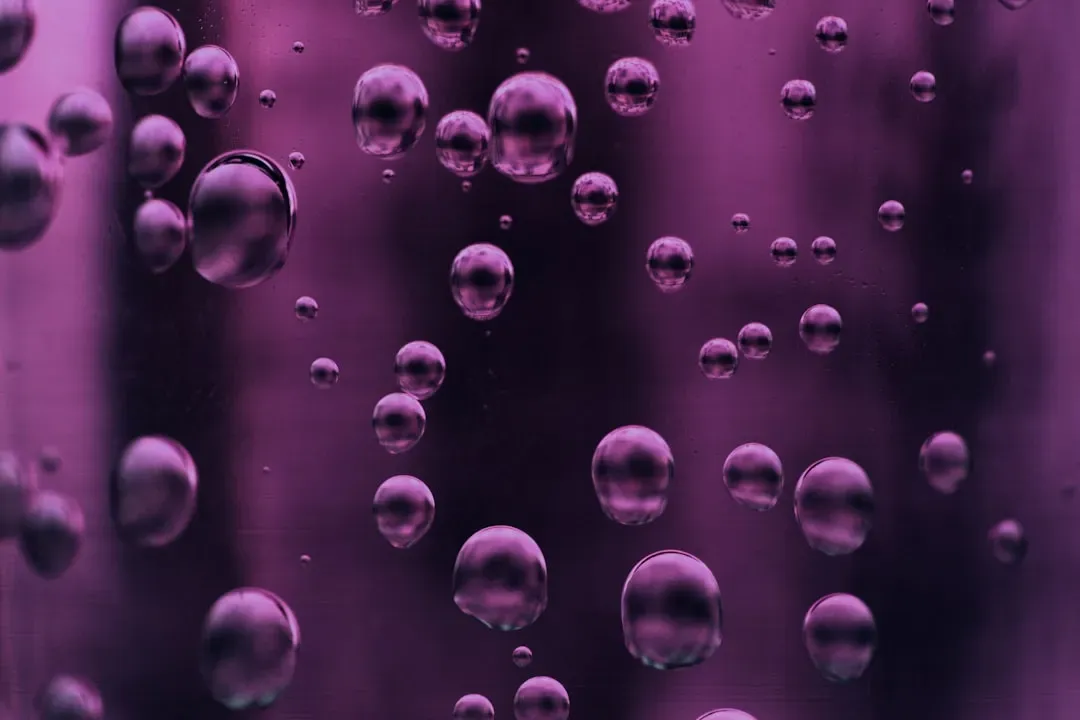
While the root beer float might still be around, the purple cow has been largely forgotten. Made from grape soda and vanilla ice cream, this soda fountain treat once delighted many an eager child in the 1930s. Why the strange name for this bygone beverage? It’s likely the purple referred to the color of the soda, and the cow to dairy. It is essentially the grape-flavored cousin of the root beer float, and the fact that it vanished while root beer floats survived says a lot about how taste preferences – and marketing – shape collective memory.
The Purple Cow was never a national institution the way root beer was, which may be exactly why it faded so quietly. It lived and died at the local level, created fresh at the counter with whatever grape soda the jerk had on tap. Many soda fountain treats soon began to fade from memory, disappearing from menus and minds across the country, save for the odd retro-themed shop. The Purple Cow is perhaps the purest example of that disappearing act – a drink that barely left a footprint beyond the memories of those lucky enough to have tasted one.
10. The Nectar Soda
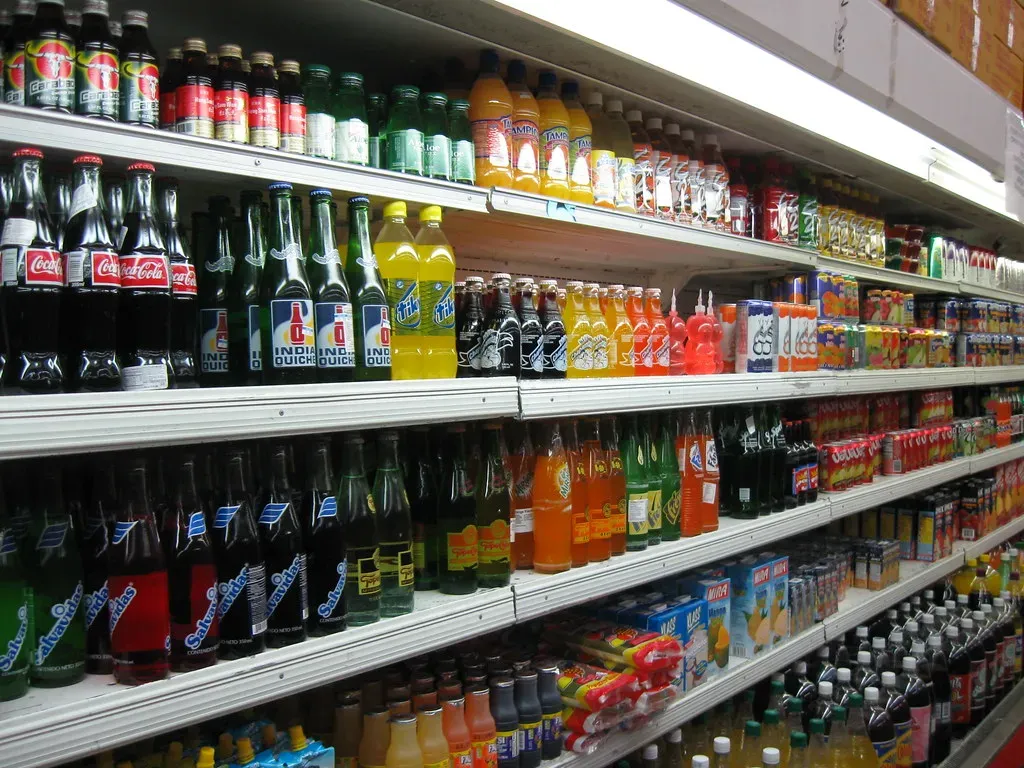
Many who remember frequenting the K&B drugstore chain in New Orleans feel nostalgic over one option in particular: nectar. Strangely, nectar sodas, which were made with a combination of vanilla and bitter almond, were only really popular in New Orleans and Cincinnati, Ohio. In fact, the flavor was probably more popular in Cincinnati, where it was served from soda fountains as early as the 1870s. It has the distinction of being perhaps the most geographically narrow item on this entire list – a drink so regional that most Americans have never even heard its name.
The nectar soda’s flavor profile was unusual enough that it never translated well to a bottled format, which sealed its fate once soda fountains disappeared. Unlike cola or root beer, it had no mass-market champion willing to spend millions keeping it alive. For over a century, soda fountains were an integral part of American culture, serving as community gathering places where people could enjoy a cold drink, a sweet treat, and warm conversation. The nectar soda, more than perhaps any other drink on this list, belonged entirely to that world – and when that world ended, it went with it.
What’s remarkable about all ten of these drinks is not simply that they disappeared, but how completely they disappeared. No viral moment brought them back, no fast food chain added them to a seasonal menu. They belonged to a specific social ecosystem – the marble counter, the spinning stool, the soda jerk working the tap – and when that ecosystem collapsed, the drinks went too. Soda fountains were the coffee or boba tea shops of an earlier era, where young and old alike could stop a moment to relax and enjoy a sweet treat with friends. That sounds simple, but it was something genuinely irreplaceable. Some things can only ever exist in their original context, and no amount of nostalgia can pour them back into the glass.
Leave a Reply