
1. Home Theater Rooms

A dedicated media room with tiered seating and blackout curtains used to be a genuine selling point. These days, buyers increasingly see high end additions like full theater rooms as costly, outdated and impractical, especially since streaming services and a decent television handle most entertainment needs without eating up an entire room. Most people would rather have that square footage back as a flexible office or guest space.
Part of the problem is specificity. A room built for one purpose only appeals to buyers who share that exact hobby, and as one real estate CEO put it, most buyers want spaces they can actually use, not rooms tailored to very specific hobbies. That narrows the pool of interested buyers considerably, which is rarely good news at closing time.
2. Saunas and Elaborate Spa Rooms
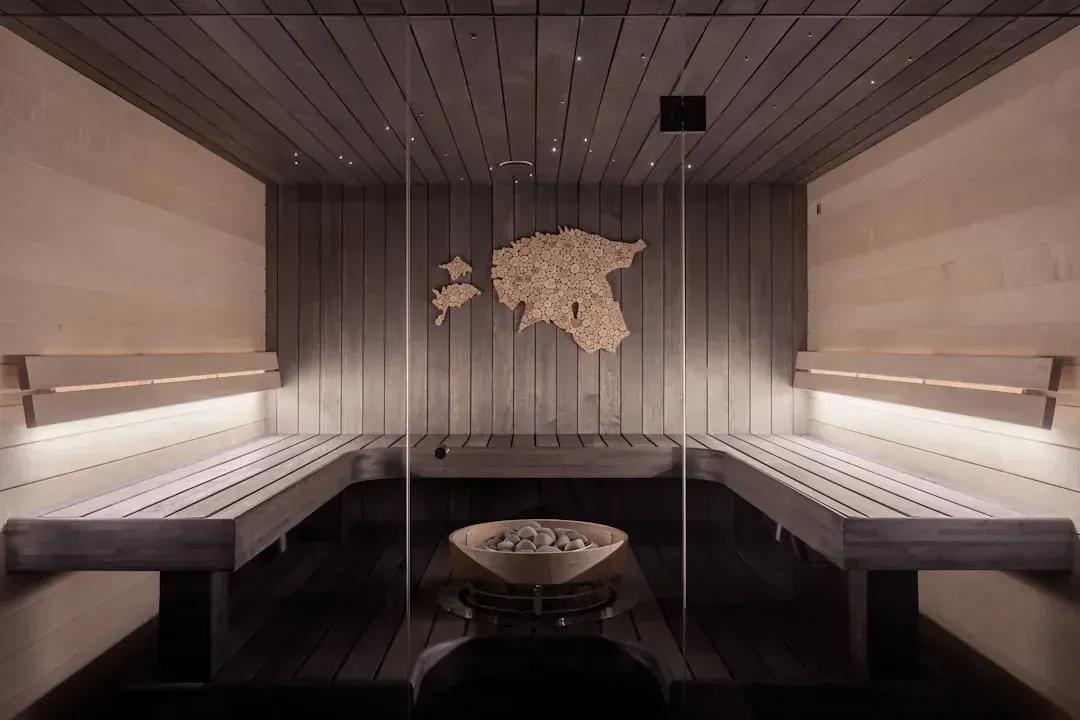
Saunas photograph beautifully and sound wonderful in a listing description. In practice, though, one investor who evaluates these projects regularly noted that saunas are a great idea in theory, but in reality you just don’t see them being used enough, which makes the return on investment weak. What looks like relaxation on Instagram often becomes an unused corner within a year of moving in.
The maintenance burden doesn’t help either. Spa style additions require plumbing, ventilation, and specialized upkeep that buyers have to factor into their mental math, and most decide the math doesn’t work in their favor. A simple, well designed bathroom tends to earn more goodwill than a niche wellness feature nobody asked for.
3. Elaborate Landscaping and Water Features

Fountains, koi ponds, and manicured gardens might impress at first glance, but most buyers think of maintenance before they think of beauty. Elaborate landscapes require constant watering, trimming, or professional care, and buyers today would rather spend weekends doing something other than pond skimming. Simple yards win out over showpiece ones almost every time now.
One agent who buys distressed properties described the reaction plainly: fancy water features and exotic landscaping can intimidate buyers because they come with extra work. That intimidation factor translates directly into lower offers or longer time on market, since buyers subtract the projected cost of undoing or maintaining the feature.
4. Permanent Wallpaper
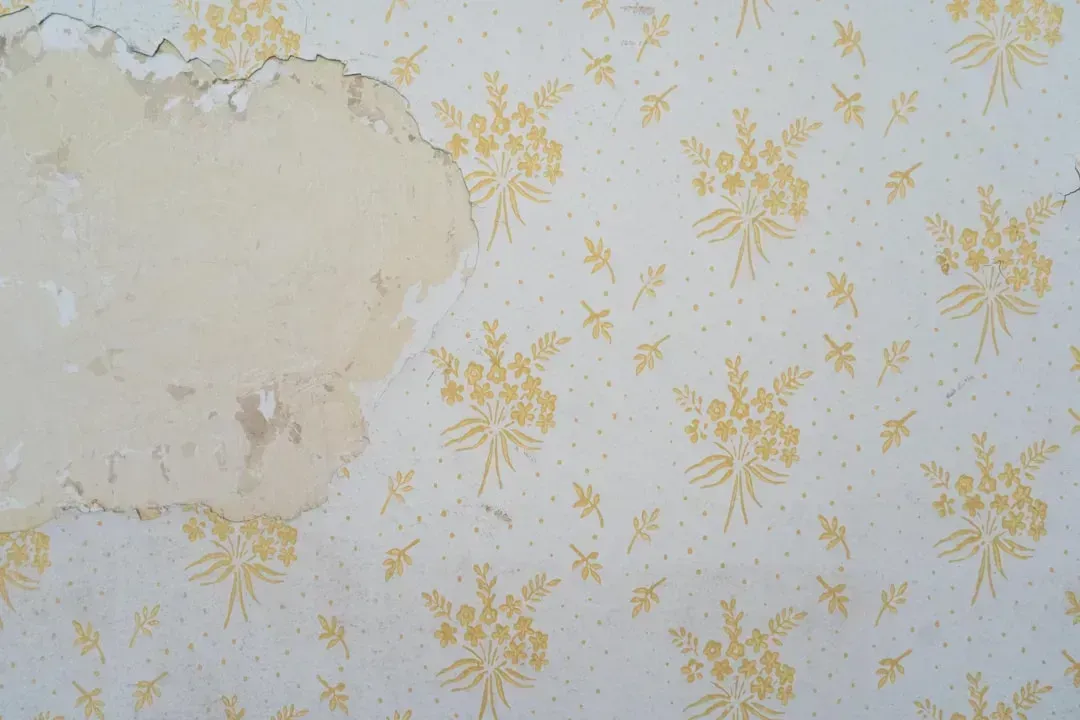
Wallpaper has cycled in and out of fashion for decades, but the permanent kind is having a particularly rough moment with buyers. Removing old wallpaper is labor intensive, involving steaming and scraping that scares off move in ready shoppers who worry about what damage might be hiding underneath. A freshly painted neutral wall, by contrast, lets buyers imagine their own life in the space instead of someone else’s decorating choices.
Market data backs up the hesitation. Homes with outdated or damaged wallpaper can deter buyers, while removing it and repainting tends to improve buyer perception and return on investment noticeably. Even design forward buyers who like the look of wallpaper generally prefer removable, peel and stick versions over anything glued down for the long haul.
5. Formal Dining Rooms
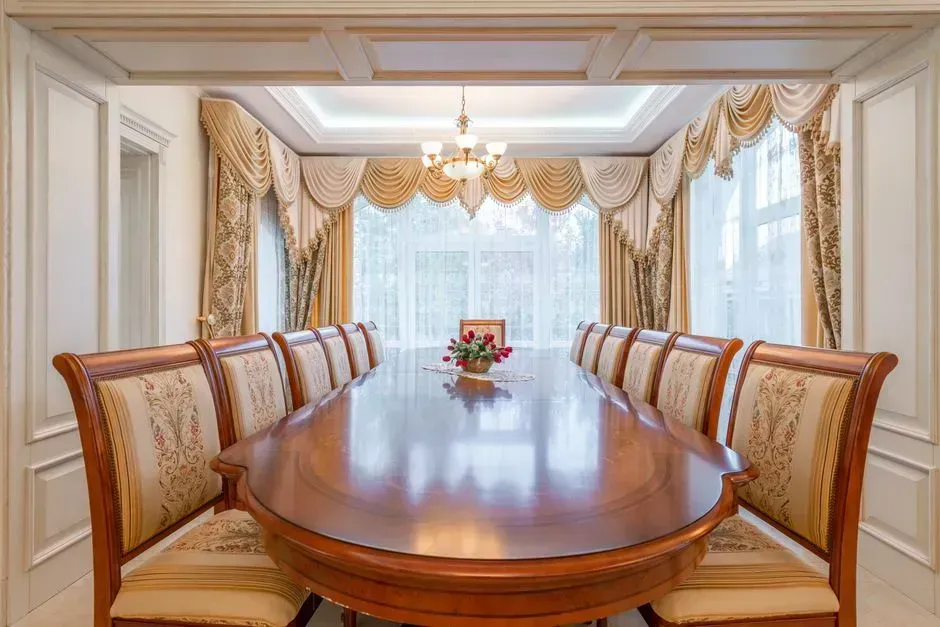
The dedicated dining room, once a hallmark of a proper family home, is quickly losing its appeal as remote work and casual entertaining reshape how people actually use their houses. Buyers now look at a room used only a few times a year and see wasted potential that could become a home office or a playroom instead. Open, flexible layouts where eating, working, and relaxing can happen without rigid boundaries are simply more in step with modern life.
The listing data reflects this shift too. A late 2025 trend report from Realtor.com found that listings featuring formal dining rooms with built ins saw a noticeably smaller share of interested buyers compared to homes with more adaptable layouts. Sellers holding onto a strictly formal dining space may want to think about how that room could flex for other uses before listing.
6. Double Ovens and Oversized Kitchen Appliances
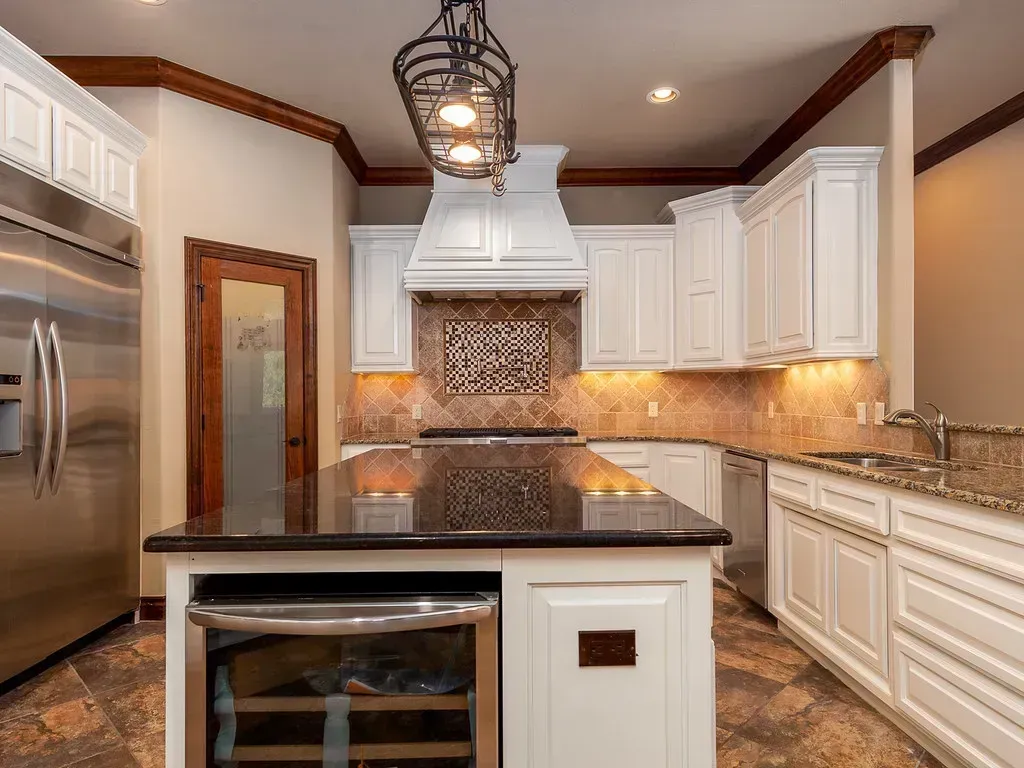
A double oven once signaled serious home cooking ambition and a well appointed kitchen. Now, buyers in 2026 are prioritizing pantry space and coffee bars over redundant cooking capacity, and it’s becoming harder to justify the footprint of a double oven when smarter, compact appliances can do the same job. The energy cost of heating a large appliance for a small meal weighs on buyers who are paying closer attention to utility bills than ever.
Kitchen real estate has simply become too valuable to dedicate to equipment most households use only occasionally. Buyers would rather see that cabinet space turned into a pantry or a beverage station, features that get used daily instead of a few times a month.
7. Leased or Complicated Solar Panel Systems
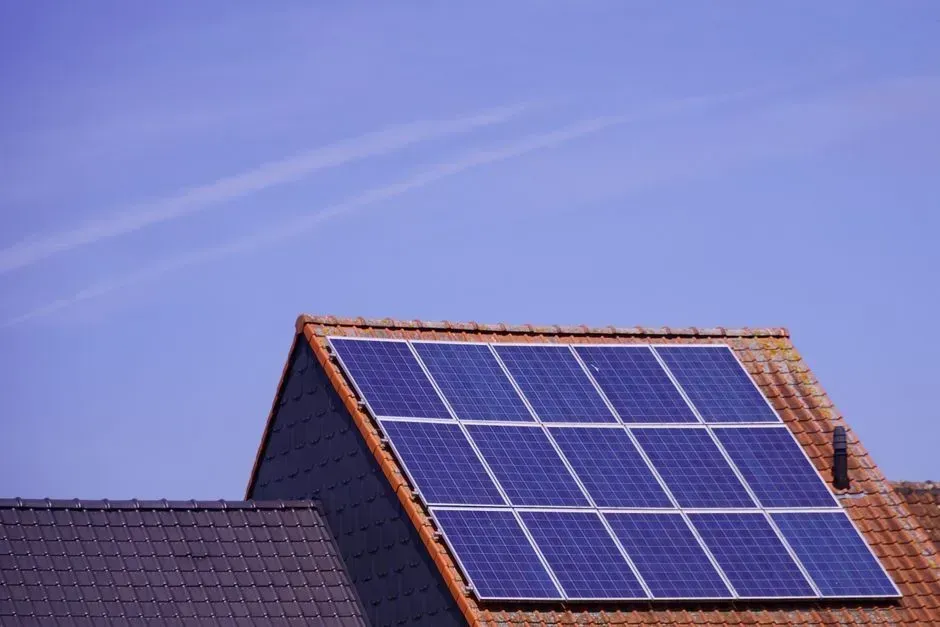
Solar panels sound like an easy win for eco conscious buyers, but leased or overly complex systems can complicate financing, raise monthly costs, and turn buyers away entirely. Sellers frequently underestimate how much of a deal breaker this can be, with one investor recalling buyers who canceled a closing the same day because they didn’t want to inherit an unexpected monthly solar bill. The surprise cost, not the technology itself, tends to be the actual problem.
Fully owned systems fare better, but even those require buyer education about the real value they add. Without a clear breakdown of savings versus obligations, many buyers default to caution and simply walk away from homes with anything but the simplest ownership arrangement.
8. Garage Conversions Into Living Space
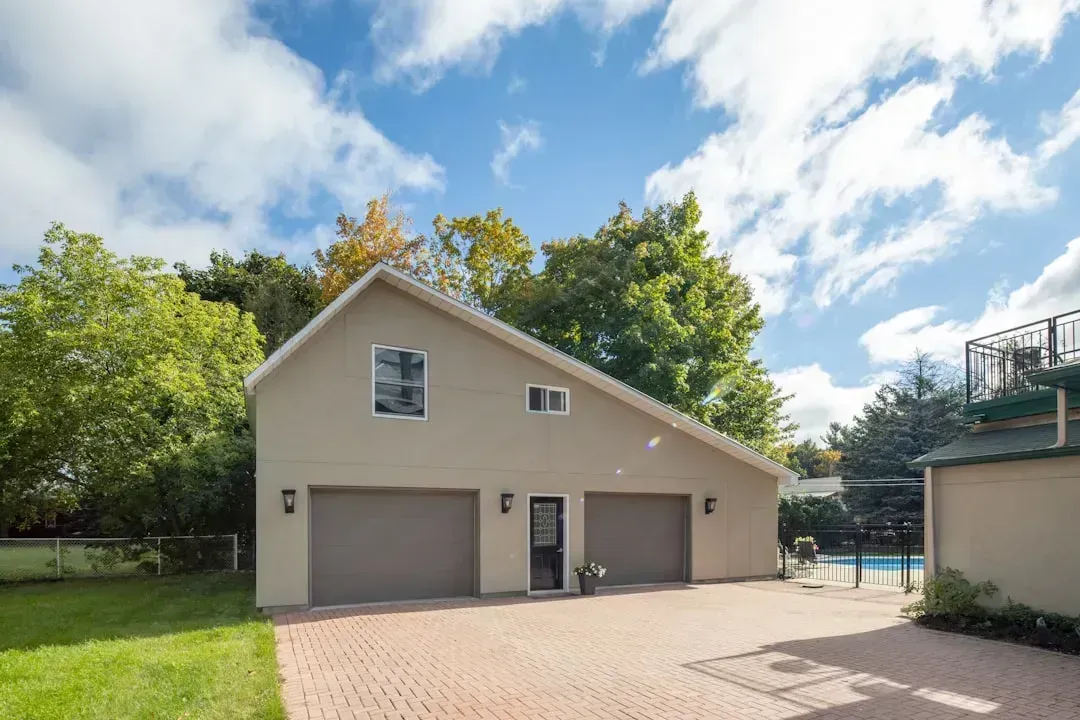
Turning a garage into a bonus room once seemed like a clever way to add square footage without a full addition. Today, buyers prioritize storage and parking, especially in suburban and rainy regions, and a converted garage often reads as a loss rather than a gain. Garages are considered prime real estate in the US, and most buyers want them functioning as garages first.
What might have felt like a great perk decades ago now often falls flat, particularly when the converted space lacks proper insulation or air conditioning. A cramped, poorly climate controlled bonus room isn’t appealing to most buyers when they’d rather have a place to park the car and store the holiday decorations.
9. Proprietary Smart Home Hubs

Whole home automation systems built around a single brand’s proprietary hub were once a flashy talking point during showings. Buyers are increasingly avoiding these closed ecosystems, and older model smart appliances or complicated control systems can feel outdated fast. What seemed cutting edge at installation can turn into a headache within a few years as software updates stop and compatibility with newer devices fades.
The safer bet, according to agents who track these preferences, is technology that’s easily swapped out or updated, like a basic smart thermostat rather than a locked in whole house system. Buyers want convenience without being tied to a specific company’s ecosystem for the life of the home.
10. New Wall to Wall Carpet
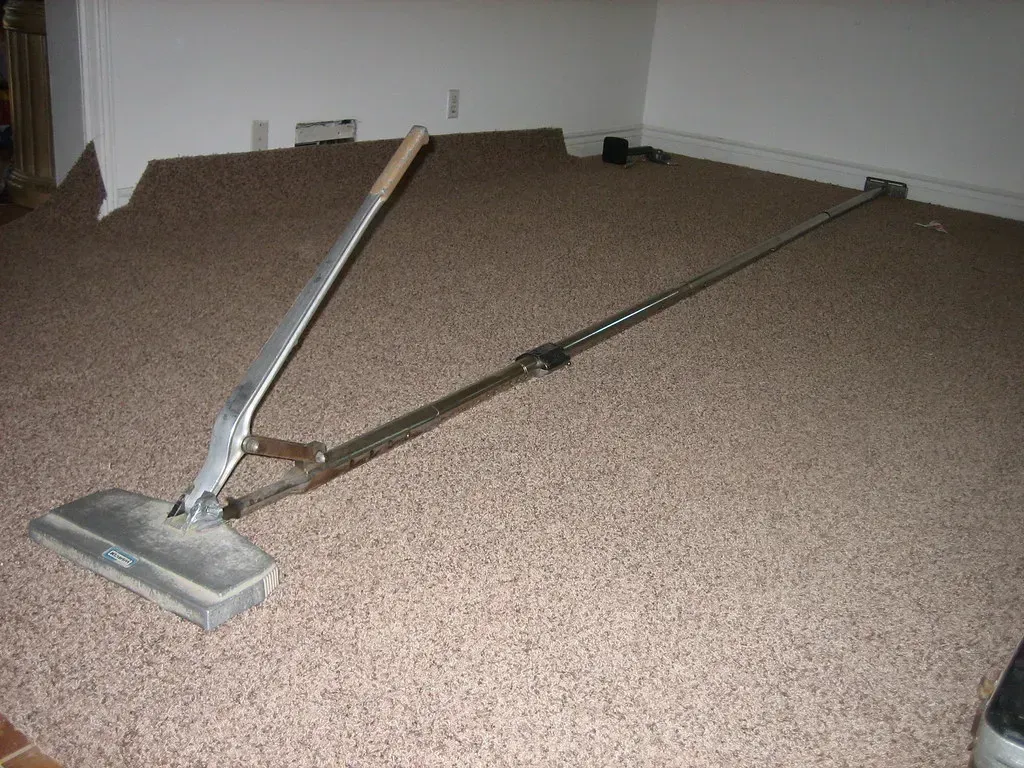
Installing fresh carpet before selling might feel like a thoughtful, move in ready gesture, but it rarely lands that way with today’s buyers. According to a 2026 cost and value guide, carpet generally adds zero value to a home’s resale price and is often treated as a deduction, while hardwood floors typically return a much higher share of their installation cost. Buyers increasingly assume they’ll rip carpet out anyway, so paying to install it beforehand often amounts to money spent for nothing.
New carpet can also feel temporary or outdated compared to hard surface flooring, and many buyers factor in the eventual replacement cost when making an offer. If carpet has to stay somewhere, sticking to neutral tones in low traffic areas tends to be a safer, more limited use of the material.
11. Luxury Bathroom Remodels With High End Finishes
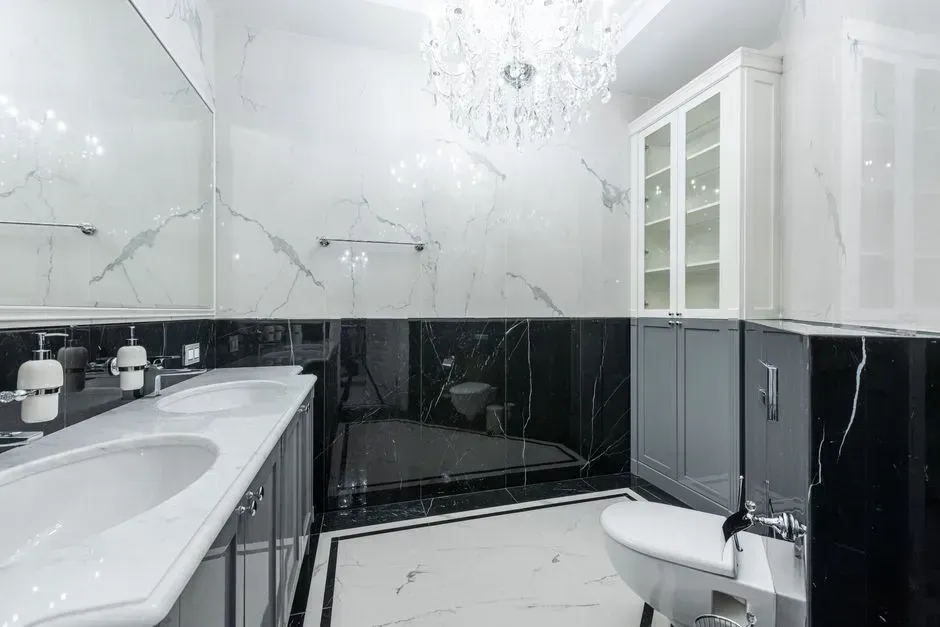
A fully marbled, designer fixture bathroom sounds like a guaranteed value booster, but it frequently underperforms once the price climbs above what a neighborhood typically supports. High end finishes such as marble, custom cabinetry, and premium fixtures can inflate renovation costs well beyond what local buyers are willing to pay back. In most markets, buyers care more about cleanliness, functionality, and modern basics than they do about designer details that reflect someone else’s taste.
Premium fixtures are generally viewed by buyers as replaceable items rather than lasting upgrades, so paying a premium for a specific designer’s aesthetic rarely pays off at resale. A clean, well maintained bathroom with durable, mid range materials tends to satisfy a much wider range of buyers than one dressed up for a magazine spread.
The common thread running through all eleven of these features is simple enough. Buyers in this market are looking for homes that work hard for them, not homes that ask them to work harder in return. Anything that adds maintenance, narrows appeal, or complicates ownership without a clear daily benefit tends to get quietly discounted, even if it once cost a small fortune to install. For sellers weighing renovations before listing, the safest money right now goes toward neutral, functional, low maintenance updates rather than anything highly personalized or purpose specific. What felt like a luxury a few years ago can age into a liability faster than most homeowners expect.



Leave a Reply