
Most people pick a hotel by price, location and a handful of photos. Frequent travelers tend to look a little deeper, because they’ve learned that small details in a room can shape a whole trip. A weak desk, a noisy corridor or a missing outlet can matter more than a fancy lobby.
The features below come up again and again in traveler advice and hotel guides. None of them requires special knowledge, only a habit of reading listings closely and asking a few direct questions before you pay.
Bed Size and Configuration
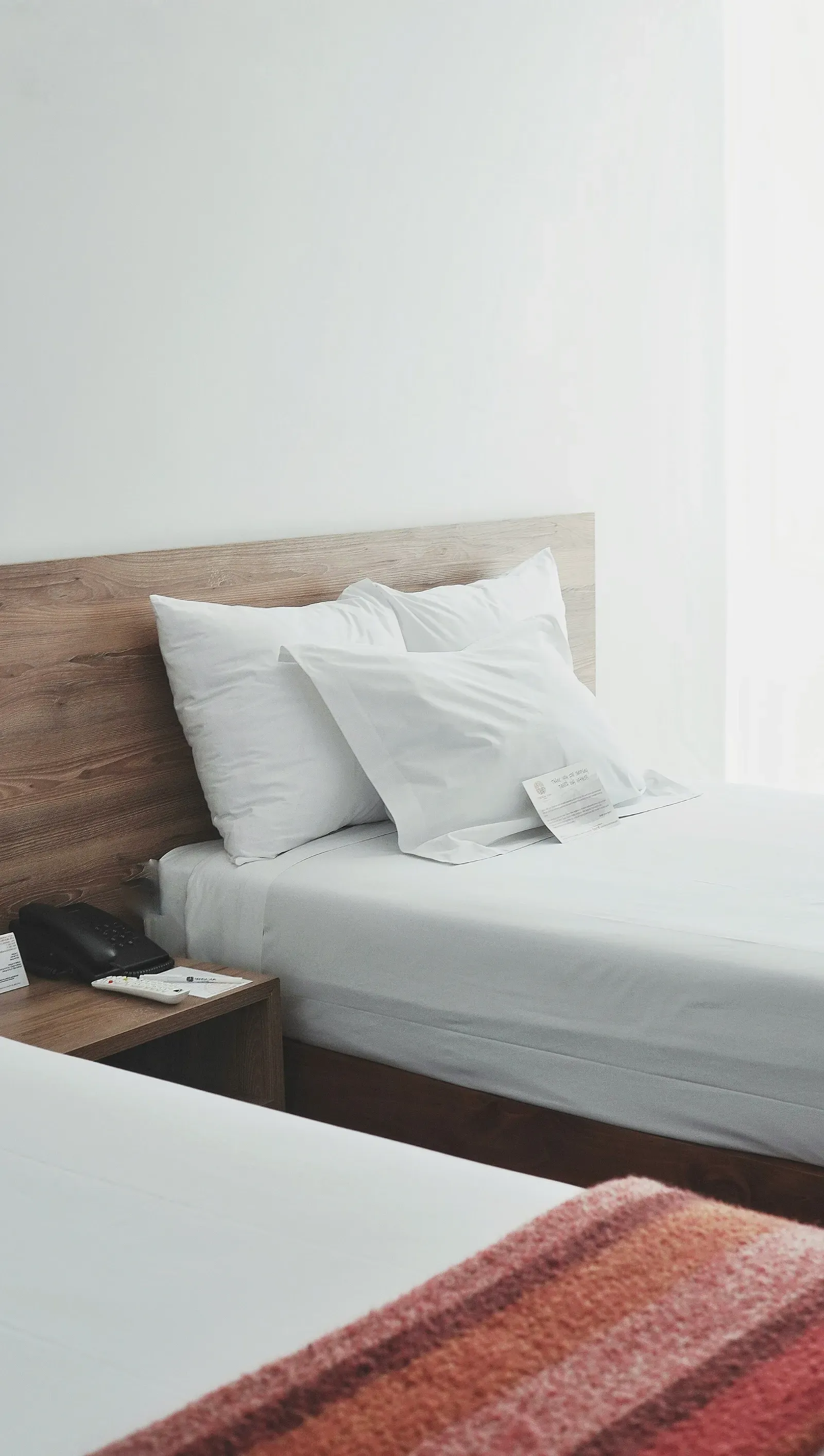
Listings often name a bed type, yet the details vary widely. A king, a queen and two doubles sleep very differently, and room photos don’t always show which one you’ll get. Frequent travelers confirm the bed setup, especially when sharing a room with a colleague or family member.
Many booking platforms let you filter by bed type, and hotels will usually note a preference on your reservation. It’s a request, not a guarantee, so a quick message to the front desk a few days before arrival helps. Checking this early avoids the awkward scramble at check in.
Noise Levels and Room Location
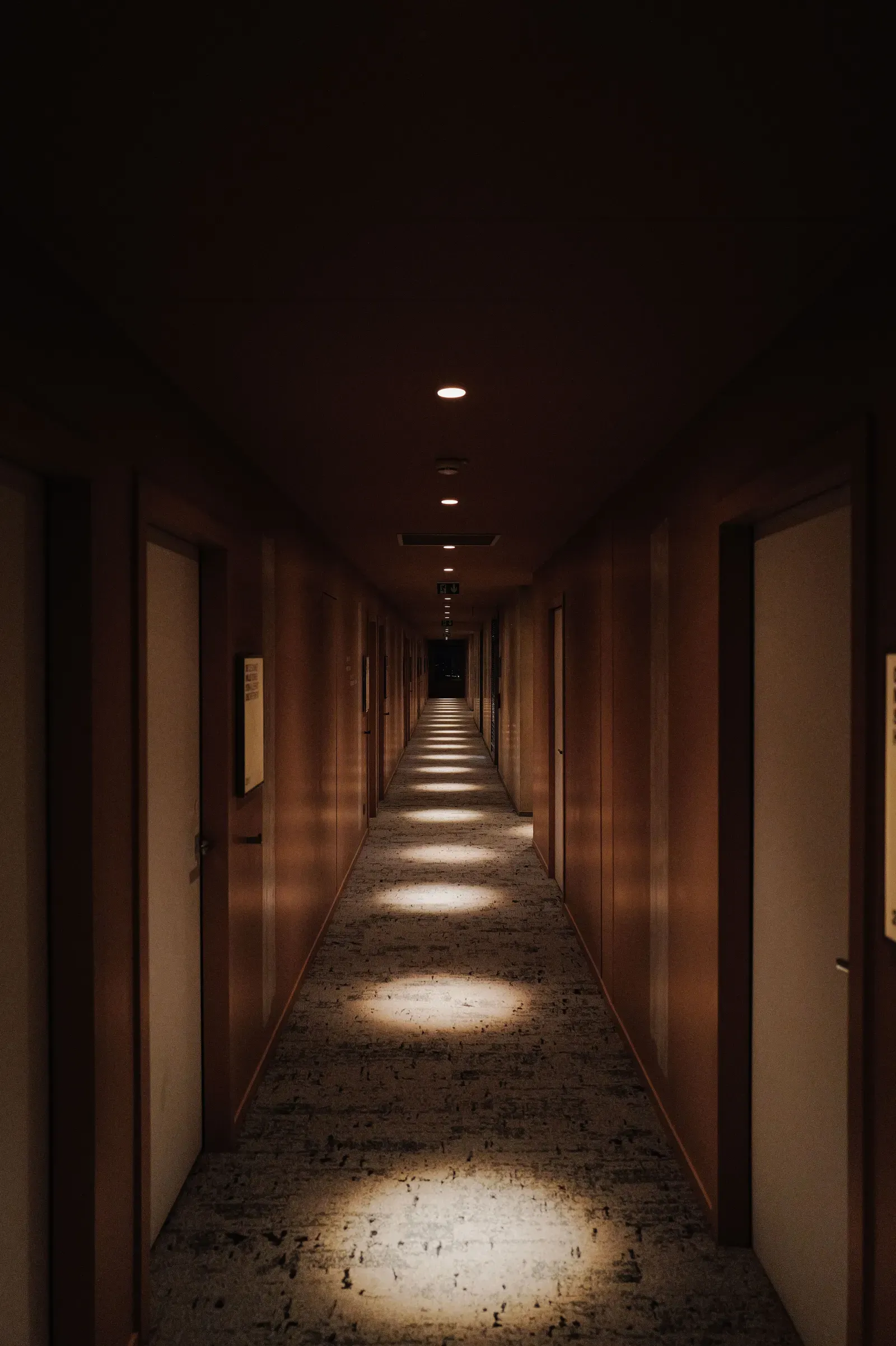
Noise is one of the most common complaints in hotel reviews. Rooms next to elevators, ice machines, busy streets or nightclubs are the usual culprits. Travelers scan recent guest reviews for words like thin walls, street noise or loud hallway.
Many also ask for a higher floor or a room at the end of a corridor. Some bring earplugs or a white noise app as a backup. Still, choosing the right room location is far easier than fixing a bad one at midnight.
Wi-Fi Speed and Reliability
Free Wi-Fi is now expected, but free doesn’t mean good. Business travelers and remote workers care about speed, stability and whether a login is required for every device. A connection that drops during a video call is a real problem.
Reviews that mention video calls or streaming are more useful than a simple listing of Wi-Fi as an amenity. Some travelers also check whether the hotel offers a premium tier or wired Ethernet in the room. When the work stakes are high, they ask the hotel directly.
Power Outlets and USB Ports
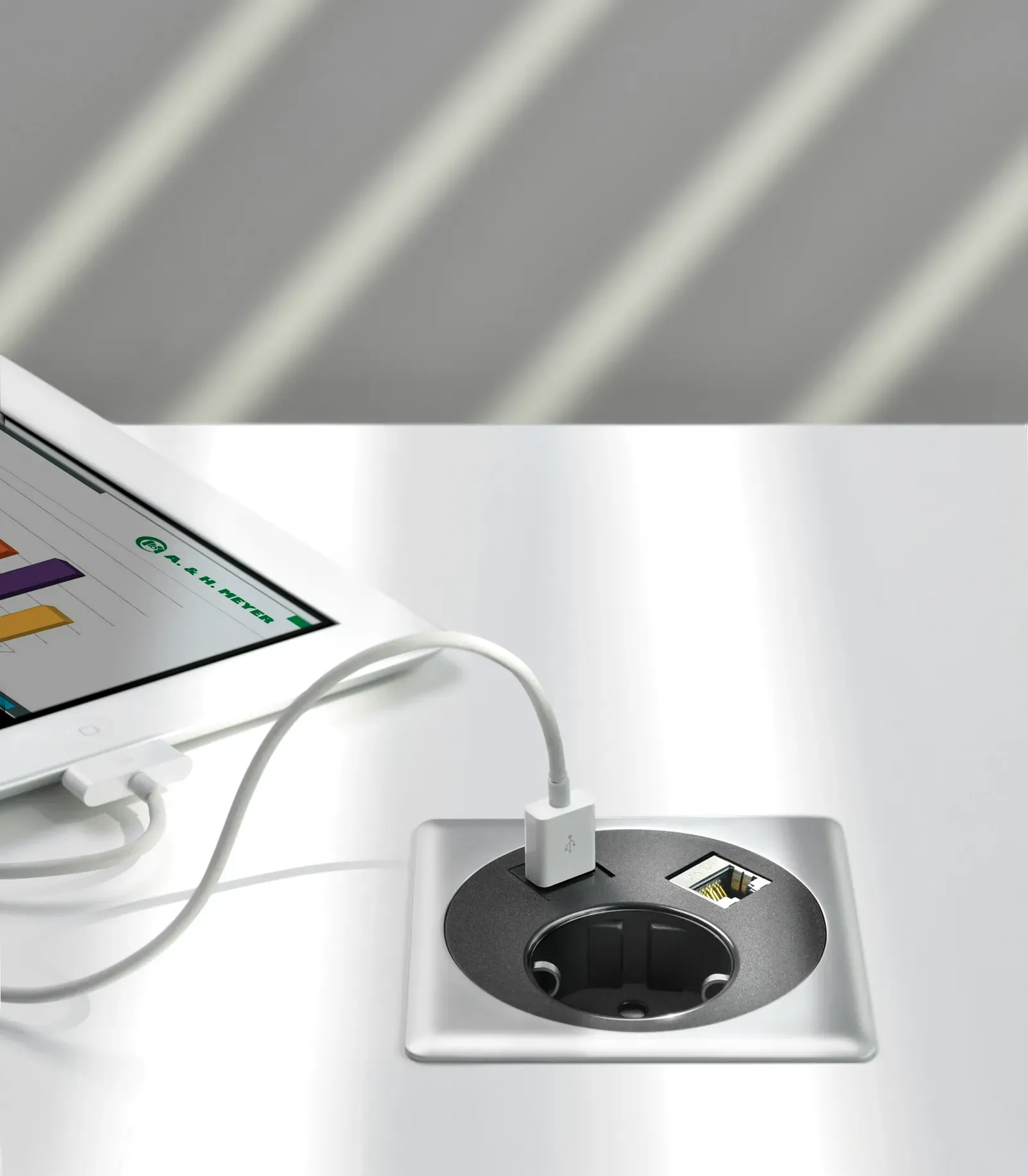
Phones, laptops, watches and earbuds all need charging, and older rooms may have only one or two accessible outlets. Frequent travelers look for outlets near the bed and the desk. Built in USB ports, including USB-C, are a welcome sign of a recently updated room.
Plug type matters abroad, too. Hotels in some countries have universal sockets, while others don’t, so many travelers carry their own adapter. A compact power strip is another common fix when outlets are scarce.
Workspace and Desk Setup
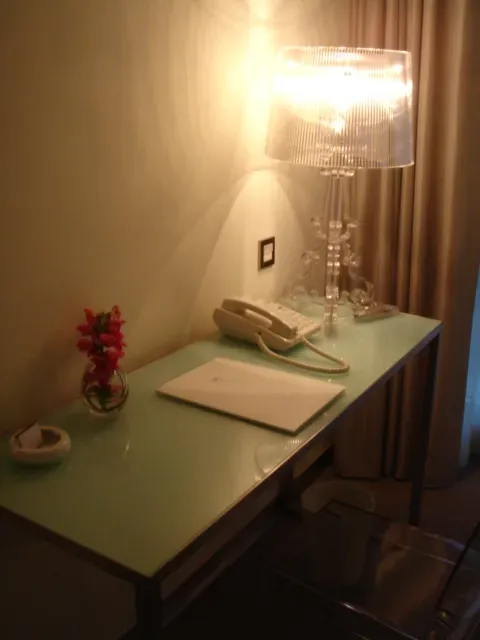
A proper desk and a comfortable chair can make a work trip far easier. Some rooms offer only a small shelf or a low coffee table, which is rough on the back after an hour. Photos usually reveal whether a real desk exists.
Lighting at the desk matters as well. Travelers who work from their rooms often check for a lamp, a nearby outlet and enough surface space for a laptop and notebook. If none of that is visible, they may choose another property.
Air Conditioning and Climate Control
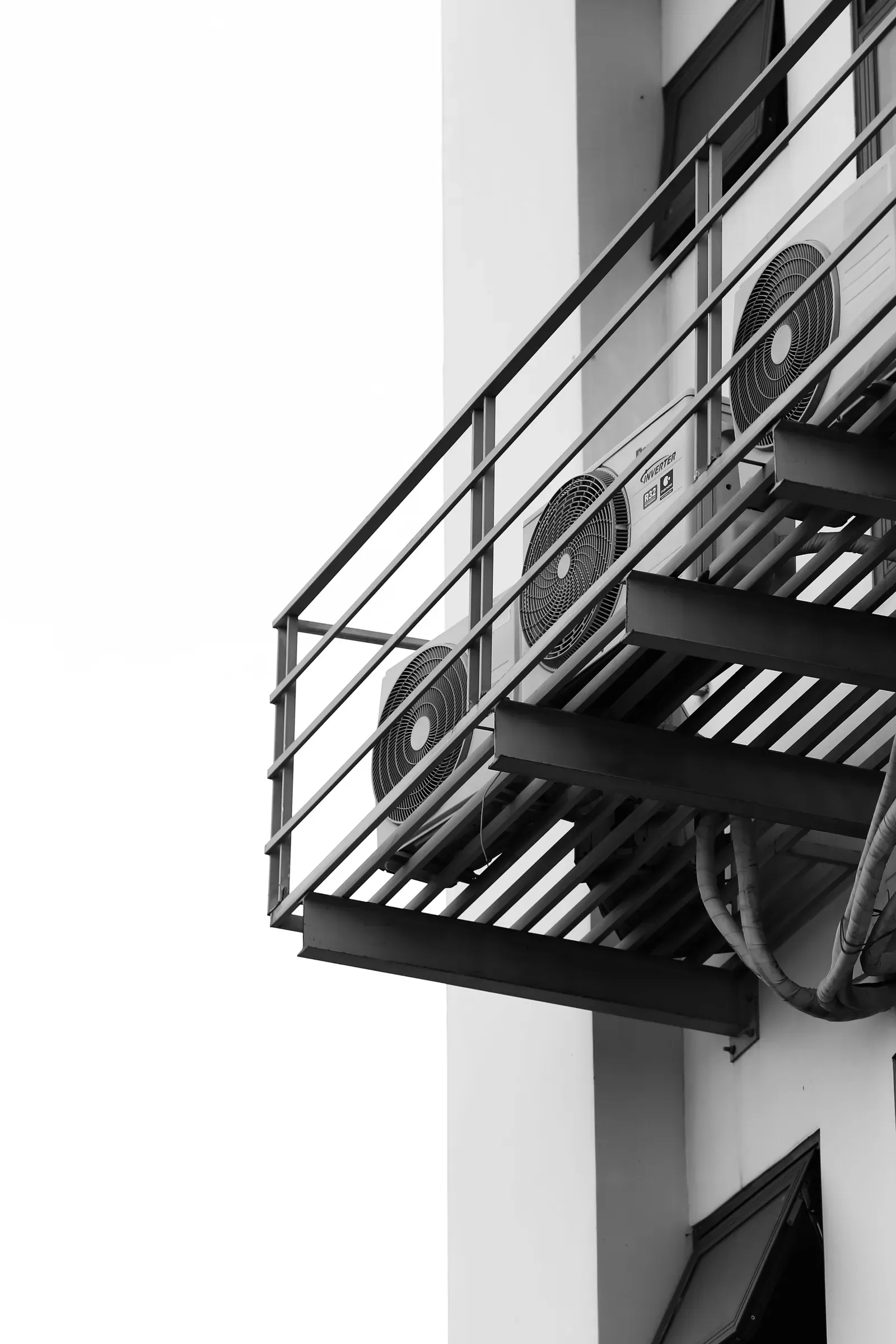
Climate control is a big deal in hot or cold destinations. Frequent travelers want to know whether the room has individual temperature control or a shared system the hotel manages. In summer, a weak or noisy unit can ruin sleep.
Guest reviews often mention rooms that run warm or have loud units. Windows that open can help, though they also let in street noise. It’s a trade off that depends on the destination and the season.
Blackout Curtains and Window View
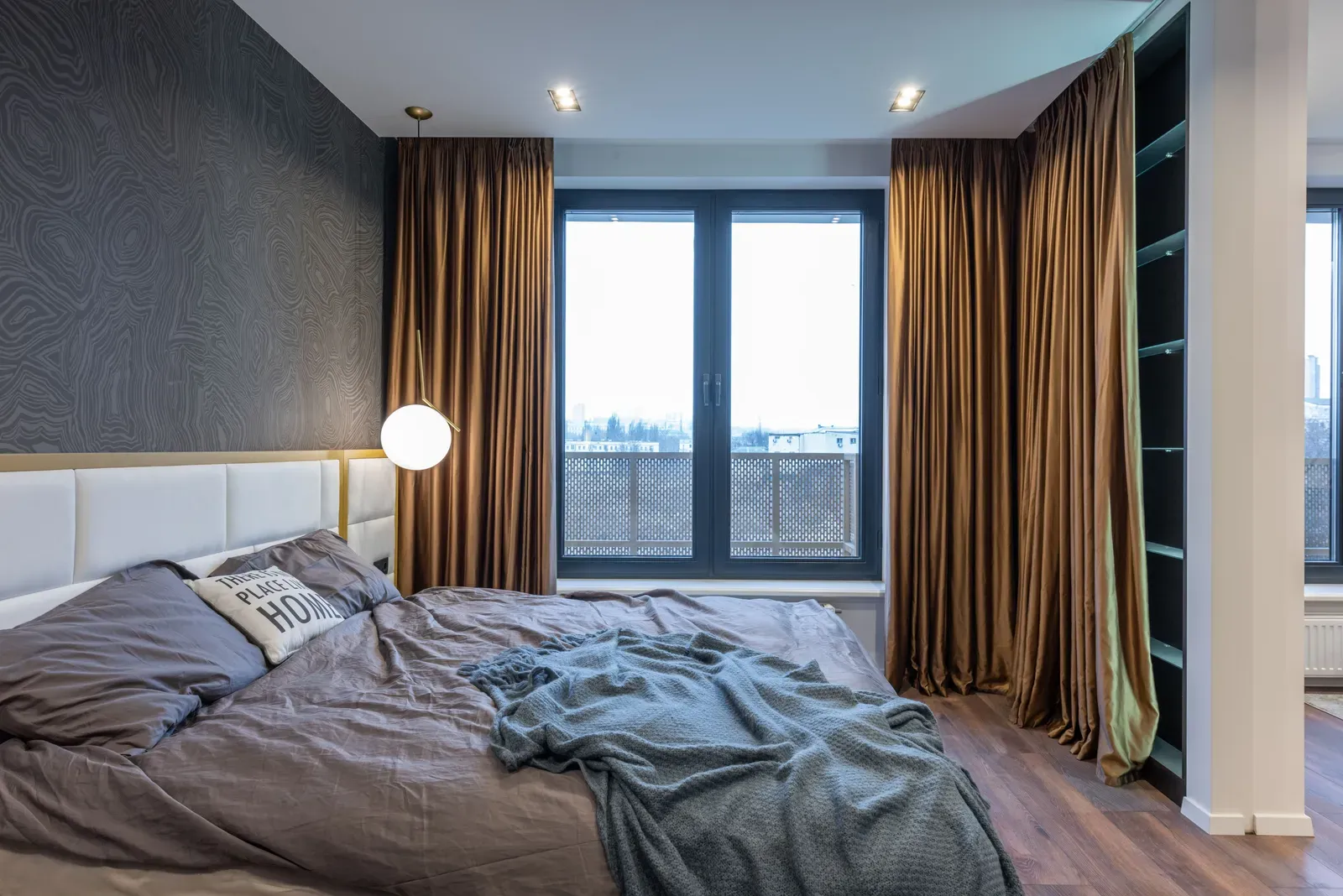
Good curtains matter for anyone dealing with jet lag or early flights. Blackout drapes keep out streetlights and morning sun, which helps people sleep at odd hours. Photos sometimes show sheer curtains only, which is worth noticing.
The view counts too, though not always for the reasons you’d think. A room facing a wall or a loading dock may be quiet but gloomy. Many travelers decide whether a view is worth paying extra for based on how long they’ll actually spend in the room.
Bathroom Layout and Shower Quality
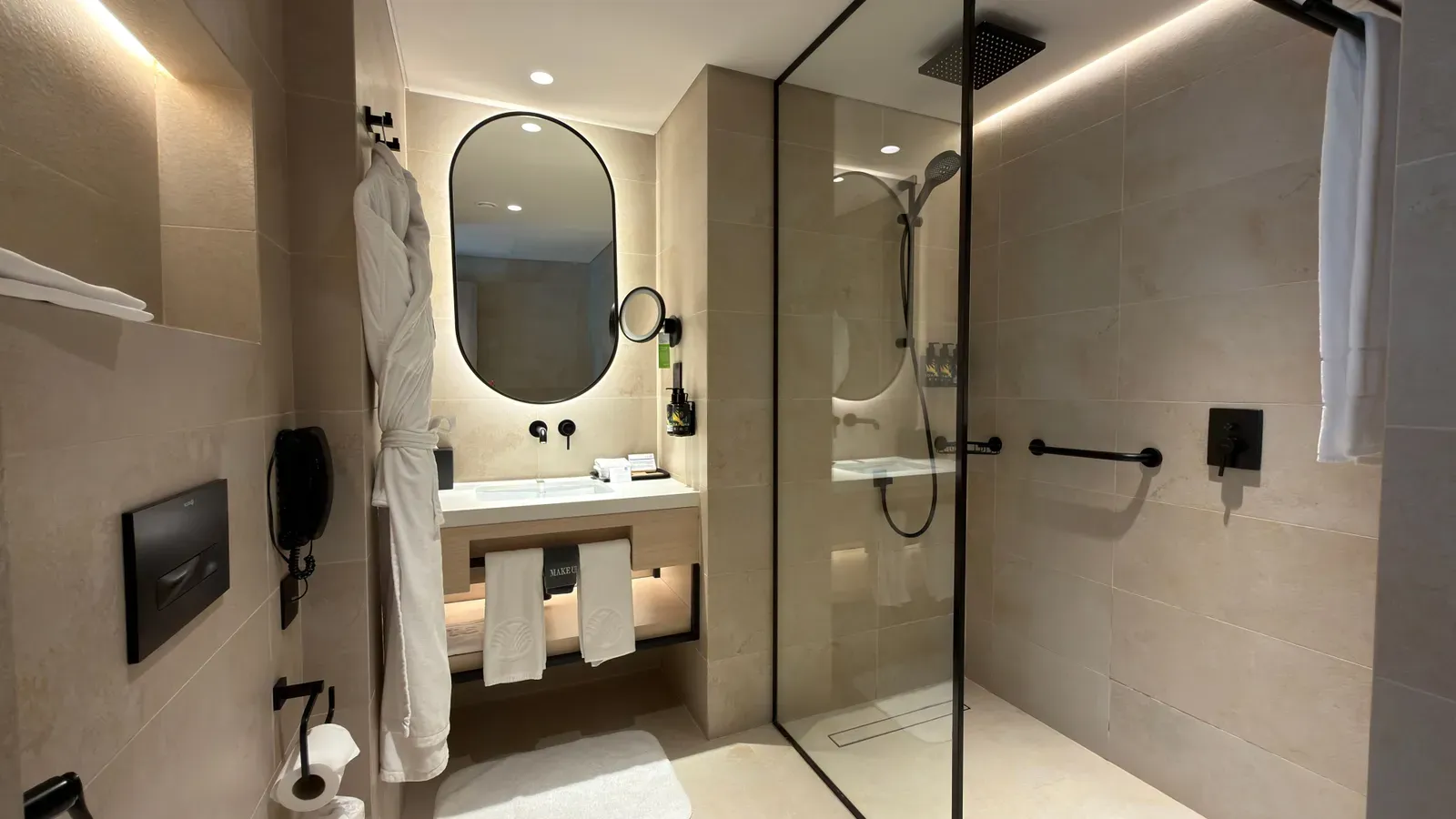
The bathroom is where many hotel rooms differ most. Travelers check whether there’s a walk in shower or a tub, how much counter space is available and whether the water pressure gets good reviews. Shared sharing a room makes layout even more important.
Some hotels list glass walled bathrooms or open layouts that don’t suit every guest. Photos and reviews usually reveal this. It’s worth looking before you book, not after you’ve unpacked.
In-Room Coffee and Refrigerator
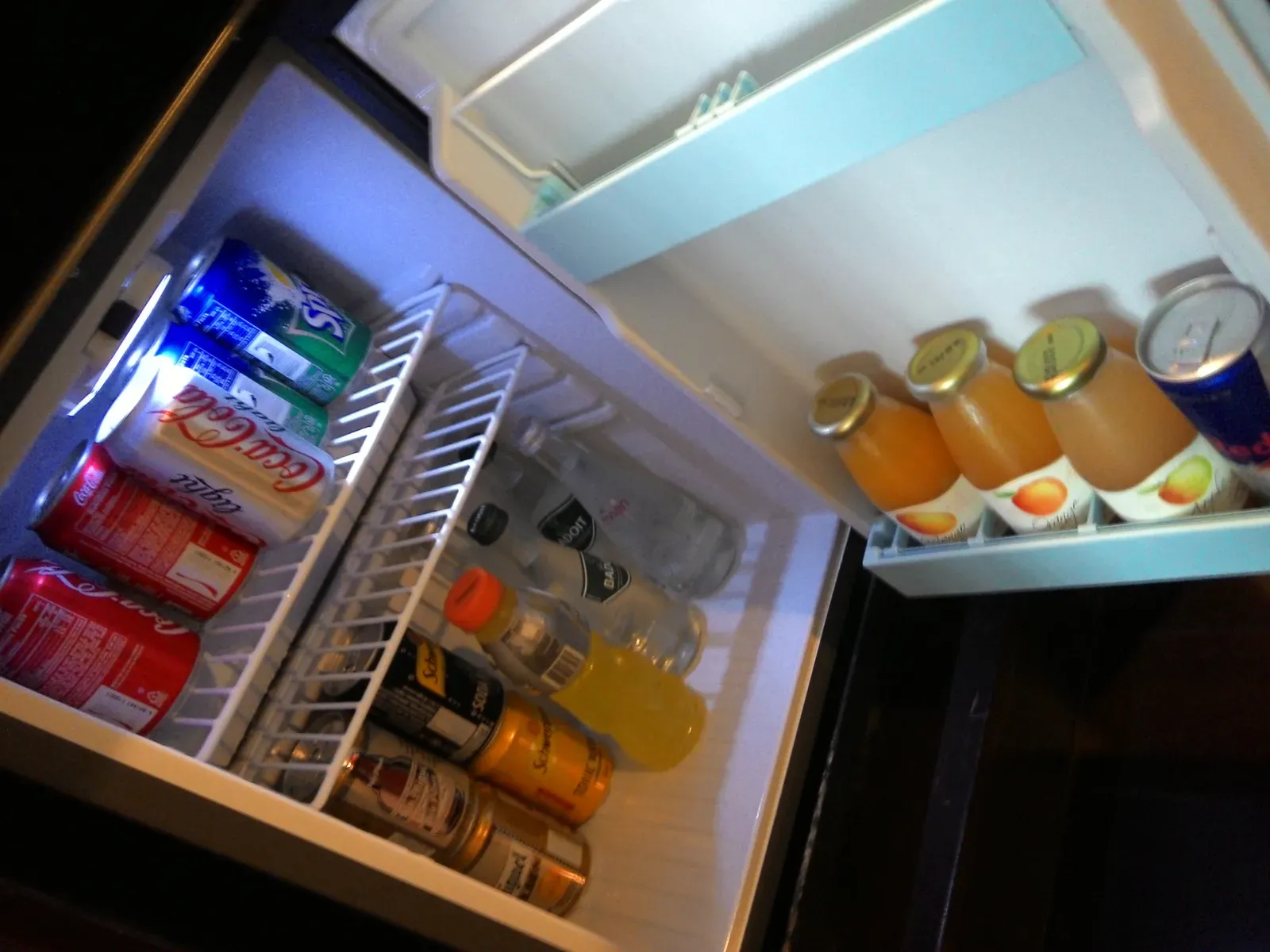
A kettle or coffee maker saves time on early mornings. A mini fridge is useful for medication, snacks or leftovers, and it’s something many listings don’t mention clearly. Frequent travelers filter for it when the trip is longer than a few nights.
Some hotels offer a fridge on request, sometimes for a fee. Asking ahead is simple, and it avoids guessing. Extended stay properties often include a kitchenette, which is handy on longer trips.
Room Size and Storage Space
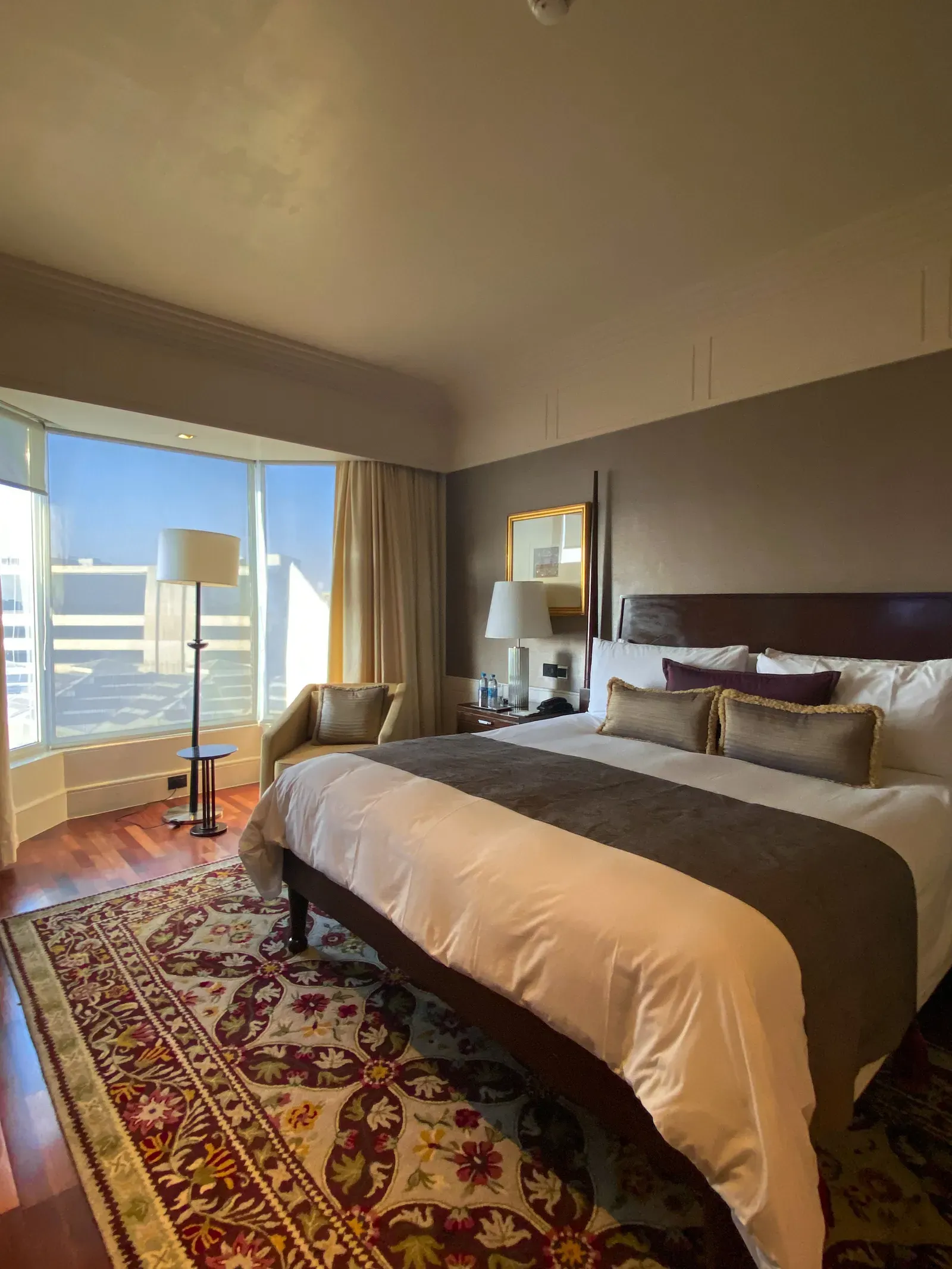
Square footage or square meters tell you more than a room name does. In big cities, standard rooms can be quite small, and two suitcases may crowd the floor. Travelers compare listed sizes across properties to get a realistic feel.
Storage matters just as much as size. A real closet, a luggage rack and a few drawers make a long stay far more comfortable. If a listing shows only hooks on a wall, longer trips may feel cramped.
Safety and Accessibility Features
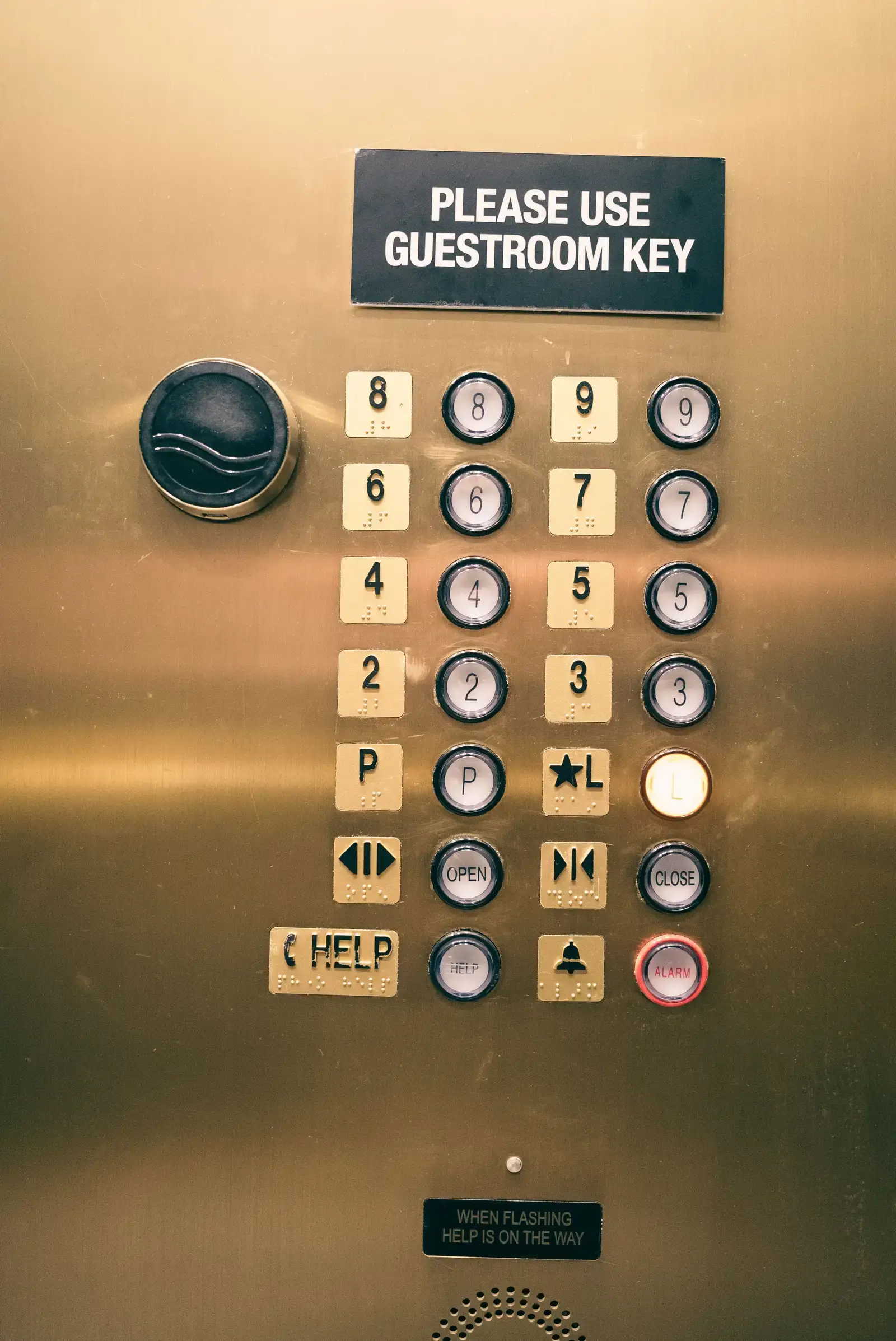
Safety details give peace of mind. Frequent travelers look for an in-room safe, a deadbolt or secondary lock and key card access to elevators. Recent reviews often mention how secure a property feels, especially for solo travelers.
Accessibility features matter for many guests too, including step free showers, grab bars and elevator access. Hotels should describe these clearly, and it’s reasonable to call and confirm specifics. Photos alone rarely tell the whole story.




Leave a Reply