
Ask a couple who’ve been married for forty years what keeps them together, and the answer rarely involves an app or a weekend workshop. It’s usually something smaller, like how they handle a disagreement or how they spend an ordinary Tuesday night.
Many of those habits came from the world baby boomers grew up in, one with fewer screens and fewer exits. Not every old habit deserves a revival, but several line up neatly with what relationship researchers have found over the years.
Eating Dinner Together Most Nights
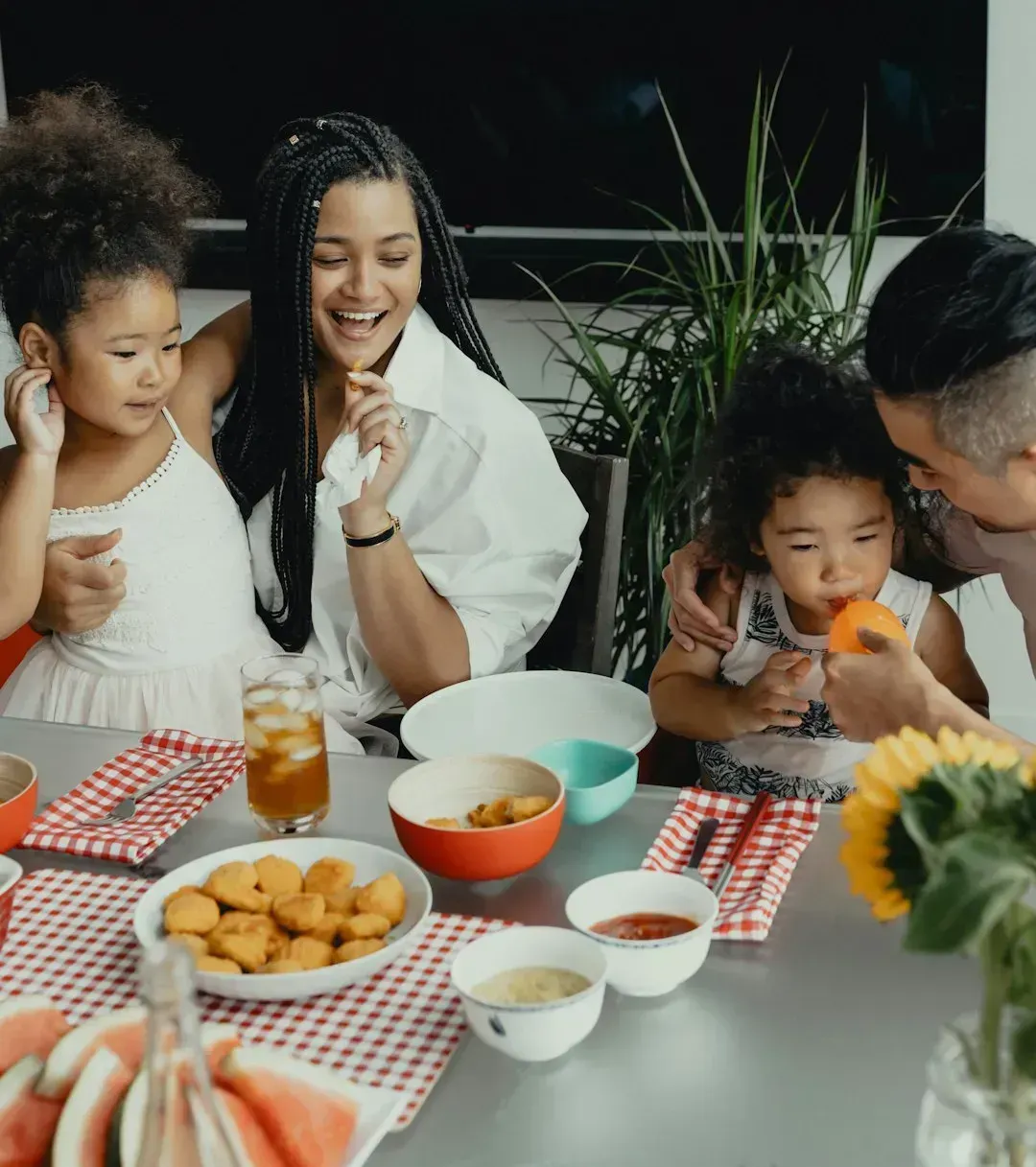
For many boomer households, the evening meal was a fixed point. Everyone sat down, phones didn’t exist at the table, and conversation just happened. That rhythm gave couples a daily check in without anyone having to schedule it.
Research on shared routines, including work from the Gottman Institute, points to small daily rituals of connection as a quiet predictor of lasting closeness. A regular meal is one of the easiest to rebuild, even if it’s only three or four nights a week.
Talking Face to Face About Big Things

Before texting, serious topics were handled in person or on a landline. You couldn’t fire off a message and disappear. That meant tone, expression and pauses were part of every hard conversation.
Studies on communication have long suggested that tone and nonverbal cues carry a lot of emotional meaning, and text strips most of it away. Couples who save weighty subjects for real conversation often avoid the misreadings that pile up in message threads.
Sticking With Problems Instead of Bailing Early

Many boomers married in an era when divorce carried more stigma, and that shaped a habit of working things through. Not all of that was healthy, and some people stayed in marriages that should have ended. Still, the willingness to ride out a rough patch has real value.
Research on relationship commitment, including long running work in the Journal of Marriage and Family tradition, links stronger commitment with better problem solving and satisfaction. The useful part is the persistence, not the pressure to stay at any cost.
Dividing Up Responsibilities Clearly
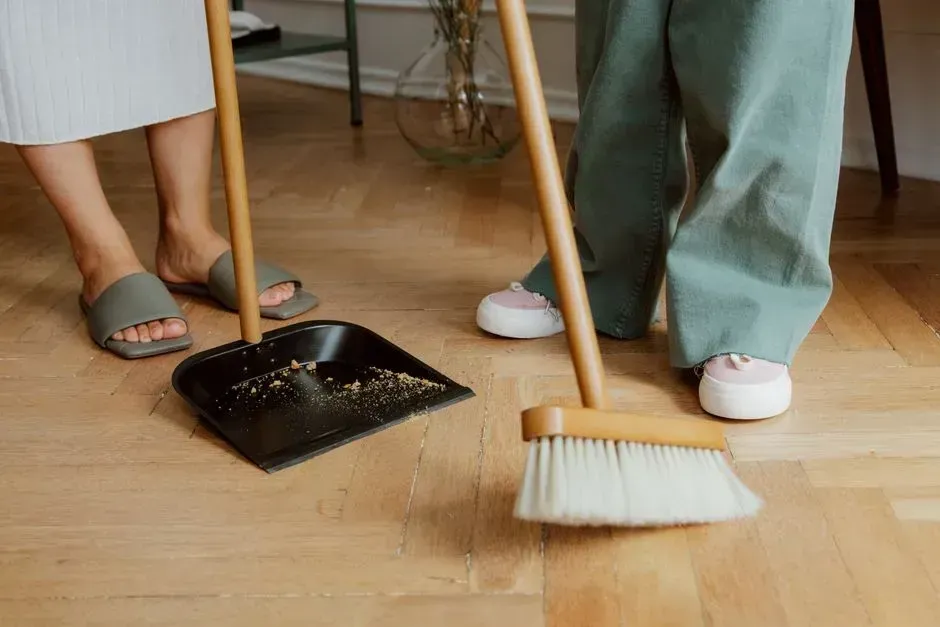
Traditional roles were often unequal, and most couples today rightly want a fairer split. Yet the underlying habit, knowing who handles what, kept households running smoothly. Nobody had to guess whose job the bills or the yard was.
Modern couples can keep the clarity while updating the fairness. Surveys from Pew Research Center have repeatedly found that the division of household chores ranks among the factors couples say matter to a successful marriage, so naming it openly helps.
Making Time for Friends and Community

Boomers often grew up with neighbors who knew each other, church or club memberships, and regular get togethers. Couples weren’t expected to meet every social need for each other. That took pressure off the relationship.
Social connection is tied to health and wellbeing; the U.S. Surgeon General’s 2023 advisory on loneliness made that case plainly. Partners with their own circles tend to bring more energy home, and they have somewhere else to turn when they need perspective.
Writing Letters and Notes

Love letters and handwritten notes were ordinary for earlier generations. A scribbled message on the fridge or a card on an anniversary took only minutes. Yet it told your partner you’d thought about them.
Gratitude research, including studies from Robert Emmons and others, associates expressed appreciation with stronger relationship satisfaction. A short note is a low effort way to do it, and it lasts longer than a text that scrolls away.
Dating Your Spouse After Marriage

Plenty of boomer couples kept a standing night out, whether that was dancing, a diner meal, or a drive in movie. It wasn’t fancy. It was simply time reserved for the two of them.
A well known study by Tammy Lewandowski and colleagues, along with work by Aron and others on novelty, suggests couples who share new or engaging activities report greater satisfaction. Regular dates keep that spark from fading into routine.
Showing Up for Family Obligations Together

Birthdays, funerals, holiday meals, helping a sibling move: boomers tended to treat these as shared duties. Partners backed each other up at family events, even tedious ones. That sent a steady message of being on the same team.
Supporting a partner through their own family ties builds trust over time. Researchers who study social support in couples find that feeling reliably backed up is central to security in a relationship.
Living Within a Shared Budget

Many boomers grew up watching parents who saved carefully, paid cash and avoided debt when possible. Couples often kept one household budget and made big purchases jointly. Money was a shared project rather than a private one.
Financial disagreements remain among the most common sources of couple conflict, according to surveys such as those from the American Psychological Association. Openly shared goals and spending rules reduce the secrets and surprises that tend to cause the most damage.
Keeping Small Courtesies Alive

Saying please, thanking each other for ordinary favors, and greeting a partner when they walk in the door were standard manners. They seem trivial. Over decades, they signal respect.
The Gottman research on what it calls turning toward a partner’s small bids for attention suggests these everyday acknowledgments matter more than grand gestures. Couples who respond to small moments tend to stay closer.
Growing Old Together on Purpose

Boomers often married expecting the long haul, and they planned for it, from saving for retirement to picturing shared hobbies. That long view shaped daily choices. It made patience feel reasonable.
Longitudinal work such as the Harvard Study of Adult Development has found that warm relationships are among the strongest predictors of health and happiness in later life. Thinking about the decades ahead, not just the next few months, can steady a couple through ordinary turbulence.




Leave a Reply