
1. Liver and onions
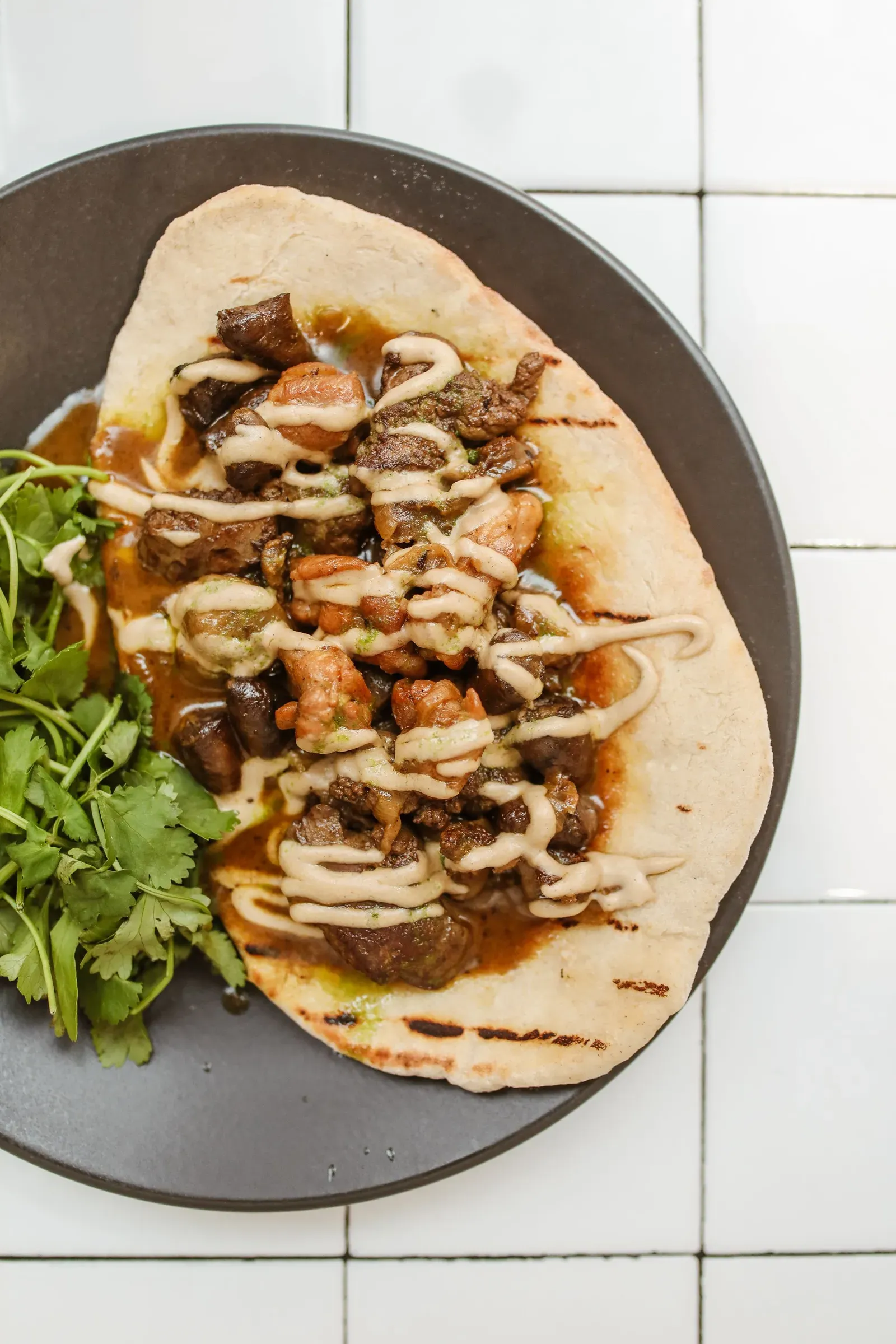
Liver and onions used to be a near-permanent fixture on diner menus, especially as a lunch special aimed at older regulars who grew up eating it at home. Beef or calf liver, dredged in flour and pan-fried, then piled with sweet caramelized onions, was cheap, filling, and simple to prepare in bulk during a busy rush. It fell out of favor as younger diners developed an aversion to organ meat, and many kitchens found it wasn’t worth stocking for a shrinking handful of orders.
You can still find it in older diners in the Midwest and parts of the Northeast, usually listed as a “senior special” or tucked into a rotating blue plate menu. Some newer nose-to-tail restaurants have brought it back with more polish, but the classic griddle-fried version served with mashed potatoes is genuinely rarer than it used to be. When it does appear, it’s often treated as a nostalgia item rather than a menu staple.
2. Salisbury steak
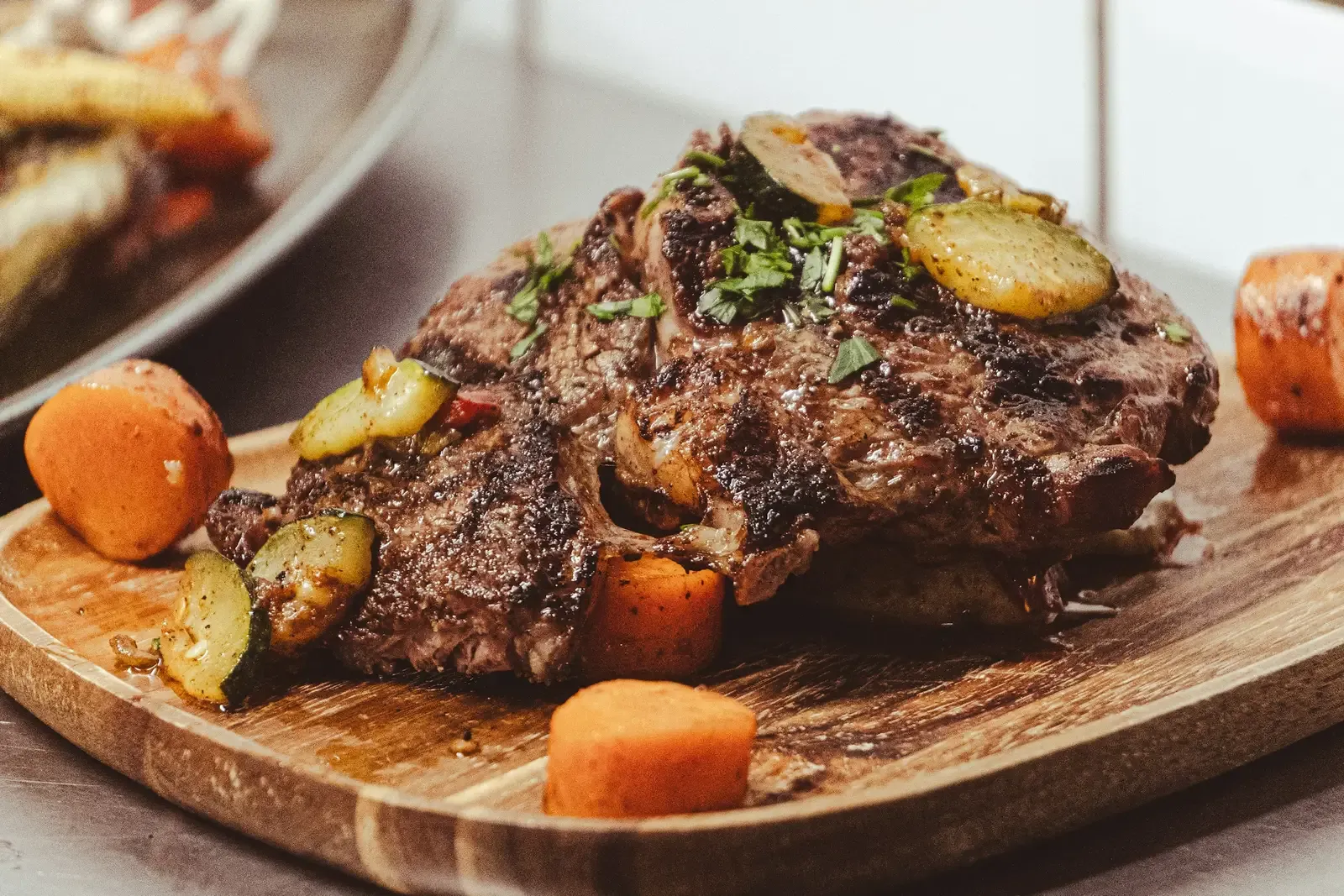
Salisbury steak, a seasoned ground beef patty smothered in brown mushroom gravy, was diner comfort food at its most basic. It required almost no special equipment or skill beyond a griddle and a good gravy base, which made it a natural fit for high-volume diners running on thin margins. The dish largely survived in frozen TV dinners long after diners themselves scaled it back, which shifted public perception toward it being a freezer aisle food rather than a cooked-to-order plate.
A handful of old-guard diners still make it fresh, particularly in Pennsylvania and parts of New Jersey where diner culture runs deep. The made-from-scratch version, with a properly reduced gravy and real mashed potatoes on the side, tastes little like its frozen descendant. Finding that distinction on a menu today usually means the diner has been in the same family for decades.
3. Chipped beef on toast
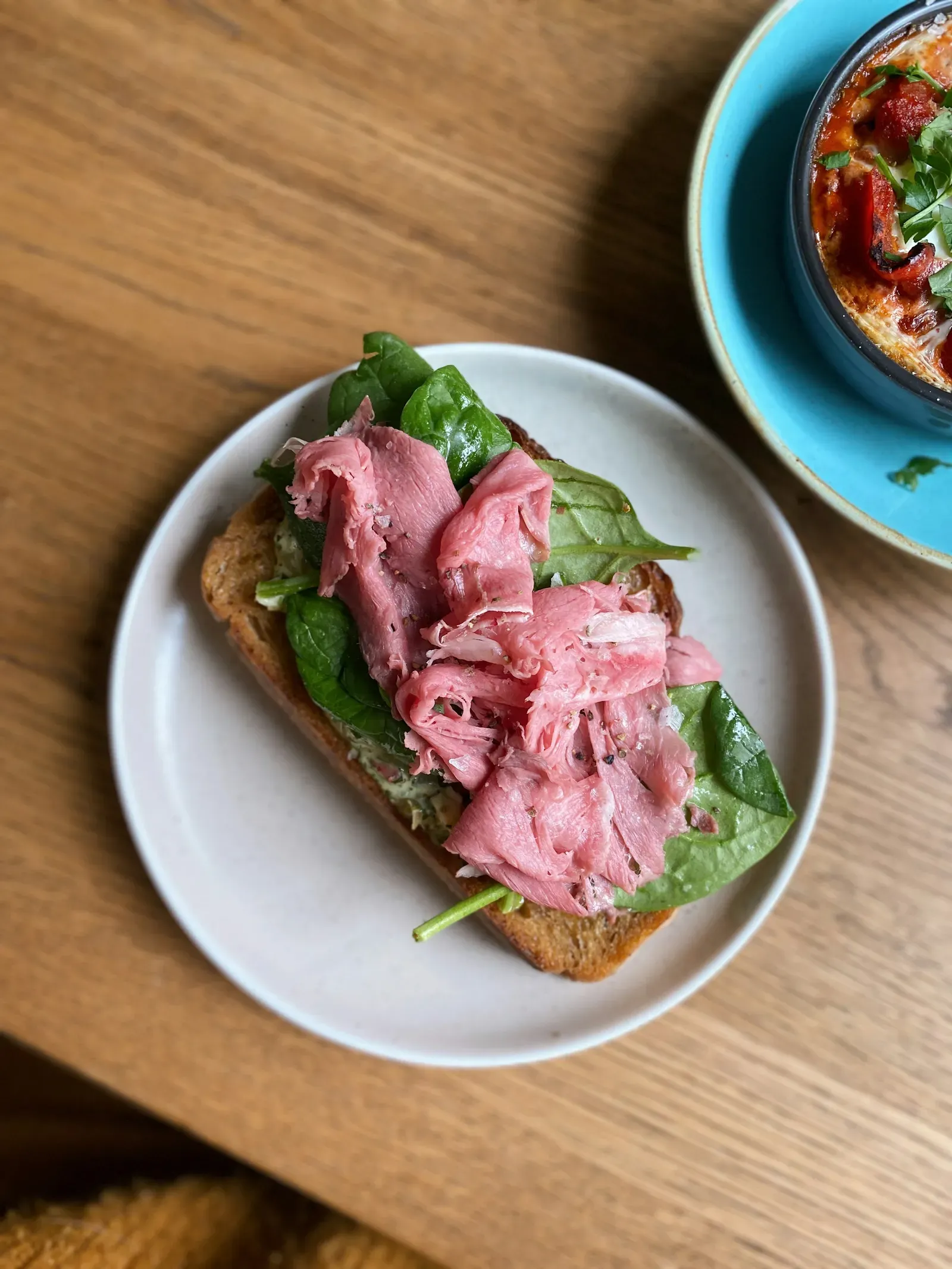
Chipped beef on toast, sometimes called SOS in older military and diner slang, was a breakfast fixture built from thinly sliced dried beef in a creamy white sauce poured over toast. It traces back to army mess halls and carried over into postwar diner culture as an affordable, protein-heavy breakfast option. As dried beef became harder to source outside specialty grocers and diner breakfasts leaned toward eggs and pancakes, the dish slowly disappeared from most menus.
It still turns up occasionally in diners with strong ties to military communities or in parts of the mid-Atlantic where the dish never fully left local habit. The flavor, salty and rich against plain toast, is distinct enough that regulars tend to notice immediately when a diner brings it back. Outside of those pockets, though, most younger customers have never even heard of it.
4. Welsh rarebit
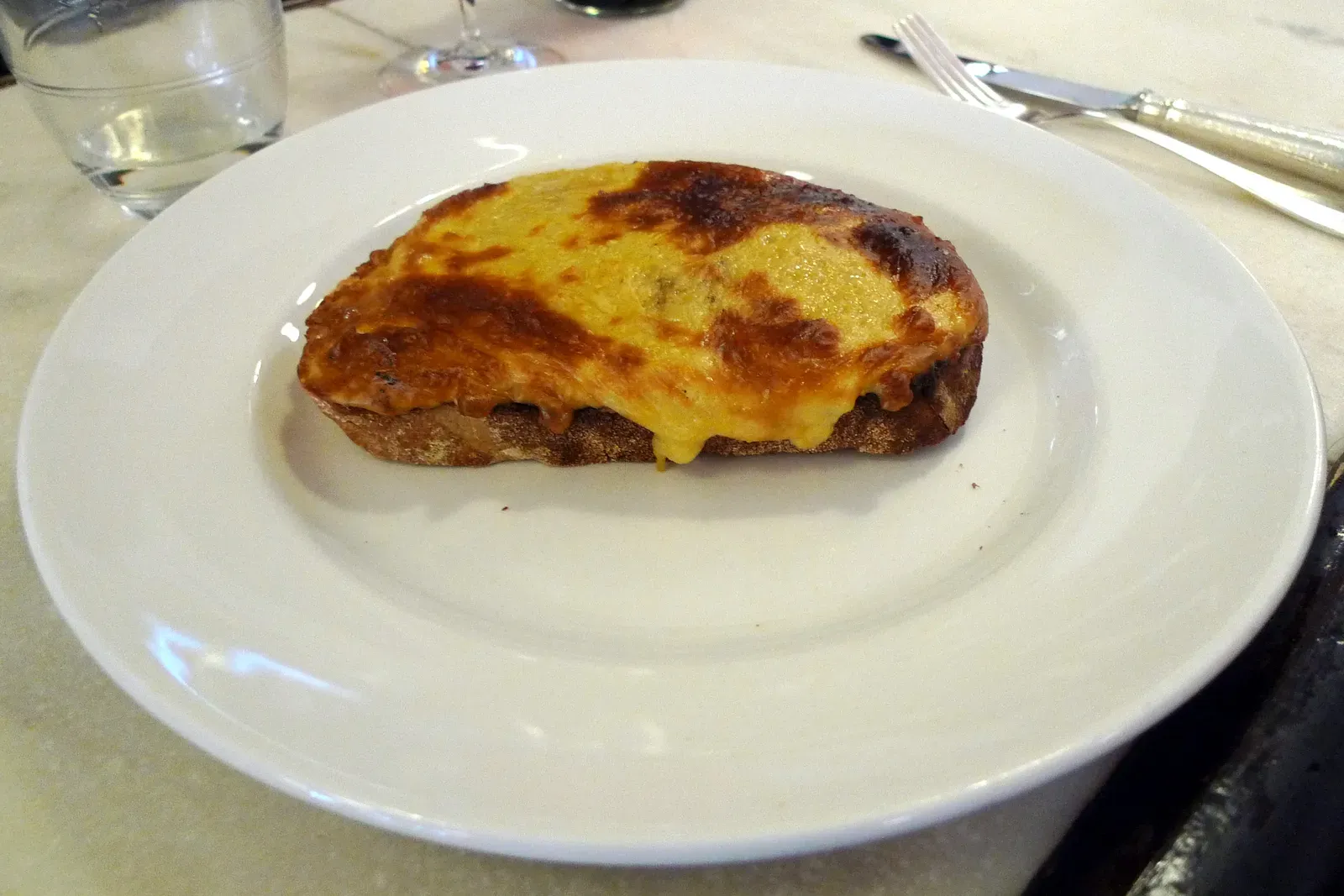
Welsh rarebit, a savory sharp cheese sauce often spiked with beer or mustard and poured over toast, was once considered a respectable diner lunch option rather than a novelty. It required a bit more technique than most diner fare, since the cheese sauce has to be handled carefully to avoid separating, which made it less practical for fast-paced short order cooks. As diner menus streamlined toward burgers and sandwiches that could be made in under two minutes, the dish quietly dropped off.
Today it survives mostly in pubs and British-leaning restaurants rather than classic American diners. A few old New England diners with British immigrant roots still list it, often as a quiet holdover rather than a marketed specialty. Its rarity now makes it something of a curiosity for diners who research old menus rather than something people casually order.
5. Creamed chipped chicken
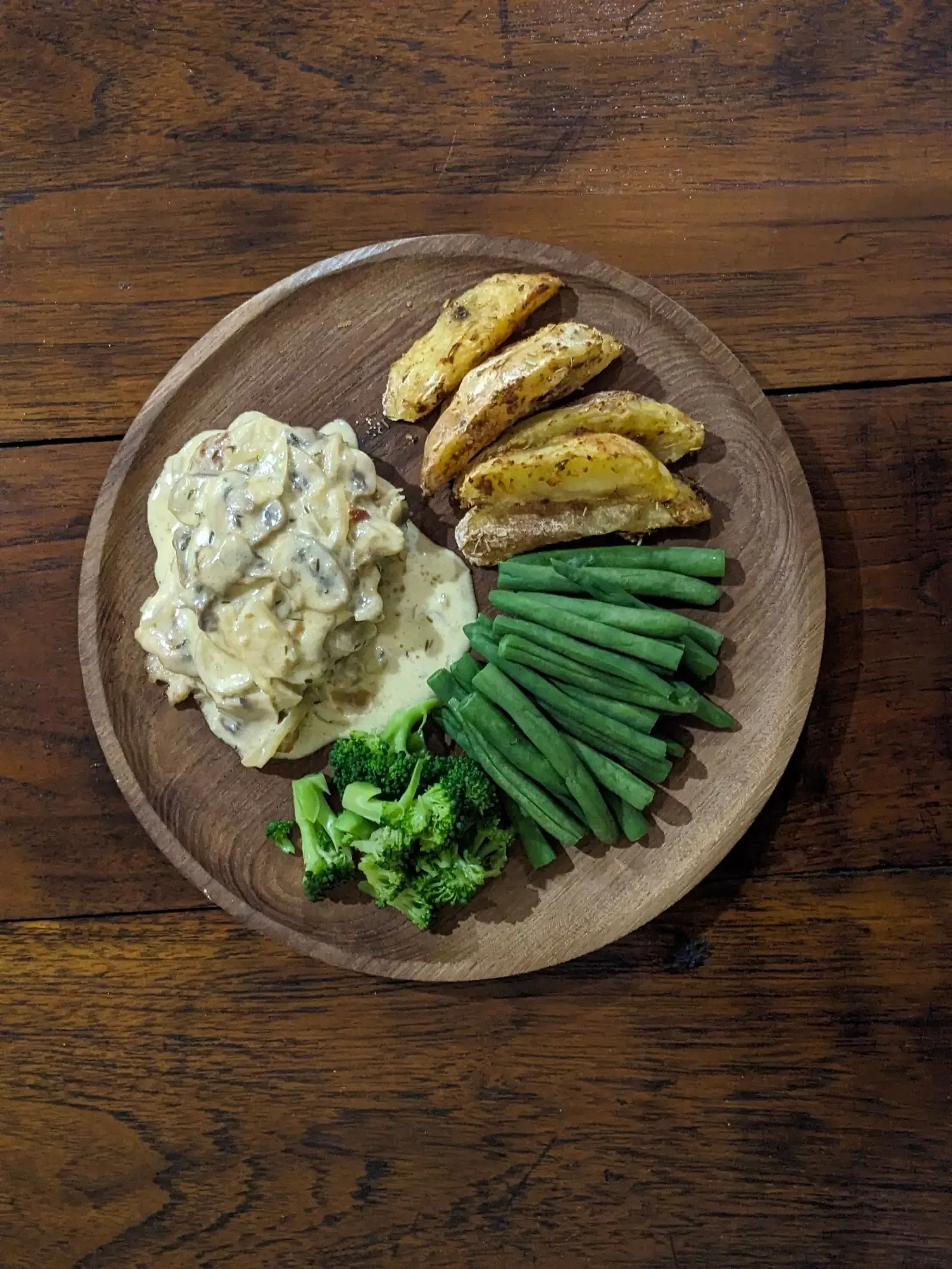
Creamed chicken over biscuits or toast was a gentler cousin to chipped beef, built around shredded chicken in a light cream sauce. It was popular with an older crowd looking for something mild and filling, and it worked well as a way for diners to use leftover roasted chicken without waste. As diners moved toward rotisserie-style chicken sandwiches and salads, the creamed version lost its place on daily specials boards.
It hasn’t disappeared entirely, but it’s mostly found now in diners that still run an old-fashioned “specials” chalkboard rather than a fixed printed menu. Some family-owned spots in the South still make it as a Sunday dish, tied more to home cooking traditions than restaurant trends. Its scarcity elsewhere reflects a broader shift away from cream-sauce dishes that take longer to prep fresh.
6. Beef tongue sandwiches
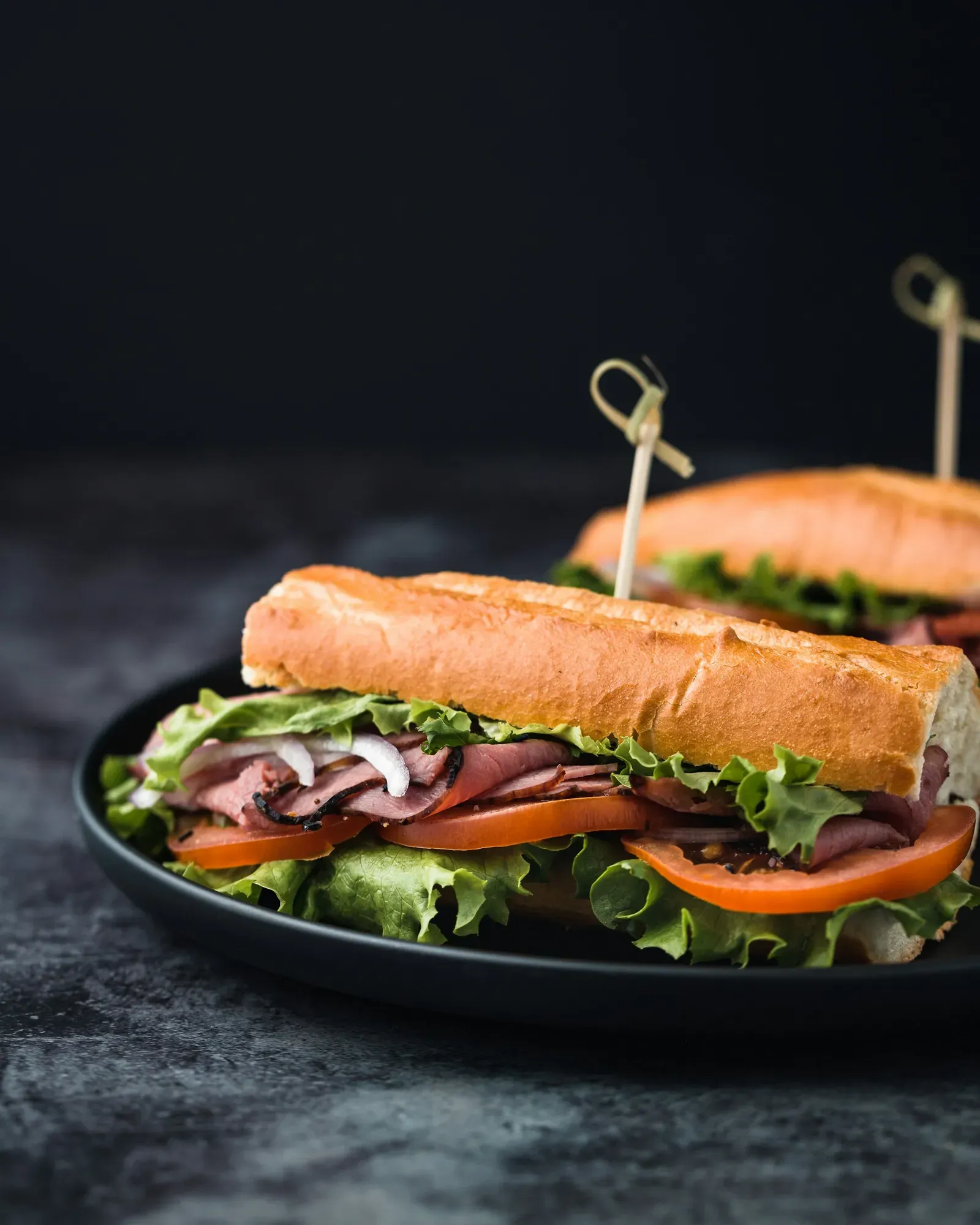
Beef tongue, sliced thin and served on rye with mustard, was once a normal deli-diner crossover item, especially in cities with strong Jewish deli influence. It required patience, since tongue needs a long simmer before it’s tender enough to slice, which made it a poor fit for diners trying to turn tables quickly. As diners distanced themselves from deli-style offerings and leaned into standardized sandwich menus, tongue quietly fell away.
It still exists in old-school delis and a few diners with deli roots, particularly in New York and Chicago. The texture, softer and richer than most cold cuts, surprises people who’ve never tried it, which is part of why it’s stuck around in a few loyal spots. Outside those cities, though, it’s become nearly impossible to find on a standard diner menu.
7. Fried liver mush

Liver mush, a Southern specialty made from pork liver, head meat, and cornmeal, was once a common breakfast plate in diners across North and South Carolina. It’s inexpensive, filling, and pairs naturally with eggs, which made it a practical breakfast anchor for decades. As diners nationally shifted toward more generic breakfast meats like bacon and sausage, liver mush stayed almost entirely regional rather than spreading further.
It remains genuinely easy to find in the Carolinas, where local grocery stores still stock it and diners fry it up without hesitation. Outside that region, though, it’s essentially unknown, making it one of those dishes that’s less about decline and more about geography. For travelers, it’s one of the few items on this list you can still reliably order if you know where to look.
8. Boiled dinner platters
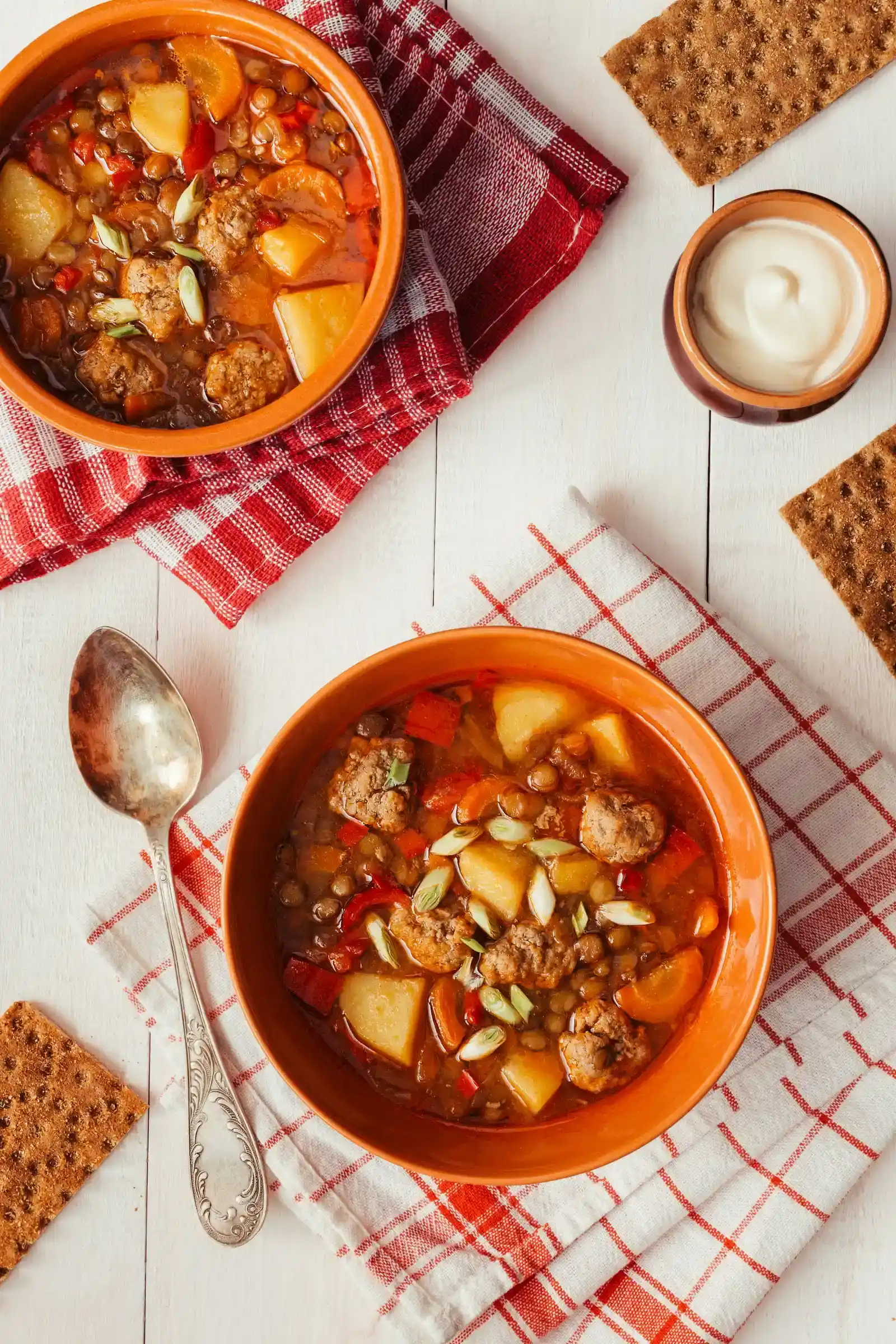
New England boiled dinner, typically corned beef with cabbage, carrots, and potatoes all boiled together, used to appear regularly on diner menus in the Northeast, especially around St. Patrick’s Day but often year-round as well. It was a low-effort, one-pot dish that fit diner kitchens built around efficiency rather than flair. As diners trimmed down menus and leaned into faster items, this slow-cooked platter became one of the first things cut for spacing reasons.
It still shows up seasonally in New England diners with strong Irish American ties, particularly in Massachusetts. Outside of March, though, it’s rare to see it listed at all, and even fewer places keep it in year-round rotation. Its survival is tied closely to holiday tradition rather than daily demand.
9. Ham steak with pineapple
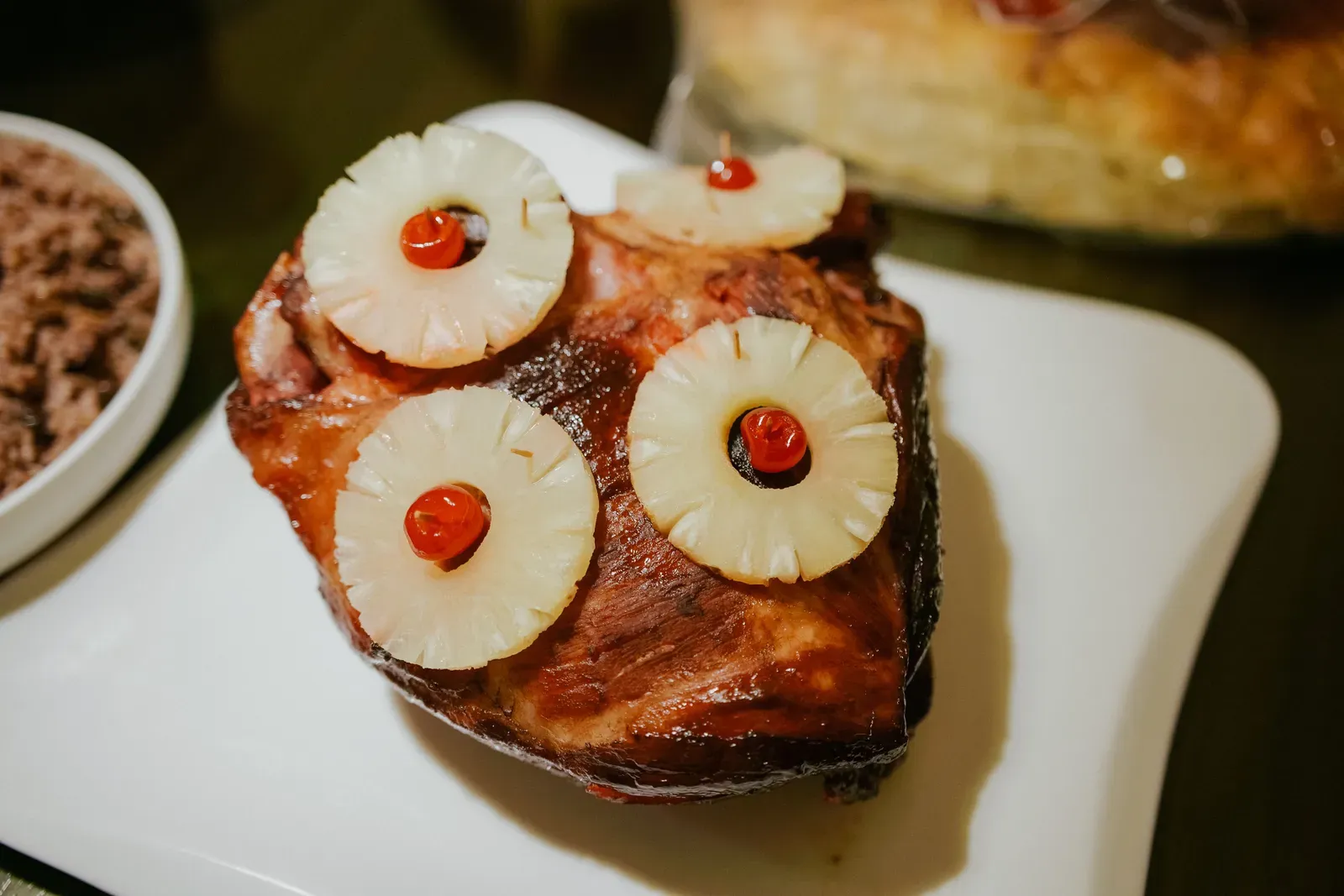
Ham steak topped with a grilled pineapple ring was a diner dinner plate that leaned into the mid-century fondness for sweet-savory combinations. It was easy to prepare, visually appealing on a plate, and tied into a broader trend of canned pineapple appearing across American home cooking during the 1950s and 1960s. As culinary trends moved away from that specific pairing, diners followed suit and the dish sliply disappeared from most menus.
A few diners in Hawaii and parts of the South still serve it, partly because the sweet-savory combination never fully went out of style in those regions. Elsewhere, it’s become something people associate more with old cookbooks than with an actual restaurant order. When it does appear, it’s often presented with a wink toward its retro reputation rather than as a straightforward daily option.
10. Egg creams paired with a full breakfast
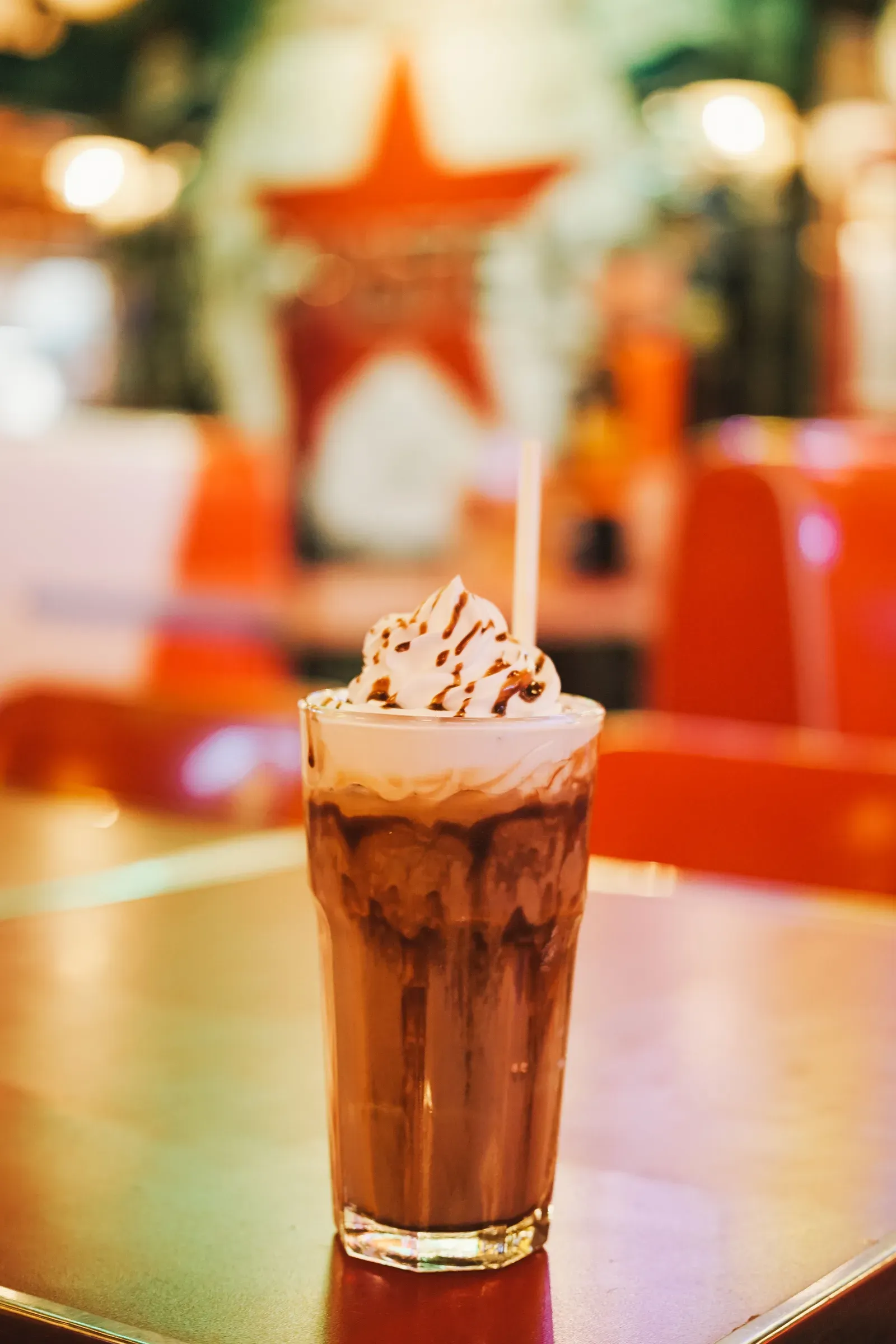
The egg cream, a fizzy drink made from milk, seltzer, and chocolate or vanilla syrup despite containing neither eggs nor cream, was once a common diner counter order alongside a full breakfast plate. It thrived especially in New York diners with soda fountain counters built into the space. As soda fountains became less common fixtures in diner design, and bottled sodas took over, the labor-intensive hand-mixed egg cream became harder to justify.
It survives mostly in a handful of old-school New York diners and delis that have kept their fountain service intact. The taste, lighter and less sweet than most sodas, still has devoted fans who seek it out specifically. Outside a few boroughs, though, ordering one at a diner counter is now the exception rather than the rule.
11. Yankee pot roast plates
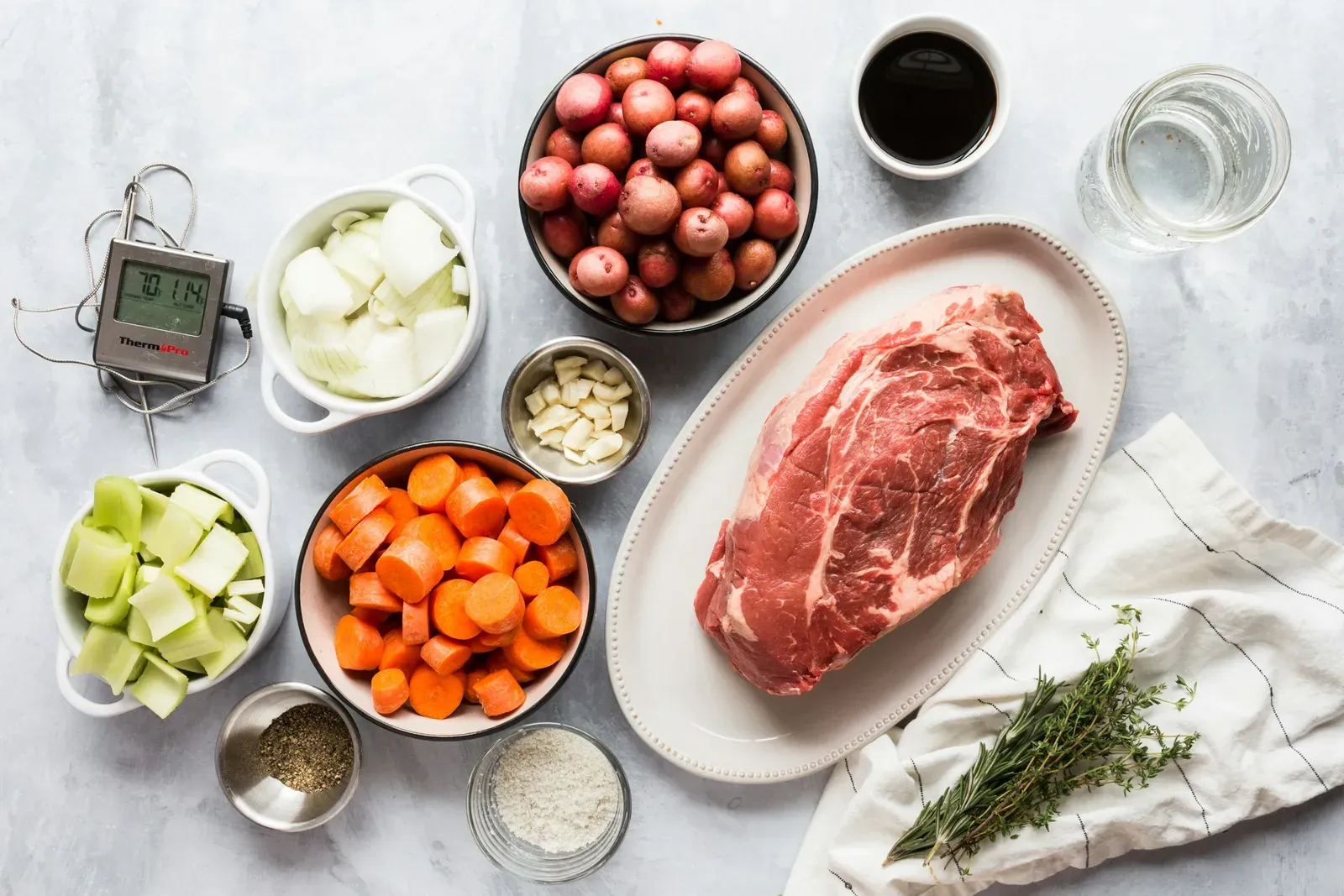
Yankee pot roast, slow braised beef with root vegetables in a simple gravy, used to anchor diner dinner menus as the hearty, no-frills option for regulars looking for something substantial. It required hours of low, slow cooking, which fit the rhythm of old diners that prepped early and let dishes simmer through the day. As diners shifted toward faster turnaround dinners and reduced kitchen staff hours, dishes needing that much lead time became harder to justify economically.
It’s still findable in independently owned diners, particularly in New England and parts of the Rust Belt, where slow-cooked comfort food remains part of the identity. The dish tends to show up as a specific day’s special rather than an everyday menu item now. Its scarcity reflects less about taste and more about the economics of long cook times in a fast-service environment.
12. Full deli-style Reuben grills made fresh
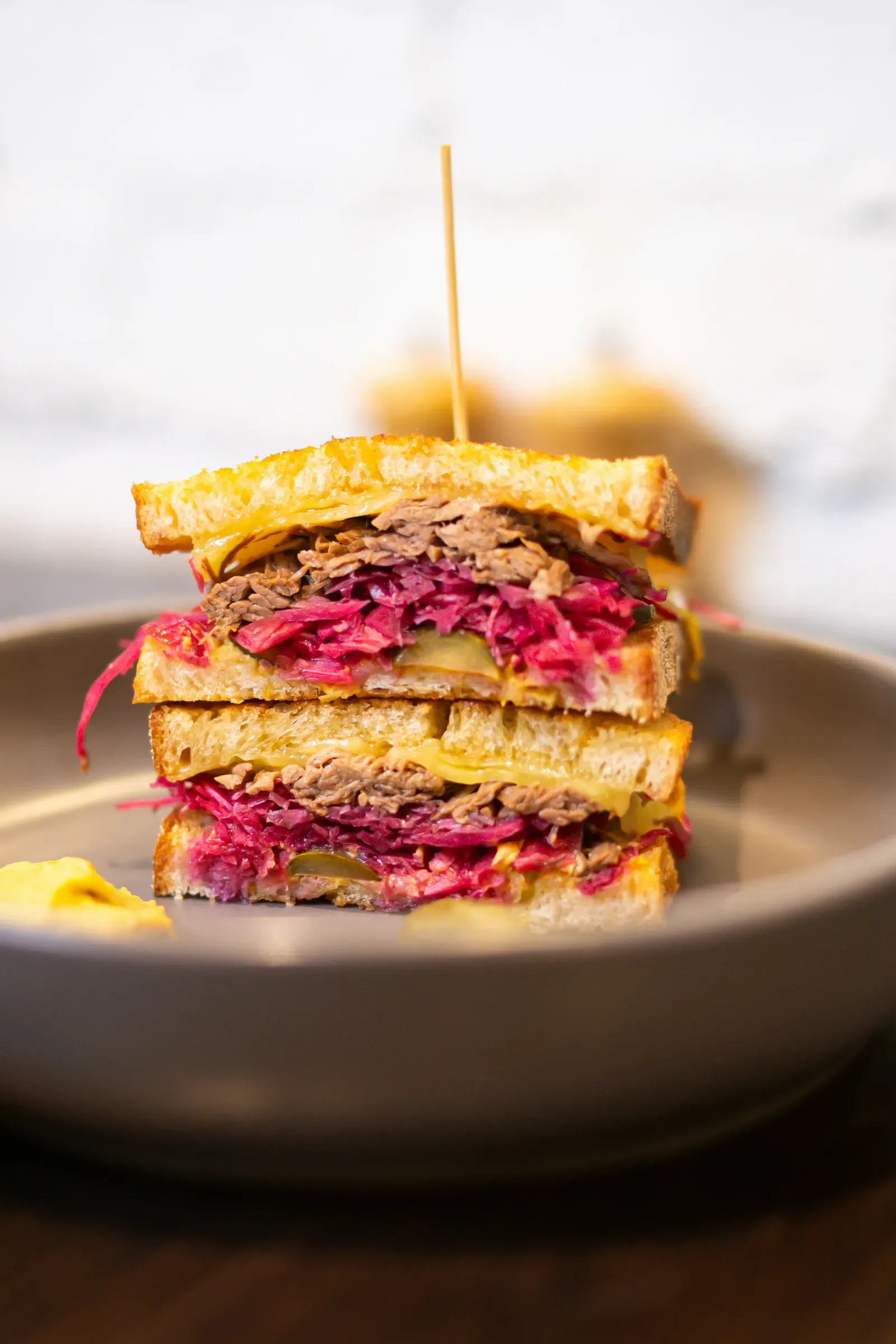
The classic Reuben, corned beef, sauerkraut, Swiss cheese, and Russian dressing grilled between rye bread, used to be made with in-house corned beef simmered for hours rather than pre-sliced deli meat. Diners that took real pride in the sandwich brined and cooked their own corned beef, giving the sandwich a texture and flavor that store-bought versions can’t quite match. As costs rose and staffing shrank, most diners switched to pre-sliced, pre-cooked corned beef sourced from suppliers, which sped up prep but flattened the flavor.
A small number of diners, mostly older delis-turned-diners in New York, Chicago, and Cleveland, still make their own corned beef from scratch. The difference is noticeable immediately, both in tenderness and in how the sandwich holds together on the grill. Finding a truly scratch-made Reuben today usually means seeking out a place that has resisted the industry-wide shift toward convenience sourcing.
These dishes haven’t vanished so much as retreated into pockets, regional habits, family-run kitchens, and a few stubborn holdouts that never bothered chasing modern menus. What’s left is less a full menu than a scattered map, one where finding a specific plate often depends less on the restaurant and more on which part of the country you happen to be standing in.



Leave a Reply