
1. Jumping straight into your order without saying “Bonjour”
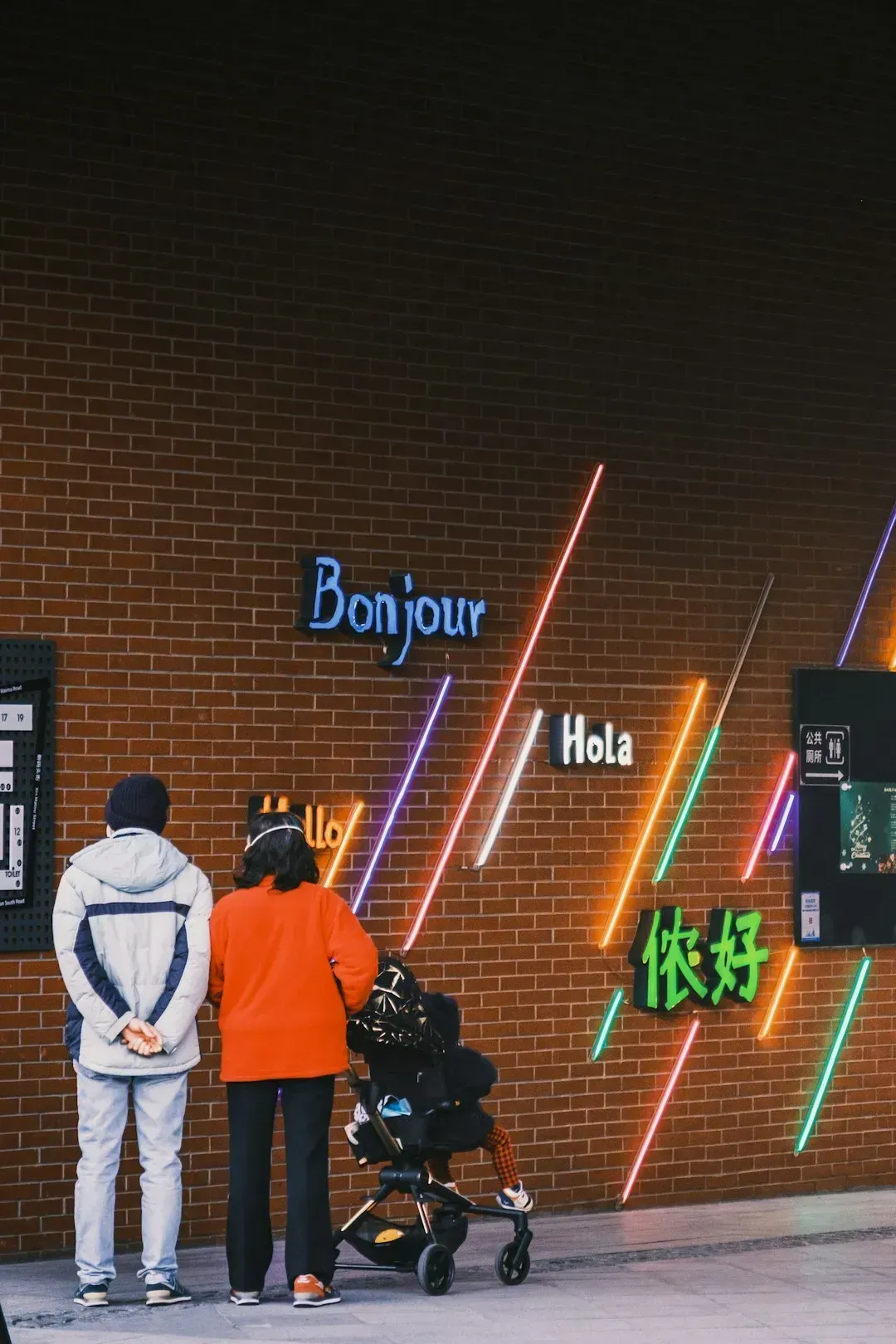
This is the one that trips up more visitors than anything else on this list. Skipping “Bonjour” entirely might be the single most important social rule in French daily life, and it applies well beyond just entering a store. Walking up to a counter and immediately saying “a coffee, please” without the greeting first reads less like efficiency and more like you’re treating the person as a vending machine.
The word itself takes under a second to say, yet it fundamentally frames the interaction as one between two people acknowledging each other, rather than a transaction, and this applies in bakeries, pharmacies, hotel lobbies, and even when boarding a bus. Skip it, and you risk exactly what one waiter in Brittany described after a customer forgot to say hello before ordering, noting that even skipping “please” or “thank you” bothers him less than a missing greeting, because “Sometimes they don’t say ‘please’ or ‘thank you’, but when they don’t even say ‘hello’ that really annoys me.”
2. “Give me a coffee” instead of asking politely
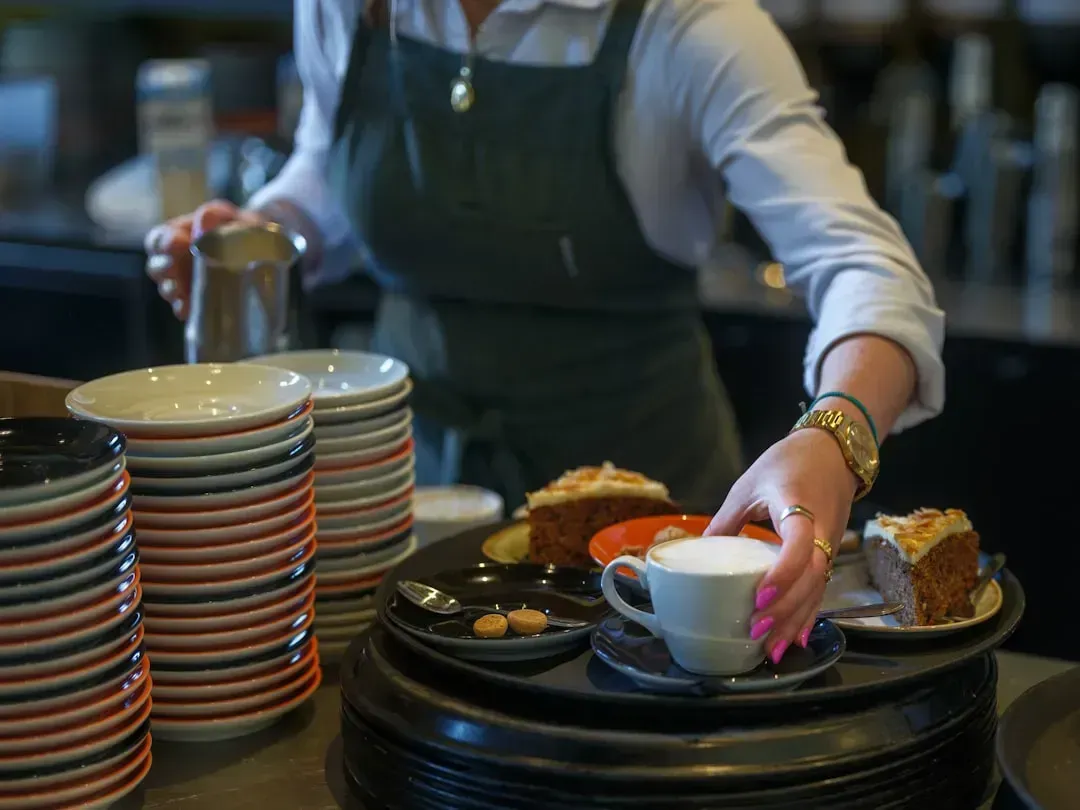
English speakers translate their requests literally more often than they realize, and it shows. Direct commands translated literally from English, like “Give me a coffee” or “I want the menu,” tend to sound blunt and demanding in French, even if that was not the intention. There’s nothing malicious in the phrasing, it’s just how English handles requests, but French ears hear an order rather than a favor being asked.
Swapping the command for a question changes everything. Something like “Je voudrais un café, s’il vous plaît” (I would like a coffee, please) softens the request into a shared moment rather than a demand, and staff notice the difference almost immediately, often responding with more warmth and patience for the rest of the exchange.
3. Shouting “Excuse me!” across the restaurant
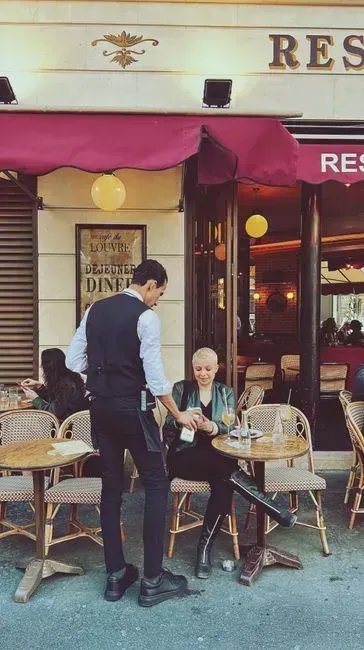
Waving an arm or calling out to grab a waiter’s attention feels natural in plenty of countries, but it backfires in France. Waving an arm and calling out loudly to get a waiter’s attention is one of the fastest ways to be quietly ignored in a French restaurant. Service tends to move at its own measured pace, and staff generally approach when they judge the moment right rather than when summoned on demand.
A better move is far less dramatic. Making eye contact, raising your hand slightly, or saying “Excusez-moi, s’il vous plaît” (Excuse me, please) works far better than volume ever will. Patience here isn’t just polite, it’s practically part of the ordering process.
4. Calling the waiter “Garçon”
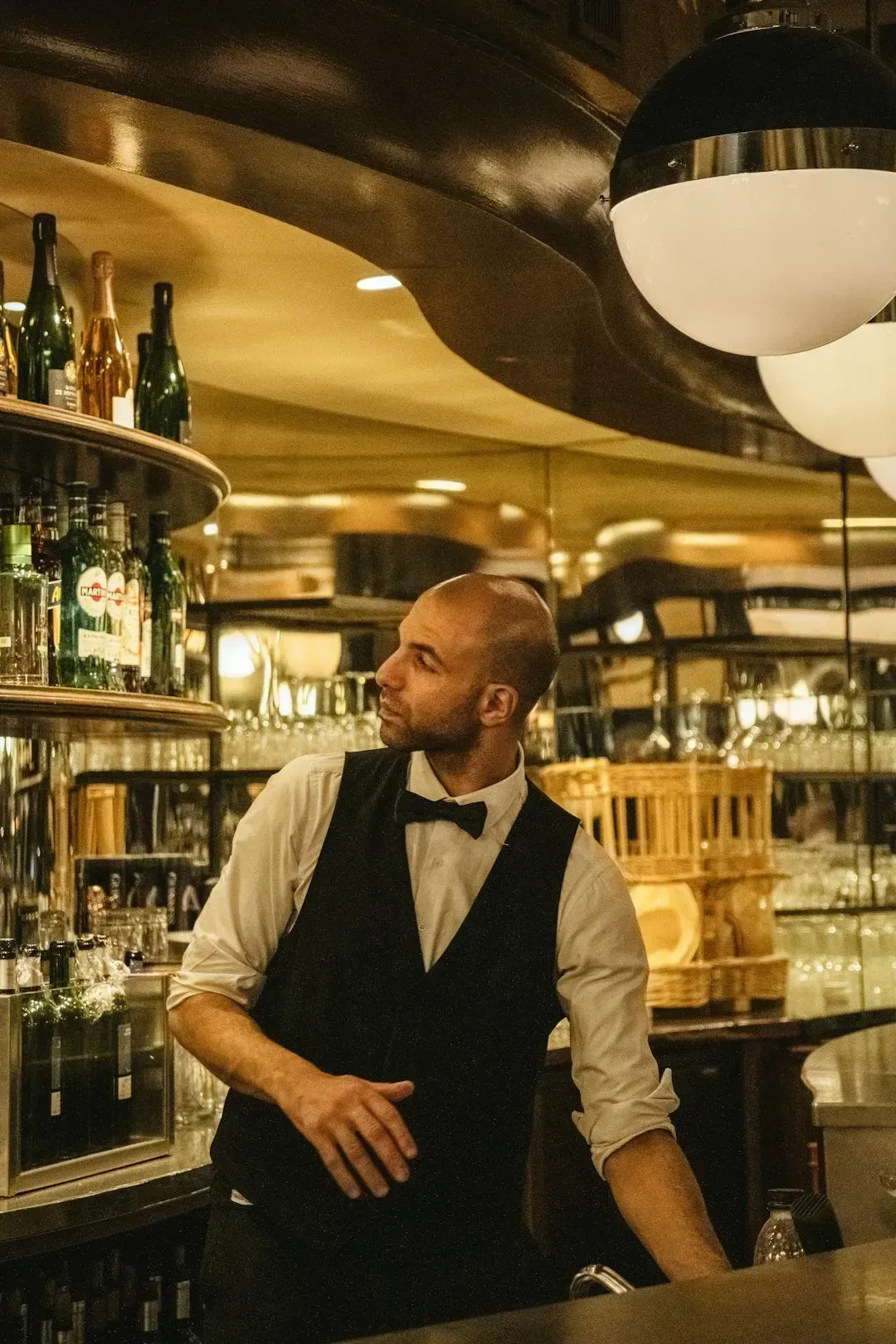
This one feels like a relic from old movies, and that’s exactly the problem. Saying “garçon” to call a waiter is outdated, since we no longer live in the decades when the term was used by the bourgeoisie. Today it can come across as condescending, since “garçon” literally means “boy” and carries a faint whiff of class hierarchy that most French people would rather leave in the past.
Instead, a simple “Excusez-moi” or “Monsieur” and “Madame” do the job without any historical baggage attached. Waitstaff in France are professionals with a defined career track, not stand-ins for a nostalgic Parisian bistro scene, and treating them that way tends to get noticed.
5. Opening with “Do you speak English?” before any French at all
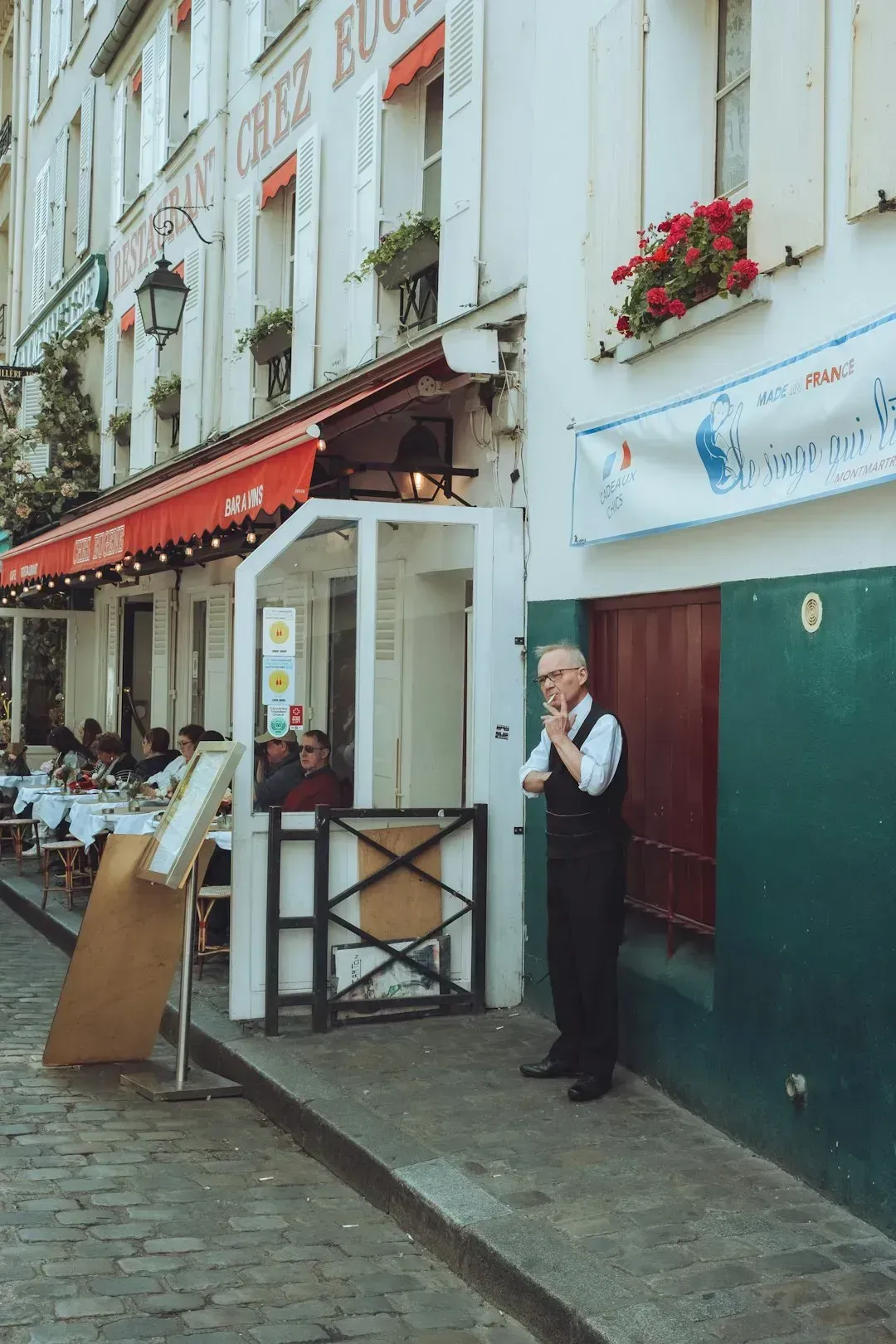
There’s nothing wrong with needing English, but leading with it before attempting a single French word sets a different tone than leading with even a shaky “Bonjour” first. Statements like “everyone speaks English” mean little to a French person who doesn’t speak it, and it’s safer to assume no one you meet will speak English so that any exception feels like a pleasant surprise. The order matters here: greet first, attempt a phrase, then ask about English if needed.
Even a rough, halting attempt gets rewarded. Simply saying “I do not speak French, do you speak English?” after a greeting will go a long way with the French, because it shows effort rather than assumption. It’s the difference between asking for help and expecting to be accommodated.
6. Commenting out loud that something is too expensive
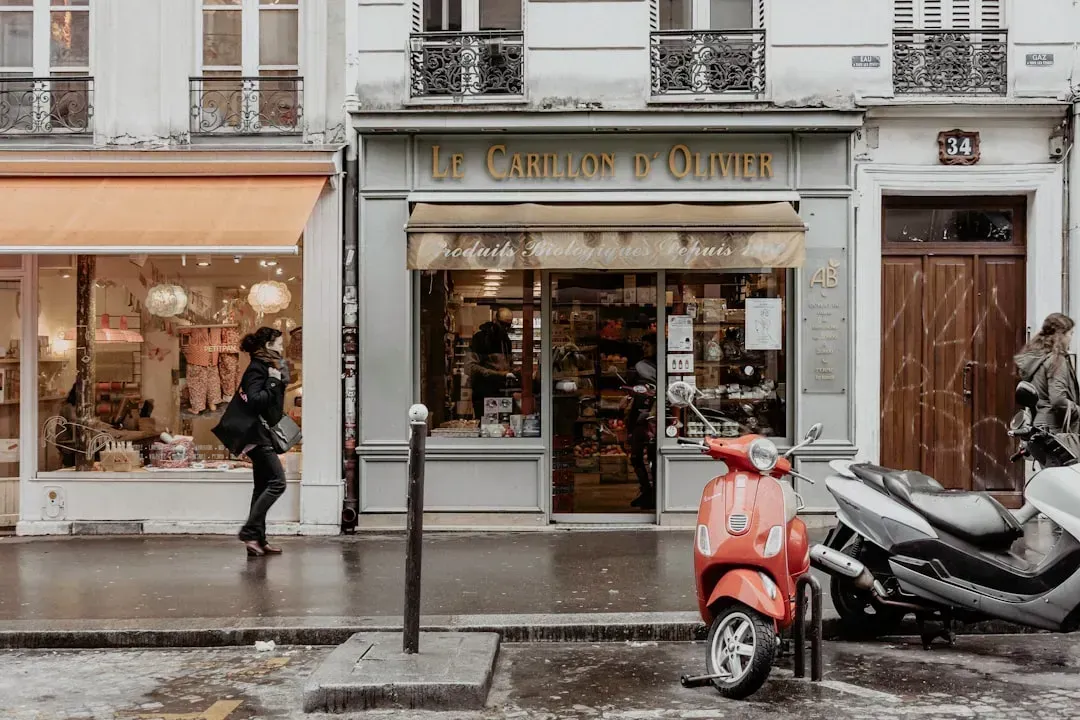
Price complaints that might be casual small talk elsewhere tend to land as an insult in smaller French boutiques and family-run shops. Commenting critically on price directly to a shopkeeper, especially in smaller boutiques or family businesses, can feel like a personal insult, since pricing often reflects the cost of quality ingredients or craftsmanship, and remarking that something costs too much can come across as devaluing that effort. It’s a different dynamic than comparing prices privately between stores.
There’s a graceful exit if the price genuinely doesn’t work for you. Simply saying “Je vais réfléchir” (I’ll think about it) and stepping away is far more graceful than voicing the complaint aloud, and this preserves goodwill and leaves the door open for a return visit later. French retail culture rewards patience over protest.
7. Demanding substitutions on a set dish
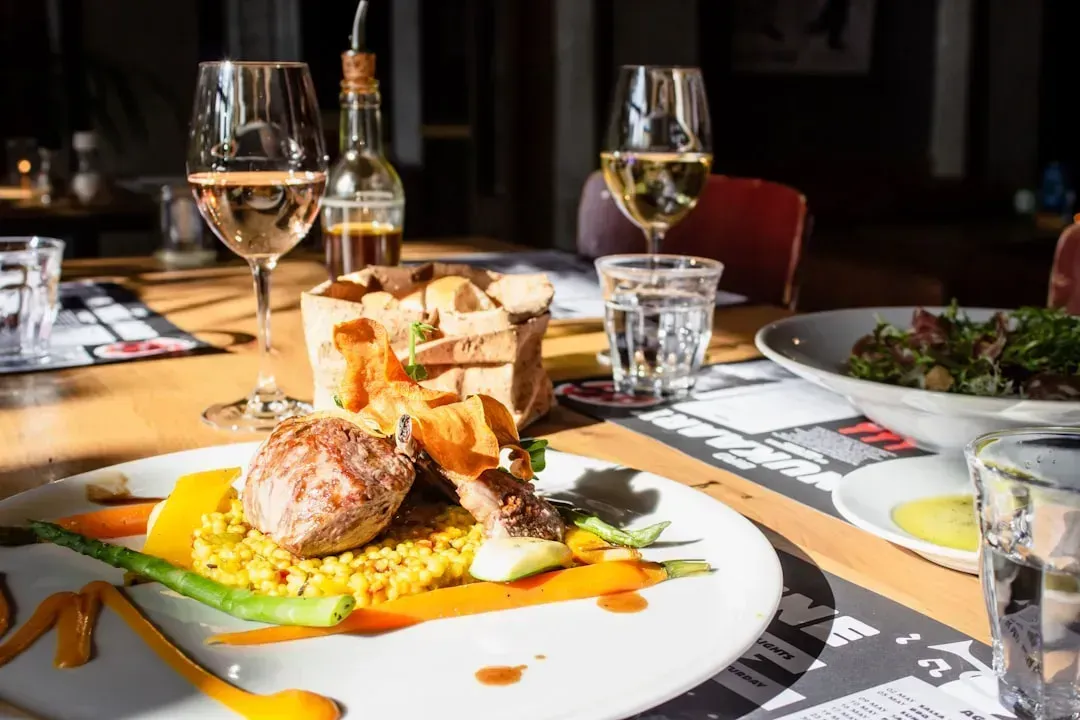
Asking a chef to swap or remove ingredients from a composed dish carries more weight in France than in many other food cultures. In France, asking to remove certain ingredients or making substitutions is treated almost like asking to remove an instrument from a song, and while you can always ask, do not be surprised if the chef refuses your request. The dish is often considered a finished creation, not a customizable template.
There is one clear exception worth knowing. The only real exception to this rule is if you have allergies, in which case you should let your waiter know before ordering or call ahead to see if they can accommodate this. Outside of genuine dietary needs, it’s usually smoother to pick a dish you’ll actually enjoy as written.
8. Rushing the meal or asking for the check too soon
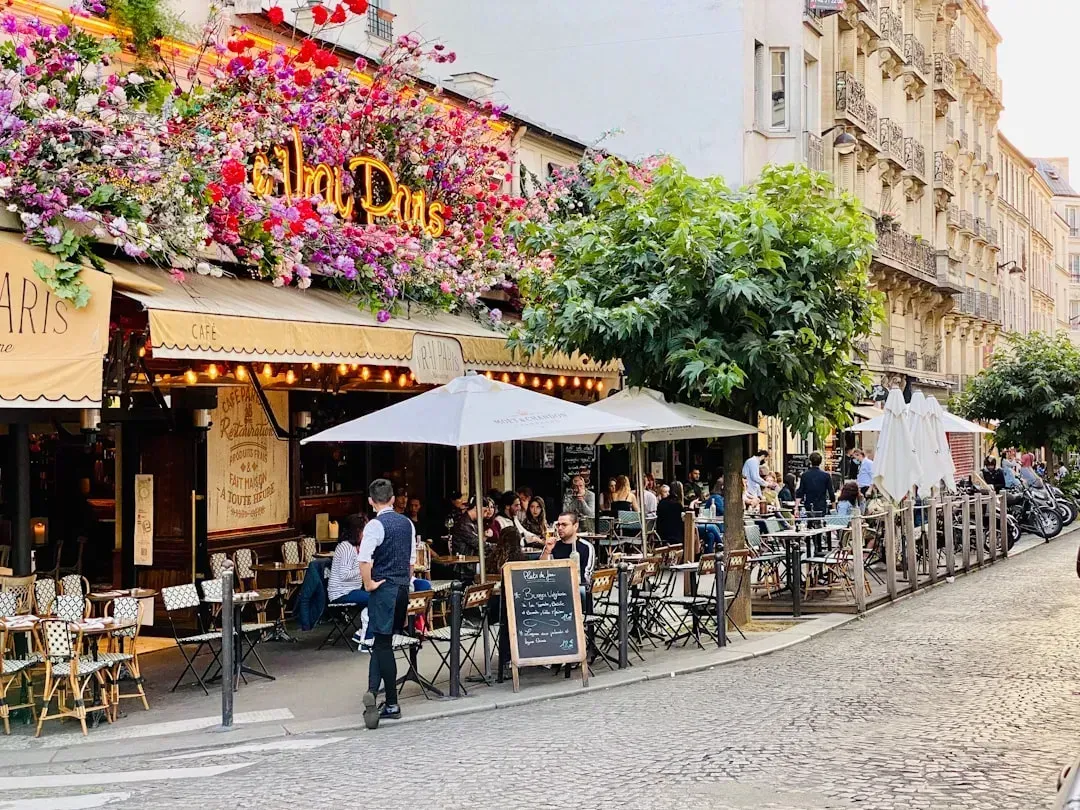
Meals in France are built around a slower rhythm than many visitors expect, and treating dinner like a quick pit stop tends to confuse staff more than please them. Waiters won’t bring the bill until you ask, and that’s part of the experience, because the table is considered yours for the evening, not a resource to turn over quickly. Asking to speed things along too aggressively can come across as missing the point of the meal entirely.
The pace itself is intentional, not a service failure. Meals are social events, not quick stops, and the slower pace is part of the charm. Once you stop watching the clock, the whole experience tends to feel far less like a wait and more like exactly what it was designed to be.
9. Answering “Whatever, it doesn’t matter” when asked for a preference

French service, particularly in restaurants, often involves a genuine back and forth where staff ask about preferences, from how you’d like your steak cooked to which cheese course you’d prefer. Waving off that exchange with something like “whatever, it doesn’t matter” cuts against a format built on genuine dialogue between server and guest. It can read as disengaged rather than easygoing.
Giving even a small, specific answer keeps the exchange working the way it’s meant to. A simple preference, even a modest one, signals that you’re participating in the meal rather than just passing through it, and servers tend to respond in kind with more attentive suggestions afterward.
10. Using “tu” with someone you’ve just met
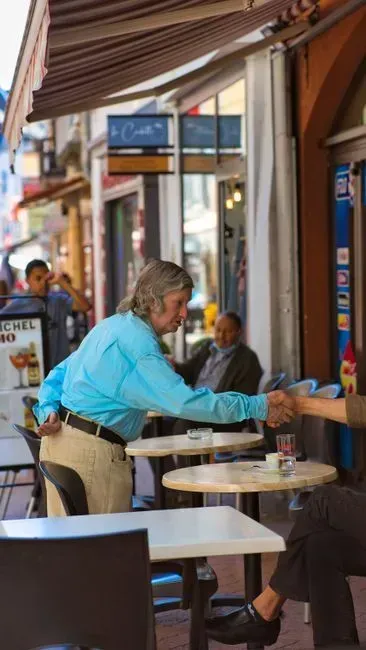
French has two ways of saying “you,” and picking the wrong one with a stranger sends an unintended signal. In French, using “vous” shows respect, while “tu” is more informal, and you should always use vous with strangers, older people, or in professional settings. Defaulting to the informal form with a shopkeeper or waiter you’ve never met can come across as presumptuous, even if the intention was just friendliness.
The switch to informal only happens by invitation. If someone says “On peut se tutoyer?” (Can we use tu?), that means they are inviting you to speak informally, and until that happens, sticking with “vous” is the safer, more respectful default in any service setting.
11. Raising your voice in public to make a point
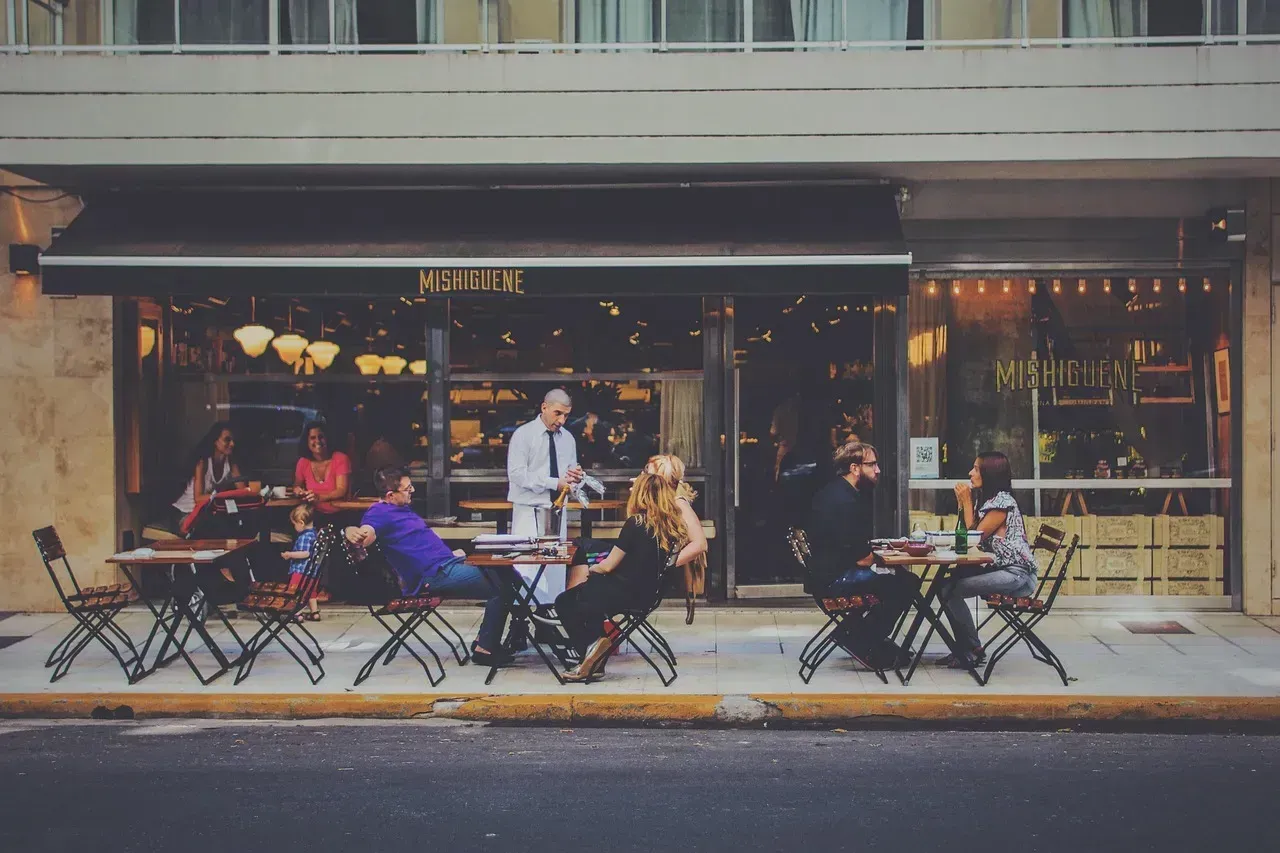
Volume carries more social weight in France than it does in many other places, and a raised voice, even without any harsh words, can shift the mood of an entire room. The French prize a measured tone in public, and speaking loudly to emphasize a complaint or a request tends to draw quiet disapproval rather than faster service. It’s less about the words and more about the register they’re delivered in.
Speaking softly shows respect for others around you and reflects cultural awareness, which matters even in a busy café where it might seem like nobody would notice one raised voice among many conversations. Staff generally do notice, and a calmer tone tends to be met with a calmer, more attentive response.
12. Leaving without a proper “Merci, au revoir”
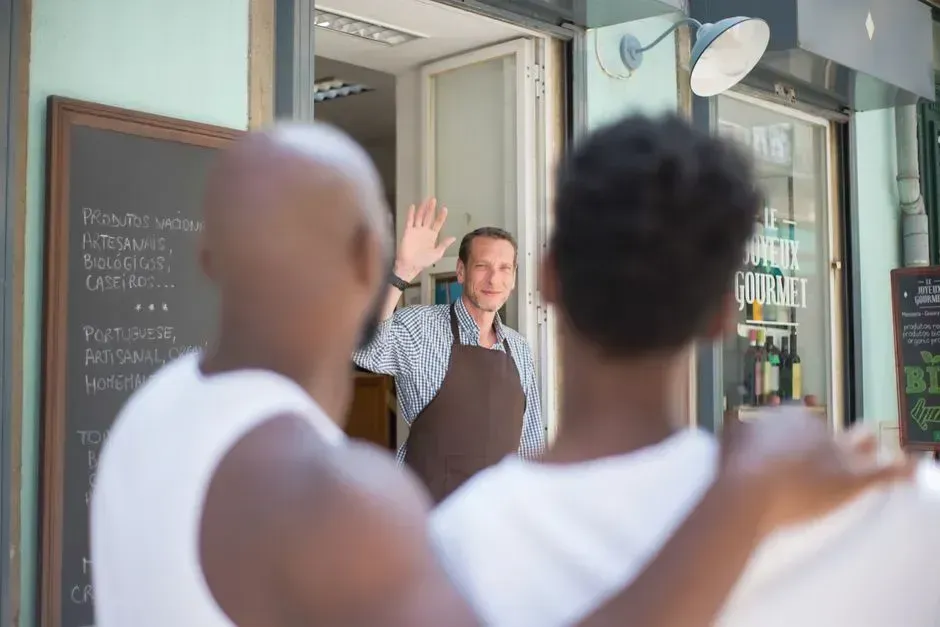
Just as the greeting opens the interaction, the closing line matters just as much and gets skipped just as often. Every service encounter in France is bracketed by two utterances, bonjour at the start and a closing formula at the end, and skipping either is genuinely impolite, not just “could be more polite,” but a break in the expected script. Walking out silently after a transaction, even a smooth one, leaves the exchange feeling unfinished.
A quick “Merci, au revoir” on the way out costs nothing and closes the loop the way locals expect. Even in shops, saying “Bonjour” when you enter and “Merci, au revoir” when you leave makes a genuinely positive impression, and it’s often the detail that turns a one-time visit into the kind of place a shopkeeper remembers you by. None of these twelve habits require fluent French or years of cultural immersion to get right. They’re small, learnable adjustments, more about tone and sequence than vocabulary, and they tend to matter far more to the quality of your experience in France than most guidebooks let on. Get the greeting and the closing right, keep requests soft rather than direct, and the rest of the interaction usually takes care of itself.




Leave a Reply