
Portugal
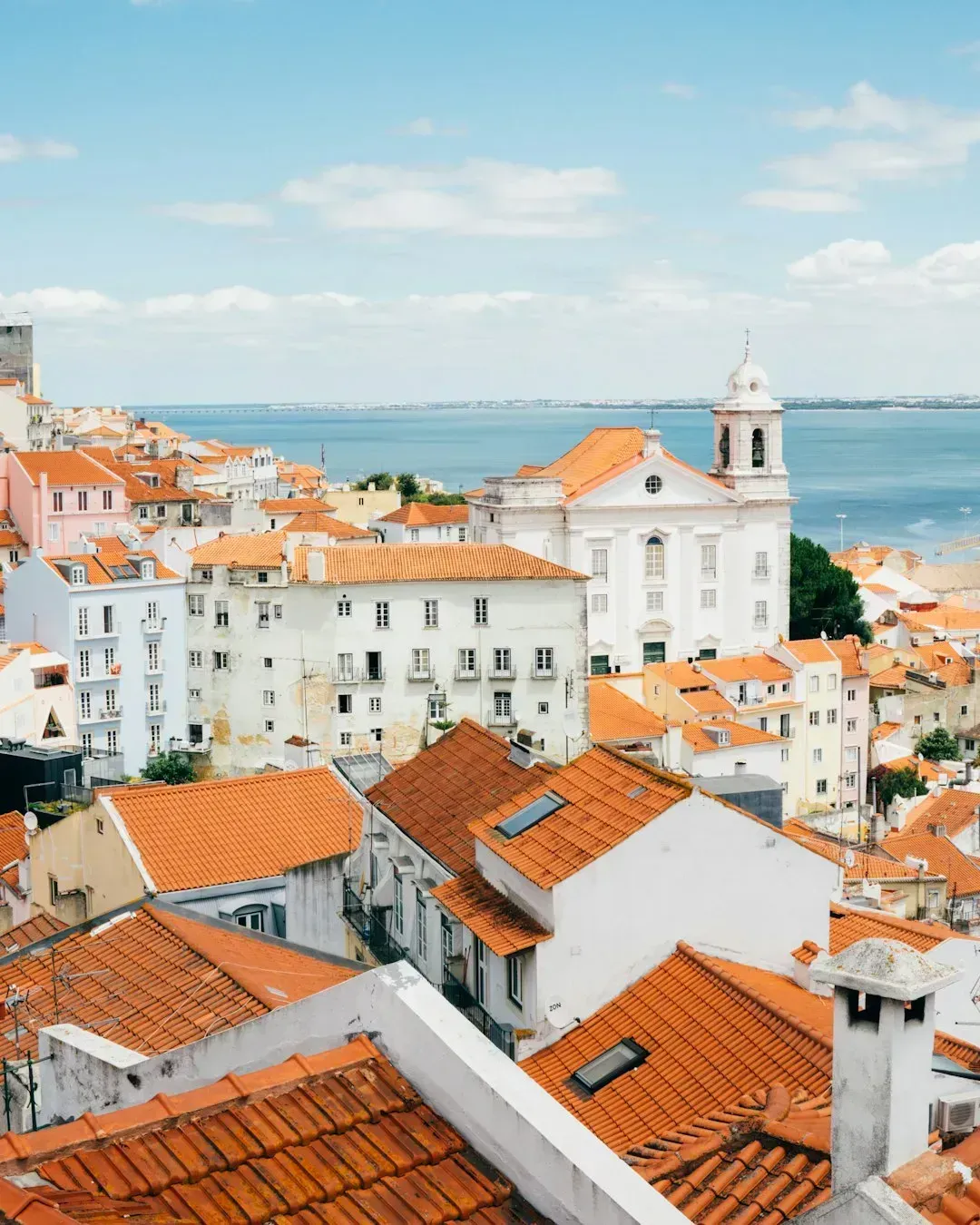
Portugal has topped expat and retirement rankings for years running, and the warmth locals show toward newcomers is a big reason why. Over the past 10 years, it’s had one of the fastest-growing expat communities globally, arriving for its low cost of living, its safety, accessibility of healthcare, education, and transport infrastructure, and the climate. That kind of sustained growth doesn’t happen in a place where people feel like outsiders.
The country’s D7 visa keeps the door open for retirees without requiring a fortune. Portugal also has the D7 passive income visa, which only requires an income of the equivalent of or above Portugal’s minimum wage, around $1,054 per month. Beyond Lisbon and Porto, smaller cities give retirees a quieter, more integrated version of Portuguese life, and coastal towns near the capital have grown into genuinely international neighborhoods.
Panama
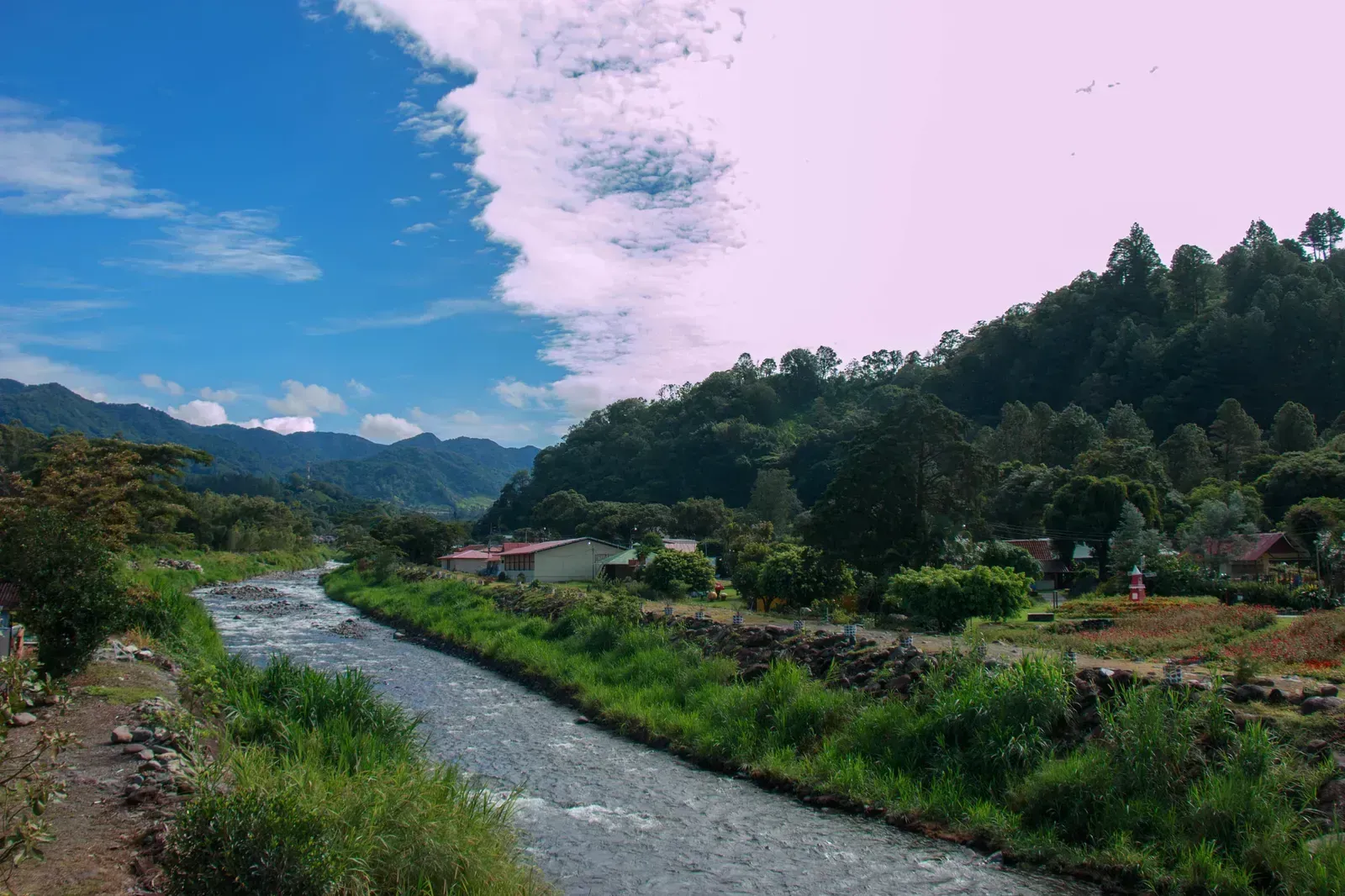
Panama has built its reputation on retiree-friendly policy as much as scenery. Panama remains a standout retirement destination due to its modern infrastructure, diverse lifestyle options, and unbeatable retiree benefits, and it topped the 2025 Global Retirement Index, offering something for everyone whether retirees seek cosmopolitan city life, tranquil mountain escapes, or a laid-back beach lifestyle. The Pensionado program is central to that appeal, since it requires only a modest verified pension and grants immediate permanent residency along with a long list of government discounts.
The mountain town of Boquete has become something of a symbol for how welcoming Panama can feel to newcomers. Boquete, Panama, ranks as the top destination due to its pleasant climate, safety, and welcoming and active English-speaking expat community. Locals there are used to seeing retirees settle in and stay, and that familiarity tends to smooth the usual awkwardness of arriving somewhere new.
Mexico
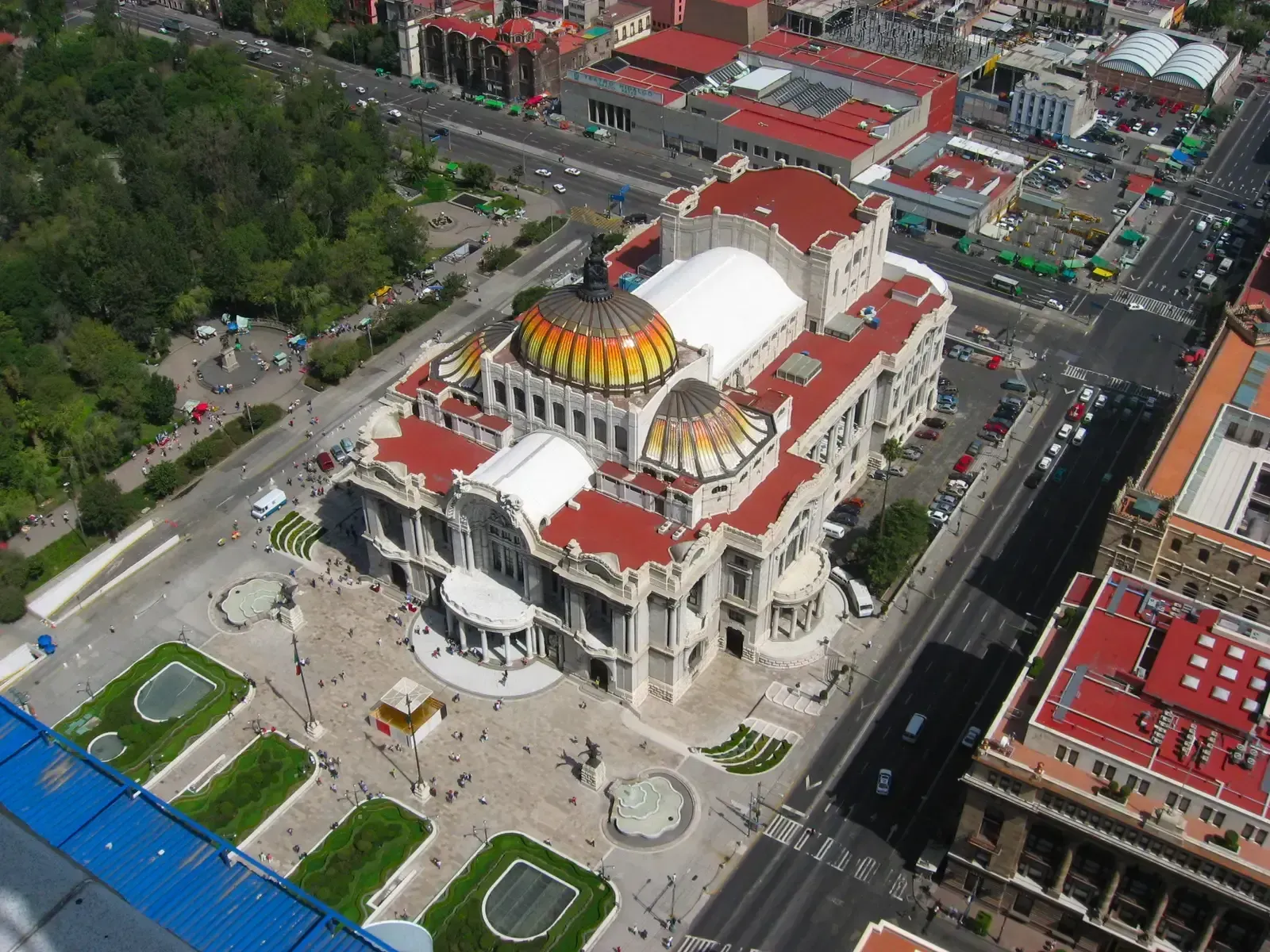
Mexico’s pull for retirees goes well beyond proximity to the United States and Canada, though that certainly helps. Mexico has long been the go-to for North American retirees seeking sun, culture, and value, and it remains true in 2026, with proximity to the U.S. and Canada often just a few hours’ flight, a low cost of living, and excellent healthcare in major cities. What keeps people there, though, is less about logistics and more about how quickly newcomers get folded into daily life.
Established expat networks make a real difference in how welcome someone feels in the early months. Mexico has large, friendly expat communities throughout the country that help newcomers navigate their way around, and even well-known areas like the Riviera Maya offer great value for their properties. Mexico City has also become a magnet for retirees who want a mix of history and modern conveniences without feeling isolated.
Costa Rica

Costa Rica’s national mantra, pura vida, isn’t just a slogan retirees repeat ironically. Pura vida, Costa Rica’s mantra, means more to locals than its literal translation of “pure life,” it describes an optimistic outlook, which might just be the secret to the country’s high ranking on the Global Retirement Index. That outlook tends to rub off on newcomers faster than expected, and many retirees describe the shift in mindset as one of the most noticeable changes after moving.
Access matters too, and Costa Rica keeps that side simple. Paths to residency include a two-year renewable pensionado retirement visa requiring a showing of just $12,000 in yearly income, and a U.S. retiree can stay in the country as a tourist for a half-year while working on gaining longer permissions. The country’s biodiversity gives retirees plenty of reasons to get outside and meet people, which naturally speeds up the sense of belonging.
Greece

Greece has quietly overtaken longtime favorites like Portugal and Spain as the country retirees now point to when asked where they feel most at home. Greece’s rise to number one marks a shift in Europe’s retirement landscape, as for years Portugal and Spain led the way, but recent visa changes and rising costs have retirees looking elsewhere, with Greece now offering a beautiful, welcoming, and affordable European base with accessible residency options. That shift wasn’t accidental. It reflects a broader recalibration of what retirees actually want from a European base.
Tax policy has played its part in making the welcome feel tangible rather than just cultural. Greece tops the 2026 Global Retirement Index for its 7% flat tax on foreign income, affordable Mediterranean lifestyle, and Golden Visa program starting at €250,000 in real estate investment. Combined with a climate and quality of life that consistently score well, Greece has become the rare place where the paperwork and the atmosphere both feel accommodating.
Thailand

Thailand’s approach to welcoming retirees is built around flexibility rather than a single rigid path. Thailand welcomes expats with flexible visa options, including the standard retirement visa, the new 10-year Long-Term Resident visa for higher-income retirees or investors, and a Digital Nomad visa for remote workers. That range means retirees with very different budgets and lifestyles can still find a legal, comfortable way to stay long term.
Community infrastructure reinforces that sense of welcome once retirees actually arrive. Expat organizations, such as the VFW and Rotary Club, as well as dozens of charitable organizations, operate throughout Thailand, and building social networks and support systems is definitely another part of life that Thailand makes easy. Coastal towns like Jomtien have become known for the everyday overlap between locals and retirees, from shared beach walks to sunrise yoga groups that mix both groups without much fuss.
Italy
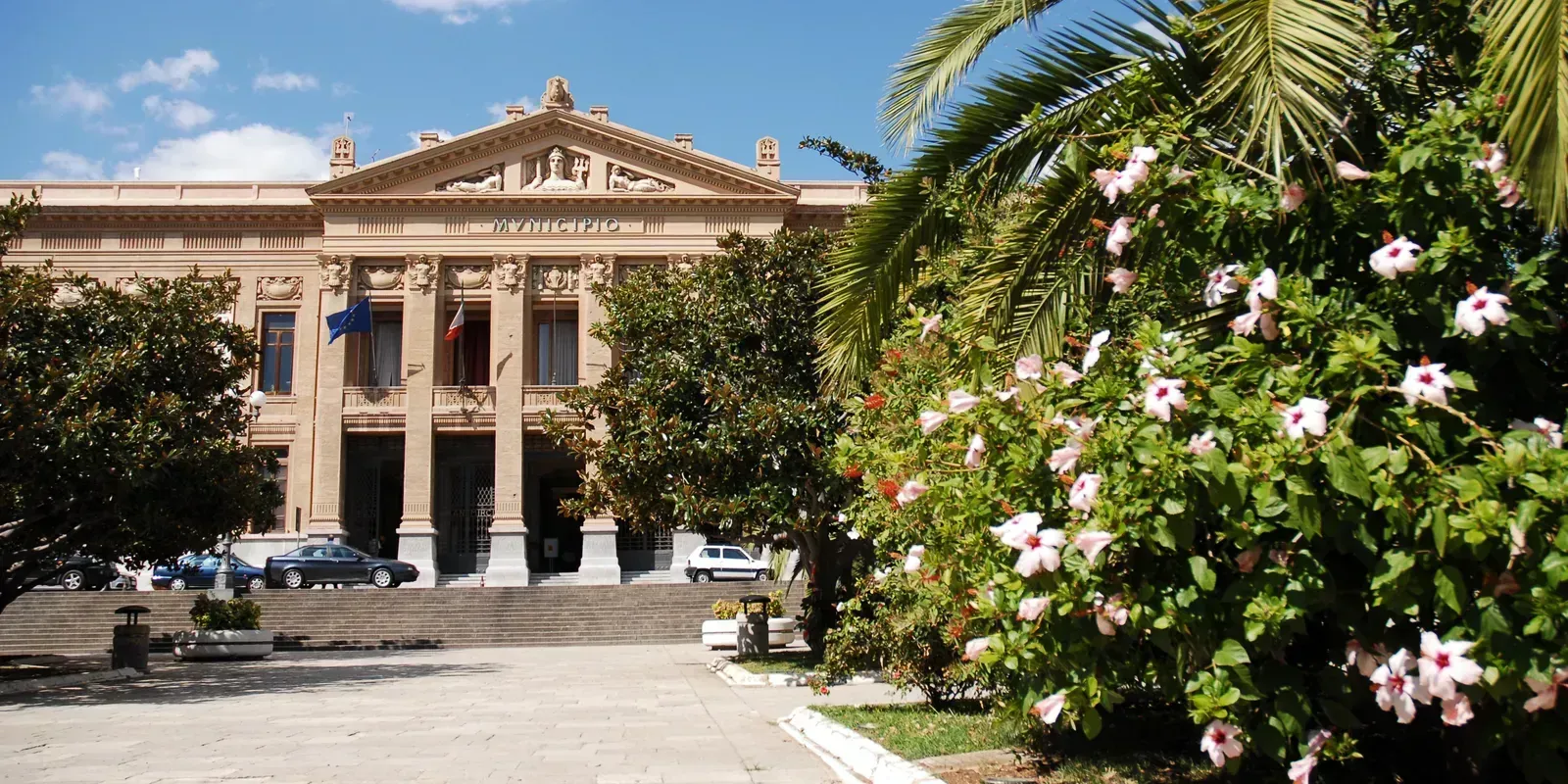
Italy’s climb up recent retirement rankings owes a lot to how naturally expats fold into local social life. Italy climbs to number six in 2026, offering unmatched culture, cuisine, and coastal beauty at a surprisingly accessible price, especially in the south. Southern regions in particular have drawn retirees looking for lower costs without sacrificing the sense of community Italy is known for.
The country’s visa structure gives retirees without local income a straightforward way to settle in. Its Elective Residency Visa provides a clear path for income-independent retirees, requiring $31,000 a year in passive income for singles, with one-bedroom apartments running $400 to $800 a month in smaller towns. Social life tends to follow quickly after arrival. Italy’s expat communities are vibrant, and most towns and cities host MeetUps, Facebook groups, and events like book clubs, yoga, and outings to archaeological sites.
Uruguay

Uruguay rarely gets the attention Portugal or Mexico do, but retirees who land there often describe it as one of the more genuinely welcoming places in South America. Most expats in Uruguay settle in Montevideo, the country’s capital and main cultural center, which has the widest choice of restaurants, healthcare services, and international schools. For those who want a slower pace, coastal towns nearby offer a quieter version of the same welcome.
The residency path is refreshingly uncomplicated compared to some of its neighbors. Retiring in Uruguay is possible through the Uruguay Independent Means Visa, which requires a stable, passive, monthly income of $1,500, and the visa can lead to permanent residence and Uruguayan citizenship after three years for married couples and five years for single applicants. A growing American community, still small by comparison to Mexico or Panama, has helped newcomers find their footing without feeling like pioneers.
Final thoughts

None of these eight countries offer a perfect, friction-free retirement, and anyone who tells you otherwise is probably selling something. What they share is a track record, built over years of actual retirees settling in, staying, and reporting back that the welcome felt real rather than performative. That distinction, between a place that merely accepts foreigners and one that genuinely makes room for them, is often the difference between a retirement that feels like exile and one that feels like home.



Leave a Reply