
Spain’s retiree boom meets its limits

Spain’s appeal to older expats was never a mystery. Elderly expats tend to concentrate in populated hubs, such as Madrid, Barcelona, Malaga, Valencia, and Alicante. The country has long delivered warm winters, a Mediterranean pace of life, and healthcare that punches well above its price tag.
The numbers back up the enthusiasm. 6.9 million foreign residents live in Spain in 2025, and among Americans alone, retirement relocation has climbed sharply over the past decade, with the tally of Americans calling Spain home in their golden years jumping from 27,856 in 2012 to 41,953 in 2022. That kind of growth, though, has consequences the country is only now grappling with.
A housing crackdown aimed at foreign buyers
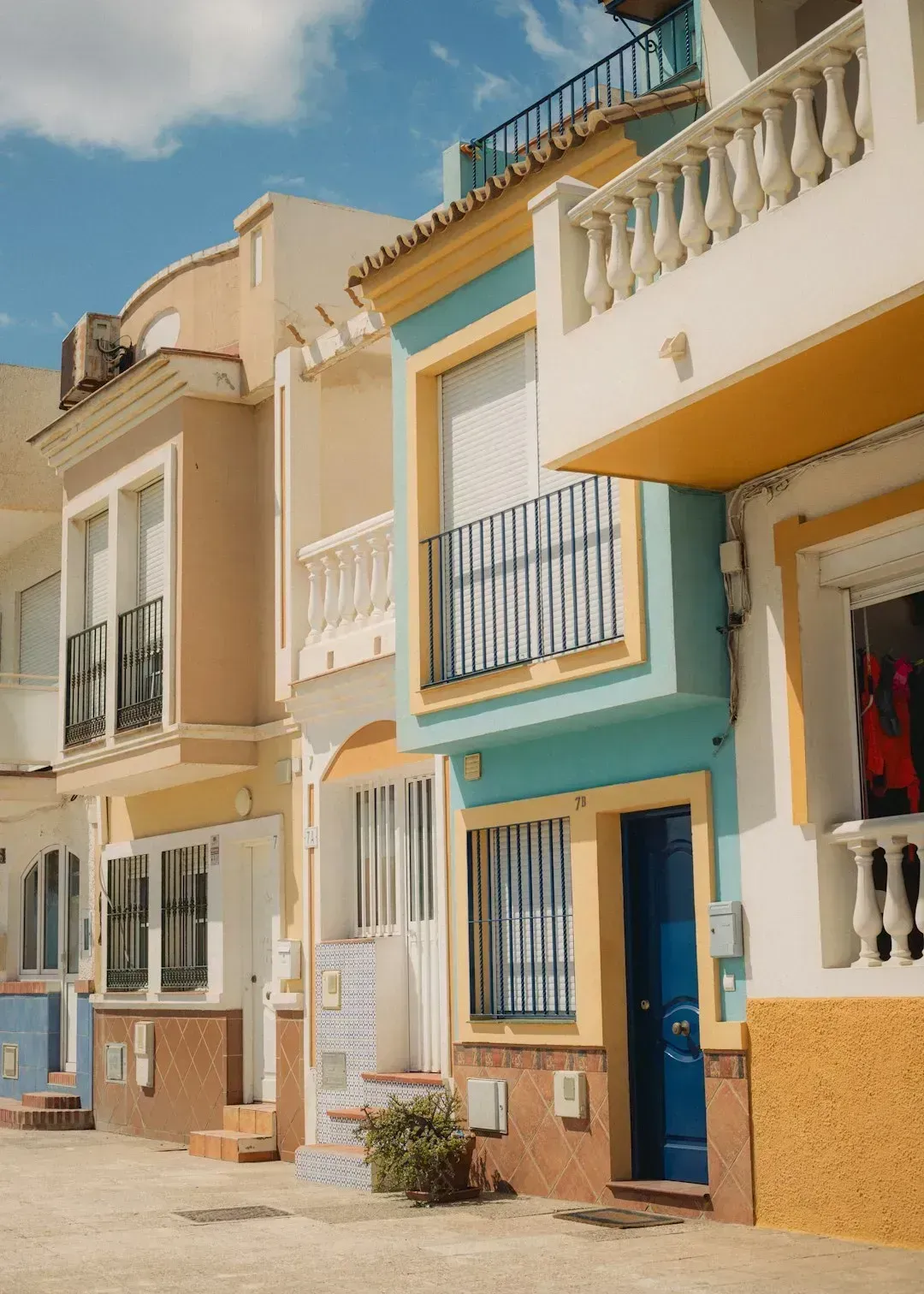
In early 2025, Spain’s government moved from complaints to policy. Spain planned to impose a tax of 100% on homes bought by non-EU residents, with Prime Minister Pedro Sanchez proposing a package of measures aimed at alleviating a shortage of homes, high rents, and rising house prices across the country. The logic was straightforward: too much housing was going to buyers who never intended to live in it.
In 2023 alone, non-EU residents bought around 27,000 houses and flats in Spain, not to live in them but mainly to speculate and make money off them, according to Sanchez. For American, British, and Canadian retirees planning a move, that single policy shift turned a straightforward property purchase into a far riskier bet, and many started quietly exploring backup plans.
Anti-tourism protests reshape the mood

Housing costs are only part of the story. Thousands of people have gathered in Barcelona to protest overtourism fuelling rising house prices, and similar demonstrations have spread to Mallorca, the Canary Islands, and Seville. For retirees who imagined a peaceful golden-years chapter, arriving in a city mid-protest against foreign residents is an unsettling welcome.
Migrants are also widening a housing deficit of 500,000 homes according to the Bank of Spain, while only about 120,000 new homes are built in Spain every year, a sixth of pre-2008 levels. The structural shortage isn’t going away soon, and the social tension around it has made some retirees rethink whether Spain still feels like the relaxed haven it used to be.
Visa headaches pile up for non-EU retirees

It isn’t just sentiment turning people away. The country abolished its Golden Visa program in 2025, closing off the property-based residency route that many wealthier retirees relied on. What remains is the Non-Lucrative Visa, which comes with its own frustrations.
Beyond the paperwork, the most cited disadvantage among the 2026 expat community is the administrative burden, with obtaining appointments for residency cards remaining a bottleneck that often requires a professional fixer, and many offices requiring one document to get another, creating Catch-22 scenarios for new arrivals. For retirees hoping to simplify their lives, not complicate them, that kind of bureaucratic maze is exactly the opposite of what they signed up for.
Enter Montenegro, the Adriatic’s quiet alternative
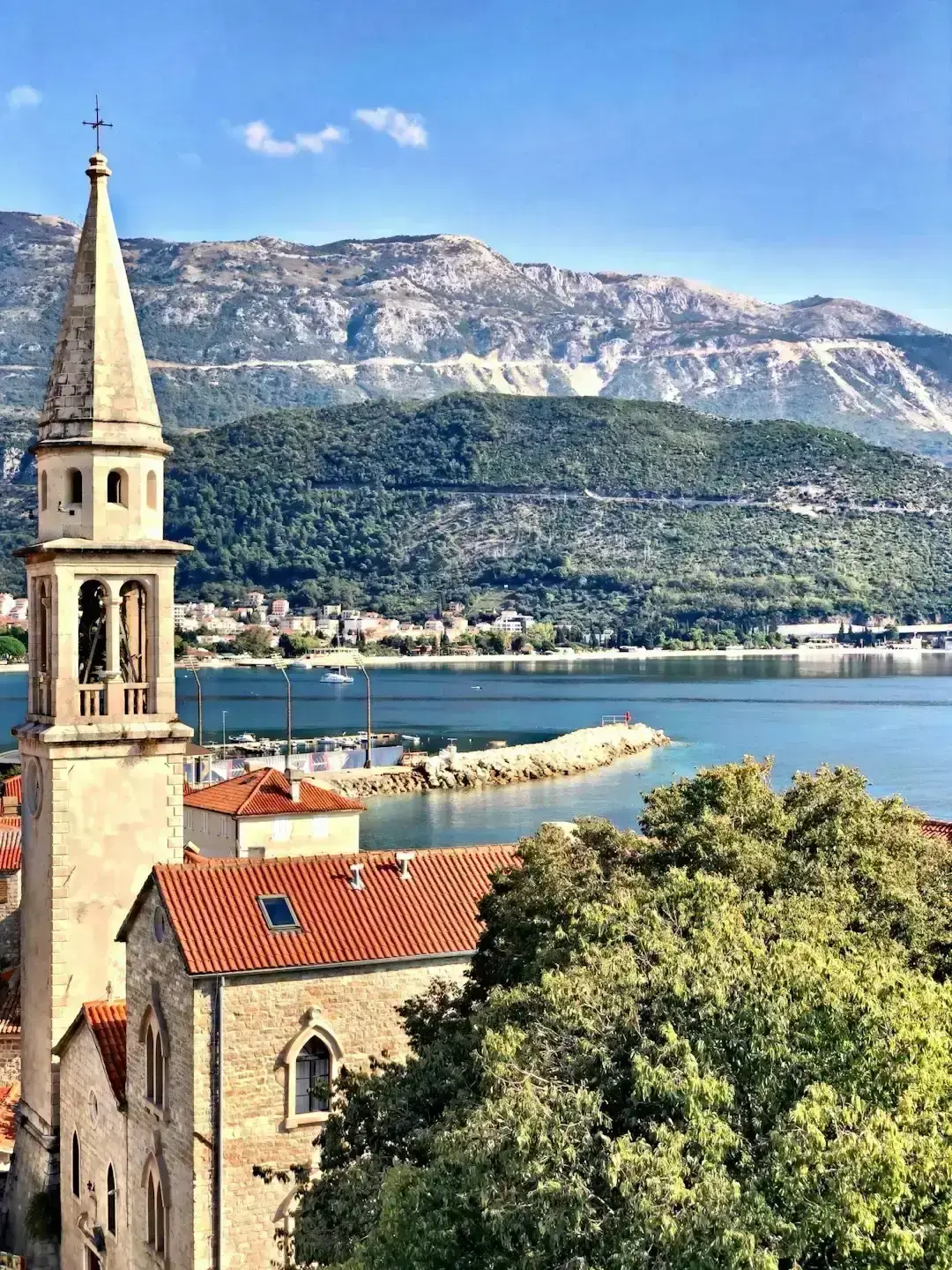
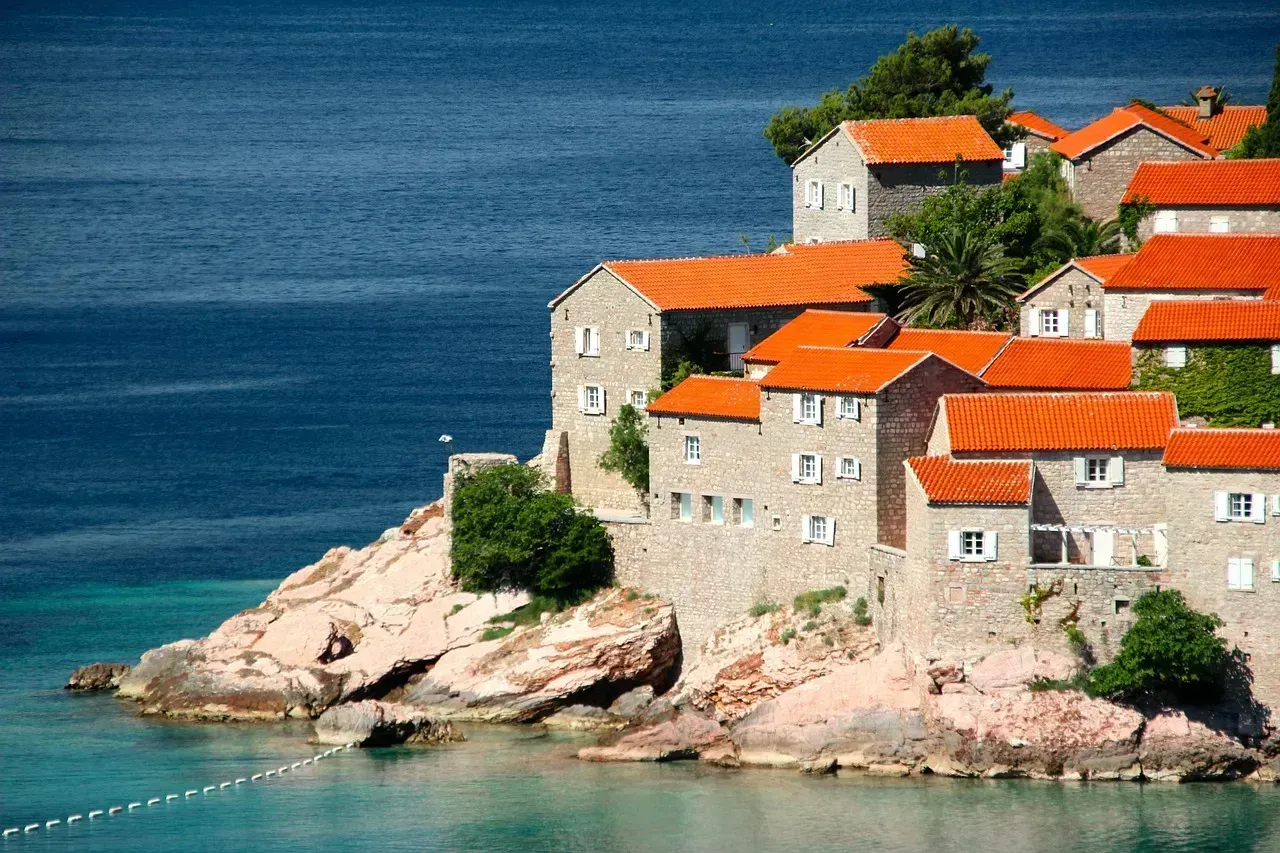
While Spain wrestles with its own popularity, Montenegro has been gaining a reputation as the destination retirees turn to instead. Montenegro, a tiny country in the Balkans, is unknown by many, but in recent years it has become an up-and-coming expat destination, with those who have discovered it enjoying its mild climate, beautiful scenery, low cost of living, and relaxed lifestyle. International Living has taken notice too, naming it among the regions worth watching.
International Living has described it plainly: if you’re dreaming of retiring somewhere that’s as affordable as it is beautiful, Montenegro might just be your perfect match. Sitting between Croatia and Albania on the Adriatic coast, it offers many of the same visual and climate rewards as Spain’s coastline, minus the crowds and the political noise around foreign buyers.
A cost of living that resets expectations

The financial contrast between Spain and Montenegro is significant. A single American retiree lives comfortably in Montenegro on 1,200 to 1,800 euros per month, while a couple needs 1,600 to 2,500 euros. That is meaningfully below the budgets required for a comparable lifestyle in Spain’s popular coastal regions.
Inland towns push the savings even further. Podgorica and northern towns like Kolašin cost 30 to 40 percent less than the coast, with retirees wanting maximum value and mountain scenery finding Podgorica surprisingly livable at 900 to 1,400 euros a month total. For anyone living on a fixed pension, that kind of margin changes what retirement actually feels like day to day.
Residency without the golden visa maze
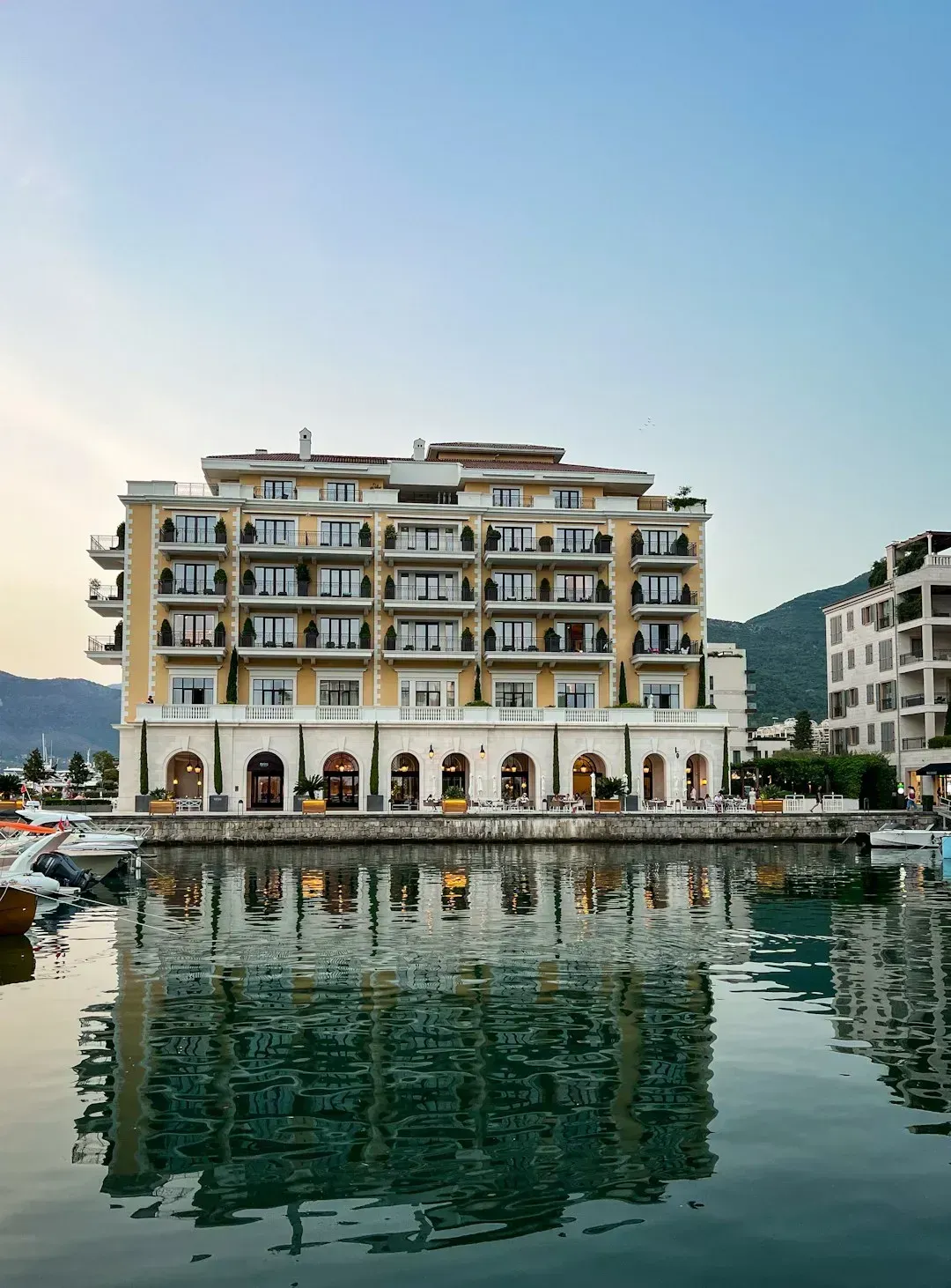
Montenegro’s path to residency looks different from Spain’s, and in some ways simpler. Montenegro has no dedicated retirement visa, so retirees establish residency through one of three main pathways, the most straightforward being purchasing real estate with a minimum taxable value of 150,000 euros as of January 2026. Property ownership remains the most common route, much as it once was in Spain before the golden visa closed.
For those who prefer not to buy outright, there’s another option. Most retirees provide proof of regular pension income, typically 500 to 1,000 euros monthly minimum, a valid health insurance policy, and a clean criminal record, with many insurers offering expat-friendly plans for approximately 250 euros per month for family coverage. It’s a lower bar of entry than Spain’s current income thresholds, without the added layer of a 100 percent foreign buyer tax hanging over every property decision.
Healthcare that’s improving but not identical

Healthcare is where Montenegro asks for a bit more patience from newcomers. Private healthcare in Montenegro delivers quality care at prices that shock Americans accustomed to US medical bills, with a general practitioner visit costing 30 to 50 euros, a specialist consultation running 50 to 100 euros, and an MRI scan averaging 150 to 250 euros. Those figures make it genuinely accessible compared to both Spain and the United States.
The public system, however, still lags behind Spain’s well-regarded network. Doctors who speak English are rare, and the public healthcare system is rated poor enough that a serious health event could mean traveling to another country for treatment. Most retirees settling in Montenegro treat private insurance as non-negotiable rather than optional, and plan accordingly.
Coastal towns building a real expat community
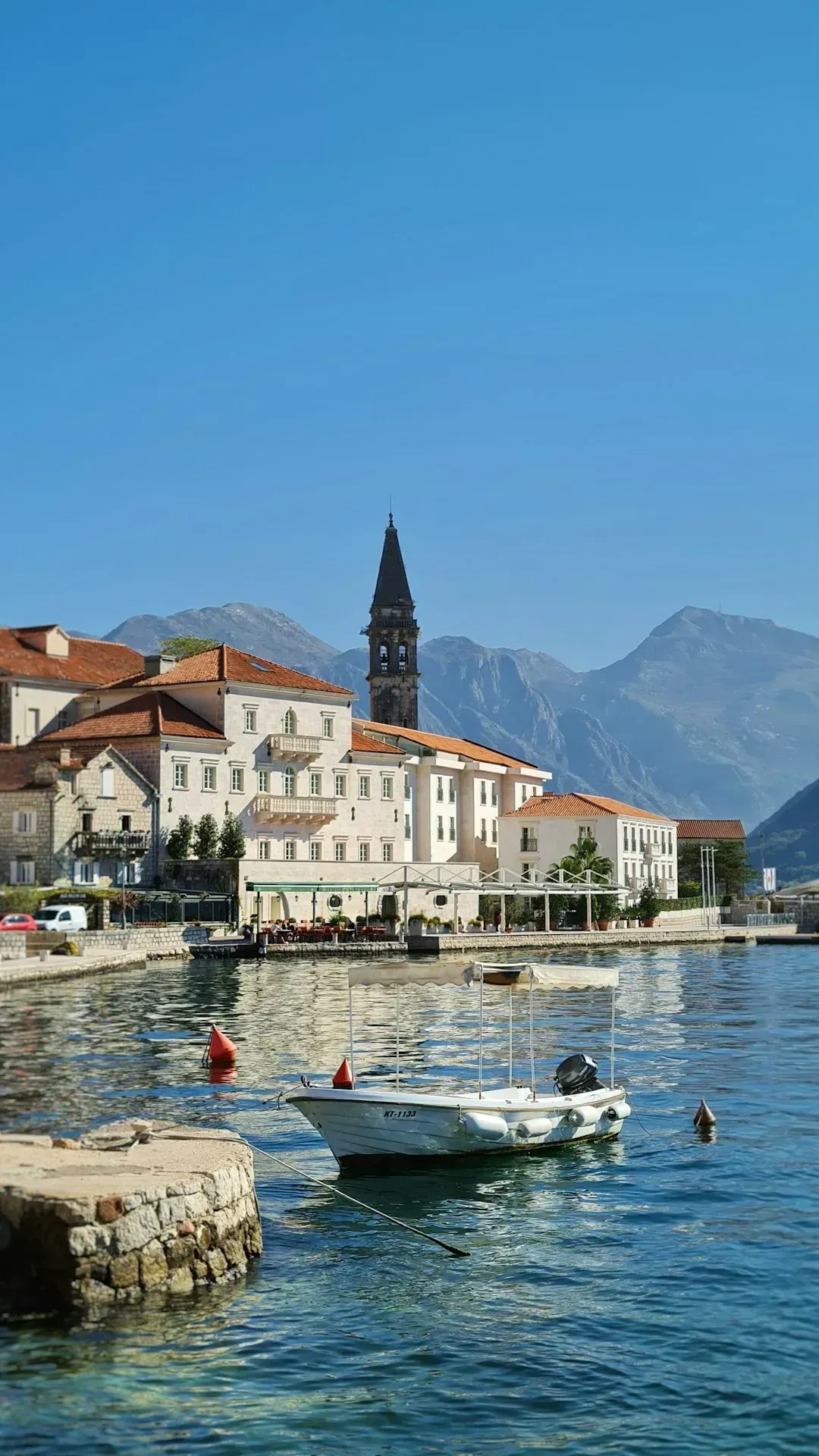
The social side of the move matters just as much as the financial one, and Montenegro’s coast has been quietly filling in that gap. Herceg Novi is a long-time favourite for its mild climate, greenery, and expat community, Kotor offers heritage and scenery, Tivat is modern and convenient, and Bar is a more affordable, local option. Retirees arriving today aren’t pioneers exactly, but they’re also not stepping into an overrun tourist economy either.
Kotor Bay in particular has developed real infrastructure for newcomers. The expat community in Kotor Bay, Montenegro, is big, diverse, and active, and rental options remain reasonable by Western European standards. It’s the kind of setup that lets retirees ease into a new country without feeling isolated, while still avoiding the density and expense of Spain’s most saturated expat hubs.
Final thoughts
Spain hasn’t lost its appeal outright, and for many retirees already settled there, none of this changes the calculation. But the combination of a foreign buyer tax proposal, closed golden visa routes, visible housing tension, and slower bureaucracy has pushed a segment of would-be retirees to look elsewhere before they commit.
Montenegro won’t suit everyone, especially those who prioritize polished public healthcare or a large English-speaking bureaucracy. For retirees chasing lower costs, coastal scenery, and a residency process that doesn’t hinge on shifting political winds, though, it’s easy to see why this small Adriatic country keeps coming up in conversations that used to be all about Spain.




Leave a Reply