
Lancaster, Pennsylvania

Lancaster keeps landing near the top of national retirement rankings, and the reasoning is straightforward once you look at the numbers. This year, it was ranked by U.S. News as the third-best city to retire in the United States. Housing hasn’t turned into the runaway expense it has elsewhere in the Northeast, which matters a great deal for anyone living on a fixed income.
Aside from not taxing Social Security, Lancaster is considered an attractive city for retirement because of its housing affordability, with the average home value around $353,000, a 4.1% increase from the past year. That’s still a modest jump compared to what’s happened in Sun Belt retirement hot spots. Pennsylvania’s decision to leave Social Security untouched at the state level adds another layer of breathing room to a monthly budget.
Midland, Michigan

Midland doesn’t get the tourism-brochure treatment that Florida or Arizona towns do, but retirees who’ve actually crunched the numbers keep pointing here. Midland was the No. 1 “Best Place for Retirement 2026” in the latest U.S. News & World Report rankings for its affordability and low taxes. That’s not a small distinction when you consider how many cities compete for that title every year.
The housing math alone explains a lot of the appeal. The median home price sits at $247,000, forty percent below the national median, alongside an excellent ratio of primary care doctors per capita, an extremely low serious crime rate, good air quality, a favorable retiree tax climate, and relatively low FEMA vulnerability to natural hazards. The trade-off is winter. Cold, snowy stretches aren’t for everyone, but for retirees who don’t mind bundling up, the savings add up fast.
Pittsburgh, Pennsylvania

Pittsburgh has a habit of showing up on best-of lists year after year, and it’s earned that consistency rather than coasted on reputation alone. Pittsburgh, which also has frosty winters, is another long-time favorite on Forbes’ list for the ninth year in a row, despite its above-average crime rate. That kind of staying power in a ranking that gets recalculated annually says something about the underlying fundamentals.
Part of the draw is simply scale without the price tag that usually comes with it. The scenic Pennsylvania city of 310,000 is brimming with rivers and colleges, including Carnegie Mellon University, University of Pittsburgh, Duquesne University, and Chatham University. Big-city amenities, university-town energy, and none of the coastal price inflation. For retirees who still want access to specialists, cultural events, and a real downtown, that combination is hard to find elsewhere at this price point.
San Antonio, Texas

Texas draws retirees for an obvious reason, and San Antonio makes the case better than most cities in the state. This is a lively South Texas city of 1.5 million people, the country’s seventh-largest by population, where the median home price runs $252,000, thirty-eight percent below the national median, and there’s no state income or estate tax. That’s a rare combination of urban scale and genuinely low housing costs.
There are trade-offs worth knowing about before packing the moving truck. The ratio of primary care physicians to population sits near the national average, the city is somewhat bikeable, but the serious crime rate runs above average and it’s not very walkable. For retirees who drive rather than rely on walking or biking for daily errands, that last point matters less. San Antonio also made Forbes’ 2026 roundup, which compared nearly a thousand U.S. locations before narrowing things down.
Las Vegas, Nevada

Las Vegas isn’t just a tourist destination anymore, at least not for the retirees quietly settling into neighborhoods far from the Strip. Las Vegas has no state income tax for retirees, making it the anchor of Nevada’s tax-haven status, and it’s the most affordable city for retirees among major metros with comparable entertainment options. That tax advantage applies to Social Security, pensions, and IRA withdrawals alike, since Nevada simply doesn’t tax any of it.
Healthcare access has become a bigger part of the retirement equation lately, and Las Vegas holds up well there too. Las Vegas ranks first for healthcare access for retirees according to multiple 2026 rankings, combining zero state income tax with a cost of living index near the national average. Add in a desert climate that skips harsh winters entirely, and it’s easy to see why the city keeps attracting retirees who want a real income boost without leaving the U.S. entirely.
Lafayette, Louisiana

Louisiana rarely tops national retirement lists, but Lafayette has quietly built a case for itself among retirees paying close attention to their tax bill. Louisiana doesn’t tax Social Security income, and for residents 65 and older, each spouse excluded up to $12,000 of annual retirement income from taxable income as of 2025. For a retired couple, that exclusion alone can shelter a meaningful chunk of pension or investment income every year.
Day-to-day costs back up the tax advantage rather than undercutting it. Lafayette continues to offer an affordable lifestyle for retirees, with low housing costs, manageable utility expenses, and competitive grocery prices, and the food scene alone is worth the move. It’s not a city that dominates national headlines, which may be exactly why the cost of living has stayed reasonable while other regions have priced out longtime residents.
Lexington, Kentucky

Lexington offers something a little different from the typical retirement pitch: a genuinely walkable small city with a distinct identity, rather than a generic Sun Belt suburb. Deep in the heart of Kentucky stands a city with a knack for whiskey and affordable housing, offering many of the perks of a bustling city with the sights and feel of a smaller Midwestern town, and aptly named the Horse Capital of the World, with racetracks and horse-themed venues throughout. That mix of culture and affordability isn’t something you find in every mid-size American city.
The rental and mortgage numbers make the affordability claim concrete rather than aspirational. The average monthly rent is $1,154 and the average mortgage payment is $1,610. Compare that to what a one-bedroom rents for in most coastal cities, and the appeal becomes obvious fairly quickly.
Augusta, Georgia

Augusta has spent years known mostly for one thing: golf’s Masters tournament every April. Retirees, though, have started looking past the fairways at what the city actually costs to live in year-round. With its low living costs and generous tax breaks for seniors, Augusta is ripening into a particularly peachy city, with revitalization efforts pushing to expand the area’s appeal beyond the tournament and its accompanying tourism revenue.
Georgia’s tax code does a lot of the heavy lifting here. Georgia is considered tax-friendly for retirees, as there is no tax on social security retirement benefits and an impressive deduction of up to $65,000 for anyone 65 or older. Between the state exemptions and the city’s below-average housing costs, Augusta manages to stretch a fixed retirement income further than its modest reputation might suggest.
Cedar Rapids, Iowa
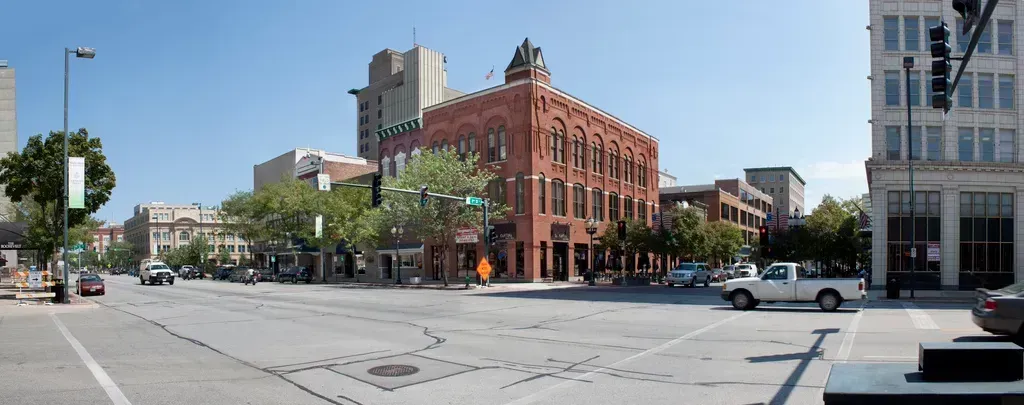
Cedar Rapids doesn’t come up often in retirement conversations, largely because Iowa isn’t on most people’s radar as a retirement destination in the first place. That’s a bit of an oversight given the numbers. State taxes include a 3.8 percent flat income tax as of 2025, with no state inheritance tax for deaths occurred on or after January 1, 2025, and no estate tax.
Housing costs reinforce the tax advantage rather than eating into it. The average monthly rent in Cedar Rapids is $925, while the average monthly ownership cost for those with a mortgage is $1,428. The city also sits along the Cedar River, which gives it a bit of waterfront charm without the beachfront price tag that usually comes attached to river or lake living.
El Paso, Texas

El Paso offers a version of the Southwest retirement dream that skips the premium price tag attached to Phoenix or Scottsdale. El Paso combines low housing costs with a dry desert climate, plus plenty of outdoor activities and local culture that give the city a relaxed, livable feel. The border-city setting also brings a distinct cultural mix that a lot of retirees find genuinely appealing rather than incidental.
Texas’s tax structure applies here just as it does in San Antonio, and the effect on a fixed income is significant. Texas has no state income, estate or inheritance taxes, making it an attractive option for retirees looking to make the most of their retirement funds. Combined with a monthly living cost that stays close to the average Social Security benefit, El Paso lets a modest check go noticeably further than it would along either coast.
The bottom line for retirees comparing cities

No single city wins on every metric, and that’s really the point. Lancaster and Midland lean on housing affordability and low crime, Las Vegas and Texas cities lean on zero state income tax, and Southern towns like Lafayette and Augusta lean on generous exemptions for retirement income specifically. The right fit depends on which trade-off matters most to an individual retiree’s budget and lifestyle.
What all ten places share is a willingness to be judged on cost rather than curb appeal. None of them are chasing a glossy tourism image. They’re simply the places where a fixed income, whether from Social Security, a pension, or retirement savings, keeps its value a little longer than it would somewhere flashier.




Leave a Reply