
There’s a persistent assumption that once someone reaches a certain income level, they stop counting costs. The reality is often the opposite. Research and reporting on high-net-worth households repeatedly reveals a pattern that surprises most people: wealthy people often practice a frugal lifestyle, spending their money only when they see real value in return. They don’t throw money around carelessly. They build systems.
Twenty-five years ago, authors Thomas Stanley and William Danko released “The Millionaire Next Door,” and their research revealed that most millionaires lived in middle-class neighborhoods, drove modest cars, and avoided ostentatious displays of wealth. Despite our current era of social media and luxury brand obsession, their findings remain largely true today. These are not deprivation habits. They are deliberate choices made by people who understand what money is actually for.
1. Cooking at Home Consistently

Even Warren Buffett admits to being frugal with his money, and he prefers eating at home every night because it’s simply much less expensive. This isn’t about avoiding nice food. It’s about recognizing that restaurants carry enormous markups on ingredients that cost a fraction of the menu price.
Cooking at home is almost always cheaper than dining out. A pasta dinner at a restaurant could cost a family of four anywhere from $50 to $60, including drinks and tips. By contrast, the same meal made at home with a box of pasta and tomato sauce might cost just a few dollars. Across a year, that gap compounds into thousands of dollars that wealthier households quietly redirect elsewhere.
2. Driving Used or Modest Vehicles

A recent survey by Ramsey Solutions found that nearly two-thirds of millionaires drive vehicles that are at least two years old. This is one of the most consistent findings across wealth research, and it makes straightforward financial sense.
A 2023 study by LendingTree found that new cars depreciate an average of roughly a fifth in the first year and nearly half after five years. Millionaires recognize this depreciation and often choose slightly used cars, saving a significant amount. It’s the same reliability, without the instant depreciation hit. The wealthy understand that a car is a tool, not a trophy.
3. Batch Cooking and Meal Planning

Personal finance expert Annie Cole, who owns assets totaling more than a million dollars, batch cooks meals for her and her husband as part of a broader spending philosophy that keeps her monthly costs intentionally low. Batch cooking is less a money habit than a time and decision habit that happens to save money.
Cooking large quantities of food and storing leftovers is a great way to save time and money. A big pot of chili or soup can feed a family for several days, reducing the need to cook every night and minimizing the temptation to order takeout. Wealthy households that batch cook aren’t doing it out of necessity. They’re doing it because it works.
4. Buying Secondhand Without Embarrassment

The frugal habits of many self-made millionaires include shopping at Goodwill, saving money on vacations, and purchasing only used cars. This might sound surprising, but the logic is completely rational once you understand how depreciation works on consumer goods.
Wealthy individuals don’t buy used because they can’t afford new. They buy used because they understand value. Every dollar saved through strategic secondhand purchasing becomes a dollar invested in appreciating assets. Multi-millionaire author and entrepreneur Shang Saavedra and her husband share a 17-year-old secondhand vehicle and shop at Aldi, while her sons play with toys found on Facebook Marketplace. The net worth, not the vehicle, is the measure of success.
5. Auditing and Cutting Subscriptions

Recurring micro-payments add up fast. People often keep subscriptions they rarely use because of inertia. The solution is simple: list all current subscriptions, check the last three months of usage, and cancel or pause anything unused. Wealthy people treat this as routine maintenance, not a crisis response.
It’s easy to accumulate multiple subscriptions these days, each costing a monthly fee. Self-made millionaire Bernadette Joy keeps only one subscription for content she genuinely can’t get elsewhere, and otherwise uses free platforms for entertainment. The principle isn’t about being cheap. It’s about paying only for what you actually use.
6. Turning Off Lights and Managing Energy Use

In 2026, frugality might feel to some more like a survival strategy than a lifestyle choice. A recent survey by price comparison site Lenspricer found that people across the country are adopting careful behaviors, from skipping delivery fees to delaying purchases, to cope with the rising cost of living. Turning off lights compulsively is one of those habits that crosses every income level.
Some frugal habits that family members might find annoying, such as watching the thermostat, are precisely the ones that wealthier households tend to keep. Energy costs are a real and recurring expense, and managing them attentively is just good household math. Smart thermostat use, LED bulbs, and mindful appliance habits quietly reduce bills month after month.
7. Avoiding Lifestyle Creep When Income Rises

As income grows, it’s easy to let spending follow suit, upgrading homes, cars, and habits until savings shrink noticeably. This slow drift toward a more expensive lifestyle is known as lifestyle creep. Millionaires resist this by aligning spending with their long-term goals instead of letting purchases become comfort-driven defaults.
Wealthy individuals watch for lifestyle creep, that tendency to spend more simply because more is coming in. When they get a raise or bonus, they invest it instead of buying more stuff. This single habit, more than almost any other, separates those who accumulate wealth from those who earn well but never quite build it.
8. Tracking Expenses Closely

According to the 2024 High-Net-Worth Spending Study by Long Angle, close to half of high-net-worth respondents track their expenses carefully, while roughly a quarter maintain a full budgeting plan on top of that tracking. Only about a quarter do not use any formal tracking system at all. Even people with significant wealth keep tabs on where the money goes.
Keeping track of everything you spend matters because small things add up quickly and can quietly undermine long-term goals. Billionaires pay meticulous attention to all the details when it comes to finances. Awareness is the prerequisite to control, regardless of income level.
9. Choosing Quality Over Constant Replacement

Millionaires steer clear of fast fashion. This industry tempts through constant new releases, but these items quickly go out of style or wear out. Investing in timeless, quality pieces means shopping less often and saving more in the long run. The same logic applies to furniture, appliances, and tools.
Frequent redecorating can be costly. Millionaires tend to opt for timeless decor that doesn’t need constant updates. They prefer quality over quantity, ensuring their homes are both stylish and sensible. Buying something once and keeping it in good repair is almost always cheaper than the cycle of cheap purchases and replacements.
10. Automating Savings Before Spending
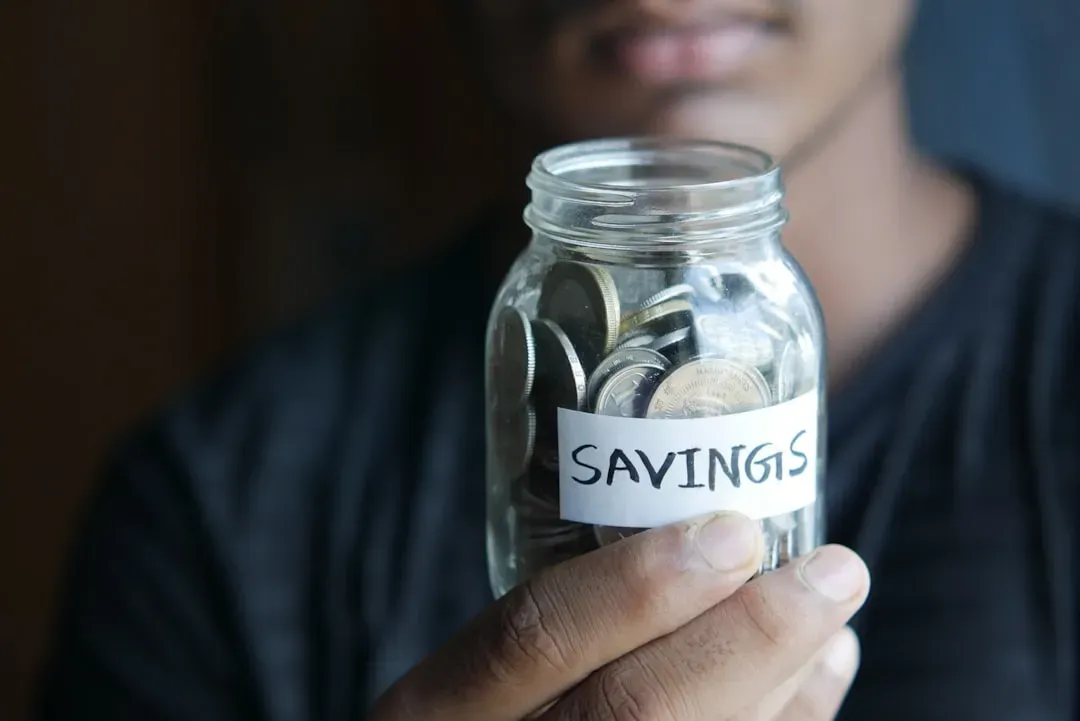
By developing a habit of paying yourself first from every paycheck, without fail, you get used to learning to live on your post-savings income. This set-it-and-forget-it attitude helps you spend less and grow savings effortlessly. Self-made wealthy people almost universally describe some version of this system.
People are reported to be significantly more likely to hit savings targets when transfers are automatic. Automation removes the decision entirely, which means willpower is never tested. Savings must be the first priority, the first expense that comes out of each paycheck. Everything else gets built around what remains.
11. Skipping Impulse Purchases with a Waiting Rule

The wealthy are deliberate with their purchases. They avoid the trap of impulse buying, which often leads to regret and wasted money. By planning major buys and weighing their true value, millionaires save by simply buying less. This is less about being restrictive and more about being intentional.
To reduce impulse buying, implementing a 24-hour waiting period for non-essential purchases over a certain threshold is a common strategy. For wealthier individuals, that cooling-off period might apply to significantly larger amounts. The habit is identical. The scale just shifts. The super-rich are well aware that being able to afford something doesn’t make it a good purchase. Rather than spending to inflate their lifestyle, they save to maintain their wealth long-term.
12. Doing Routine Home Maintenance Themselves

Some of the super-rich will try to take care of manual jobs themselves rather than hiring a professional. This frugal habit gives them a sense of accomplishment while also saving them money. It reinforces the idea that we’re less dependent on spending than we might realize.
By maintaining frugal habits even when you don’t technically need to, you can ensure that the wealth you’ve built is going toward the things you care about and that lifestyle creep won’t wipe out your assets faster than you anticipated. Handling small repairs, painting a room, or maintaining a garden are not signs of financial struggle. For many wealthy households, they’re just ordinary Saturday habits that happen to keep costs down and keep skills sharp.
What ties all twelve of these habits together is not scarcity. It’s intention. Wealthy people understand that it isn’t what you earn, it’s what you keep. That clarity, applied consistently at home, is exactly how a lot of wealth gets built and stays built.




Leave a Reply