
Interior design has accumulated more folklore than almost any other creative field. Some of these “rules” come from outdated decorating guides, some from well-meaning family advice, and a surprising number from home makeover television that operates on tight schedules and borrowed props rather than real-world budgets. The result is a long list of beliefs that feel authoritative but rarely hold up when examined honestly.
Whether you’re rethinking a single room or planning a full renovation, knowing what’s actually false can spare you from costly hesitation. The myths below are among the most persistent ones circulating in design circles today, and nearly all of them have been debunked by working professionals and practical experience alike.
Myth 1: White Walls Always Make a Room Feel Bigger
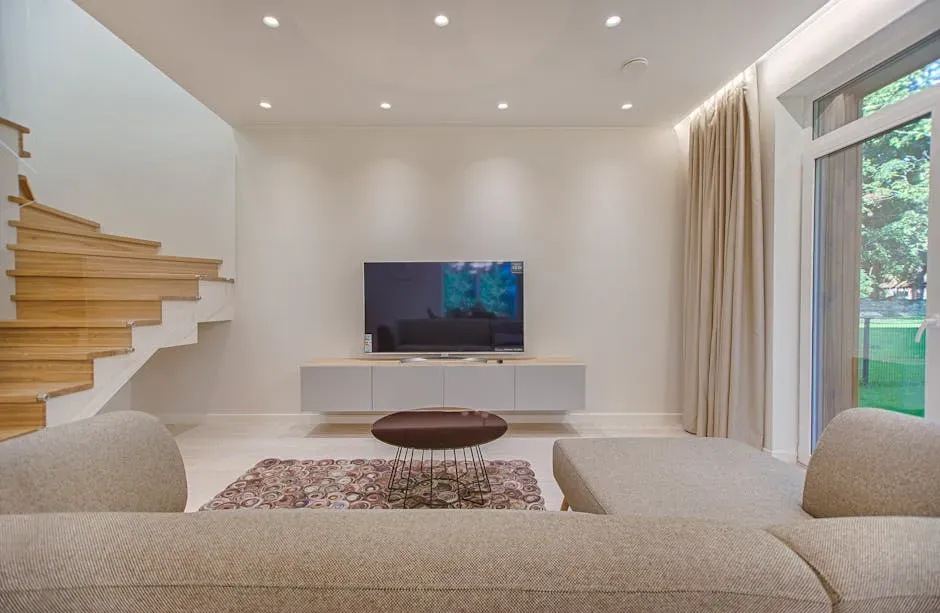
It’s a common belief that painting walls white will automatically make a room appear more spacious. While light colors can indeed create a sense of airiness, the idea that white is the only solution for small spaces is simply a myth. The key actually lies in proper lighting, thoughtful furniture placement, and the strategic use of color. Darker tones can add depth and warmth to a room, and clever design approaches such as mirrors and multi-functional furniture can maximize space regardless of wall color.
This is one of the most persistent beliefs in interior design: the idea that white walls make a room feel larger. While light colors can reflect more light, using only white can sometimes make a space feel flat or clinical. A room that reads as sterile rarely feels welcoming, and a cozy, well-lit dark room will almost always feel more considered than a plain white box with poor lighting.
Myth 2: Dark Colors Make Small Rooms Feel Cramped
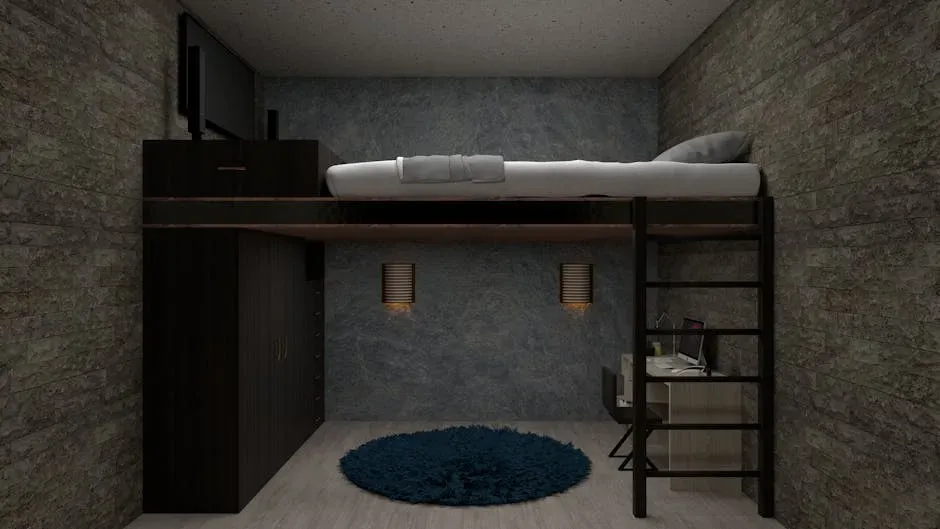
Dark or bold hues can actually make a small space feel more sophisticated and cozier, not smaller. This is a point that experienced designers return to repeatedly, because the fear of dark paint genuinely holds many homeowners back from achieving rooms with real character and depth. Dark colors can absorb more light than they reflect, and this can be a positive thing. It can make a room feel cozier, more intimate, or more dramatic, which results in a powerful visual impact.
Dark colors actually make the walls recede, adding depth and atmosphere. When all four walls share the same deep tone, the eye can no longer easily detect the room’s exact boundaries, which tends to produce the psychological sensation of more space rather than less. It’s a counterintuitive effect that works especially well in rooms with low natural light, where a pale, washed-out color would only emphasize the gloom.
Myth 3: Everything in a Room Must Match
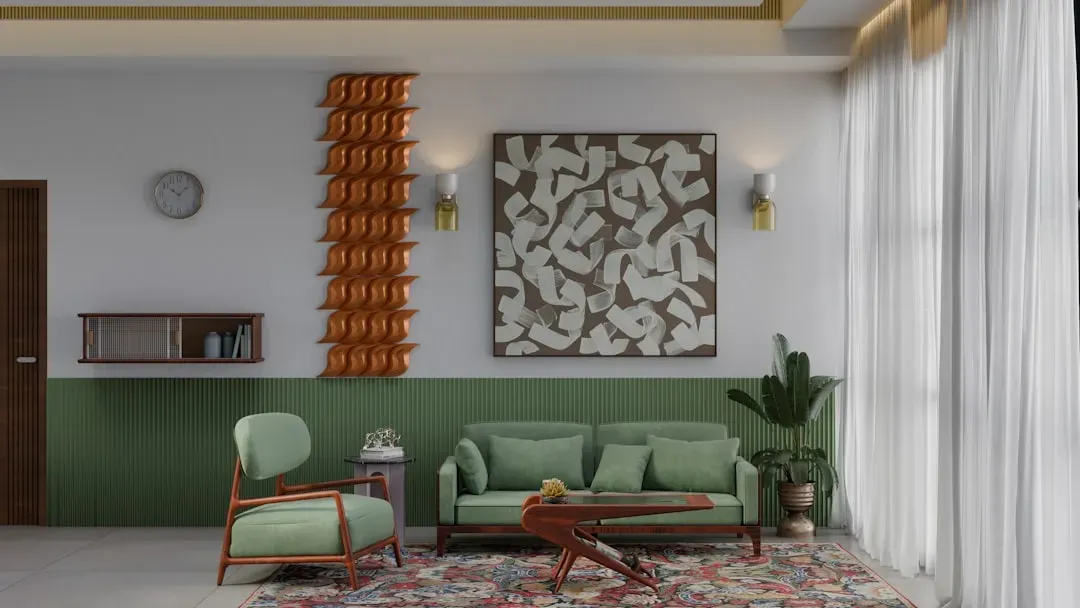
There is a widespread misconception that every piece of furniture in a room must match perfectly. If that were true, there would be no fun in designing an interior design project at all. Matching furniture sets or overly coordinated decor can make a space feel flat rather than layered and lived-in. The most memorable interiors tend to combine pieces across different eras, materials, and styles, held together by a shared color palette or mood rather than a matching set purchased from the same showroom floor.
The days of buying a matching table and buffet or TV unit are long gone. Instead, using found objects, collections, and vintage items – things purchased while traveling that hold fond memories – can work beautifully together. All these items work together to create a space that is comfortable, inviting, unpredictable, and fun. Cohesion and matching are two entirely different things, and confusing the two is where rigid, soulless rooms are born.
Myth 4: You Can’t Mix Metals
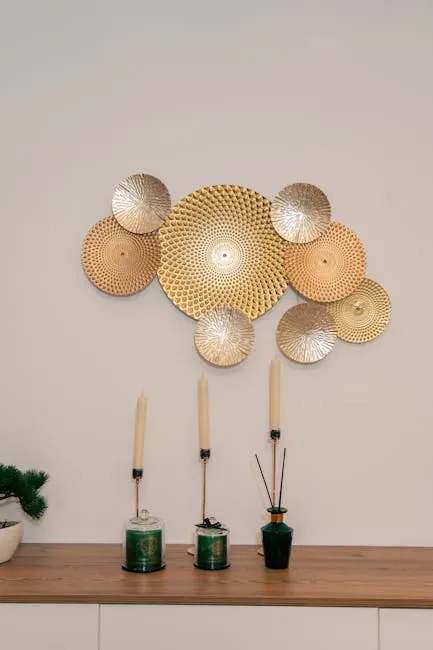
Many people are turned off by the idea of mixing metals, which is surprising because most people are comfortable mixing colors and wood tones. For some reason, when it comes to metals, they think it needs to be matchy-matchy. It’s simply not the case. You can certainly mix metals just as you mix colors and other materials. Brass hardware alongside a brushed nickel faucet, for instance, creates warmth and visual interest that a completely uniform finish never quite achieves.
The key to mixing metals successfully is maintaining a loose hierarchy: choose one dominant finish and let one or two others serve as accents. There are all different types of metal finishes available, including chrome, brushed nickel, polished nickel, gold, brass, copper, and stainless steel. Variety within that range, used with intention, reads as sophisticated rather than chaotic. The myth that metals must match comes from an era when interiors leaned heavily on uniformity, and it simply doesn’t reflect how well-designed rooms actually look.
Myth 5: Interior Design Is Only for the Wealthy
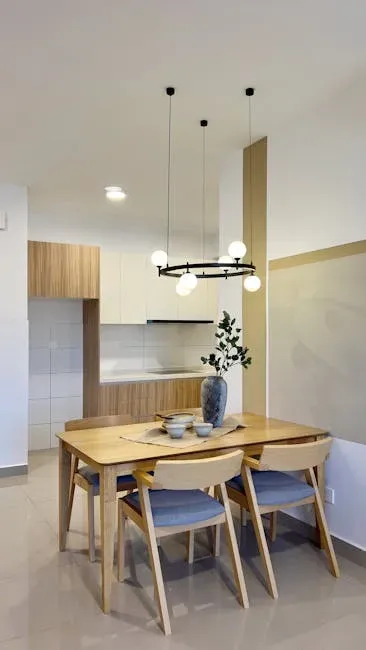
TV shows and other media portray interior design as an expensive way to decorate living and working spaces with exotic materials, designer furniture, and rare art pieces. This is totally wrong – interior design is not reserved only for the rich. In fact, hiring a professional designer can actually save you money. Designers know where to source quality pieces at trade prices, and they help clients avoid costly impulse purchases that don’t work together once they’re installed.
Luxury doesn’t always come from price. Some of the most successful interiors rely on thoughtful layout, well-chosen lighting, and carefully balanced materials rather than expensive finishes. A modest material used beautifully will often feel more refined than a costly one used without consideration. Design is less about cost and more about clarity of idea and attention to detail.
Myth 6: Open-Plan Living Is Always the Best Layout
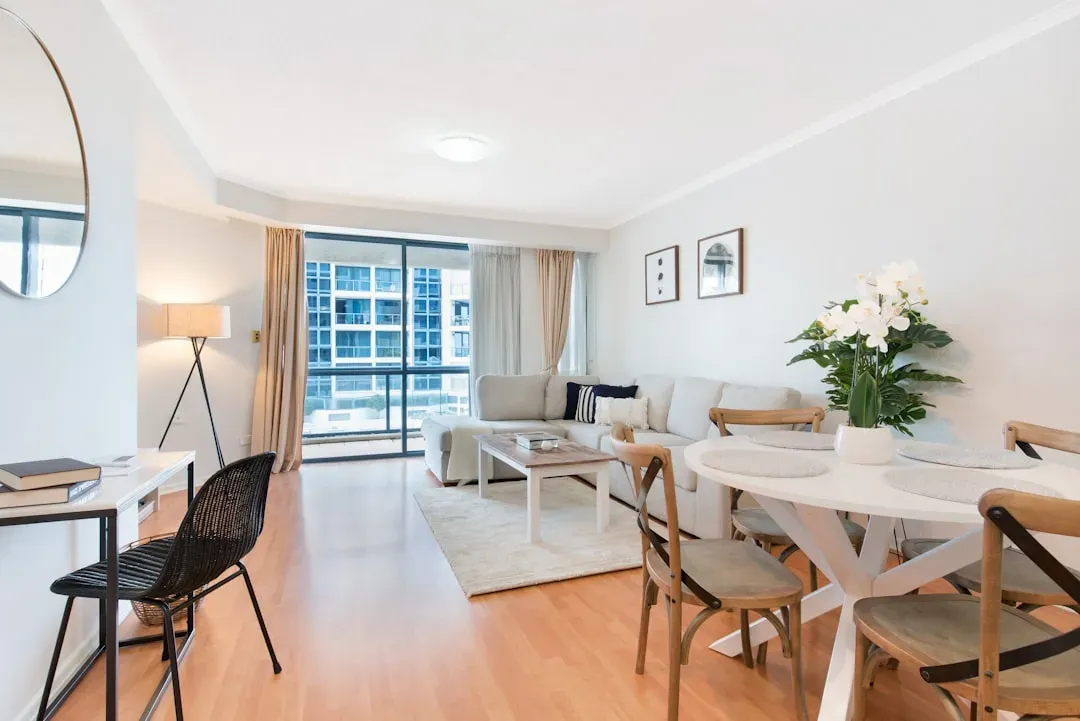
Open-plan living has been hugely popular over the past decade, but it’s not always the right solution. Large open spaces can create acoustic problems, reduce privacy, and make it harder to control temperature and lighting. Often the best approach is a hybrid: spaces that feel open and connected but still offer defined zones for different activities. This is increasingly acknowledged in 2025 and 2026 design conversations, where the fully open floor plan has been reconsidered in favor of more nuanced spatial arrangements.
A room-within-a-room approach, using bookshelves, partial walls, or furniture groupings to define zones, gives households the best of both worlds. Families that work from home, for example, quickly discover that a completely open plan makes concentration nearly impossible. Designer Elizabeth Valkovics of Batten Court says life is too short to limit each room in your home to just one purpose – which cuts both ways. Rooms can serve multiple uses without needing to physically merge into one another.
Myth 7: Every Room Needs a Bold Pop of Color
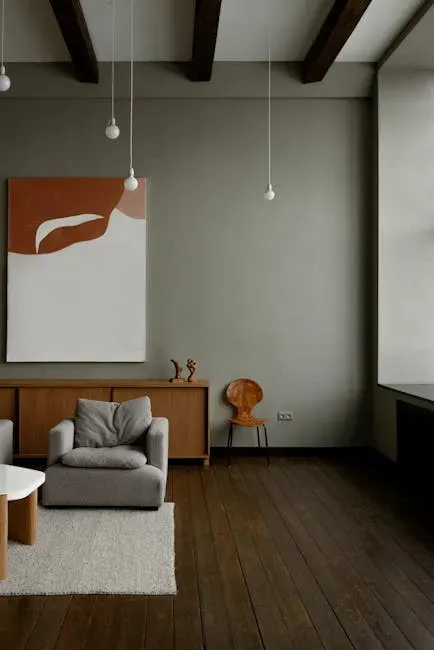
Another very common myth is that every room requires a bold splash of color to be visually appealing. Yes, color can add vibrancy and personality to a space, but it is not a requirement for an interior design project to be good. In reality, the effective use of color depends on various factors such as the room’s size, natural light, and overall aesthetic goals. Forcing a bright accent into a room that doesn’t call for one often produces a jarring result rather than the intended energy.
Neutral color palettes can create a serene and timeless atmosphere, while subtle pops of color through accessories or artwork can add personality without overwhelming the senses. The secret is finding the right balance that complements the space and reflects the homeowner’s taste and preferences. There’s no universal prescription for color use, and the idea that every room must feature a bold statement hue is exactly the kind of rigid thinking that leads to rooms that look styled rather than lived in.
Myth 8: Small Spaces Can’t Look Beautiful
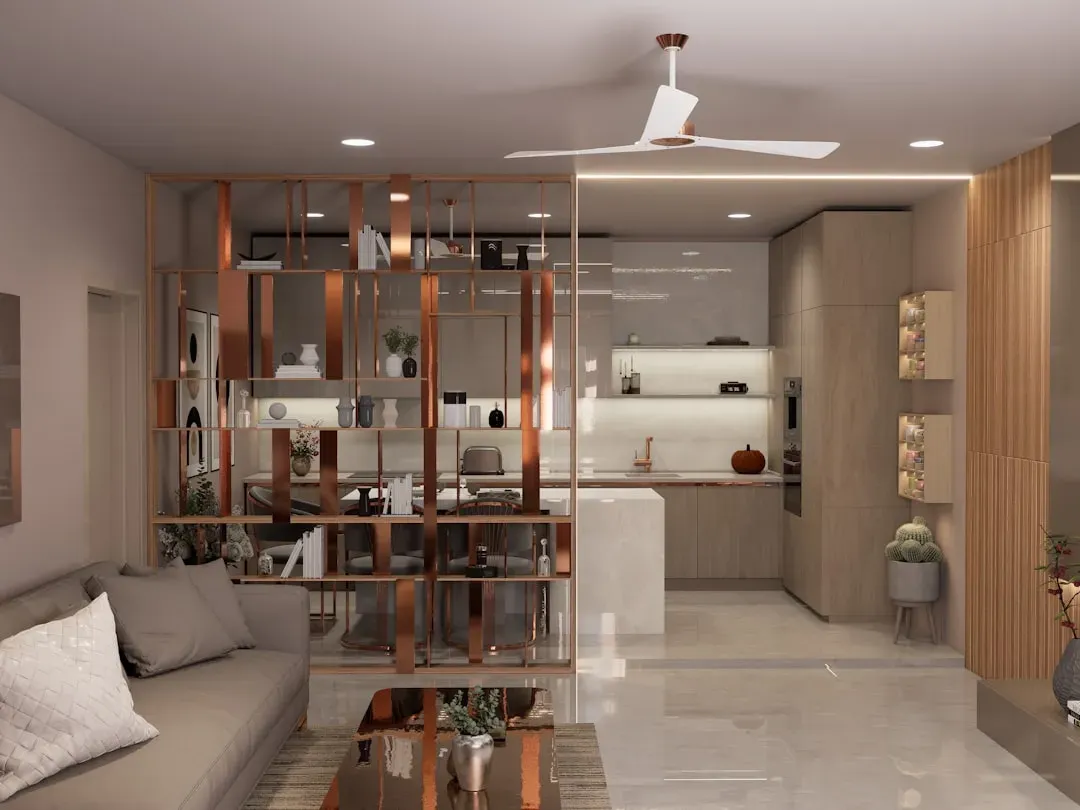
If you have a small room and think it’s too small to look beautiful, think again. Every room deserves care and attention, and small spaces are often where you can have the most fun. Scale, proportion, and light become more deliberate decisions in a tight space, and that heightened intentionality often produces interiors with more personality than much larger rooms filled carelessly. If you believe that your home or office is too small for an interior designer’s time and effort, you’re wrong; if anything, you should hire a designer to make the best use of the available space. A designer’s job largely involves overcoming constraints and transforming even the most challenging spaces into cozy, appealing living havens.
The real enemy of a small room is clutter, not size. A compact room with well-chosen furniture, layered lighting, and thoughtful storage can feel more complete and comfortable than an oversized room that’s been lazily furnished. It doesn’t matter what your building’s square footage is; it can still benefit from a professional design approach. You may not end up with wide open spaces in a small home, but you’ll be amazed at what careful space planning can achieve.
Myth 9: Neutral Interiors Are Always Timeless
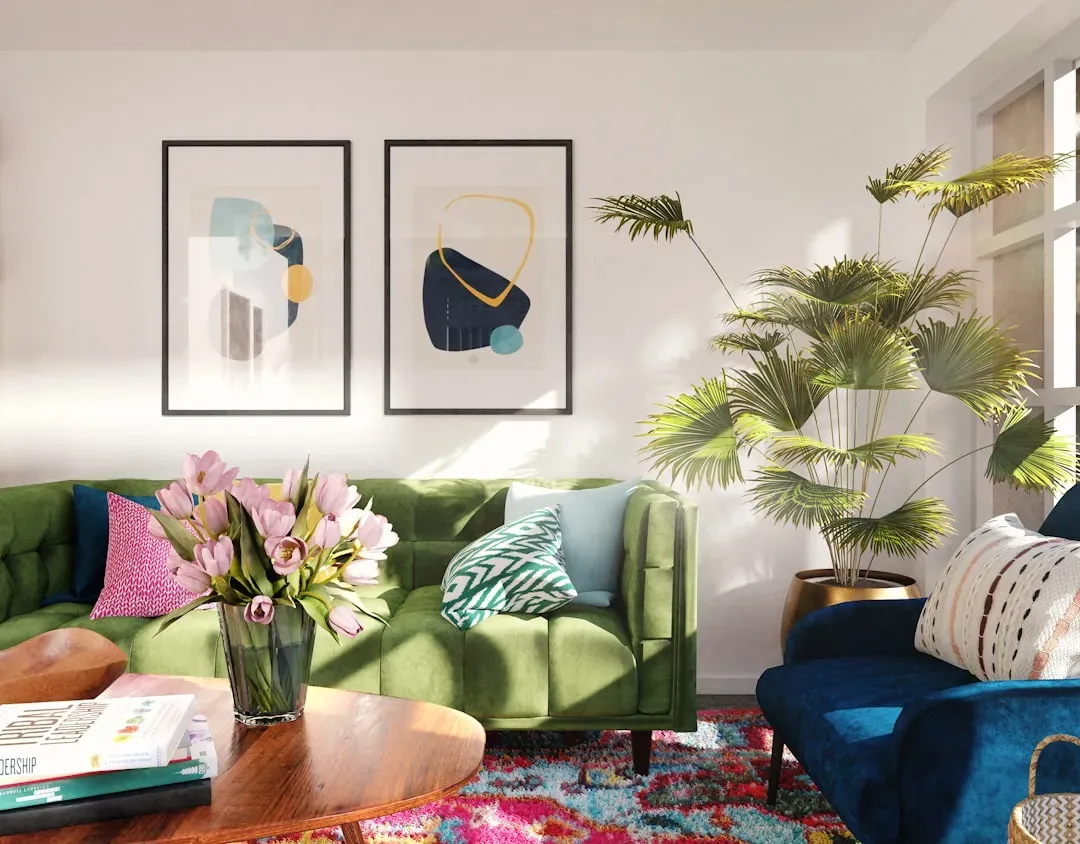
For whatever reason, people tend to think that neutral equals timeless. There’s some truth to that, but it implies that color is not timeless. Interiors with plenty of color can be just as timeless as neutral-colored spaces. When creating a timeless interior, there are far more factors to consider than just the colors. Proportion, quality of materials, the relationship between furniture and architecture – these elements determine longevity far more reliably than a beige palette.
In the case of color, it’s really the balance of warm and cool colors and color variation that determines whether a space is timeless or not. If your space incorporates only similar neutral tones and shades, it isn’t harmonious or balanced, and in fact may not be timeless at all. A richly layered room with considered use of saturated color can outlast trends far more comfortably than an all-greige interior that simply followed the safe path of the moment.
Myth 10: Good Design Is Purely About Aesthetics
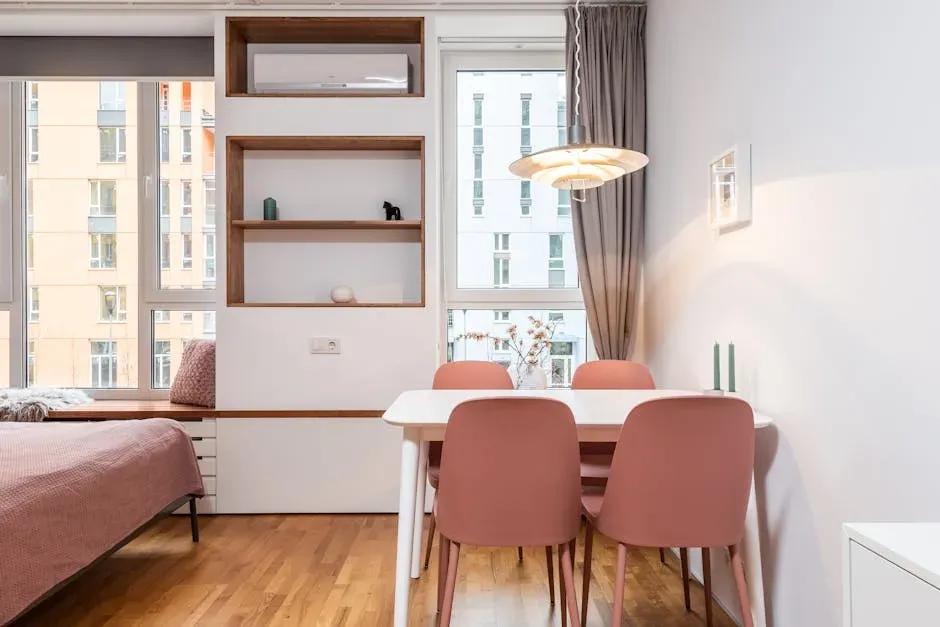
Perhaps the biggest myth of all is that design is just about how things look. Design is fundamentally about how a space works. Layout, circulation, acoustics, lighting, storage, and ergonomics all influence how comfortable and intuitive a space feels. A room that looks stunning in a photograph but fails to function well in daily life is, by most practical measures, a poorly designed room. Beauty without usability is closer to stagecraft than interior design.
While aesthetics certainly play a significant role in interior design, design decisions extend far beyond simply selecting colors and fabrics. Interior designers are trained professionals who employ a thoughtful and systematic approach to create functional, harmonious, and meaningful spaces. Beyond the technical aspects, interior designers navigate challenges such as spatial limitations, building codes, and regulatory requirements, while finding creative solutions to enhance natural lighting, optimize storage, and address acoustics and other environmental factors.
Myth 11: Lighting Is an Afterthought
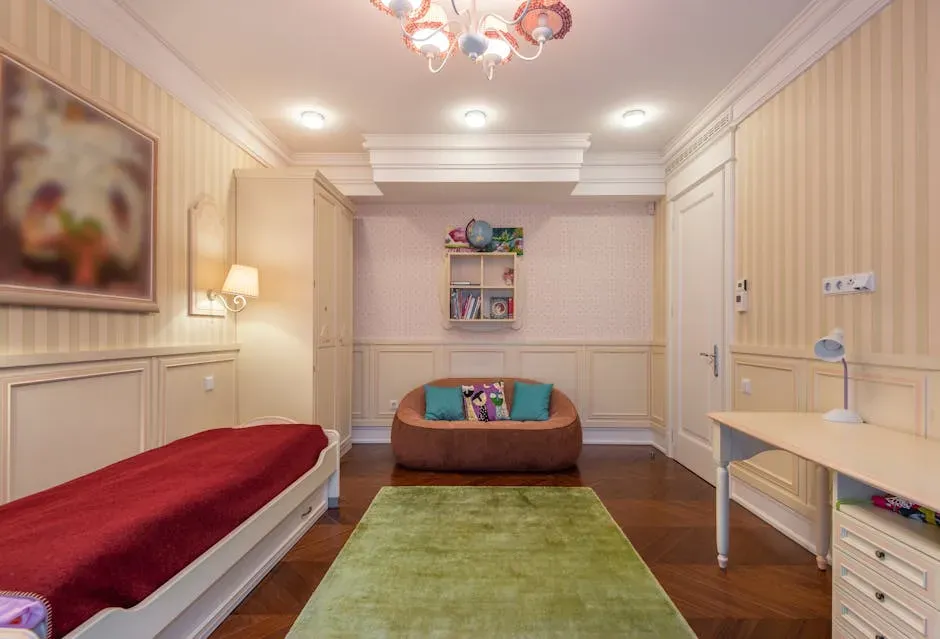
Lighting being left as an afterthought is one of the biggest interior design mistakes, yet it’s seen time and time again. Lighting should be one of the first things considered when planning a home update because it makes such a profound difference. If you have fantastic lighting it can transform a space; if it’s poor, your room is in danger of looking poor too. A room with flat, single-source overhead lighting will look ordinary regardless of how carefully every other element has been selected.
Lighting is crucial in interior design. It can make or break a space. Natural light is ideal, but artificial lighting matters enormously. Layered lighting – ambient, task, and accent – can enhance the functionality and aesthetics of your home. Relying only on overhead lighting can create a harsh and sterile atmosphere. A designer rule of thumb is layering in at least two to four additional lighting sources in every space, especially in living rooms where you’ll be both lounging and hosting.
Myth 12: You Must Decorate Every Wall and Surface
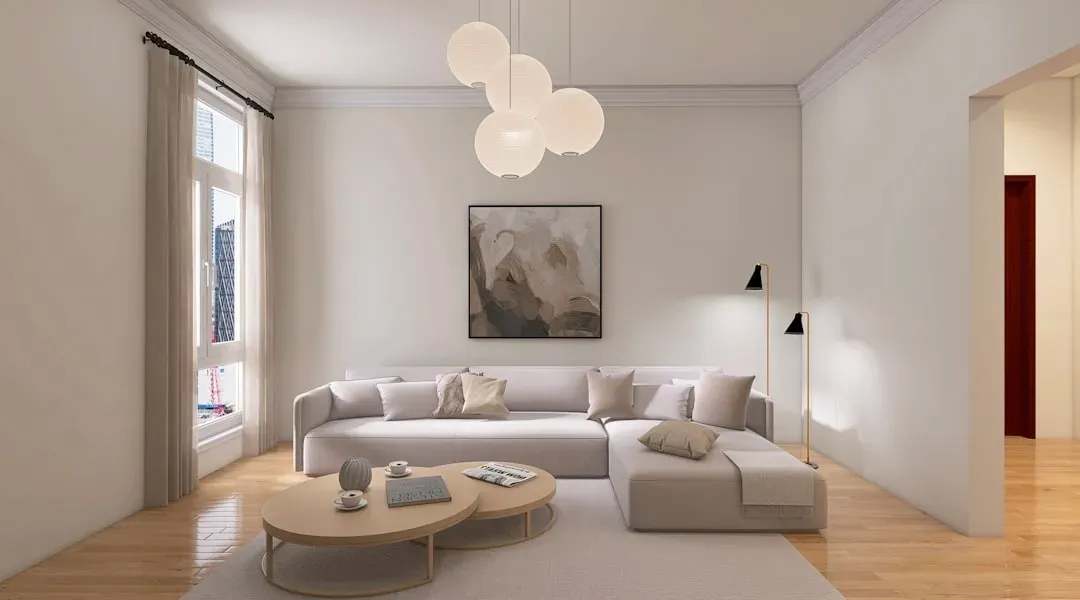
Good design is all about restraint. Just because you have a large, empty wall doesn’t mean you have to fill it with artwork or decorative knick-knacks. Negative space is important – every design needs a little breathing room in order to truly sing. Let a headboard, statement sofa, or sculptural light fixture shine instead. Overcrowding a room with objects tends to create visual noise that makes the space feel anxious rather than curated.
The instinct to fill every corner often comes from discomfort with emptiness, but intentional negative space is one of the most powerful tools in a designer’s vocabulary. Good design isn’t about following rules. It’s about understanding the principles behind them and knowing when to apply them, and when to break them. The best interiors rarely follow strict formulas; they respond to context, architecture, and the people who use them. Leaving a wall bare, when done purposefully, can be just as expressive as covering it entirely.
Myth 13: You Can’t Personalize a Rental Home
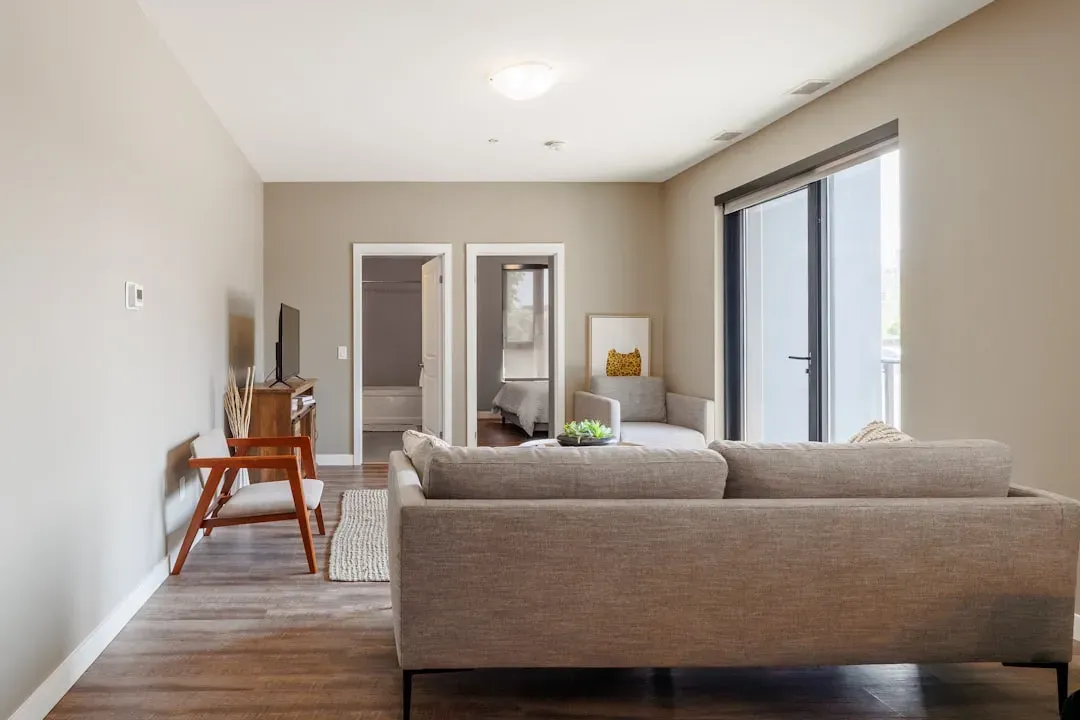
Living in a rented apartment or house often means compromising on style, especially when you know it’s temporary. But this never needs to be the case – calling this myth “so not true” is an understatement. Removable wallpaper, freestanding furniture arrangements, layered textiles, and thoughtful lighting choices can transform a rental dramatically without touching a single wall permanently. The distinction between what’s fixed and what’s movable is much wider than most tenants realize.
Modernization and design are two different things. Designing an interior does not necessarily mean throwing away old items and starting from scratch. There’s nothing wrong with drawing design inspiration and ideas from modern trends, but good designs can still be timeless. This applies equally in rentals: working with existing elements – the flooring, the window light, the architectural details – rather than against them produces results that feel far more intentional than a default “rental beige” surrender ever could.
Most interior design myths share a common thread: they reduce a nuanced, context-sensitive discipline into a rigid set of dos and don’ts. Real spaces are complicated, and the people who live in them are even more so. When you let go of the rules that were never grounded in much to begin with, you’re left with only the questions that actually matter: Does this space feel good to be in? Does it work for the life being lived inside it?

Leave a Reply