
Walk into almost any home and within seconds your brain is already forming impressions. Scent hits you first, then light, then the state of a dozen small things you couldn’t name if someone asked you to. Women, whether visiting a friend’s place, a partner’s apartment, or a potential new home, tend to scan a space with a practiced kind of attention that catches what others might gloss over.
It’s not about judgment for its own sake. The cleanliness and state of a home can significantly impact the way others perceive it and influence their level of comfort when visiting. What follows are the 14 specific details that tend to register almost immediately, often before a single word is spoken.
1. The Smell the Moment the Door Opens
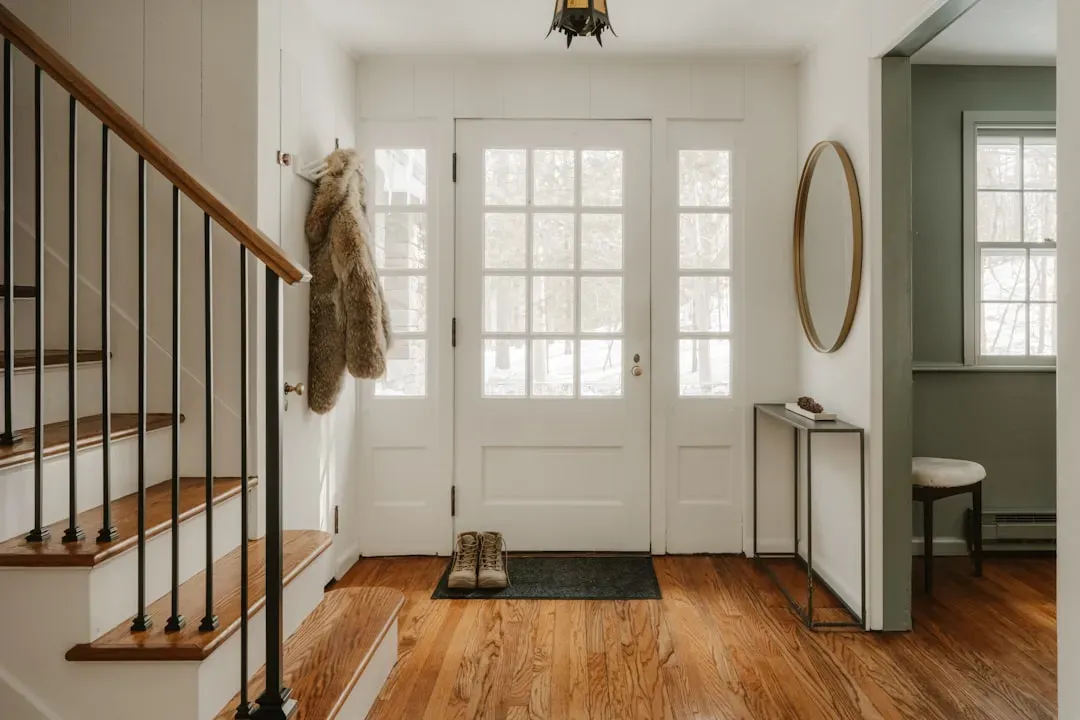
The smell of a home greets guests right as they walk in. It’s involuntary and instant. Before eyes can fully adjust or a full scan of the room can happen, the nose has already delivered a verdict. Pet odors, stale air, last night’s cooking, or a faint musty undertone all land before anything else does.
Scent is often the first sensory impression. Lingering cooking smells, pet odors, or stale air stand out fast. A home that smells clean and neutral, or carries a light natural fragrance, sets a tone of care and attentiveness that the rest of the visit builds on.
2. The State of the Entryway
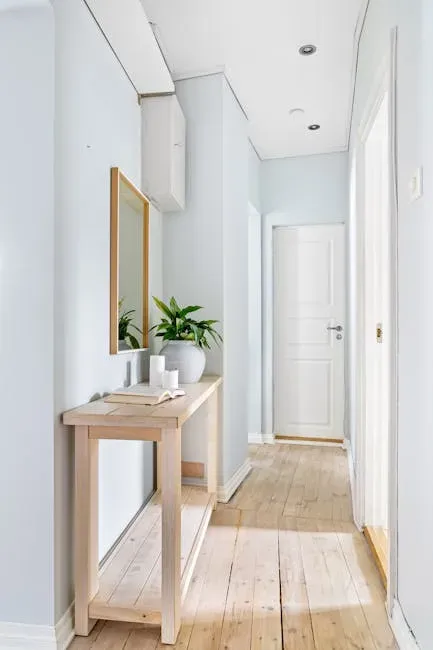
The entry sets expectations for the rest of the home. Shoes piled up, scattered mail, or overcrowded hooks are immediately visible. A simple, tidy entry, even just a clear walkway and a mat, feels thoughtful. It’s not about having a designer foyer. It’s about whether the threshold communicates that someone is paying attention.
If a home has a traditional entryway, it’s the first room guests notice upon walking in, making it an opportunity to do something eye-catching. Even a small console table or a single piece of wall art in that space can elevate the entire first impression considerably.
3. Lighting Quality and Warmth
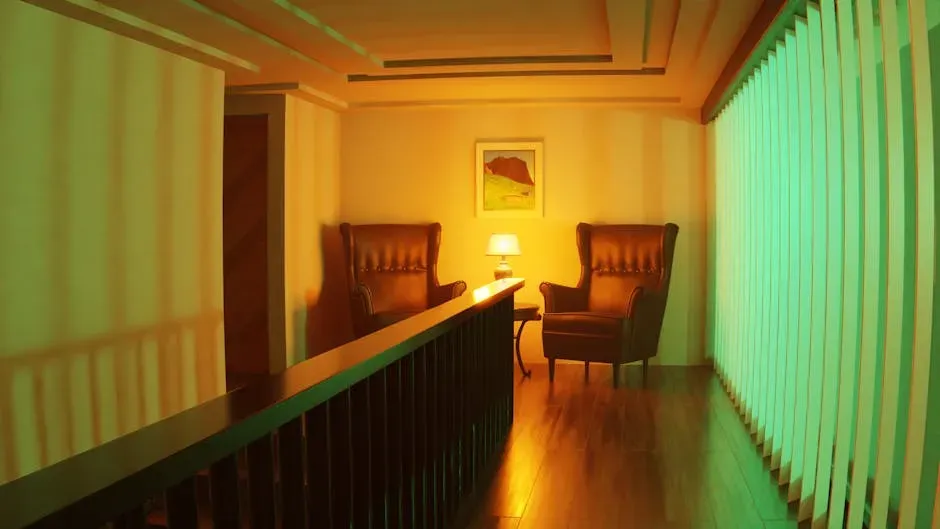
Some visitors are sensitive to the mood of a home. “I always notice when the lighting is harsh or there are no lamps,” as one home blogger noted. “It’s not a mess thing, but the right mood lighting can actually make even an imperfect house feel more homey.” Overhead lighting that is too bright or too cold flattens a space in a way that’s hard to ignore.
Ambiance, including lighting and decor, plays a role in how a space is perceived. Soft, warm lighting can create a cozy and inviting atmosphere, while harsh or dim lighting can make a space feel unwelcoming. Lamps in living areas, dimmable fixtures, and warm-toned bulbs make a room feel intentional rather than accidental.
4. Countertop and Surface Clutter
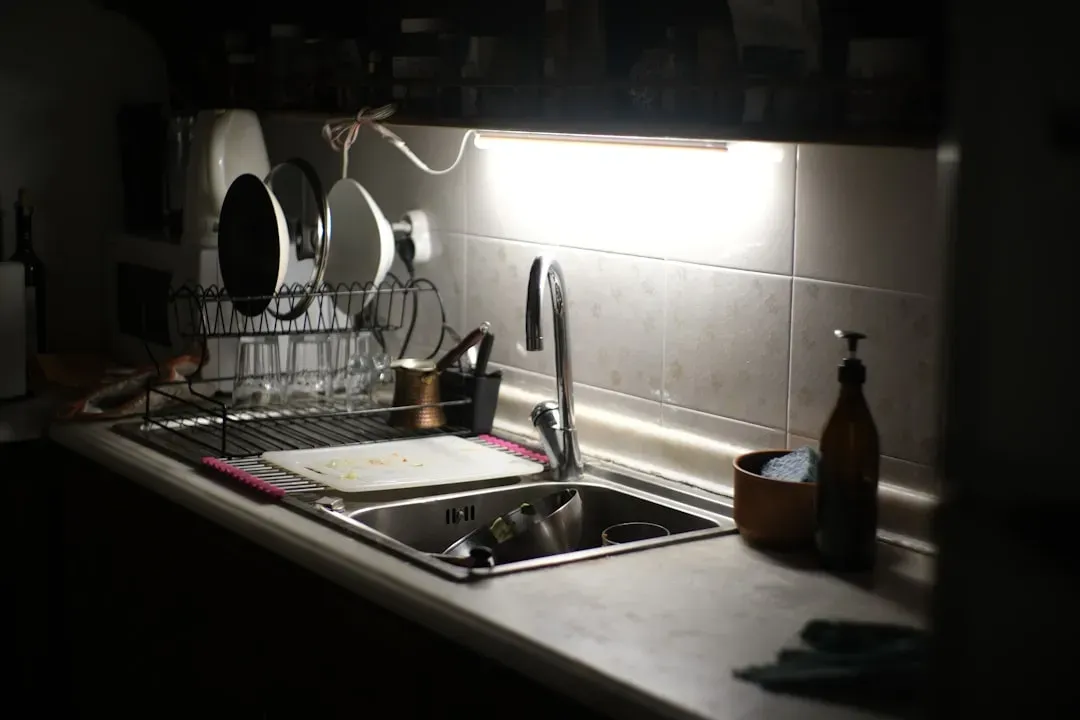
Clutter draws the eye quickly. Stacks of unopened mail, overflowing baskets, or crowded countertops can make a space feel stressful. Even if the rest of the home is clean, clutter in high-traffic areas stands out. Kitchen counters are especially telling because they’re hard to avoid and easy to use as a dumping ground.
One of the most evident factors in the psychology of home cleanliness is visual clutter. Visual clutter occurs when there are too many objects in a space, making it difficult for the eyes to focus and creating a sense of chaos. Keeping flat surfaces relatively clear communicates control over the space in a way that visitors feel even if they can’t articulate why.
5. The Bathroom’s Condition
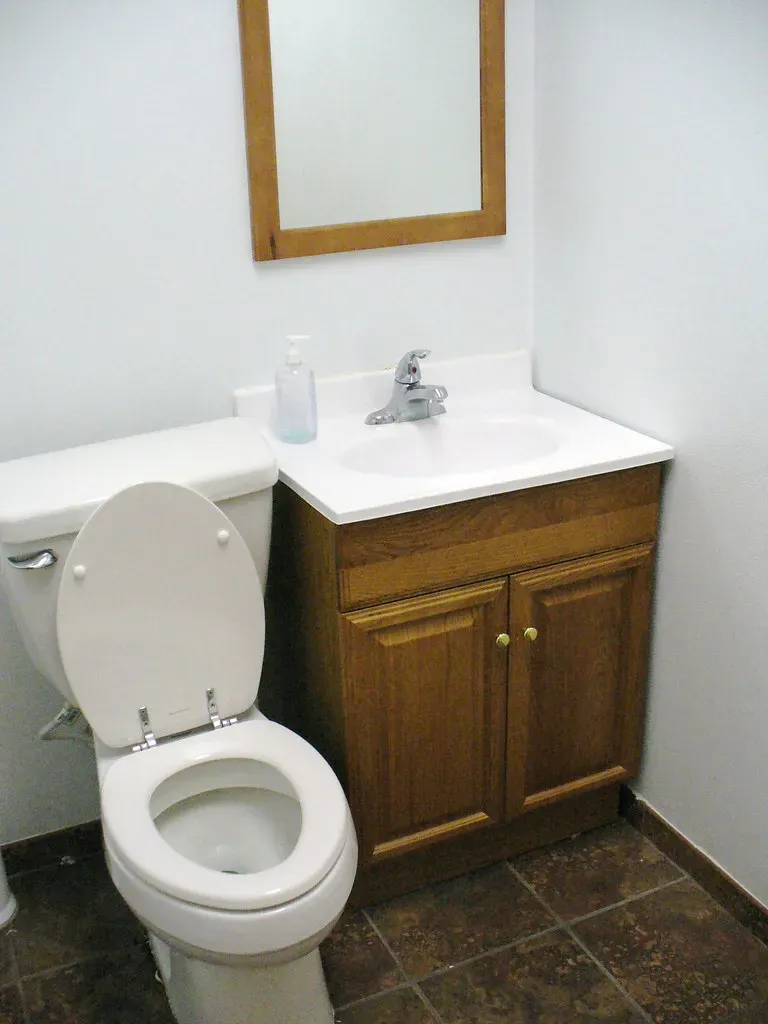
Guests often check the bathroom early in a visit. A clean sink, stocked toilet paper, fresh hand towel, and soap are basics that don’t go unnoticed. Bathrooms quickly signal how the rest of the house is maintained. It’s a small space, which makes every detail more concentrated and more visible.
The thing that stands out in other people’s homes is dirty hand towels or even absent hand towels. Certainly no one relishes wiping their clean hands on a bath towel. A folded, fresh hand towel placed visibly is one of the simplest signals of hospitality a home can offer.
6. Dirty or Grimy Light Switch Plates
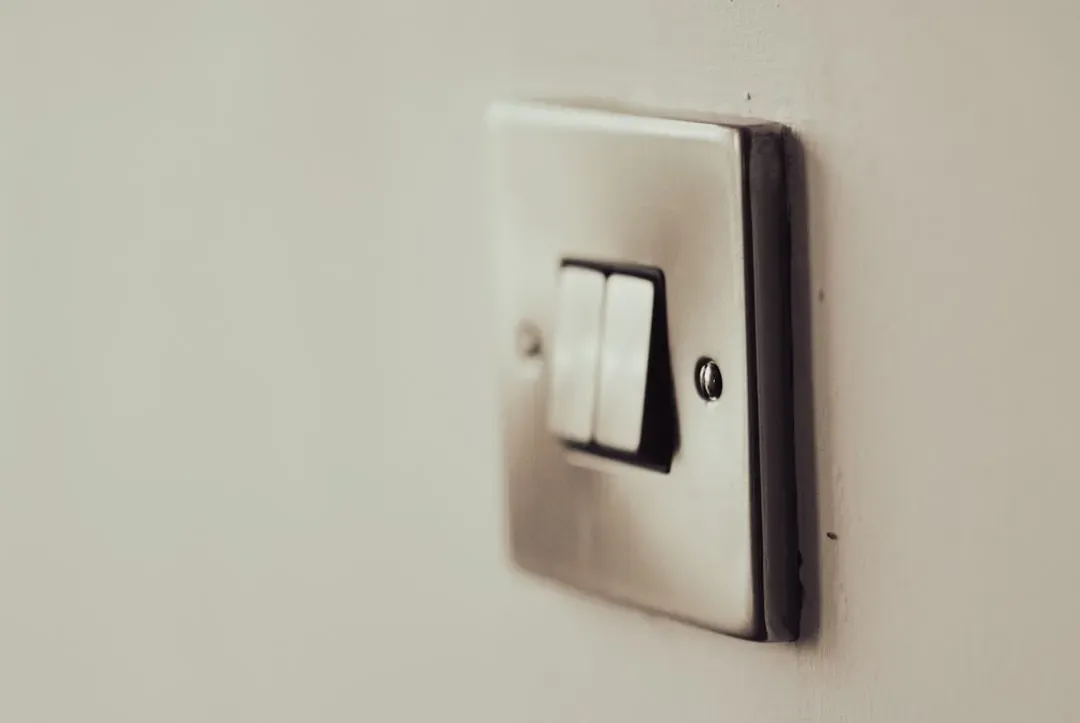
As one community thread noted, “The devil is truly in the details. Like the lip of your light switch.” Light switch covers came up repeatedly; they’re touched constantly and can appear grungy even in homes that are otherwise clean. This is exactly the kind of detail that goes unnoticed by the person who lives there but registers immediately to a fresh set of eyes.
Switch plates and door frames accumulate fingerprints and smudges faster than most people realize. Although doors are high-traffic surfaces, it can be surprisingly easy to forget to clean them. If forgotten, it can be glaringly obvious to guests, with specific attention going to knobs, frames, and the floor area behind the door.
7. The Presence or Absence of Plants
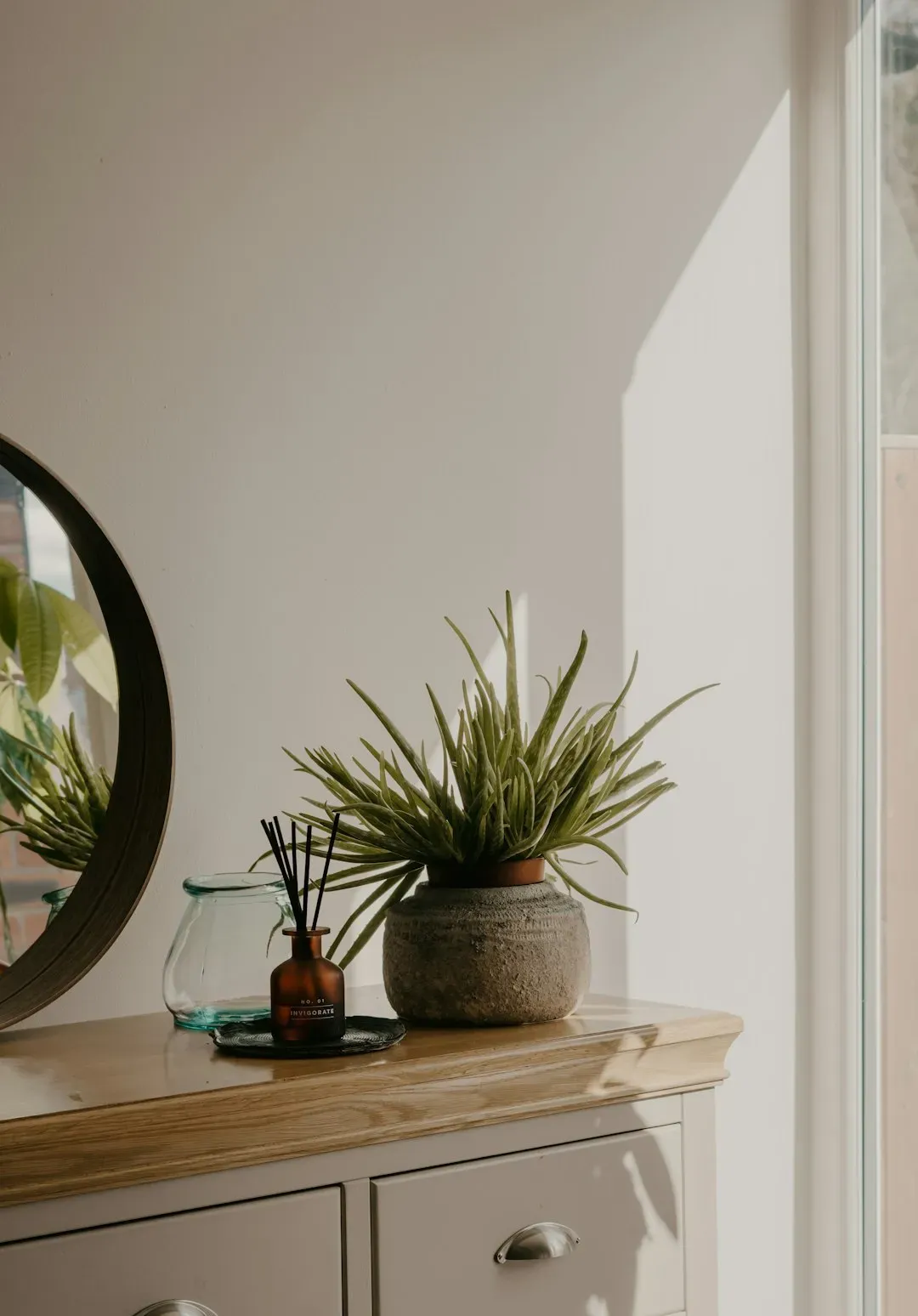
Incorporating some greenery into home decor adds a vibrant pop of color and texture to the space that guests will appreciate. Houseplants also have mood-boosting properties, which help cultivate good energy. A well-tended plant signals ongoing care and attention to the environment. A dead or dying one can have the opposite effect.
Guests will always make comments on an abundance of plants, whether complimenting their beauty or saying they can’t keep plants alive. They’re always a conversation starter. Even a single thriving plant in a well-lit corner communicates warmth and a certain kind of domestic investment that bare shelves simply don’t.
8. The Condition of the Floors
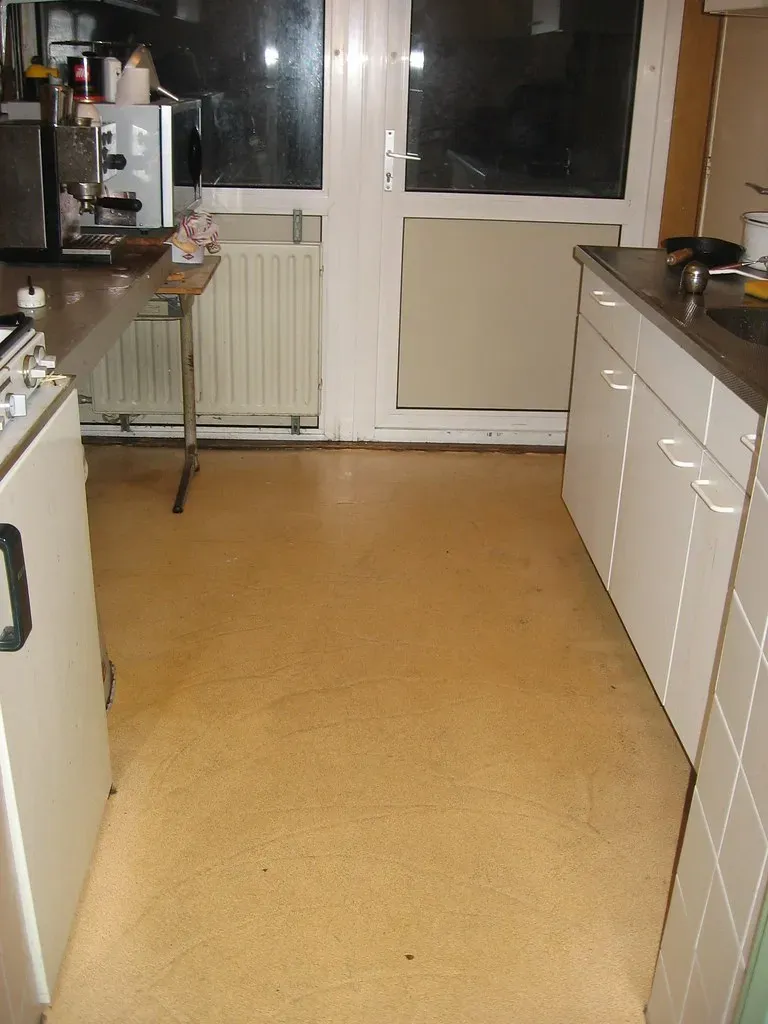
Floors are immediately noticed, especially in entryways and living rooms. Dirt, crumbs, or sticky spots are easy to spot and feel. Sweeping or vacuuming high-traffic areas quickly freshens a space. Clean floors instantly make a home feel more cared for. This is one of those details that operates almost below conscious awareness but still shapes the overall impression strongly.
While guests are likely to notice floors with lots of accumulated debris, such as dog hair and food crumbs, as well as mud-streaked surfaces, they are less likely to pay attention to or judge for regular wear and tear. The distinction matters. Nobody expects showroom floors. What registers is whether visible dirt has simply been left there.
9. The Walls and What’s on Them
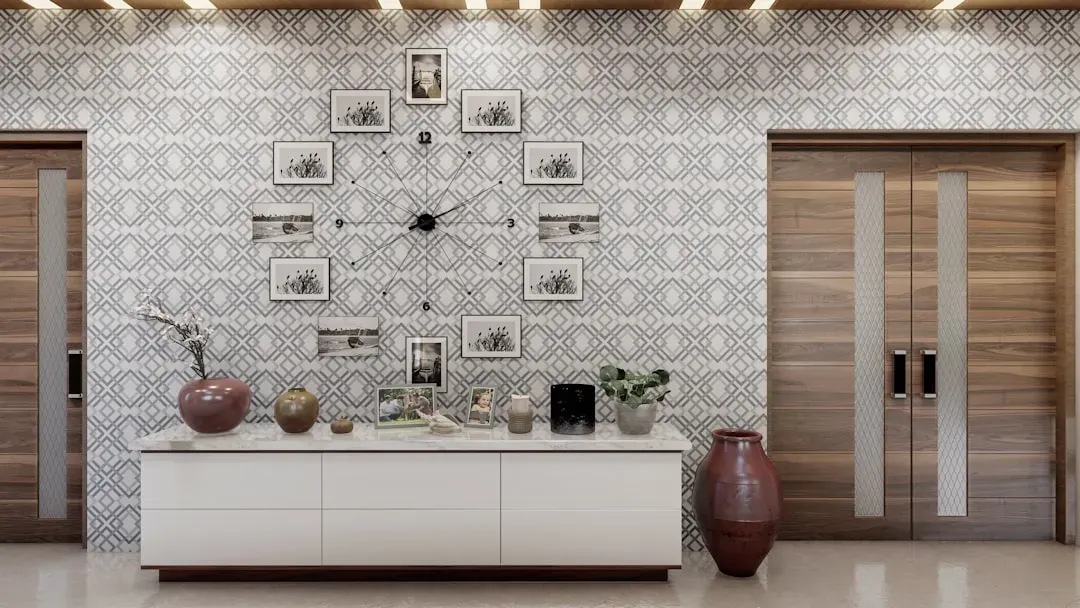
Bare walls can be a bit of a downer. Adding some art and framed photos can do wonders for a space. Walking into a home that feels like someone hasn’t finished moving in feels less than welcoming. Walls communicate whether a person has actually settled into their space or is just occupying it temporarily.
For many visitors, dirty walls also stand out. “A clean place will still look dirty if the walls are not clean.” Scuff marks, fingerprints near door frames, or greasy smudges near the kitchen are the kinds of things a woman entering a home tends to register quickly, even if she says nothing about them.
10. Personal Touches and Signs of a Real Life
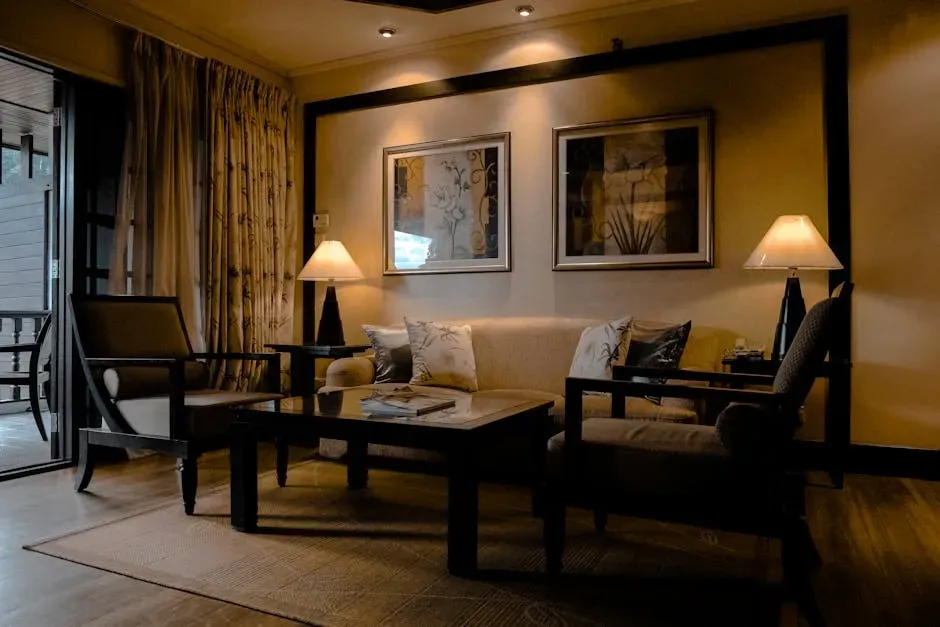
Photos, books, travel souvenirs, or handmade items make a home feel lived-in. Guests notice when a space feels personal rather than staged. A few meaningful pieces often say more than trendy decor. Personal touches create warmth and connection. A home that feels curated for an Instagram photo rather than actual human habitation tends to feel cold on closer inspection.
There’s no need to put away all the books and magazines. Leaving a current read or favorite magazines lying around can spark conversation and be a good icebreaker. Guests like to step into a home and see things that are real. Authenticity, it turns out, reads better than perfection.
11. The Kitchen’s Honest State
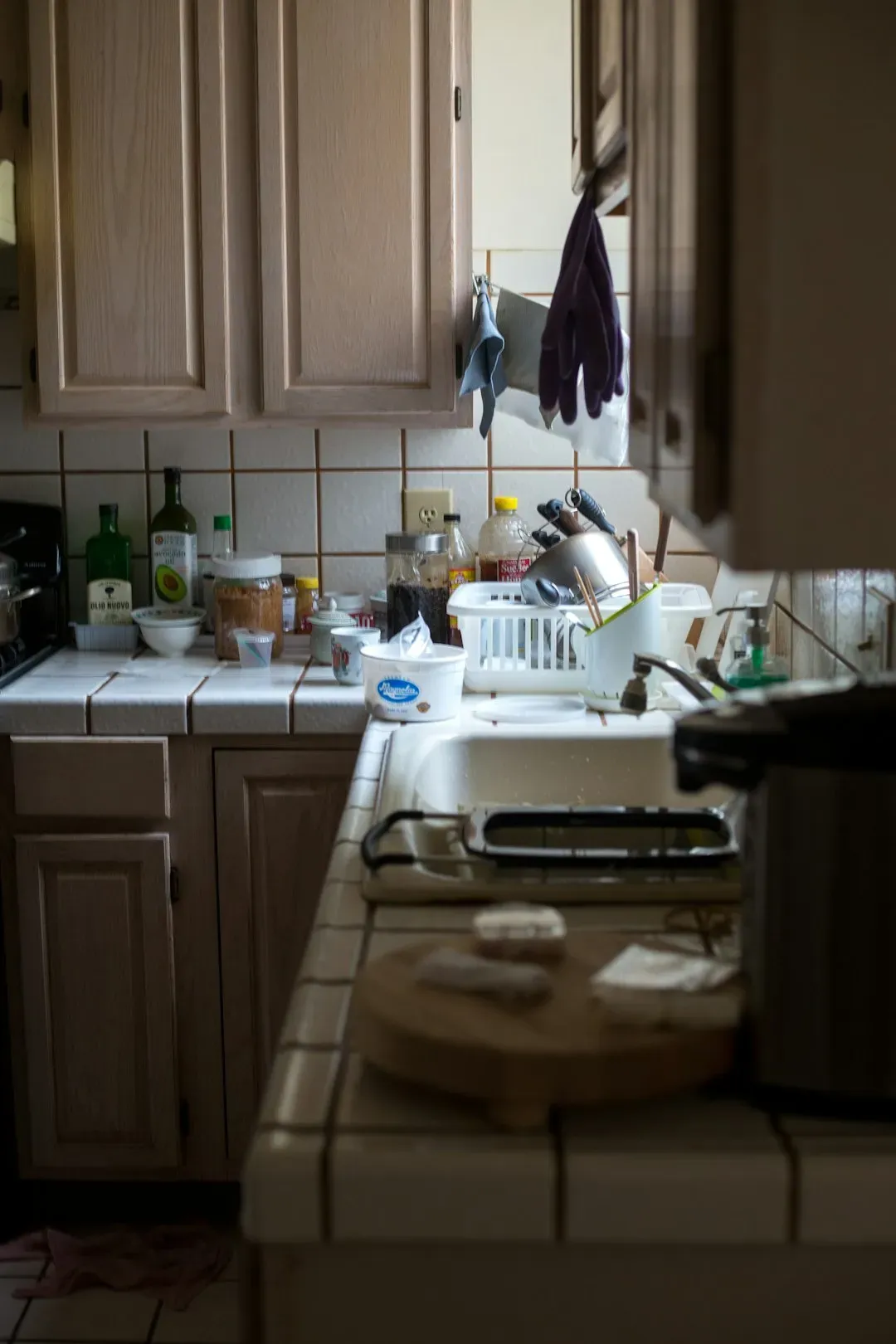
Guests notice if “the front of the microwave has fingerprints all over it,” with the state of the bottom and interior also registering as something noticed when visiting. The kitchen is one of the most scrutinized rooms in any home, partly because it’s often central to gathering and partly because its surfaces tell a story about day-to-day habits.
Many guests report getting grossed out by grimy fridges. The thing that stands out most to many visitors is when people aren’t cleaning the fridge, with dirty handles and spills in the interior among the top turn-offs. The stove also comes up repeatedly: various people mention the state of hosts’ stoves as a direct barometer of cleanliness.
12. Ceiling Fans and High-Up Dust
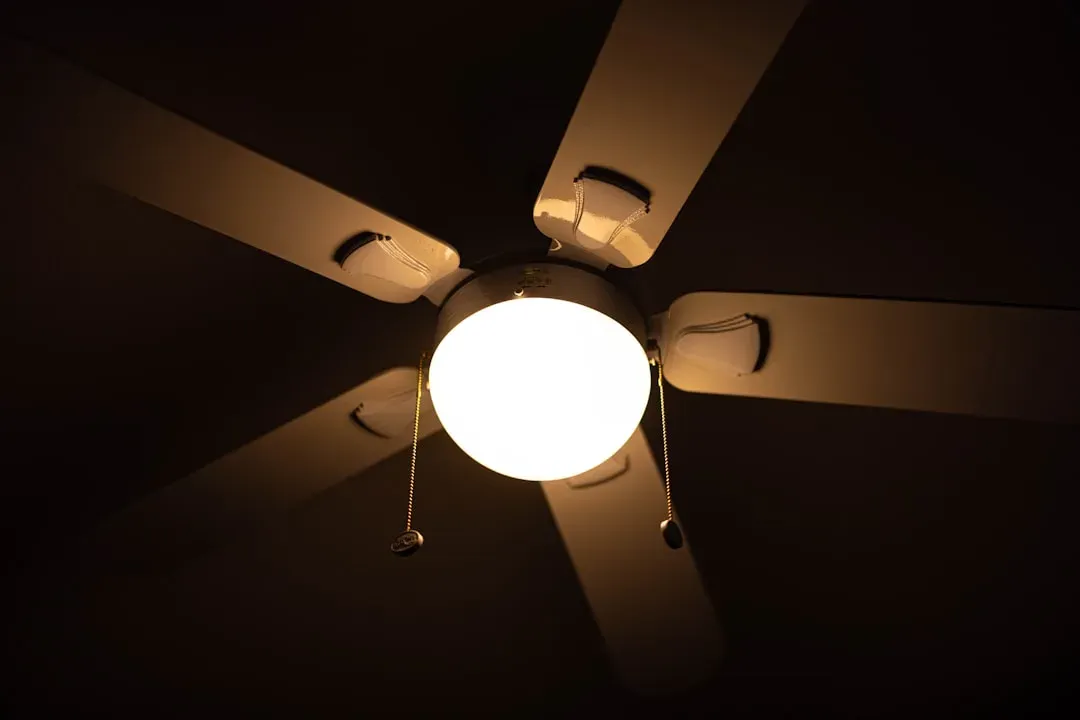
Dusty ceiling fans resound as something visitors certainly see. This is one of the most commonly overlooked cleaning tasks simply because it requires looking up, which most of us don’t do in our own homes. A visitor coming in fresh, though, often glances around the whole room including upward.
The issue is compounded because ceiling fans collect dust visibly on their leading edges, making even a moderate accumulation look worse than it is. Regular attention to elevated surfaces, from fan blades to the tops of cabinets, makes a significant difference to how a room reads to someone seeing it for the first time.
13. The Bedroom Bedding and General Order
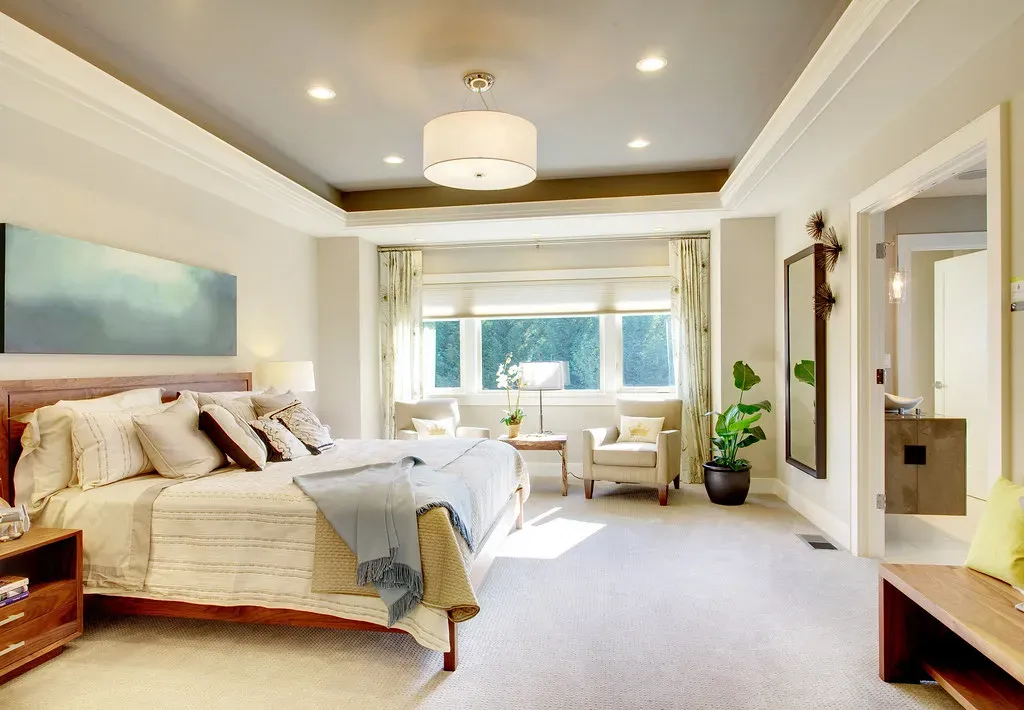
The color and composition of a bedroom is one of the first things noticed, working as non-verbal language to create psychological and physiological effects. Colors can be brought in on walls, bedding, art, and accessories. A made bed does more visual work than almost any other single act of tidying in the home, even if the rest of the room isn’t perfectly organized.
Bedding quality and freshness also register. Super-soft sofas, plush fabrics, and comfortable spaces for settling in signal care and comfort. Bedrooms become noticeably cozier with tactile bed throws and quality linens. Worn, mismatched, or visibly unwashed bedding creates a different impression entirely, one that lingers past the visit.
14. The Overall Sense of Atmosphere
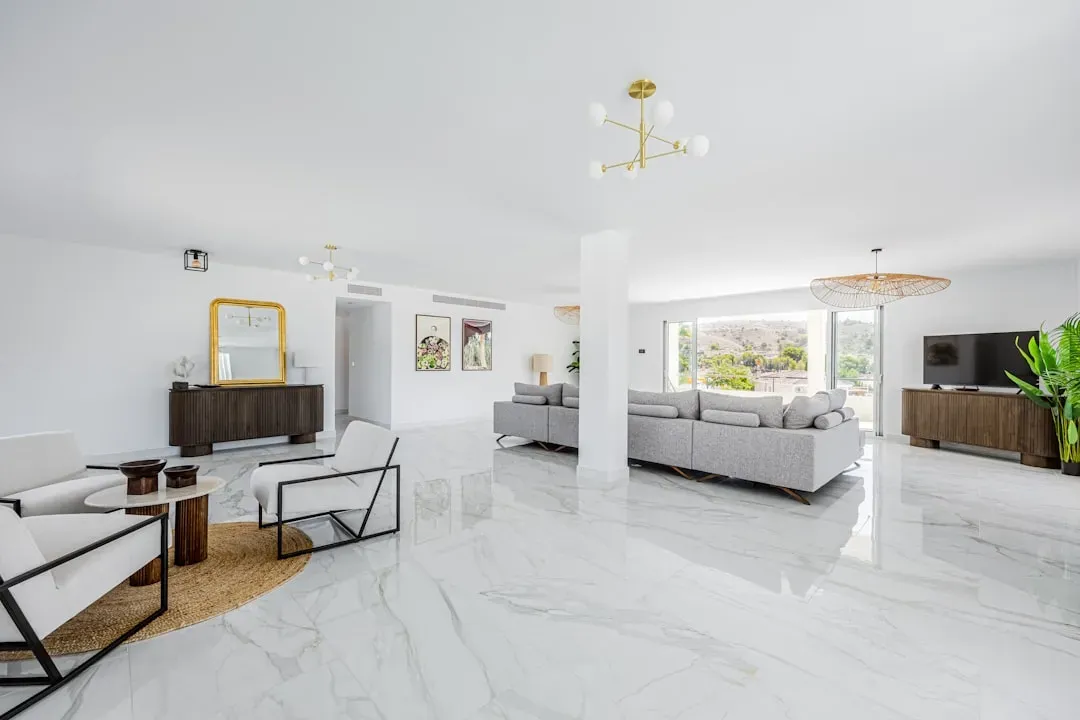
The first thing people register isn’t a single object; it’s the feeling. Does the home feel calm, warm, and lived-in, or tense and chaotic? Atmosphere comes from a mix of cleanliness, lighting, scent, and how someone is greeted at the door. More than decor, it’s the emotional tone that lingers. This is the detail that overrides everything else.
In our interiors we keep our loved ones safe, we hide away from the world when we need to, but mostly we express ourselves there. Our indoor spaces are our havens, and we have an emotional and mental connection to them. Women tend to read that emotional layer quickly. A home can have imperfect walls and mismatched furniture and still feel like a place where someone is genuinely at home, and that registers more than any individual detail ever could.
Most of these 14 things require no renovation, no budget, and no dramatic effort. They’re the quiet signals of a space that’s actually cared for, and that’s exactly what gets noticed first.


Leave a Reply