
Growing up in the 1960s meant that chores were not optional extras handed out for allowance money. They were simply part of being in the family, expected the same way homework or dinner at six o’clock was expected. Kids pitched in because households ran on fewer conveniences, and every set of hands mattered.
Looking back at what a typical week involved offers a glimpse into a slower, more hands-on version of domestic life. Some of these tasks have all but disappeared, while others still show up in households today, just with different tools and less frequency.
1. Washing and Drying the Dishes by Hand

Dishwashers existed in the 1960s, but they were far from standard in most American kitchens, so kids often took turns at the sink after dinner. One would wash, one would dry, and the job was rarely finished until every pot and pan was put away. It was a nightly ritual rather than a weekly one, which made it feel like an endless chore that never really went away.
Parents used the task to teach patience and teamwork, since siblings had to coordinate who washed and who dried without much fuss. Getting out of dish duty usually required a good excuse, like homework or an early bedtime enforced by a tired parent. Even simple tasks like this reinforced a sense of shared responsibility that defined much of the decade’s parenting style.
2. Taking Out the Household Trash

Garbage collection in the 1960s was less automated than today, and many neighborhoods still relied on individual trash cans rather than large municipal bins. Kids were often tasked with carrying trash bags or metal cans to the curb or alley, sometimes dealing with heavier loads since recycling programs barely existed yet. This meant more trash accumulated in a single bin compared to households today that separate recyclables.
The chore usually fell to whichever child was deemed strong enough, which often meant older siblings got stuck with it more consistently. It was physical, sometimes smelly work, especially in the summer heat before air conditioning was common in every home. Still, it was one of those unglamorous jobs that taught responsibility simply through repetition.
3. Mowing the Lawn
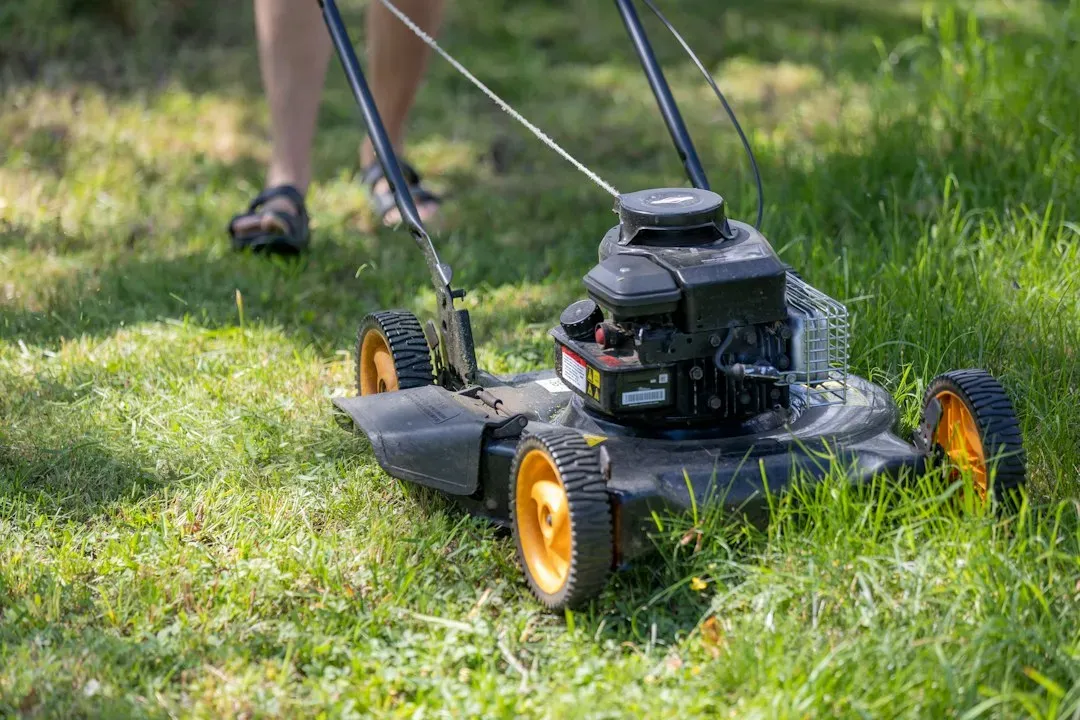
Suburban growth exploded in the postwar years, and by the 1960s, lawn care had become a weekly ritual for millions of families. Push mowers were still common, and gas-powered models required a level of physical effort that today’s self-propelled or robotic mowers have largely eliminated. Kids, especially boys in that era’s more rigid gender norms, were frequently assigned this job as soon as they were tall enough to handle the mower safely.
Mowing wasn’t just about aesthetics; a neat lawn was often tied to a family’s social standing in a neighborhood. Edging, raking clippings, and even weeding sidewalk cracks sometimes came bundled into the same Saturday morning task. It was one of the more visible chores, since neighbors could easily see whether the job had been done well or not.
4. Ironing Clothes and Linens
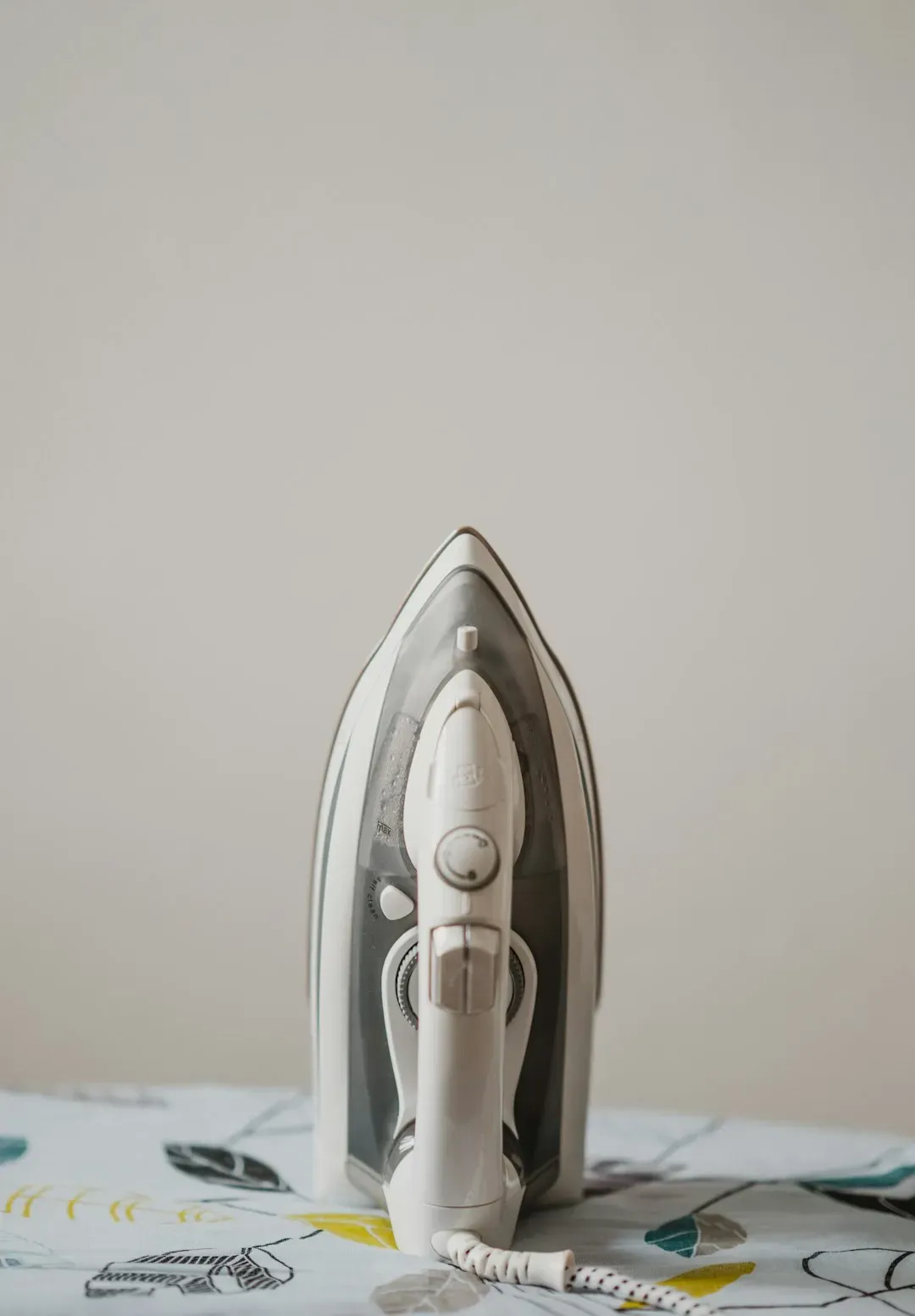
Wrinkle-resistant fabrics were not yet widespread, so ironing was a much bigger part of weekly household maintenance than it is now. Shirts, dresses, pillowcases, and even handkerchiefs often needed pressing, and older kids, particularly girls, were taught to use the iron safely from a young age. It was considered a valuable domestic skill, one that parents believed would serve their children well into adulthood.
The process involved sprinkling water on stubborn wrinkles, waiting for the iron to heat properly, and carefully working around buttons and collars. Burns and scorch marks were common mistakes for beginners, but repetition built confidence over time. This chore has largely faded from modern households thanks to permanent-press fabrics and the rise of dry cleaning services.
5. Sweeping and Mopping Floors

Vacuum cleaners existed, but many homes still had hardwood, linoleum, or tile floors that needed regular sweeping and mopping rather than just vacuuming. Kids were assigned specific rooms or the entire downstairs level, working with brooms, mops, and buckets of soapy water. It was considered light enough for younger children to handle, often serving as their first real introduction to household responsibility.
Weekly floor cleaning helped combat the dust and dirt that came in more easily through homes without modern sealing and insulation standards. Parents often inspected corners and under furniture, since a job done halfway usually meant redoing it. The chore instilled early lessons about thoroughness that many people from that generation still mention when reflecting on their upbringing.
6. Dusting Furniture and Shelves
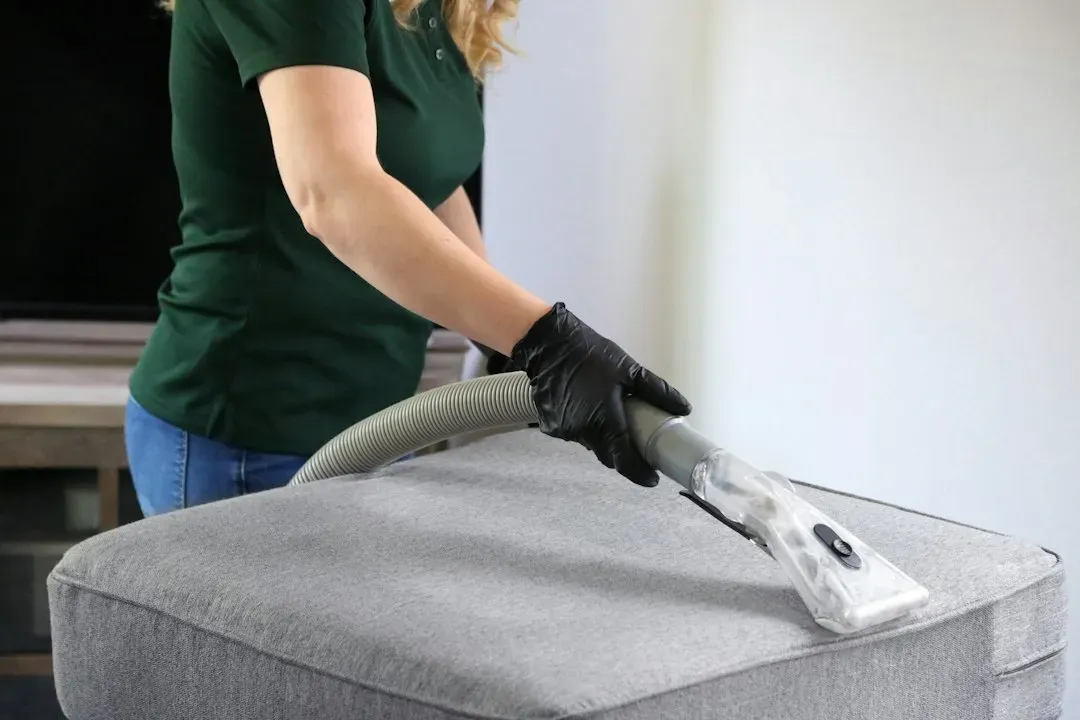
Homes in the 1960s accumulated dust quickly due to less efficient heating and cooling systems, and open windows for ventilation during warmer months. Dusting became a near-weekly task, often paired with polishing wood furniture using products like lemon oil or basic furniture wax. Kids were given cloths and instructed to wipe down shelves, picture frames, and tabletops with careful attention to detail.
This chore required a gentler touch than sweeping or scrubbing, making it suitable for younger children who weren’t yet strong enough for heavier tasks. Parents often used dusting as a teaching moment about respecting family heirlooms and breakable objects. It was tedious but manageable, the kind of chore that filled a quiet Saturday afternoon.
7. Setting and Clearing the Dinner Table

Family dinners were a near-universal ritual in the 1960s, and setting the table properly was considered a basic skill every child needed to learn early. This meant placing silverware correctly, folding napkins, and making sure everyone had a glass for milk or water. Clearing the table afterward was just as routine, often leading directly into dish duty for older kids.
The consistency of this chore reinforced mealtime structure at a time when eating together as a family was far more common than it is today. Children learned etiquette almost by osmosis, since parents corrected small mistakes like mismatched silverware placement on the spot. It was a small task, but one repeated so often that it became second nature by adulthood.
8. Feeding and Caring for Family Pets

Pet ownership was widespread in 1960s households, and dogs or cats were often considered the responsibility of the kids rather than the parents. Feeding, filling water bowls, and occasionally walking the family dog became weekly, if not daily, expectations. Parents used pet care as an early lesson in accountability, since a hungry or neglected pet made the consequences of forgetting immediately obvious.
Unlike today’s specialized pet food market, many families fed pets table scraps or basic kibble without much variation. Kids also handled simple grooming tasks like brushing a dog’s coat or cleaning out a litter box, jobs that required minimal supervision. This chore taught empathy and consistency in a way that few other tasks could replicate at that age.
9. Doing Laundry and Hanging Clothes to Dry
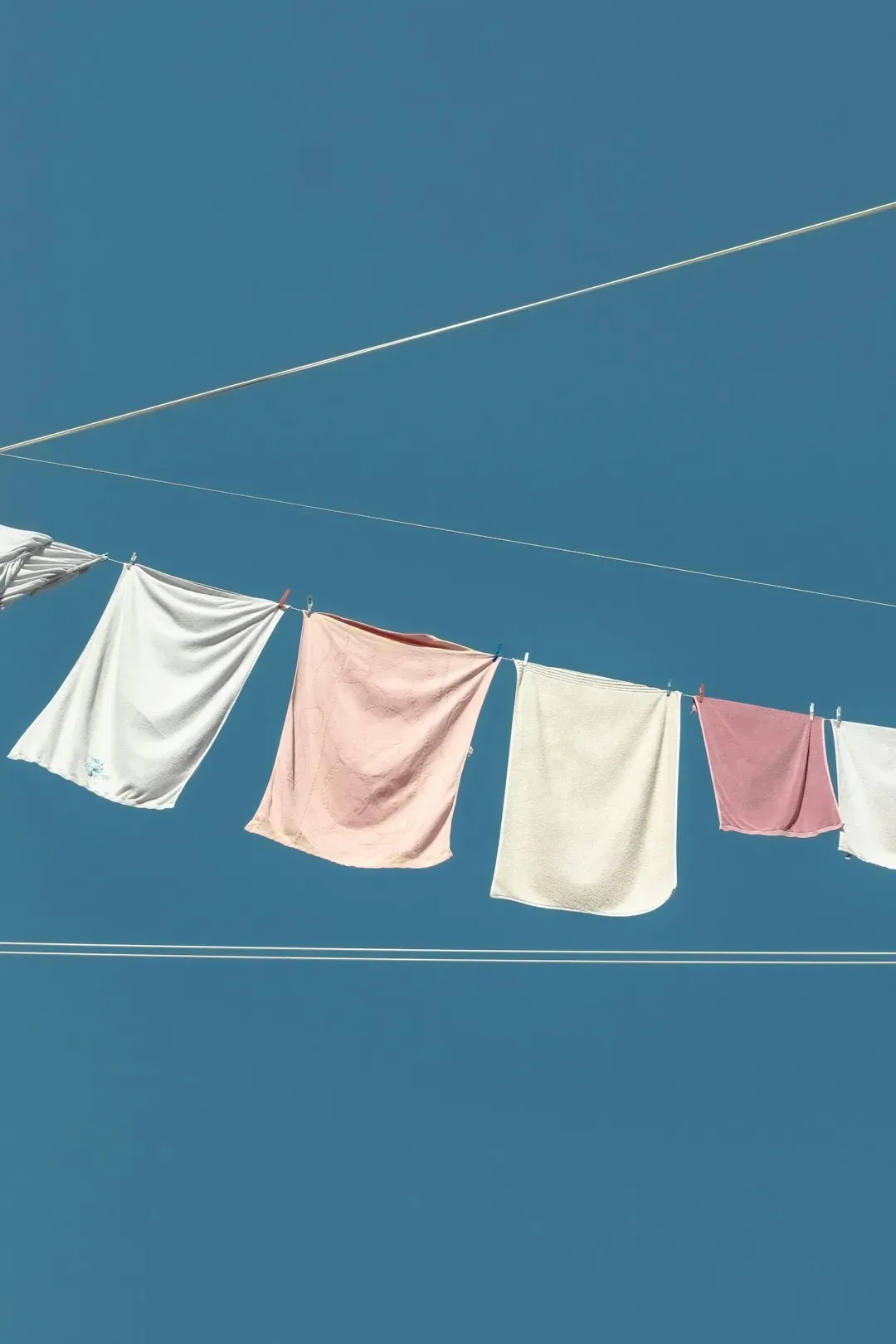
While washing machines were increasingly common by the 1960s, clothes dryers were still a luxury many families didn’t have, so laundry often meant hanging clothes outside on a line. Kids helped sort laundry by color, carried heavy wet loads to the yard, and pinned items carefully to avoid them falling into the dirt. This was especially common in suburban and rural households where yard space made outdoor drying practical.
The chore depended heavily on weather, and a sudden rainstorm could turn a simple task into a mad scramble to save the laundry. Folding clean clothes afterward was usually a separate job, often done as a family activity while watching television in the evening. It was one of the more collaborative chores, requiring cooperation between siblings and parents alike.
10. Polishing Shoes for School and Church

Shoe polishing was a weekly ritual in many 1960s households, particularly for families that attended church regularly or valued a neat appearance for school. Kids were taught to apply polish with a cloth or brush, buff until the leather shined, and clean off any scuffs from the week’s activities. This chore reflected broader cultural values of the time, where personal presentation was closely tied to respectability.
Younger children often started with simple black polish before graduating to more complex color-matching for different shoe types. It was a quieter, more meditative chore compared to physical tasks like mowing or laundry. Many people from that generation recall it as one of the more oddly satisfying jobs, since the transformation from scuffed to shiny was immediate and visible.
11. Washing the Family Car

Car culture boomed in the 1960s, and a clean car was often treated as a point of pride for the entire family. Kids were regularly assigned the task of washing the family vehicle in the driveway, using a hose, a bucket of soapy water, and rags for drying. This chore usually happened weekly, especially in families where the car doubled as a status symbol in the neighborhood.
Waxing was sometimes added as a monthly task rather than weekly, but basic washing was expected consistently regardless of the season. Kids often turned it into a fun activity, especially during hot summer months when a garden hose offered a welcome way to cool off. It combined chore duty with just enough enjoyment to make it one of the less resented tasks on the list.
12. Tidying Bedrooms and Making Beds Daily

Bedroom upkeep was treated as a non-negotiable part of daily life, with beds expected to be made every morning before school and rooms kept tidy throughout the week. Parents often inspected rooms on weekends, checking for dust under beds, organized closets, and properly folded clothes. This consistency reflected broader household discipline standards that were considered normal parenting practice at the time.
Unlike some other chores that were split by gender or age, bedroom tidiness applied to nearly every child regardless of these factors. It was one of the earliest lessons in personal responsibility, since a messy room reflected directly on the child rather than being blamed on siblings or excuses. This habit, more than almost any other on the list, tended to stick with people well into their adult lives.
These twelve chores paint a clear picture of what weekly responsibility looked like for kids growing up in the 1960s. Households ran on shared effort, and children were expected to contribute in ways that would seem unusually demanding by today’s standards. Many of these tasks have evolved or disappeared entirely, replaced by modern conveniences and shifting cultural expectations around childhood and family labor.





Leave a Reply