
Open almost any experienced cook’s cupboard and you’ll find the same quiet cast of characters. They aren’t fancy, and they rarely get photographed. Yet they’re the reason a Tuesday dinner can come together in twenty minutes without a trip to the store.
Here are twelve staples that show up again and again in busy kitchens. Each one earns its shelf space for a different reason, from flavor to speed to sheer flexibility.
Dried Pasta
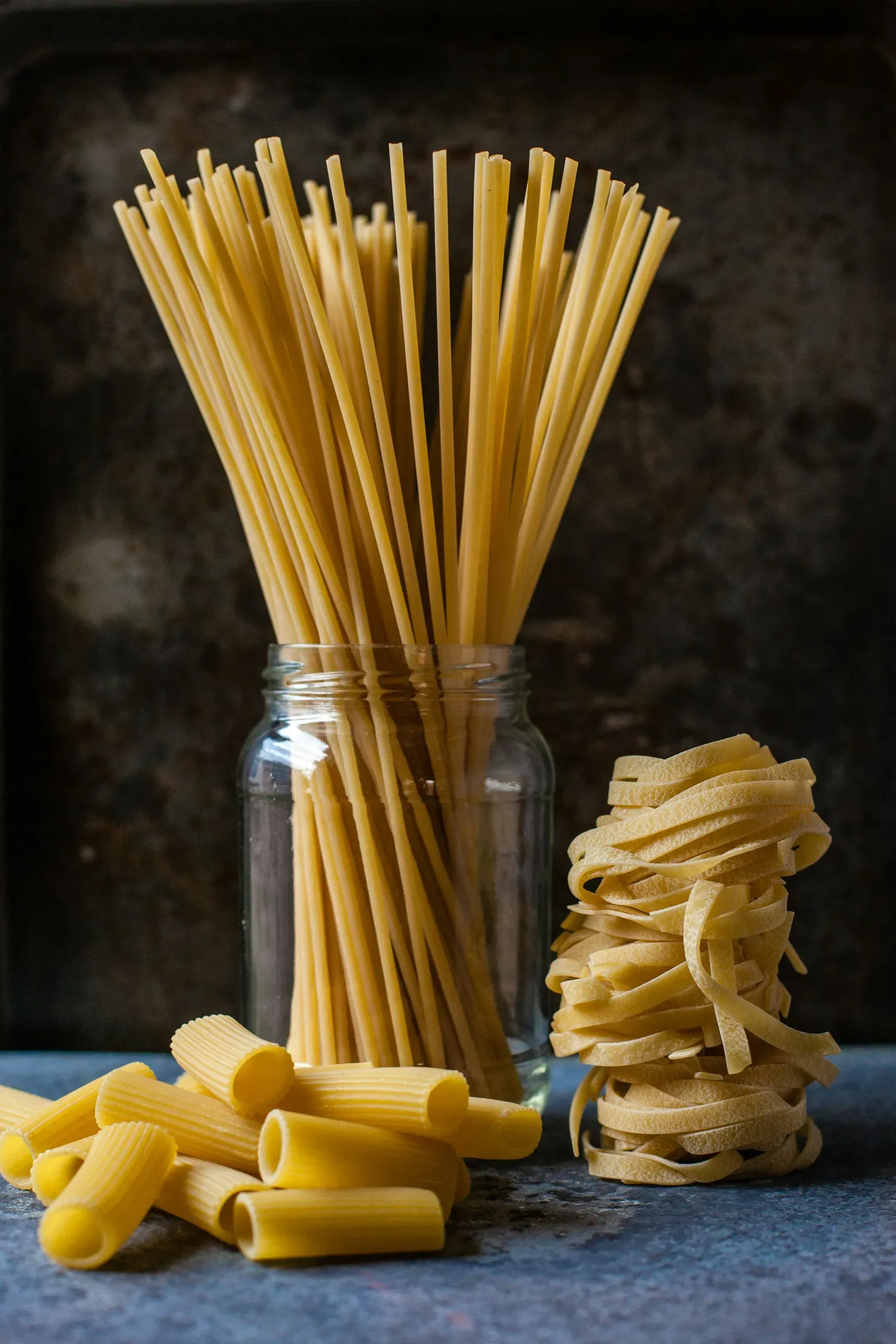
Dried pasta is the classic emergency dinner. It keeps for a long time on the shelf, cooks in roughly ten minutes, and pairs with almost anything you already have. A box of spaghetti, some garlic and olive oil can become a real meal.
Keeping two shapes is a sensible habit. A long strand like spaghetti suits oil and tomato sauces, while a short shape like penne holds up to baked dishes and chunkier toppings. Salting the cooking water generously is the simplest way to season the pasta itself.
Long Grain Rice
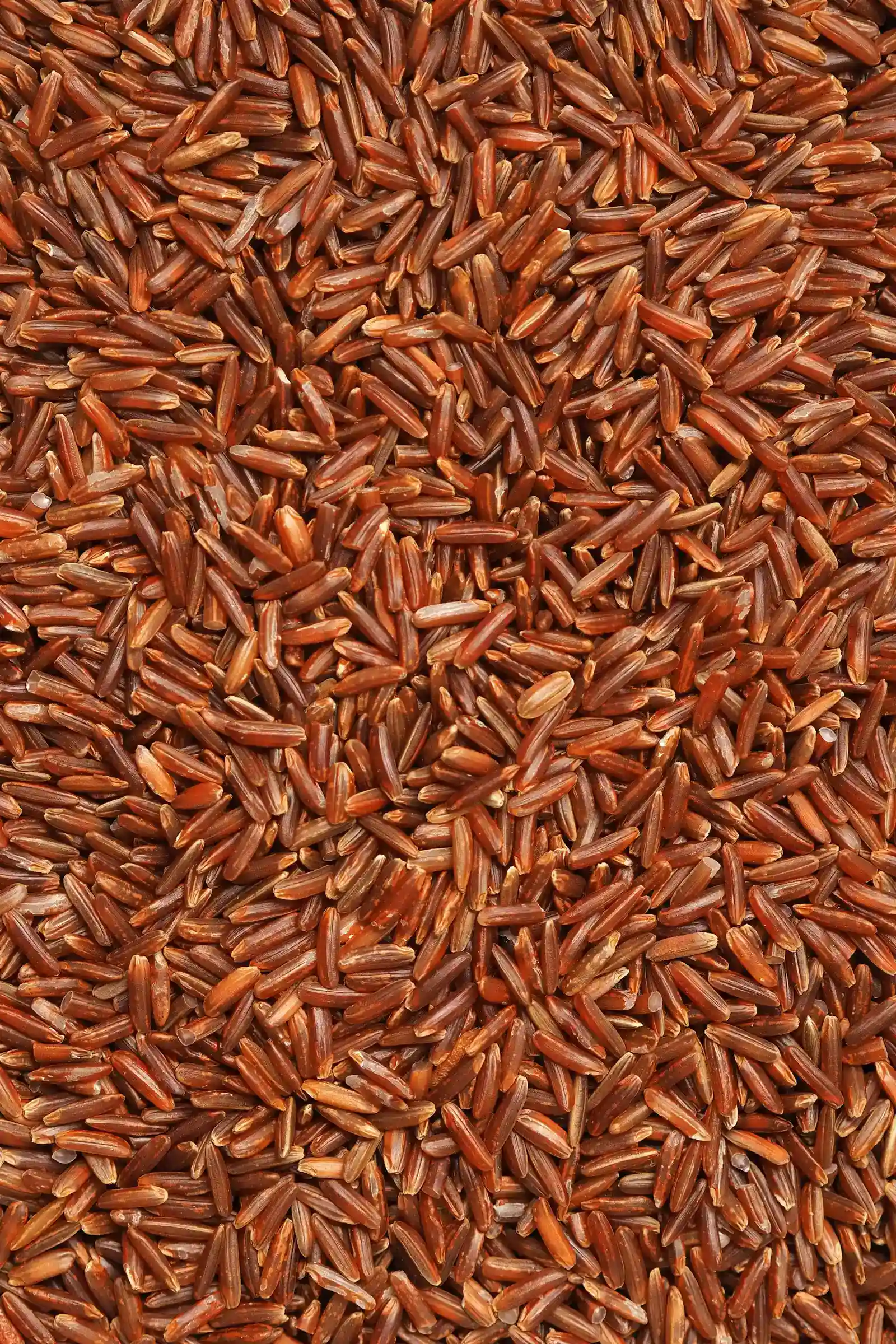
Rice is the foundation for stir fries, curries, bean bowls and quick fried rice. White rice stays good for years when stored airtight in a cool, dry place. That makes it one of the most dependable items you can stock.
Brown rice has a shorter shelf life because its bran layer contains natural oils that can go rancid over time. If you buy it, use it within several months. Cooking a big batch and refrigerating the extra gives you a head start on the next night’s dinner.
Canned Whole Tomatoes
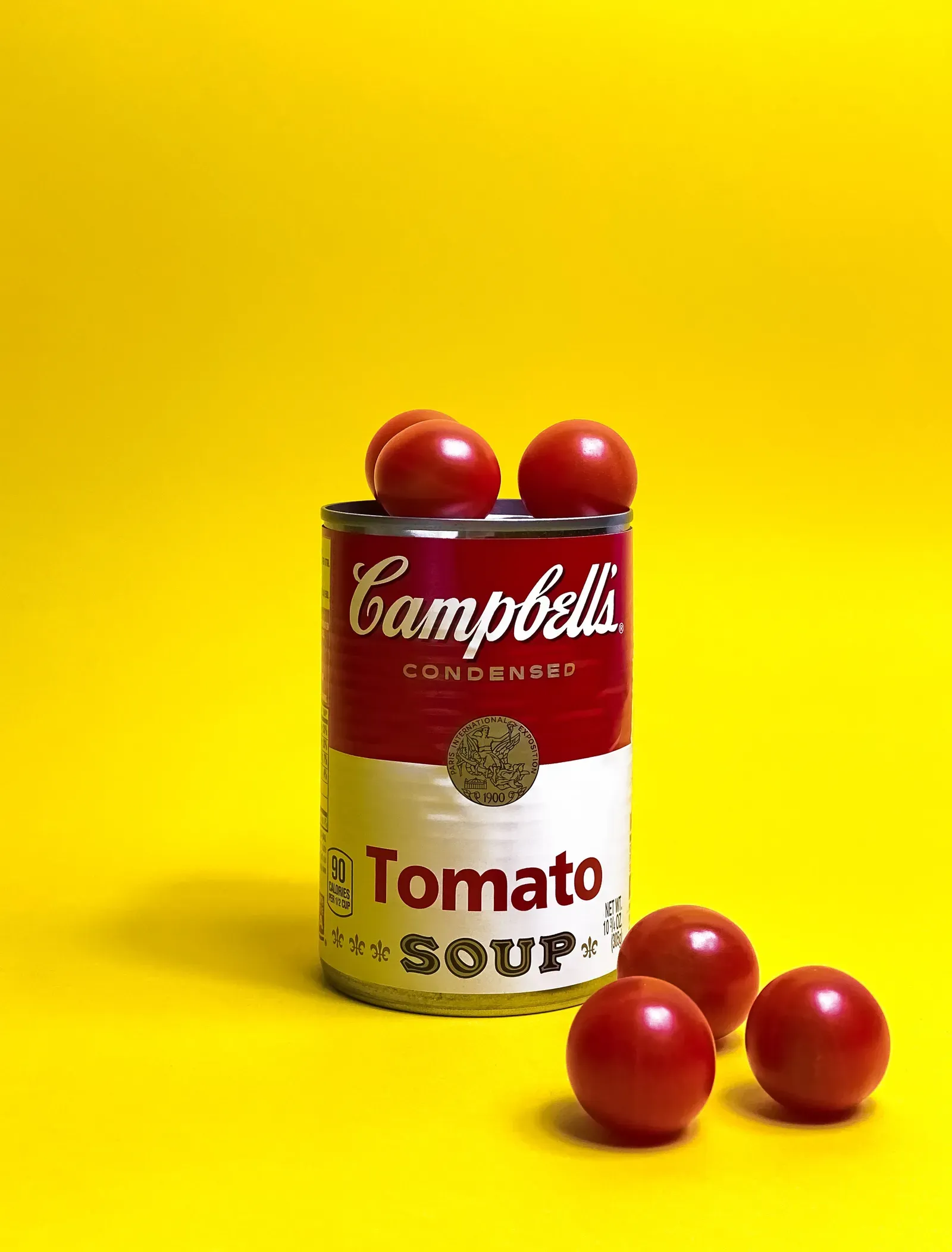
Canned tomatoes are picked and packed at peak ripeness, so they often taste better than pale fresh ones out of season. Crushing whole tomatoes by hand gives you a rustic sauce in about twenty minutes. They also build the base for soups, shakshuka and braises.
Look at the label for a short ingredient list, ideally just tomatoes, perhaps with salt or basil. Whole peeled tomatoes tend to be better quality than pre-diced ones, which are often treated to hold their shape. Unopened cans last well beyond a year.
Canned Chickpeas and Beans
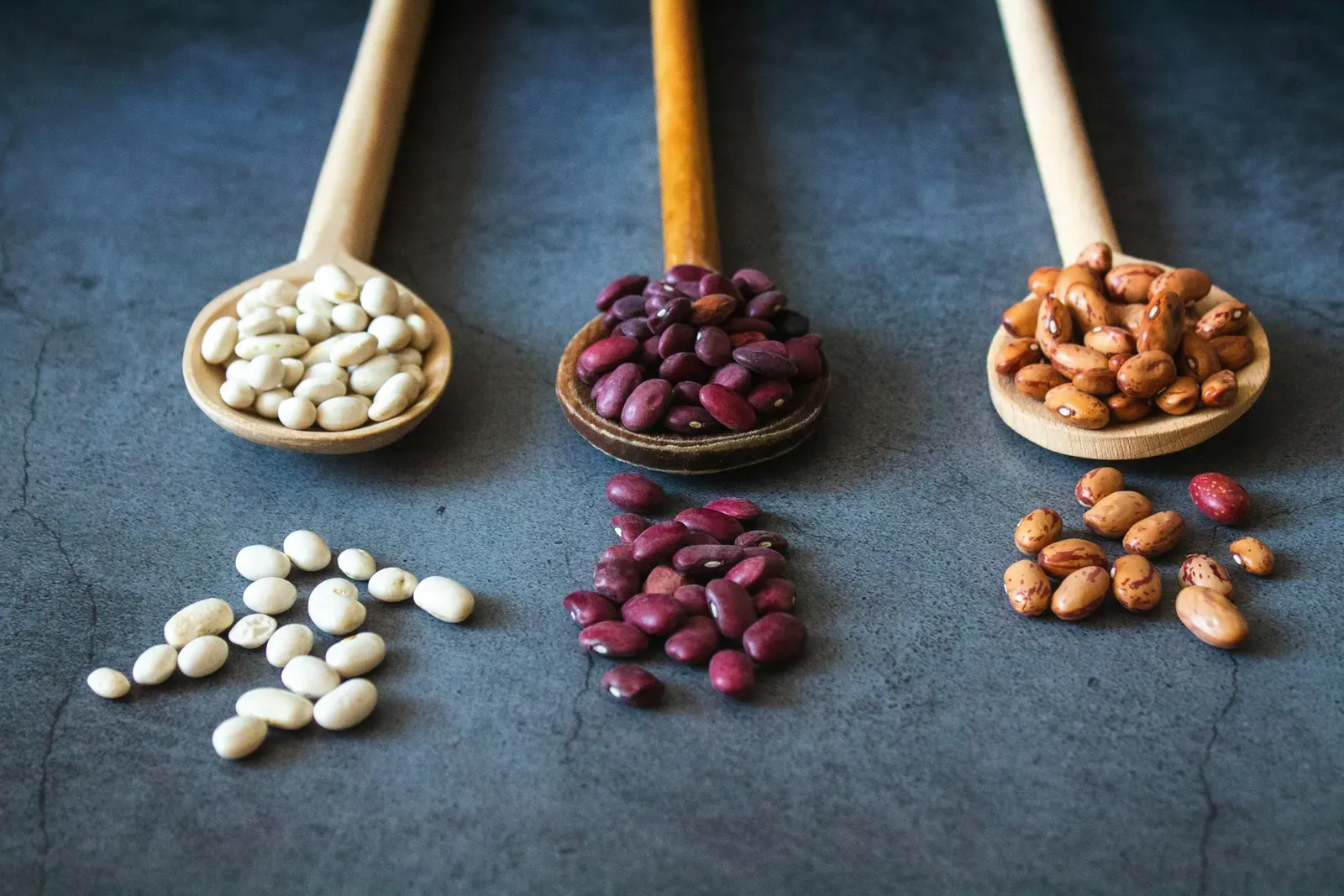
Canned beans turn a light dinner into a filling one. Chickpeas can be roasted, simmered into a stew, or mashed into a quick salad. Black beans and cannellini beans work just as hard.
Rinsing them under cold water removes some of the added sodium and the thick canning liquid. Beans are also a good source of fiber and plant protein, which is why dietary guidance from the USDA regularly encourages eating them more often. Few pantry items offer that much nutrition for so little effort.
Olive Oil
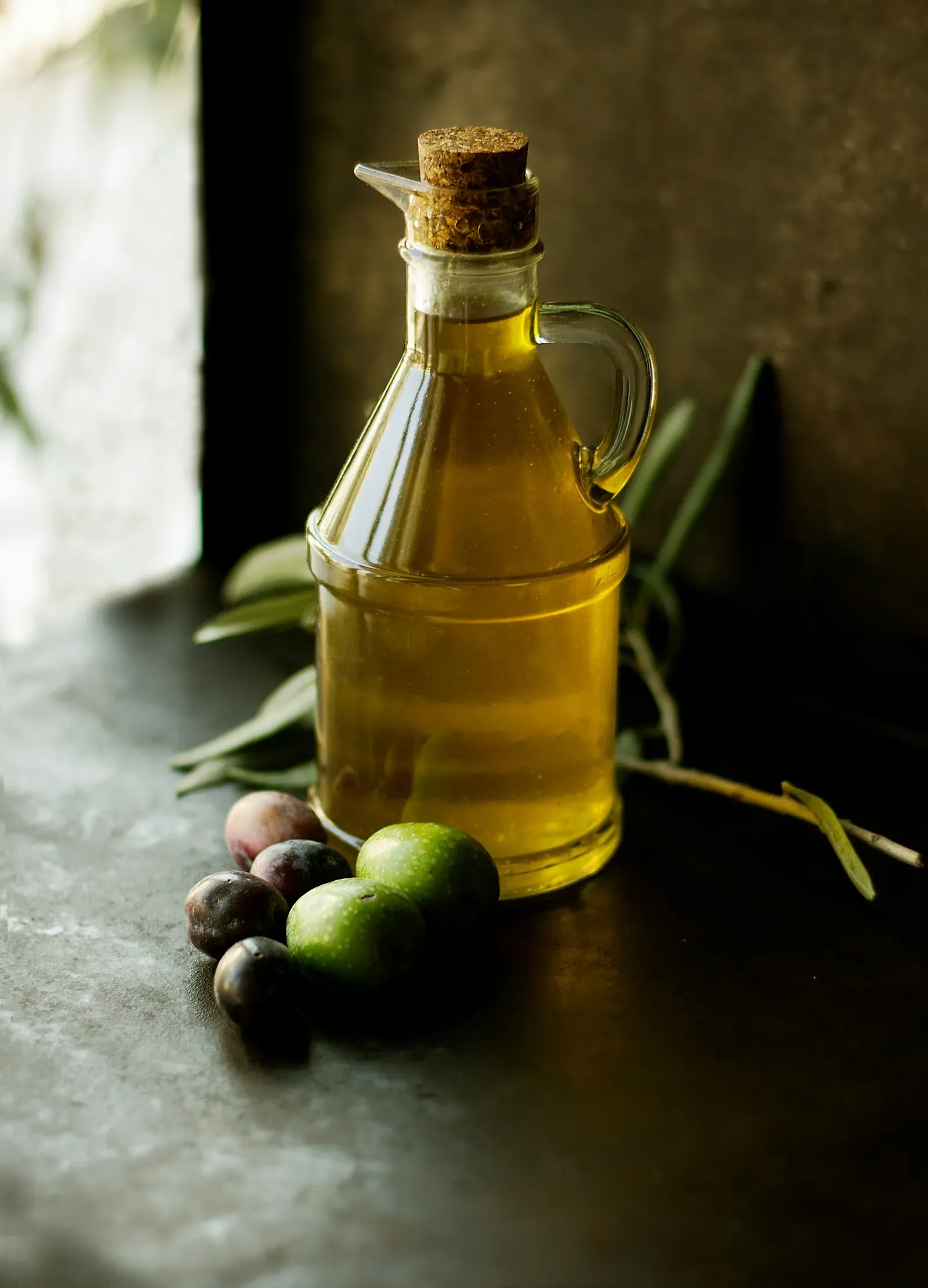
A decent extra virgin olive oil does double duty. It works for sautéing over moderate heat and for finishing a dish with a drizzle at the end. Many cooks keep a basic bottle for cooking and a better one for salads and bread.
Light and heat are the enemies of olive oil. Store it in a dark bottle away from the stove, and try to use it within a few months of opening. Fresh oil tastes peppery and bright, while stale oil tastes flat or greasy.
Garlic and Onions
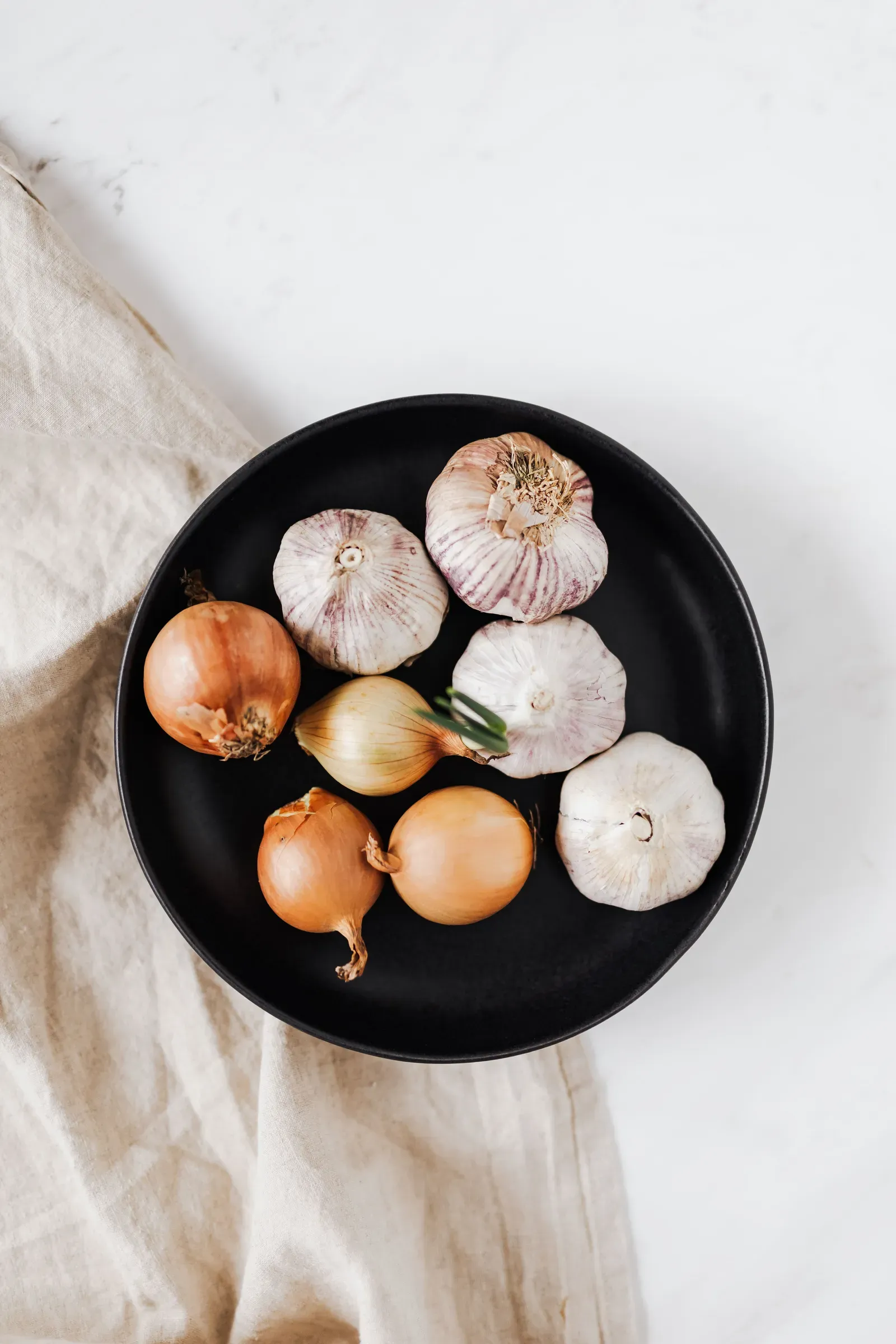
Almost every savory recipe starts with one or both. They’re technically produce, but they live happily in the pantry rather than the fridge. A cool, dark, well ventilated spot keeps them firm for weeks.
Keep them apart from each other and away from potatoes if you can. Onions release moisture and gases that may speed up sprouting in nearby potatoes. A cooked onion and a few cloves of garlic can lift a pot of plain beans into something worth sitting down for.
Chicken or Vegetable Broth
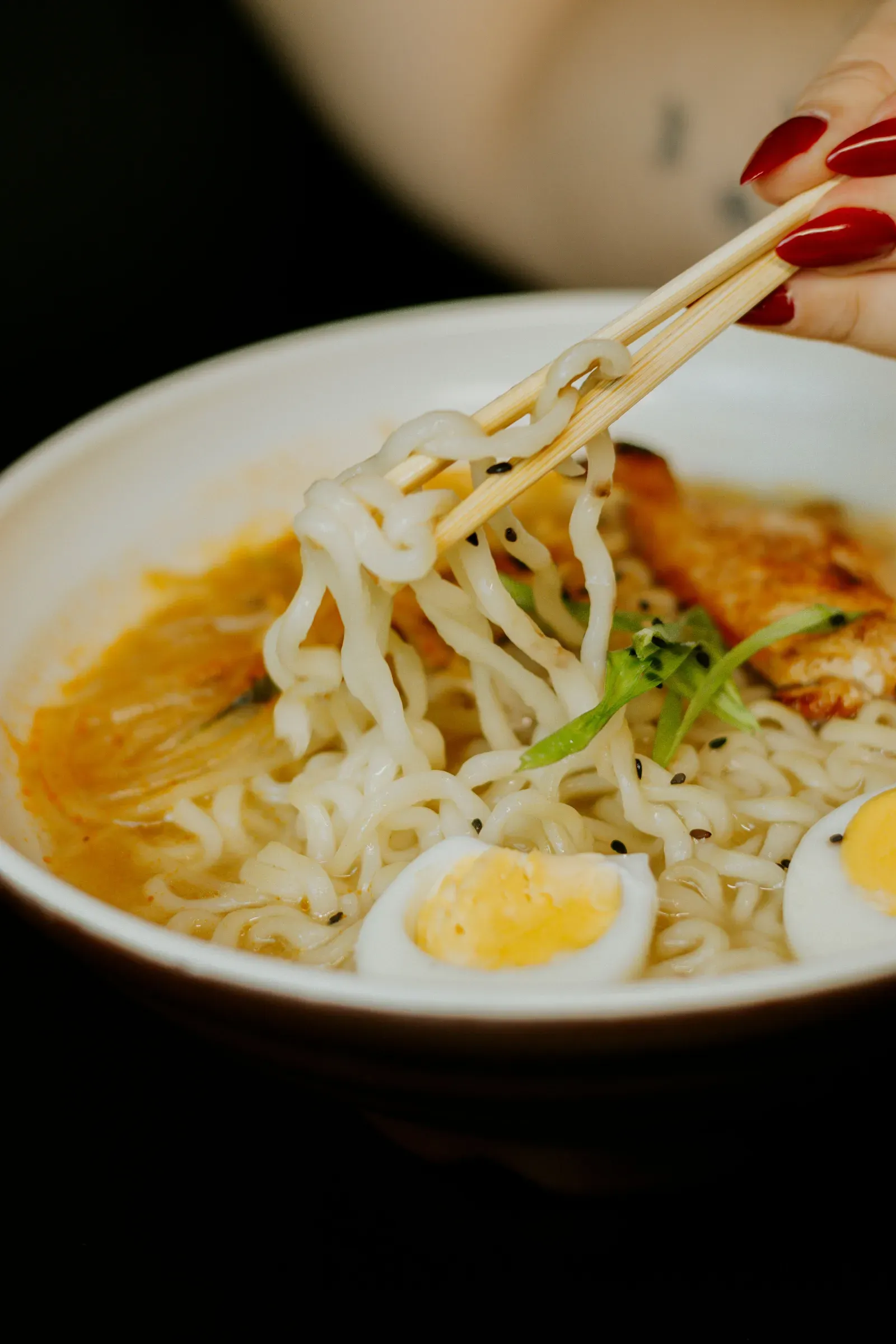
Broth gives soups, risottos and pan sauces their depth. A carton on the shelf means you can deglaze a skillet after searing chicken and have a sauce in minutes. It also cooks grains with far more flavor than water does.
Low sodium versions give you more control, since you can season at the end. Once opened, a carton should go in the fridge and be used within about a week. Some cooks freeze leftovers in ice cube trays for small portions.
Soy Sauce
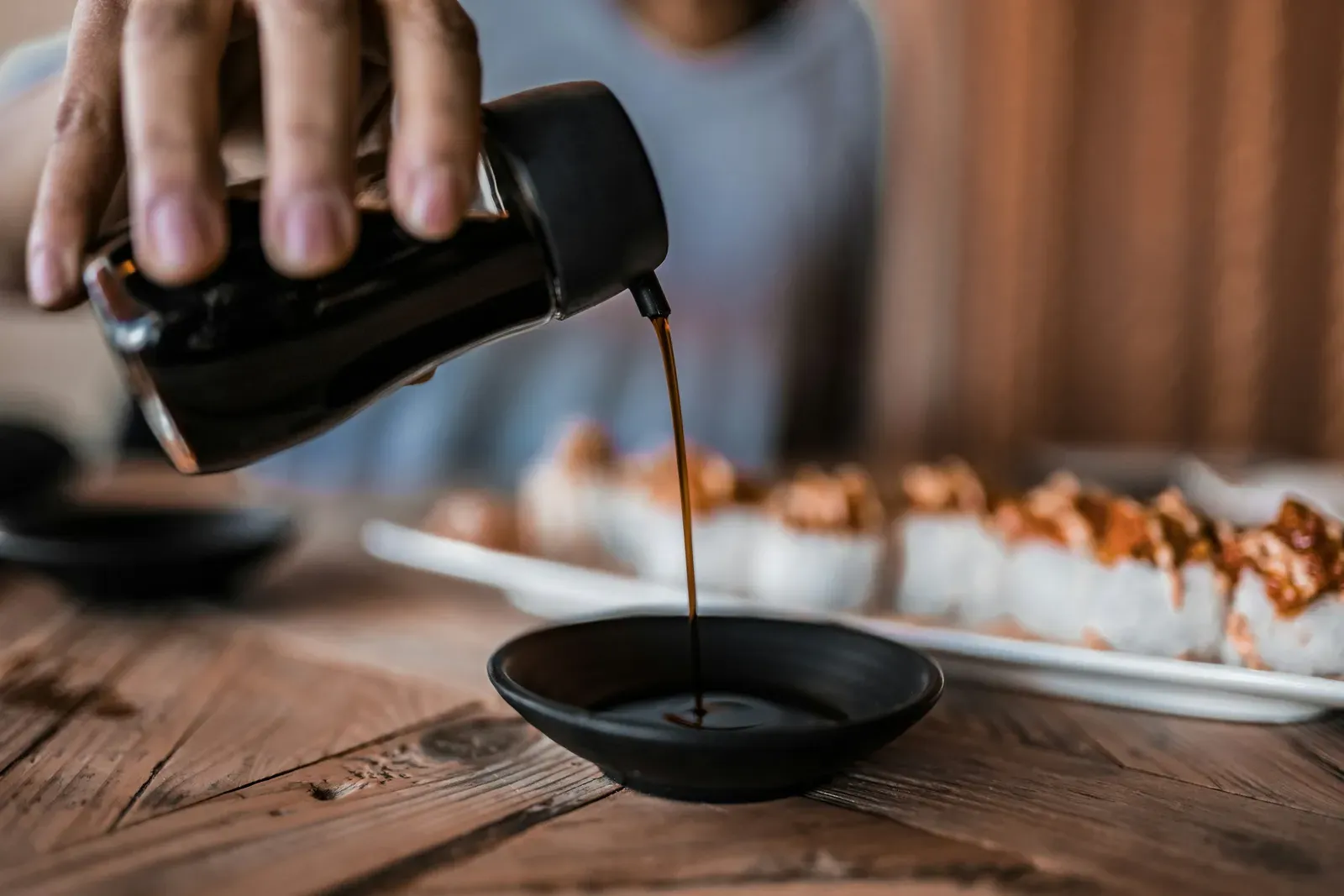
Soy sauce brings salt and a savory, umami richness that goes well beyond Asian recipes. A splash can deepen marinades, gravies, burgers and even mushroom dishes. It’s a small bottle that does a lot of heavy lifting.
Because it’s heavily fermented and salty, it keeps well in the pantry, though flavor can fade after a long time open. Tamari is a common alternative for those avoiding wheat, but check the label since not every version is gluten free. Start with less than you think you need, as it’s easy to overdo.
Canned Tuna or Sardines
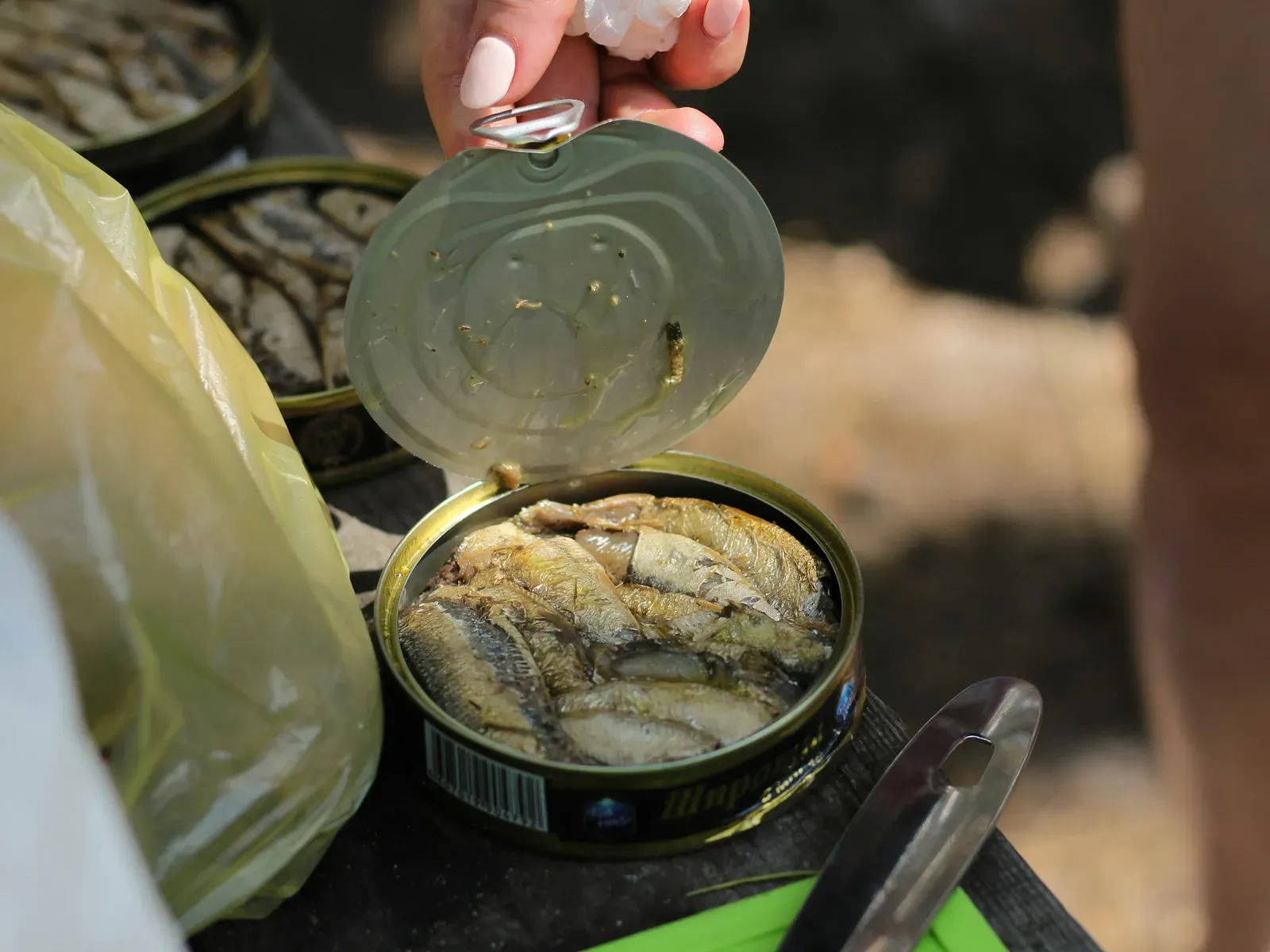
Tinned fish is shelf stable protein that needs no cooking. Tuna folds into pasta, salads and melts, while sardines are lovely on toast with lemon. Both are real options when the fridge is nearly empty.
Fish canned in olive oil often has a richer texture than water packed. Health agencies such as the FDA advise people to pay attention to mercury levels in tuna, particularly for pregnant women and young children. Sardines are generally a lower mercury choice.
Vinegar
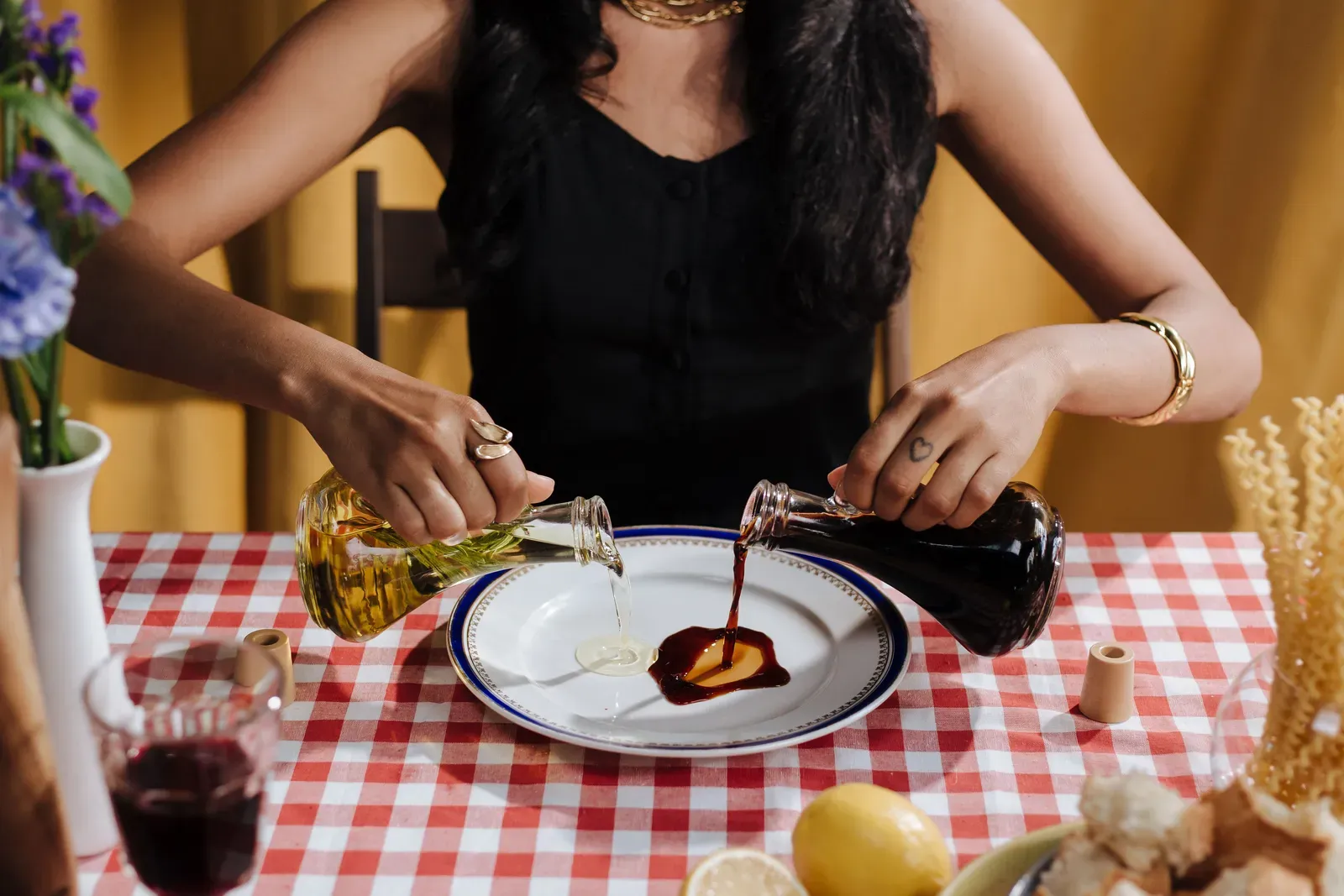
Acid is what makes a dish taste finished. A splash of red wine vinegar brightens a heavy stew, and rice vinegar balances a stir fry. Apple cider vinegar works for quick dressings and pickled onions.
Vinegar is very stable on the shelf thanks to its acidity, so a bottle can last for years. If a dinner tastes dull but isn’t short on salt, a few drops of vinegar or lemon juice is often the missing piece. Two kinds are usually plenty to start.
Rolled Oats
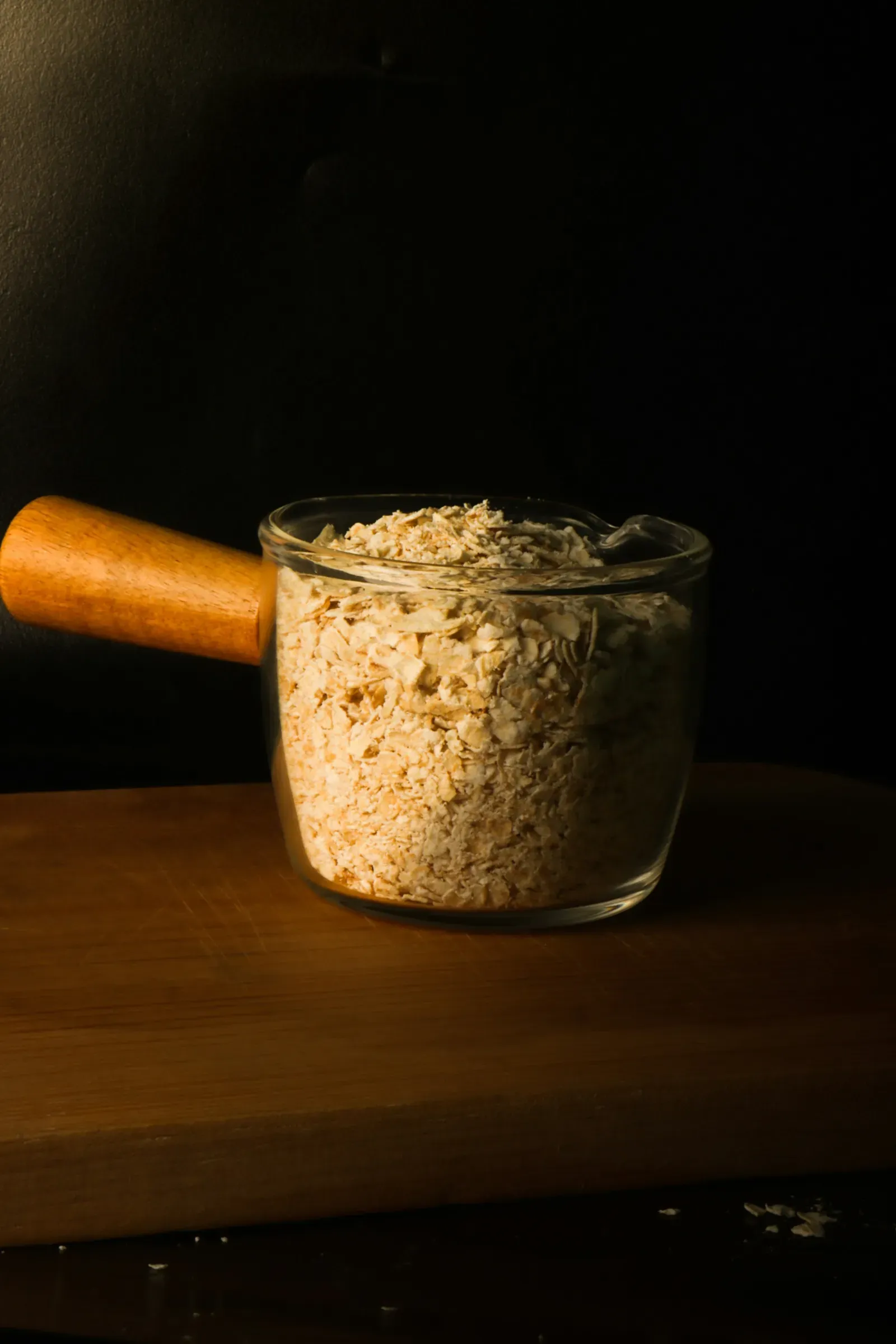
Oats aren’t only for breakfast. They can bind meatballs and veggie patties, coat baked chicken as a crunchy crust, or simmer into a savory porridge topped with an egg. They’re inexpensive and last for a year or more in a sealed container.
Old fashioned rolled oats are the most versatile, cooking in a few minutes on the stove. Oats are rich in beta glucan, a soluble fiber linked in research to healthier cholesterol levels. Store them airtight to keep pantry pests out.
Spices and Dried Herbs
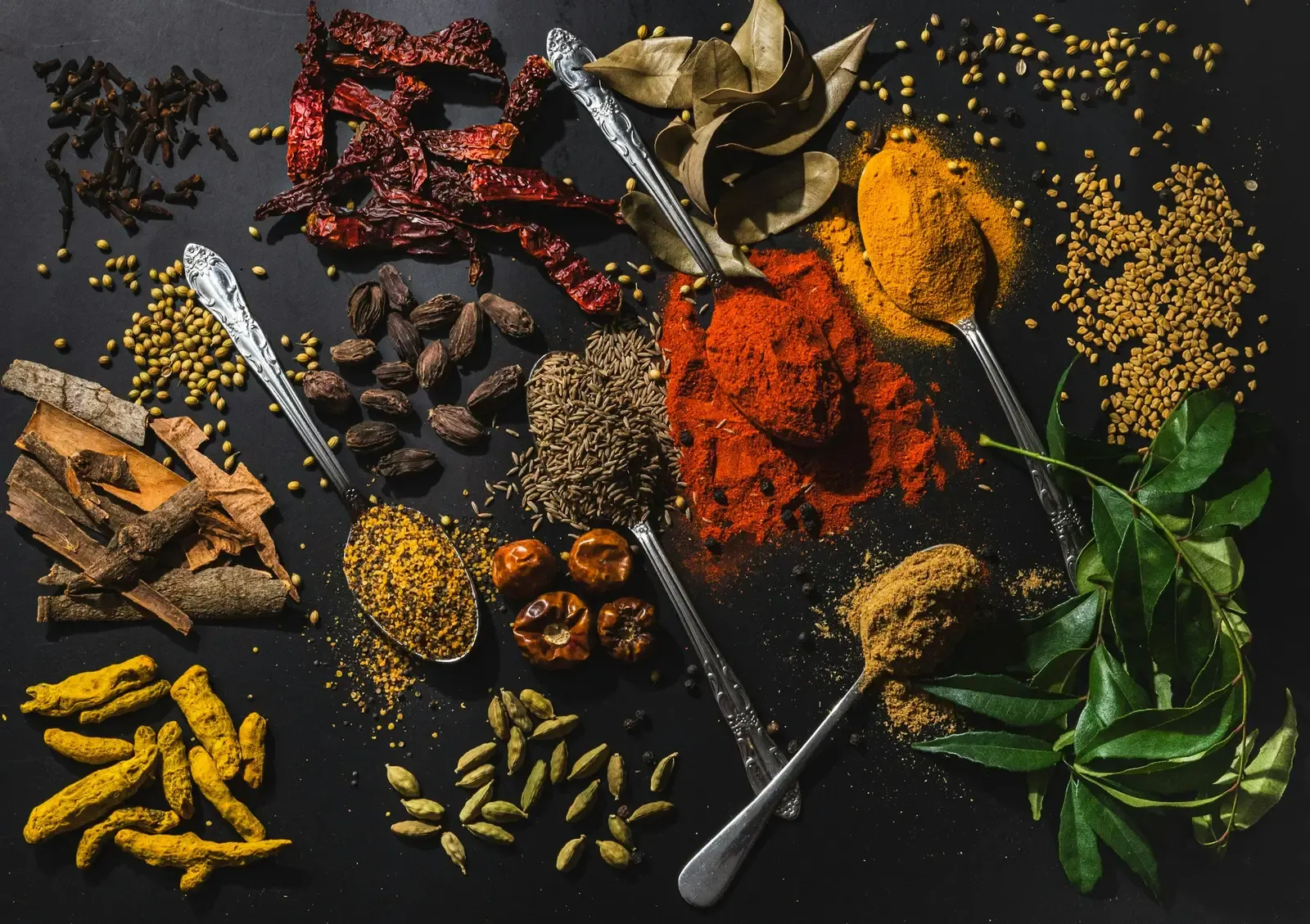
A small set of spices changes the whole personality of a dinner. Cumin, smoked paprika, chili flakes, oregano and black pepper cover a surprising range of cuisines. Toasting spices briefly in hot oil wakes up their aroma.
Ground spices lose potency over time, and many cooks aim to replace them after roughly one to two years. A quick sniff test tells you a lot, since faded spices smell weak or dusty. Buying small amounts more often usually beats a giant jar that sits untouched.




Leave a Reply