
1. Foundation Cracks and Structural Warning Signs
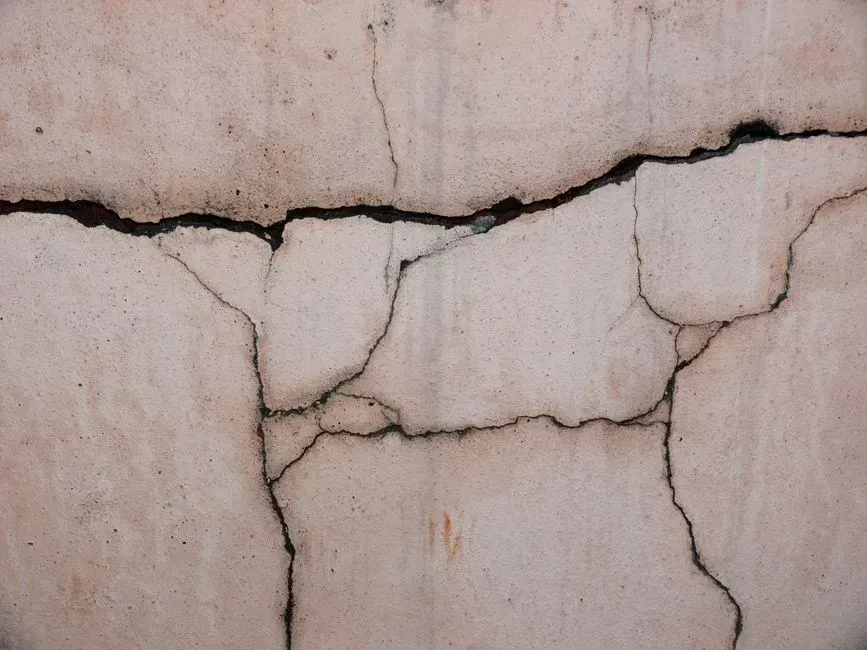
Uneven floors, horizontal foundation cracks, bowing walls, or signs of active settlement are among the most concerning findings an inspector can document. Structural repairs often require engineers, permits, and major investment. Buyers who spot these issues, or who read about them in an inspection report, tend to get spooked fast.
Foundation issues can lower a home’s value significantly, while buyers could face repair costs that range from a few thousand to nearly eight thousand dollars depending on the fix. Sinking or sagging floors, obvious gaps around walls and trim, and doors that won’t close properly are all signs of foundation problems. Addressing even the minor visible symptoms before listing signals to buyers that the home has been cared for, not neglected.
2. Roof Problems That Buyers Can Spot Immediately
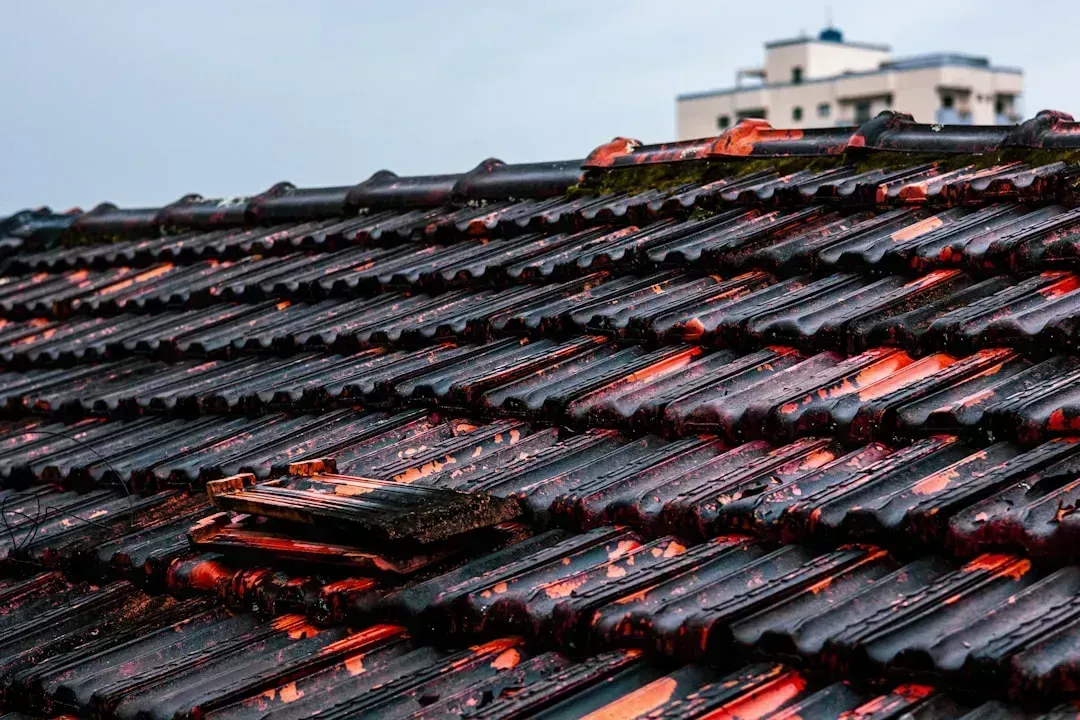
Missing shingles, soft decking, and signs of active leaks such as stained ceilings or moisture in the attic will almost always prompt concern. Roof replacements can cost between ten thousand and fifty thousand dollars, and leaks lead to mold, rot, and interior damage. That’s a price range wide enough to make any buyer nervous.
Even if there’s no active leak yet, a roof at the end of its life may still make buyers anxious and cause an insurer to balk. Sellers who get a roof inspection before listing, and can document recent repairs or a clean bill of health, are in a far stronger position when it comes time to negotiate.
3. Outdated or Dangerous Electrical Systems
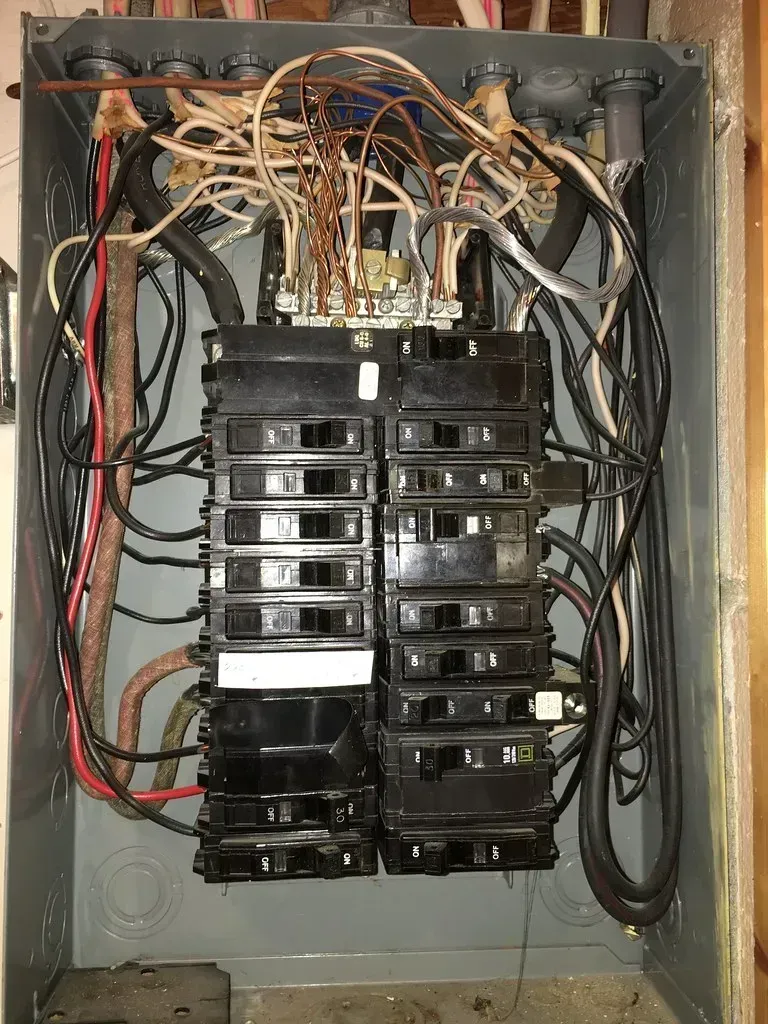
Bad wiring isn’t just an inconvenience, it’s a fire hazard. Inspectors pay close attention to the age and condition of the electrical panel and wiring throughout the house. Outdated knob-and-tube or aluminum wiring, ungrounded outlets, double-tapped breakers, and signs of DIY electrical work are all flagged. Recalled panels from brands like Federal Pacific or Zinsco, both known fire risks, will also be noted.
Rewiring a house is expensive and invasive work that requires a licensed electrician. Lenders and insurers may require electrical issues to be fixed before they’ll approve a closing. Sellers with older homes especially should have an electrician walk through before listing, not after an offer is already on the table.
4. Plumbing Leaks and Aging Pipes
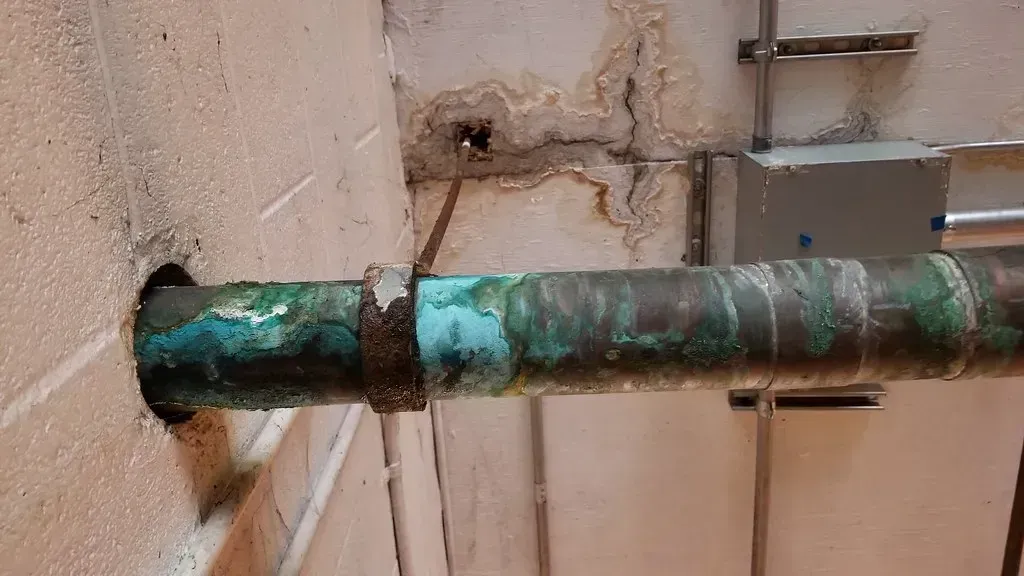
Plumbing issues range from annoying to catastrophic, sometimes with very little warning. Inspectors look for active leaks under sinks or in walls, low water pressure throughout the house (which can indicate failing galvanized pipes), signs of sewer line problems like slow drains or backups, and the condition of the water heater.
Before opening a home to potential buyers, sellers should ensure the water heater is working properly. A system that’s noisy, slow to heat, or simply outdated can raise red flags, especially for buyers mindful of energy costs and long-term maintenance. Fixing visible plumbing issues before a showing removes one of the most common friction points in buyer negotiations.
5. Mold and Signs of Water Intrusion

Mold and mildew are among a home’s most prevalent signs of water damage. Mold can begin forming within twelve to twenty-four hours after exposure to warm, moist conditions. Buyers and their inspectors take it seriously, and for good reason: remediation is expensive and the underlying moisture source has to be resolved at the same time.
Mold can cause real health problems, and professional remediation is expensive. Sellers also have to fix the source of the moisture, whether that’s a roof leak, a plumbing issue, or a foundation problem, or the mold will return. Visible mold is one of the fastest ways to lose a buyer’s confidence entirely, and it’s rarely something that can be masked during a showing.
6. Pest Infestations and Termite Damage
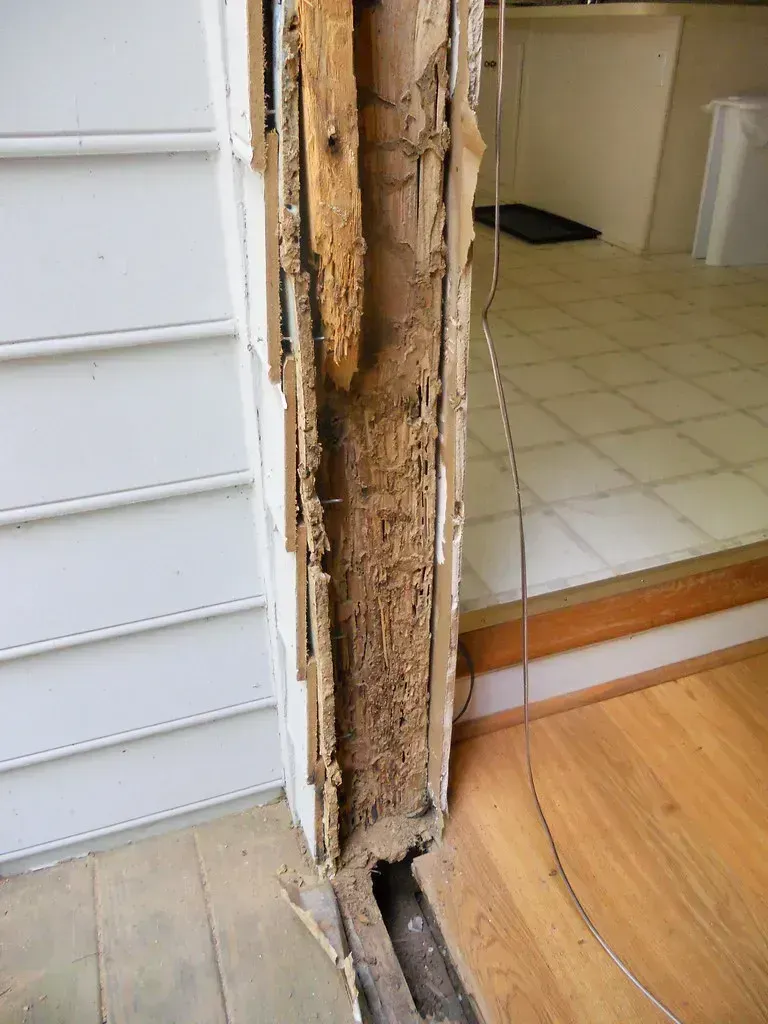
Visible signs of active pest infestations can cause structural and wiring damage and carry potentially harmful health risks. Before listing, sellers should look for dead bugs, fecal droppings, gnaw marks, nests, and mustiness to determine if insects or rodents are present. Chewed wood can also signify ants and termites.
Major structural problems, mold, termite damage, and high repair costs are among the most common reasons deals fall apart. A wood-destroying organism (WDO) inspection before listing gives sellers the chance to resolve infestations quietly, before a buyer’s inspector discovers them and the negotiation dynamic shifts entirely.
7. Unpermitted Work and DIY Renovations
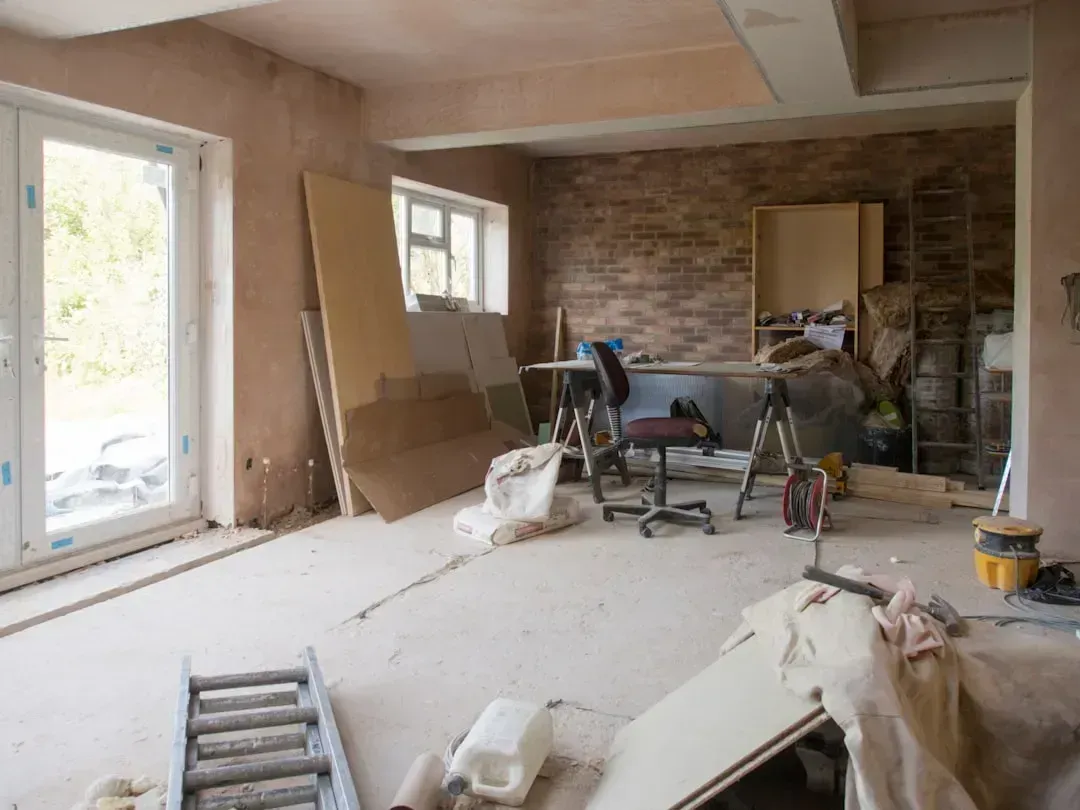
If spaces like kitchens, bathrooms, or basements were updated, sellers should verify that the work was properly permitted. Unpermitted work can cause problems down the road, especially during resale or when filing an insurance claim. What looks like a nice kitchen upgrade can become a serious liability if the electrical and plumbing behind it were never inspected.
Although sellers are generally required to disclose unpermitted work, some updates go unnoticed. Buyers should do their due diligence, inquire about questionable work, and ask for a price reduction. Otherwise, they assume responsibility if anything goes wrong. Sellers who get permits retroactively or disclose issues upfront build trust rather than eroding it.
8. Poor Curb Appeal and Neglected Exteriors
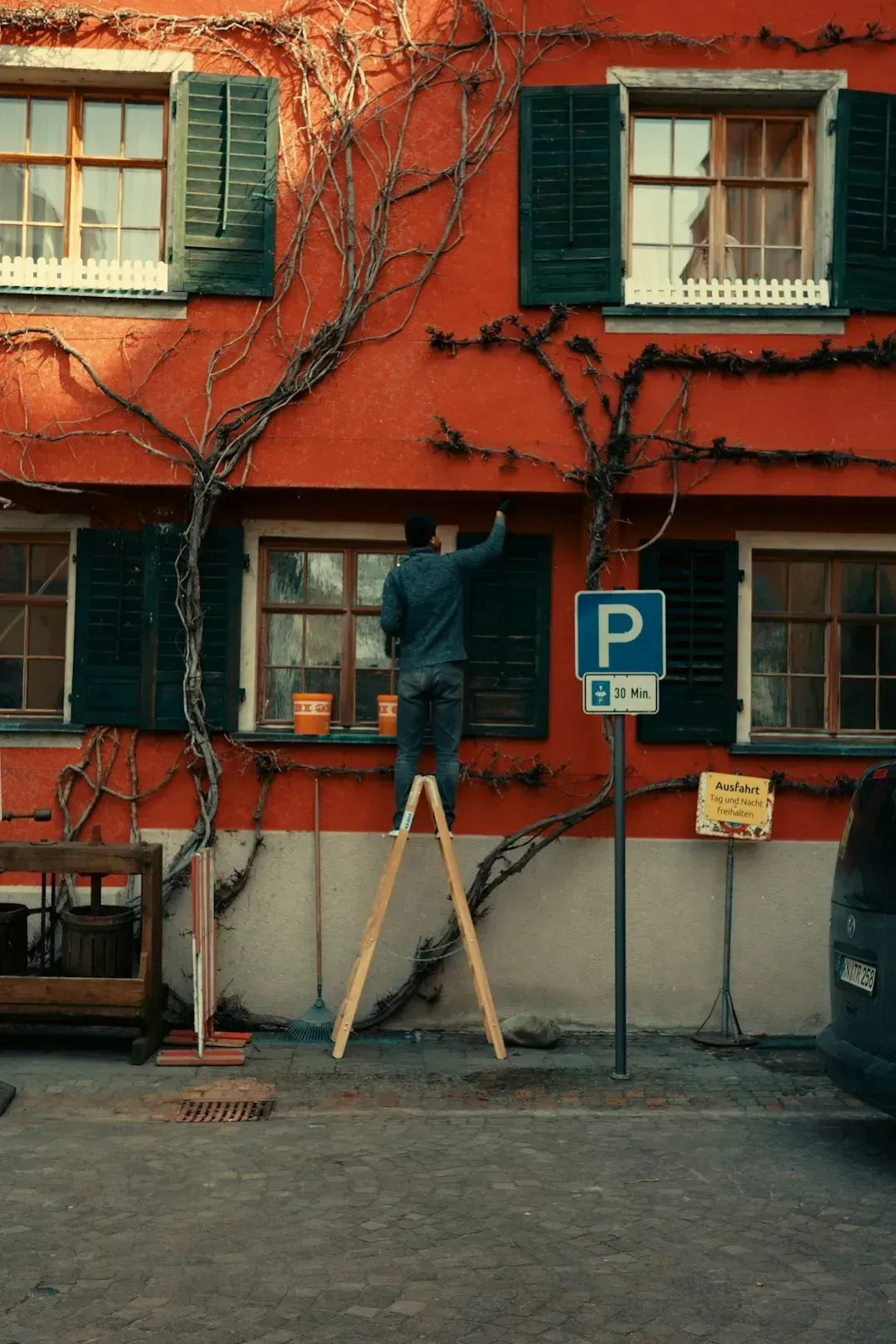
Buyers form opinions before stepping inside the home. The exterior sets expectations for everything that follows. A clean and attractive entrance encourages buyers to explore further. A scraggly lawn or peeling paint doesn’t just look bad in listing photos; it signals deferred maintenance to buyers who haven’t even reached the front door yet.
In a market where buyers have options, they are less willing to overlook deferred maintenance. Taking care of repairs before listing prevents buyers from using them as negotiation tactics later. Simple work like power-washing the driveway, refreshing mulch in flower beds, and touching up exterior paint requires modest investment but delivers a meaningful first impression.
9. Persistent Odors That Staging Can’t Hide

It’s not uncommon for pets, cigarette smoke, and other foul smells to overpower a house during a showing. Homebuyers may be shocked when they encounter pungent odors. Sellers who lean heavily on air fresheners or candles often signal to buyers that something is being hidden.
Sellers should neutralize any strong odors from pets, cooking, or smoking before listing. A fresh and clean scent is essential. Odors are one of the few issues buyers can detect that no amount of staging or photography can conceal. Deep cleaning carpets, upholstery, and HVAC filters goes further than any spray or candle ever will.
10. HVAC Systems in Poor Condition
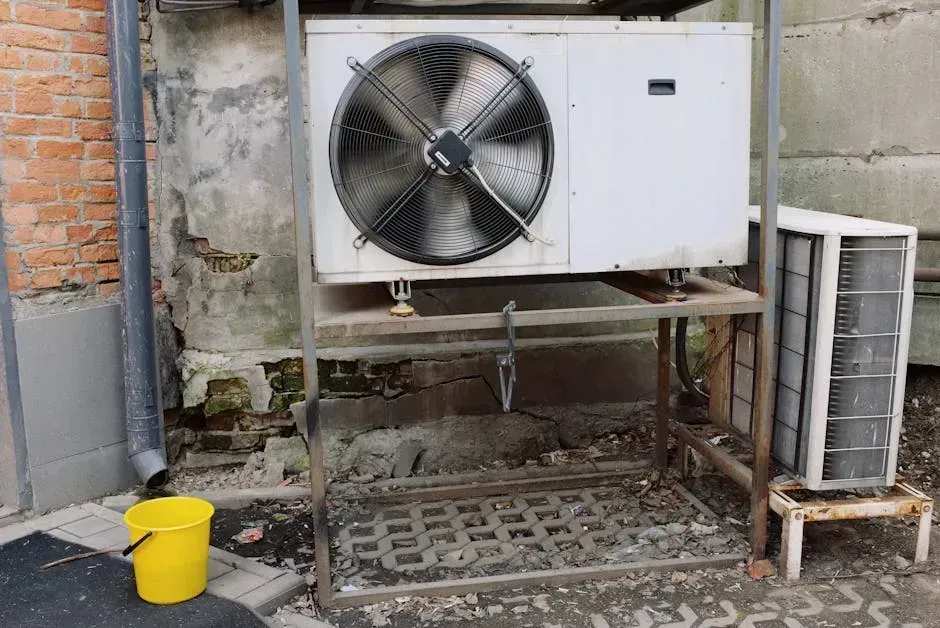
The issues that most commonly concern buyers include roofing problems, plumbing deficiencies, outdated electrical, non-functioning HVAC, pest or termite damage, mold, and foundation concerns. A heating or cooling system that’s visibly aged or that struggles during a showing can raise doubts about every other system in the house as well.
Sellers should have their HVAC serviced before listing and keep a record of the maintenance visit. Buyers and their agents notice when the system is loud, inconsistent, or when the filters haven’t been changed in months. Lenders may also require certain repairs to be completed before approving a mortgage, and if the seller is unwilling or unable to make those repairs, the buyer’s financing could be in jeopardy.
11. Incomplete or Missing Seller Disclosure

A thorough seller’s disclosure is essential to reveal any known issues with the property. When this document is incomplete or entirely missing, it raises concerns that the seller might be hiding problems such as past damage, repairs, or legal disputes. In many states, failure to disclose known defects isn’t just a negotiating problem, it can become a legal one.
Inspections can uncover issues that raise questions about prior disclosures. Allegations of nondisclosure or misrepresentation often arise after inspection findings. Proactively completing a detailed disclosure before listing, even volunteering information that isn’t legally required, sets a tone of transparency that tends to build buyer confidence rather than fuel suspicion.
12. Clutter, Personalization, and Staging Gaps

Research from NAR’s 2025 Profile of Home Staging found that nearly half of agents said staging reduced time on market, roughly three in ten said it increased offered value by one to ten percent, and the vast majority of buyers’ agents said staging helped buyers visualize the property as a future home. Those are meaningful numbers for sellers deciding how much effort to put into presentation.
As inventory has grown and buyers compare options more closely, homes that don’t show well or require visible repairs lose attention fast. Cluttered or highly personalized spaces make it harder for buyers to envision themselves in the home. Neutralizing décor and enhancing lighting can improve showings considerably. Decluttering isn’t about making a home look empty; it’s about making it feel like a place the next owner can already picture themselves in.
Selling a home in today’s market means walking in informed. Homes that feel organized and well-maintained attract stronger offers. The twelve issues above aren’t obscure technicalities. They’re the things buyers and inspectors notice first, and they’re the things that give buyers leverage to negotiate down or walk away. Addressing them before listing puts sellers in control of the conversation from day one.




Leave a Reply