
1. The boarding order exists to prevent bottlenecks, not to punish you
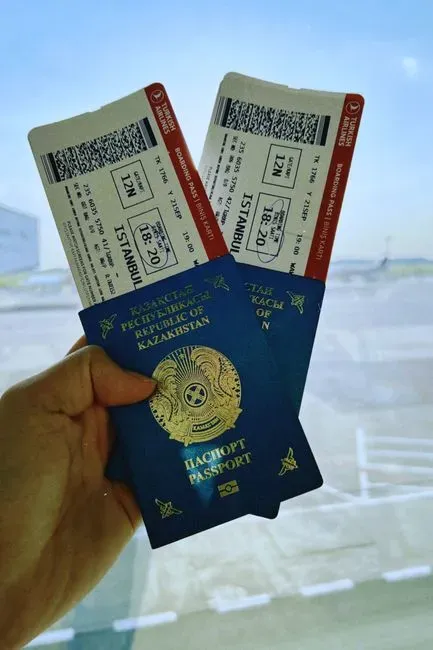
Airlines call groups and zones for a reason, and it isn’t arbitrary. When passengers cluster near the gate before their group is called, they create a wall of bodies that slows down the exact people who are supposed to be boarding. Listen for your row, zone, or group to be called and avoid crowding the gate, which can actually make the process take longer.
Getting to your seat five minutes earlier rarely changes your arrival time. Remember, getting on the plane sooner doesn’t mean you’ll get to your destination any faster. Crews notice who ignores the boarding order, and it’s one of the fastest ways to add stress to an already tight schedule.
2. That warm greeting at the door is doing double duty
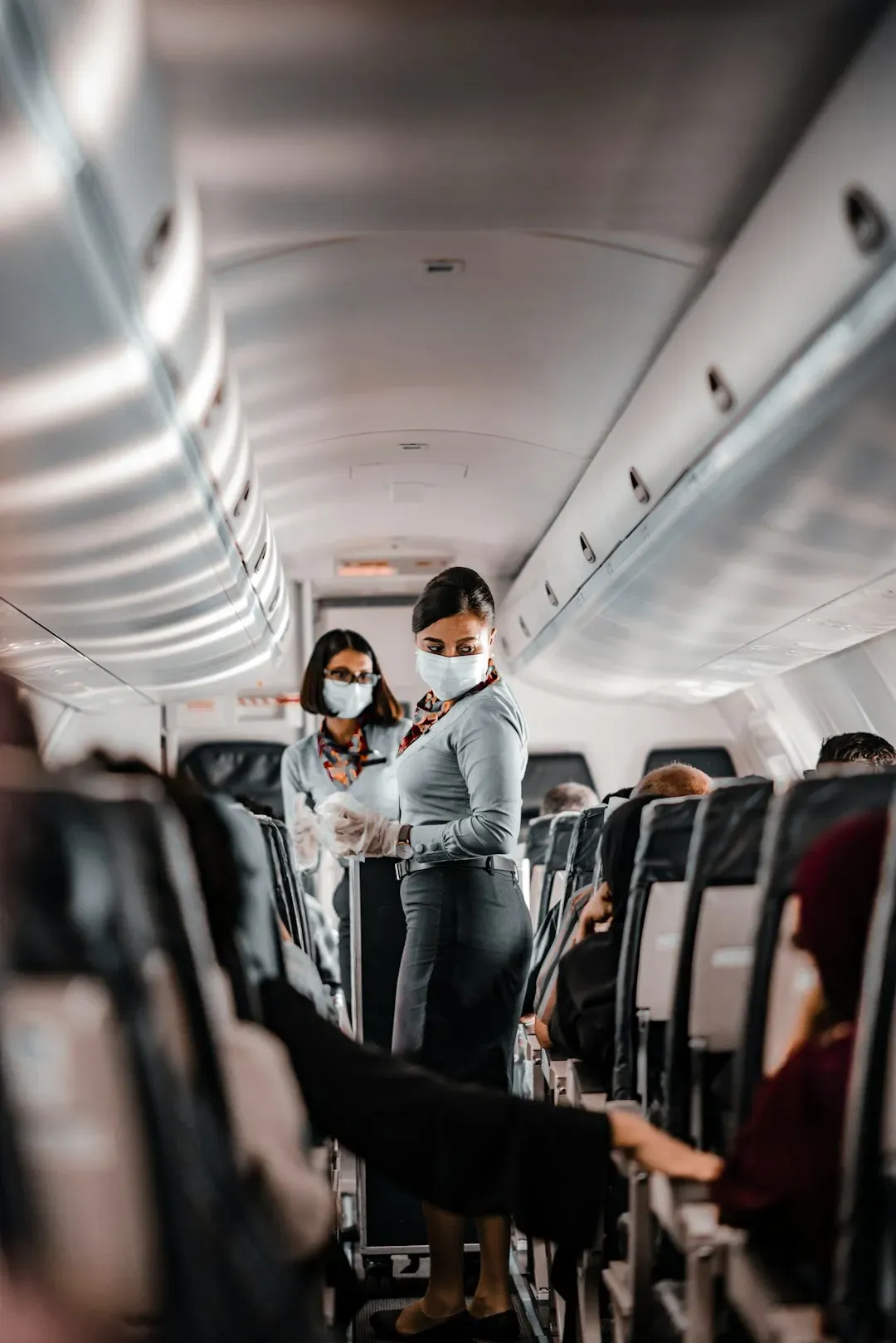
The smile and “welcome aboard” at the cabin door feels like simple hospitality, but it carries a second, quieter function. Flight attendants assess safety, behaviour, and readiness during boarding, conducting key checks behind the standard cabin greeting. That first exchange gives crew a quick read on whether a passenger seems calm, alert, and cooperative.
This isn’t paranoia, it’s practical. At major hubs, crews interact with hundreds of passengers during boarding, which gives them only seconds to identify behavioral cues, and the information gathered helps crews prepare for in-flight operations, manage possible disruptions, and ensure the aircraft is ready for all phases of flight. Returning the greeting with a nod or a word isn’t just polite, it also makes that quick assessment easier for everyone involved.
3. The overhead bin isn’t your personal storage unit
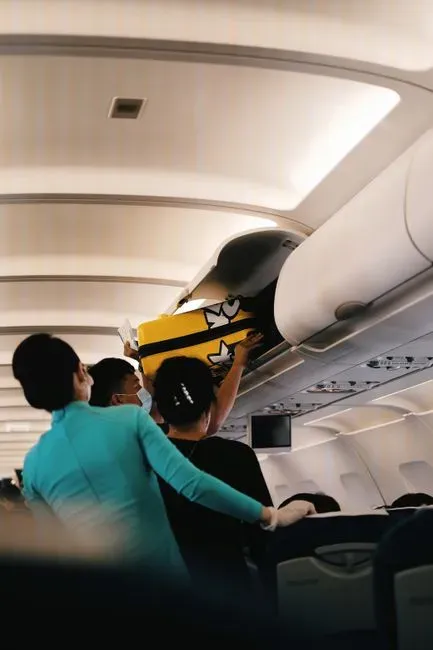
Nothing slows a boarding line faster than one passenger trying to cram three bags into a single bin. The overhead bin above your seat is not your personal locker. It’s shared space. Crews watch this happen dozens of times a week, and it rarely ends without someone else losing their spot for a carry-on.
If the bin over your row fills up, the fix is simple: if it’s already full, you use up any other open space. Extra items beyond a single trolley bag belong under the seat in front of you, not wedged sideways into someone else’s storage.
4. Carry-on sizing checks are far stricter in 2026 than they used to be
For years, gate agents often let borderline bags slide. That leniency is disappearing fast. The size rules themselves have not changed significantly, but what changed is enforcement, with airlines more consistently using gate sizers and deploying automated scanners to measure bags before boarding.
Even bags marketed as compliant sometimes fail the test. Many bags marketed and sold as “carry-on compliant” do not actually meet the standard when handles and wheels are included, a distinction that is now being enforced. Most major U.S. carriers stick to similar dimensions, though American, Delta, United, JetBlue, and Alaska share a 22 by 14 by 9 inch limit including handles and wheels, while Southwest is more generous at 24 by 16 by 10 inches.
5. Southwest’s new boarding system caught even loyal flyers off guard
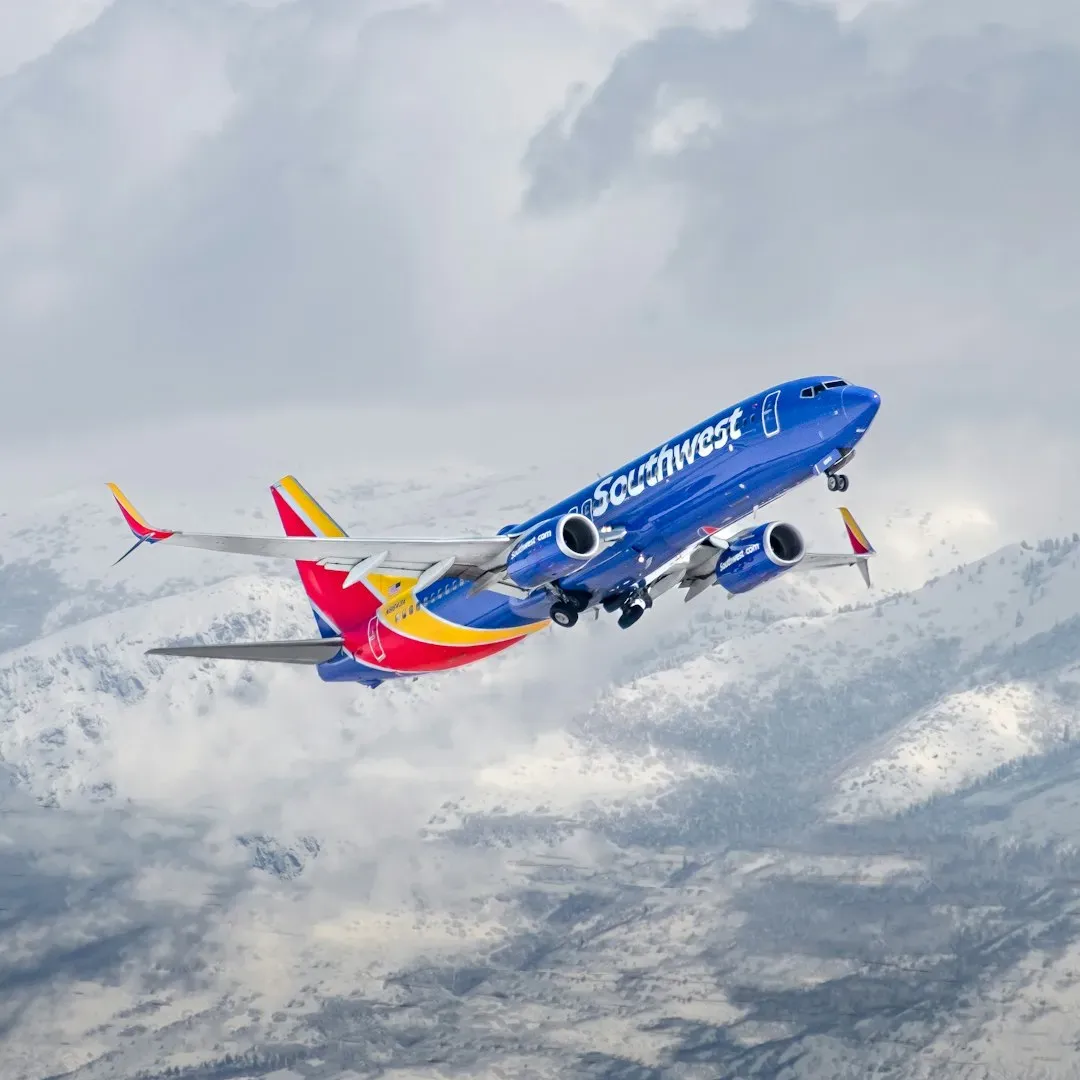
For decades, Southwest’s open seating and single-file boarding were practically the airline’s identity. That’s gone now. Beginning Jan. 27, 2026, the airline moved to assigned seating, ending the practice of passengers selecting their seats after boarding. The old A/B/C cards have been replaced entirely.
The transition hasn’t been seamless. It’s been just over a month since Southwest ended its historic open seating and single-file boarding processes, and after some early growing pains, the carrier has said it plans to keep refining its new procedures. Regular Southwest flyers shouldn’t assume the old boarding habits still apply.
6. Some airlines now board by window, middle, and aisle seat
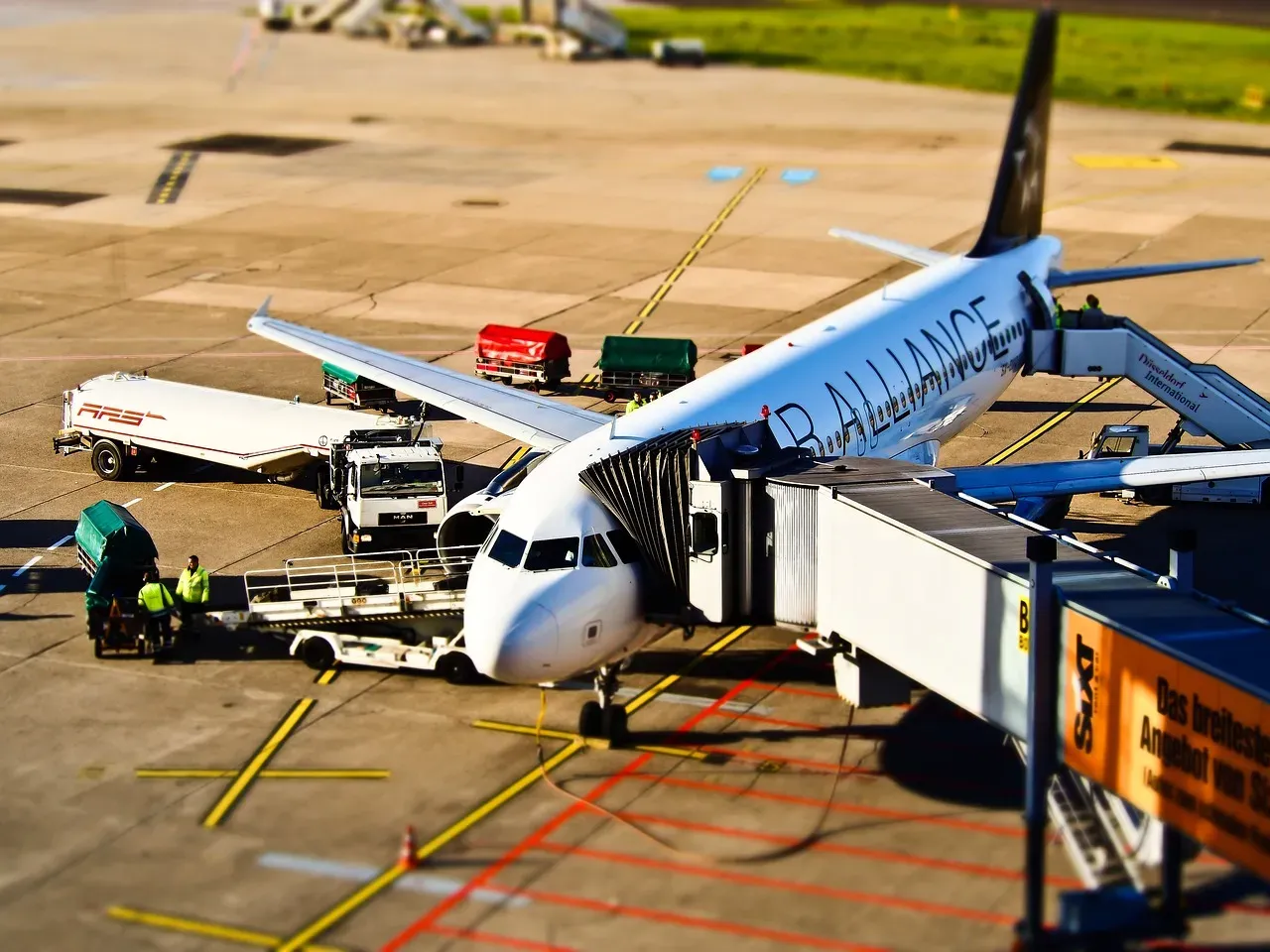
A newer system called WILMA has quietly changed how economy passengers line up on certain carriers. Groups 3 through 5 now use the WILMA system, window, middle, aisle, introduced in October 2025 to speed up the process. The logic is straightforward once you see it in action.
Boarding window seats first, then middle, then aisle cuts down on the awkward shuffle of climbing over seated passengers. Window seats board in Group 3, middle seats in Group 4, and aisle seats in Group 5, a system designed to reduce that awkward climb over two people situation. If your group number seems oddly specific, this is usually why.
7. Gate-checking a bag is often faster than fighting for bin space
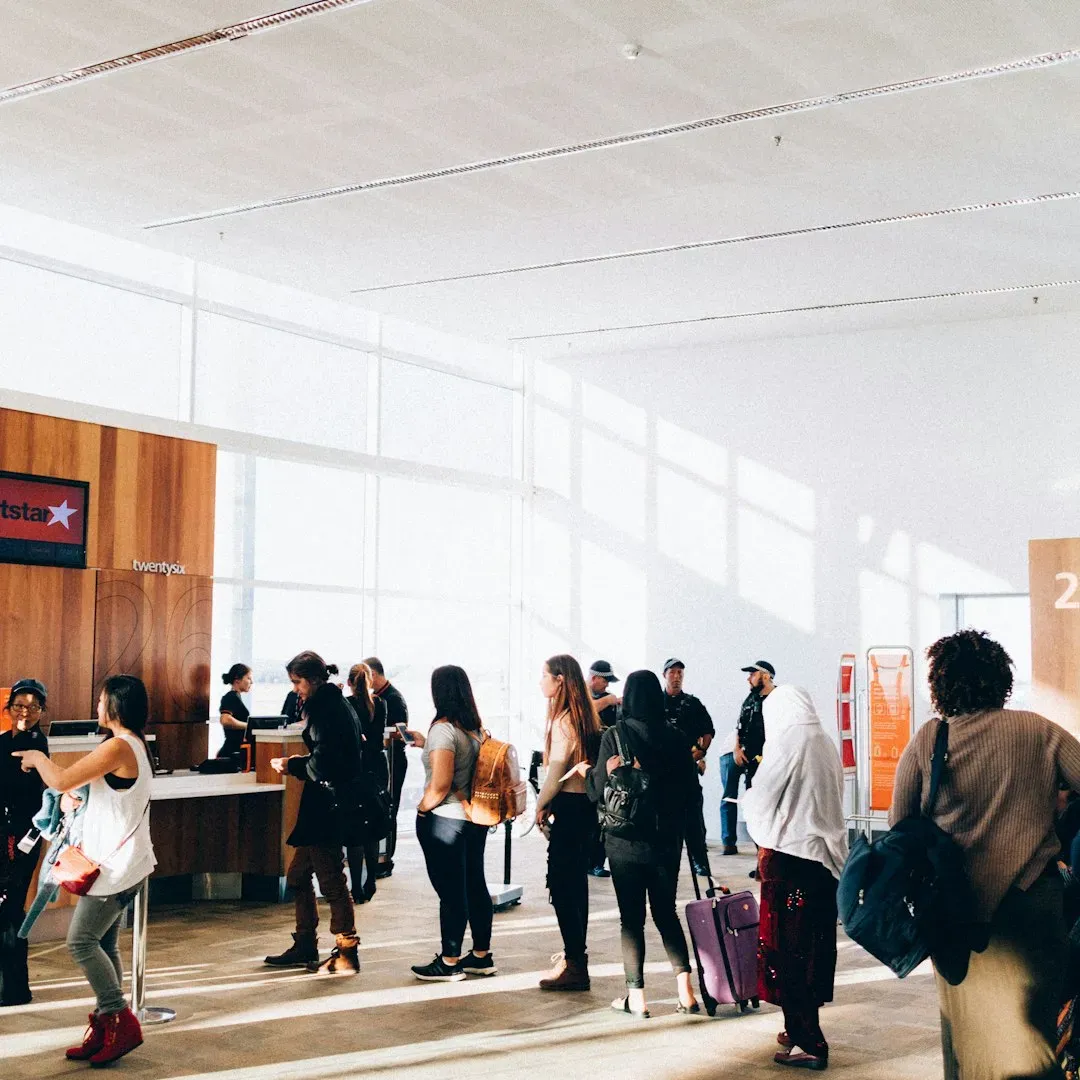
Passengers frequently treat a gate check like a small defeat. Crews see it differently. Don’t stress overhead bins. Seriously. Gate-checking is free and often faster than wrestling your bag into a packed bin while fifty people stare at you from their seats.
Bin space runs out well before boarding finishes, especially toward the back of the plane. Overhead room runs out well before the last boarding group, and once it does, even a legal bag gets valet-tagged, so boarding with your assigned group rather than hanging back matters, since the gate is where most involuntary checks happen. Accepting a gate check gracefully keeps the line moving for everyone behind you.
8. Crews are quietly identifying who could help in an emergency
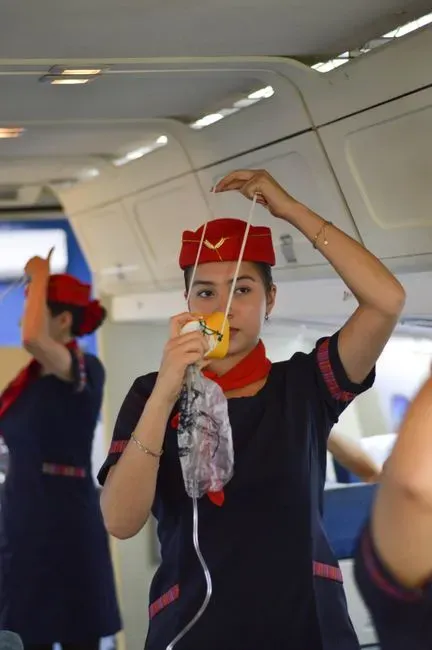
It isn’t just risk that flight attendants are watching for during boarding, they’re also scanning for capability. They’re usually looking for people of a certain build and fitness without any physical restrictions, who speak English and are willing to carry out instructions from the crew, and who might be tasked with things like operating an emergency exit or helping others. This is a routine part of cabin safety planning, not a judgment about anyone else.
The screening continues once passengers reach their seats. After boarding, flight attendants stationed in the cabin are not just being polite but are screening each passenger, looking for anything that might be a threat or risk to a safe and efficient flight, evaluated carefully for safety and security reasons. None of this is visible from a passenger’s seat, but it’s happening on every single flight.
9. Passengers who need extra help should say so early, not at the last minute
Crews want to help travelers with mobility issues, young children, or medical concerns, but they need advance notice to do it well. Flight attendants are always aware of passengers who may need extra help during the flight or during an emergency evacuation, which may include the elderly, passengers with reduced mobility, passengers with babies, or the visually or audibly impaired. Mentioning a need during check-in or at the gate gives the crew time to plan.
Pre-boarding exists specifically for this group of travelers on most airlines. Pre-boarding goes to passengers needing assistance, active military, and top-tier elite members. Waiting until the aisle is jammed to mention a mobility issue puts everyone, including the passenger, in a harder spot.
10. Rushing the line rarely gets anyone to their seat faster
The instinct to sprint toward the gate the moment boarding starts is almost universal, and almost always counterproductive. Flight attendants agree that passengers are better off observing the boarding flow rather than trying to beat it, since pushing to be first often means standing in the aisle waiting for everyone else, and experienced travelers understand that calm beats speed.
The busiest, most disorganized boardings crews remember rarely had anything to do with the schedule itself. The best flights weren’t necessarily the ones that ran on schedule, but the ones where people remembered how to be human. A little patience at the door tends to ripple through the entire cabin.
11. Packing your bag with the wheels forward saves more time than you’d think
How a passenger stows a carry-on affects the passenger two rows back more than they realize. Take out the items you will need during the flight in advance, and stow your baggage with the wheels forward or backward, not side to side. It sounds like a small detail, but it changes how much room is left in the bin for everyone else.
Crews aren’t asking out of pickiness. This saves time by not having to restow bags more efficiently and frees up the aisle quicker, so boarding is faster. A properly stowed bag on one side of a bin can mean the difference between fitting three more carry-ons or fitting one.
12. Small gestures during boarding get remembered more than passengers expect
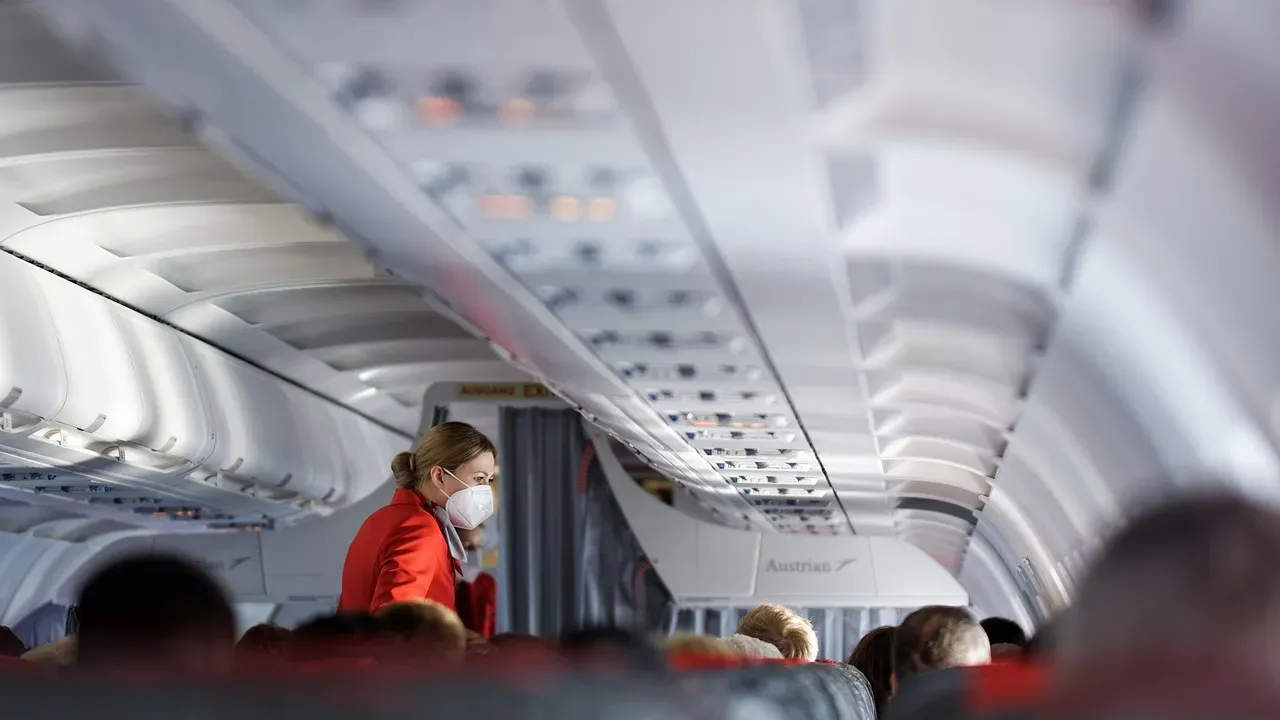
A simple hello at the cabin door costs nothing and lands better than most passengers assume. A hello or good day is always appreciated when boarding. Crews field hundreds of blank stares and brushed-past greetings on a long duty day, so a quick acknowledgment stands out.
These moments add up in ways passengers rarely see. Flight attendants notice far more than most passengers realize the moment you step onboard. Eye contact, a moment to pause instead of push past, or simply following the boarding order without complaint tends to shape how the rest of the flight goes, both for the crew and for the passenger sitting nearby. Boarding will likely keep changing as airlines test new group structures, tighten bag enforcement, and adjust to lessons learned from carriers like Southwest mid-transition. None of the twelve points above require special effort, just a bit more awareness of what’s actually happening around that cabin door. The plane still leaves at the same time either way, so the version of boarding where everyone moves with a little more patience tends to be the one nobody remembers as stressful.





Leave a Reply