
There’s something special about pocket change that might be worth a fortune. You know, the coins sitting in old jars, tucked away in dresser drawers, or passed down from grandparents. Plenty of baby boomers grew up collecting coins as a hobby, never imagining those small metal pieces could turn into serious investments decades later. Let’s be real, some of these coins are now worth more than most people’s cars.
The rare coin market has been absolutely thriving lately. In 2024, the numismatic market surpassed $6 billion in annual total volume, while on a global scale, the coin collecting market was valued at $18.1 billion and is projected to climb to $43.9 billion by 2034. For anyone who held onto certain vintage coins, that patience might finally pay off in ways they never expected.
The 1909-S VDB Lincoln Penny
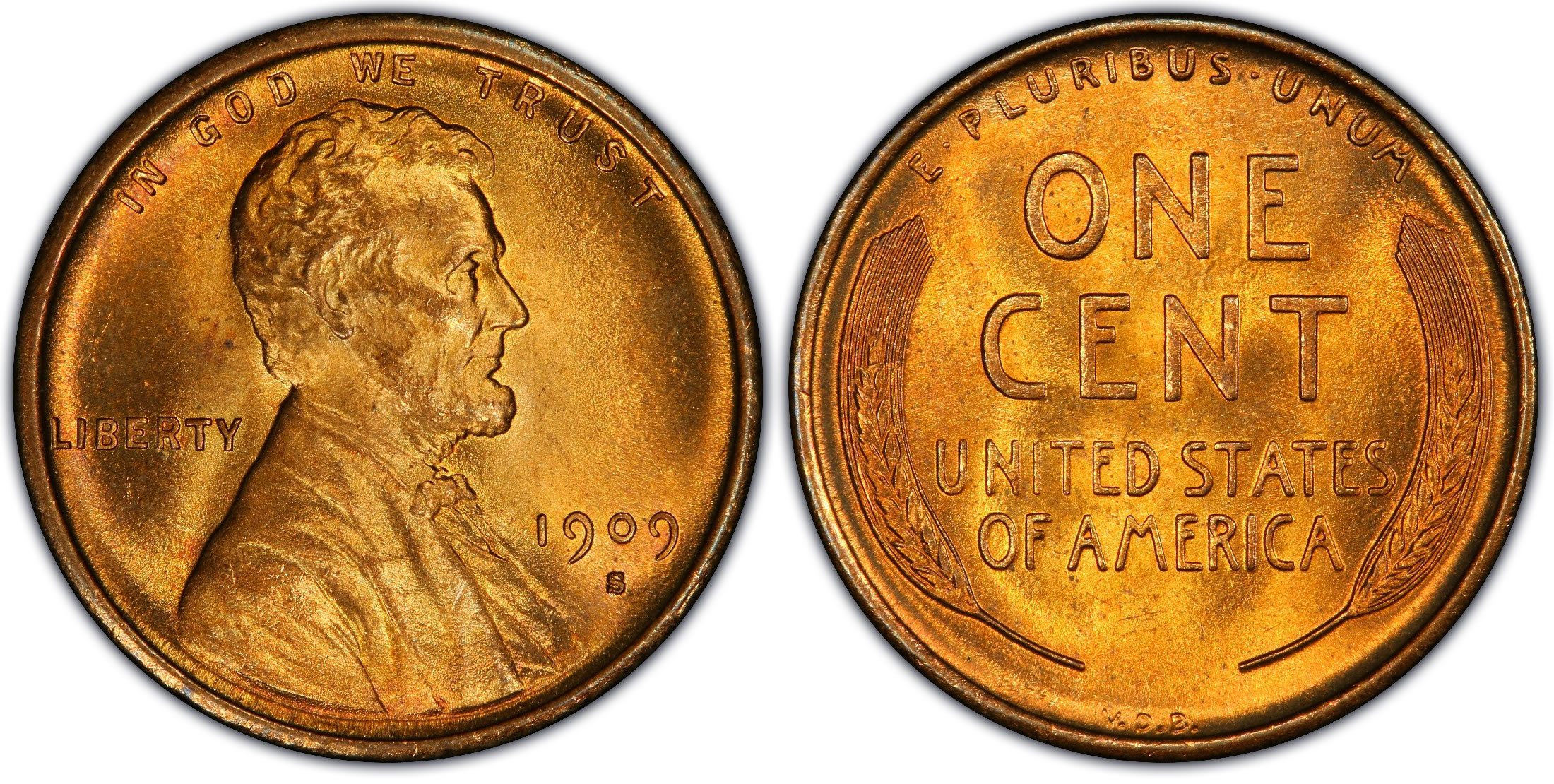
Here’s a penny that’s definitely not worth just one cent. The 1909-S Lincoln Wheat Penny with the VDB variety is worth $919 in average condition and can be worth $2,011 to $2,470 or more in uncirculated mint condition. Think about that for a second. A single penny could buy you a decent vacation.
The story behind this coin is actually pretty fascinating. The 1909-S VDB Lincoln cent’s extraordinary value stems from dramatic circumstances surrounding its brief production run, what began as a celebration of Lincoln’s centennial birth anniversary quickly became one of the most controversial coin releases in American history. The initials VDB belong to designer Victor David Brenner, and when the public complained they were too prominent, the mint quickly removed them. Only around 484,000 were minted in San Francisco before production stopped.
In 2023, mint state specimens sold for more than $200,000, outperforming gold’s roughly 13% annual price gain. Those high-grade examples are obviously rare finds. Still, even average condition pieces command strong prices. The combination of low supply, cultural importance, and clear historical narrative makes this penny attractive to both investors and collectors.
Finding one of these in pristine condition is extremely unlikely at this point. Most have been circulated or are already in collections. Yet boomers who own one, even in worn condition, should think twice before spending it or trading it lightly.
The 1964 Kennedy Half Dollar
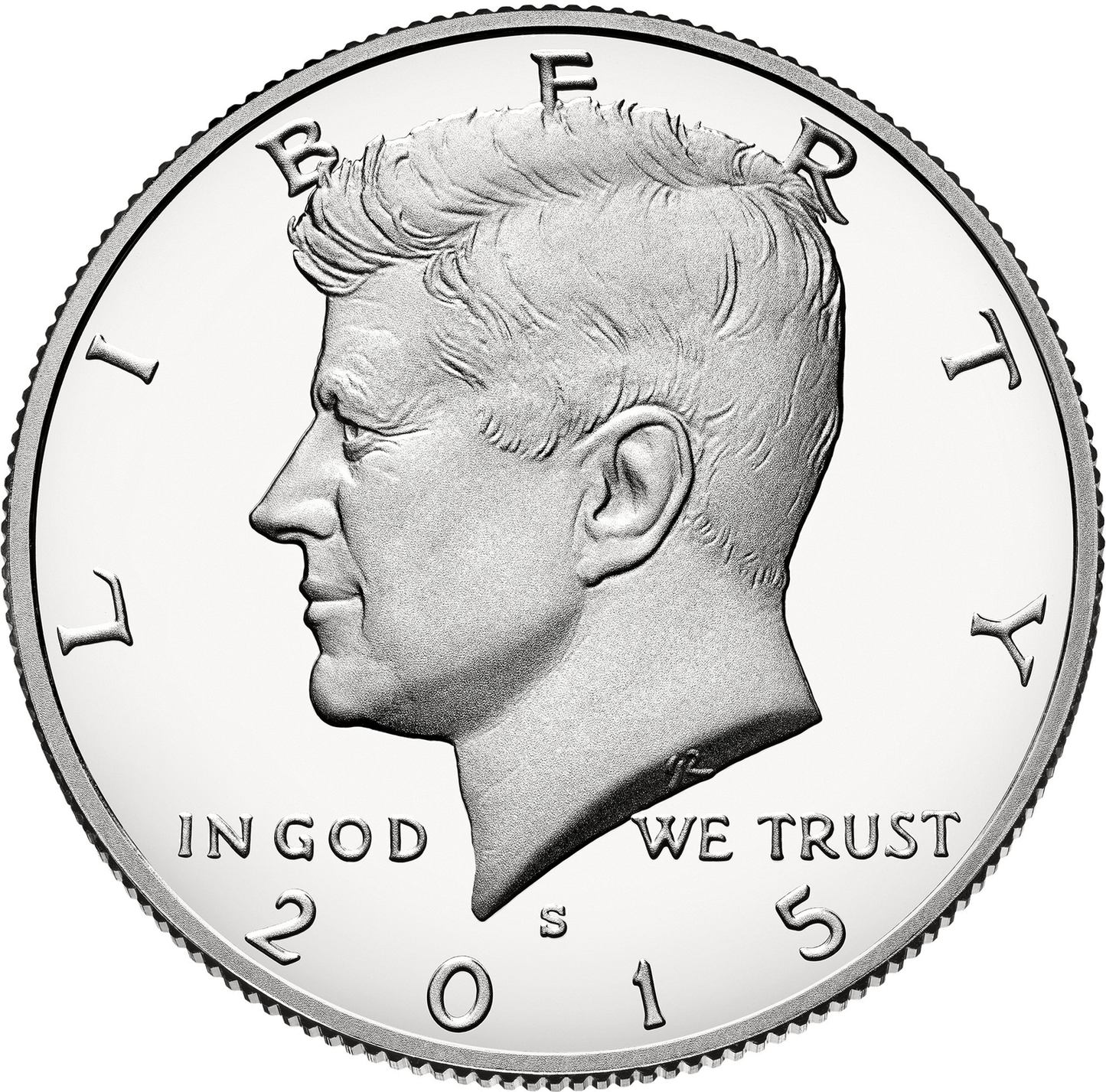
Millions of Americans grabbed these coins as souvenirs after President Kennedy’s assassination. They were hoarded out of respect and sentiment, which ironically kept them in better shape than typical circulating coins. The 1964 Kennedy half dollar was the last circulating 90% silver half dollar coin produced by the United States Mint.
Every 1964 Kennedy half is worth considerably more than its stated 50 cents face value due to its silver composition, and as of July 2025, each 1964 Kennedy half is worth $13.52 at a minimum based on silver spot price. That’s just the melt value. Coins in exceptional condition can fetch significantly more.
MS66 and MS67 coins remain affordable to most collectors, but superb gem examples at MS67+ or higher command premiums starting at about $3,000. Even a single example graded MS68 sold for a staggering $57,600 at Heritage Auctions in May 2024, according to CoinWeek reporting. The higher the grade, the more astronomical the price becomes.
Most people don’t realize how important condition is for these coins. The difference between a worn piece and an uncirculated specimen can mean thousands of dollars. Boomers who kept these coins untouched in original packaging or protective cases might be sitting on something genuinely valuable.
The 1943 Copper Penny
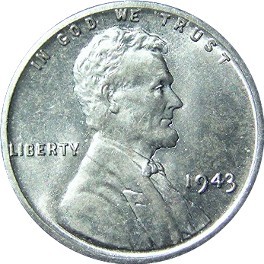
If you’ve ever heard of a “million-dollar penny,” this is it. All US pennies were supposed to be made of zinc-coated steel that year to conserve copper needed for wartime essentials like shell casings and telephone wire, but a small number of copper pennies were created by mistake. It’s one of the most famous error coins in American history.
For a Lincoln cent, the 1943 copper penny is extremely valuable, with circulated examples selling at auction in the past two years bringing between $240,000 and $336,000. The Denver mint version is even rarer. The all-time record price for a 1943 bronze cent is $1.7 million, paid for the only known example of a 1943-D copper penny graded MS64BN by Professional Coin Grading Service.
Only about 20 to 30 of these copper cents exist across all three mint locations, according to Gainesville Coins. Most were discovered decades ago, though new specimens occasionally surface. The San Francisco version is slightly more common than the Denver, yet still incredibly scarce.
Honestly, the odds of finding one are slim to none. Counterfeits are rampant because the value is so high. Steel pennies from 1943 are magnetic, while genuine copper ones are not. That’s the easiest test. Anyone who suspects they have one should get it professionally authenticated immediately.
Why Rare Coins Are Outperforming Traditional Investments
The rare coin market has been crushing it lately. The rare coin market showed a 20% increase in value over the past year as of March 2025, outpacing gold’s 10% rise, and this trend suggests they can hedge against inflation and market volatility. That kind of performance has caught the attention of serious investors looking beyond stocks and bonds.
The global rare coin market is valued at over $10 billion annually according to the Professional Numismatists Guild, and the Knight Frank Luxury Investment Index reported a 175% increase in the value of rare coins over the past decade. Those numbers speak for themselves. Rare coins aren’t just collectibles anymore; they’re legitimate alternative assets.
There’s something reassuring about tangible investments during uncertain times. You can hold a coin in your hand, unlike a stock certificate or digital asset. They can’t be hacked or deleted. Supply is finite, demand is growing, and historical significance adds layers of value beyond mere metal content.
Institutional investors are paying attention now too. Hedge funds and wealth management firms are exploring rare coins as serious portfolio diversifiers. Online platforms like Heritage Auctions and Stack’s Bowers have made buying and selling more accessible, expanding the market globally.
The Baby Boomer Advantage
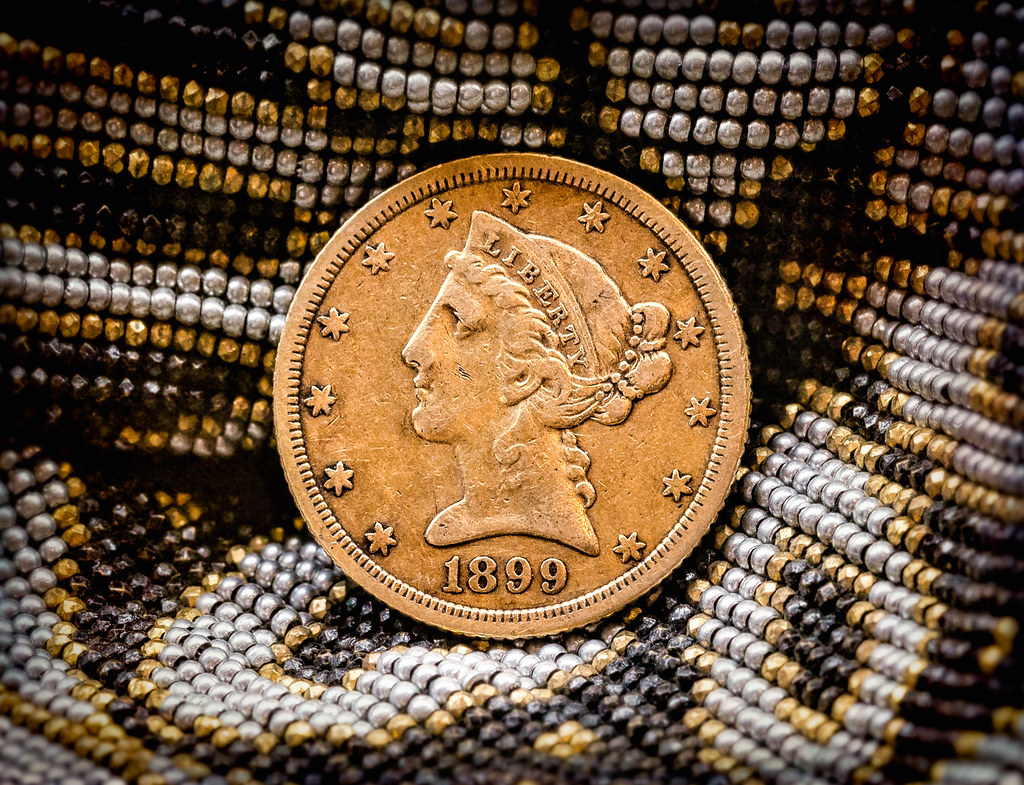
Boomers are in a unique position when it comes to coin collecting. Many started the hobby as kids, when collecting pennies, nickels, and dimes was a popular pastime. Those childhood collections, often forgotten or dismissed, might contain hidden treasures that have appreciated dramatically.
The coins that seemed common back in the 1950s and 1960s are now considerably older and scarcer. Natural attrition has reduced surviving populations. Coins get lost, damaged, melted down, or simply disappear over time. What seemed ordinary decades ago can be genuinely rare today.
Here’s the thing: many boomers also have the patience and perspective to hold assets long-term. They’re not looking for quick flips or overnight gains. That mindset aligns perfectly with rare coin investing, where value often accumulates gradually over decades. The coins they’ve held since childhood have had plenty of time to mature in value.
Another advantage is provenance. Boomers can often trace exactly where their coins came from, whether through inheritance, childhood collecting, or purchases made decades ago. That documented history can add value and authenticity, especially for high-grade specimens that might otherwise face scrutiny.
Market Trends Pointing Upward
In 2024, the American numismatic market registered a significant pick-up, as overall demand for rare coins rose steadily, and looking ahead, the rare coin market is poised for continued growth, with supply and demand fundamentals signaling an upward trend in value. The momentum doesn’t seem to be slowing down anytime soon.
Younger collectors are entering the market in surprising numbers. An influx of new U.S. investors flocked to the numismatic and bullion markets in 2024, with young professionals in particular entering the precious metals and numismatic markets, many participating for the first time. This generational shift brings fresh demand and potentially decades of sustained interest.
Technology is changing how people buy, sell, and authenticate coins. Mobile apps now offer real-time valuations and trading platforms. Digital marketplaces connect buyers and sellers across continents instantly. Grading services use advanced imaging and verification techniques that reduce counterfeiting risks.
In 2024, Stack’s Bowers achieved a historic $275.6 million in auction sales, the highest value the company has ever achieved. Major auction houses are setting records, and that kind of high-profile activity tends to generate even more interest. When million-dollar coins make headlines, people start checking their old collections.
Authentication and Professional Grading
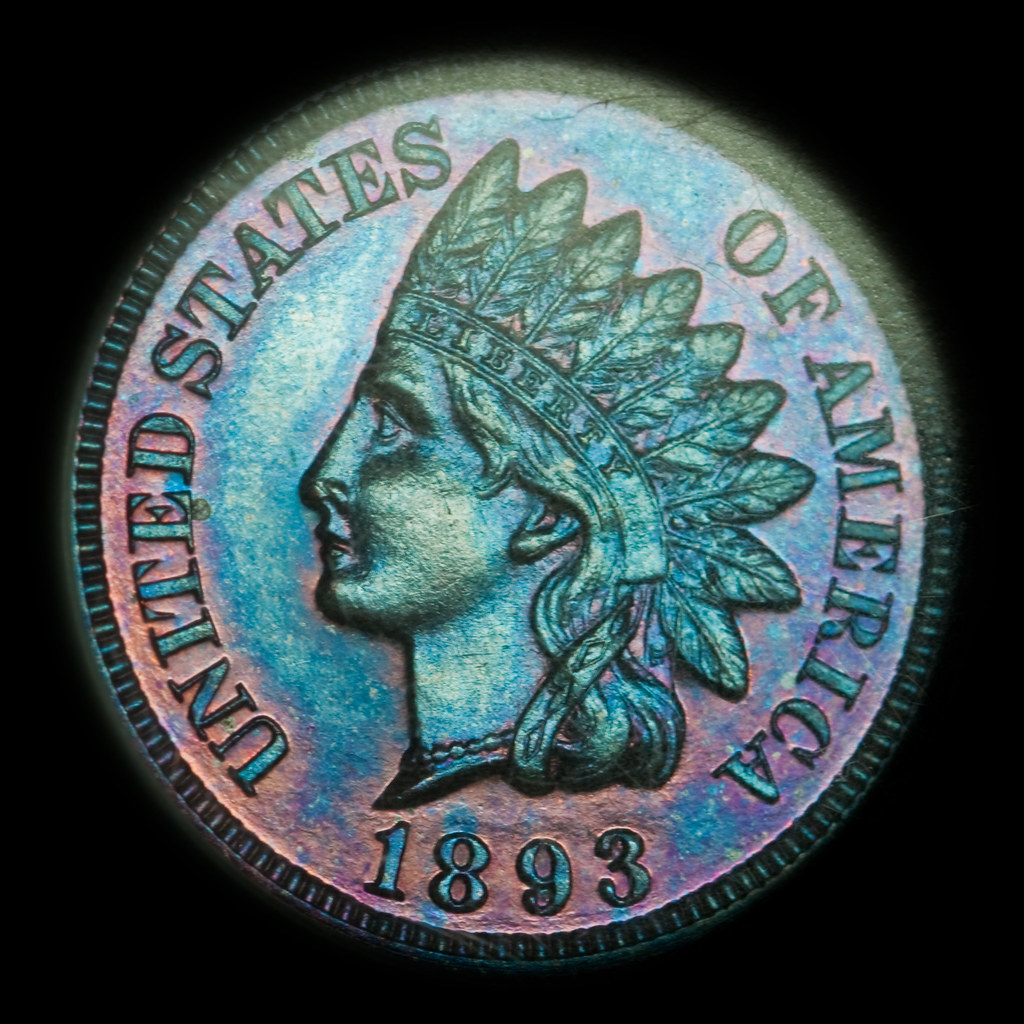
If you think you might have something valuable, getting it professionally graded is absolutely crucial. Services like PCGS, NGC, and CAC authenticate coins and encapsulate them in protective holders with certification. This process isn’t cheap, yet for genuinely rare coins, it’s essential.
Grading affects value tremendously. The difference between a coin graded MS64 versus MS67 can mean thousands or even tens of thousands of dollars. Professional graders examine strike quality, luster, surface preservation, and eye appeal using standardized scales. Their opinion carries weight with collectors and investors.
Counterfeits are a serious problem in the rare coin market, especially for high-value pieces. Altered dates, added mint marks, and outright fakes circulate regularly. Only certified authentication from reputable grading services provides the confidence needed for significant transactions.
Storage matters too. Coins should be kept in climate-controlled environments, away from moisture and contaminants. Even handling them improperly can reduce grade and value. Professional holders protect coins while allowing full visibility. Insurance becomes important for valuable collections, requiring appraisals and sometimes specialized policies.
When to Sell and When to Hold
The decision to sell depends on personal circumstances and market conditions. Some boomers are liquidating collections to fund retirement or pass wealth to heirs. Others prefer holding longer, anticipating further appreciation. There’s no universal right answer.
Market timing matters, yet predicting peaks is nearly impossible. Rare coin values can fluctuate based on collector demand, precious metal prices, economic conditions, and even generational preferences. Long-term trends tend to favor quality rarities, but short-term volatility happens.
Tax implications should be considered. Coins held for more than a year qualify for long-term capital gains treatment, which can be more favorable than ordinary income rates. Consulting with tax professionals before major sales is wise, especially for high-value transactions.
Estate planning is another factor. Rare coins can be passed to heirs, donated to museums, or sold through auctions. Each option has different tax and financial consequences. Proper documentation and professional appraisals help ensure smooth transitions and fair valuations.
Conclusion
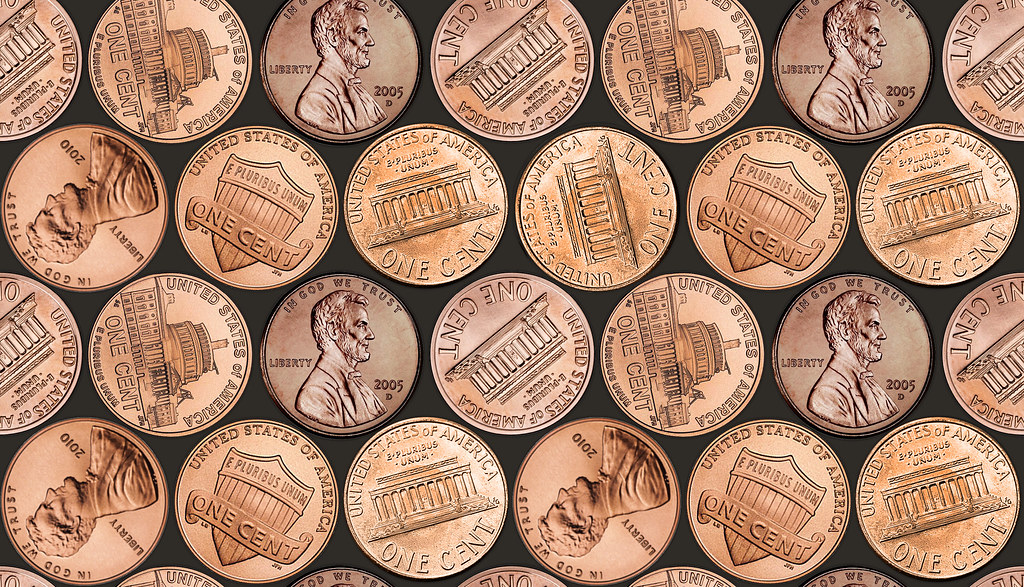
Rare coins represent a fascinating intersection of history, artistry, and investment potential. For baby boomers who held onto coins from their youth, the patience has paid off in ways few could have predicted. The 1909-S VDB penny, 1964 Kennedy half dollar, and 1943 copper penny stand out as particularly valuable pieces worth holding onto longer.
Market fundamentals look strong, with growing demand, limited supply, and increasing mainstream acceptance of rare coins as alternative investments. Whether you’re sitting on a childhood collection or inherited coins from previous generations, now might be the perfect time to have them properly evaluated. You never know what treasures might be hiding in plain sight. What rare coins do you have tucked away? You might be surprised at what they’re worth today.





Leave a Reply