
Tavira, Portugal

Tavira sits on a river in the eastern Algarve, close enough to the coast for a short ferry ride to the beach. Tavira is a river town in the eastern Algarve, just a short ferry ride from the sea, with a municipality population of around 28,000, and within minutes of driving out of town you pass through orange groves and up into gentle rolling hills. It has a reputation as one of the most photogenic towns in the region, without the crowds that pack the western Algarve in summer.
Housing costs remain reasonable by Western European standards. Towns like Tavira, Olhão, and São Brás de Alportel offer lower rental prices in the range of €600 to €900 per month for apartments. For Americans, the path to residency runs through Portugal’s passive income visa, and on January 1, 2026, the Portugal D7 Visa minimum passive income requirement was €920 per month, which is tied to the national minimum wage and totals around €11,040 per year for a single applicant. That figure sits comfortably below the average monthly Social Security benefit, which is part of why Tavira keeps attracting retirees drawing modest fixed incomes.
Chania, Crete, Greece
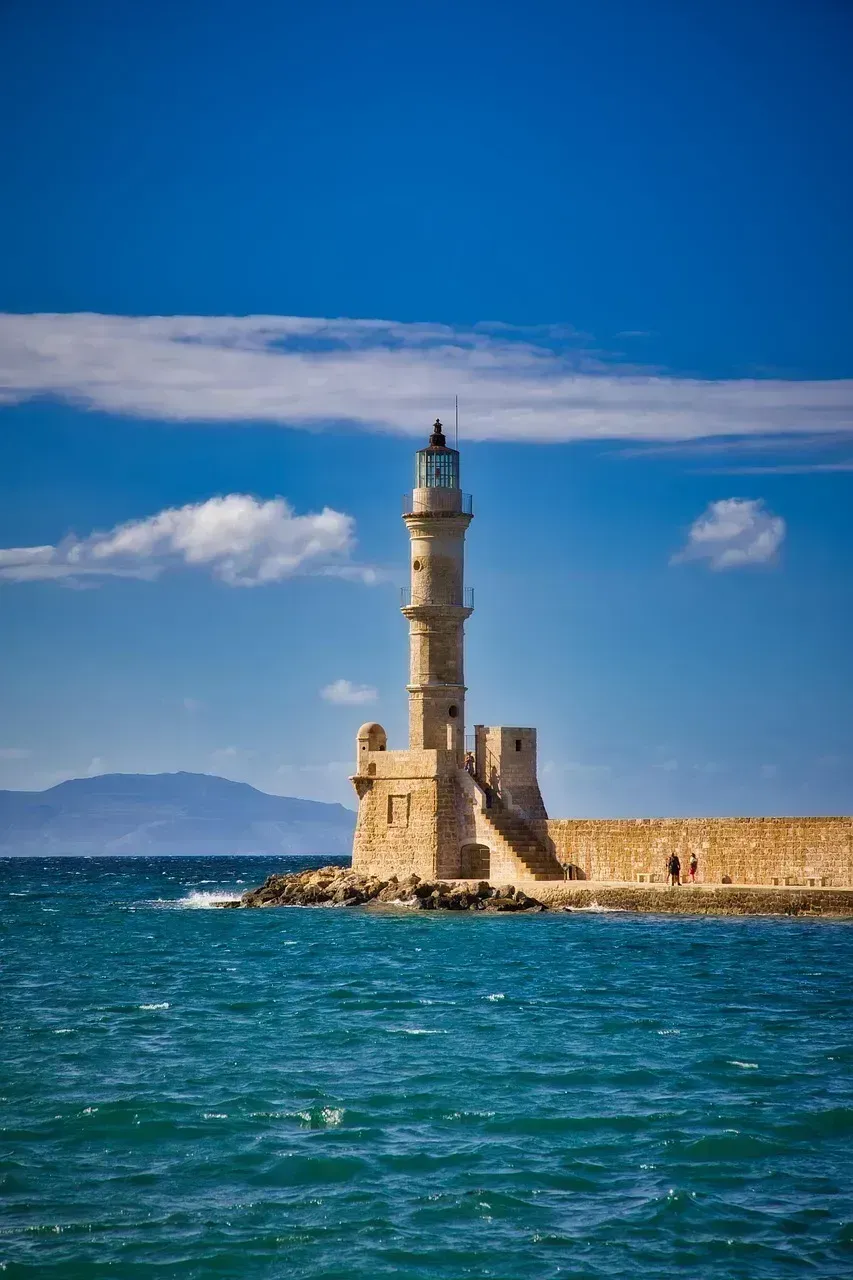
Greece has spent years building a reputation as an underrated retirement destination, and recent rankings back that up. International Living’s 2026 Global Retirement Index placed Greece at number one for the first time in the index’s 35-year history, citing a combination of climate, healthcare access, housing affordability, and an increasingly retiree-friendly residency landscape. Chania, on Crete’s northwest coast, offers mild winters and easy flight connections to the rest of Europe, making it a practical full-time base rather than just a summer escape.
Rents in Chania remain accessible for a coastal European town. A furnished two-bedroom, two-bathroom apartment in a nice area rents for around $860 per month, and a comparable purchase would cost about $250,000. Greece also sweetens the deal on taxes, since it offers one of Europe’s most attractive tax regimes for retirees, with a 7% flat tax on foreign pension income subject to qualification. That said, the residency path itself has gotten stricter. Retirees applying through Greece’s Financially Independent Person permit now need to show passive earnings of at least €3,500 per month from fixed sources, up from an earlier minimum of €2,000 per month before the change under Law 5038/2023. A single Social Security check alone likely won’t clear that bar, so many retirees combine it with pension or investment income, or explore the exception for those already drawing a pension from a Greek insurance agency.
Alicante, Spain
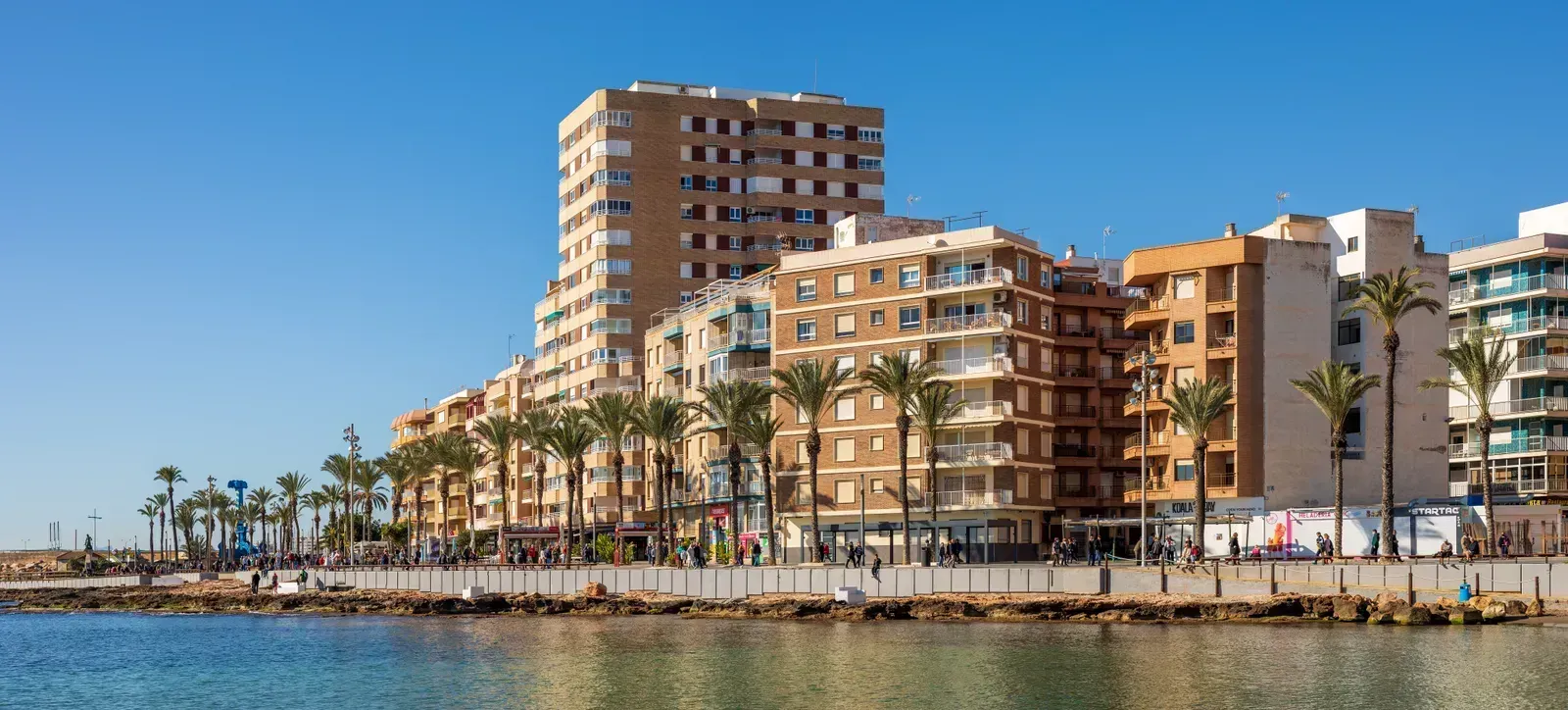
Alicante anchors the Costa Blanca, a stretch of Mediterranean coastline that draws retirees for its climate as much as its price tag. Alicante lies on the Costa Blanca, a 120-mile stretch along Spain’s eastern Mediterranean coast that runs from the town of Dénia in the north south toward Almería. The region gets an unusually high number of sunny days a year, which shapes everyday life around outdoor cafes, long walks, and late dinners.
Nearby Valencia gives a useful benchmark for rental costs in the region. In cities such as Valencia, average rent typically ranges from €850 to €1,100 per month, significantly lower than many UK cities. On the visa side, Spain’s non-lucrative visa remains the standard route for retirees who are not EU citizens. Spain’s non-lucrative visa is the top option for retirees who can show passive income or savings, with requirements currently sitting at €28,800 for the main applicant. That threshold is higher than Portugal’s, which is worth factoring in before setting a budget around this coastline.
Cagliari, Sardinia, Italy
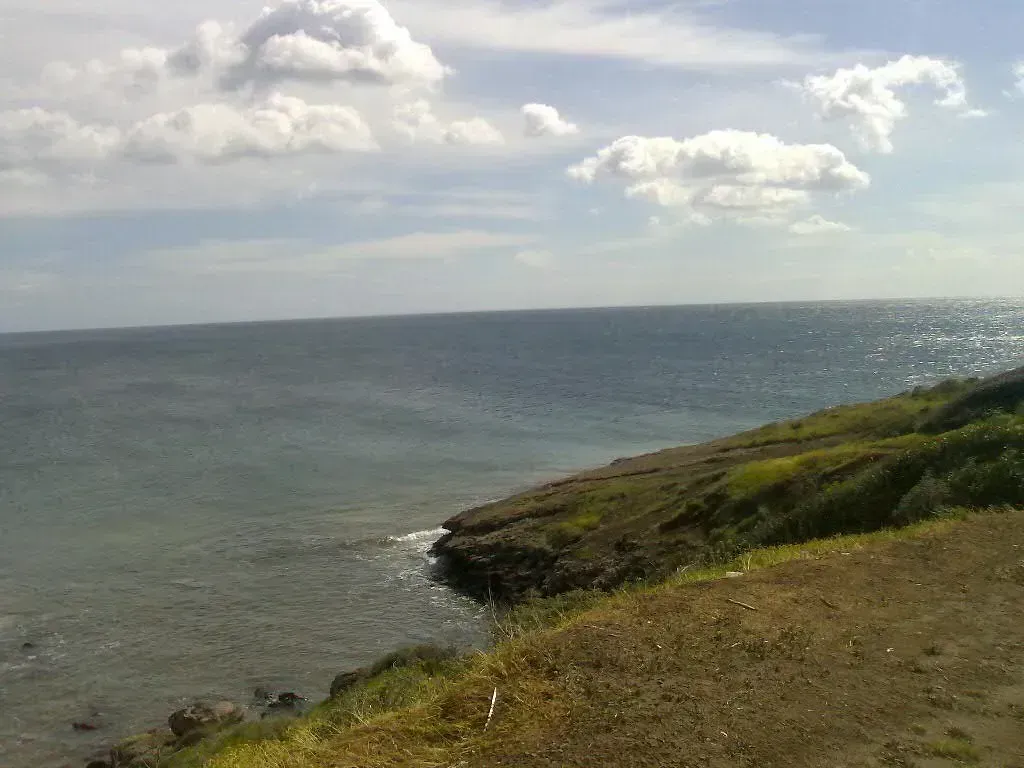
Sardinia offers something a little different from mainland Italy: a slower, more insular rhythm paired with genuinely dramatic coastline. Cagliari, the capital, offers lively streets, beaches, and an English-friendly expat community, while Alghero charms with its Catalan heritage, seafood, and medieval old town. Winters are mild and summers are warm and dry, which makes the island livable year round rather than just a summer rental market.
Day-to-day costs stay reasonable outside the peak tourist zones. Life here can be surprisingly affordable, with furnished apartments starting around $400 to $950 per month, groceries and dining out reasonably priced, and transport costs low. Italy’s Elective Residence Visa is the standard route for non-EU retirees, and it carries a notably higher bar than Portugal’s or Montenegro’s options. Italy’s Elective Residence Visa requires proof of stable passive income of approximately €31,000 per year and suitable housing. The upside for those who qualify is a genuine tax incentive. Italy offers a 7% flat tax on all foreign-sourced income for up to ten years to individuals who establish tax residency in a qualifying Southern Italian municipality with fewer than 20,000 inhabitants, and eligible regions include Sicily, Sardinia, Calabria, Campania, Puglia, Basilicata, Abruzzo, and Molise.
Kotor Bay, Montenegro
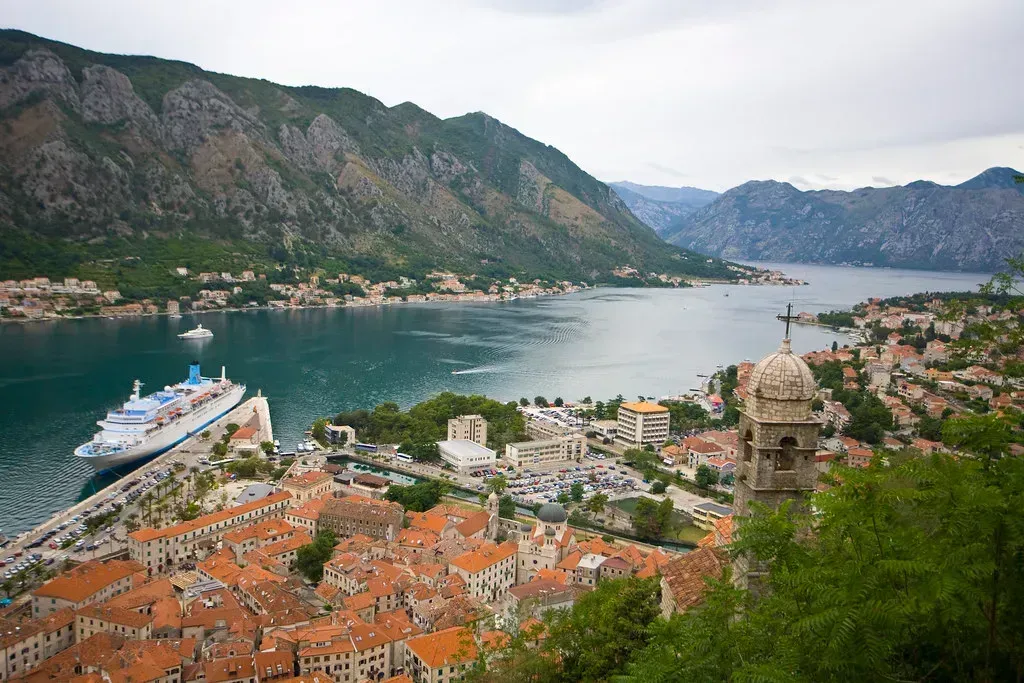
Kotor Bay looks almost engineered for postcards, and it consistently ranks among Europe’s most photographed coastal landscapes. Montenegro’s Kotor Bay is a deep, fjord-like inlet ringed by medieval walls, ochre-roofed towns, and mountains that plunge directly into Adriatic water. Being outside the European Union changes the calculation for American retirees in a useful way, since the country has built its residency system with flexibility in mind for exactly this kind of applicant.
Costs here run lower than almost anywhere else on this list with comparable scenery. Furnished rentals in the Kotor area start at $500–$900 a month, and meals at local restaurants hover under $20, making Montenegro genuinely affordable while being genuinely extraordinary to live in. Taxes are light too. A 9 to 15% personal income tax scale means retirees on modest pension income face light local tax burdens, and Montenegro’s specific advantage for Americans is its non-EU status, since the country is actively pursuing EU membership expected in the early 2030s and has designed its residency system to be flexible and accessible. Property ownership is also directly tied to some residency pathways here, which is not something every European country offers.
Olomouc, Czech Republic
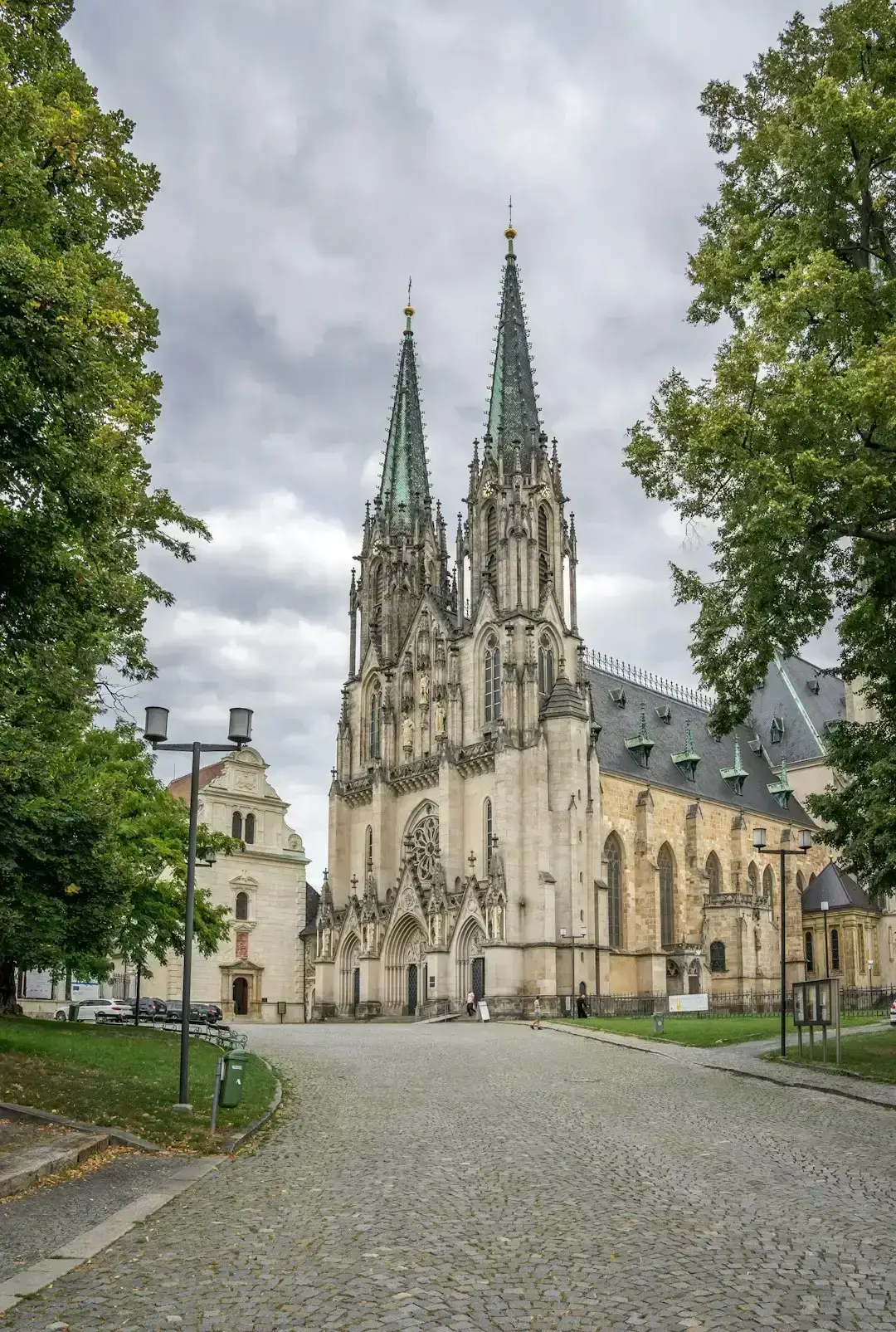
Olomouc rarely makes the shortlist of famous European retirement spots, which is exactly why it is worth a look. Olomouc is a beautiful and historic city in Moravia known for its authentic atmosphere and extremely affordable living costs. The city has a real university-town energy, with baroque architecture, an old town square, and none of the tourist saturation found in Prague.
Costs of living stay noticeably lower than in Western Europe, which is a big part of the appeal for anyone budgeting around a fixed Social Security payment. As an EU member state, the Czech Republic also offers a more predictable residency process than some non-EU alternatives, since applicants generally need to show sufficient stable income rather than meet a specific investment threshold. One practical note for planning purposes: it’s wise to budget for higher heating costs during the cold but picturesque Central European winters. Beyond that seasonal expense, day-to-day life in Olomouc runs on a noticeably smaller budget than most Western European cities of comparable size and charm.
Taken together, these six towns show how differently the numbers work out depending on the country. Portugal’s D7 Visa remains the lowest financial bar in the group, sitting near €920 a month, while Greece’s FIP permit and Italy’s Elective Residence Visa both sit well above a typical Social Security check on their own. Montenegro and the Czech Republic offer a middle path with lower living costs and lighter residency requirements, which is often the more realistic route for a retiree relying on Social Security as a primary income source. The right choice usually comes down to matching a specific visa threshold and monthly budget to the benefit amount already coming in, rather than picking a town on charm alone.




Leave a Reply