
Walk into a diner today and the menu looks familiar. Eggs, pancakes, bacon, hash browns, a bottomless mug of coffee. Look closer, though, and a few older dishes have quietly slipped off the laminated pages.
There’s no single official count of what’s vanishing, and nobody tracks it neatly. What follows is based on how these dishes are traditionally made, where they came from, and why they’re harder to sell now. Some haven’t vanished entirely, but they’ve become the sort of thing you have to hunt for.
Creamed Chipped Beef on Toast
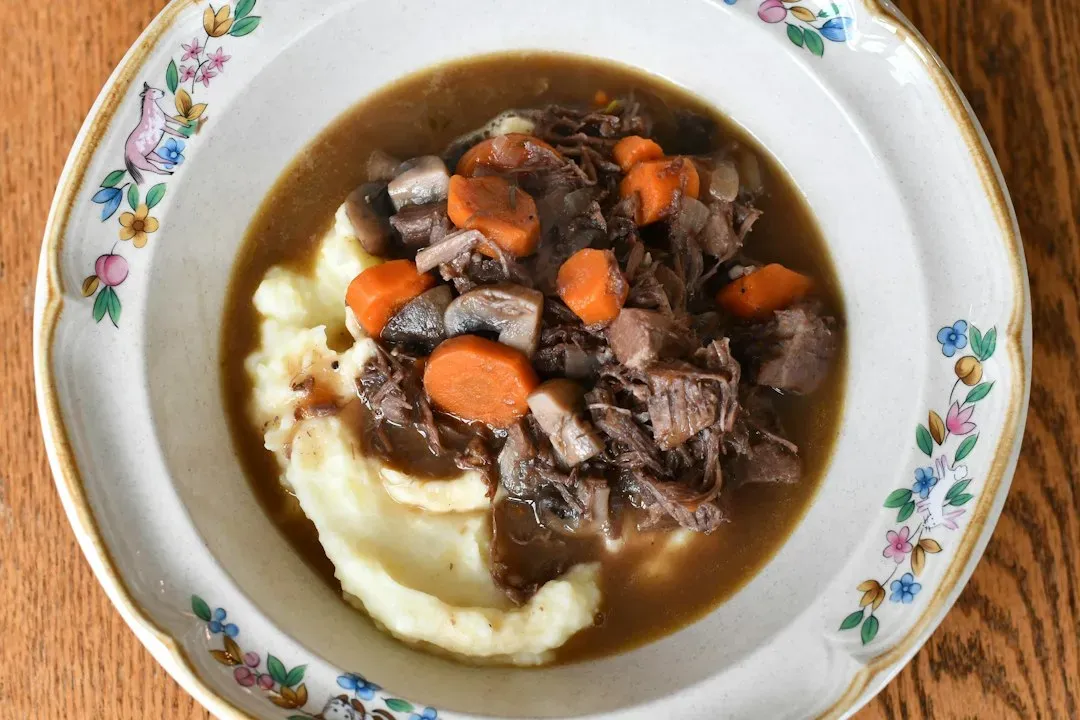
Dried, salted beef in a white sauce, ladled over toast. It’s long been tied to the American military, where it picked up a rude nickname that I won’t repeat here. Plenty of veterans and their families grew up eating it, and diners once served it as a cheap, filling plate.
Today it shows up mostly in regional diners, especially in parts of Pennsylvania and the Mid-Atlantic. Younger customers tend to see it as an oddity, and dried beef isn’t a pantry item most cooks reach for anymore. Fewer kitchens keep it stocked, so it fades.
Scrapple
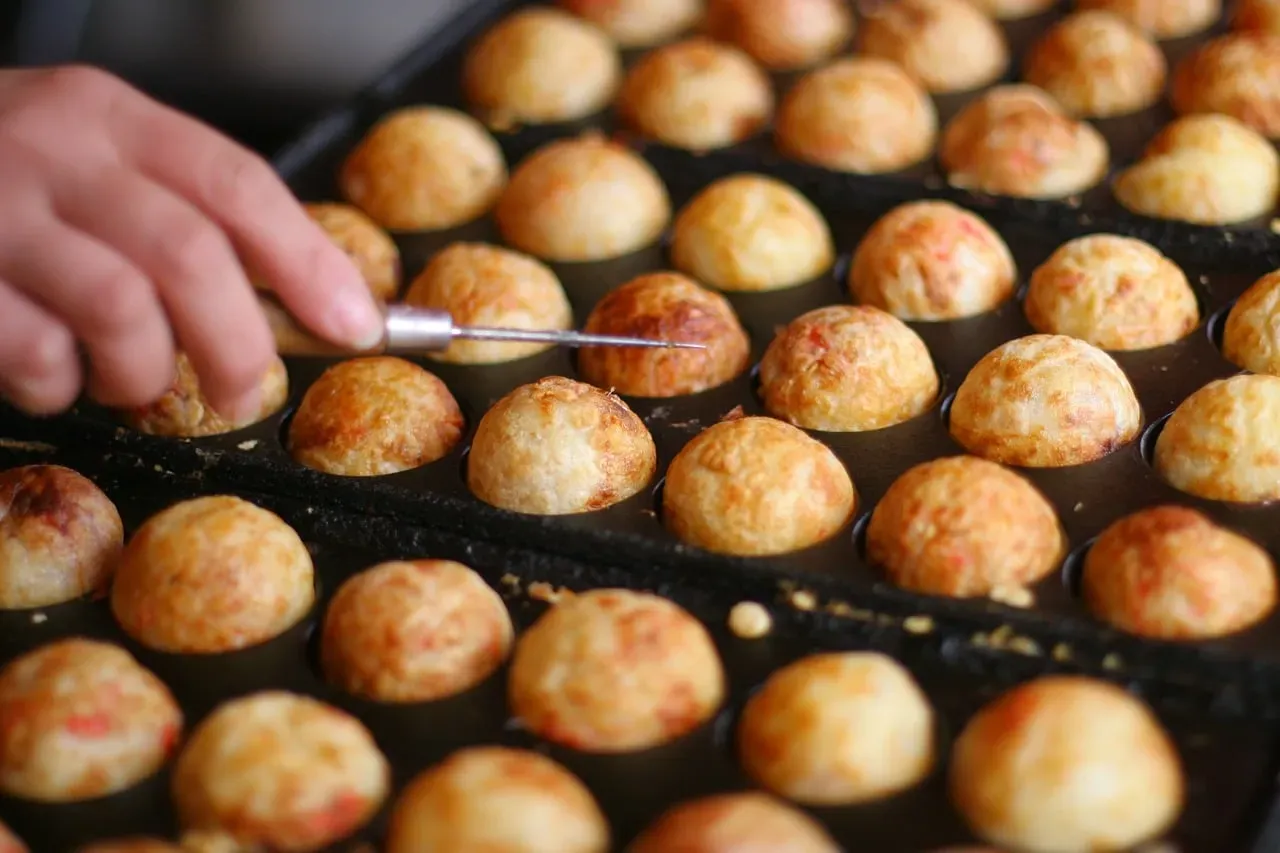
Scrapple is a Pennsylvania Dutch creation, made from pork scraps and trimmings cooked with cornmeal and spices, then set into a loaf and sliced. Griddle it until the edges crisp and it’s a savory, peppery side that sits next to eggs. It was designed to use as much of the animal as possible.
That nose to tail thinking is exactly why some modern diners shy away from it. The ingredient list makes many first time customers hesitate. It remains a solid regional staple around Philadelphia and nearby states, but outside that area it’s rarely on the menu.
Country Ham With Red Eye Gravy
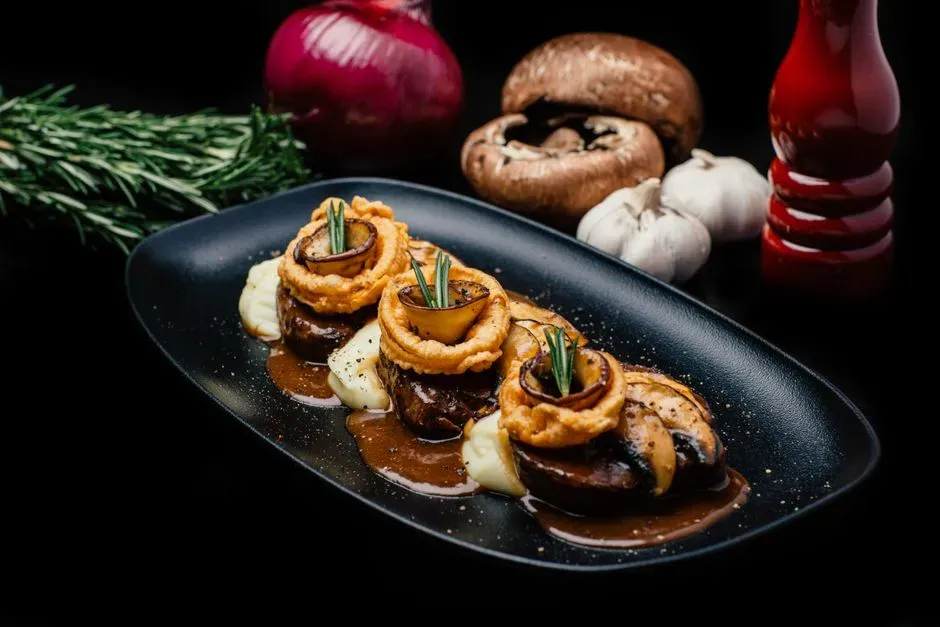
Red eye gravy is a Southern classic built from the drippings of fried country ham, often loosened with black coffee. It’s thin, salty, and bold, nothing like the thick sausage gravy most people now associate with biscuits. Traditionally it gets spooned over ham, grits, or biscuits.
Country ham is dry cured and very salty, which doesn’t suit every palate. The gravy also depends on a skillet and a cook who knows the method, and that’s less common in high volume kitchens. Sausage gravy is easier and more popular, so it has largely taken over the spot.
Fried Cornmeal Mush
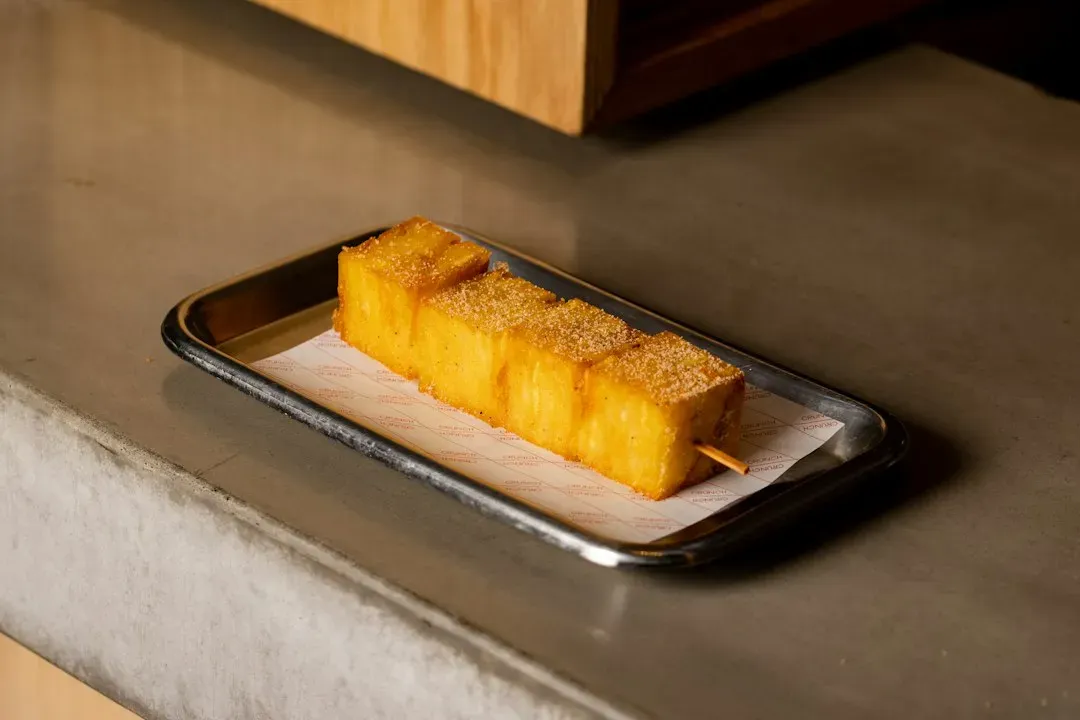
Cornmeal mush is boiled cornmeal that’s poured into a pan, chilled until firm, then sliced and fried. Served with syrup or butter, it was once a thrifty breakfast across the Midwest and South. It has relatives in the Italian polenta tradition and in scrapple itself.
It takes advance prep, since the mush has to set before it hits the griddle. That planning is a hard fit for a busy morning rush. Grits remain widespread in the South, while fried mush has become a rare find.
Broiled Half Grapefruit

A halved grapefruit, sometimes broiled with a little sugar on top, was once a standard way to start a diner breakfast. It was light, bright, and often listed near the juices. For much of the twentieth century it carried a wholesome, health minded reputation.
Grapefruit can interact with certain medications, which is a well documented concern, and that has made some people wary. Tastes have also moved toward sweeter fruit and smoothies. The dish now looks like a relic beside the avocado toast and fruit bowls that have replaced it.
Canned Style Corned Beef Hash
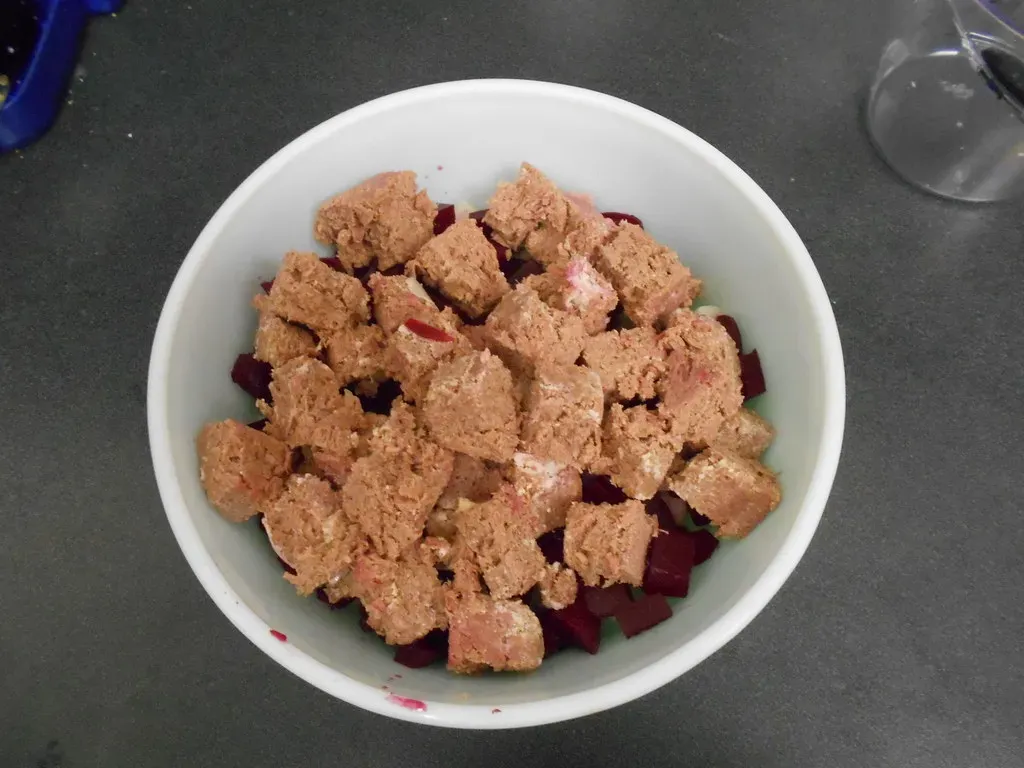
Diner hash has traditionally meant chopped corned beef and potatoes, browned hard on the flat top and topped with eggs. Many old school diners leaned on canned hash because it was consistent and quick. That crisp, salty crust was the whole point.
Plenty of places still serve hash, but a growing number make a house version from scratch or have dropped it altogether. Rising food costs and a push toward fresher, more scratch made menus have changed what kitchens offer. The canned original, with its distinctive texture, is the version that’s getting harder to find.





Leave a Reply