
Some dinners never make it onto a recipe blog. They live on a stained index card, or in someone’s head, and they show up on the table every Tuesday without a word of explanation. The classic three ingredient casserole is one of those meals.
The usual version is simple: a protein, a canned condensed soup, and something starchy or crunchy on top. It’s easy to wave off as dated. Still, it’s worth asking why a dish built on so little has lasted for generations, and whether it actually holds up in a modern kitchen.
Where the Weekly Casserole Came From
Casseroles took off in American homes in the early to mid twentieth century. Canned goods, refrigerators and home ovens were becoming common, and cooks needed meals that were cheap and reliable. Condensed soup companies leaned into this by printing recipes right on their labels and in their marketing.
The green bean casserole is the best known example. It was created in 1955 by Dorcas Reilly in the Campbell Soup Company test kitchen, and it used items most households already had. That origin tells you a lot about the genre, which was designed for convenience from the start.
What Counts as Three Ingredients
There’s no official formula, but the pattern is easy to spot. You need a main, a binder, and a topping or base. Think chicken, cream of mushroom soup and rice, or ground beef, tomato soup and pasta.
Salt, pepper and water usually don’t get counted, and that’s the common convention in “three ingredient” recipes. Being upfront about this matters, because the label can feel like a small cheat. Even so, the shopping list stays short, and that’s the real appeal.
Why the Method Works
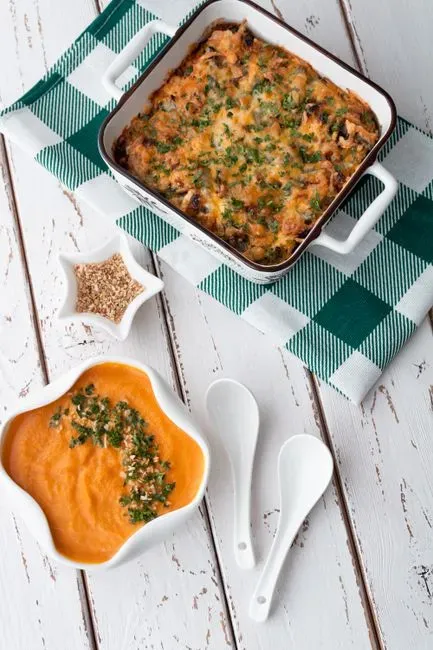
Condensed soup does a surprising amount of work. It brings fat, salt, starch and savory flavor in one can, so it acts as a sauce and a seasoning at the same time. As the dish bakes, the liquid loosens, the starch thickens, and everything blends together.
Baking in a single dish also keeps the process forgiving. There’s little chopping, and the oven does the watching. A cook who’s tired after work can still get a hot dinner on the table.
The Cost Advantage in a Pricey Era

Food prices climbed sharply after 2021, and grocery budgets are still a worry for many households. The USDA’s Economic Research Service has tracked food at home prices rising noticeably over the past several years, even as the pace of increases has eased. In that climate, a dinner built on pantry staples looks smart.
Canned soup, rice, pasta and frozen vegetables are among the cheaper items in the store. A casserole stretches a modest amount of meat across a whole family, and leftovers cover another meal. That stretching ability was the point decades ago, and it still is.
The Nutrition Question

This is where the dish shows its age. Condensed soups tend to be high in sodium, and a single can often contains a large share of the daily limit that U.S. dietary guidelines suggest for adults. Dietary Guidelines for Americans, 2020 to 2025, recommend adults keep sodium under 2,300 milligrams a day.
The fix isn’t complicated. Reduced sodium soups are widely sold, and they cut the salt considerably. You can also add frozen broccoli or peas, which boosts fiber and vegetables without adding a fourth “real” ingredient to the shopping trip.
Easy Swaps That Keep the Spirit
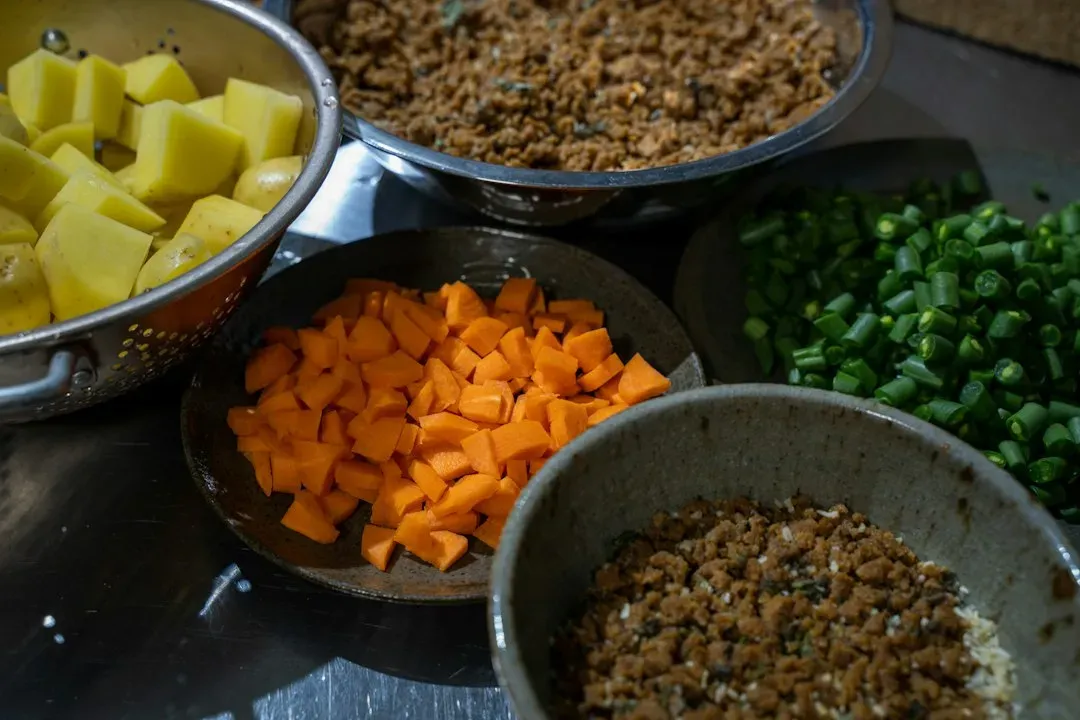
Small changes can modernize the dish without ruining it. Brown rice or whole wheat pasta adds fiber, and rotisserie chicken saves time. Plain yogurt or a little milk can lighten the sauce if you’re using less soup.
Toppings are another place to experiment. Crushed crackers, breadcrumbs or crispy onions all give the crunch people remember. Keep the structure intact, and the casserole still feels like itself.
Made Ahead and Made to Last
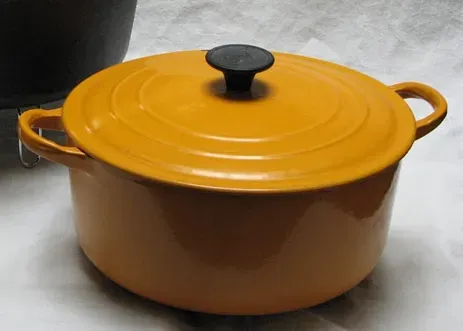
One reason a weekly casserole earned its place is how well it travels and keeps. It can be assembled in advance, refrigerated, and baked when needed. The USDA advises that cooked leftovers be refrigerated within two hours and eaten within three to four days.
Many casseroles also freeze well, especially ones without a crisp topping. Add the crunchy layer after reheating so it doesn’t turn soggy. That small step makes a big difference in texture.
Why Repetition Is Comforting

Eating the same dish each week sounds dull, yet routines have real value for busy families. Meal planning takes mental energy, and a fixed menu item removes one decision from the week. Kids also tend to accept foods they see often, a pattern that child nutrition researchers have described as the effect of repeated exposure.
There’s an emotional side too, though it’s harder to measure. A familiar smell from the oven can tie a regular night to a particular home. That attachment is probably why so many people still cook their parents’ recipes.
How It Stacks Up Against Modern Shortcuts
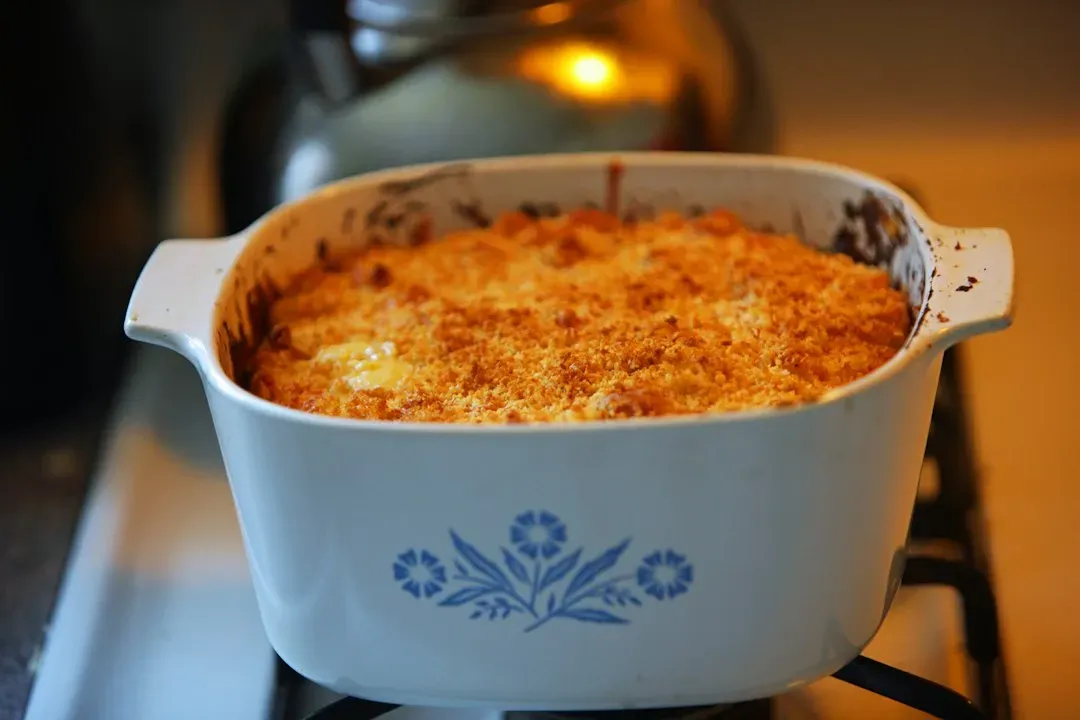
Meal kits, air fryer recipes and sheet pan dinners now compete for the same weeknight slot. Many are quicker or lighter, and some are genuinely better for you. The casserole still wins on price, simplicity and the lack of special equipment.
It’s not the healthiest option or the fastest, and it doesn’t need to be. For a cook who wants dependable results from a short grocery list, it remains a practical choice. With a few thoughtful swaps, the old three ingredient casserole fits a 2026 kitchen just fine.




Leave a Reply