
Storage containers are easy to love. They promise order, a tidy closet, and a garage floor you can actually see. Yet it’s just as easy to come home with a stack of bins that don’t fit the space, don’t protect what’s inside, or simply hold more clutter.
Before you add another one to the cart, it helps to pause and run through a short checklist. These six questions are practical, evergreen, and based on how storage actually works in homes, garages, and small spaces.
1. Do I Really Need More Storage, or Do I Need to Own Less?
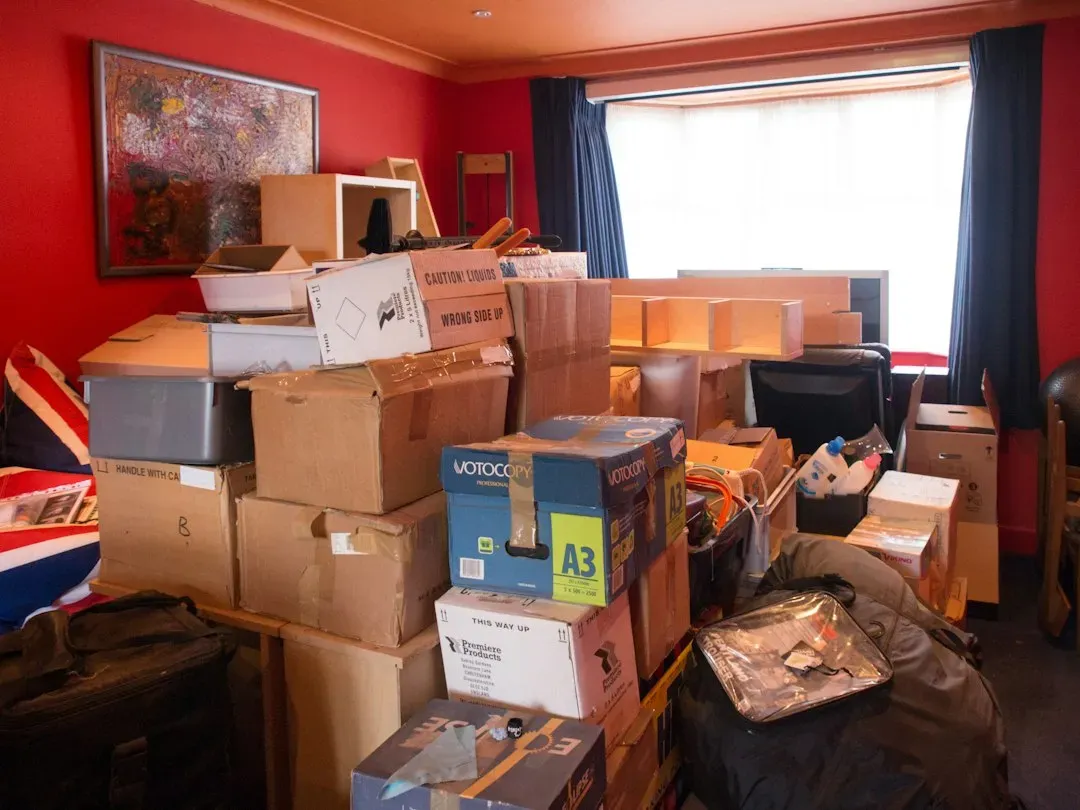
A container solves a storage problem, but it doesn’t solve an excess problem. If your shelves are already full, a new bin often just hides the overflow for a while. Professional organizers commonly recommend sorting and decluttering first, so you buy for what you’re keeping rather than for what you’re avoiding.
Try a quick test. Empty the area you want to organize, sort items into keep, donate, and discard, and only then count what remains. You may find you need one container instead of four, which saves money and space.
2. What Exactly Will Go Inside It?
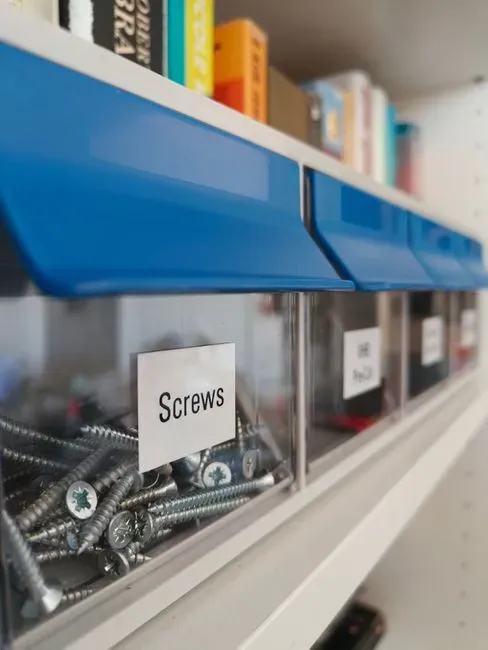
Different items have different needs. Heavy tools call for rigid, sturdy bins with strong handles, while out-of-season clothes can sit in lighter plastic or fabric options. Fragile items such as glassware or keepsakes need padding and a container that won’t crush under weight.
Write a short list of the items before you shop. That list will guide the size, material, and strength you need. It also keeps you from buying a generic set that suits nothing in particular.
3. Do the Measurements Actually Work?
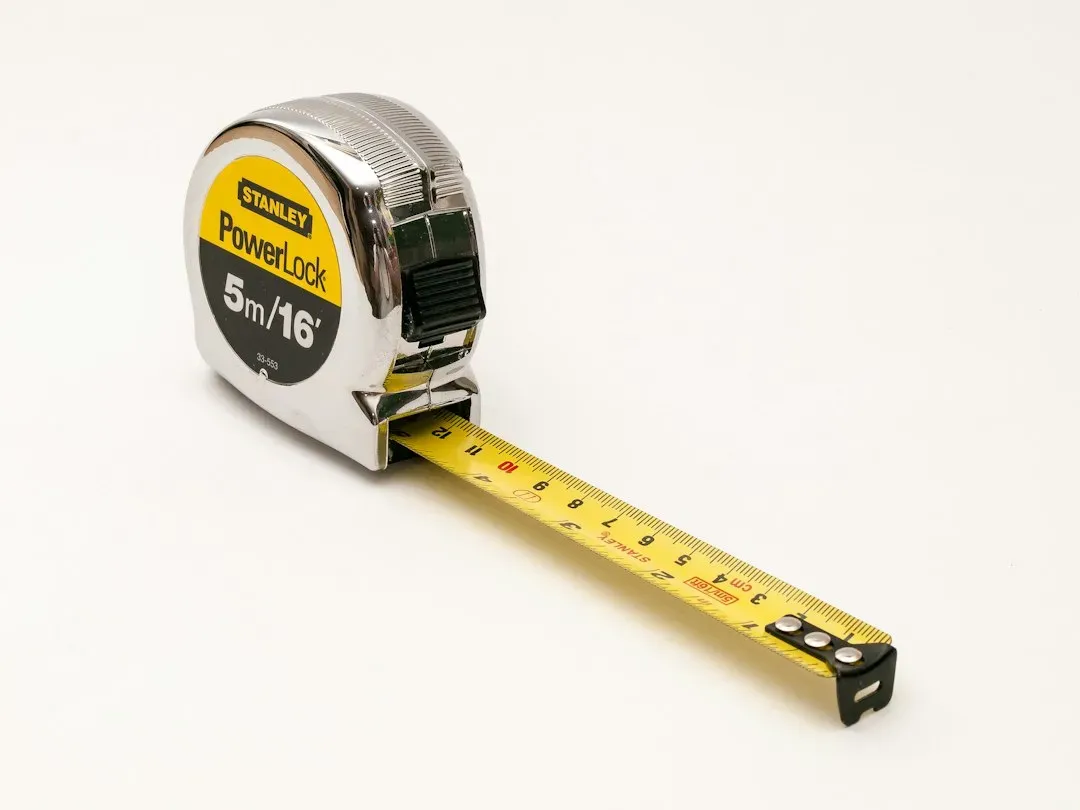
Measure the shelf, closet, or corner where the container will live, including height, depth, and door clearance. Many people measure the width and forget that a lid needs room to open or that a stacked tower can’t clear a low ceiling or a shelf above it. Check the container’s listed exterior dimensions, not just its capacity in quarts or liters, since the walls and lid add bulk.
Think about access too. A deep bin at the back of a shelf is one you’ll rarely open. If you’ll need something often, choose a size you can pull out and carry comfortably when it’s full.
4. Is the Material Right for the Conditions?
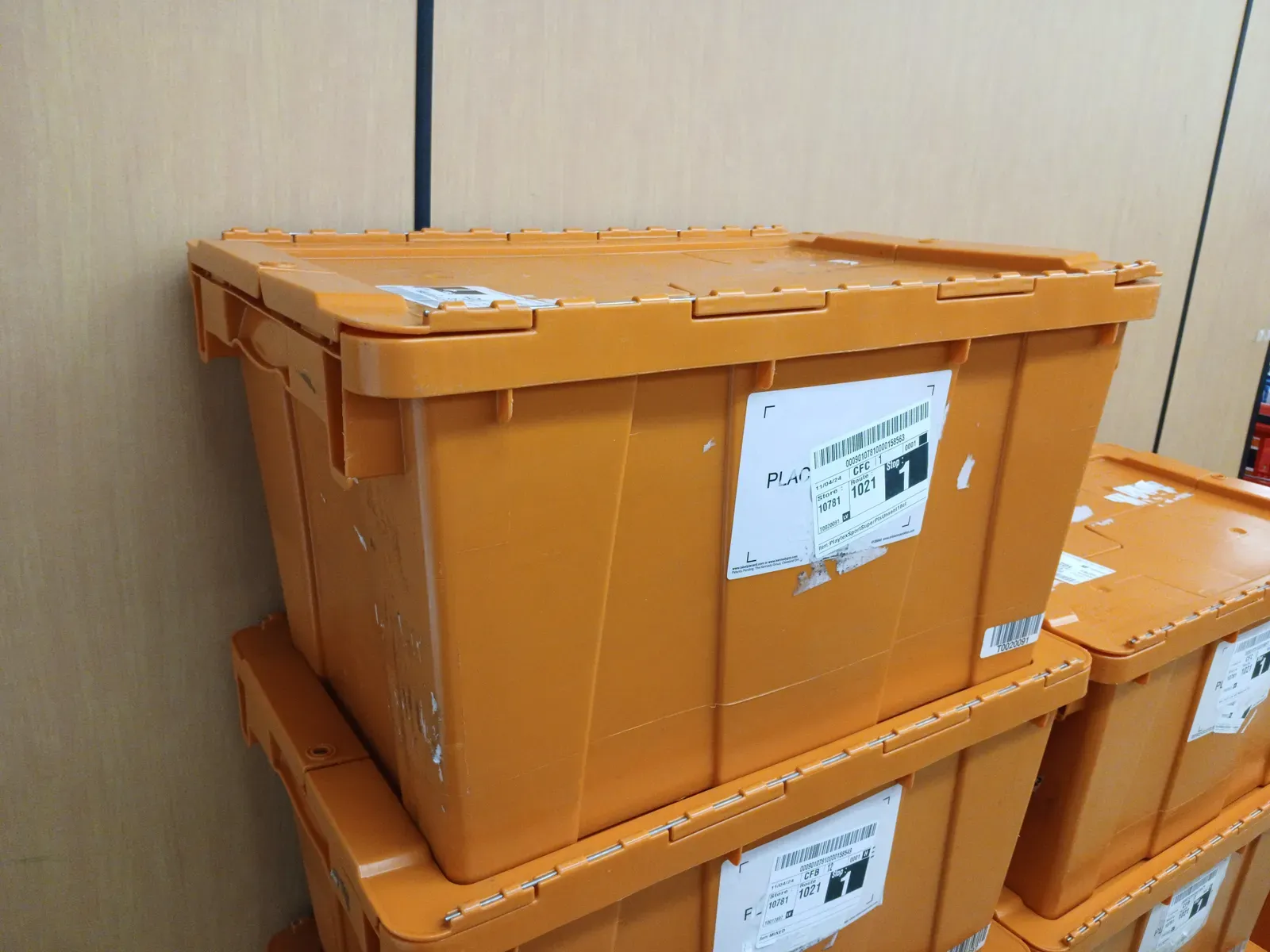
Where the container sits matters as much as what’s in it. Garages, attics, and basements can swing in temperature and humidity, which can warp cheap plastic, encourage mildew, or damage paper and fabric. Sealed, gasketed lids offer better protection against moisture and pests than simple snap-on lids, though no container is completely foolproof.
Clear plastic makes contents easy to identify, while opaque bins block light that can fade or degrade some items. Cardboard is fine for short-term use but absorbs moisture and attracts pests, so it’s a poor choice for long-term storage in damp areas. Match the material to the room, not to the look of the aisle display.
5. Will It Fit With the Containers I Already Own?
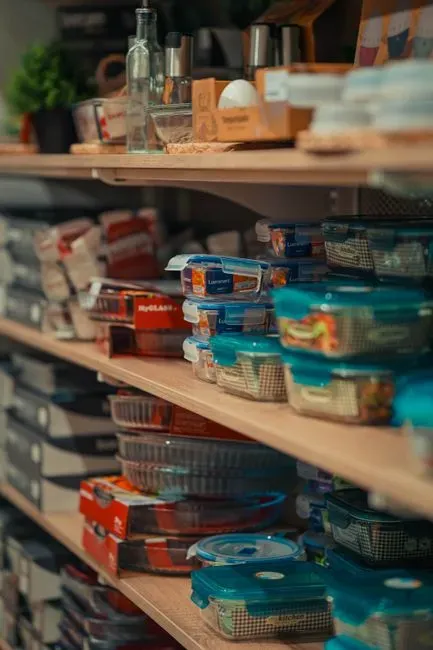
Mixing shapes and brands often leads to wobbly stacks and wasted space. Before buying, check whether the new container nests, stacks, or shares a footprint with what you have. Staying within one product line usually makes shelves neater, though manufacturers do discontinue lines, so a perfect match isn’t guaranteed later.
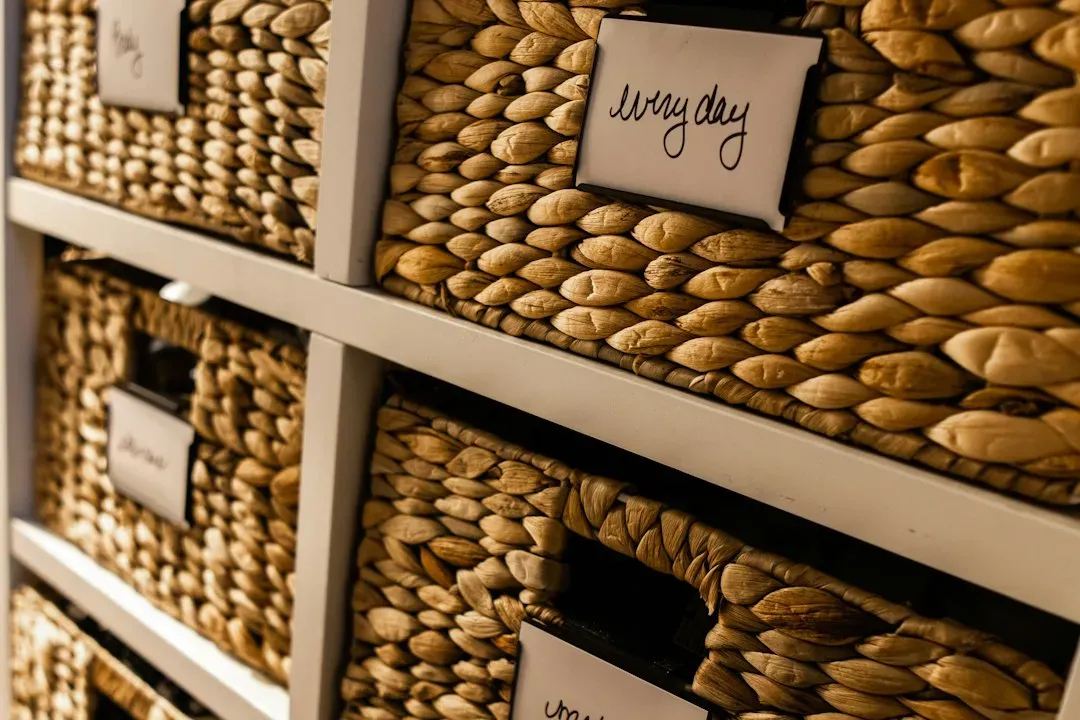
Consider labels as well. A uniform system with clear label spots makes it quicker to find things, and it reduces the temptation to open every box. If your current containers already work, a matching addition is usually a smarter buy than a new style.
6. What Is the Real Cost, and What Happens to It Later?
Price per container can mislead. A slightly more expensive bin that lasts for years beats a cheap one that cracks after a season or two. Look at the warranty, user reviews, and whether the lid, latches, and hinges feel sturdy rather than flimsy.
Think about the end of its life, too. Many rigid storage bins are made from recyclable plastics, but acceptance varies by local program, so check your municipality’s rules. Buying fewer, better containers is usually the more economical and less wasteful path.
In the end, a good storage purchase starts with a clear purpose. Decide what you’re keeping, measure the space, match the material to the environment, and choose something you’ll still be glad to use years from now. A container that earns its spot is worth buying; one that only postpones a decision rarely is.





Leave a Reply