
Breakfast in the South runs on its own logic, and visitors from other parts of the country often notice it before they’ve even finished their coffee. Plates arrive loaded with foods that seem to blur the line between breakfast, lunch, and something else entirely. For anyone raised on cereal boxes or a quick bagel, a Southern breakfast table can feel like stepping into a different set of rules.
None of it is arbitrary. Every habit below traces back to farming schedules, regional crops, or plain practicality that made sense long before anyone worried about what a tourist might think. Here are six of the most common points of confusion, and the reasoning behind each one.
1. Grits show up on almost every plate
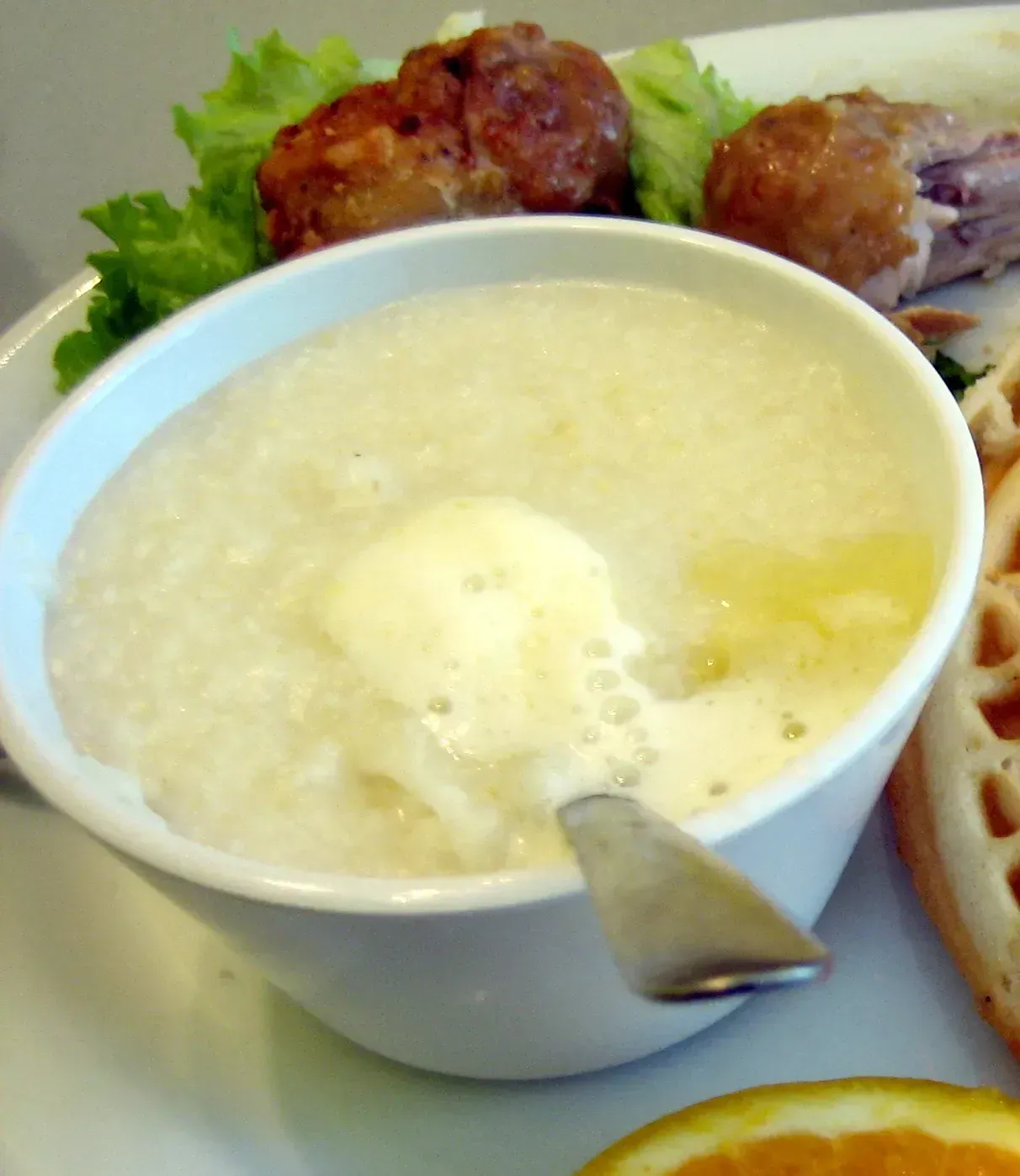
Grits are ground corn cooked into a soft, savory porridge, and in much of the South they’re treated as a default side rather than an occasional dish. Corn has been a dominant crop across the region since colonial times, and grits became a cheap, filling staple long before refrigeration or modern grocery stores existed. Northern visitors sometimes expect a sweet flavor similar to oatmeal, only to find butter, cheese, or gravy on top instead.
The texture also throws people off. Properly cooked grits should be creamy, not gritty despite the name, and locals take the consistency seriously. A bowl of watery or clumpy grits is considered a minor kitchen failure in most Southern households.
2. Biscuits and gravy is treated as a full meal
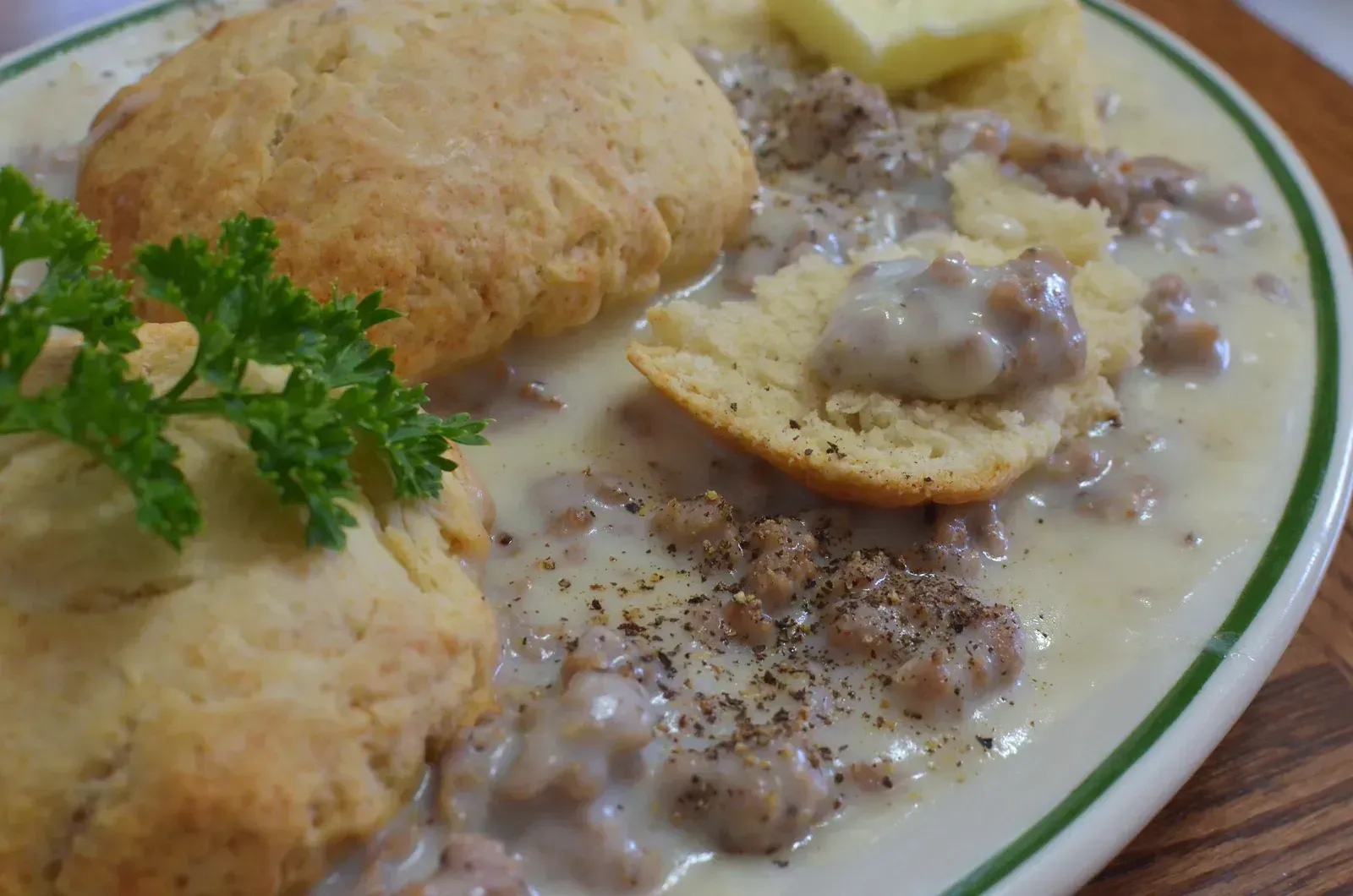
A plate of split biscuits smothered in sausage gravy looks heavy to someone used to lighter morning fare, but in the South it counts as a normal, everyday breakfast rather than an indulgence. The gravy is typically made from pan drippings, flour, milk, and crumbled sausage, a technique that stretches modest ingredients into something substantial. This approach has roots in rural households where breakfast needed to fuel a full morning of physical labor.
Visitors are often surprised by how many biscuits accompany a single serving, sometimes two or three per plate. It’s not viewed as excessive locally, since biscuits are meant to soak up gravy rather than stand alone. Portion sizes reflect old agricultural habits more than modern dietary trends.
3. Sweet tea appears at breakfast, not just lunch or dinner
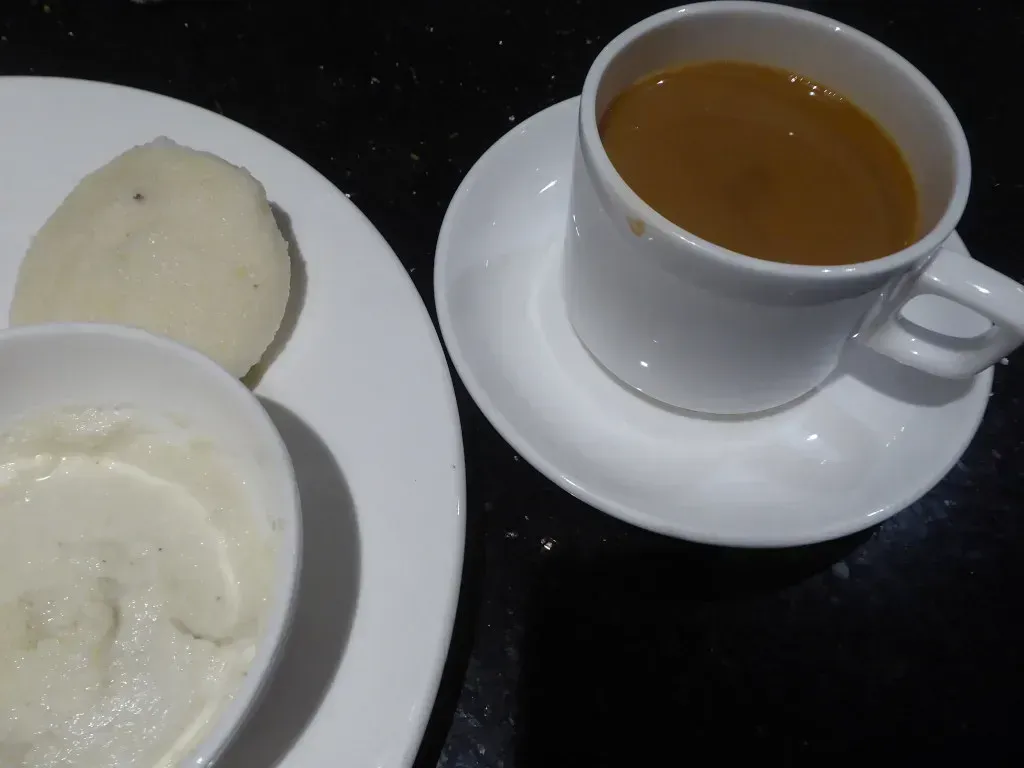
Sweet tea is closely associated with Southern dining overall, but its presence at breakfast tables specifically catches many Northern travelers off guard. In much of the country, tea and orange juice are considered separate meal categories, yet in the South sweet tea is poured any time of day, including alongside eggs and biscuits. The tradition dates back to the availability of ice and sugar in the nineteenth century South, when sweetened cold drinks became a mark of hospitality.
Some diners and family kitchens brew it fresh each morning specifically so it’s ready by breakfast service. Asking for unsweetened tea in certain small-town restaurants can even prompt a raised eyebrow, since the sweetened version is often the assumed default. It’s less about caffeine and more about a long standing cultural habit tied to Southern hospitality.
4. Fried foods are common before noon
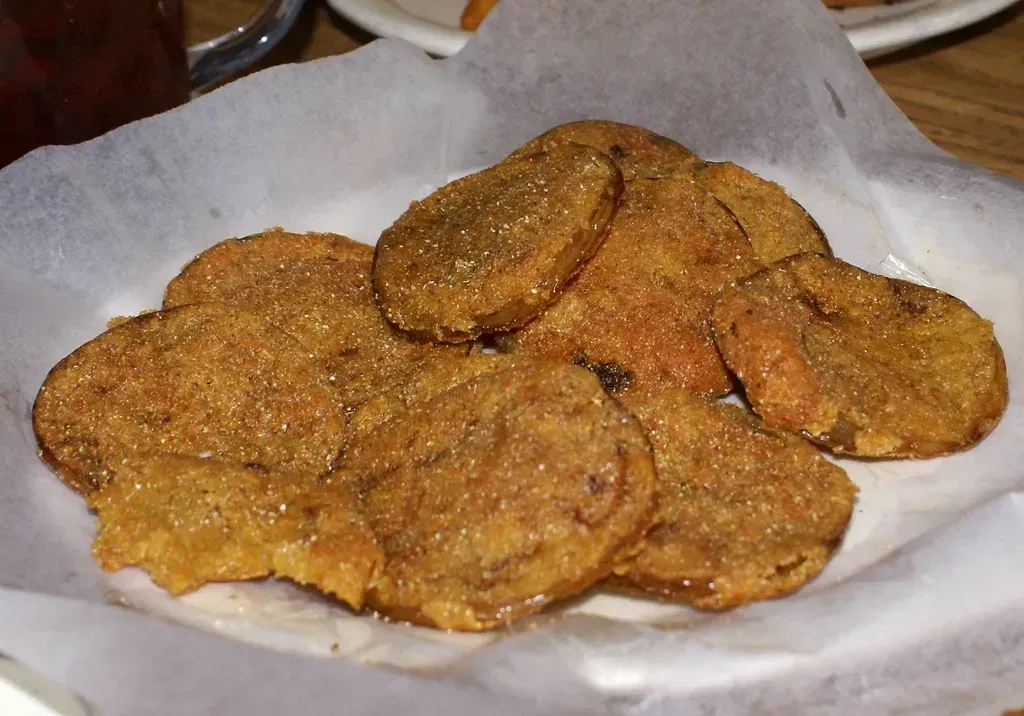
Fried green tomatoes, fried apples, and even fried chicken occasionally appear on breakfast menus across parts of the South, which tends to surprise visitors expecting lighter fare. Frying was historically a practical preservation and cooking method in hot climates without reliable refrigeration, and the habit carried forward into modern breakfast culture. Country ham, often fried in its own fat, remains a classic pairing with eggs in states like Virginia, Kentucky, and Tennessee.
This isn’t limited to diners or tourist spots either. Many home cooks still fry ham slices or leftover vegetables for breakfast as a matter of routine rather than special occasion. Northern visitors sometimes assume fried breakfast items signal a splurge, when locally it’s simply how the meal has always been prepared.
5. Breakfast portions run larger and heavier
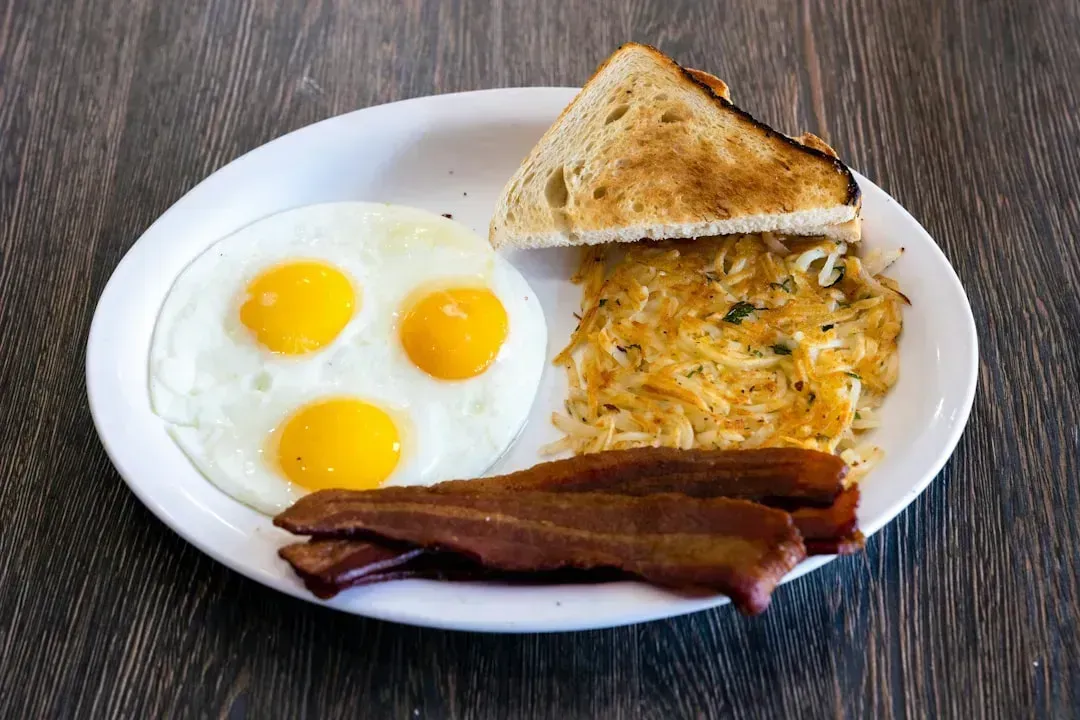
A typical Southern breakfast plate can include eggs, meat, biscuits, grits, and gravy all at once, a combination that often looks closer to brunch than a quick morning meal. This tradition connects directly to agrarian schedules, when farm families ate a substantial meal before starting hours of physical work in the fields. Even though far fewer people farm today, the cultural expectation of a hearty breakfast has stayed remarkably consistent across generations.
Diners across states like Georgia, Alabama, and Mississippi still serve breakfast plates sized for that older lifestyle. Visitors accustomed to a piece of toast or a smoothie sometimes find themselves unable to finish what’s put in front of them. It’s rarely seen as excessive by locals, since the meal is meant to last well into the afternoon.
6. Cornbread sometimes doubles as a breakfast item
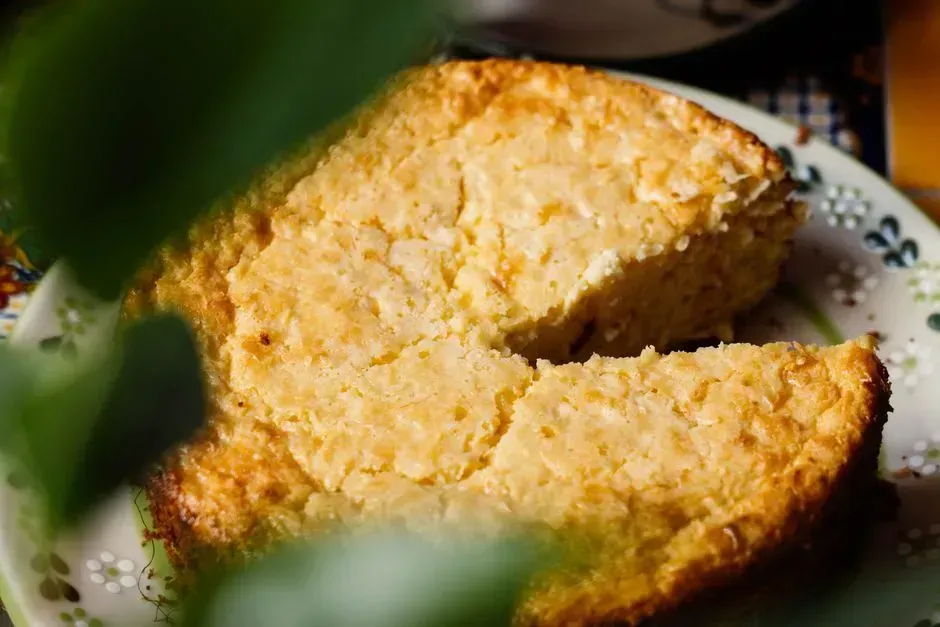
Cornbread is typically thought of as a dinner side dish in most of the country, so finding it served warm at breakfast, sometimes crumbled into buttermilk or paired with sorghum syrup, catches many visitors by surprise. This practice reflects the South’s long reliance on corn as an affordable, versatile grain that stretched across every meal of the day. In some rural households, leftover cornbread from dinner was simply repurposed the next morning rather than thrown out.
The pairing with buttermilk in particular confuses first-time visitors the most, since it resembles a savory cereal rather than anything they’ve encountered before. It’s a habit rooted in resourcefulness, not novelty, and it remains most common in older generations and small-town kitchens rather than modern restaurants. Younger Southern cooks have kept some version of the tradition alive, though usually as a nostalgic side rather than a daily staple.
These habits aren’t quirks invented for tourists or restaurant menus. They developed from real agricultural patterns, regional crops, and decades of practical cooking decisions that outlasted the conditions that created them. Understanding the reasoning behind each dish makes the Southern breakfast table feel less puzzling and considerably more interesting.



Leave a Reply