
Thanksgiving is the one meal where the dog stations itself under the table and looks hopeful. Most of what’s on the table started out as plain, simple food. It’s the butter, onions, sugar and spices added along the way that cause trouble.
Veterinary groups such as the American Veterinary Medical Association and the ASPCA have long said that holiday meals send pets to emergency clinics. Below, each food is paired with its riskier cousin, so you can see which version of the dish is fine in a nibble and which one should stay out of reach.
Turkey Meat Versus Turkey Skin and Bones
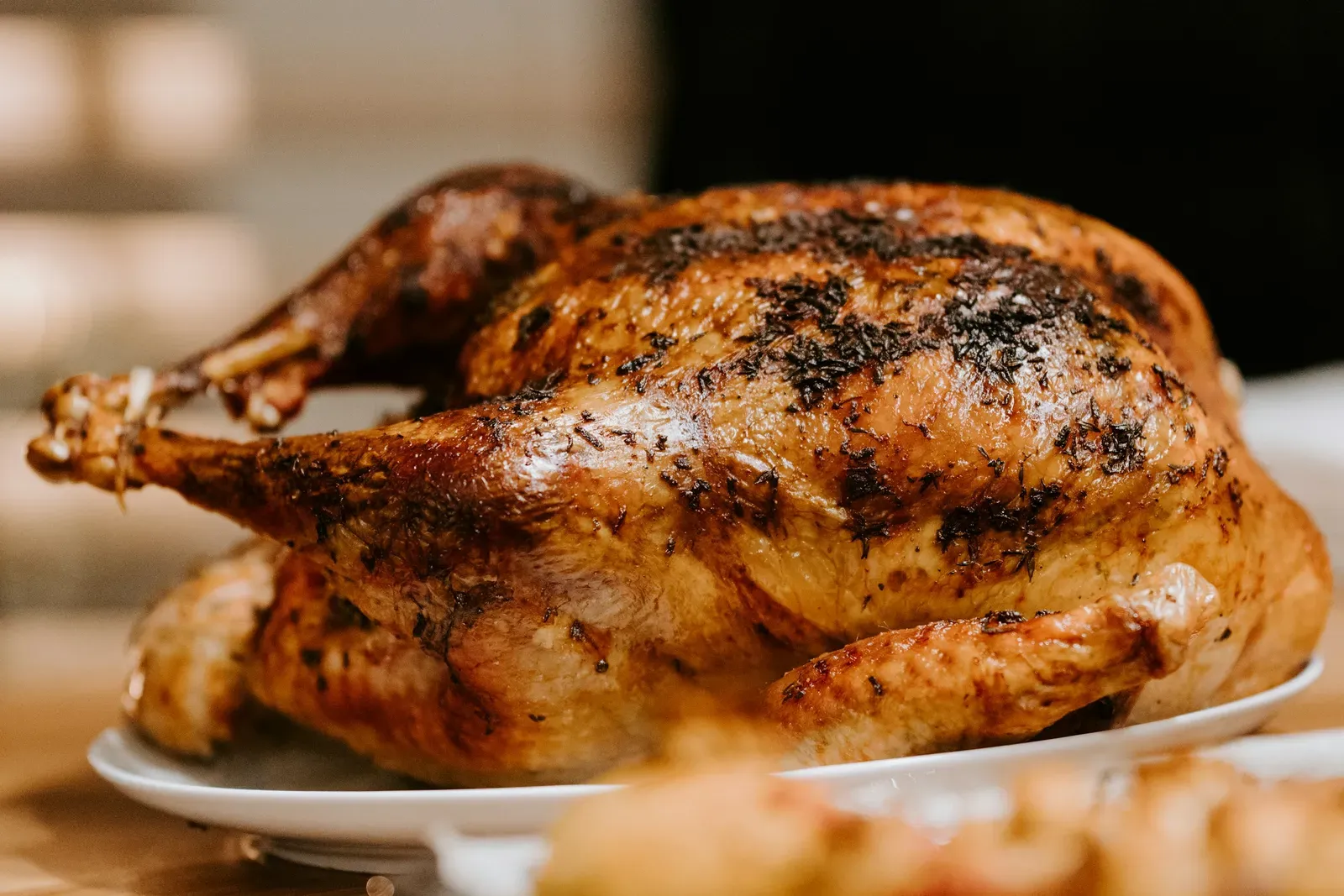
Plain, cooked, boneless turkey breast is a reasonable treat in small pieces. It’s lean protein, and most dogs are happy to eat it. Take off any seasoning, gravy or butter first, and keep the portion small.
The skin is a different story. Fatty, rich scraps are commonly linked by vets to pancreatitis, a painful inflammation that often needs hospital care. Cooked bones can splinter and injure the mouth, throat or intestines, so the carcass goes straight into a sealed bin.
Plain Sweet Potato Versus Sweet Potato Casserole
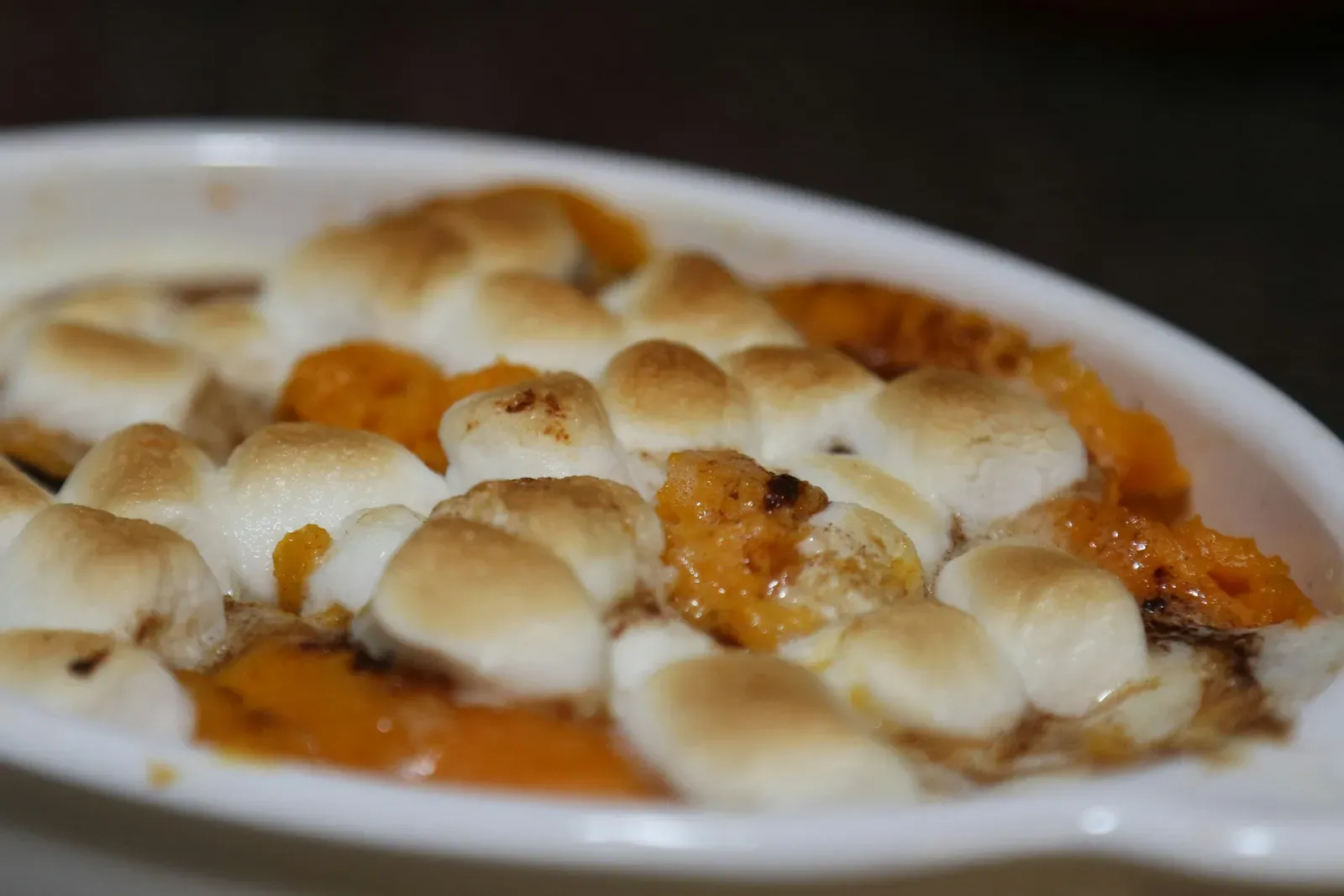
Cooked sweet potato with no toppings is a solid choice for a dog. It’s a source of fiber and vitamins, and many commercial dog treats use it for that reason. A spoonful or a few small cubes is plenty.
The casserole version is loaded with butter, brown sugar, and often marshmallows. Some recipes also add nutmeg, which can be toxic to dogs in larger amounts. Sugar and fat add little for your dog, and the combination can upset the stomach.
Plain Green Beans Versus Green Bean Casserole
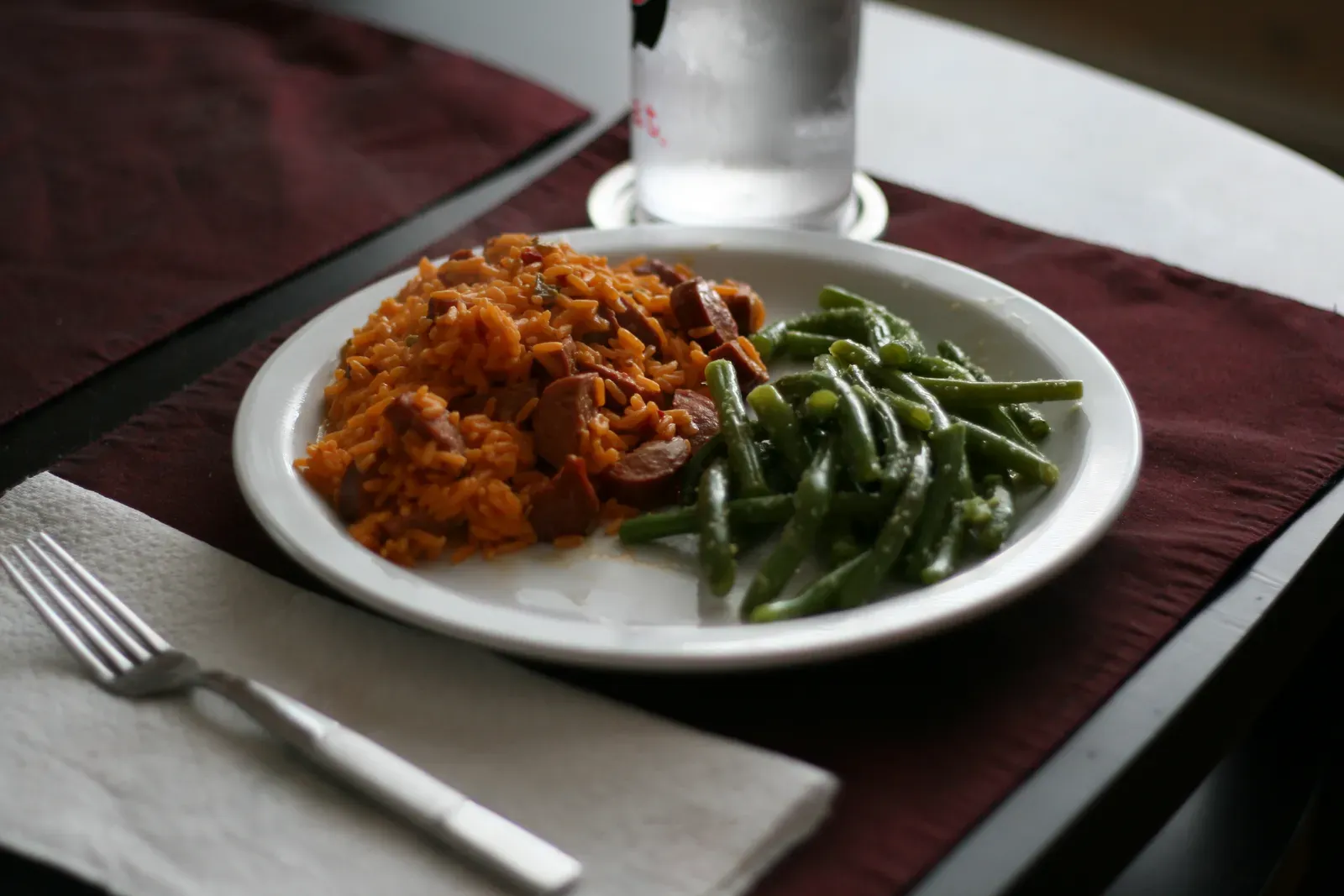
Green beans are one of the easiest vegetables to share. Plain, steamed or cooked beans without salt are low in calories, and vets often suggest them as a snack for dogs that need to watch their weight. Cut them into bite-sized pieces so they’re easy to chew.
Green bean casserole is where things go wrong. The creamy sauce and crispy fried onion topping contain onion, and sometimes garlic, which belong to the allium family. Those ingredients can damage a dog’s red blood cells, so this dish should be skipped entirely.
Plain Pumpkin Versus Pumpkin Pie
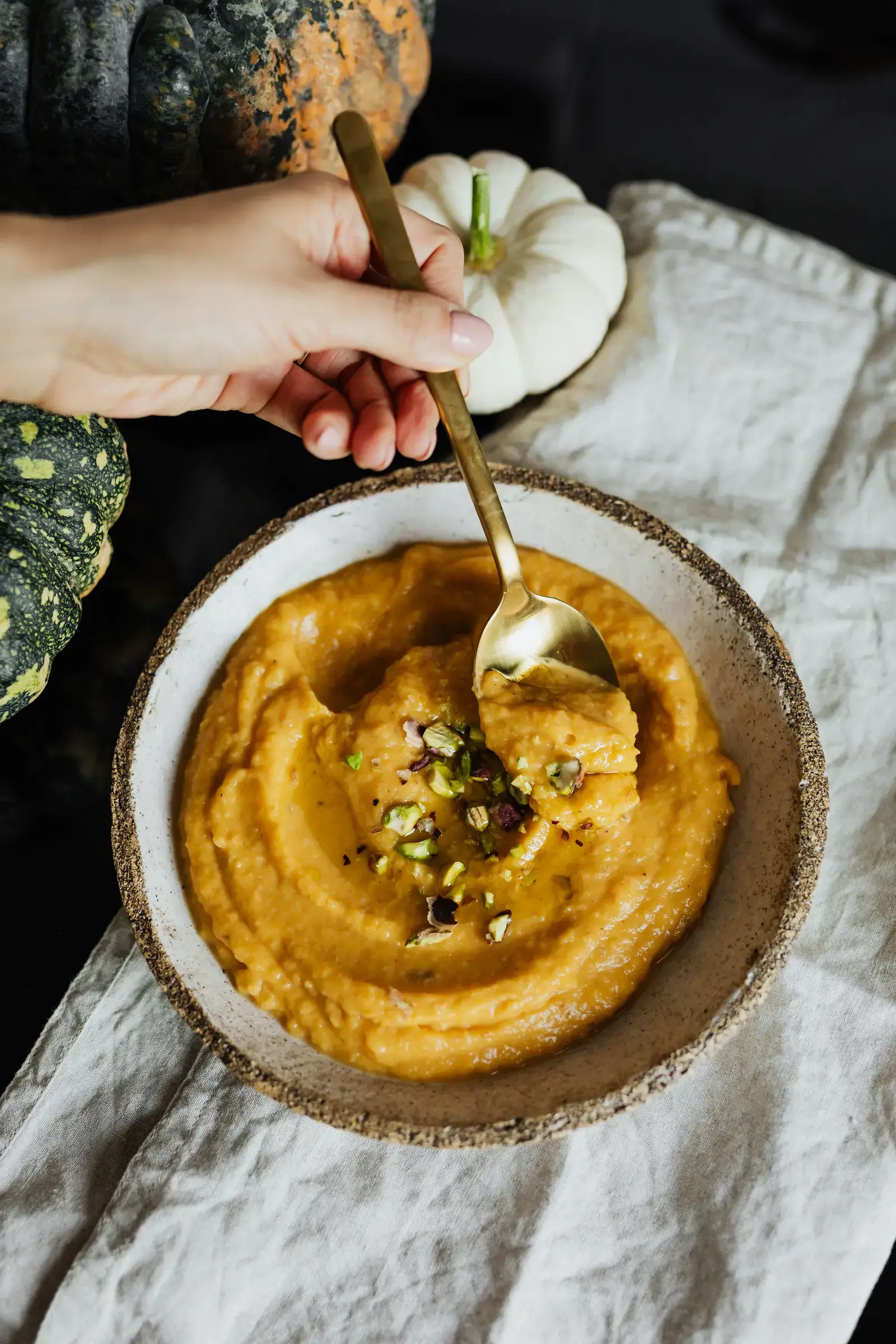
Plain cooked pumpkin, or canned pure pumpkin with no added sugar or spices, is a staple in many vet recommendations. It’s often used in small amounts to help with mild digestive upset. A teaspoon or two for a small dog, or a tablespoon or two for a bigger one, is a sensible portion.
Pumpkin pie filling is not the same product. It’s loaded with sugar, spices like nutmeg, and a buttery crust. Check labels carefully on any dessert, because xylitol, a sweetener that’s highly toxic to dogs, shows up in some baked goods and sugar free products.
Plain Potatoes Versus Stuffing
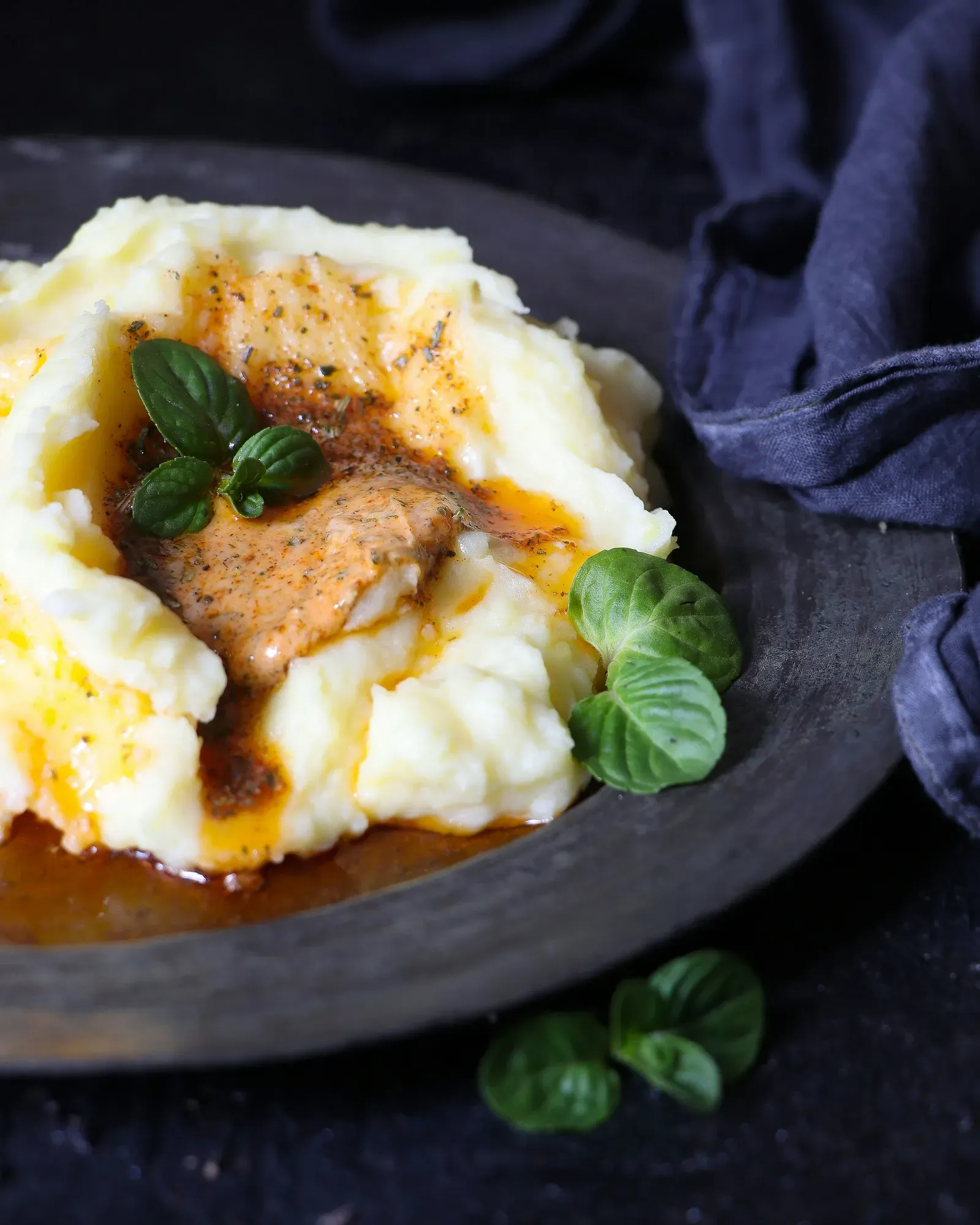
A bit of plain, cooked potato, with no butter, cream or salt, is generally safe for dogs. Mashed or baked, it’s mostly starch, so keep it to a small spoonful. Raw potato and green potato skins should be avoided because they contain solanine.
Stuffing is built on onions, garlic, celery, butter and herbs, which makes it a poor fit for dogs. The onion and garlic are the main worry, and the high fat content adds to the risk. If your dog sneaks a large amount, call your vet or an animal poison hotline.
Plain Cranberries Versus Raisins, Grapes and Chocolate Desserts
A few fresh or cooked plain cranberries are considered safe in small amounts, though many dogs find them too tart to enjoy. Skip the cranberry sauce from the table, since it’s usually packed with sugar. Whole berries or a tiny taste of unsweetened sauce are the better option.
Grapes and raisins can cause kidney failure in dogs, and even small amounts are a concern, which is why they turn up in holiday salads and baked goods as a hidden hazard. Chocolate is also toxic, and dark chocolate and baking chocolate are the most dangerous. If your dog eats any of these, contact a veterinarian right away rather than waiting for symptoms.




Leave a Reply