
The truth is that grocery prices have genuinely risen. Since February 2020, grocery prices have climbed roughly 29 percent cumulatively. That’s a real and unavoidable pressure. Still, a significant part of what people spend is shaped by habits formed in the aisles, not just by what things cost on the shelf. Small patterns, repeated across dozens of trips each year, quietly compound into a much larger number than most households realize.
Shopping Without a List – and Paying for the Detour

Walking into a store without a plan is one of the most common and costly habits a shopper can have. Going to the store without a plan is one of the fastest ways to overspend. Without a list, you’re more likely to grab unnecessary items or forget essentials, which can lead to extra trips and wasted gas. That adds up both financially and in terms of time.
Consumers are likely to impulse buy while shopping for groceries, and impulse buying accounts for up to roughly 62 percent of grocery sales revenue, reaching as high as 80 percent in some product categories. Stores are deliberately designed to encourage this. The more time you spend wandering unplanned, the more those spontaneous additions pile up at checkout.
Shopping on an Empty Stomach
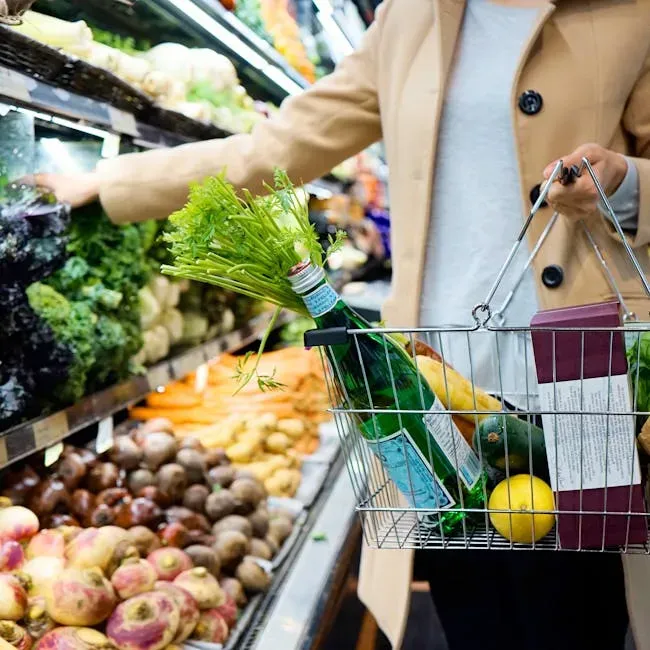
It sounds like obvious advice, but the financial impact of ignoring it is larger than most people expect. Research shows shoppers spend an average of $26 more per grocery trip when shopping on an empty stomach. That might not feel dramatic in isolation, but multiply it by regular weekly trips across a full year and the number becomes substantial.
About three quarters of people admitted they blow their budget when their stomach is growling. Another surprising finding is that about six out of ten people completely forget about trying to eat healthily when they’re hungry while shopping. Hunger shifts decision-making in a very measurable direction: toward higher-calorie, higher-cost items that weren’t on the original plan.
Defaulting to Name-Brand Products Out of Habit
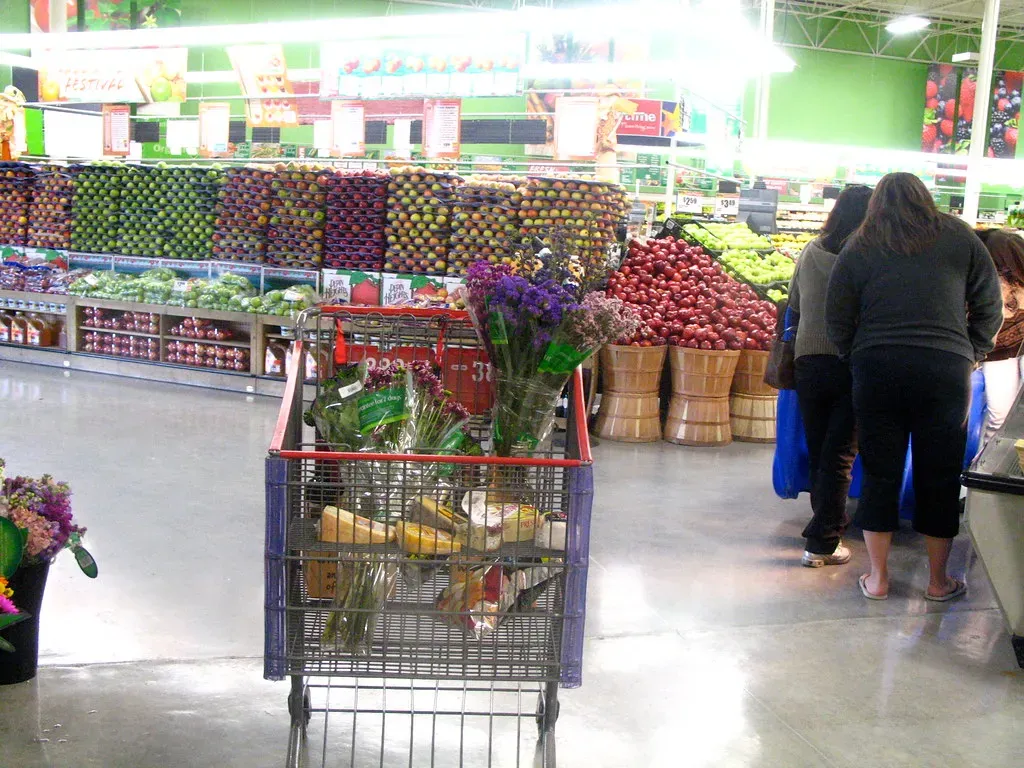
Brand loyalty at the grocery store is partly emotional and partly just routine. Most shoppers reach for the familiar label without pausing to consider whether the store-brand alternative sitting right next to it is functionally identical. According to a Consumer Reports study, store brands cost anywhere from 5 to 72 percent less than name brands, and most taste just as good. That’s a wide range of potential savings left on the shelf every single week.
Generic brands are often made in the same factories as name-brand products and are significantly cheaper. The shift away from brand loyalty is already happening among price-conscious shoppers. Consumers who buy only brand-name products have dropped from roughly one in five to just one in ten, while those purchasing a mix of brand-name and store-brand items have jumped significantly year-over-year. The holdouts are often leaving real money behind.
Buying Precut and Pre-Packaged Produce
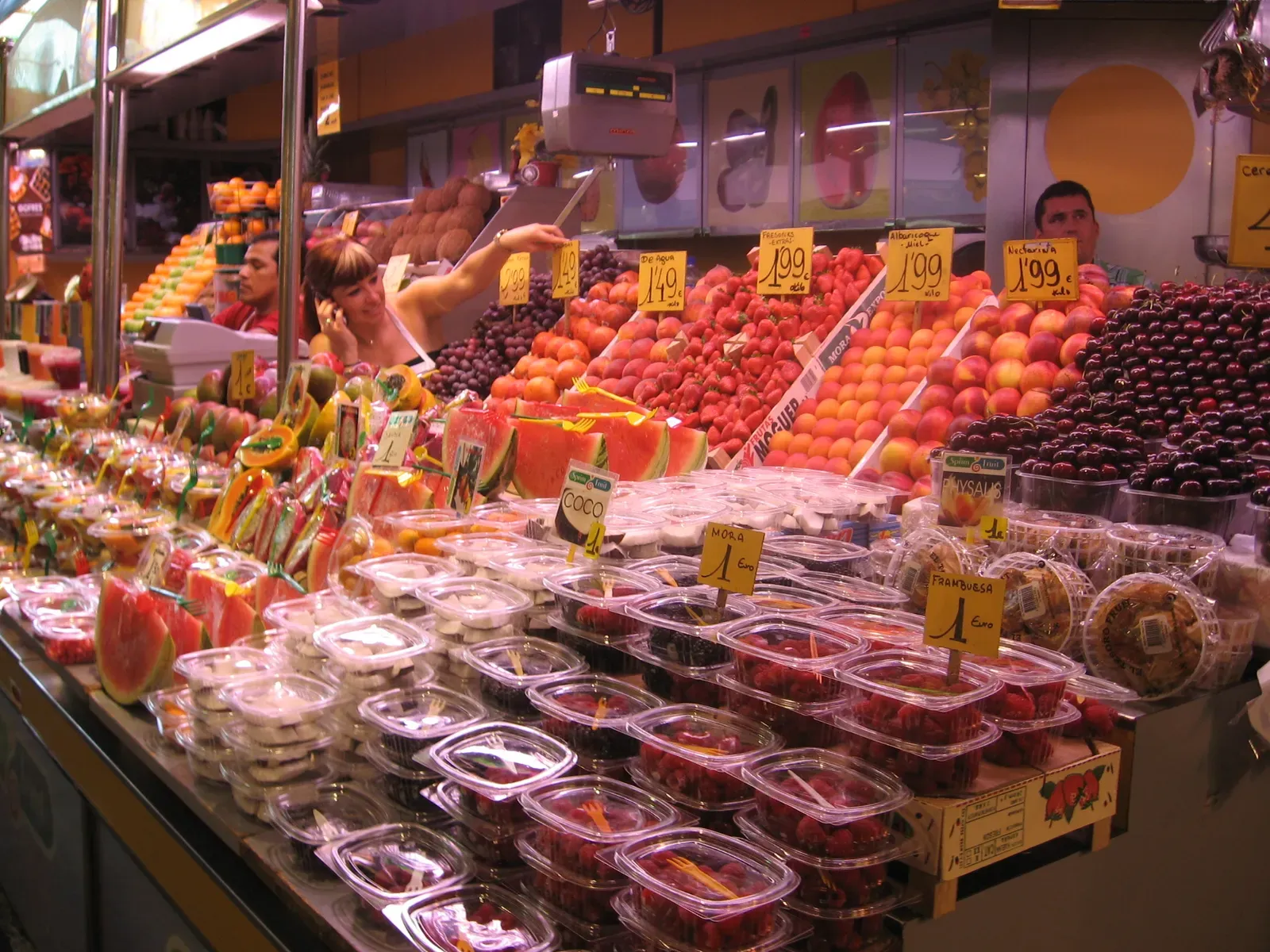
Pre-sliced fruit cups, shredded cabbage bags, diced onion containers – the convenience section of the produce aisle is genuinely useful on a hectic Tuesday evening. The markup for that convenience, though, is steep. Precut and packaged produce like pineapple, melons, and berries often sell at nearly double the cost of whole produce, and stores capitalize on that by applying a significant markup.
Fruits and vegetables that have been pre-sliced, diced, or chopped for convenience are marked up by an average of roughly 40 percent. For certain items the gap is even wider. Retailers often charge a premium for the convenience of pre-cut fruits and vegetables, and taking a few extra minutes to cut your own produce at home can help you avoid paying three times more for the same items. For shoppers buying produce multiple times a week, this habit compounds quickly.
Overbuying Perishables Without a Meal Plan

Fresh produce, meat, and dairy are the categories where overbuying does the most financial damage, because these items expire. In 2024, the average American spent over $760 on food that went uneaten. That figure is strikingly close to what many households spend on a full month of groceries – essentially, one month of food spending each year goes straight into the trash.
While the vast majority of households admitted to wasting edible food weekly, only about a third were aware that reducing food waste could save them roughly $1,500 per year. The disconnect is significant. Signs that spending may be quietly inflated include throwing out spoiled food regularly, buying a lot of prepackaged convenience items, shopping without a list, or making multiple grocery trips per week instead of planning ahead. A basic meal plan before each shopping trip addresses most of these at once.
Ignoring Unit Prices and Mistaking Package Size for Value

A larger box feels like a better deal. It usually isn’t – at least not automatically. A big box may look like a deal, but not all bulk packaging saves money. Always comparing the unit price, the price per ounce, pound, or item, found on the shelf tag is the only way to determine true value. Most stores display this figure on the shelf label, but it takes a moment of deliberate attention that many shoppers skip under time pressure.
Buying in bulk can save money, but only if the items are needed or stored correctly. Otherwise, it leads to waste. Similarly, obtaining perishable items without a meal plan can result in throwing food away, along with the money spent on it. The pattern of reaching for the largest package without checking the unit price or having a clear plan to use everything is one of the subtler ways grocery spending drifts upward, trip after trip, without ever triggering a single moment of obvious overspending.
Grocery bills don’t usually spike because of one dramatic mistake. They inflate steadily, driven by small habits that feel perfectly reasonable in the moment. The good news is that the habits are fixable. Eating before you shop, bringing a list, spending thirty seconds comparing unit prices, and buying whole produce instead of pre-sliced – none of these require sacrifice or radical change. They just require a little more intention before you push the cart through the door.




Leave a Reply