
There’s a particular feeling you get walking down a narrow cobblestone street, catching the scent of fresh pastry drifting from an open café window, and noticing that the buildings around you look like they’ve stood for centuries. Most people assume that feeling requires a transatlantic flight. It doesn’t.
Across the United States, a handful of cities strongly resemble those found in Europe, with quaint village squares and culturally rooted cuisine. Some were deliberately built that way. Others simply never lost the bones of their colonial past. Either way, the result is a surprisingly convincing substitute for the real thing.
1. Boston, Massachusetts – London, Paris, and Little Italy in One City
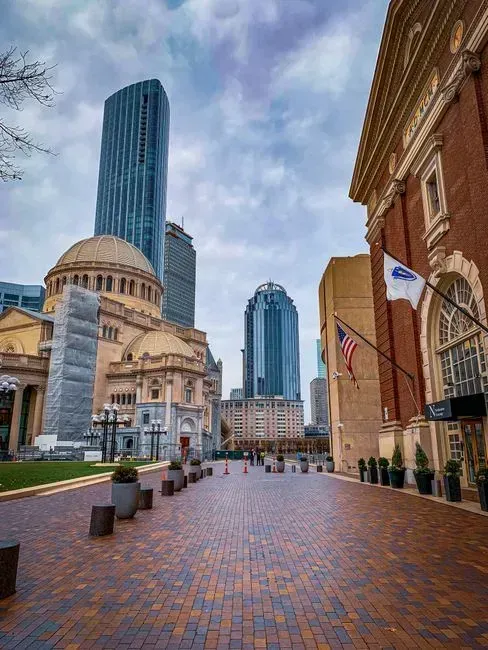
English immigrants founded Boston in 1630, modeling it after their former home. That origin story never really went away. The neighborhoods of Beacon Hill, Back Bay, and the North End still have a decidedly European feel, each one pulling from a different corner of the continent.
Beacon Hill features narrow, picturesque streets and alleys, Federal-style row houses, wrought iron railings, ornate doorways, fan lights, and real gas lamps – it is often compared to old London, especially in the section known as Louisburg Square. Walk a little further and the character shifts. Strolling down Commonwealth Avenue in Back Bay can feel like stepping into Paris, while Italy awaits in the North End, where old-world cafés, pasta restaurants, and pastry shops are still very much alive.
2. New Orleans, Louisiana – A French Quarter That Outlived Two Fires
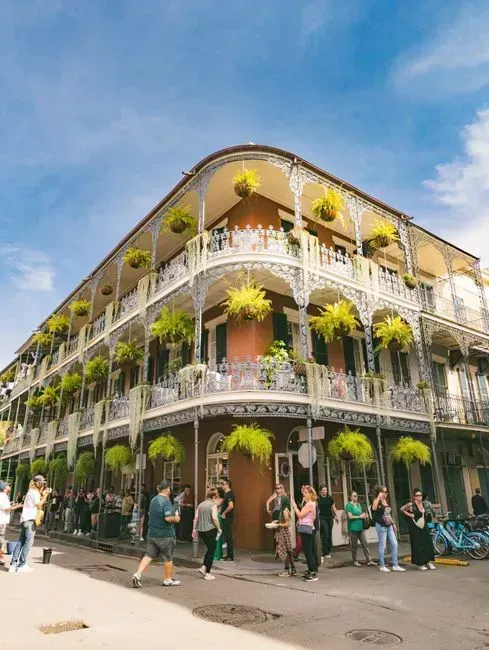
The French Quarter, or Vieux Carré, is the beating heart of New Orleans, rich in history, culture, and architectural splendor. From its founding in 1718 to its modern-day status as a vibrant tourist hub, this district has been the epicenter of the city’s evolution, blending French, Spanish, and Creole influences.
What most visitors don’t realize is that most of what you see today is actually Spanish in origin. Two devastating fires in 1788 and 1794 destroyed much of the original French-built structures, and the Spanish rebuilt with sturdier materials, introducing the iconic wrought-iron balconies, courtyards, and arched doorways that define the Quarter today. The quarter is rich in historic structures, many of which are at least 150 years old and some around 200 years old, with their styles developed by early French and Spanish colonists giving the area its distinctly European atmosphere.
3. Savannah, Georgia – Garden Squares and Gothic Spires in the Deep South
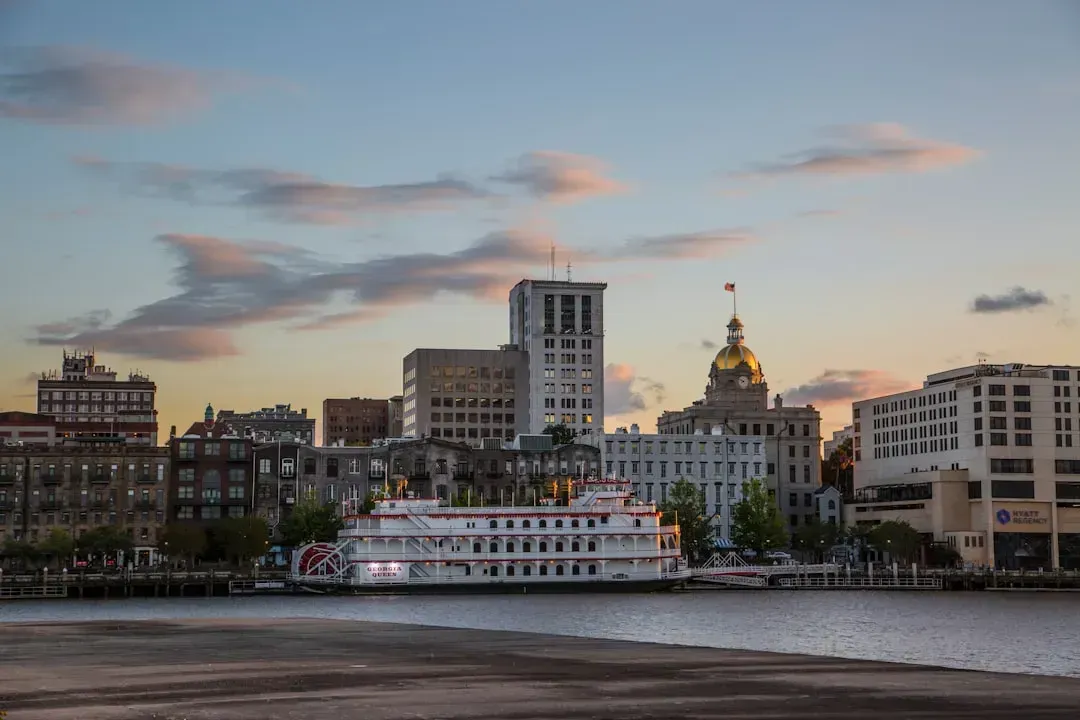
Savannah’s dreamy plazas and romantic, shady trees make it feel much further flung than Georgia. Founded in 1733, more than 40 years before the United States gained independence, the city also survived the Civil War relatively unscathed while many other Southern towns were burned. Because of its nearly 300-year history and infrastructure that has stood the test of time, Savannah is home to a wide array of architectural styles dating back to the early 1700s.
Over 40 percent of the city’s more than 2,500 buildings have architectural or historic significance, spanning styles that include Georgian, Gothic Revival, French Gothic, Greek Revival, Italian Renaissance Revival, Regency, and Romanesque. Downtown Savannah is the largest urban landmark historic district in the country, with more than 45 different historic and cultural attractions, and the walkable grid of shaded squares makes it feel genuinely pedestrian-friendly in a way most American cities never quite manage.
4. St. Augustine, Florida – Spain’s Oldest Footprint in America
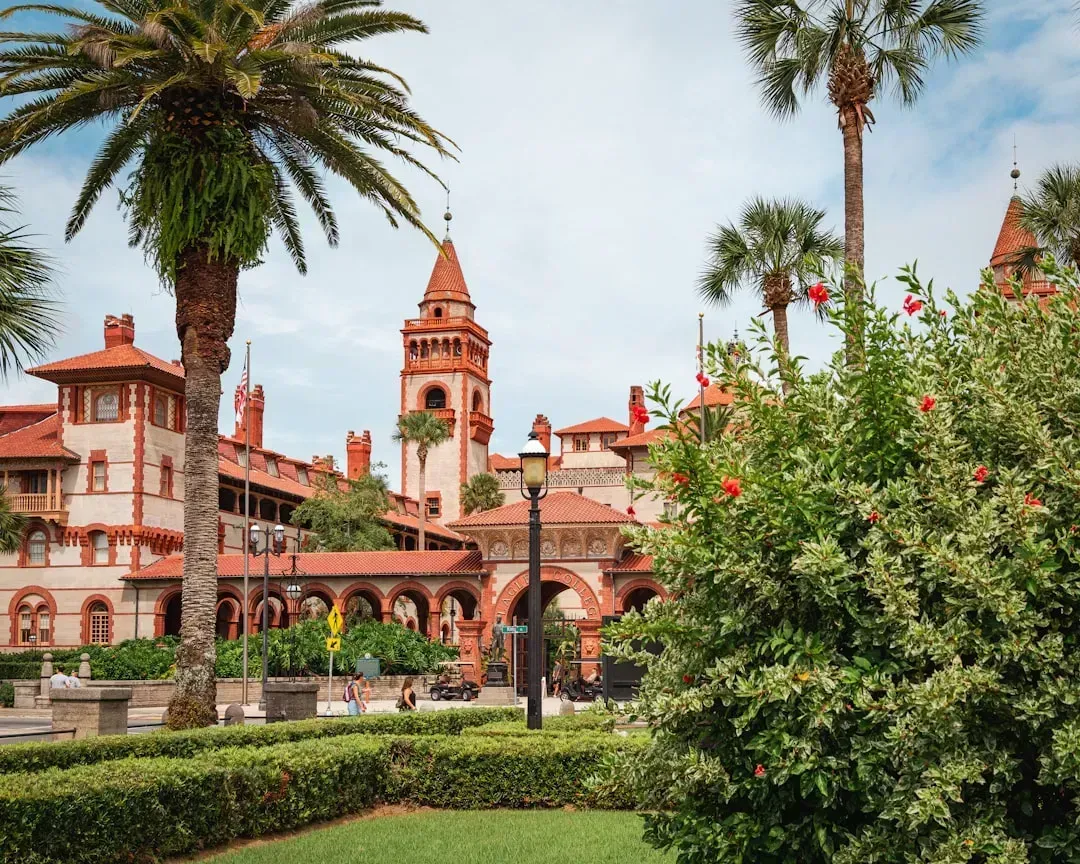
St. Augustine, the oldest continuously occupied settlement of European origin in the continental United States, was founded in 1565 by Spanish admiral Pedro Menéndez de Avilés. That 1565 founding predates Jamestown by 42 years and predates the Pilgrims’ landing at Plymouth Rock by 55 years. The age of the place is visible in every corner.
It is the only place in the United States with a Spanish street grid and architectural character that has changed little since its colonial origins. The streets are narrow, cobbled, and usually busy, and the dominant building material is coquina – a sedimentary rock made from ancient seashells quarried on nearby Anastasia Island – creating an old-world atmosphere that feels more Mediterranean than anything you’d typically associate with America. The Castillo de San Marcos, which still stands today, is the oldest European fort in continental America.
5. Charleston, South Carolina – Pastel Facades and Georgian Grace
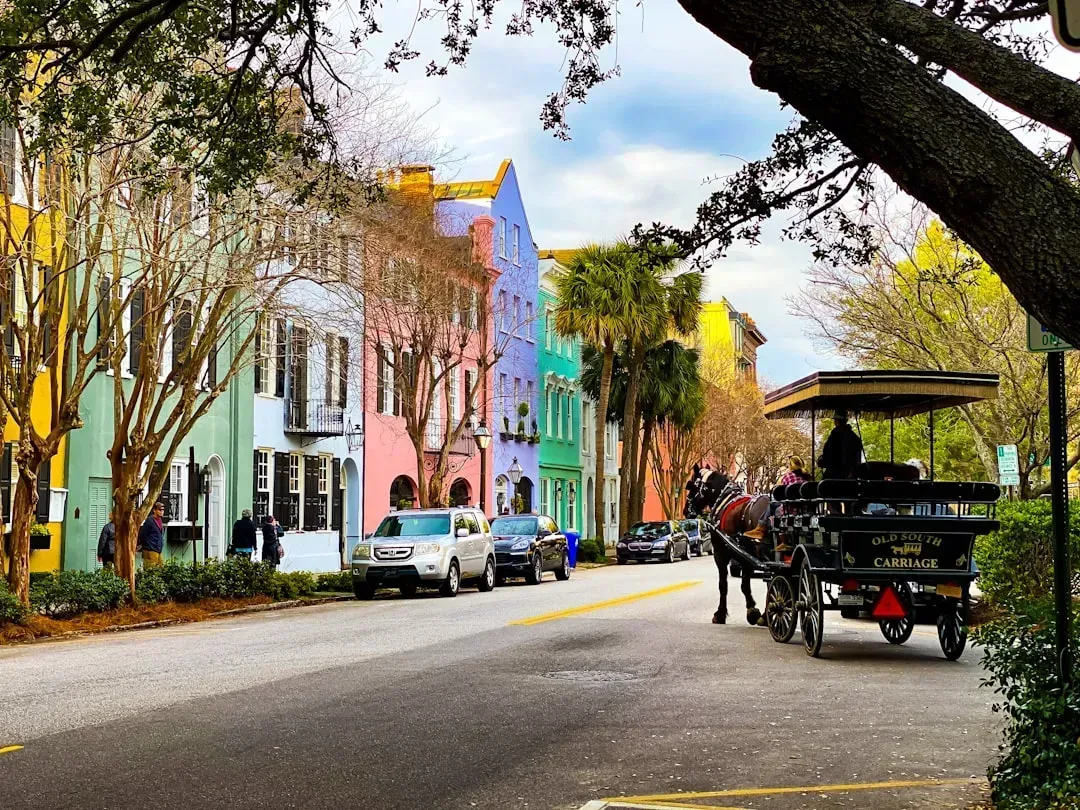
Charleston is one of the most charming U.S. cities and it definitely exudes quintessential European vibes. As a historic port city, Charleston has deep European roots in its architecture and urban planning, shaped over centuries by British colonists, French Huguenot settlers, and a mercantile culture that kept its streets dense and walkable.
Architecture aficionados will find themselves wandering amongst Colonial, Georgian, Gothic Revival, Italianate, and Art Deco facades. The city’s famous “Rainbow Row,” a stretch of colorful Georgian townhouses along East Bay Street, draws comparisons to seaside neighborhoods in Portugal and the Netherlands. Walkability, preserved historic districts, independent cafés and bakeries, and a strong sense of local culture all contribute to the experience, and many of the most European-feeling cities in America were established long before cars were invented, leaving behind compact downtowns that mirror many European towns.
6. Santa Barbara, California – The American Riviera
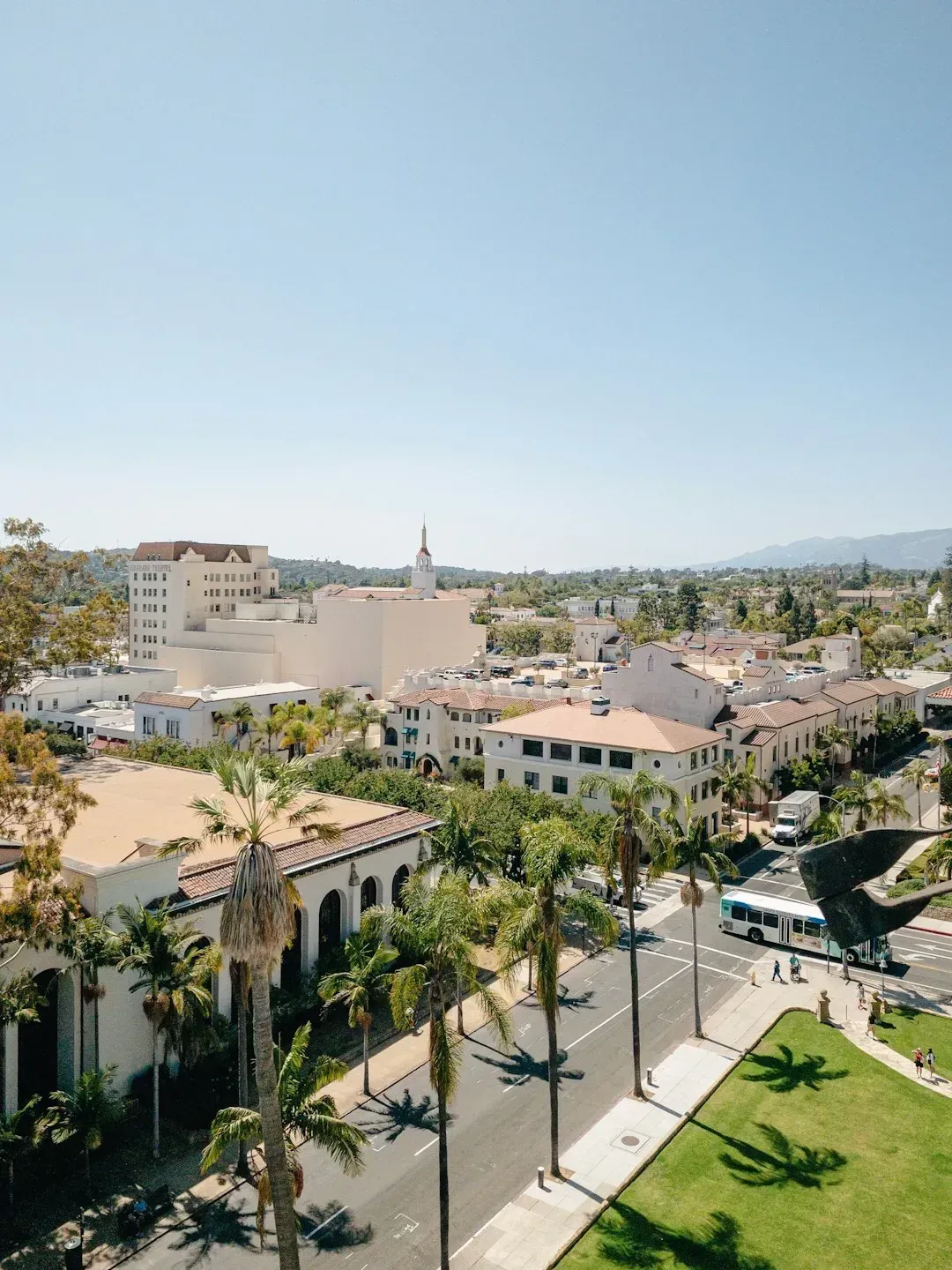
It only takes a moment to pick up on Santa Barbara’s Mediterranean character, thanks to its red-tile-roofed homes, white stucco buildings, and sweeping ocean views backed by mountains. Much of that aesthetic comes from the city’s strong Spanish Colonial Revival architecture, which was preserved and reinforced after an earthquake in 1925 reshaped the entire downtown. Today, strict local guidelines maintain that look.
Aside from the architecture, the rhythm of everyday life also feels very European, with outdoor cafés, a walkable downtown, and a waterfront promenade. The Pacific Ocean meets wine country in Santa Barbara, and visiting this jewel of the west coast is akin to traveling to a seaside town in Portugal, Spain, or France. It’s a rare combination on the American West Coast – sun, mountains, and an urban fabric that doesn’t feel like it was designed around a freeway on-ramp.
None of these cities are perfect stand-ins for the real thing. Europe is Europe, and each of these places has its own unmistakably American identity woven in. What they offer is something a little different: the texture of old streets, the density of history, and the slower pace that most people cross an ocean to find. Sometimes that’s enough – and a lot more affordable.





Leave a Reply