
1. Austin, Texas
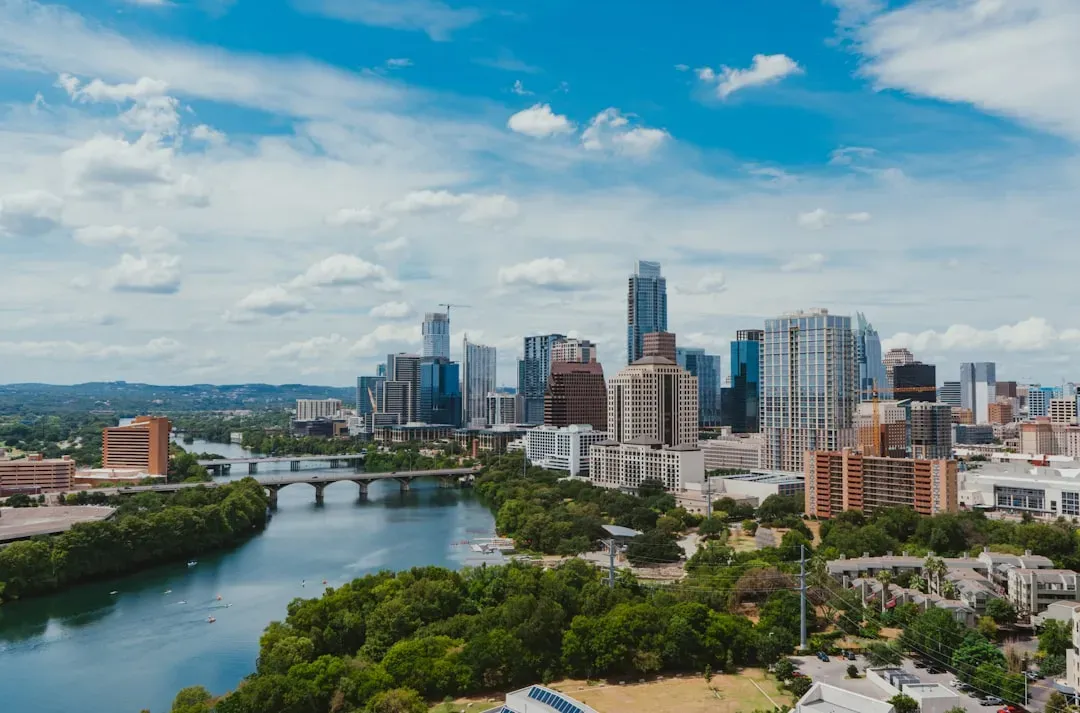
Austin spent the 2010s and early pandemic years as a cautionary tale about runaway rent growth, with prices climbing nearly ninety percent in the decade before 2020. Then something unusual happened: the city actually built its way out of the problem. From 2015 to 2024, Austin added 120,000 units to its housing stock, an increase of 30%, more than three times the overall rate of growth in the United States.
The payoff has been real and measurable for renters. In December 2021, Austin’s median rent was $1,546, near its highest level ever and 15% higher than the U.S. median. By January 2026, Austin’s median rent had fallen to $1,296, 4% lower than that of the U.S. Local officials point to zoning reforms and permitting changes as the reason, and Austin also passed a single-stair ordinance in 2025 for apartment buildings up to five stories, allowing smaller buildings to fit on underused lots. It’s not utopia, home prices remain stiff for buyers, but for renters the shift has been dramatic enough to reshape how the city talks about affordability.
2. Denver, Colorado
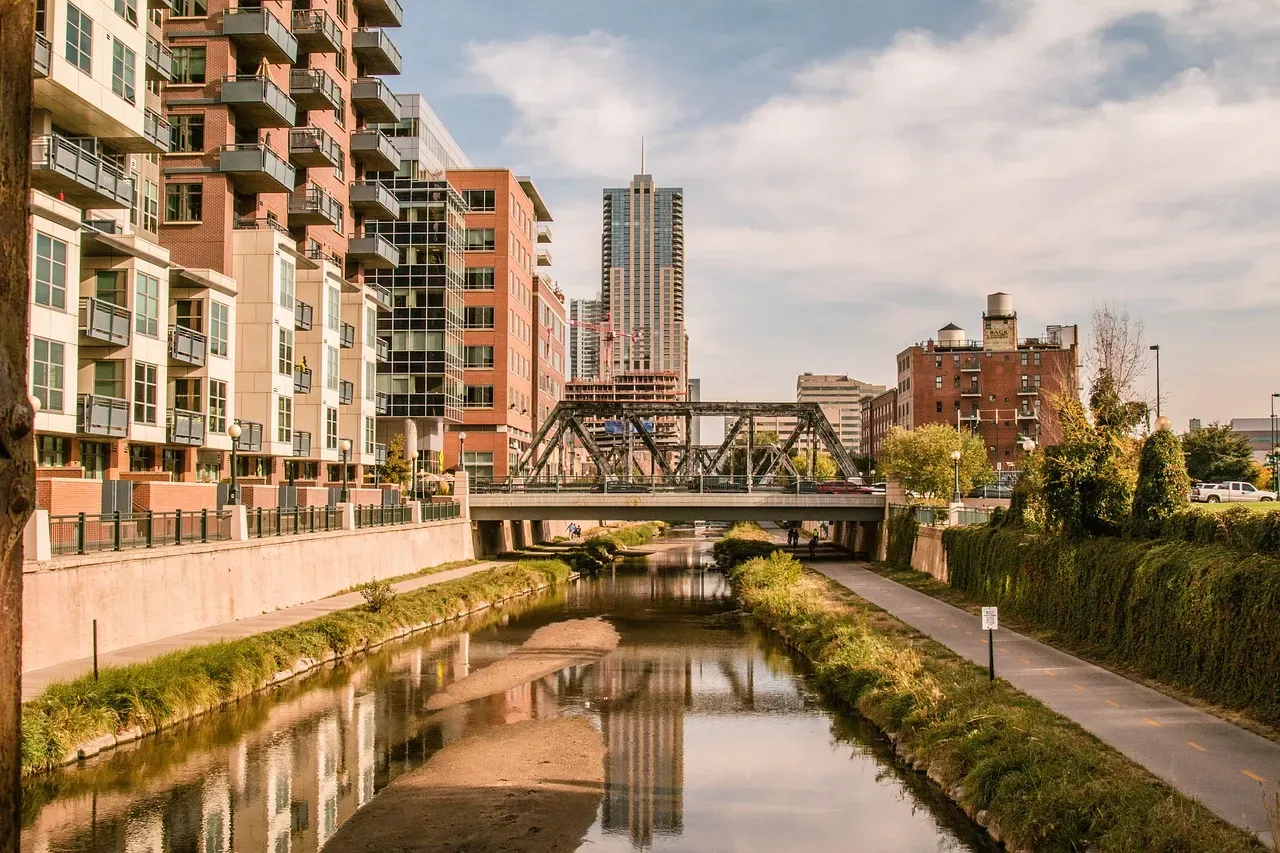
Denver’s downtown took a hard hit during the pandemic, with vacant storefronts and rising concerns about public safety driving away both residents and businesses. The turnaround has centered on a mix of physical redesign and targeted enforcement. Denver’s investment in placemaking has focused on making downtown a destination people want to visit, live in, and stay in, with the revitalization of the 16th Street Mall as a prime example.
City leadership also tackled crime and homelessness head on, treating them as prerequisites for any broader recovery rather than side issues. The city’s use of technology, such as license plate readers, has helped reduce auto theft by 30 percent and gun violence by 30 percent. On top of that, programs like free transit for youth under 19 have already driven ridership increases, giving younger residents an easier, cheaper way to move around the city. The combination of a safer, more walkable core and better transit access has made downtown Denver feel like a fundamentally different place than it was five years ago.
3. Buffalo, New York
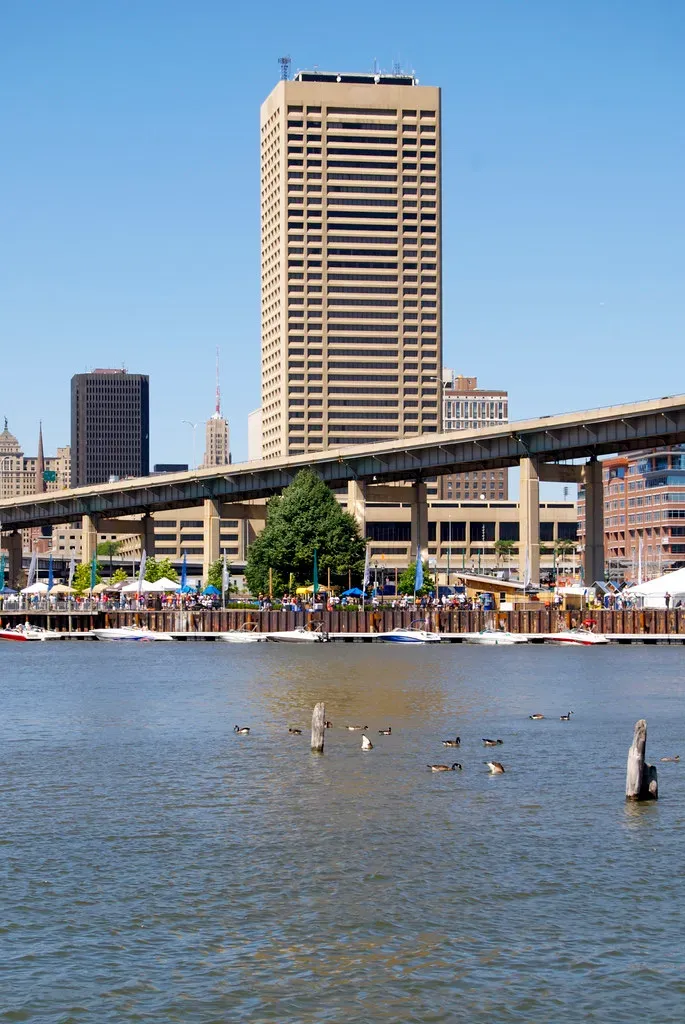
Buffalo isn’t a city that typically shows up on glossy quality of life lists, but its waterfront transformation over the past decade has been hard to ignore for anyone who’s visited more than once. Areas that used to be industrial leftovers have become genuine gathering spots. RiverWorks, an outdoor leisure area, has expanded its activities to include zip lines and rock climbing in summer and ice hockey and curling in winter, on top of the waterfront dining, brewery, arcades, and entertainment venues already there.
The changes weren’t limited to one stretch of shoreline. Canalside, in the city’s historic downtown area along the Erie Canal, now offers restaurants, winter ice skating, naval ships serving as floating museums, and a children’s museum. Inland, the shift has been just as striking, with the Larkinville neighborhood transforming from vacant warehouses and lots into hip breweries, restaurants, and venues for local festivals, described by Visit Buffalo as one of the city’s most impressive transformations. For a city that spent decades associated with decline, that kind of turnaround carries real weight with the people who stuck around to see it.
4. Detroit, Michigan
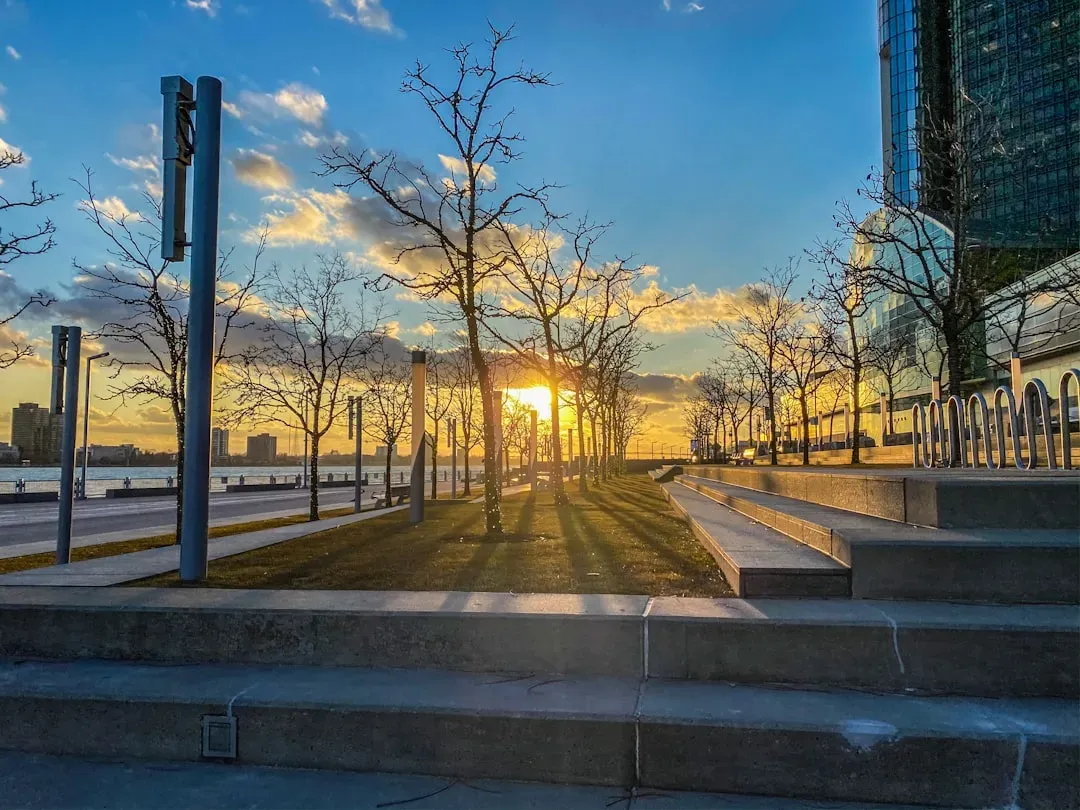
Detroit’s comeback story has been told so often it risks becoming a cliché, but the physical changes downtown and along the riverfront back it up. The sports and entertainment district shifted dramatically when the Red Wings moved from the Joe Louis Arena, built in 1979, to the new Little Caesars Arena in 2017. That move set off a chain of redevelopment that’s still playing out.
Demolition of the old Joe Louis Arena began in 2019, and the former arena lot is now in the midst of a revitalization project called Water Square, which will host luxury residences and a Marriott hotel scheduled to open in 2027. Even the transit infrastructure got a symbolic refresh, with the Detroit People Mover station renamed from Joe Louis Arena to West Riverfront in 2025 to reflect the neighborhood’s overall spruce up. These aren’t isolated projects either, they’re part of a broader riverfront strategy that’s slowly replacing decades of neglect with public space people actually use.
5. Pittsburgh, Pennsylvania
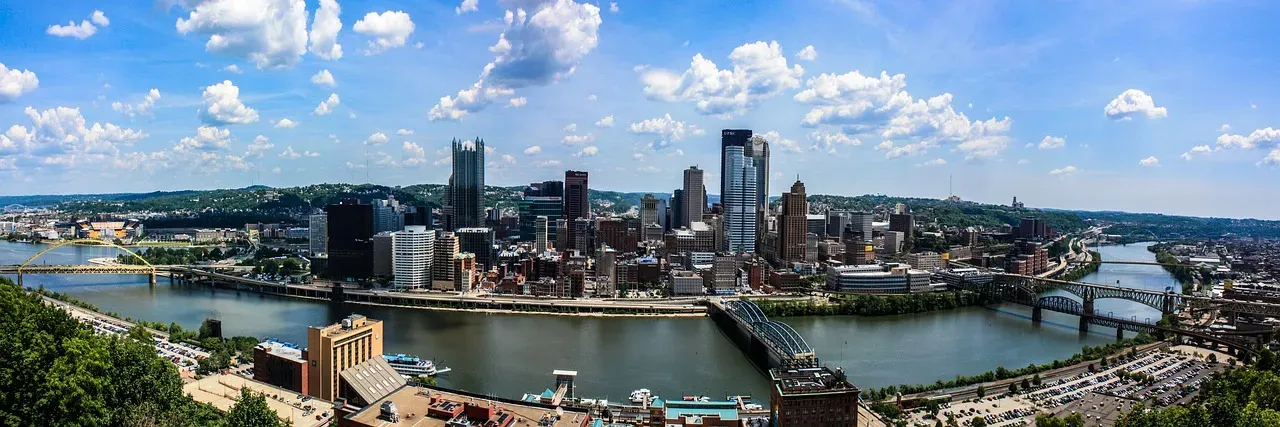
Pittsburgh’s reinvention has been decades in the making, moving from a steel town to a hub for healthcare, robotics, and technology. What’s changed more recently is the effort to make that economic shift visible and enjoyable for regular residents, not just something that shows up in job statistics. In 2023, the city of Pittsburgh kicked off its 10-year tourism development plan, with the hopes of improving the tourist experience.
That plan has increasingly focused on culture rather than just infrastructure. In 2025, the program focused heavily on developing experiences that highlight local culture, such as a walking tour of the city’s art murals. Combined with the city’s broader industrial pivot, described as a place that shifted from steel production to emerging industries and technology toward the end of the 20th century, having completely reinvented itself over the last 20-plus years, Pittsburgh has managed to layer everyday livability improvements on top of an already successful economic transition. Locals describe a city that finally feels proud of both its past and its present, rather than choosing one over the other.
6. Grand Rapids, Michigan
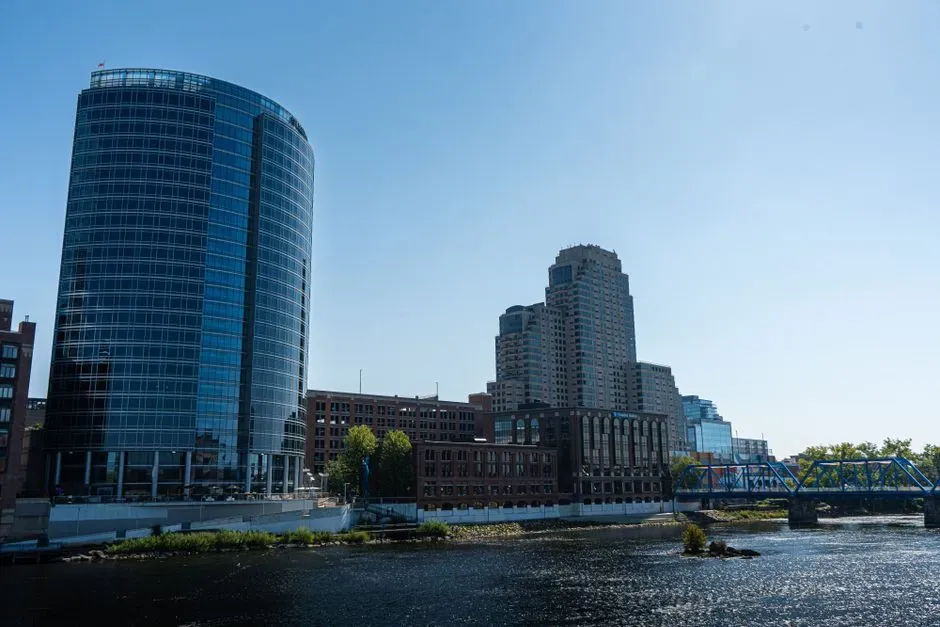
Grand Rapids has spent years quietly climbing national livability rankings without much of the hype that surrounds larger cities. The city was ranked 14th on U.S. News’s 2023-2024 Best Places to Live list, with a quality of life index of 7.2. What’s kept that momentum going is less about any single flashy project and more about steady, compounding gains in jobs and demographics.
The most recent numbers back that up. New data from The Right Place shows the area added 2,000 new jobs in 2025 and is attracting younger workers at a higher rate than the state, the nation and most peer metro areas, with the share of 25 to 34 year olds reaching 14.4 percent in 2025. The city has also built its reputation around specific, tangible amenities rather than abstractions, with reviewers noting an affinity for public art and a craft brewery scene considered one of the best in the nation. For a mid-sized Midwestern city, that combination of job growth, younger residents moving in, and genuine cultural investment has added up to a place that feels distinctly more alive than it did at the start of the decade.
These six cities took different paths to get where they are. Austin leaned on aggressive housing construction, Denver combined design with enforcement, Buffalo and Detroit rebuilt around their waterfronts, Pittsburgh paired economic reinvention with cultural investment, and Grand Rapids grew steadily through jobs and younger residents. None of them fixed everything, and each still faces real challenges around affordability, infrastructure, or uneven growth. What sets them apart is that the improvements weren’t accidental. They came from specific policy choices, sustained investment, and a willingness to rethink what wasn’t working, which is probably the closest thing to a repeatable formula that urban recovery has to offer.

Leave a Reply