
Austin, Texas
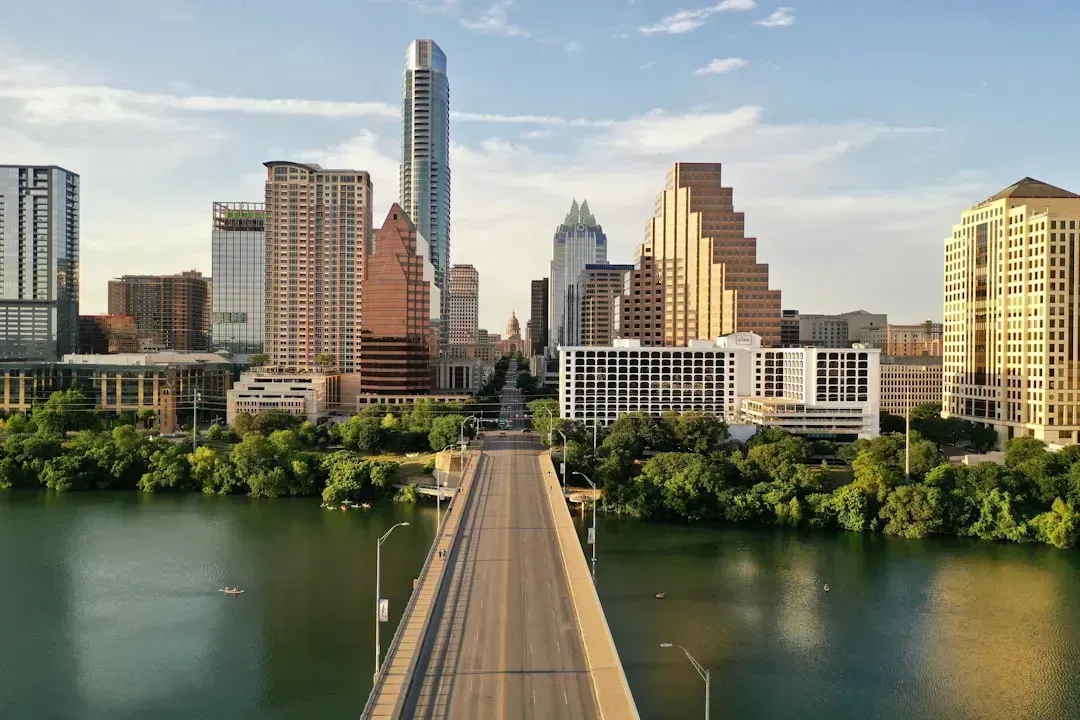
Austin spent the better part of a decade as the poster child for American relocation, and for a while the arithmetic worked. That has shifted. Domestic migration has turned negative in some recent quarters, meaning more Americans are leaving Austin than arriving, even though international migration and natural population growth still add residents. Austin’s annual population growth fell below 2 percent for the first time in years.
The math behind the exit is straightforward. The median home price in Austin sat around $450,000 in early 2025, according to the Austin Board of Realtors. Local movers describe a specific group driving the churn: many of the people leaving aren’t long-time residents but folks who moved to Austin during the pandemic boom and found it wasn’t the right fit, a pattern of short-term transplants cycling back out that’s been noticed since late 2023. Outside Texas, cities like Raleigh, Huntsville, and Boise have pulled former Austin residents who want a similar vibe at a lower price point.
Boise, Idaho

Boise’s story is almost a mirror image of Austin’s, just on a smaller scale. There was a time Boise was considered a hidden gem, and since then its population skyrocketed. That reputation pulled in a wave of remote workers and retirees during the pandemic years, and Idaho briefly became one of the hottest inbound states in the country.
The reversal came quietly, but it came. For some residents, leaving has been politically motivated, while others are simply leaving for financial reasons. Cost is a running theme in local conversations, since the city never became the bargain some newcomers expected when they arrived. Even so, Idaho as a whole hasn’t collapsed; it just cooled from its extraordinary peak, and Boise’s city-level dip stands out against a state that’s still adding residents elsewhere.
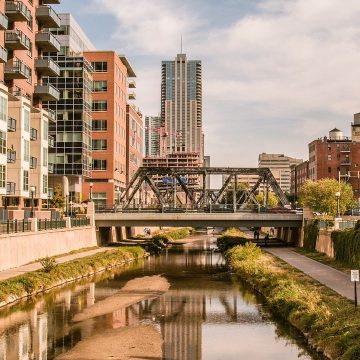
Denver, Colorado

Denver is a case study in how a single metro can be both the state’s biggest magnet and its biggest source of outflow at once. Denver continues to be the top metro destination in Colorado, with more people moving into the city than anywhere else in the state, but it also sees the most people leaving, keeping the area in a constant cycle of turnover. Zoom out to the metro’s broader migration trend and the picture gets starker.
The Denver Metro area saw a 69.6% decline in net migration relative to 2015. That drop hasn’t hit everyone evenly. Colorado is losing middle-income earners specifically, with those making between $51,000 and $100,000 a year representing 61 percent of the outflow. Housing supply hasn’t helped the case for staying, either, with building permits trending downward even as rents remain a strain on household budgets.
Nashville, Tennessee

Nashville’s tourism-fueled boom made it a fixture on every moving company’s most-popular list for years, but the city’s own numbers tell a more complicated story lately. Nashville slid down two slots to 11th place among Tennessee’s ranked destinations in the most recent moving trends data, part of a broader pattern where nearly all of the state’s top cities dropped in the rankings. Home values have followed a similar downward drift rather than the relentless climb newcomers were warned about a few years back.
Zillow reports a marginal 0.1 percent increase in home values for Tennessee overall, though markets like Nashville, Johnson City, and Chattanooga actually experienced a drop in average housing values. The tax advantage that drew so many transplants in the first place turns out to be smaller than advertised once you look closer. Nashville has no state income tax, but its 9.75% combined sales tax offsets a meaningful portion of that advantage for anyone who isn’t a very high earner. Combine that with a housing market that never became as affordable as the pitch promised, and it’s easy to see why some arrivals decide the move didn’t pay off the way they expected.
Tampa Bay, Florida
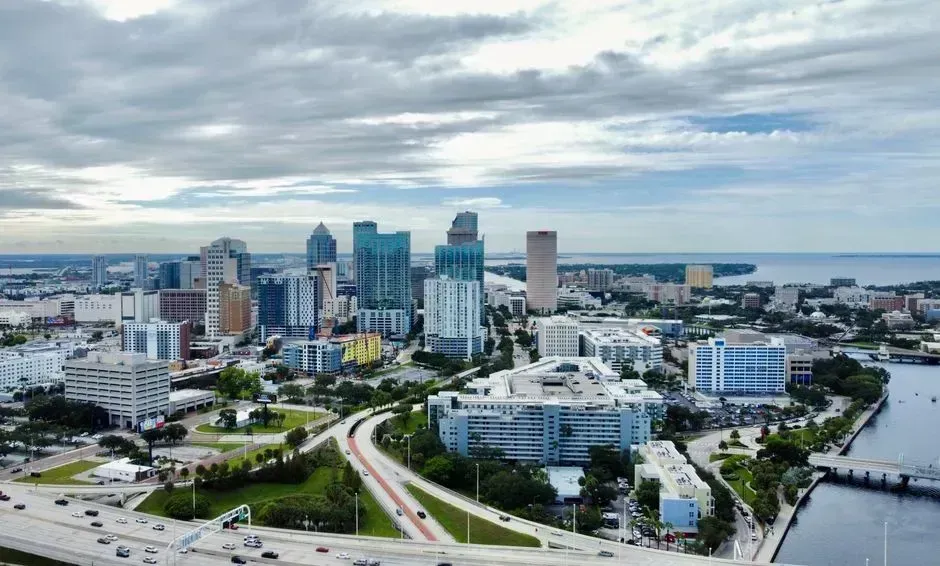
Florida spent years as shorthand for the good life, no state income tax, warm weather, room to breathe. Tampa Bay rode that wave harder than almost anywhere else in the state, until it didn’t. Florida, once a go-to destination, is now seeing residents reconsider their options, and Tampa Bay emerged as a new addition to the move-out list.
The reasons aren’t mysterious once you break them down. A mix of high housing costs, congestion, and increasing exposure to natural disasters is pushing people out of the area. The massive population boom Tampa Bay experienced over the last decade or so seemingly finally came to a head as prices skyrocketed, space became a commodity, and traffic turned wildly congested. For a lot of transplants, the trade-off that once felt obvious, trading a coastal Northeastern city for a coastal Florida one, no longer looks like a clear win.
Sarasota, Florida
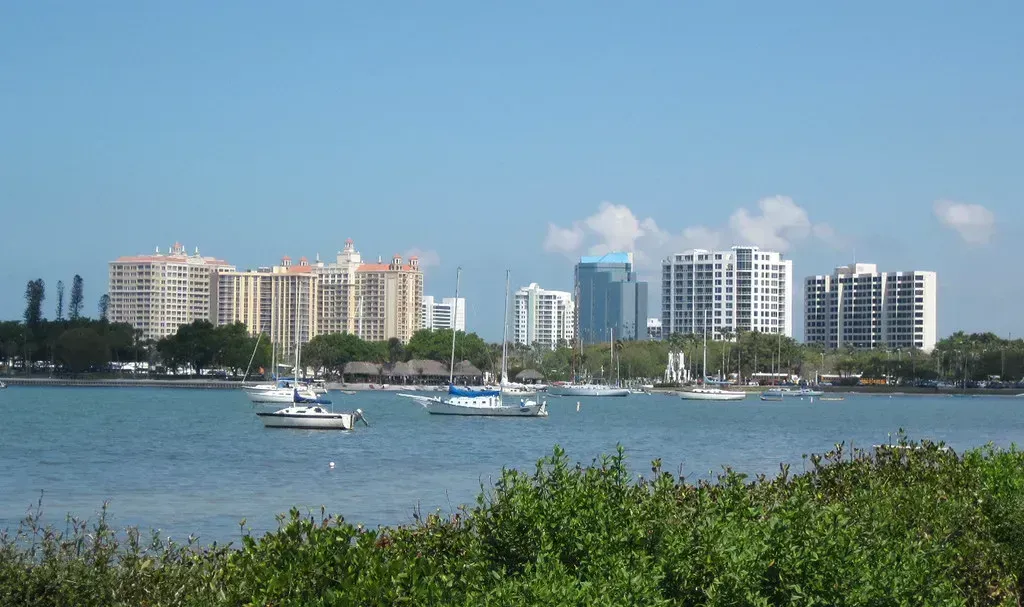
Sarasota’s relationship with newcomers has been unusually up and down. It was a top move-in destination a few years ago, dropped off entirely, and then staged a comeback that surprised even the analysts tracking it. Sarasota made its first top-ten debut since 2023, when it had appeared as the second-most popular city for move-ins, even though its cost of living runs higher than the national average and housing prices shot up since the pandemic.
What makes Sarasota worth watching is the volatility itself. Home values there have actually softened somewhat, dropping close to seven percent over a recent twelve-month stretch, which suggests the market is still working through a wave of buyers who arrived at the top and are now reassessing. A city that swings this much between hot destination and quiet exit is exactly the kind of place where a two-year stay can turn into a two-year regret.
Phoenix, Arizona

Phoenix has long been a retiree favorite, all that sunshine and all those golf courses doing a lot of the marketing work on their own. But the city has been an unreliable presence on the national move-to lists, disappearing for a stretch before staging a return. After taking a year’s hiatus, Phoenix made the list once again, joining other retiree-friendly cities that draw people in with laid-back communities and easy access to nature, even though they’re less affordable than some other options on the list.
That hiatus matters. A city doesn’t fall off a national ranking of top destinations without a real dip in interest, and Phoenix’s climbing summer temperatures and rising utility costs have given plenty of newer residents second thoughts. Phoenix, along with Orlando and Sarasota, made its comeback in the most recent ranking year, which tells its own story about a city that keeps losing and regaining favor rather than settling into steady, predictable growth.
Asheville, North Carolina
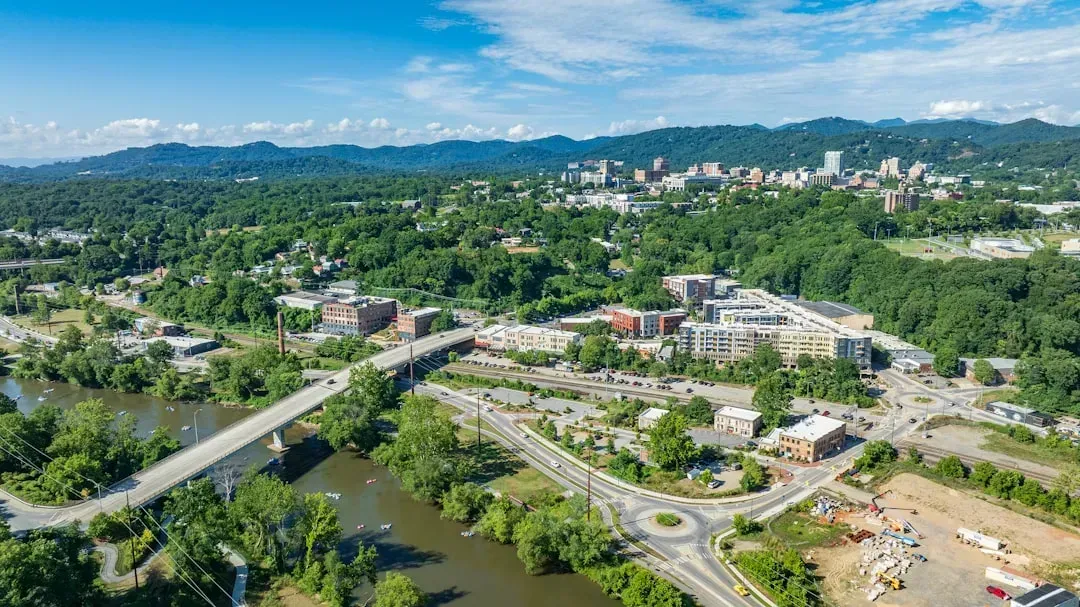
Few cities illustrate the fragility of a “best place to live” reputation quite like Asheville. For years it sat reliably near the top of every relocation ranking, prized for its mountain views, arts scene, and laid-back pace. Then it vanished. Asheville disappeared from the list entirely, a fan favorite that had made the rankings every year since inception, and its decline wasn’t sudden, having already dropped from 10th place in 2024 to 18th in 2025 before falling off completely.
Affordability pressures had been building in Asheville for a while, as its cost of living crept up without wages keeping pace. For a mid-sized mountain town that built its appeal on being an alternative to expensive coastal cities, losing that price advantage removes most of the reason to stay once the initial charm wears off. The trajectory here is a cautionary one for any city riding a wave of glowing magazine coverage.
Colorado Springs, Colorado

Colorado Springs has long served as the practical alternative for people priced out of Denver, offering more space and a gentler pace without giving up the mountains entirely. Colorado Springs offers more space and family-friendly neighborhoods for people leaving Denver, and for a stretch that pitch worked well enough to keep the city growing steadily.
Lately, though, Colorado Springs has started feeling the same slowdown as its larger neighbor. Colorado Springs experienced a 29% decrease in net migration relative to 2015, a meaningful decline for a city that spent years benefiting from Denver’s overflow. There is a bit of a silver lining, since new apartment construction has started easing rents in the area, but the broader migration slowdown suggests even the escape-valve cities aren’t immune to the pattern playing out across the state.
Taken together, these nine cities tell a version of the same story with different local details. A place gets discovered, the cost of that discovery eventually catches up with the people who arrived hoping to outrun their old expenses, and a share of them move on again before their second anniversary in town. It’s not a verdict on any single city so much as a reminder that a lower listing price and a warmer climate rarely settle every account, and that the next hot destination is often just the last one’s cheaper cousin, at least for a little while.


Leave a Reply