
Watching live sport in a public setting is, for most people, one of the most ordinary pleasures of modern life. You get a ticket, you go, you cheer. The idea that someone might be turned away, detained, or worse for simply trying to sit in a stadium feels almost unthinkable. Yet for millions of women, that is the precise reality they live with.
While global sporting bodies like FIFA and the International Olympic Committee frequently champion equality and inclusion, the reality on the ground in certain countries tells a very different story. From outright total bans to persistent de facto restrictions enforced through fear and detention, gender-based exclusion from sports venues remains one of the most visible forms of institutionalized discrimination in the world today. The eight countries below represent a range of situations, from absolute state-imposed bans to deep structural barriers that function much the same way in practice.
1. Iran: A Four-Decade Battle at the Stadium Gates
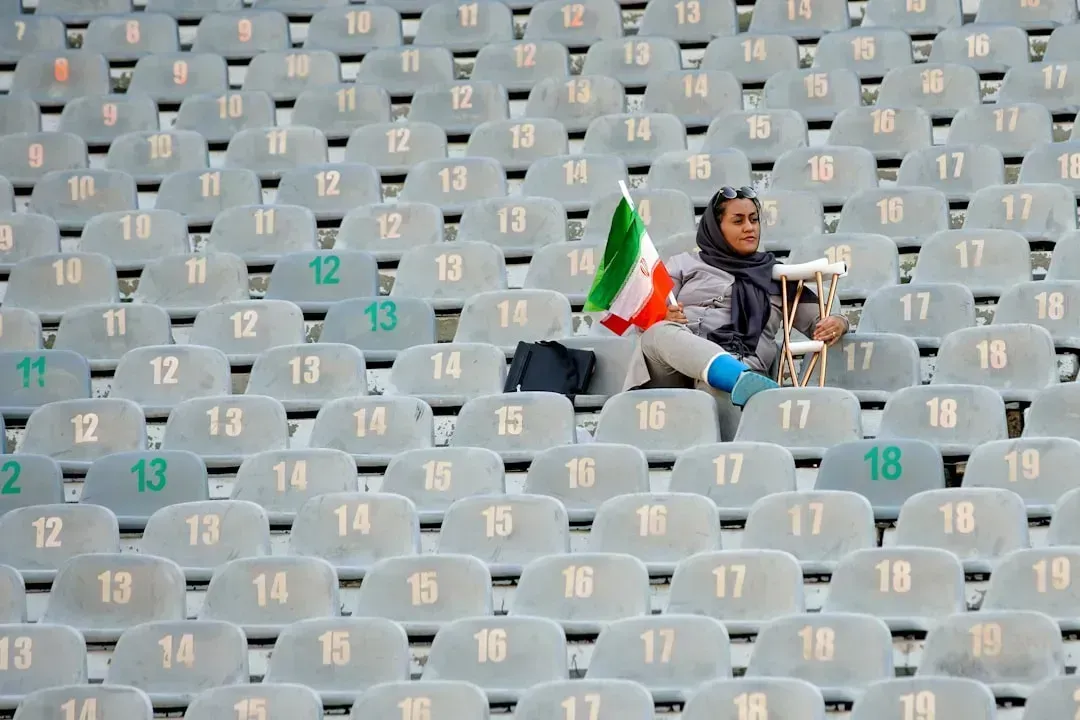
Iran’s discriminatory ban on women attending men’s football matches dates to 1981. The conservative government imposed an unwritten rule to exclude women from attending men’s soccer matches because of “profane language” and “half-naked men” in the stadiums. In 2012, authorities extended the ban to volleyball matches. The legal justification was always thin, but it held for decades, backed by religious hardliners who treated mixed public spaces as a moral threat.
The tragedy of Sahar Khodayari, known as the Blue Girl, brought international attention when she was reportedly sentenced to jail for trying to enter a stadium in September 2019 and died by self-immolation, causing a domestic and international outcry. In May 2024, Iran decided to prohibit women from attending football matches involving popular teams, with incidents in stadiums used as a pretext to ban women’s entry to particular stadiums. Women are still not permitted to attend all matches, and local authorities frequently cite what they call insufficient preparation, such as the lack of designated seating areas for women, as a reason for their exclusion.
2. Afghanistan: The Most Complete Ban in the World
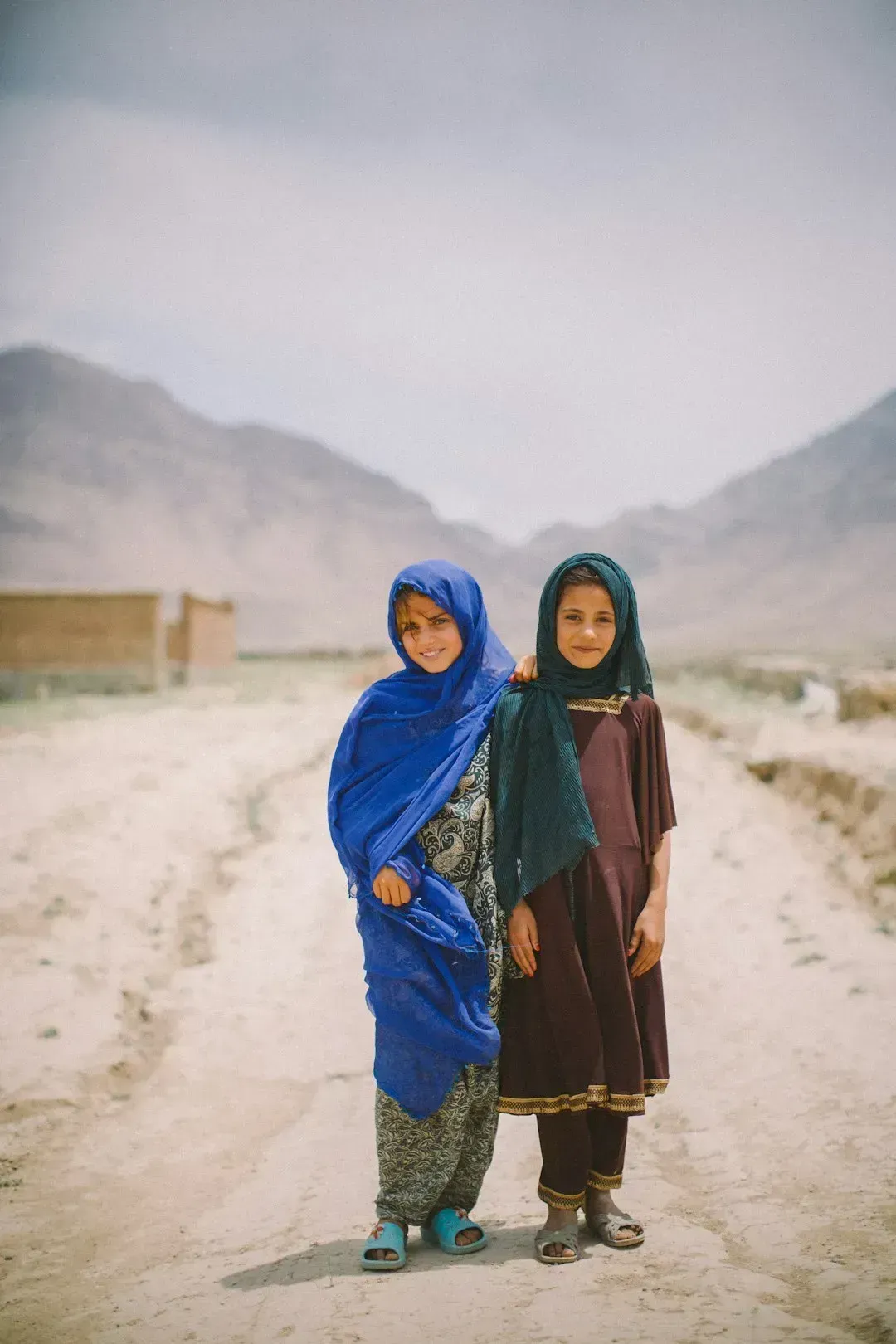
Since taking over Afghanistan in August 2021, the Taliban have banned all sports for women and girls, forcing many athletes into hiding. This is not a restriction on stadium attendance alone. It is a total erasure of women from every form of athletic life, whether as athletes, spectators, coaches, or administrators. The Taliban has barred women from most areas of public life, such as parks, gyms, and most jobs, and also banned girls from going to school beyond the age of 12 and prohibited Afghan women from working at local and non-governmental organisations.
The Taliban have publicly flogged hundreds of men and women in sports stadiums in the presence of thousands of onlookers, with victims convicted of offenses such as theft, robbery, adultery, and other moral crimes by Taliban courts. The group used sports fields, including Kabul’s Ghazi Stadium, for public executions. Venues that once hosted football matches became something else entirely. The International Olympic Committee collaborated with Afghanistan’s National Olympic Committee to bring six Afghan athletes to Paris in 2024, with three women and three men representing Afghanistan, yet the Taliban has refused to acknowledge the female Afghan athletes playing for their home country.
3. Saudi Arabia: Formal Access, Persistent Inequality
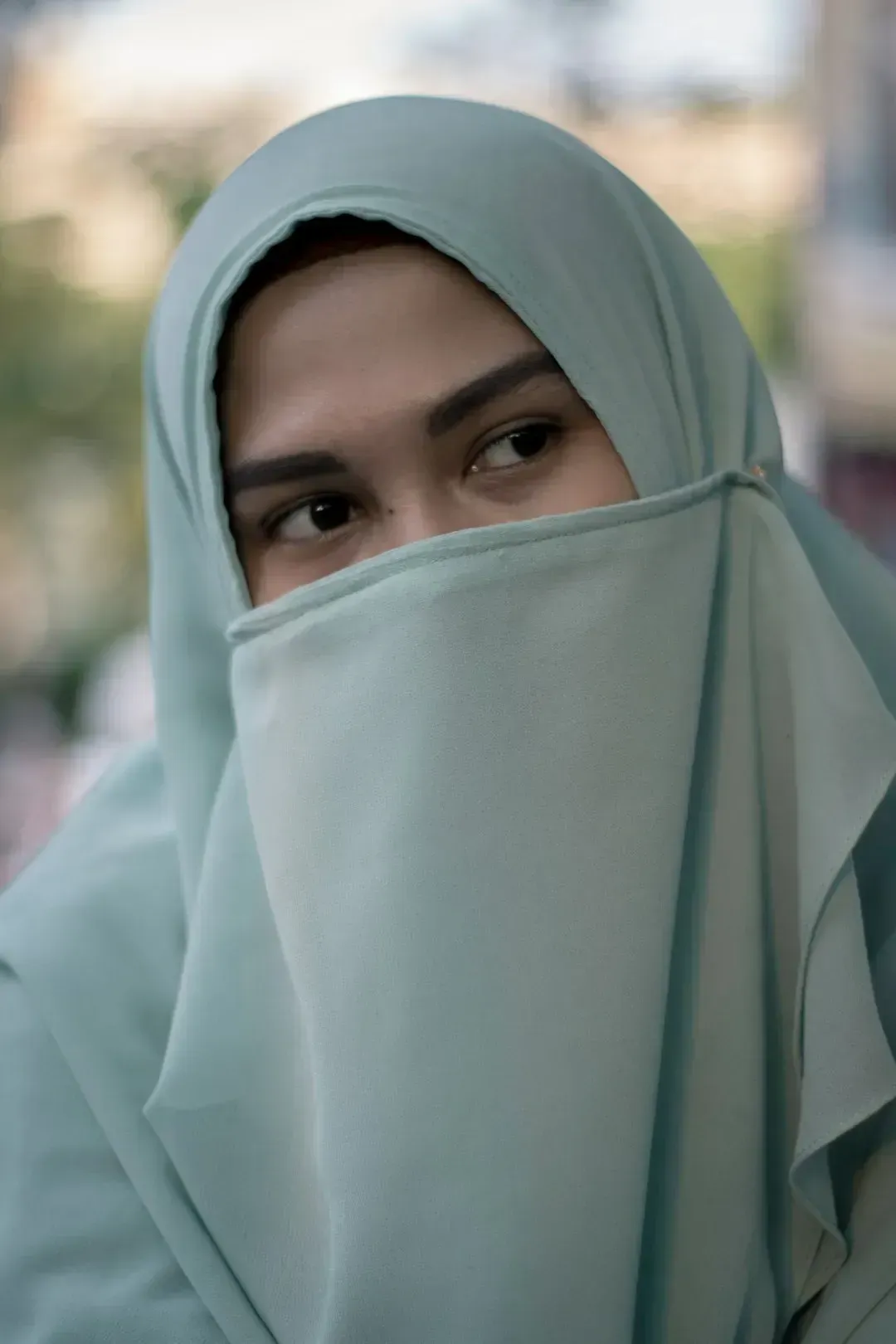
Until 2018, women were not permitted in sports stadiums in Saudi Arabia, even as spectators. As recently as 2018, women and girls were still barred from taking part in sports in schools or even watching sports in stadiums. The change that came was real, but the conditions surrounding it revealed just how ingrained the exclusion had been. For the first time in January 2018, Saudi women were allowed to enter a sports stadium to watch a soccer match between two local teams, though rules dictated that they must be segregated from the male-only crowd with designated seating in the so-called “family section.” The stadiums were also fitted with female prayer areas, restrooms, and smoking areas, as well as separate entrances and parking lots for female spectators.
Before 2017, women were not permitted to attend football matches as spectators; by 2024, the Kingdom established a comprehensive regulatory framework supporting women’s participation at all levels. The shift was part of a broader modernization push, but it came after decades of women being completely shut out of one of the most popular public pastimes in the country. The framework exists on paper, but the pace and depth of cultural change remain uneven across regions and sports types, and access in practice does not yet match the formal policy in all contexts.
4. Yemen: Conflict and Conservative Control
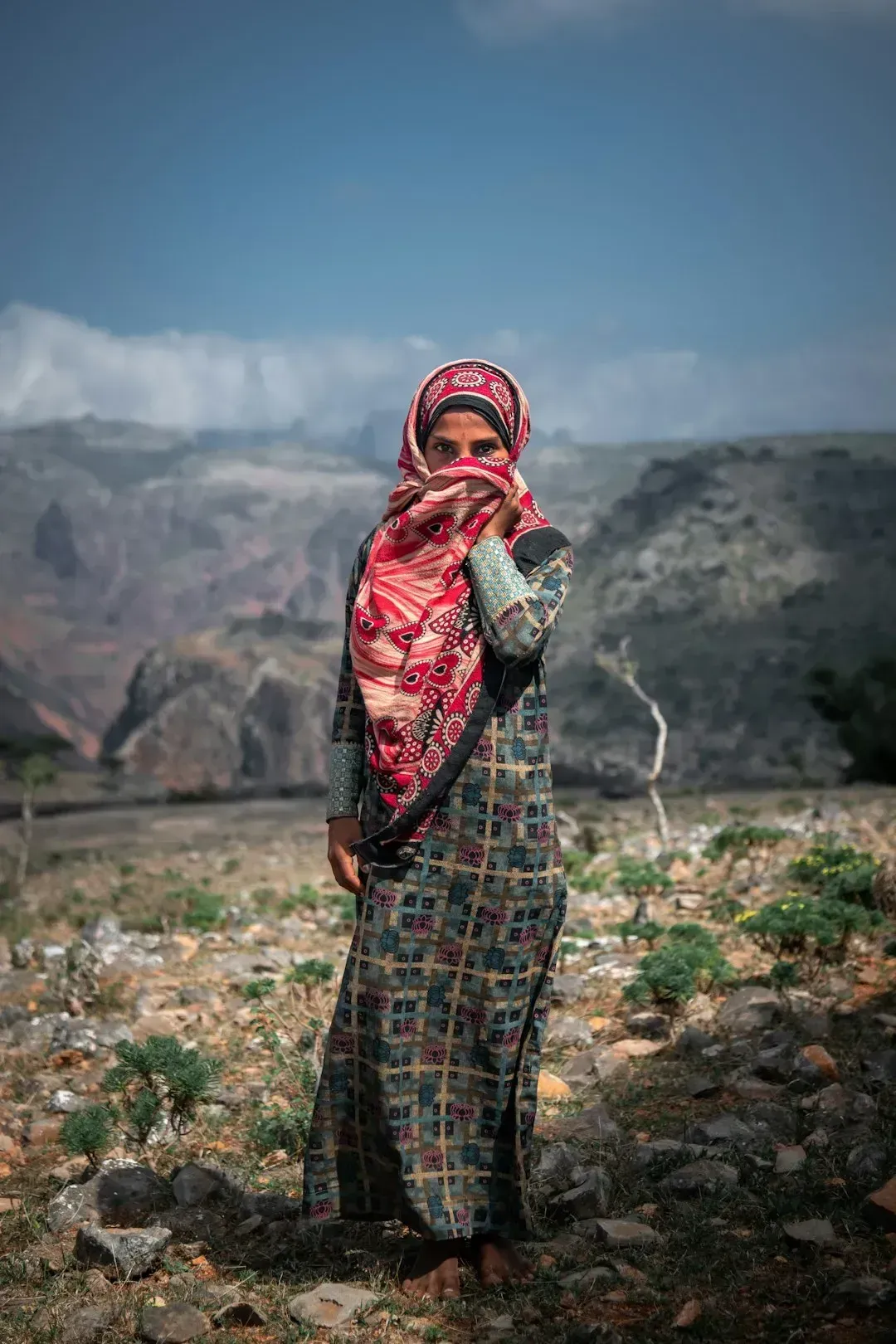
Yemen’s situation is unique in that it involves not one authority but several competing ones, each applying varying degrees of restriction on women’s movement and public participation. In Houthi-controlled areas, which cover a large portion of the country’s population, women face severe limitations on their ability to appear in public spaces without a male guardian. Attendance at mixed public sports events, where men and women share the same physical environment, is effectively blocked through a combination of social enforcement, religious decree, and security presence.
The ongoing civil war has also devastated Yemen’s sports infrastructure, meaning that organized live sporting events are themselves rare. Across the world, sports stadiums are meant to be places of excitement, community, and shared passion. Yet for millions of women, simply walking through the gates of a football ground or sports arena has been, and in many cases still is, a criminal act. In Yemen’s case, the barriers are both formal and physical, leaving women with almost no access to live sports as spectators.
5. Somalia: Al-Shabaab Influence and Social Prohibition

In regions of Somalia under Al-Shabaab influence or governance, public gatherings that include women in any visible role are actively suppressed. Mixed attendance at sports events is not tolerated, and women appearing as spectators at football matches in such areas risk physical punishment. Even in government-controlled areas of Somalia, deeply entrenched cultural norms place significant social pressure on women not to attend public sporting events, particularly those involving male athletes.
From outright total bans to persistent de facto restrictions enforced through fear and detention, gender-based exclusion from sports venues remains one of the most visible forms of institutionalized discrimination in the world today. Somalia exemplifies the pattern where formal law may not explicitly ban women from stadiums, but the practical reality leaves them shut out just as completely. The absence of legal protection, combined with fragile state authority, means there is no mechanism through which women could safely challenge that exclusion.
6. Sudan: Ongoing Crisis, Eroding Access
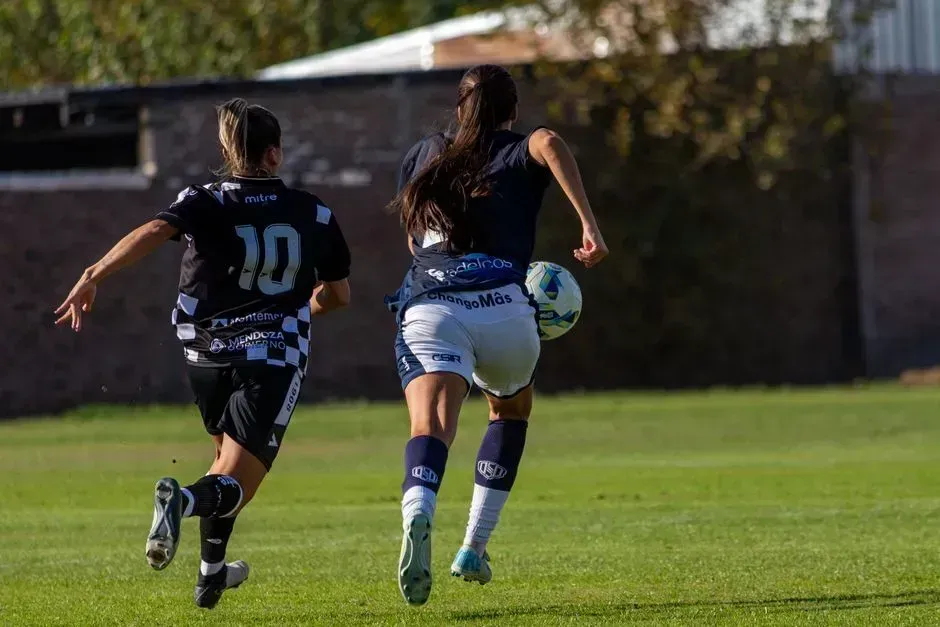
Sudan’s situation has deteriorated sharply since the outbreak of armed conflict in April 2023, which has displaced millions and dismantled much of the country’s civic infrastructure. In territories under the control of the Rapid Support Forces or other armed factions, women’s public participation has been sharply curtailed. Organized sporting events involving mixed audiences have largely ceased to function in conflict zones, and what limited sports culture remains is overwhelmingly male-dominated in both participation and spectatorship.
Prior to the conflict, Sudan had a functioning women’s football league, though access to stadiums for female spectators was inconsistent and varied by region. On International Women’s Day 2025, human rights organizations declared that the world must recognize gender apartheid as a crime against humanity, pointing to the systematic oppression of women in countries where sports bans are just one facet of a much wider structure of legal discrimination. Sudan’s current crisis has pushed the situation decisively backward, with women’s public freedoms being one of the first casualties.
7. Libya: Fragmented Authority and Gendered Restriction
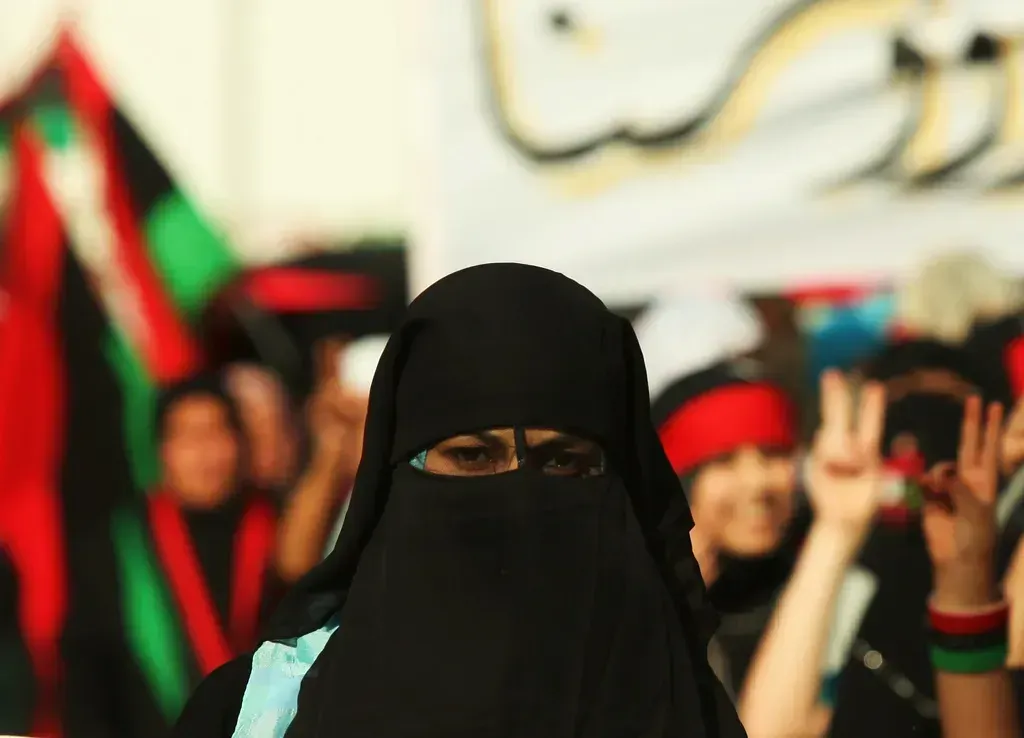
Like Yemen and Somalia, Libya presents a fragmented governance landscape where different regions are controlled by different armed groups, each enforcing its own interpretation of public order and gender norms. In areas under more conservative Islamist administration, women are discouraged or outright prevented from attending public sports events. There is no unified national policy on the matter precisely because there is no unified national authority, but the outcome for women in affected areas is effectively the same as a formal ban.
While global sporting bodies like FIFA and the International Olympic Committee frequently champion equality and inclusion, the reality on the ground in certain countries tells a very different story. From outright total bans to persistent de facto restrictions enforced through fear and detention, gender-based exclusion from sports venues remains one of the most visible forms of institutionalized discrimination in the world today. Libya’s fragmented reality makes it harder to hold any single authority accountable, which in turn makes meaningful international pressure difficult to apply.
8. Iraq: Unwritten Rules With Very Real Consequences

Iraq does not have an explicit national law banning women from stadiums, but the practical experience for women who attempt to attend football matches, especially in more conservative governorates, involves harassment, social pressure, and in some cases physical obstruction. There is no law against women attending games, but authorities have imposed a de facto ban, with women instead turned away and sometimes arrested. The pattern mirrors what Iran experienced for decades, where the absence of formal legislation made the ban harder to challenge and easier to maintain.
Women’s presence at football stadiums in Iraq’s larger cities has become slightly more visible in recent years, but it remains far from normalized. Religious and tribal social norms in many parts of the country treat mixed-gender attendance at sporting events as inappropriate, and security personnel often enforce those norms without any legal mandate to do so. Human rights organizations have declared that the world must recognize gender apartheid as a crime against humanity, pointing to the systematic oppression of women in countries where sports bans are just one facet of a much wider structure of legal discrimination.





Leave a Reply